
 IN
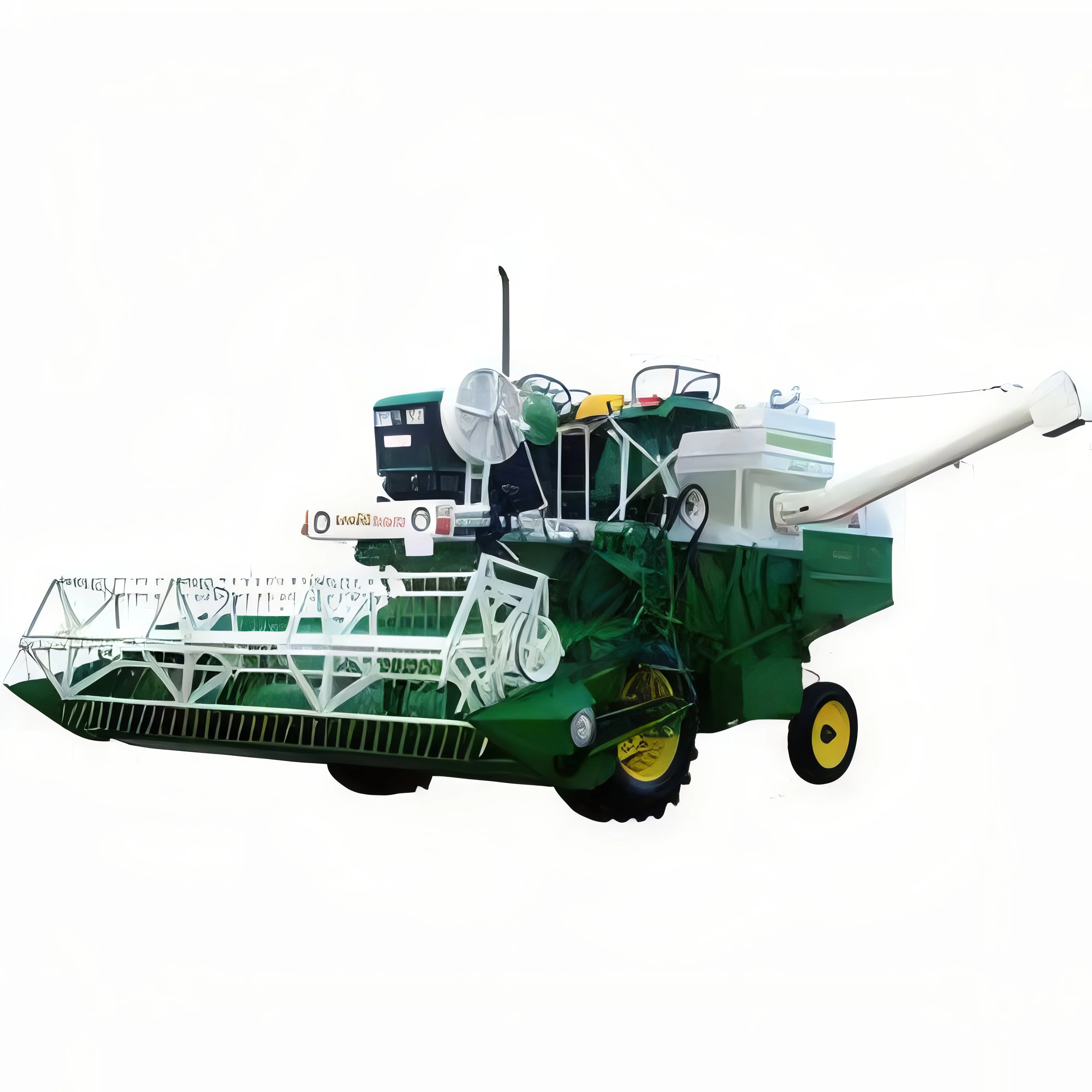
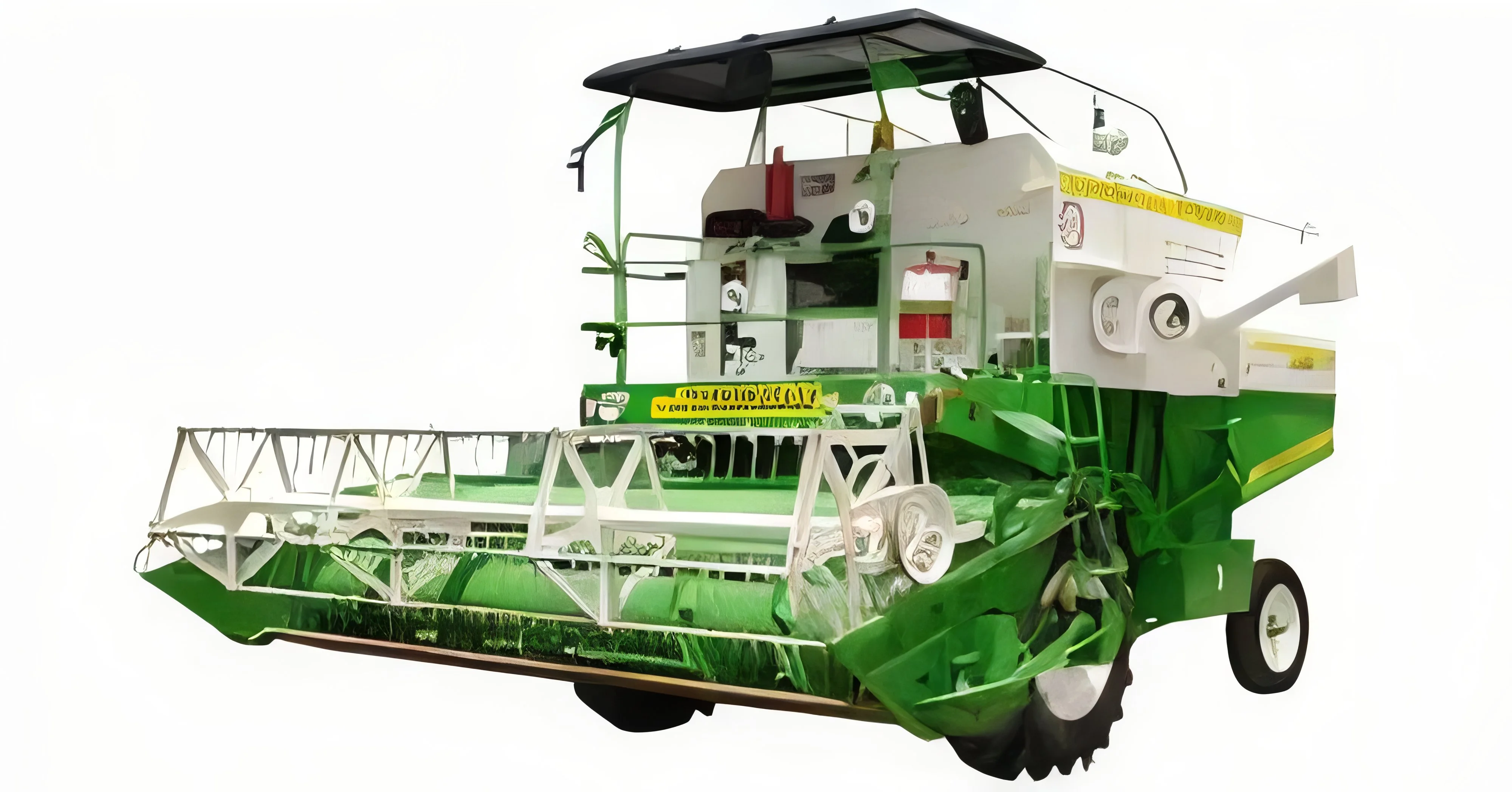
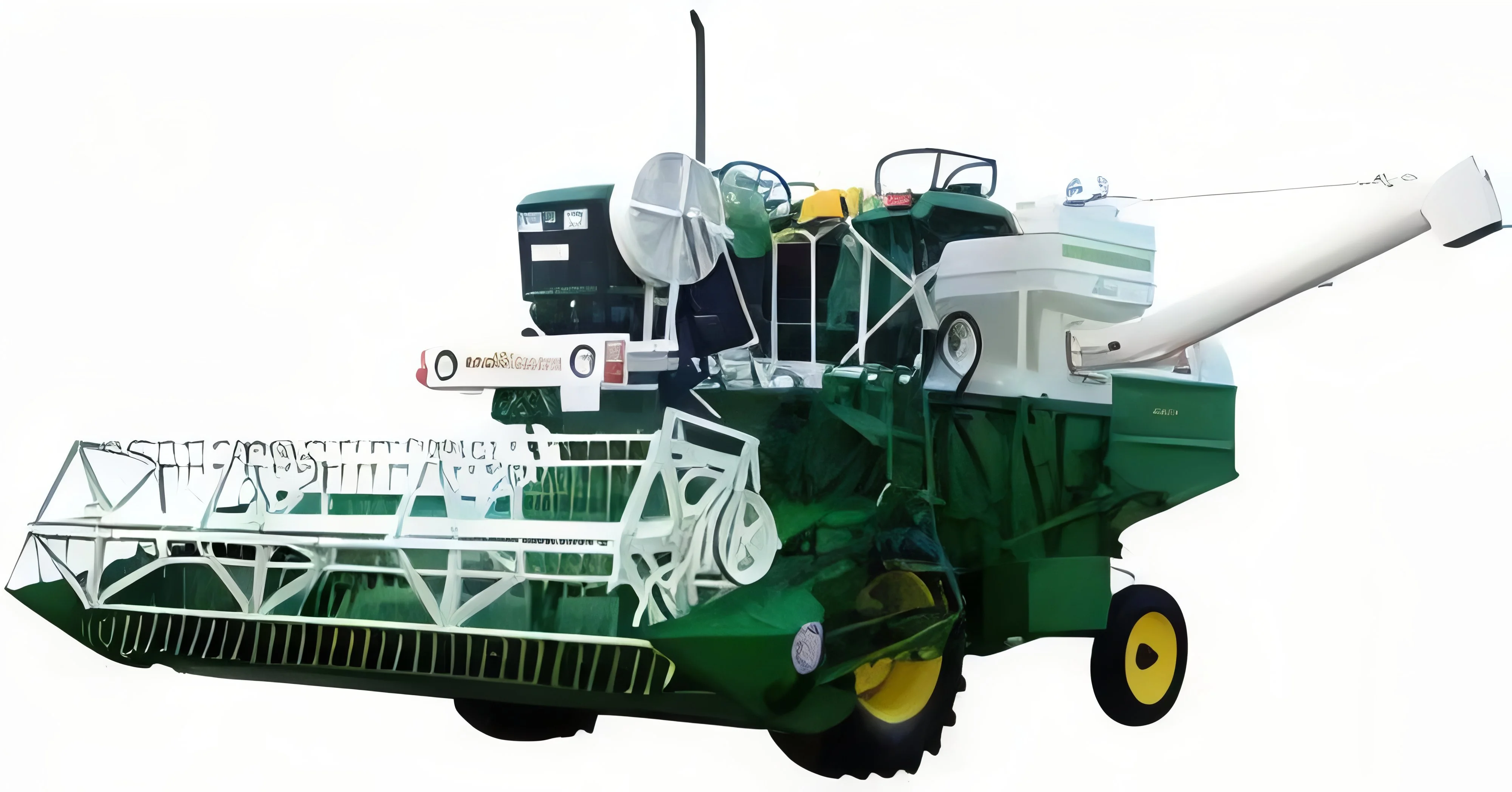
INCombine Harvesters (Self-Propelled, Tractor-Mounted)
3 products available
Key Features and Specifications
Combine harvesters come with a variety of features and specifications that enhance their effectiveness and efficiency. Understanding these specifications is crucial for selecting the right model for specific operational needs.
Key specifications include:
1. Engine Power
- Engine power typically ranges from 150 to 500 horsepower.
- Higher power allows for more robust performance in challenging conditions.
2. Cutting Width
- Cutting widths vary from 4.5 to 12 meters.
- A wider cutting width increases the area harvested per pass.
3. Grain Tank Capacity
- Grain tank capacities can range from 2000 to 10000 liters.
- Larger tanks reduce the frequency of unloading during operation.
4. Threshing System
- Common threshing systems include axial flow and conventional designs.
- Each type offers different efficiencies based on crop type and conditions.
5. Weight
- The weight of self-propelled models generally ranges from 10,000 to 20,000 kg.
- Weight affects stability and maneuverability in the field.
6. Harvesting Speed
- Typical harvesting speeds can reach up to 10 km/h.
- Speed impacts overall harvest efficiency and time management.
7. Technology Integration
- Many models include GPS and precision agriculture technology.
- These features enhance navigation and operational accuracy.
8. Safety Features
- Safety features may include automatic shutoff systems and operator alerts.
- Essential for ensuring safe operation in the field.
In summary, understanding these specifications helps buyers make informed decisions when selecting combine harvesters tailored to their agricultural needs.
Common Applications and Use Cases
Combine harvesters are utilized in various agricultural sectors, each with unique applications.
1. Grain Farming: These machines are essential in wheat, barley, and corn harvesting, allowing farmers to efficiently manage large volumes with reduced labor.
2. Rice Cultivation: In rice farming, combine harvesters streamline the process, minimizing damage to the crop and ensuring quality yield.
3. Legume Harvesting: For crops such as soybeans and lentils, combine harvesters enable quick and efficient harvesting, which is crucial for maintaining crop quality.
4. Oilseed Production: The ability to harvest oilseeds like canola and sunflower is enhanced with specialized attachments and settings on combine harvesters.
5. Forage Crops: In livestock operations, combine harvesters can be adapted for cutting and collecting forage crops, aiding in feed production.
6. Specialty Crops: Some models can be fitted with specific headers for specialty crops, such as sugar beets and potatoes, expanding their utility.
7. Organic Farming: With advancements in technology, combine harvesters can now be utilized in organic farming, minimizing soil disturbance and maximizing yield.
Product Variants and Subcategories
Combine harvesters come in various configurations to meet diverse agricultural needs. The two main types are self-propelled and tractor-mounted variants.
Self-Propelled Combine Harvesters: These models are equipped with their own engines and provide excellent mobility and power. They are suitable for large-scale operations where efficiency and speed are paramount. These machines often feature advanced technology for precision farming.
Tractor-Mounted Combine Harvesters: Designed to attach to existing tractors, these models offer versatility and cost-effectiveness. They utilize the tractor's power for operation, making them ideal for smaller farms or operations looking to maximize their existing equipment.
Benefits and Advantages
Investing in combine harvesters offers numerous benefits to agricultural businesses.
1. Increased Efficiency: These machines significantly reduce harvesting time, allowing for faster crop turnover.
2. Labor Savings: Automation of harvesting reduces the need for manual labor, which can be scarce during peak seasons.
3. Enhanced Crop Quality: Advanced harvesting techniques minimize crop damage and maintain quality, leading to better market prices.
4. Versatility: Combine harvesters can adapt to various crop types and conditions, making them valuable assets for diverse farming operations.
5. Data-Driven Decisions: Many models integrate technology that provides valuable data for improving farming practices and yields.
6. Cost-Effectiveness: Over time, the investment in combine harvesters can yield significant savings through increased productivity and reduced labor costs.
Buying Guide for B2B Buyers
When considering the purchase of combine harvesters, several critical factors should be assessed to ensure a suitable investment.
1. Quality Assessment: Evaluate the build quality and reliability of the machines. Look for established brands known for their durability and service support.
2. Supplier Verification: Conduct thorough research on suppliers to ensure they have a solid reputation and provide after-sales support.
3. Pricing and MOQ: Understand the price range and minimum order quantities. Compare different suppliers to find competitive pricing.
4. Delivery and Lead Times: Consider logistics and lead times, especially if you need the equipment for a specific harvesting season.
5. Compliance Requirements: Ensure that the machines meet relevant regulatory standards and certifications for safety and operational efficiency.
Compliance and Certifications
Compliance with industry standards and certifications is crucial for combine harvesters to ensure safety and reliability. Key standards include ISO 9001, which focuses on quality management systems, and CE marking, indicating compliance with European health and safety requirements.
Safety standards are vital for the operation of agricultural machinery. Manufacturers must adhere to safety testing requirements to minimize risks during operation. Additionally, regional compliance considerations may arise based on local agricultural regulations, which can vary significantly.
Why Source Combine Harvesters (Self-Propelled, Tractor-Mounted) from Pepagora?
Pepagora is a trusted platform for sourcing combine harvesters with several key advantages to buyers.
Verified Supplier Network: Pepagora offers access to a network of verified suppliers, ensuring that buyers can source quality equipment with confidence. Rigorous vetting processes help maintain high standards.
Streamlined RFQ Process: The platform simplifies the request for quotation (RFQ) process, allowing buyers to easily compare offers and make informed purchasing decisions.
Trade Assurance and Support: Buyers benefit from trade assurance programs that provide protection and support, ensuring a secure transaction process.
Regional Coverage: Pepagora's reach extends across India, the GCC, and Southeast Asia, making it a convenient option for businesses operating in these regions. This broad coverage ensures access to local suppliers and tailored solutions for diverse agricultural needs.

Frequently Asked Questions
What are Combine Harvesters (Self-Propelled, Tractor-Mounted)?
Combine Harvesters (Self-Propelled, Tractor-Mounted) are agricultural machines that combine the functions of cutting, threshing, and cleaning grain crops in a single pass. These machines can either be self-propelled or mounted on a tractor, making them versatile for various farming applications.
What are the different types of Combine Harvesters (Self-Propelled, Tractor-Mounted)?
The main types of Combine Harvesters include self-propelled combines, which are independent machines, and tractor-mounted combines, which attach to a tractor for mobility. Each type has specific advantages depending on the scale of farming and the type of crops being harvested.
How do I choose the right Combine Harvesters (Self-Propelled, Tractor-Mounted)?
Choosing the right Combine Harvester depends on factors such as the size of your farm, the types of crops you grow, and your budget. It's essential to consider the machine's capacity, efficiency, and any additional features that may enhance productivity.
What are the standard specifications for Combine Harvesters (Self-Propelled, Tractor-Mounted)?
Standard specifications for Combine Harvesters often include engine power, cutting width, grain tank capacity, and overall dimensions. Additionally, features like advanced control systems, grain loss monitoring, and adjustable settings may also be part of the specifications.
What is the price range for Combine Harvesters (Self-Propelled, Tractor-Mounted)?
The price range for Combine Harvesters can vary significantly based on their type, brand, and features. Generally, prices may start from a few lakhs and can go up to several crores for advanced models.
What quality standards apply to Combine Harvesters (Self-Propelled, Tractor-Mounted)?
Combine Harvesters must adhere to various quality standards, including safety regulations and performance benchmarks set by agricultural authorities. Manufacturers often comply with ISO standards and other relevant certifications to ensure product reliability and efficiency.
Where can I find Combine Harvesters (Self-Propelled, Tractor-Mounted) suppliers in India?
You can find suppliers of Combine Harvesters in India through various channels, including online B2B marketplaces like Pepagora, agricultural trade shows, and local dealerships. It's advisable to research and compare multiple suppliers to assess their credibility and product offerings.
Can Combine Harvesters (Self-Propelled, Tractor-Mounted) be customized?
Yes, many manufacturers offer customization options for Combine Harvesters based on specific agricultural needs. Customization may include features like specialized headers, additional grain storage, or enhanced control systems.
What is the typical minimum order quantity for Combine Harvesters (Self-Propelled, Tractor-Mounted)?
The typical minimum order quantity (MOQ) for Combine Harvesters can vary by supplier, but it generally starts from one unit for customized orders. Bulk purchases may have different MOQs depending on the terms set by the manufacturer.
What is the typical lead time for Combine Harvesters (Self-Propelled, Tractor-Mounted)?
The lead time for Combine Harvesters usually ranges from a few weeks to several months, depending on the supplier's inventory, customization requirements, and manufacturing capacity. It's advisable to confirm the lead time with the supplier at the time of order.
Why Businesses Trust Pepagora
Thousands of companies trust Pepagora to source smarter and sell faster
Expand Your Sales Globally

Source Smarter,Grow Faster
