
 IN
Power Tillers & Power Weeders
6 products available
What are Power Tillers & Power Weeders?
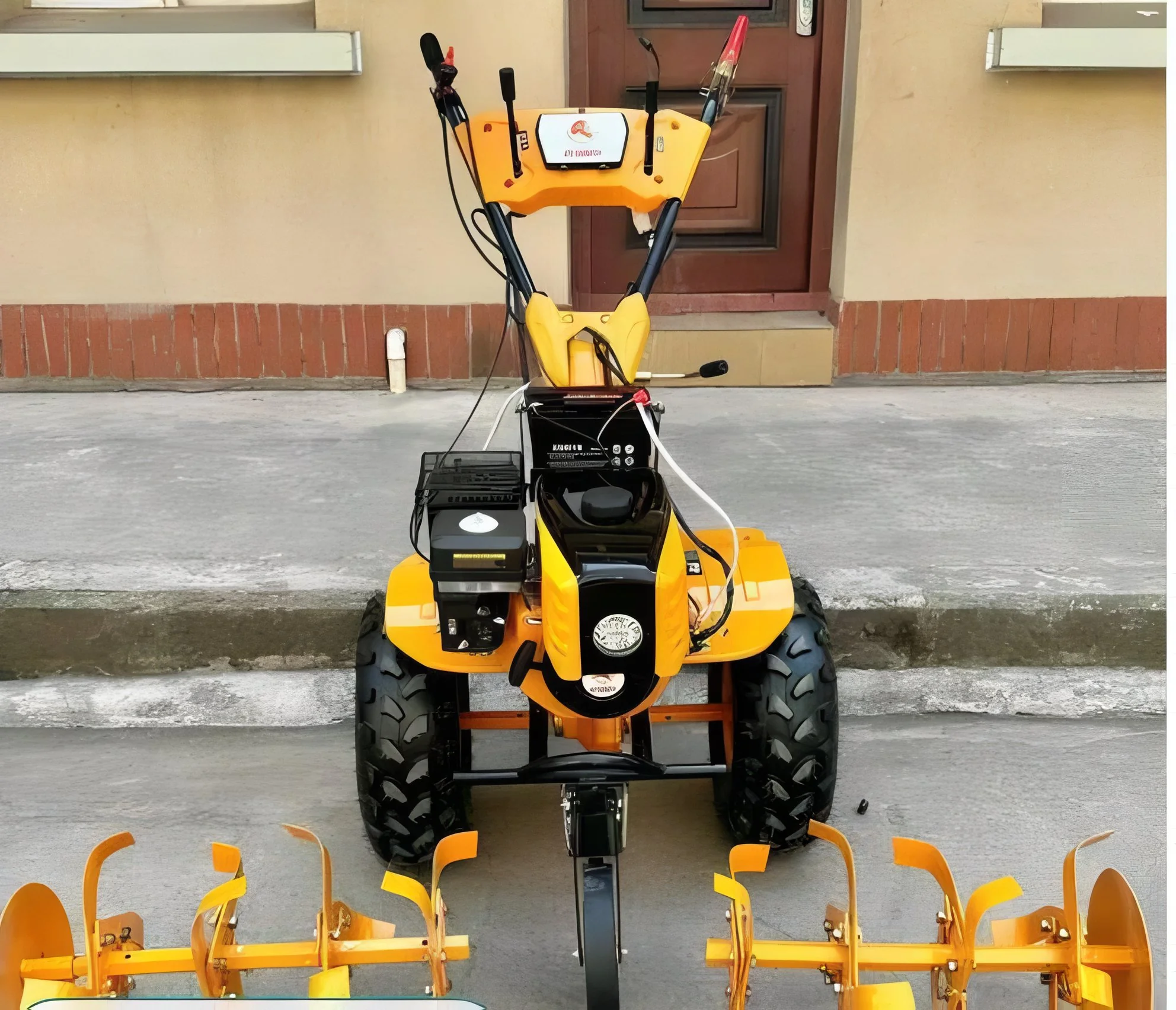
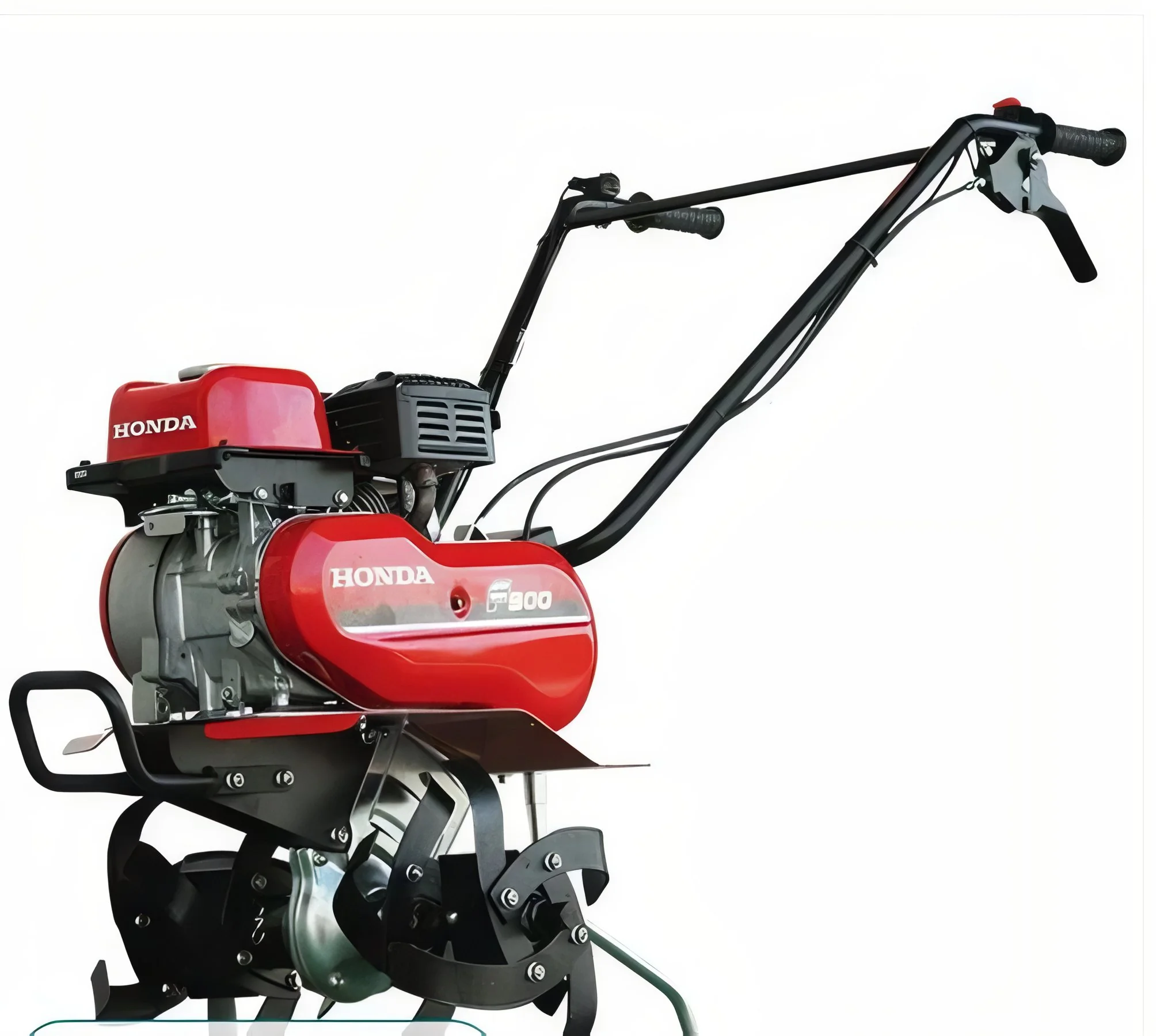
Power tillers and power weeders are essential agricultural machines designed to assist in the cultivation and maintenance of soil. A power tiller is a motorized device that loosens and prepares the soil for planting by breaking up the ground, while a power weeder effectively removes unwanted plants or weeds from the soil. Both machines offer increased efficiency compared to manual farming methods, making them valuable tools for farmers and agricultural businesses.
The primary uses of power tillers and power weeders include soil preparation, weed removal, and improving crop yield. These machines are particularly beneficial for small to medium-sized farms, where labor costs and time efficiency are critical. By automating these tasks, farmers can allocate resources more effectively and achieve better results in their agricultural practices. The relevance of these tools in the industry is underscored by their growing adoption, as they not only enhance productivity but also cater to the increasing demand for sustainable farming solutions.
Key Features and Specifications
Power tillers and power weeders come with various features and specifications that cater to different agricultural needs. Understanding these specifications can greatly assist in making informed purchasing decisions.
Key specifications include:
1. Engine Type
- Typically available as petrol or diesel engines
- Power ratings can range from 5 to 10 HP
2. Tilling Depth
- Adjustable tilling depth for varied soil types
- Generally ranges from 6 to 12 inches
3. Working Width
- Effective working width can vary between models
- Commonly ranges from 24 to 36 inches
4. Weight
- The weight of the machine impacts stability and ease of use
- Usually ranges from 70 to 150 kg
5. Fuel Efficiency
- Important for reducing operational costs
- Fuel consumption rates can vary from 0.5 to 1.5 liters per hour
6. Transmission Type
- Gear-driven or belt-driven options are available
- Affects speed control and ease of operation
7. Safety Features
- Includes emergency shut-off switches and protective guards
- Essential for operator safety during use
8. Warranty
- Manufacturers often provide warranties for parts and labor
- Typical warranty periods range from 1 to 3 years
These specifications play a vital role in determining the suitability of a power tiller or weeder for specific agricultural applications.
Common Applications and Use Cases
Power tillers and power weeders are versatile machines used across various industries.
1. Agriculture: These machines are primarily used for soil preparation and weed control in crop production, enhancing overall yield and efficiency.
2. Horticulture: In nurseries and garden centers, power weeders help maintain clean growing environments by effectively managing weed populations.
3. Landscaping: Landscaping companies utilize power tillers for site preparation and soil aeration, ensuring healthy plant growth.
4. Organic Farming: Organic farmers often rely on power weeders to minimize herbicide use, promoting sustainable farming practices.
5. Small Farms: Small-scale farmers benefit from the ease of use and labor savings that power tillers provide, enabling them to manage their land more effectively.
6. Community Gardens: Urban community gardens use these machines to cultivate and maintain garden plots, improving productivity in limited spaces.
7. Research Institutions: Agricultural research facilities often employ power tillers and weeders for experimental plots to study different crop management techniques.
Product Variants and Subcategories
Power tillers and power weeders come in various models and configurations to meet diverse operational needs.
Mini Power Tiller
This compact variant is ideal for small farms and gardens. It offers maneuverability and efficiency in tight spaces, making it perfect for urban agriculture.
Heavy-Duty Power Tiller
Designed for larger fields, this variant features a robust engine and greater tilling width. It is suited for intensive farming operations requiring extensive soil preparation.
Power Weeder with Attachments
This model can be equipped with various attachments for different applications, such as mulching or cultivating. Its versatility makes it a preferred choice for diverse farming tasks.
Benefits and Advantages
Power tillers and power weeders provide numerous advantages to users.
1. Increased Efficiency: These machines significantly reduce the time required for tilling and weeding compared to manual methods.
2. Cost-Effective: With improved fuel efficiency and reduced labor costs, they offer a better return on investment for farmers.
3. Improved Soil Health: By aerating the soil and promoting better drainage, these machines contribute to healthier growing conditions.
4. User-Friendly: Designed for ease of operation, they require minimal training, allowing farmers to operate them effectively.
5. Versatility: Power tillers and weeders can be used for various tasks, making them adaptable to different farming needs.
6. Enhanced Crop Yield: By preparing the soil properly and controlling weeds, these machines help maximize agricultural output.
Buying Guide for B2B Buyers
When sourcing power tillers and power weeders, B2B buyers should consider several important factors.
1. Quality Assessment: Assess the build quality and materials used in the machines. Look for reliable brands known for durability and performance.
2. Supplier Verification: Vet suppliers to ensure they are reputable and have a history of providing quality products. Check for customer reviews and testimonials.
3. Pricing and MOQ: Understand the pricing structures and minimum order quantities (MOQ) set by suppliers to make informed budget decisions.
4. Delivery and Lead Times: Evaluate the lead times for delivery to ensure machines arrive when needed, keeping in mind seasonal demands.
5. Compliance Requirements: Familiarize yourself with relevant regulations and standards that the machines must meet, ensuring compliance with industry norms.
Compliance and Certifications
Power tillers and power weeders must adhere to various quality standards and certifications to ensure safety and reliability.
ISO 9001 is a quality management standard that ensures organizations consistently provide products that meet customer and regulatory requirements. Compliance with this standard signifies a commitment to continuous improvement.
The CE marking indicates that the product conforms to European health, safety, and environmental protection standards. This certification is crucial for products sold in the European market.
Safety and testing requirements are critical in the manufacturing process of these machines. They must undergo rigorous testing to ensure they operate safely under various conditions.
Regional compliance considerations may vary, so it is essential for buyers to be aware of local regulations that could affect the use and sale of power tillers and weeders.
Why Source Power Tillers & Power Weeders from Pepagora?
Pepagora offers a trusted platform for sourcing power tillers and power weeders, providing buyers with several key advantages.
Verified Supplier Network: Pepagora ensures that all suppliers are thoroughly vetted, ensuring quality and reliability in every transaction. This network guarantees that buyers have access to reputable manufacturers.
Streamlined RFQ Process: The request for quotation (RFQ) process on Pepagora is user-friendly, enabling buyers to quickly obtain competitive quotes from multiple suppliers. This saves time and helps in making informed purchasing decisions.
Trade Assurance and Support: Pepagora provides trade assurance to protect buyers throughout the purchasing process. This includes buyer support for any issues that may arise, ensuring a smooth transaction.
Regional Coverage: With a strong presence in India, the GCC, and Southeast Asia, Pepagora offers extensive regional coverage, making it easier for buyers to connect with suppliers close to their operations. This regional focus enhances logistical efficiency.




Frequently Asked Questions
What are Power Tillers & Power Weeders?
Power tillers and power weeders are agricultural machinery used for soil cultivation and weed management. Power tillers are designed to prepare the soil for planting, while power weeders help in removing unwanted plants and weeds from the fields.
What are the different types of Power Tillers & Power Weeders?
There are various types of power tillers and weeders available, including walk-behind tillers, mini tillers, and rotary weeders. Each type serves different purposes and is suited for different scales of agricultural operations.
How do I choose the right Power Tillers & Power Weeders?
When selecting power tillers and weeders, consider factors such as the size of your land, the type of soil, and the specific agricultural tasks you need to perform. It's also important to evaluate the machine's power, weight, and ease of use.
What are the standard specifications for Power Tillers & Power Weeders?
Standard specifications for power tillers and weeders typically include engine capacity, working width, depth of tillage, and weight. Additional features may include adjustable handles and various attachment options for different tasks.
What is the price range for Power Tillers & Power Weeders?
The price range for power tillers and weeders can vary widely based on brand, specifications, and features. Generally, you can expect prices to start from approximately INR 30,000 and go up to INR 1,50,000 or more for advanced models.
What quality standards apply to Power Tillers & Power Weeders?
Power tillers and weeders must meet specific quality standards to ensure safety and efficiency. These standards often include compliance with ISI (Indian Standards Institute) guidelines and adherence to safety regulations set by the agricultural machinery industry.
Where can I find Power Tillers & Power Weeders suppliers in India?
You can find power tillers and weeders suppliers in India through online B2B marketplaces like Pepagora, agricultural trade shows, and local agricultural equipment dealers. It's advisable to compare suppliers and check their certifications before making a purchase.
Can Power Tillers & Power Weeders be customized?
Yes, many manufacturers offer customization options for power tillers and weeders to meet specific agricultural needs. Customizations may include attachments, modifications in size, or adjustments in engine specifications.
What is the typical minimum order quantity for Power Tillers & Power Weeders?
The typical minimum order quantity (MOQ) for power tillers and weeders can vary by supplier. Generally, MOQs can range from 1 unit for individual buyers to larger quantities for bulk purchases by businesses or cooperatives.
What is the typical lead time for Power Tillers & Power Weeders?
The typical lead time for power tillers and weeders can range from a few days to several weeks, depending on the supplier and the availability of the product. It's advisable to confirm the lead time at the time of order placement to plan accordingly.
Why Businesses Trust Pepagora
Thousands of companies trust Pepagora to source smarter and sell faster
Expand Your Sales Globally

Source Smarter,Grow Faster
