
 IN
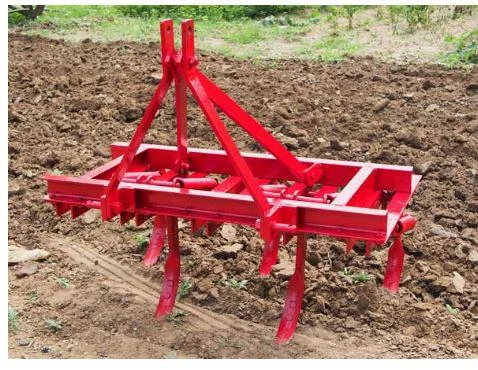
INPloughs (Disc, MB, Reversible)
15 products available
Key Features and Specifications
Ploughs come with several features and specifications that cater to diverse agricultural needs. Understanding these specifications is essential for selecting the right equipment for specific farming conditions.
Key specifications include:
1. Type of Plough
- Disc, MB, and Reversible options are available.
- Each type is suited for different soil conditions.
2. Working Width
- Typically ranges from 10 inches to 16 inches.
- Determines the volume of soil processed per pass.
3. Depth of Cut
- Adjustable depths generally between 6 inches to 12 inches.
- Allows customization based on crop requirements.
4. Number of Shares
- Can range from 1 to 5 shares.
- Affects the plough's productivity and efficiency.
5. Frame Construction
- Made from high-strength steel for durability.
- Design influences weight and ease of maneuverability.
6. Weight
- Generally varies between 300 kg to 600 kg.
- Heavier ploughs offer better penetration in tough soil.
7. Hitch Type
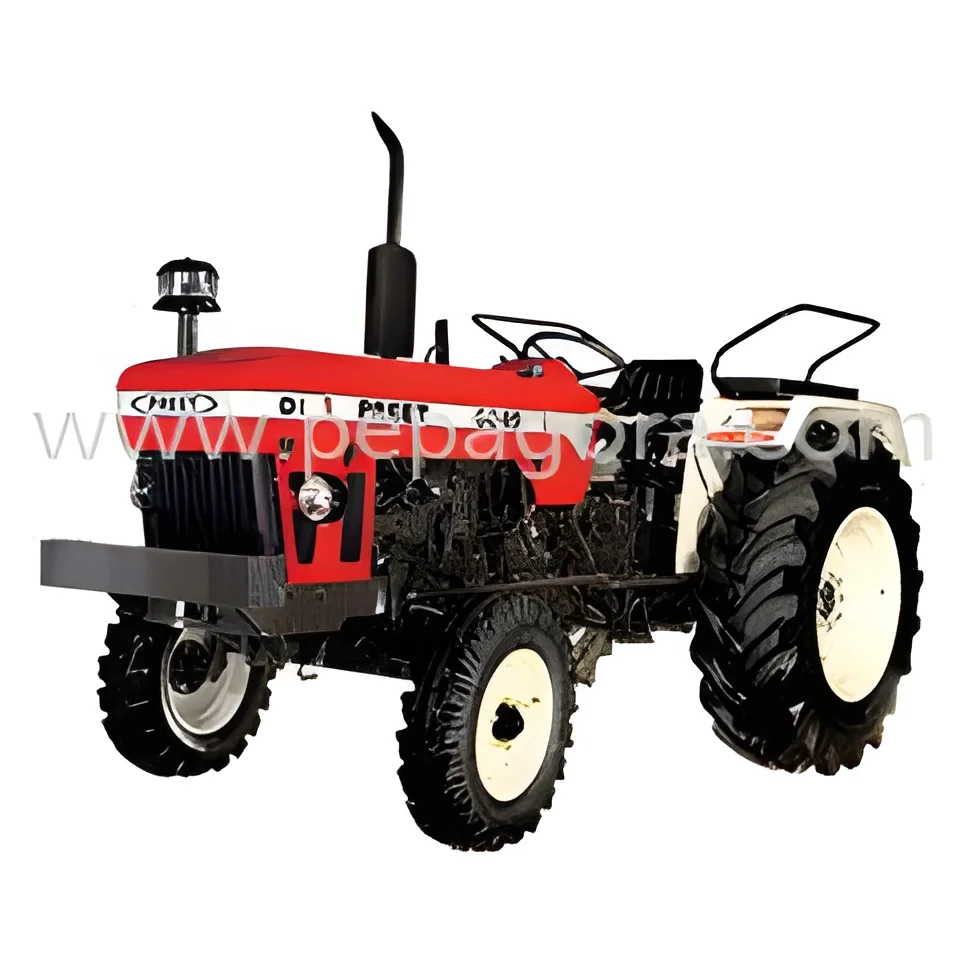
- Available in various hitch styles (e.g., three-point hitch).
- Ensures compatibility with different tractors.
8. Maintenance Requirements
- Regular maintenance is required to ensure optimal operation.
- Includes checking and sharpening blades.
In summary, knowing the features and specifications of ploughs can help buyers make informed decisions that align with their agricultural practices.
Common Applications and Use Cases
Ploughs serve various industries, primarily in agriculture, but also in other sectors.
1. Agriculture: Ploughs are primarily used for soil preparation, helping farmers cultivate land and enhance soil structure for better crop growth.
2. Horticulture: In horticultural settings, ploughs prepare beds for planting vegetables, fruits, and flowers, ensuring optimal growing conditions.
3. Landscaping: Some landscaping companies utilize ploughs to reshape land and prepare sites for new installations, such as gardens or parks.
4. Erosion Control: Ploughs can help in creating furrows that reduce soil erosion by controlling water runoff in vulnerable areas.
5. Reclamation Projects: In land reclamation, ploughs are used to prepare disturbed soils for vegetation re-establishment.
6. Research and Development: Agricultural research institutions use ploughs in experiments to study soil behavior and crop responses.
7. Conservation Tillage: Some conservation tillage practices utilize specific plough types to minimize soil disturbance while preparing land.
Product Variants and Subcategories
Ploughs come in various designs to meet specific agricultural needs and conditions.
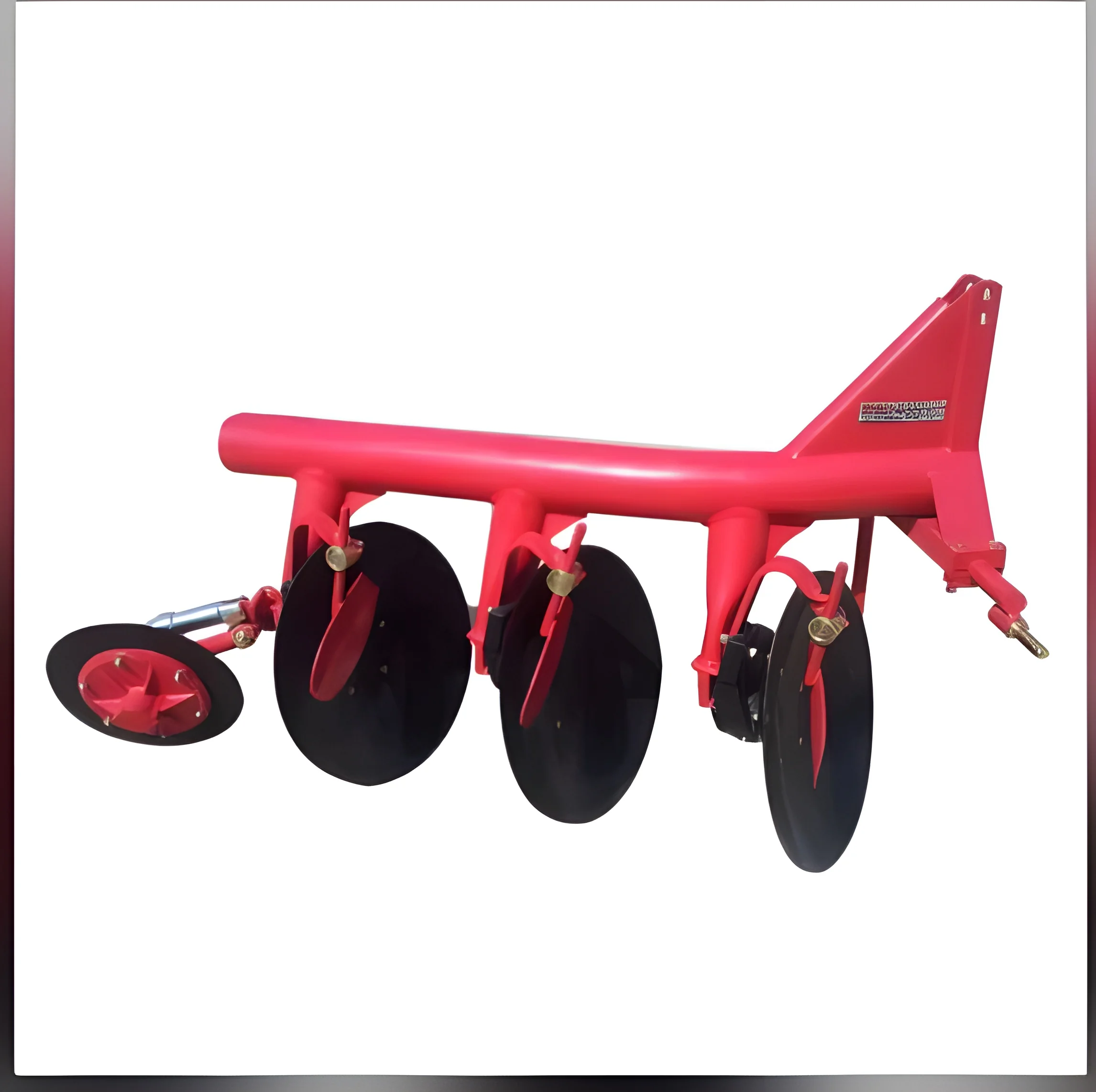
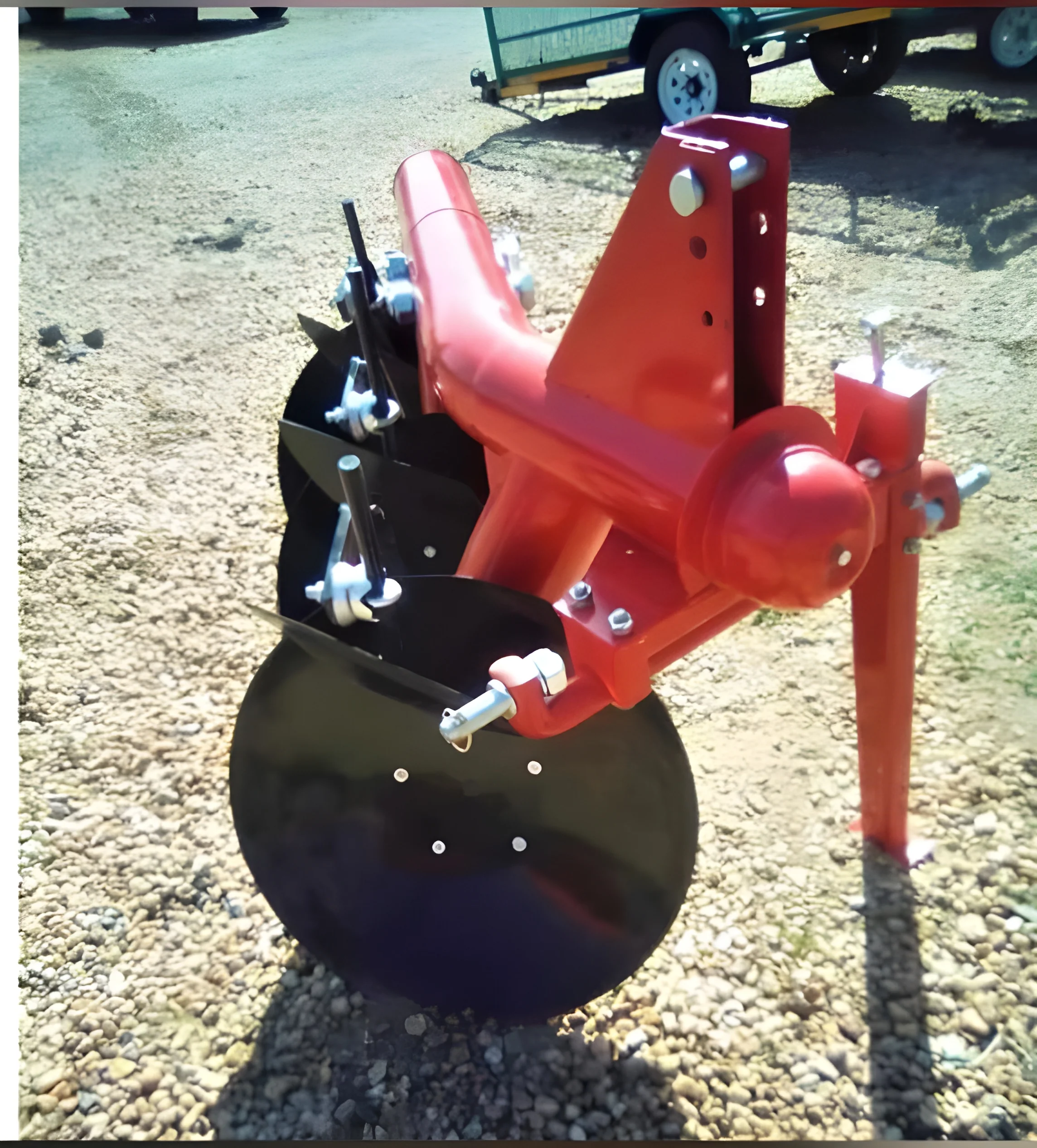
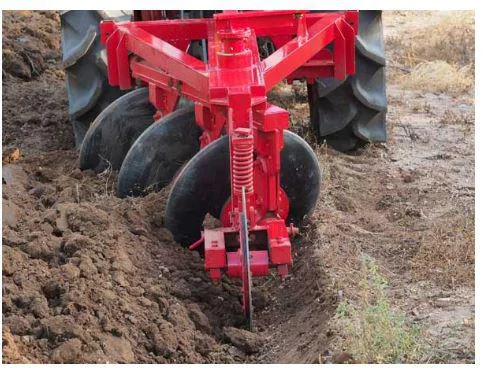
Disc Plough
Disc ploughs consist of curved discs that slice through the soil, making them ideal for rocky or hard soils. Their unique design allows them to penetrate deeply while minimizing soil compaction.
Moldboard Plough
Moldboard ploughs feature a curved blade that lifts and turns the soil. They are commonly used in lighter soil types and help incorporate crop residues efficiently.
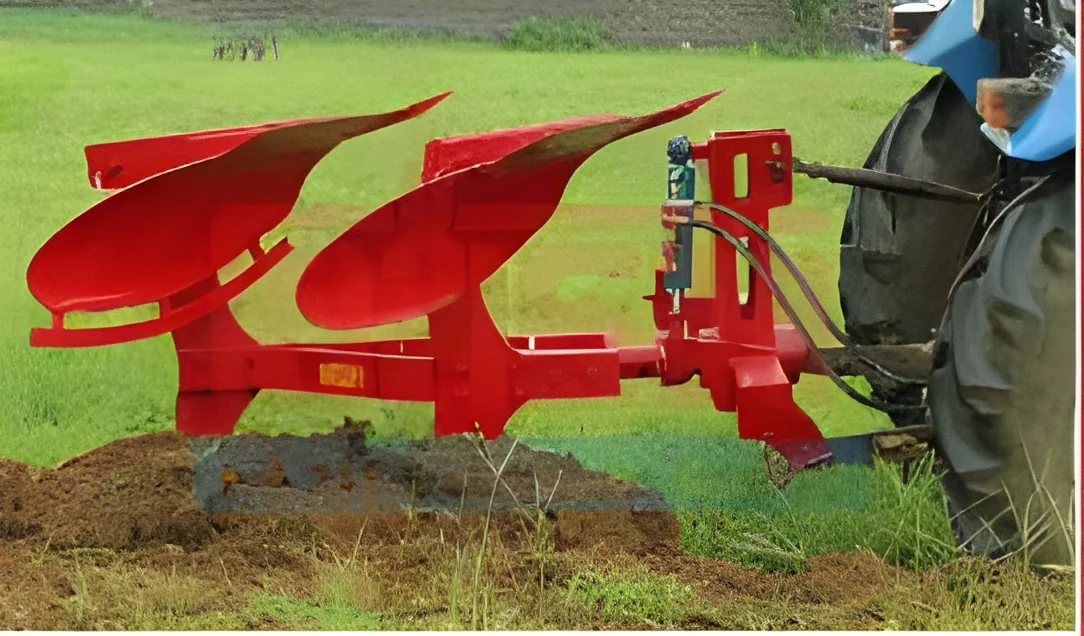
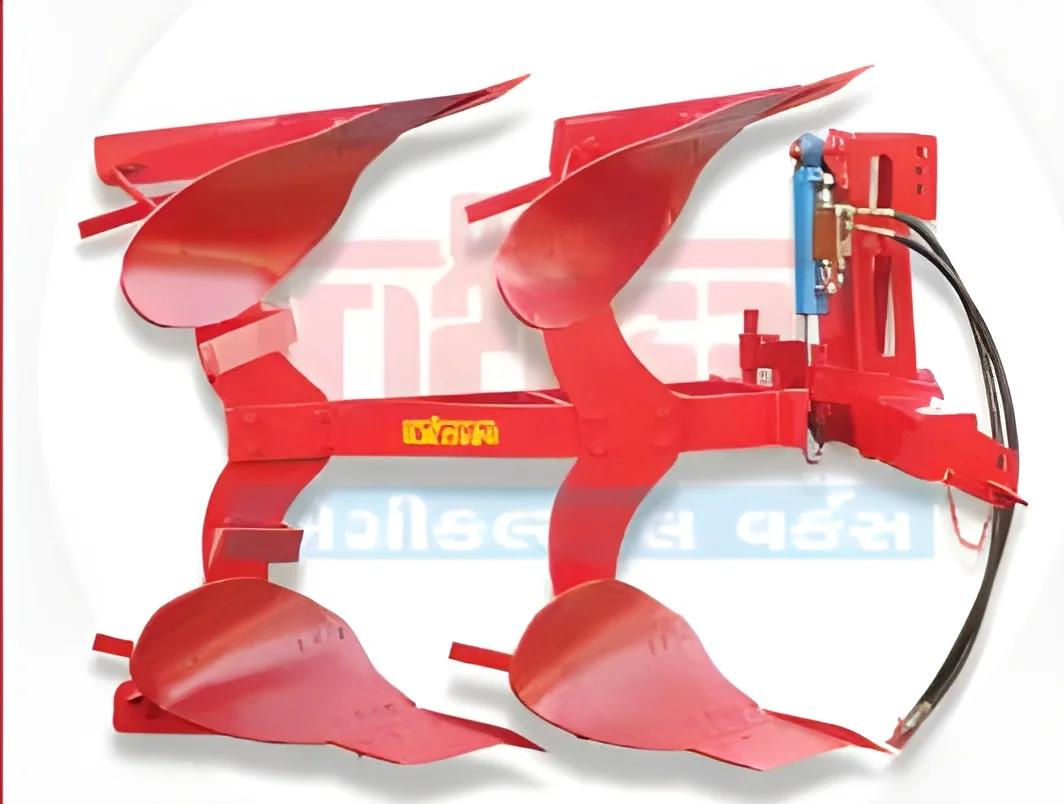
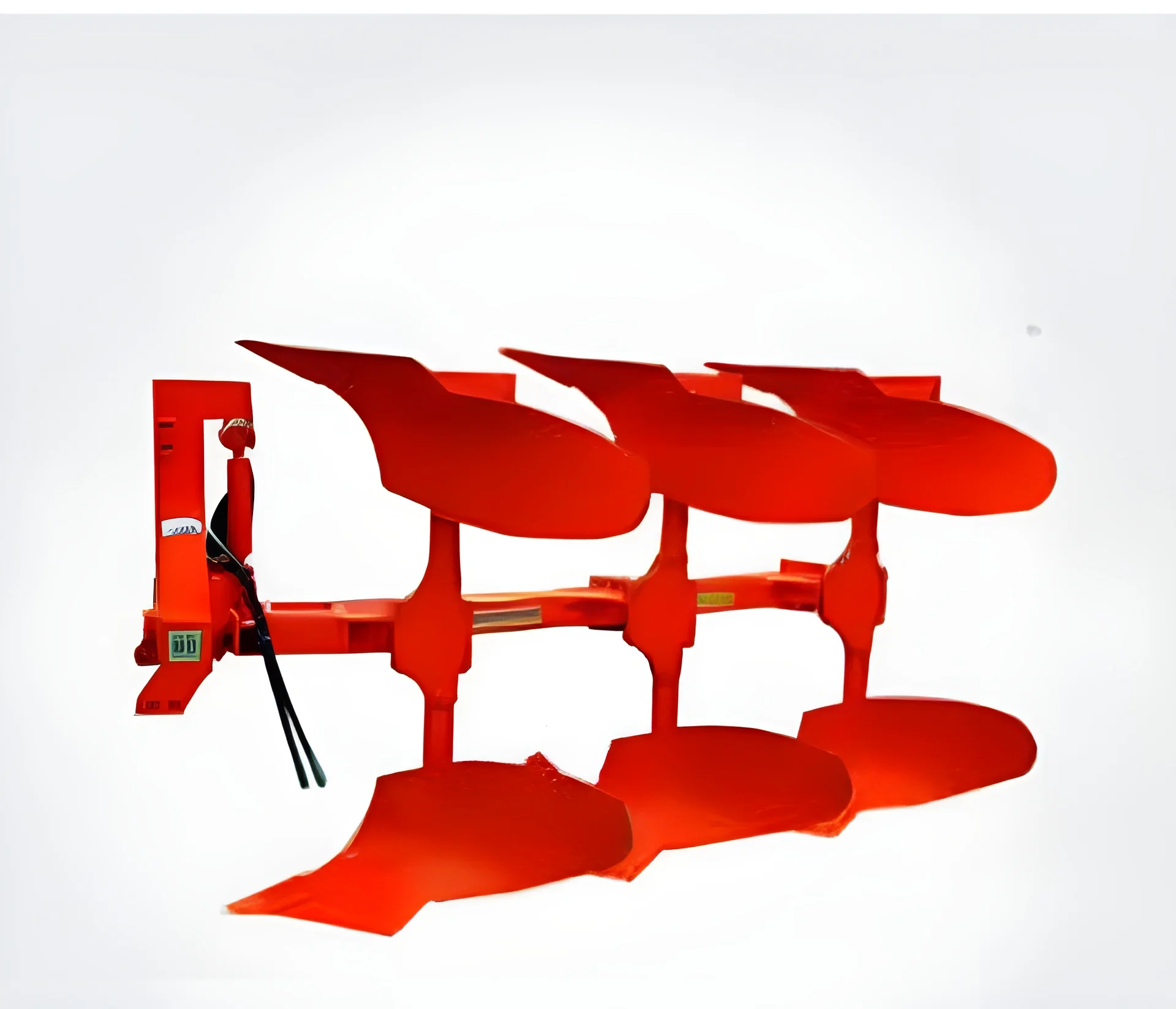
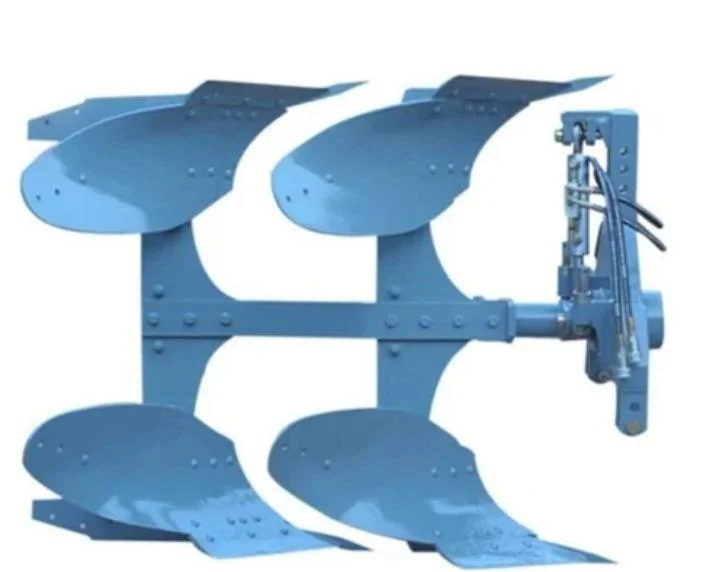
Reversible Plough
Reversible ploughs can operate in both directions, allowing for more efficient land coverage. They are particularly useful in larger fields as they reduce turnaround time between passes.
Benefits and Advantages
Investing in ploughs offers several key benefits for agricultural operations.
1. Soil Preparation: Ploughs effectively prepare the soil, enhancing aeration and improving moisture retention, which is crucial for crop health.
2. Increased Efficiency: With various types available, farmers can choose the right plough for their specific soil conditions, increasing overall productivity.
3. Versatility: Different plough variants allow for adaptability in various farming practices, accommodating a range of crops and soil types.
4. Reduced Labor Costs: Modern ploughs can be operated with machinery, reducing the need for manual labor and lowering operational costs.
5. Improved Crop Yields: Proper tilling promotes better root development and nutrient absorption, leading to healthier crops and higher yields.
6. Sustainable Practices: By using the appropriate plough, farmers can engage in sustainable practices that promote soil health and reduce erosion.
Buying Guide for B2B Buyers
When sourcing ploughs, buyers should consider several critical factors to ensure they choose the right equipment.
1. Quality Assessment: Buyers should evaluate the durability and construction quality of ploughs, looking for reputable brands and materials that withstand heavy use.
2. Supplier Verification: It is essential to vet suppliers for reliability and credibility. Checking references and reviews can help ensure a trustworthy partnership.
3. Pricing and MOQ: Understanding the pricing structure and minimum order quantities (MOQ) is vital for budgeting and ensuring a cost-effective purchase.
4. Delivery and Lead Times: Buyers must inquire about delivery schedules and lead times to plan their operations effectively and avoid delays.
5. Compliance Requirements: Familiarizing oneself with regional compliance and safety standards is crucial to avoid legal issues and ensure safe operations.
Compliance and Certifications
Ploughs must adhere to relevant quality standards and certifications to ensure they meet industry requirements. ISO 9001 is a widely recognized quality management standard that ensures manufacturers maintain consistent quality in their products. Additionally, CE certification indicates that the ploughs meet European safety, health, and environmental protection standards.
Safety and testing requirements are essential for ensuring the equipment operates effectively and safely. Manufacturers often conduct rigorous testing to verify performance and durability. Buyers should also be aware of regional compliance considerations, as agricultural regulations may differ by country and region.
Why Source Ploughs (Disc, MB, Reversible) from Pepagora?
Pepagora offers a trusted platform for sourcing ploughs with several key advantages.
Verified Supplier Network: Pepagora connects buyers with a network of verified suppliers, ensuring that the products meet quality standards and industry regulations.
Streamlined RFQ Process: The platform simplifies the request for quotation (RFQ) process, allowing buyers to easily compare options and make informed decisions.
Trade Assurance and Support: Pepagora provides trade assurance, giving buyers confidence in their purchases and access to support should any issues arise.
Regional Coverage: With a wide reach encompassing India, the GCC, and Southeast Asia, Pepagora facilitates connections between buyers and suppliers across diverse markets. This broad geographic coverage ensures that customers can find the right ploughs for their needs effectively.



Frequently Asked Questions
What are Ploughs (Disc, MB, Reversible)?
Ploughs (Disc, MB, Reversible) are essential agricultural implements used for tilling soil, preparing seedbeds, and managing crop residues. They come in various designs, including disc ploughs, moldboard (MB) ploughs, and reversible ploughs, each serving specific soil and farming conditions.
What are the different types of Ploughs (Disc, MB, Reversible)?
The main types of Ploughs include Disc Ploughs, which are effective in hard and dry soil; Moldboard Ploughs (MB), which turn the soil over for better aeration; and Reversible Ploughs, which allow for efficient ploughing without needing to turn the implement around. Each type has unique features suited for different farming practices.
How do I choose the right Ploughs (Disc, MB, Reversible)?
Choosing the right plough involves considering factors such as soil type, crop rotation practices, and the size of your tractor. It's also essential to assess the depth of tillage required and the specific agricultural practices you intend to use.
What are the standard specifications for Ploughs (Disc, MB, Reversible)?
Standard specifications for Ploughs typically include the number of shares (or blades), width of cut, weight, and the required horsepower of the tractor. Additionally, materials used in construction, such as high-carbon steel for durability, are also standard considerations.
What is the price range for Ploughs (Disc, MB, Reversible)?
The price of Ploughs (Disc, MB, Reversible) can vary significantly based on type, size, and manufacturer. Generally, prices can range from INR 15,000 to INR 1,50,000, depending on the features and specifications of the plough.
What quality standards apply to Ploughs (Disc, MB, Reversible)?
Quality standards for Ploughs are often determined by agricultural machinery specifications set by relevant authorities. These standards ensure durability, safety, and performance efficiency, typically adhering to international benchmarks.
Where can I find Ploughs (Disc, MB, Reversible) suppliers in India?
Ploughs (Disc, MB, Reversible) suppliers can be found across various online B2B marketplaces, agricultural trade shows, and local machinery dealers. Websites like Pepagora.com provide a platform to connect with reputable suppliers and manufacturers in India.
Can Ploughs (Disc, MB, Reversible) be customized?
Yes, Ploughs can often be customized to meet specific agricultural needs, including modifications in size, number of blades, and material specifications. It's advisable to discuss customization options with the manufacturer or supplier.
What is the typical minimum order quantity for Ploughs (Disc, MB, Reversible)?
The typical minimum order quantity (MOQ) for Ploughs can vary by supplier and product type, ranging from 1 to several units. It's best to check with the specific manufacturer for their MOQ requirements.
What is the typical lead time for Ploughs (Disc, MB, Reversible)?
The typical lead time for Ploughs (Disc, MB, Reversible) can range from a few days to several weeks, depending on stock availability and customization requests. Suppliers will provide estimated delivery times at the time of order placement.
Why Businesses Trust Pepagora
Thousands of companies trust Pepagora to source smarter and sell faster
Expand Your Sales Globally

Source Smarter,Grow Faster
