What are Crop Covering Nets?
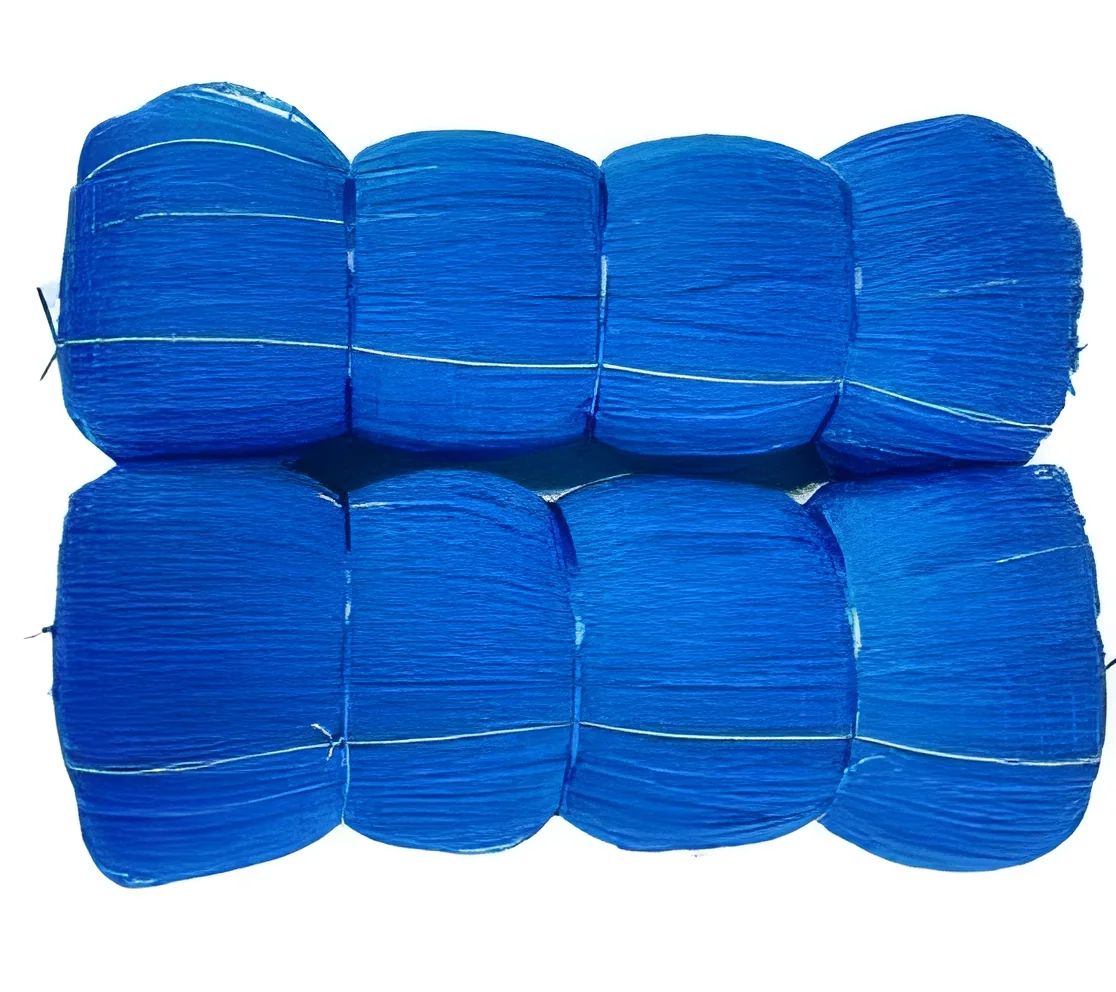
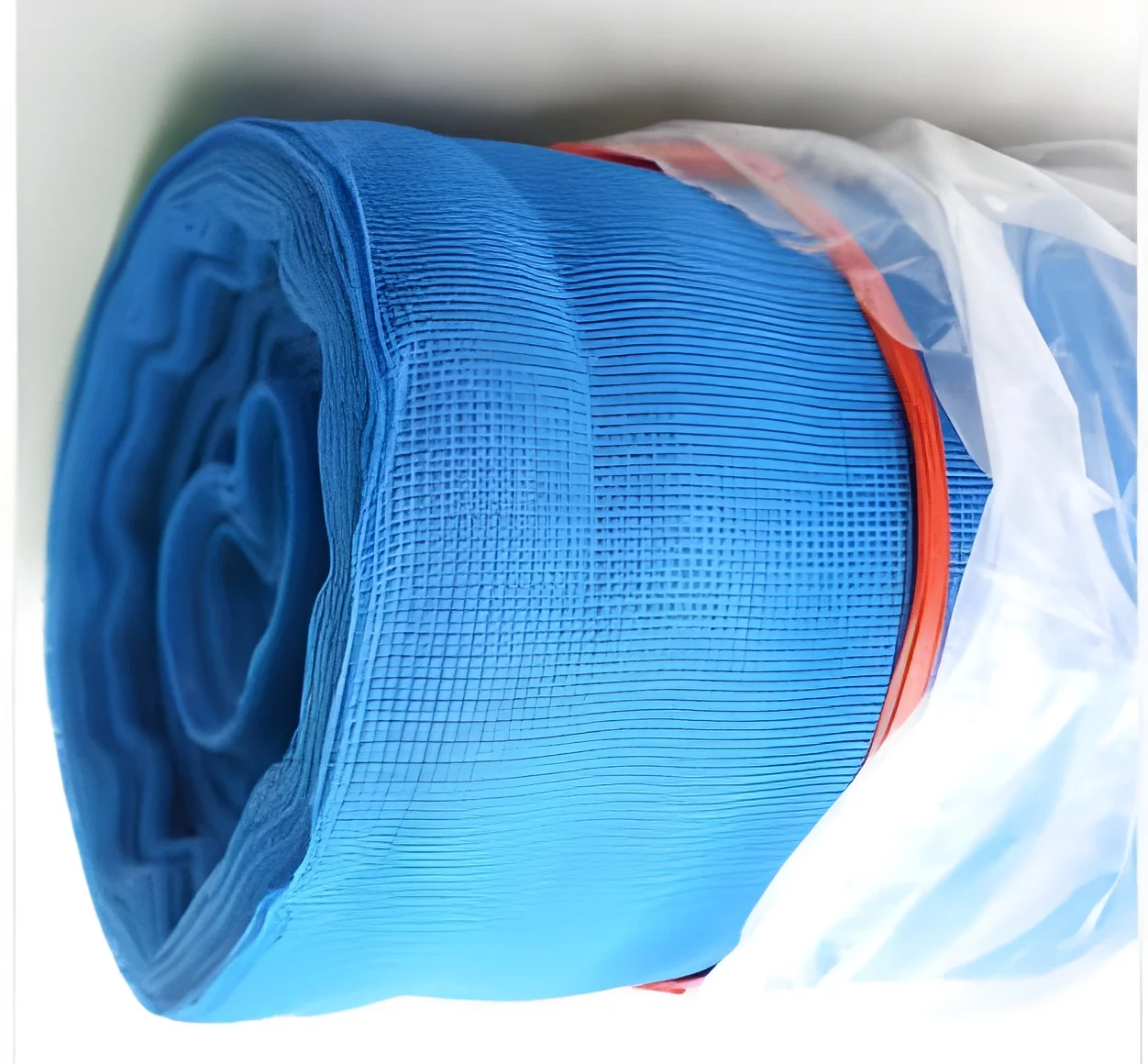
Crop covering nets are protective agricultural materials designed to safeguard crops from various environmental factors. These nets are typically made from durable synthetic fibers and can come in various mesh sizes, allowing for air and light penetration while offering protection against pests, birds, and harsh weather conditions. The primary purpose of crop covering nets is to create a microclimate that enhances plant growth and productivity.
These nets find application across multiple sectors, including horticulture, agriculture, and landscaping. Farmers and growers utilize crop covering nets to extend growing seasons, protect delicate seedlings, and improve overall crop yield by minimizing the impact of adverse weather. As global agricultural practices evolve towards sustainability and efficiency, the demand for crop covering nets continues to rise, making them increasingly relevant in the market.
Key Features and Specifications
Crop covering nets offer a range of features designed to meet the diverse needs of agricultural producers. Understanding the specifications is crucial for selecting the right type of net for specific applications.
Key specifications include:
1. Material Composition
- Commonly made from polyethylene or polypropylene
- UV stabilized for enhanced durability and longevity
2. Mesh Size
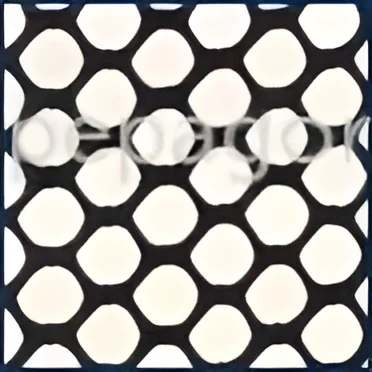
- Available in various mesh sizes, typically ranging from 10 to 100 mesh
- Allows for varying degrees of light and air permeability
3. Weight
- Generally weighs between 30 to 150 grams per square meter
- Heavier nets provide better protection but may limit light penetration
4. Color Options
- Available in various colors, such as black, green, and white
- Color can affect heat absorption and light filtration
5. Size and Dimensions
- Offered in rolls or sheets, with standard widths ranging from 1 to 3 meters
- Lengths can vary based on supplier offerings
6. UV Resistance
- Typically rated for 3 to 5 years of UV resistance
- Ensures that nets maintain functionality over time
7. Tear and Puncture Resistance
- Varies based on material thickness and weave
- Essential for maintaining structural integrity in harsh conditions
8. Customization Options
- Some suppliers offer tailored solutions based on specific agricultural needs
- Custom sizes and features can be requested for unique applications
In summary, selecting the right crop covering net involves considering multiple specifications to match agricultural requirements.
Common Applications and Use Cases
Crop covering nets serve various industries by providing protection and enhancing growth conditions.
1. Agriculture: Farmers use crop covering nets to protect fruits and vegetables from pests and extreme weather, resulting in healthier crops and increased yields.
2. Horticulture: Nurseries implement these nets to shield young plants from harsh sunlight and wind while promoting optimal growth conditions.
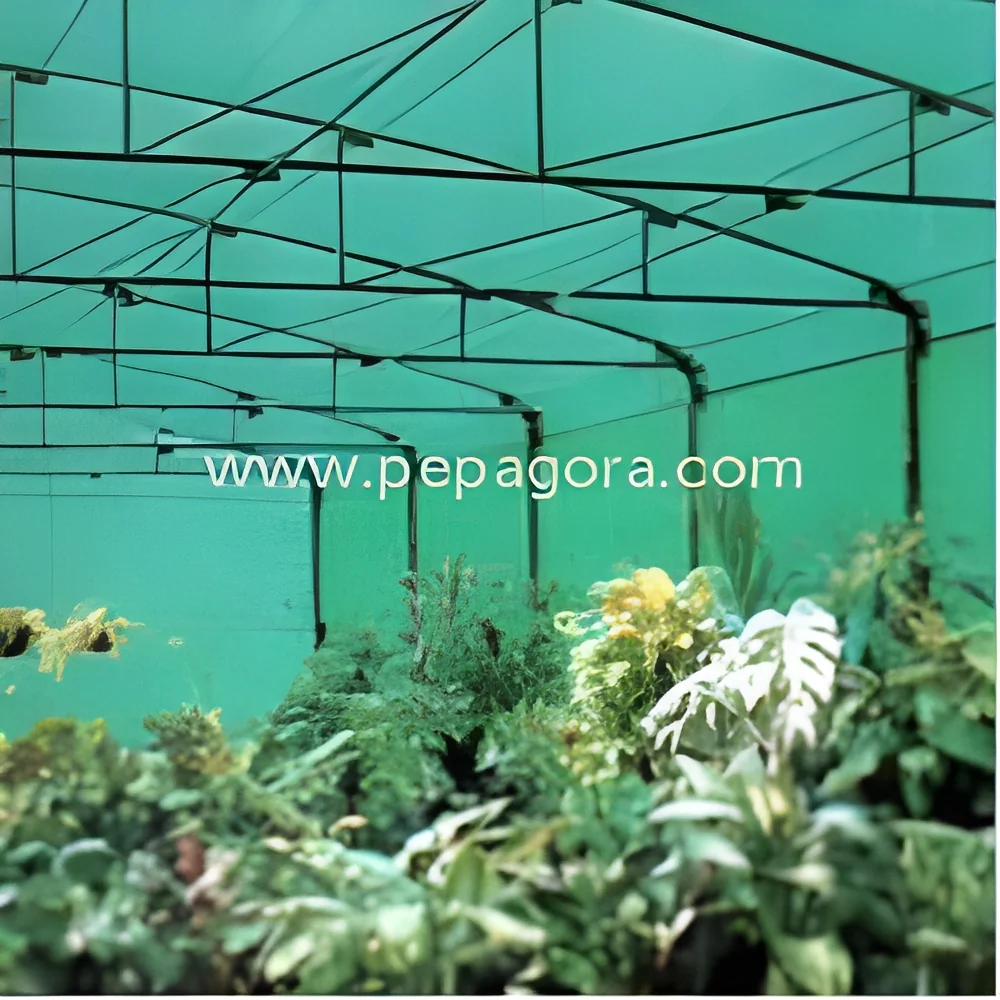
3. Greenhouses: Crop covering nets are often utilized in conjunction with greenhouses to enhance ventilation and light control, improving plant health.
4. Landscaping: Landscape professionals use these nets for erosion control and to protect newly planted trees and shrubs from environmental stressors.
5. Aquaculture: Some nets are designed for use in aquaculture, providing shade and protection for aquatic plants and fish from predators.
6. Vineyard Management: Growers use nets to cover grapevines, protecting them from birds and other wildlife that can damage the fruit.
7. Organic Farming: Organic farmers favor crop covering nets to reduce pesticide use, creating a safer environment for both crops and consumers.
Product Variants and Subcategories
Crop covering nets come in diverse variants to cater to specific agricultural needs. Each variant offers unique features and applications tailored to particular environments.
Shade Nets
Shade nets are designed to reduce sunlight exposure, making them ideal for protecting sensitive plants from excessive heat. They are commonly used in nurseries and greenhouses.
Insect Protection Nets
These nets feature smaller mesh sizes to effectively block insects while allowing air circulation. They are commonly used in vegetable gardens to prevent pest infestations.
Anti-Bird Nets
Anti-bird nets are specifically designed to deter birds from feasting on crops. Their durable construction ensures they withstand various weather conditions while protecting fruits and vegetables.
Frost Protection Nets
These nets provide insulation during colder months, helping to protect young plants from frost damage. They are particularly useful in regions with unpredictable weather patterns.
Benefits and Advantages
Investing in crop covering nets offers a range of benefits that enhance agricultural productivity and sustainability.
1. Improved Crop Protection: These nets effectively shield crops from pests, birds, and harsh weather, reducing the need for chemical interventions.
2. Enhanced Growth Conditions: By creating a controlled environment, crop covering nets promote optimal growth conditions, leading to healthier plants and higher yields.
3. Extended Growing Seasons: Farmers can use these nets to protect crops from early frosts or excessive heat, allowing for longer growing periods.
4. Versatility: Crop covering nets are suitable for various crops and environments, making them adaptable to different agricultural practices.
5. Cost-Effectiveness: Investing in crop covering nets can result in significant cost savings by reducing losses from pests and weather-related damage.
6. Environmental Sustainability: By minimizing the need for pesticides and fertilizers, crop covering nets promote environmentally friendly agricultural practices.
Buying Guide for B2B Buyers
When sourcing crop covering nets, B2B buyers should consider several important factors to ensure they make informed decisions.
1. Quality Assessment: Evaluate the material quality and durability of the nets. Look for suppliers who provide detailed specifications and certifications to ensure quality.
2. Supplier Verification: Vet potential suppliers by checking their reputation, customer reviews, and industry certifications. A reliable supplier will ensure consistency in product performance.
3. Pricing and MOQ: Understand the pricing structure and minimum order quantities (MOQ) required by suppliers. This information helps in budgeting and planning purchases.
4. Delivery and Lead Times: Inquire about lead times and delivery schedules. Timely delivery is crucial for maintaining agricultural operations and meeting planting schedules.
5. Compliance Requirements: Ensure that the nets meet local and international compliance standards. This includes checking for relevant certifications that may affect product usage.
Compliance and Certifications
Crop covering nets must adhere to various quality standards to ensure safety and effectiveness in agricultural applications. Key compliance areas include:
Relevant quality standards such as ISO 9001 focus on quality management systems, ensuring that manufacturers maintain high production standards.
Industry certifications, including CE marking, indicate that the products meet European health, safety, and environmental protection standards.
Safety and testing requirements are critical, particularly for products used in food production. Testing for harmful substances and durability is essential to ensure product safety.
Regional compliance considerations may vary, so buyers should be aware of local regulations regarding agricultural materials. Understanding these requirements can prevent potential legal issues and ensure successful product implementation.
Why Source Crop Covering Nets from Pepagora?
Pepagora provides a trusted platform for sourcing crop covering nets, offering several key advantages to B2B buyers.
Verified Supplier Network: Pepagora has established a robust network of verified suppliers, ensuring that buyers can access quality products with confidence. Each supplier undergoes thorough vetting to maintain high standards.
Streamlined RFQ Process: The platform simplifies the request for quotation (RFQ) process, allowing buyers to quickly compare offerings from various suppliers. This efficiency saves time and helps buyers make informed decisions.
Trade Assurance and Support: Pepagora offers trade assurance, protecting buyers and ensuring that they receive products that meet their expectations. Dedicated support is available to address any concerns throughout the purchasing process.
Regional Coverage: With a strong presence in India, the GCC, and Southeast Asia, Pepagora provides extensive geographic reach. This allows buyers to source crop covering nets conveniently and efficiently across these regions.

 IN
IN