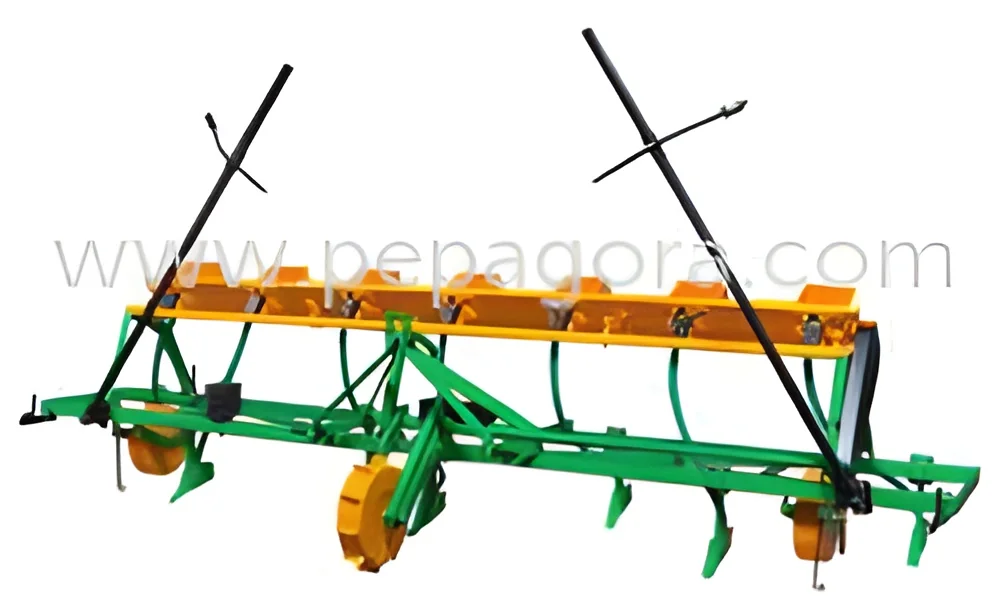
What are Manual Seeders & Dibblers?
Manual Seeders and Dibblers are essential agricultural tools designed for planting seeds efficiently and accurately. Manual seeders allow for the uniform placement of seeds in the soil, while dibblers create holes for planting seeds or seedlings. These tools are often operated by hand, making them accessible for small to medium-sized farms, gardens, and agricultural research projects.
The primary use of manual seeders and dibblers is to enhance planting efficiency and improve crop yield. They are particularly beneficial in regions where mechanized planting is not feasible due to cost or terrain. These tools help farmers ensure proper seed spacing and depth, which are critical for optimal growth. As agricultural practices evolve, the demand for manual seeders and dibblers remains strong, especially in developing markets where smallholder farmers play a significant role in food production.
In terms of market context, manual seeders and dibblers are relevant in various agricultural industries, including horticulture and organic farming. The increasing focus on sustainable practices and local food production has spurred interest in these tools. They are often seen as a cost-effective solution for enhancing productivity while minimizing environmental impact.
Key Features and Specifications
Manual seeders and dibblers come with various features designed to enhance usability and efficiency. Understanding these specifications is crucial for selecting the right tool for specific agricultural needs.
Key specifications include:
1. Seed Capacity
- Typically ranges from a few liters to several liters.
- Determines the number of seeds that can be planted in one go.
2. Row Spacing
- Adjustable settings to accommodate different crop types.
- Allows for flexibility in planting configurations.
3. Depth Control
- Mechanisms to set the planting depth.
- Helps ensure seeds are planted at optimal depths for growth.
4. Material Composition
- Often made from durable metals or high-quality plastics.
- Ensures longevity and resistance to wear in various soil types.
5. Weight
- Generally lightweight for ease of handling.
- Facilitates manual operation without excessive fatigue.
6. Ergonomic Design
- Features designed for comfortable grip and operation.
- Reduces strain on the user during extended use.
7. Maintenance Requirements
- Low maintenance needs for consistent performance.
- Simple cleaning and storage processes.
8. Compatibility
- Can be used with various seed types.
- Versatile enough for different agricultural applications.
In summary, selecting the right manual seeder or dibbler involves understanding these key specifications that impact performance and usability in agricultural settings.
Common Applications and Use Cases
Manual seeders and dibblers serve a wide range of industries and applications.
1. Horticulture: These tools are widely used for planting vegetable and flower seeds in gardens and greenhouses. They ensure precise spacing and depth, which is crucial for the thriving of plants.
2. Organic Farming: In organic agriculture, manual seeders and dibblers are preferred due to their minimal soil disturbance and eco-friendly operation. They align with sustainable practices, promoting healthy soil and crops.
3. Smallholder Farming: Small farmers often employ these tools to maximize productivity on limited land. They allow for efficient seed planting without the need for expensive machinery.
4. Research and Education: Agricultural research institutions utilize manual seeders and dibblers for experimental plots. They allow for controlled planting conditions and data collection on crop performance.
5. Community Gardens: Manual seeders and dibblers are common in community gardening initiatives, promoting local food production and engagement among community members.
6. Landscaping: Professionals in landscaping may use these tools for planting ornamental plants or establishing new garden areas. They offer precision in planting designs.
7. Reforestation Projects: Manual seeders can be used in reforestation efforts to plant tree seedlings efficiently in designated areas, contributing to environmental restoration.
Product Variants and Subcategories
Manual seeders and dibblers come in various types, catering to different planting needs and preferences.
Hand-held Seeder: This compact variant is ideal for small gardens and individual planting tasks. It allows precise placement of seeds with minimal effort.
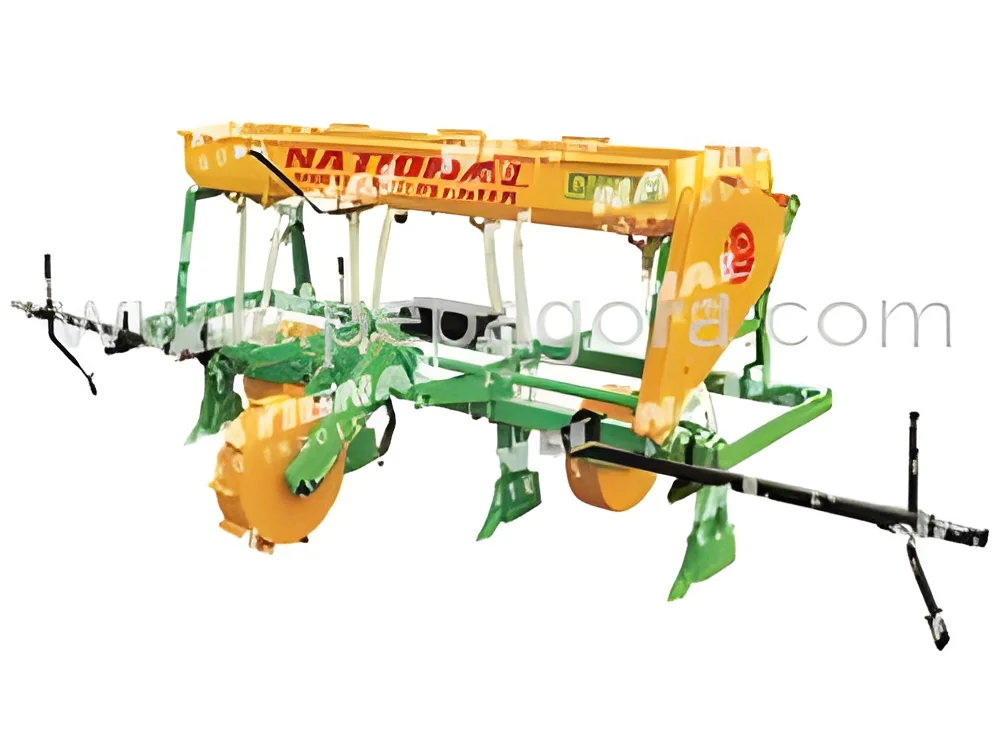
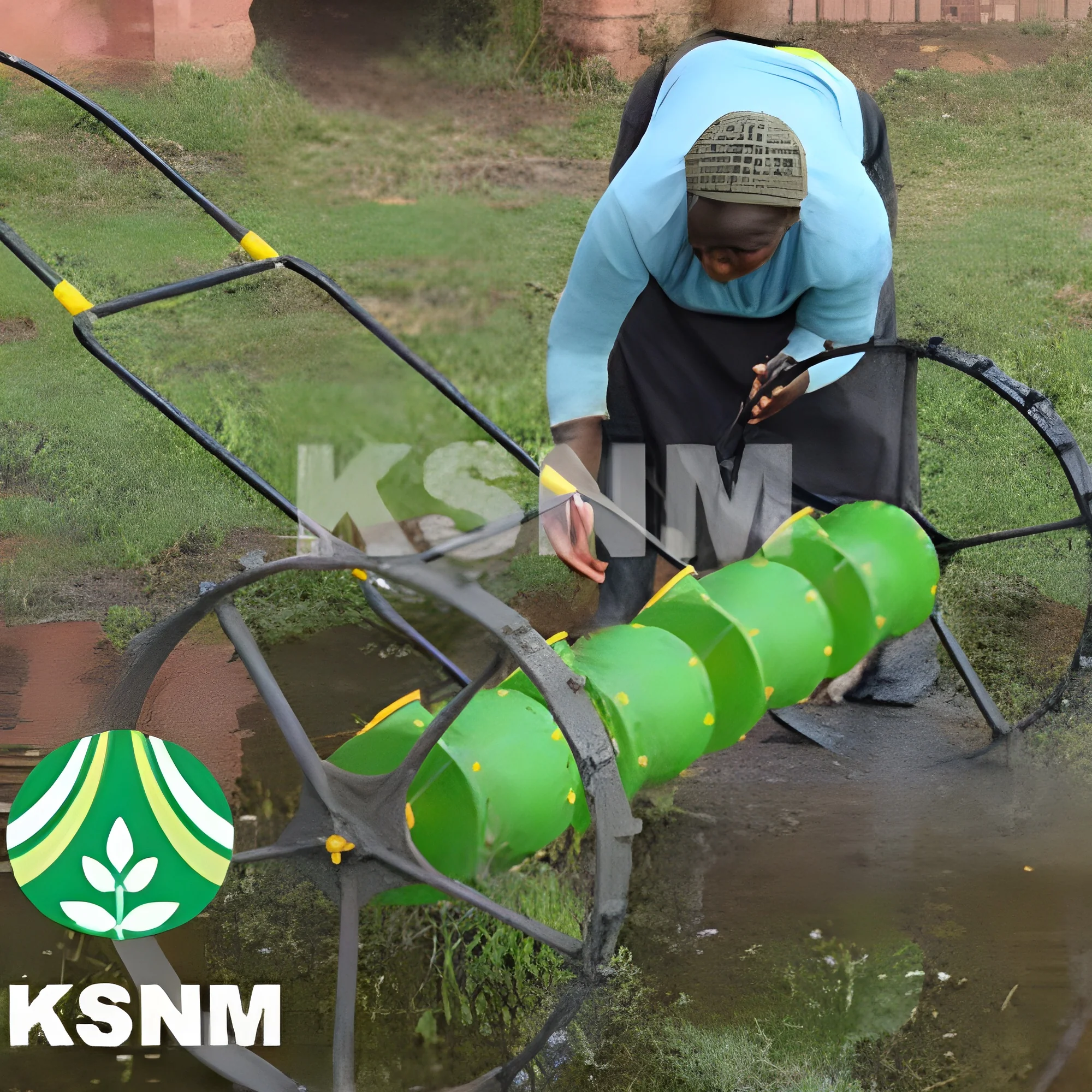
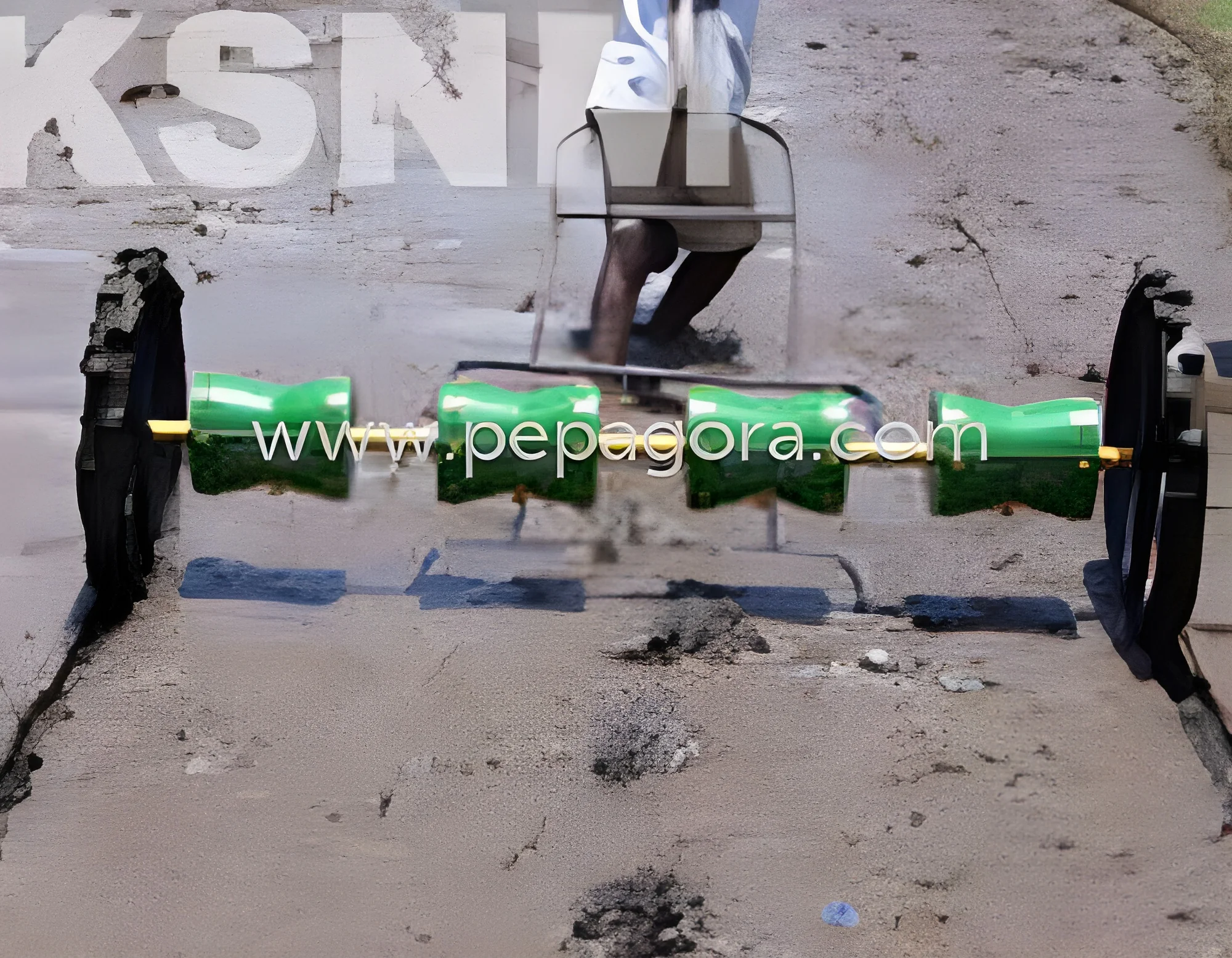
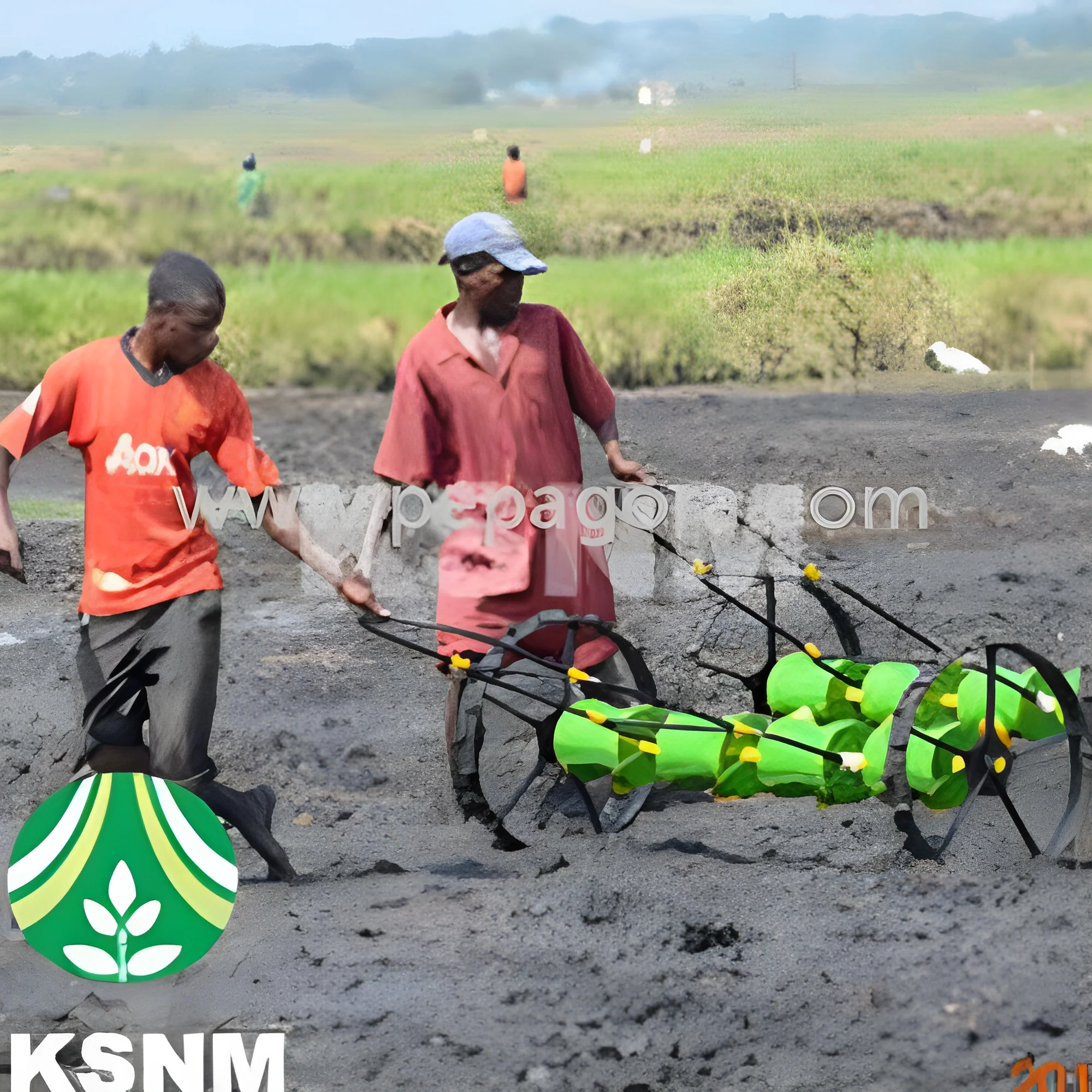
Push Seeder: Designed for larger planting areas, this variant is pushed along the ground, making it easier to plant seeds in rows. It is suitable for small farms and larger garden plots.
Dibbler with Seed Dispenser: This variant combines a dibbler with a built-in seed dispenser, allowing for simultaneous hole creation and seed placement. It enhances planting efficiency.
Adjustable Seeder: This type features adjustable settings for row spacing and seed depth, making it versatile for different crops. It caters to farmers who grow multiple types of plants.
Benefits and Advantages
Manual seeders and dibblers offer several advantages that make them valuable tools in agriculture.
1. Enhanced Planting Efficiency: These tools allow for faster and more accurate seed placement, saving time and labor in the planting process.
2. Improved Crop Yield: Proper seed spacing and depth contribute to better growth rates, leading to increased yields during harvest.
3. Cost-Effective Solution: Manual seeders and dibblers are generally more affordable than mechanized planting equipment, making them accessible for small-scale farmers.
4. Reduced Soil Disturbance: These tools minimize soil disturbance, promoting healthier soil structure and reducing erosion.
5. Environmentally Friendly: Manual operation means lower carbon emissions compared to powered machinery, aligning with sustainable farming practices.
6. User-Friendly Design: Ergonomic features and lightweight construction make these tools easy to use for individuals of varying skill levels.
Buying Guide for B2B Buyers
When sourcing manual seeders and dibblers for business purposes, several factors should be considered to ensure the right choice.
1. Quality Assessment: Evaluate the quality of materials and construction. Look for tools that are durable and designed for long-term use, especially in harsh agricultural conditions.
2. Supplier Verification: Vet potential suppliers to ensure they have a good reputation and provide reliable products. Check for reviews and testimonials from other buyers.
3. Pricing and MOQ: Understand the pricing structure and any minimum order quantities (MOQ) that may apply. Compare prices across different suppliers to find the best value.
4. Delivery and Lead Times: Discuss logistics with suppliers to confirm delivery times and shipping options. Timely delivery is crucial for agricultural operations.
5. Compliance Requirements: Ensure that the products meet any necessary regulatory standards and certifications, particularly if operating in regions with strict agricultural regulations.
Compliance and Certifications
Manual seeders and dibblers must adhere to specific quality standards and certifications to ensure safety and reliability.
Relevant quality standards include ISO 9001, which ensures that manufacturing processes meet international quality management criteria. This certification signifies that the products are consistently produced and controlled according to quality standards.
The CE marking is another important certification for manual seeders and dibblers, indicating that the products comply with European safety and health requirements. This certification is crucial for suppliers looking to access European markets.
Safety and testing requirements are essential for ensuring that the tools do not pose risks to users. Regular assessments and product testing help maintain safety standards.
Regional compliance considerations may vary based on local regulations. It is important for manufacturers and suppliers to be aware of these requirements to avoid legal issues and ensure market access.
Why Source Manual Seeders & Dibblers from Pepagora?
Pepagora provides a trusted platform for sourcing manual seeders and dibblers with several key advantages.
Verified Supplier Network: Pepagora connects buyers with a network of verified suppliers. This verification process ensures that suppliers meet specific quality and reliability standards, giving buyers peace of mind.
Streamlined RFQ Process: The request for quotation (RFQ) system simplifies the procurement process. Buyers can easily request quotes from multiple suppliers, allowing for better price comparisons and informed decision-making.
Trade Assurance and Support: Pepagora offers buyer protection through trade assurance programs, ensuring that transactions are secure and that buyers receive the products as described. This support enhances buyer confidence in their purchases.
Regional Coverage: With a strong presence in India, the Gulf Cooperation Council (GCC), and Southeast Asia, Pepagora caters to a diverse range of buyers. This geographic reach allows for effective sourcing across various markets.

 IN
IN