
 IN
Pruning Shears & Loppers
8 products available
What are Pruning Shears & Loppers?
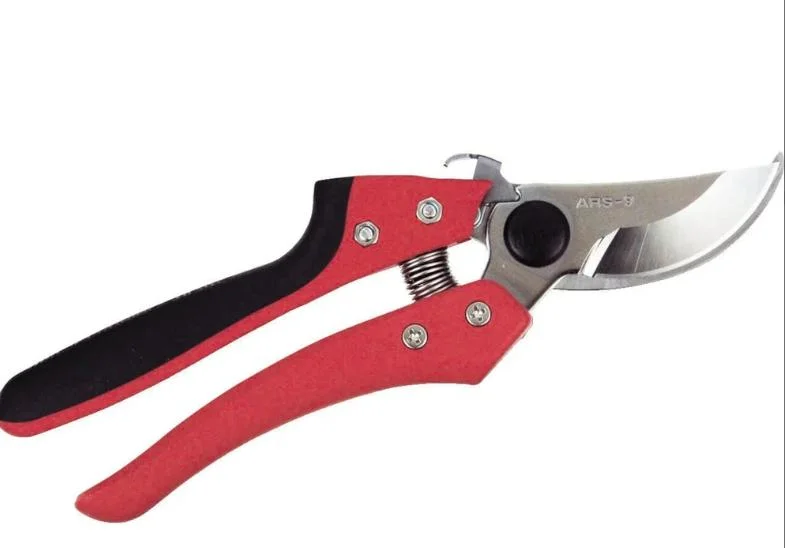
Pruning shears and loppers are essential hand tools used in gardening and landscaping for cutting branches and stems. Pruning shears, also known as secateurs, are compact and designed for cutting small branches or stems, usually up to ¾ inch in diameter. Loppers, on the other hand, are larger tools with long handles, allowing for greater leverage and the ability to cut thicker branches, typically up to 2 inches in diameter. Both tools are crucial for maintaining plant health and promoting growth by removing dead or overgrown branches.
These tools find widespread application in various business sectors, including agriculture, horticulture, and landscaping services. They are used for routine maintenance in gardens, orchards, and parks, helping to shape plants, control growth, and improve aesthetics. The demand for high-quality pruning tools has increased as more businesses focus on sustainable practices and landscape management, making them indispensable in today’s market.
The relevance of pruning shears and loppers extends beyond individual gardening needs; they play a significant role in the broader horticultural industry. With a growing emphasis on environmental sustainability and efficient plant management, the market for these tools continues to expand. This growth is driven by advancements in tool design, materials, and ergonomic features that enhance user experience and efficiency.
Key Features and Specifications
Pruning shears and loppers come with a variety of features designed for efficiency and comfort. When considering these tools, it is essential to understand their key specifications to select the right model for specific applications.
Key specifications include:
1. Blade Material
- Typically made from high-carbon steel or stainless steel
- Offers durability and resistance to rust and wear
2. Cutting Capacity
- Pruning shears usually cut branches up to ¾ inch
- Loppers can handle branches up to 2 inches in diameter
3. Handle Length
- Pruning shears have shorter handles for precision
- Loppers feature long handles for added leverage
4. Weight
- Lightweight designs reduce user fatigue
- Heavier models may offer more durability
5. Grip Design
- Ergonomic grips enhance comfort during use
- Non-slip materials provide better control
6. Blade Type
- Bypass blades for clean cuts
- Anvil blades for crushing cuts on thicker branches
7. Locking Mechanism
- Safety locks to prevent accidental opening
- Easy-to-use mechanisms for secure storage
8. Warranty
- Varies by manufacturer, typically ranging from one to five years
- Reflects the quality and durability of the tool
In summary, understanding the features and specifications of pruning shears and loppers helps buyers make informed decisions based on their specific needs and applications.
Common Applications and Use Cases
Pruning shears and loppers are versatile tools applicable in numerous industries.
1. Horticulture: Used for maintaining plants in nurseries, ensuring healthy growth by removing dead or diseased branches.
2. Agriculture: Essential for fruit tree management, allowing farmers to optimize yield through careful pruning.
3. Landscaping: Employed by landscape professionals to shape and maintain ornamental plants, enhancing the visual appeal of gardens and parks.
4. Forestry: Utilized for managing growth in wooded areas, helping in the sustainable management of forests.
5. Gardening: Home gardeners use these tools for routine maintenance and shaping of garden plants, promoting healthy growth.
6. Vineyards: Critical for viniculture, where precise pruning affects grape yield and quality.
7. Municipal Services: Used by city workers for maintaining public parks and green spaces, ensuring community aesthetics.
Product Variants and Subcategories
Pruning shears and loppers come in various designs, catering to different user needs and preferences.
Bypass Pruning Shears
These shears feature two blades that pass by each other, allowing for clean cuts. They are ideal for live plants and delicate stems, making them popular among gardeners and horticulturists.
Anvil Loppers
Designed with a single sharp blade that cuts against a flat surface, these loppers are effective for cutting through thicker, dead wood. Their robust design makes them suitable for heavy-duty tasks in landscaping and forestry.
Ratchet Pruning Shears
These shears incorporate a ratcheting mechanism that provides extra leverage, making it easier to cut through tougher branches. They are especially beneficial for users with limited hand strength.
Telescopic Loppers
Equipped with extendable handles, these loppers allow for increased reach and leverage. They are perfect for pruning tall trees and shrubs without the need for ladders.
Benefits and Advantages
Choosing the right pruning shears and loppers offers several advantages to users.
1. Enhanced Precision: The design of these tools allows for accurate cuts, promoting healthier plant growth and minimizing damage.
2. Improved Efficiency: Long handles on loppers provide greater leverage, making it easier to cut thicker branches with less effort.
3. Ergonomic Comfort: Many models feature ergonomic grips, reducing hand fatigue during extended use and improving user experience.
4. Versatility: Suitable for a wide range of applications across various industries, making them invaluable tools for professionals and hobbyists alike.
5. Durability: High-quality materials ensure longevity, reducing the need for frequent replacements and saving costs over time.
6. Safety Features: Integrated safety locks and non-slip grips enhance user safety, preventing accidents during operation.
Buying Guide for B2B Buyers
When sourcing pruning shears and loppers, businesses should consider several essential factors.
1. Quality Assessment: Evaluate the materials and construction of the tools. High-quality steel blades and robust handles are indicators of durability and performance.
2. Supplier Verification: Vet suppliers to ensure they provide reliable products. Look for established manufacturers with positive customer feedback and industry reputation.
3. Pricing and MOQ: Analyze pricing structures and minimum order quantities. Ensure that costs align with your budget while considering potential bulk discounts.
4. Delivery and Lead Times: Discuss logistics with suppliers to understand delivery timelines. Efficient supply chain management is crucial for meeting project deadlines.
5. Compliance Requirements: Be aware of any regulatory standards related to pruning tools. Ensure that products meet relevant safety and quality certifications.
Compliance and Certifications
Compliance with industry standards and certifications is vital for pruning shears and loppers.
Quality standards like ISO 9001 ensure that manufacturers adhere to rigorous quality management processes, leading to reliable and durable products. Additionally, certifications such as CE demonstrate compliance with European health, safety, and environmental protection standards.
Safety and testing requirements are critical in the manufacturing process. Tools must undergo rigorous testing to ensure they can withstand operational demands without compromising user safety.
Regional compliance considerations may vary, so buyers should be aware of local regulations affecting tool usage and safety in their specific areas.
Why Source Pruning Shears & Loppers from Pepagora?
Pepagora provides a trusted platform for sourcing pruning shears and loppers, offering numerous advantages to B2B buyers.
The verified supplier network ensures that all listed suppliers meet high-quality standards, providing buyers with confidence in their purchasing decisions. This network includes reputable manufacturers known for their durable and efficient tools.
The streamlined RFQ process simplifies obtaining quotes, allowing businesses to compare offerings quickly. This efficiency helps buyers save time and make informed choices based on their specific needs.
Trade assurance and support offered by Pepagora protect buyers throughout the procurement process. This includes assistance with order fulfillment and resolution of any issues that may arise, ensuring a smooth transaction.
With a strong regional coverage across India, GCC, and Southeast Asia, Pepagora connects buyers with local suppliers, facilitating easier logistics and quicker delivery times. This geographical reach enhances accessibility for businesses looking to source high-quality pruning tools efficiently.


Frequently Asked Questions
What are Pruning Shears & Loppers?
Pruning shears and loppers are essential gardening tools used for trimming and shaping plants. Pruning shears, also known as hand pruners, are designed for cutting smaller branches, while loppers feature longer handles for greater leverage, allowing for the cutting of thicker branches.
What are the different types of Pruning Shears & Loppers?
There are several types of pruning shears, including bypass pruners, anvil pruners, and ratchet pruners. Loppers also come in various styles, such as bypass loppers and anvil loppers, each suited for different cutting tasks depending on the type of plant material.
How do I choose the right Pruning Shears & Loppers?
Choosing the right pruning shears or loppers involves considering the size of the branches you need to cut and the comfort of the tool in your hand. It's important to select tools with ergonomic designs and sharp blades to ensure clean cuts and reduce hand fatigue during use.
What are the standard specifications for Pruning Shears & Loppers?
Standard specifications for pruning shears typically include blade length, overall tool length, and weight. For loppers, specifications often highlight the diameter of branches they can cut and the material used for handles, which can affect durability and ease of use.
What is the price range for Pruning Shears & Loppers?
The price range for pruning shears and loppers can vary significantly based on brand, quality, and features. Generally, you can expect to find basic models starting from around INR 500, while high-end professional tools can cost upwards of INR 3,000.
What quality standards apply to Pruning Shears & Loppers?
Quality standards for pruning shears and loppers include durability, blade sharpness, and comfort during use. Tools are often tested for performance and should comply with relevant safety and material standards to ensure they are safe and effective for gardening tasks.
Where can I find Pruning Shears & Loppers suppliers in India?
You can find pruning shears and loppers suppliers in India through various online B2B marketplaces, including Pepagora. These platforms connect buyers with manufacturers and suppliers, making it easier to compare products and prices.
Can Pruning Shears & Loppers be customized?
Yes, many suppliers offer customization options for pruning shears and loppers, allowing customers to select specific features such as blade type, handle design, or branding. Custom orders may require minimum quantities and additional lead time.
What is the typical minimum order quantity for Pruning Shears & Loppers?
The typical minimum order quantity (MOQ) for pruning shears and loppers can vary by supplier but often ranges from 50 to 100 units. It's advisable to check with individual suppliers for their specific MOQ requirements.
What is the typical lead time for Pruning Shears & Loppers?
The typical lead time for pruning shears and loppers can range from 2 to 4 weeks, depending on the supplier and whether the products are in stock. Custom orders may require additional time for production and delivery.
Why Businesses Trust Pepagora
Thousands of companies trust Pepagora to source smarter and sell faster
Expand Your Sales Globally

Source Smarter,Grow Faster
