What are Soil Augers & Tillers?
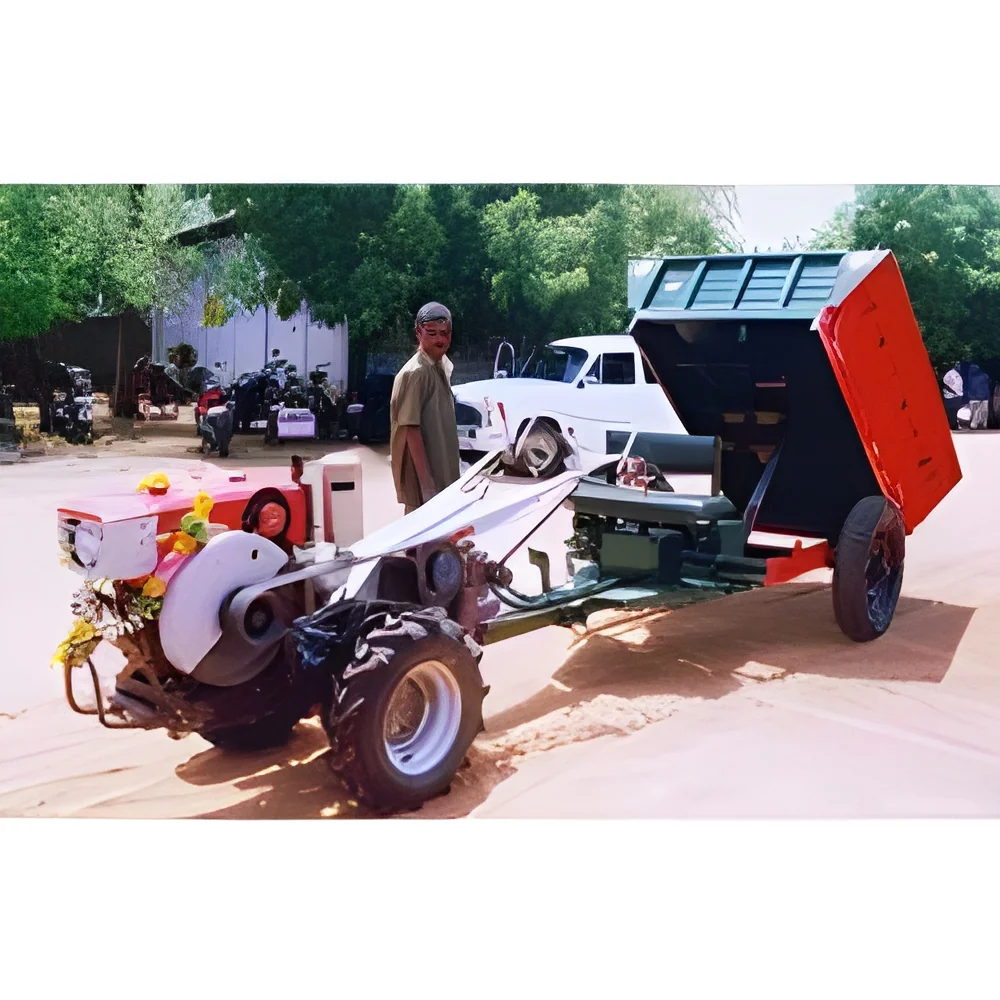
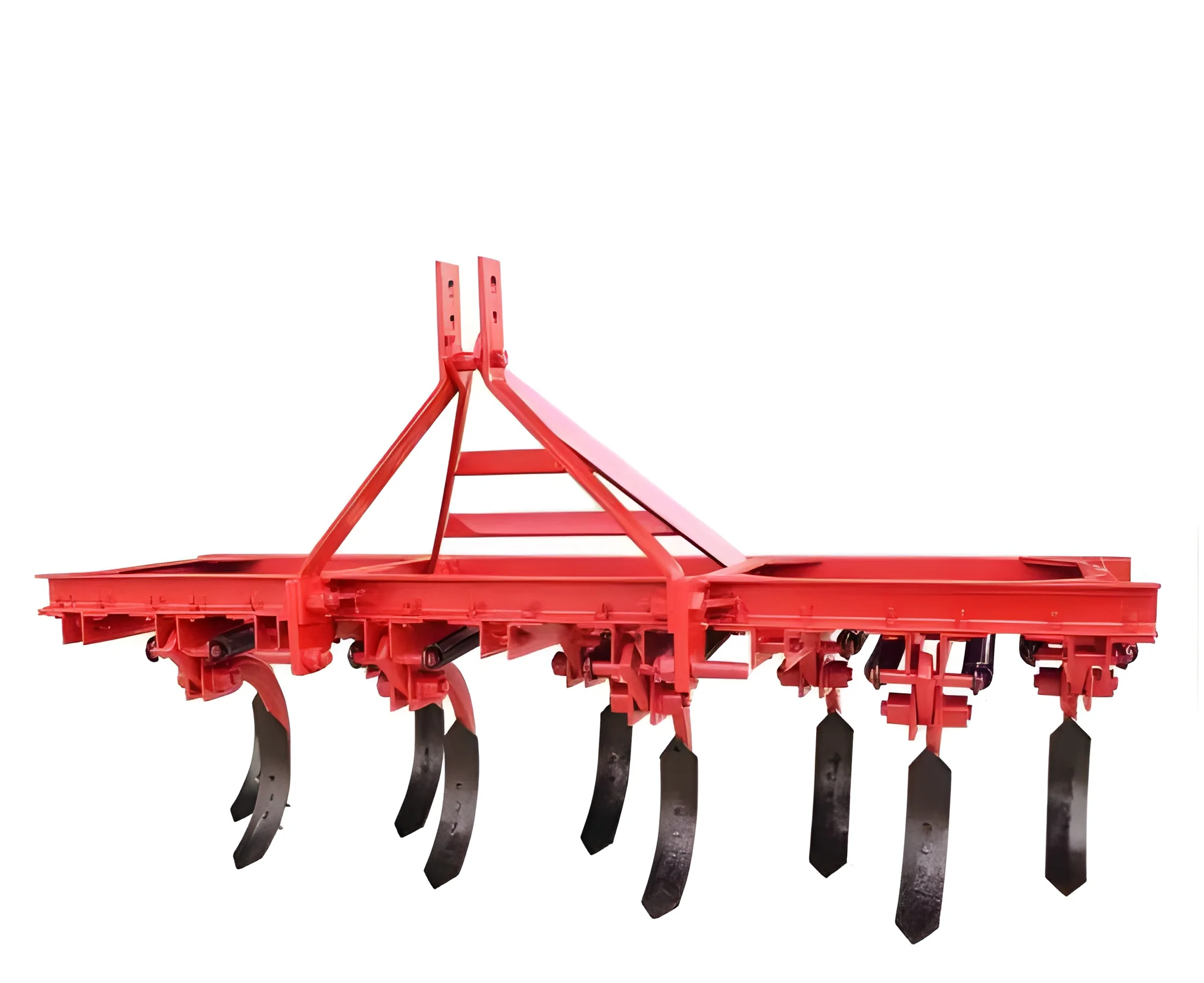
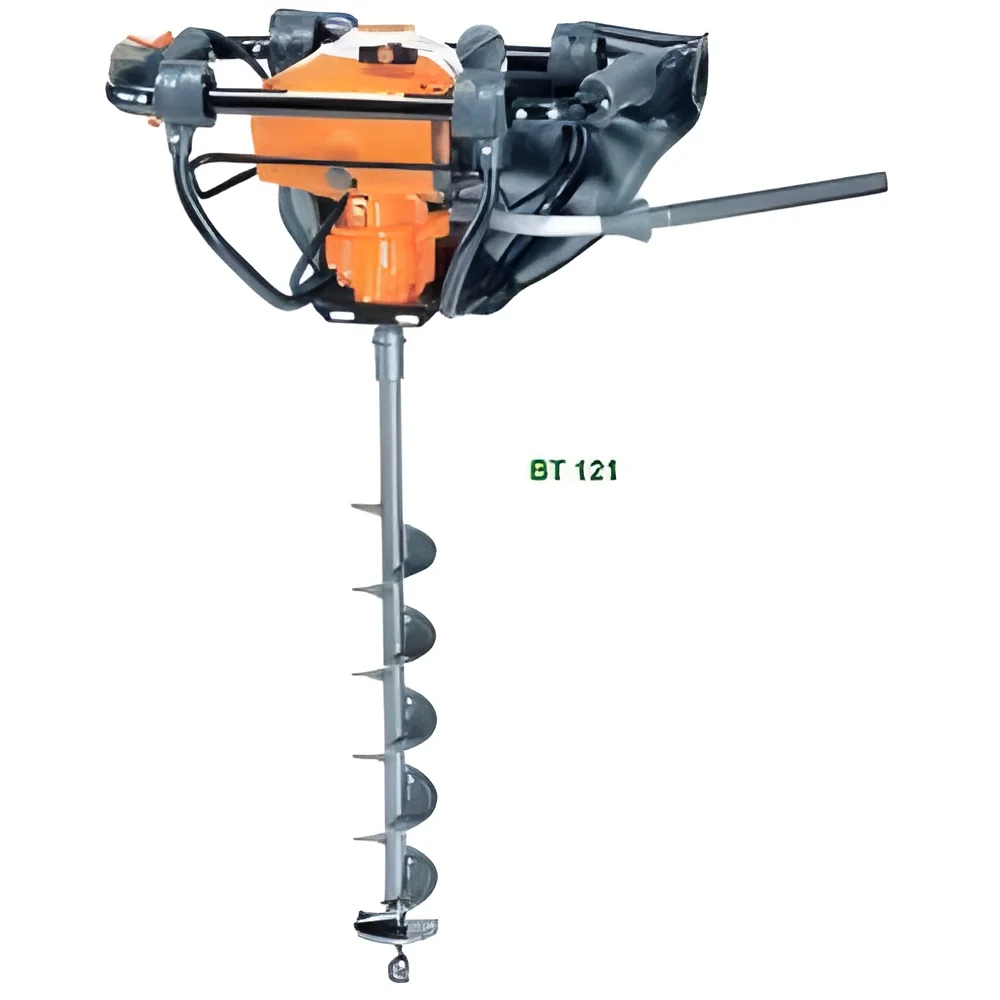
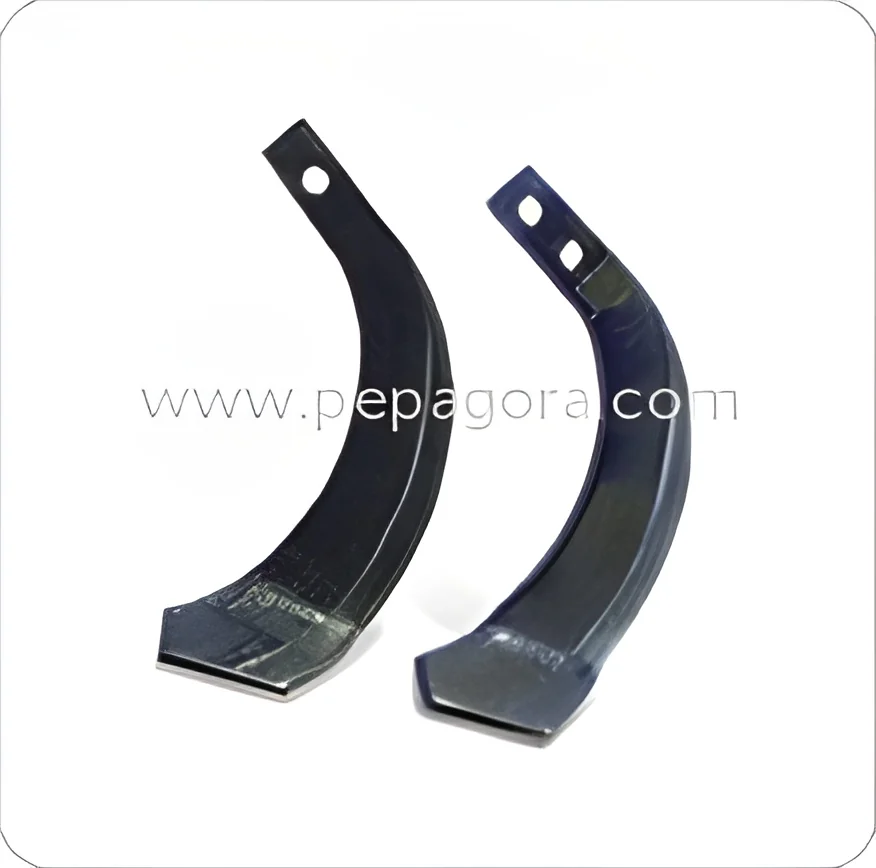
Soil augers and tillers are essential tools designed for breaking and mixing soil for various agricultural and landscaping applications. Soil augers are typically used to create holes in the ground for planting seeds, installing posts, or conducting soil sampling. They come in various sizes, allowing for both small-scale and large-scale operations. Tillers, on the other hand, are machines that cultivate soil by breaking up hard ground, mixing in compost, and aerating the soil to promote healthy plant growth.
These tools have a wide range of applications across different sectors, including agriculture, horticulture, and construction. In agriculture, they are used for planting crops, while in landscaping, they assist in preparing flower beds and gardens. Construction companies use soil augers for site preparation and foundation work. The relevance of soil augers and tillers in the industry is significant, as they contribute to increased efficiency and productivity in land management and agricultural practices.
Key Features and Specifications
Soil augers and tillers come equipped with various features that enhance their performance and usability. Understanding these specifications is crucial for choosing the right equipment for specific applications.
Key specifications include:
1. Type of Auger or Tiller
- Manual or powered options available
- Suitable for different soil types and conditions
2. Size and Diameter
- Various diameters ranging from 2 to 12 inches
- Adjustable lengths for deep soil penetration
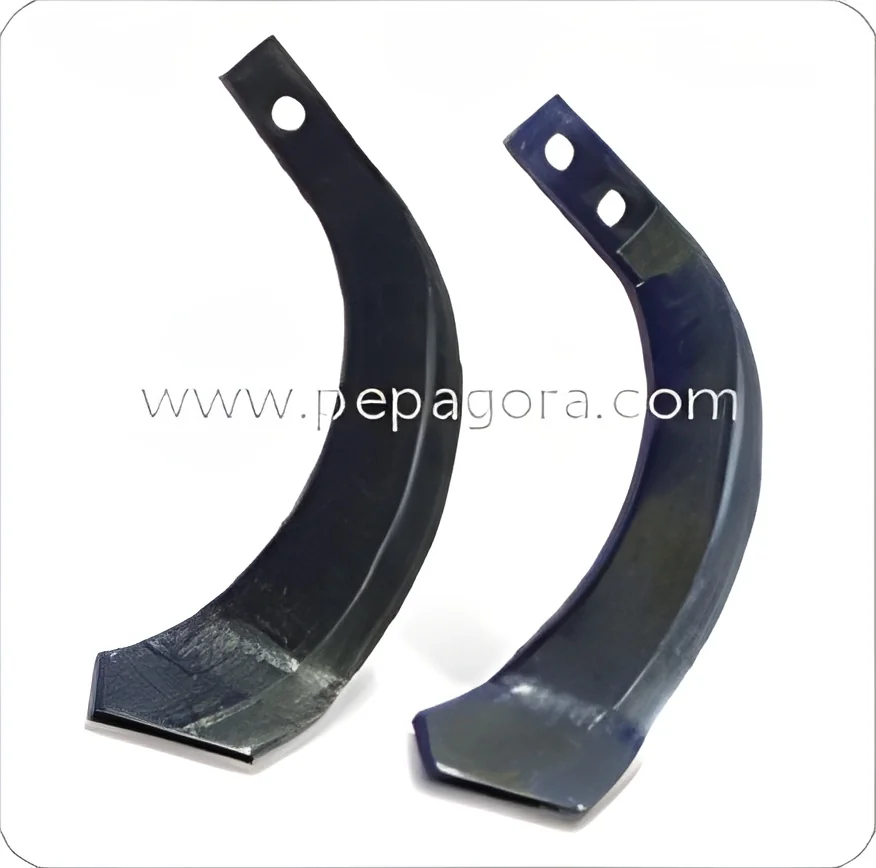
3. Blade Design
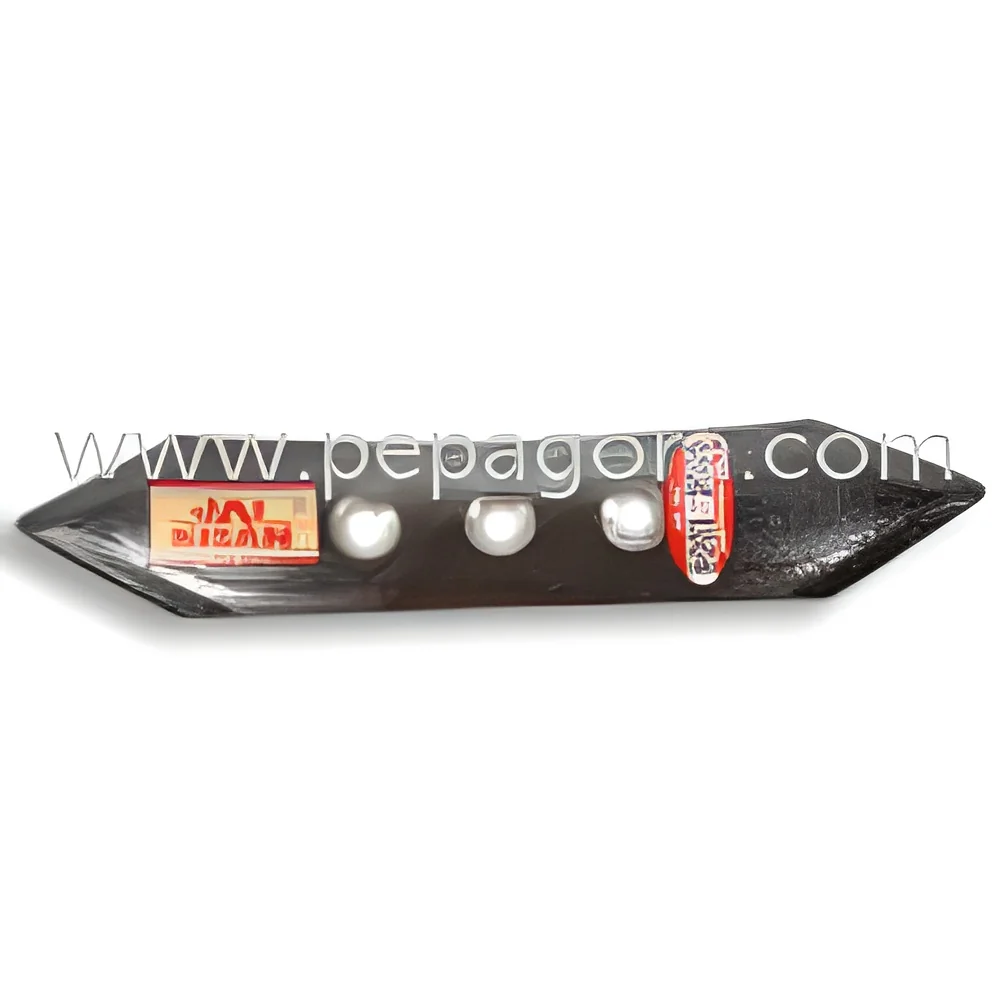
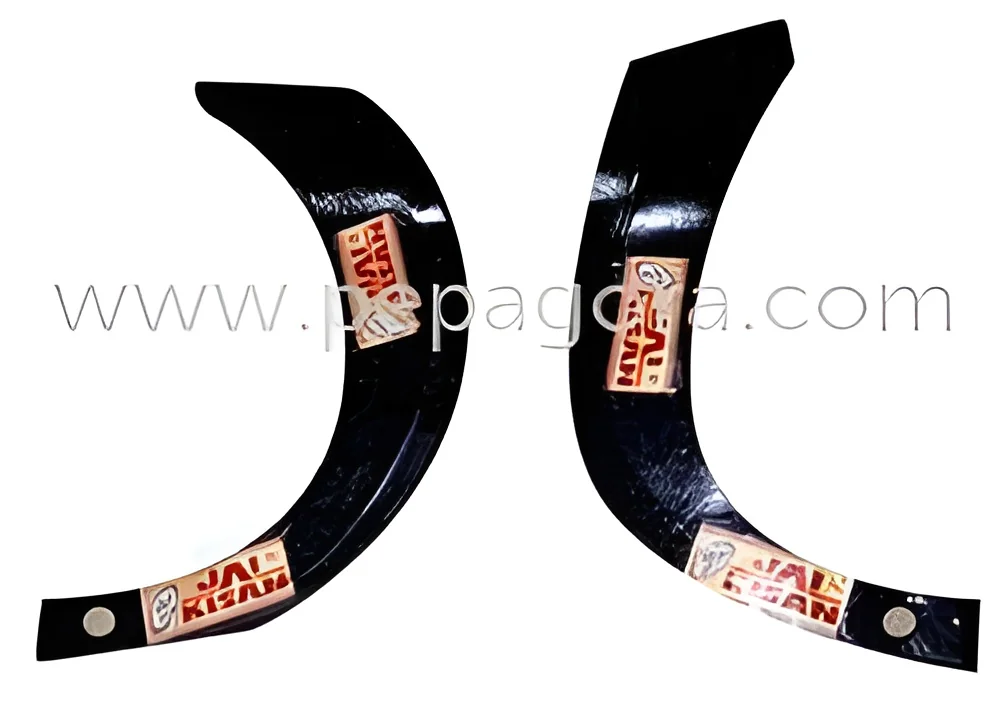
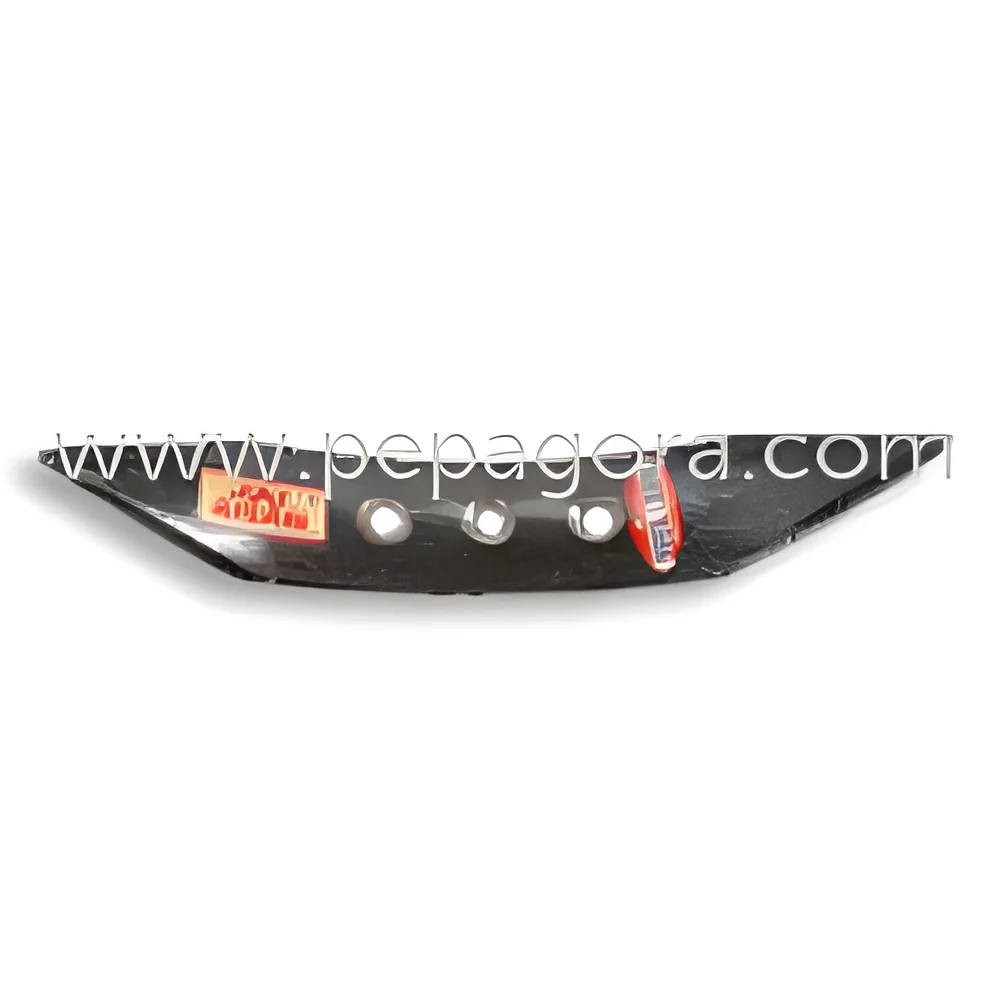
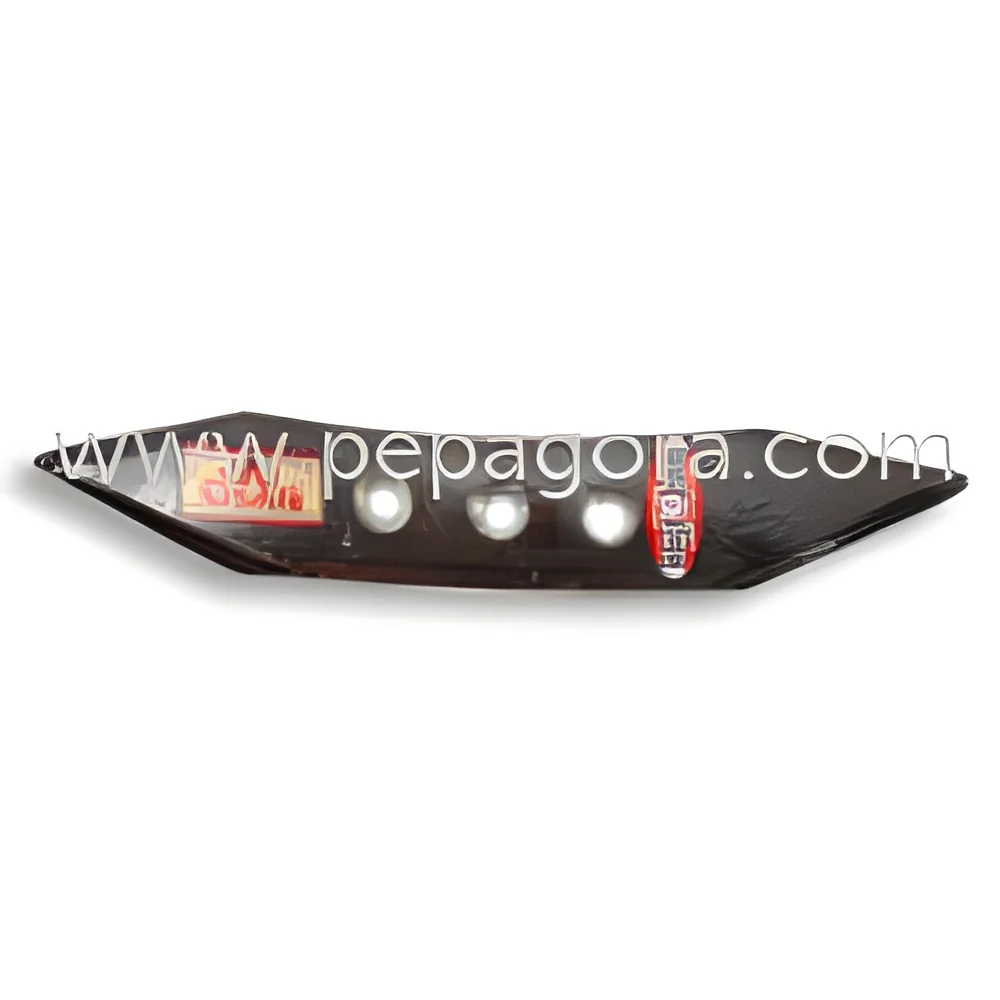
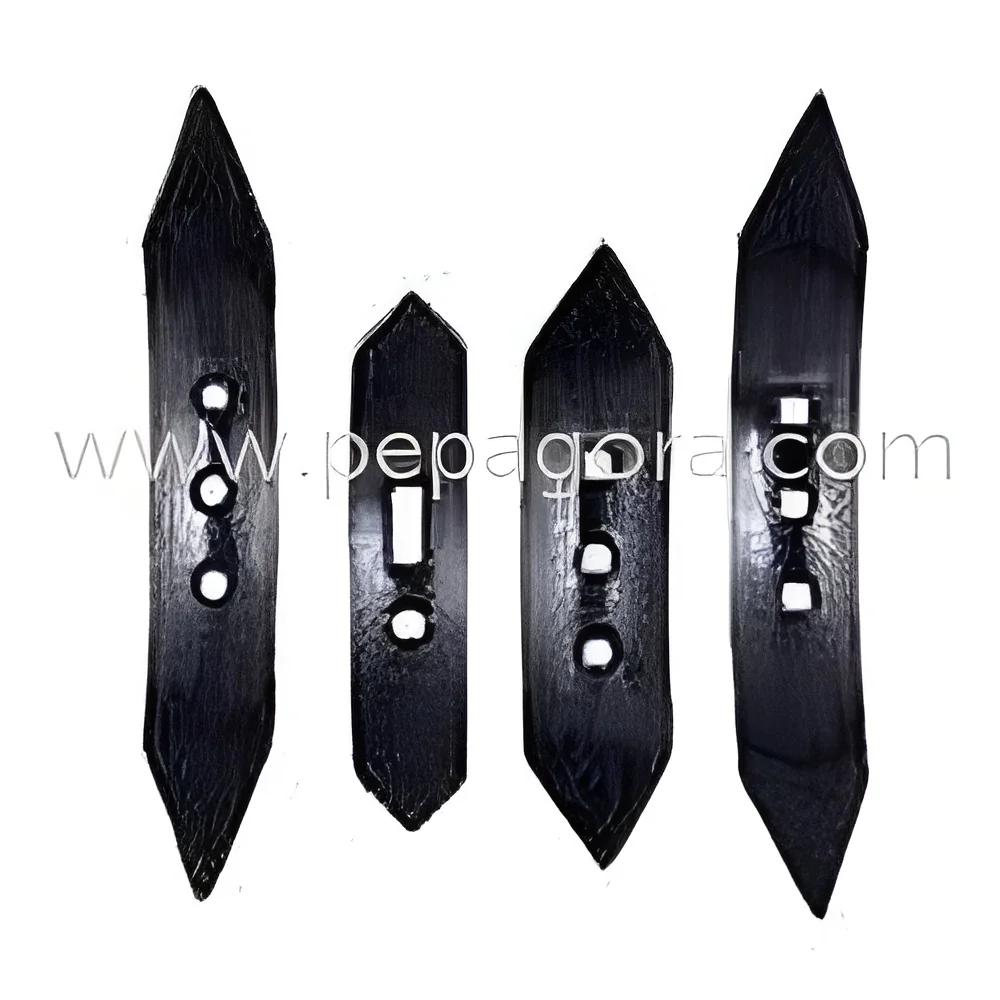
- Different blade shapes for optimal soil disruption
- Materials like steel for durability and performance
4. Engine Power (for powered tillers)
- Typically ranges from 2 to 10 horsepower
- Determines the tiller's ability to handle tough soil
5. Weight
- Ranges from lightweight models for easy handling to heavier models for stability
- Heavier models may provide better performance in dense soils
6. Fuel Type (for powered machines)
- Gasoline or electric options available
- Influences operational cost and environmental impact
7. Ergonomics and Design
- Features like adjustable handles for user comfort
- Compact designs for easy storage and transportation
8. Safety Features
- Includes guards and emergency shut-off switches
- Essential for safe operation in various environments
These features ensure that soil augers and tillers can meet the diverse needs of users across different sectors.
Common Applications and Use Cases
Soil augers and tillers have a broad range of applications across various industries.
1. Agriculture: Farmers utilize soil augers for planting seeds and conducting soil tests. Tillers are essential for preparing fields for planting and improving soil structure.
2. Landscaping: Landscape professionals use tillers for mixing soil and compost, creating flower beds, and establishing new gardens. Soil augers help in planting trees and installing fencing.
3. Construction: Construction companies employ soil augers for site preparation, digging post holes for fences, and foundation work. Tillers assist in preparing land for building projects.
4. Environmental Research: Soil augers are used in environmental studies to collect soil samples for analysis. This helps in assessing soil health and contamination levels.
5. Municipal Services: Local governments use tillers for park maintenance and soil preparation in public gardens. Augers facilitate tree planting in urban areas.
6. Recreational Use: Gardeners and outdoor enthusiasts use small-scale tillers and augers for personal gardens and landscaping projects.
Product Variants and Subcategories
Soil augers and tillers come in various forms tailored to specific needs and applications.
Gas-Powered Tillers: These robust tillers are ideal for large-scale agricultural operations. They provide significant power and can handle tough soil conditions.
Electric Tillers: Suitable for smaller gardens and residential use, electric tillers are quieter and easier to operate. They are perfect for light soil cultivation and maintenance.
Manual Augers: Hand-operated augers are ideal for small projects and gardens. They are lightweight and easy to use, making them accessible for casual gardeners.
Post Hole Augers: These specialized augers are designed for digging holes for fence posts and planting. They typically have a narrow diameter for precision digging.
Benefits and Advantages
Using soil augers and tillers provides numerous benefits that enhance productivity and efficiency.
1. Increased Efficiency: These tools significantly reduce the time and effort required for soil preparation and planting.
2. Improved Soil Quality: Tillers aerate and mix soil, promoting better drainage and nutrient distribution, which is beneficial for plant growth.
3. Versatility: Soil augers and tillers can be used across various applications, from agriculture to landscaping, making them valuable tools for many industries.
4. User-Friendly Operation: Modern designs include ergonomic features that enhance comfort and ease of use, reducing fatigue during operation.
5. Durability: High-quality materials and construction ensure that these tools can withstand tough conditions, providing long-term reliability.
6. Cost-Effectiveness: Investing in soil augers and tillers can lead to reduced labor costs and increased crop yields, offering a good return on investment.
Buying Guide for B2B Buyers
When sourcing soil augers and tillers, B2B buyers should consider several key factors to ensure they make informed decisions.
1. Quality Assessment: Evaluate the materials and construction quality. Look for reputable brands with a history of reliability and performance.
2. Supplier Verification: Vet suppliers by checking their credentials, customer reviews, and industry reputation. A trusted supplier ensures quality and service.
3. Pricing and MOQ: Understand the pricing structures and minimum order quantities. This will help in budgeting and ensuring that the purchase meets business needs.
4. Delivery and Lead Times: Confirm delivery options and lead times to ensure timely receipt of products, which is crucial for project planning.
5. Compliance Requirements: Be aware of any local regulations and safety standards applicable to soil augers and tillers. Ensuring compliance can avoid legal issues.
Compliance and Certifications
Soil augers and tillers must adhere to various compliance standards to ensure safety and quality. Key standards include ISO 9001 for quality management, ensuring that products meet customer and regulatory requirements. Many products also comply with CE certifications, indicating their conformity with European health and safety standards.
Safety and testing requirements are critical in the manufacturing process. Products should undergo rigorous testing to ensure they can withstand operational demands without posing risks to users.
Regional compliance considerations may vary, so it's important for buyers to familiarize themselves with local regulations and standards that apply to agricultural and construction equipment. Understanding these compliance factors can help buyers make informed sourcing decisions.
Why Source Soil Augers & Tillers from Pepagora?
Pepagora offers a reliable platform for sourcing soil augers and tillers, providing several key advantages to B2B buyers.
The verified supplier network ensures that buyers can access high-quality products from trusted manufacturers. Each supplier undergoes a thorough vetting process to guarantee reliability and performance.
The streamlined RFQ process simplifies the procurement experience. Buyers can easily request quotations from multiple suppliers, compare prices, and make informed decisions without hassle.
Trade assurance and support provide an added layer of security for buyers. Pepagora protects transactions and offers support, ensuring that buyers feel confident in their purchases.
With regional coverage extending across India, GCC, and Southeast Asia, Pepagora connects buyers with suppliers in their vicinity. This geographic reach enhances accessibility and facilitates smoother logistics for product delivery.

 IN
IN