
 IN
INShade Nets & Insect Mesh
1 products available
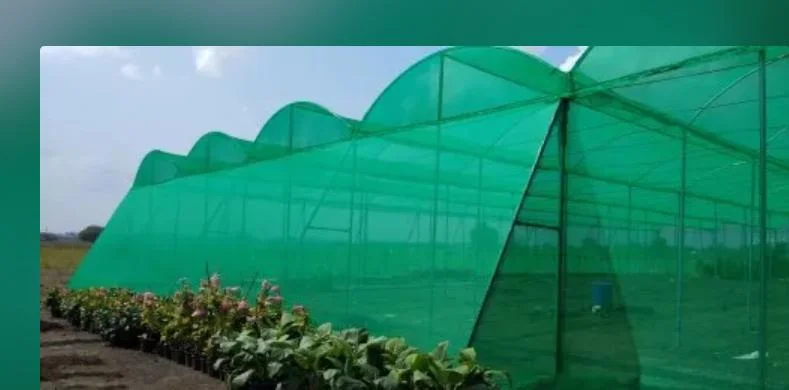
What are Shade Nets & Insect Mesh?
Shade nets and insect mesh are specialized fabric solutions designed to provide protection and enhance agricultural and horticultural practices. Shade nets are typically made from high-density polyethylene, offering various levels of shade to control sunlight exposure, while insect mesh is crafted from fine mesh materials to keep pests away from crops. Both products are essential for optimizing plant growth and ensuring high yields.
These products are primarily used in agriculture, horticulture, and landscaping industries. Shade nets serve to protect plants from excessive sunlight, reduce heat stress, and minimize water evaporation. Insect mesh protects crops from harmful pests while allowing essential air circulation. They are vital in creating ideal growth conditions, contributing to healthier plants and improved production rates.
In the current market context, the demand for shade nets and insect mesh is growing due to the increasing focus on sustainable agriculture and the need for pest management solutions. As more businesses seek to enhance crop yields while reducing chemical interventions, these products are becoming increasingly relevant across various agricultural sectors.
Key Features and Specifications
Shade nets and insect mesh come with several key features that enhance their functionality and effectiveness. These specifications cater to the diverse needs of agricultural and horticultural practices.
Key specifications include:
1. Material Composition
- Shade nets are made from high-density polyethylene, ensuring durability and UV resistance.
- Insect mesh is typically woven from fine, high-strength fibers that provide excellent pest control.
2. Shade Factor
- Shade nets are available in various shade percentages, such as 30%, 50%, and 70%, allowing users to select the appropriate level of sunlight blocking.
3. Mesh Size
- Insect mesh comes in different mesh sizes, typically ranging from 0.6 mm to 2 mm, to effectively block different types of pests while allowing air and moisture to pass through.
4. UV Stabilization
- Both products are often treated for UV stabilization, which prolongs their lifespan and effectiveness in harsh weather conditions.
5. Color Options
- Shade nets are available in multiple colors, including black, green, and white, each serving different purposes in terms of light reflection and absorption.
6. Size Variability
- Shade nets and insect mesh can be customized in various sizes, catering to specific agricultural applications and field dimensions.
7. Ventilation Properties
- Insect mesh allows for optimal air circulation, reducing humidity levels and preventing mold growth in crops.
8. Ease of Installation
- Both products are designed for straightforward installation, often featuring reinforced edges and eyelets for secure attachment.
In summary, the combination of durable materials, customizable options, and specific functionalities makes shade nets and insect mesh essential tools for modern agricultural practices.
Common Applications and Use Cases
Shade nets and insect mesh are versatile products that cater to a wide range of industries and applications.
1. Agriculture: Farmers use shade nets to protect crops from extreme sunlight and reduce water loss. Insect mesh is deployed to prevent crop damage from pests, ensuring a healthier harvest.
2. Horticulture: Gardeners utilize shade nets for young plants and delicate flowers to create optimal growing conditions, while insect mesh protects flowering plants from harmful insects.
3. Greenhouses: Shade nets are often used in greenhouses to manage light and temperature, while insect mesh helps maintain pest-free environments for sensitive plants.
4. Landscaping: Landscape professionals employ shade nets for trees and shrubs to mitigate heat stress and foster healthy growth, while insect mesh protects ornamental plants from pests.
5. Nurseries: Plant nurseries utilize these products to ensure young plants are shielded from harsh weather and pests, facilitating better growth and development.
6. Aquaculture: Shade nets are used in aquaculture to provide shade in fish farms, improving fish health and growth rates.
7. Sports Facilities: Shade nets can be applied to outdoor sports facilities to protect athletes and spectators from direct sunlight, enhancing comfort during events.
Product Variants and Subcategories
Shade nets and insect mesh come in various forms to cater to diverse applications and specific needs.
Standard Shade Net
This variant provides varying levels of shade, from 30% to 70%, and is ideal for protecting crops and plants from harsh sunlight. It is lightweight yet durable, making it suitable for both temporary and permanent installations.
Insect Mesh Netting
This variant features fine mesh construction specifically designed to block insects while allowing air and moisture to circulate. It is ideal for protecting vegetable gardens and flower beds from pests without the use of chemicals.
Shade Cloth with Reinforced Edges
This variant offers enhanced durability with reinforced edges, preventing fraying and ensuring longevity. It is perfect for use in windy conditions and can be easily attached to structures for maximum coverage.
Knitted Shade Net
Knitted shade nets provide flexibility and stretchability, making them easy to install and adjust. They are particularly useful for covering larger areas and can be used in various agricultural settings.
Benefits and Advantages
Shade nets and insect mesh offer numerous benefits that improve agricultural practices and enhance crop yields.
1. Crop Protection: These products shield plants from harmful pests and extreme weather conditions, leading to healthier growth and higher yields.
2. Cost-Effective: By reducing the need for chemical pesticides and irrigation, shade nets and insect mesh can significantly lower overall production costs.
3. Enhanced Growth Conditions: Shade nets control sunlight exposure, preventing heat stress and promoting optimal photosynthesis in plants.
4. Versatile Applications: Suitable for various industries, including agriculture, horticulture, and landscaping, these products cater to diverse needs.
5. Easy Installation: Designed for straightforward setup, shade nets and insect mesh can be quickly deployed, saving time and labor costs.
6. Environmentally Friendly: These products promote sustainable agricultural practices by minimizing chemical use and leveraging natural pest control methods.
Buying Guide for B2B Buyers
When sourcing shade nets and insect mesh, it is essential for buyers to consider several factors to ensure they select the right products for their needs.
1. Quality Assessment: Evaluate the material quality and durability of the products. Look for certifications that verify the product's performance and longevity.
2. Supplier Verification: Vet potential suppliers by reviewing their credentials and customer feedback. Ensure they have a proven track record in providing reliable products.
3. Pricing and MOQ: Compare pricing structures and minimum order quantities across different suppliers to find the best value for your budget.
4. Delivery and Lead Times: Inquire about delivery schedules and lead times to ensure timely availability of products for your agricultural practices.
5. Compliance Requirements: Familiarize yourself with any regulatory standards that apply to shade nets and insect mesh in your region. Ensure that the products meet necessary compliance criteria.
Compliance and Certifications
Compliance and certification are critical in the shade nets and insect mesh industry to ensure product quality and safety. Relevant quality standards such as ISO 9001 help guarantee that manufacturers maintain consistent quality in their production processes.
Additionally, the CE certification indicates that the products meet European safety and environmental standards. This certification is particularly important for businesses looking to market their products in European markets.
Safety and testing requirements are also vital in ensuring that shade nets and insect mesh do not negatively impact the environment or agricultural practices. Manufacturers must adhere to specific testing protocols to demonstrate the effectiveness and safety of their products.
Regional compliance considerations may also arise based on local agricultural regulations and standards. It is crucial for businesses to be aware of these factors when selecting suppliers and products.
Why Source Shade Nets & Insect Mesh from Pepagora?
Pepagora provides a trusted platform for sourcing shade nets and insect mesh, offering several key advantages that benefit B2B buyers.
Verified Supplier Network: Pepagora has established a robust network of verified suppliers, ensuring that buyers can access high-quality products from reputable manufacturers. This network helps mitigate risks associated with sourcing.
Streamlined RFQ Process: The platform features a streamlined request for quotation (RFQ) process, allowing buyers to easily compare prices and specifications from multiple suppliers. This simplifies decision-making and enhances efficiency.
Trade Assurance and Support: Pepagora offers trade assurance and support to protect buyers during transactions. This includes assistance with dispute resolution and ensuring that products meet agreed-upon specifications.
Regional Coverage: With a strong presence in India, the GCC, and Southeast Asia, Pepagora provides extensive regional coverage, making it easier for businesses to source shade nets and insect mesh tailored to local market needs. This regional focus enables quicker delivery times and better customer service.

Frequently Asked Questions
What are Shade Nets & Insect Mesh?
Shade nets are specially designed fabrics that provide shade and protect plants from direct sunlight, while insect mesh is used to prevent insects from entering an area while allowing air circulation. Both products are widely used in agriculture, horticulture, and gardening to create optimal growing conditions.
What are the different types of Shade Nets & Insect Mesh?
Shade nets come in various types based on shading percentages, such as 30%, 50%, and 80% shade nets, each serving different agricultural needs. Insect mesh is available in different mesh sizes to target specific pests while allowing beneficial insects and air to pass through.
How do I choose the right Shade Nets & Insect Mesh?
To select the appropriate shade net, consider the level of sunlight exposure your plants require and the shading percentage needed. For insect mesh, assess the type of pests you are dealing with and choose a mesh size that will effectively block them while allowing ventilation.
What are the standard specifications for Shade Nets & Insect Mesh?
Standard specifications for shade nets include material type (usually HDPE), UV resistance, and shading percentage. Insect mesh specifications include mesh size, material durability, and resistance to environmental factors like wind and rain.
What is the price range for Shade Nets & Insect Mesh?
The price range for shade nets and insect mesh can vary significantly based on material quality, size, and type. Generally, shade nets can range from INR 15 to INR 100 per square meter, while insect mesh prices can start around INR 20 and go up to INR 150 per square meter.
What quality standards apply to Shade Nets & Insect Mesh?
Quality standards for shade nets and insect mesh typically include UV stability, tensile strength, and durability under various weather conditions. Products should also comply with relevant agricultural safety and environmental regulations.
Where can I find Shade Nets & Insect Mesh suppliers in India?
You can find shade nets and insect mesh suppliers in India through various online B2B marketplaces, local agricultural supply stores, and direct manufacturers. Pepagora.com is a platform where you can connect with reputable suppliers and manufacturers of these products.
Can Shade Nets & Insect Mesh be customized?
Yes, many manufacturers offer customization options for shade nets and insect mesh, allowing you to specify dimensions, shading percentages, and mesh sizes to meet your specific requirements. It's advisable to discuss your needs with suppliers directly to explore available options.
What is the typical minimum order quantity for Shade Nets & Insect Mesh?
The typical minimum order quantity (MOQ) for shade nets and insect mesh can vary among suppliers, but it often ranges from 100 to 500 square meters. It's best to check with individual suppliers for their specific MOQ policies.
What is the typical lead time for Shade Nets & Insect Mesh?
The lead time for shade nets and insect mesh usually ranges from 7 to 21 days, depending on the supplier's inventory and the complexity of the order. Custom orders may take longer, so it’s advisable to confirm the expected delivery timeline with the supplier.
Why Businesses Trust Pepagora
Thousands of companies trust Pepagora to source smarter and sell faster
Expand Your Sales Globally

Source Smarter,Grow Faster
