What are Manual Fruit Harvesters?
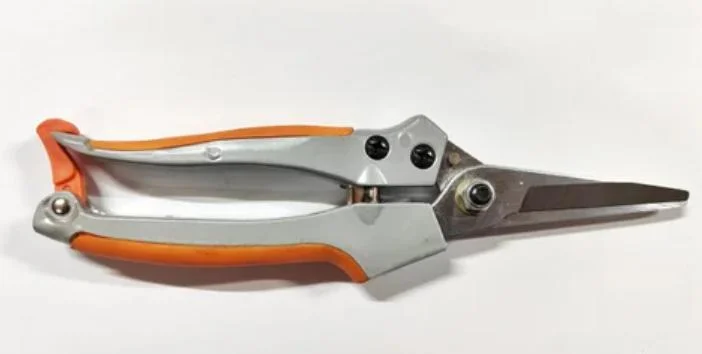
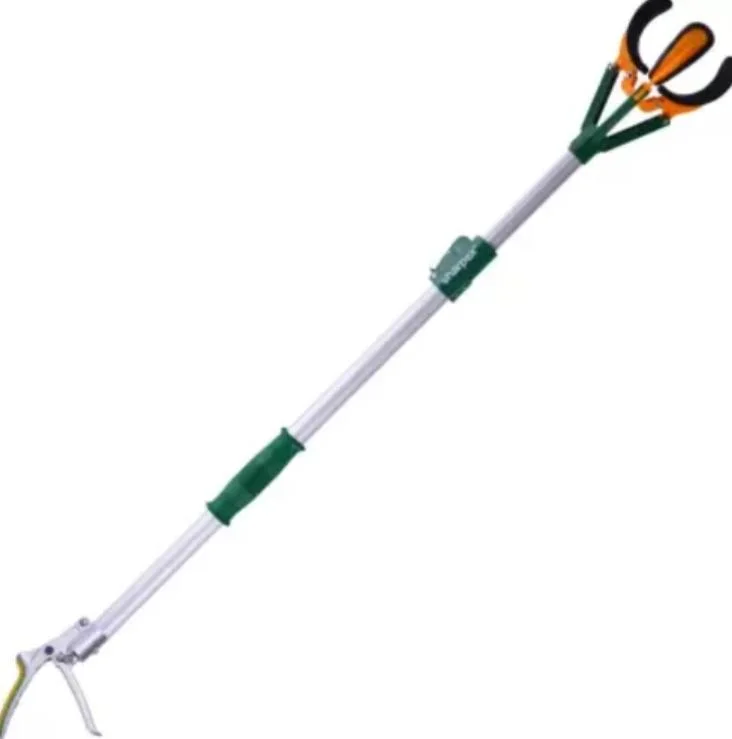
Manual fruit harvesters are specialized tools designed to facilitate the efficient and effective picking of fruit from trees and bushes. These devices help farmers and agricultural workers collect fruit without causing damage to the plants or the produce. Manual fruit harvesters typically consist of a handle with a picking mechanism at the end, which allows users to easily reach and gather fruit from various heights.
These tools are primarily used in orchards, farms, and gardens where fruit trees are cultivated. They are essential for small to medium-scale fruit production, particularly where labor costs are a consideration. Businesses in the agricultural sector utilize manual fruit harvesters to improve productivity and reduce the time required for harvesting, thereby enhancing overall operational efficiency. The demand for such tools is significant in regions with large fruit cultivation industries, as they contribute to better yield management and sustainable farming practices.
Key Features and Specifications
Manual fruit harvesters offer a range of features tailored to meet the needs of fruit growers. Understanding these specifications can help buyers make informed decisions.
Key specifications include:
1. Picking Mechanism
- Typically includes a claw or scoop design
- Allows for gentle fruit collection without bruising
2. Handle Length
- Varies from 3 to 10 feet
- Enables access to higher branches
3. Weight
- Generally lightweight, averaging around 2 to 5 pounds
- Facilitates ease of use and reduces user fatigue
4. Material Composition
- Often made from durable materials like aluminum or high-grade plastic
- Ensures longevity and resistance to wear
5. Ergonomic Design
- Features comfortable grips to minimize strain
- Enhances user comfort during extended use
6. Harvesting Capacity
- Can range from 5 to 30 pounds per hour, depending on the design
- Influences productivity and efficiency
7. Portability
- Many models are collapsible or easily disassembled
- Simplifies transport and storage
8. Maintenance Requirements
- Generally low maintenance, requiring only periodic cleaning
- Some models may need occasional part replacements
In summary, the key features and specifications of manual fruit harvesters are designed to enhance the harvesting process, making it more efficient while minimizing damage to the fruit and trees.
Common Applications and Use Cases
Manual fruit harvesters are versatile tools that find applications across various industries.
1. Agriculture: Widely used in orchards and farms for harvesting apples, cherries, peaches, and other fruits, they help improve harvest efficiency and reduce labor costs.
2. Horticulture: Employed in gardens and nurseries, they assist in the careful picking of delicate fruits and flowers, ensuring minimal damage.
3. Organic Farming: Essential for organic fruit growers, these tools allow for careful harvesting that aligns with organic farming practices, avoiding pesticides and machinery.
4. Research and Development: Used in agricultural research settings, they facilitate the study of different fruit varieties and harvesting techniques.
5. Community Gardens: Popular in local farming initiatives, these harvesters support small-scale food production and community involvement in sustainable practices.
6. Educational Institutions: Used in agricultural programs to teach students about fruit harvesting techniques and tools.
7. Export and Distribution: Critical for businesses that export fresh fruits, ensuring that produce is harvested and handled with care.
Product Variants and Subcategories
Manual fruit harvesters come in various designs to cater to specific needs within the agricultural sector.
Standard Manual Picker: This is the most common type, featuring a simple claw mechanism for picking fruit. It is easy to use and suitable for a wide range of fruits.
Telescopic Harvester: This variant allows users to extend the handle, reaching higher branches without the need for ladders. It is ideal for larger trees and shrubs.
Multi-Purpose Harvester: Designed for versatility, this model often includes interchangeable heads for different types of fruit. It enables users to switch between harvesting techniques as needed.
Lightweight Harvester: Specifically designed for ease of use, this variant emphasizes portability and comfort for long harvesting sessions, making it suitable for smaller farms and home gardens.
Benefits and Advantages
Manual fruit harvesters provide several key benefits to users in the agricultural sector.
1. Increased Efficiency: These tools significantly speed up the harvesting process, allowing for more fruit to be picked in less time.
2. Reduced Labor Costs: By simplifying the harvesting process, businesses can save on labor costs, making operations more financially sustainable.
3. Minimized Damage: Designed to pick fruit gently, these harvesters help reduce bruising and damage, ensuring higher quality produce.
4. Ergonomic Use: With features designed for comfort, users experience less fatigue, leading to greater productivity during harvesting.
5. Environmentally Friendly: Manual harvesters do not rely on electricity or fuel, making them a sustainable choice for eco-conscious growers.
6. Versatility: Suitable for various types of fruits and settings, these tools adapt to different harvesting needs.
Buying Guide for B2B Buyers
When sourcing manual fruit harvesters, several factors should be taken into account to ensure the right purchase.
1. Quality Assessment: Evaluate the materials and construction of the harvesters. Look for durable options that can withstand regular use in the field.
2. Supplier Verification: Research potential suppliers to ensure they have a good reputation in the market. Look for reviews and ratings from other buyers.
3. Pricing and MOQ: Understand the pricing structure and minimum order quantities. This will help in budgeting and planning for purchases.
4. Delivery and Lead Times: Check the expected delivery times and any logistics involved in receiving the product. Timeliness is crucial in agricultural operations.
5. Compliance Requirements: Be aware of any regulatory standards that may apply to harvesting tools in your region. Compliance with safety and quality standards is essential.
Compliance and Certifications
Manual fruit harvesters are subject to various quality and safety standards to ensure they are safe for use and effective in their applications.
Common quality standards include ISO 9001, which focuses on quality management systems, ensuring that products meet customer and regulatory requirements. Additionally, HACCP (Hazard Analysis Critical Control Point) may be relevant in contexts where food safety is a priority, ensuring that tools do not contaminate harvested produce.
Industry certifications such as CE mark indicate compliance with European health and safety standards. This certification assures buyers that the product meets essential safety requirements.
Safety and testing requirements are crucial, especially for tools used in food production. Regular inspections and adherence to safety guidelines ensure that the harvesters operate effectively and do not pose risks to users.
Regional compliance considerations may vary, so it is important for buyers to understand the specific requirements in their local markets to avoid legal issues.
Why Source Manual Fruit Harvesters from Pepagora?
Pepagora provides a trusted platform for sourcing manual fruit harvesters, offering several key advantages to buyers in the agricultural sector.
Verified Supplier Network: Pepagora connects buyers with a network of verified suppliers, ensuring that all products meet quality standards and are sourced from reputable manufacturers.
Streamlined RFQ Process: The platform enables a simple and efficient request for quotation process, allowing buyers to compare offers from multiple suppliers quickly.
Trade Assurance and Support: Pepagora offers buyer protection services that ensure transactions are secure and that buyers receive the products they expect, fostering trust in the marketplace.
Regional Coverage: With a focus on markets in India, the GCC, and Southeast Asia, Pepagora provides a broad geographic reach, making it easier for buyers in these regions to find suitable products and suppliers.

 IN
IN