
 IN
Thermoforming Sheet Materials
15 products available
What are Thermoforming Sheet Materials?
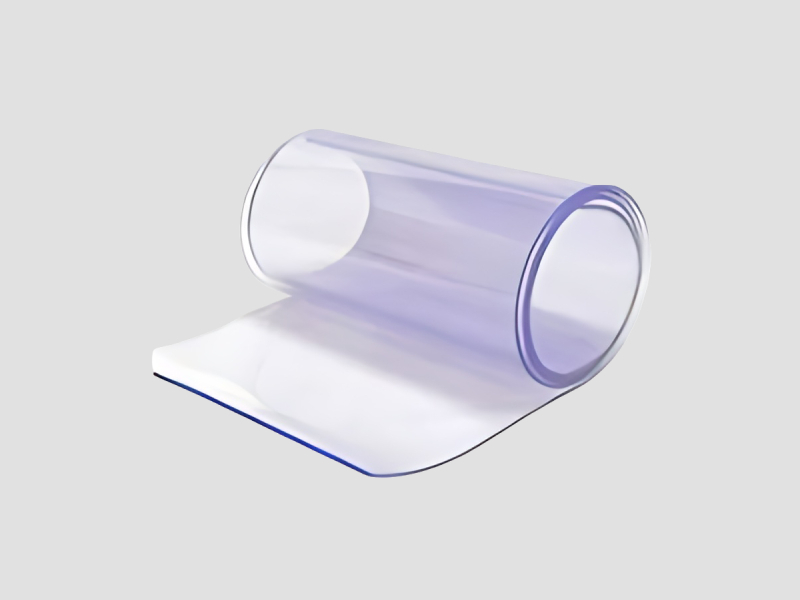
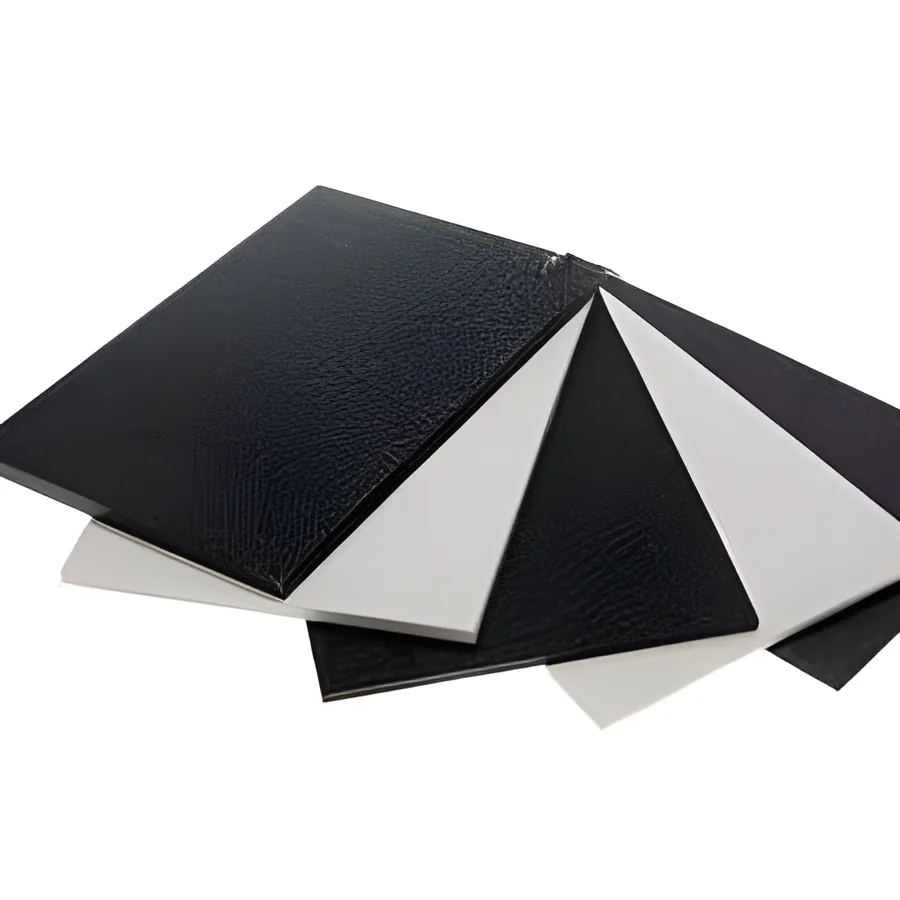
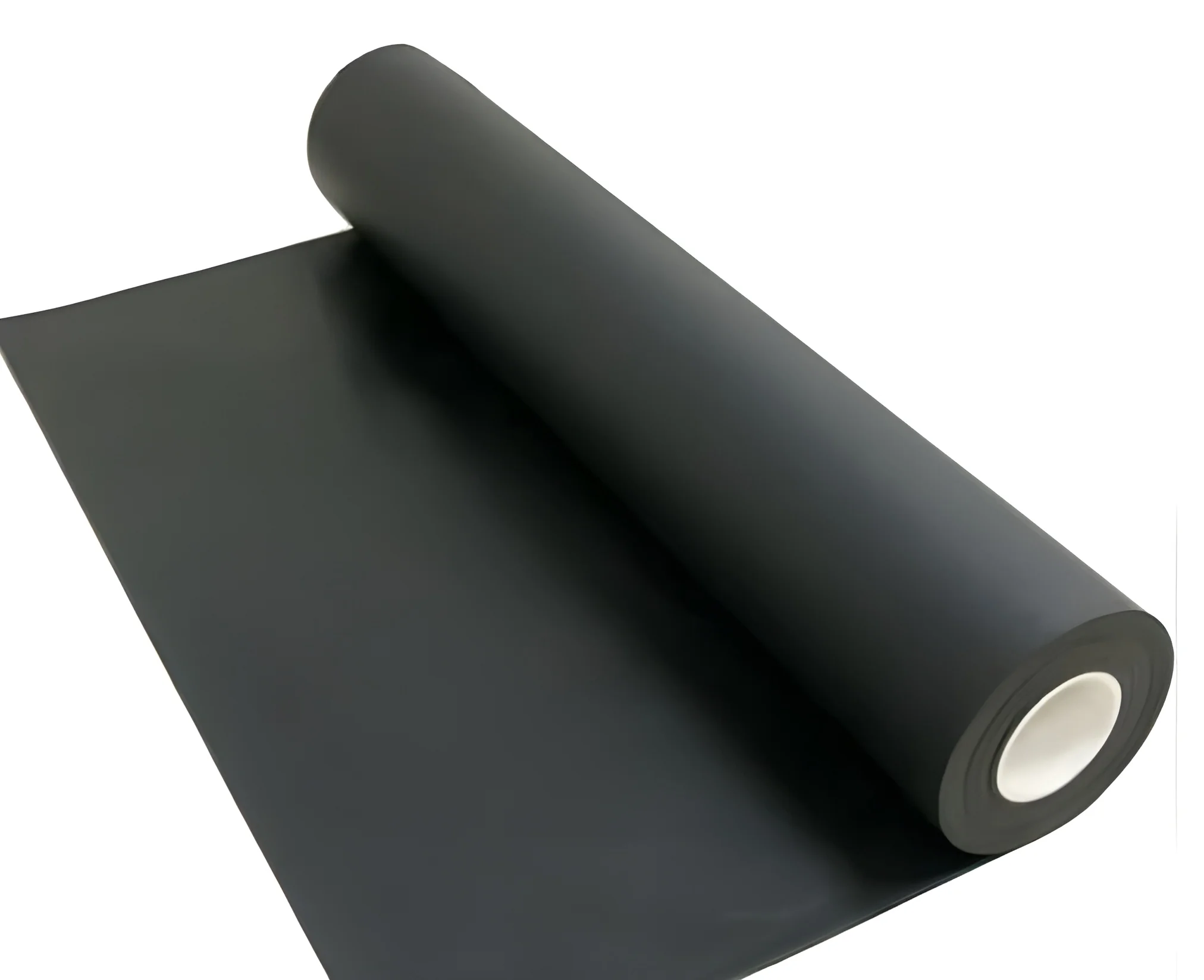
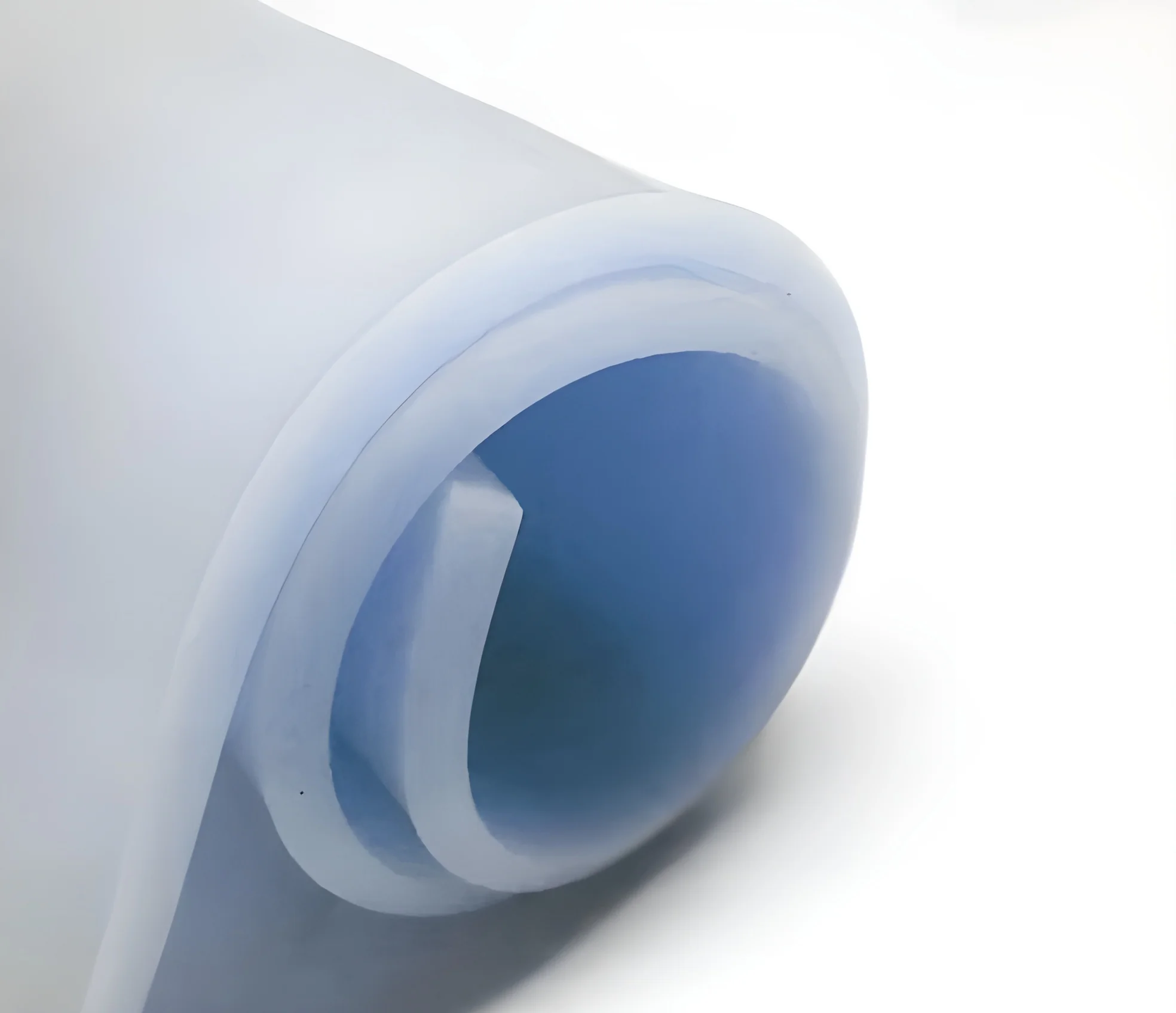
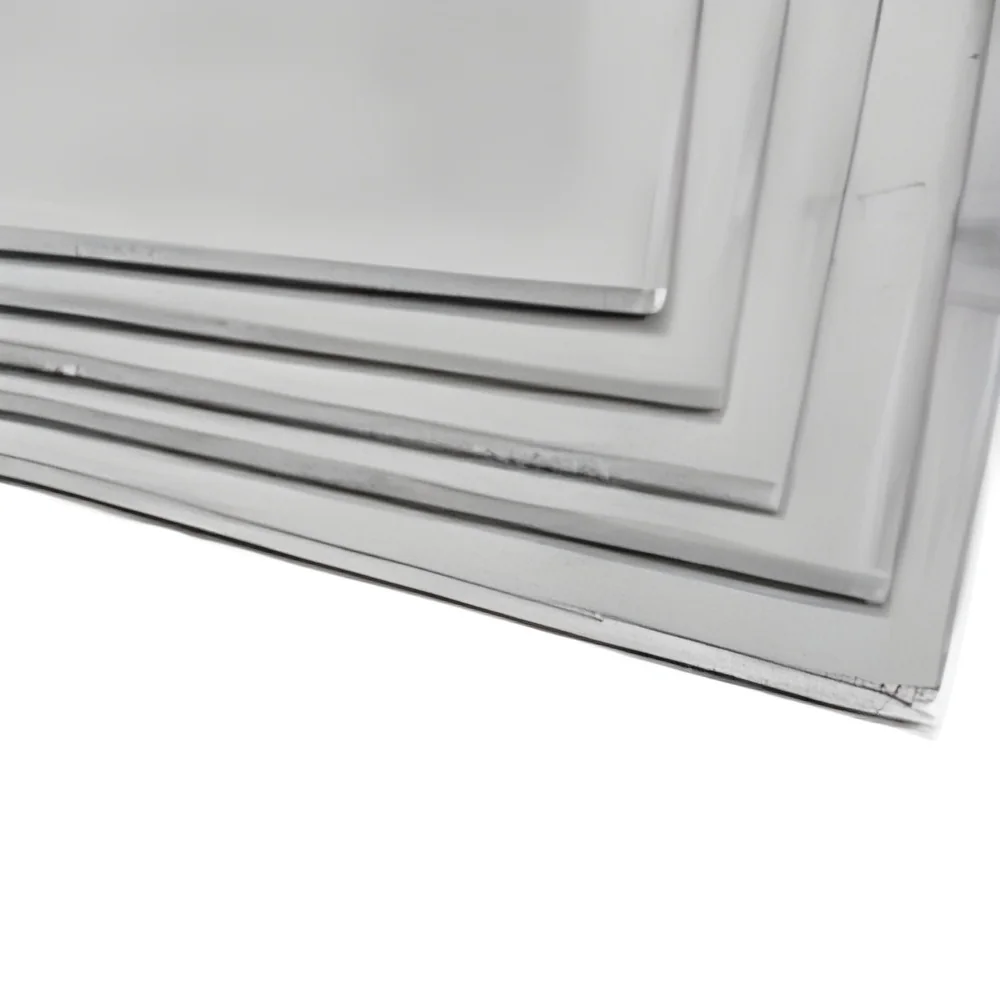
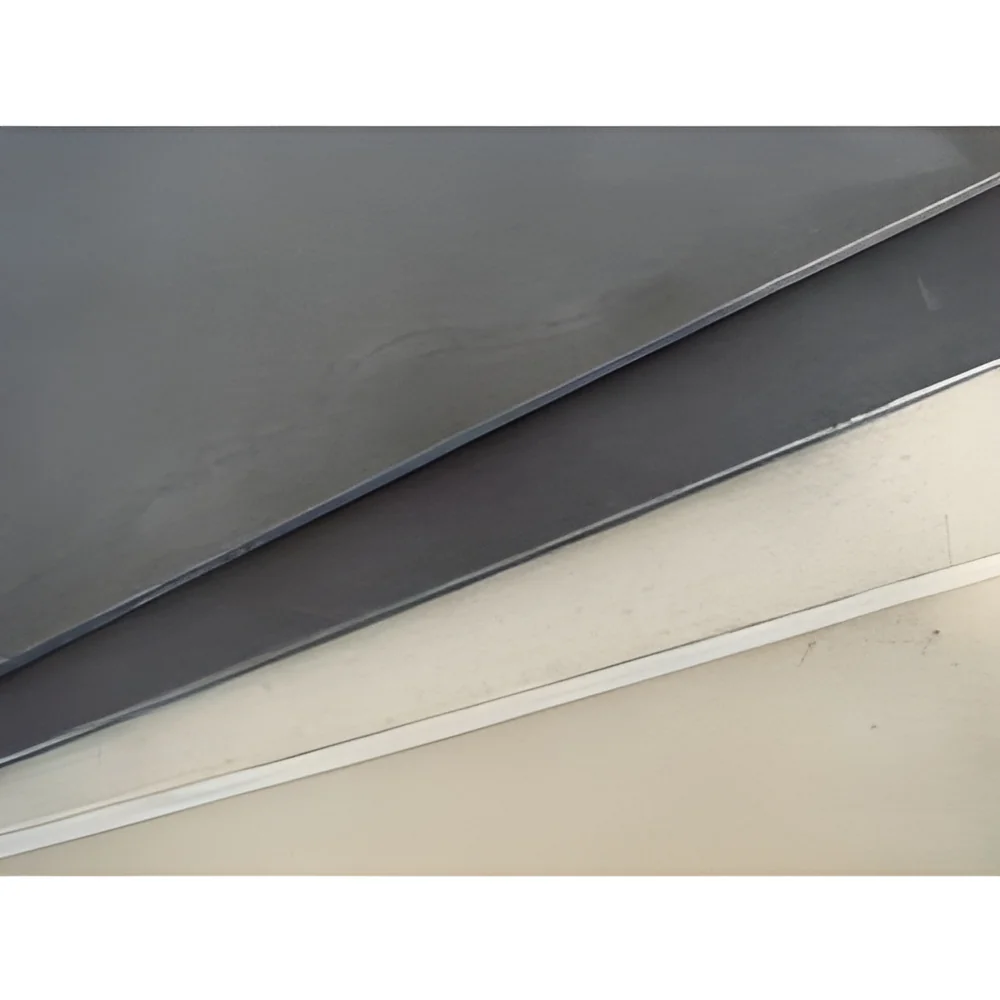
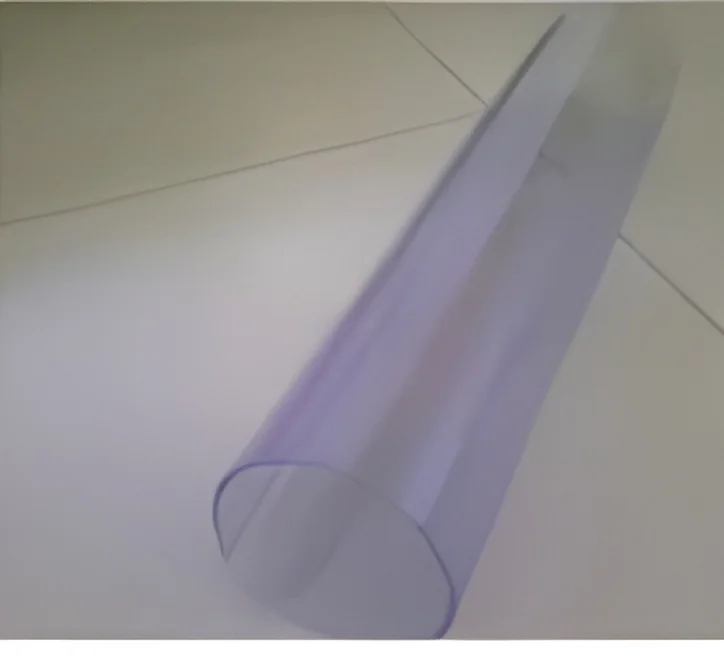
Thermoforming sheet materials are versatile plastic sheets designed to be heated and shaped into various forms through a process known as thermoforming. This process involves heating the sheet until it becomes pliable, followed by shaping it over a mold and allowing it to cool, which solidifies the new shape. These materials are commonly made from polymers such as ABS, PET, and PVC, which offer desirable characteristics like durability and flexibility.
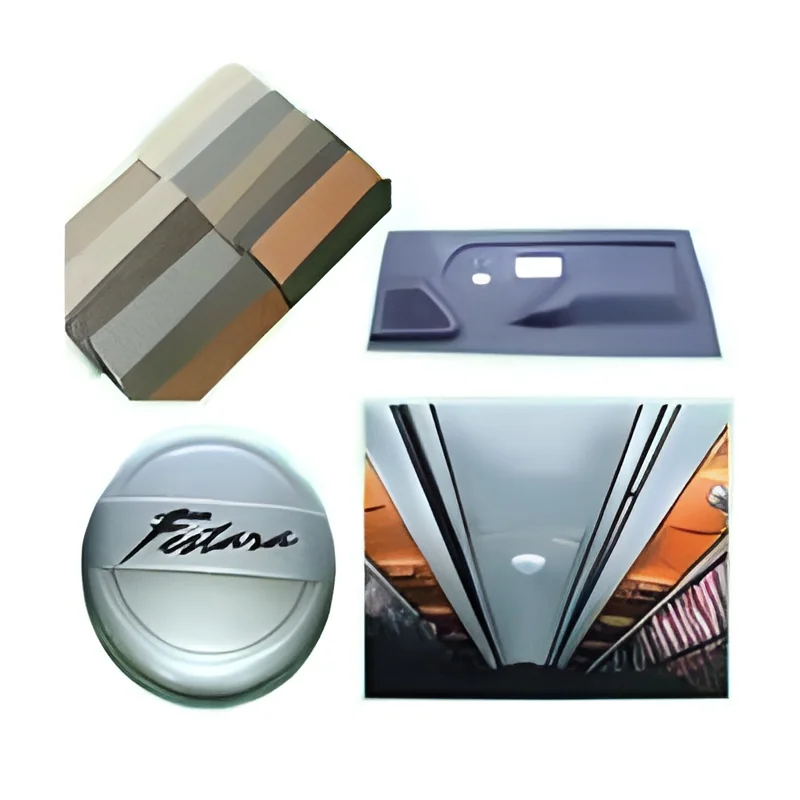
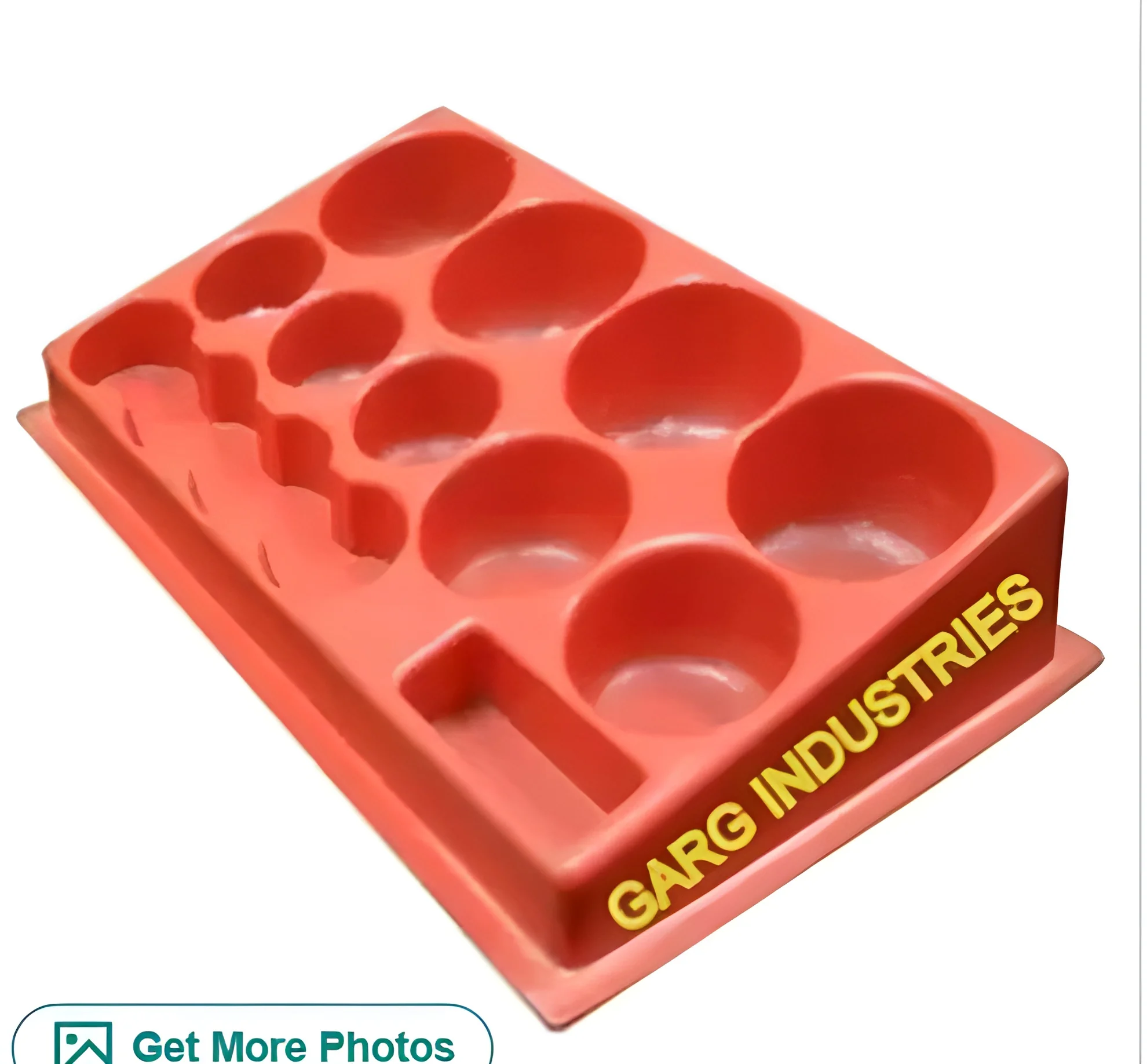
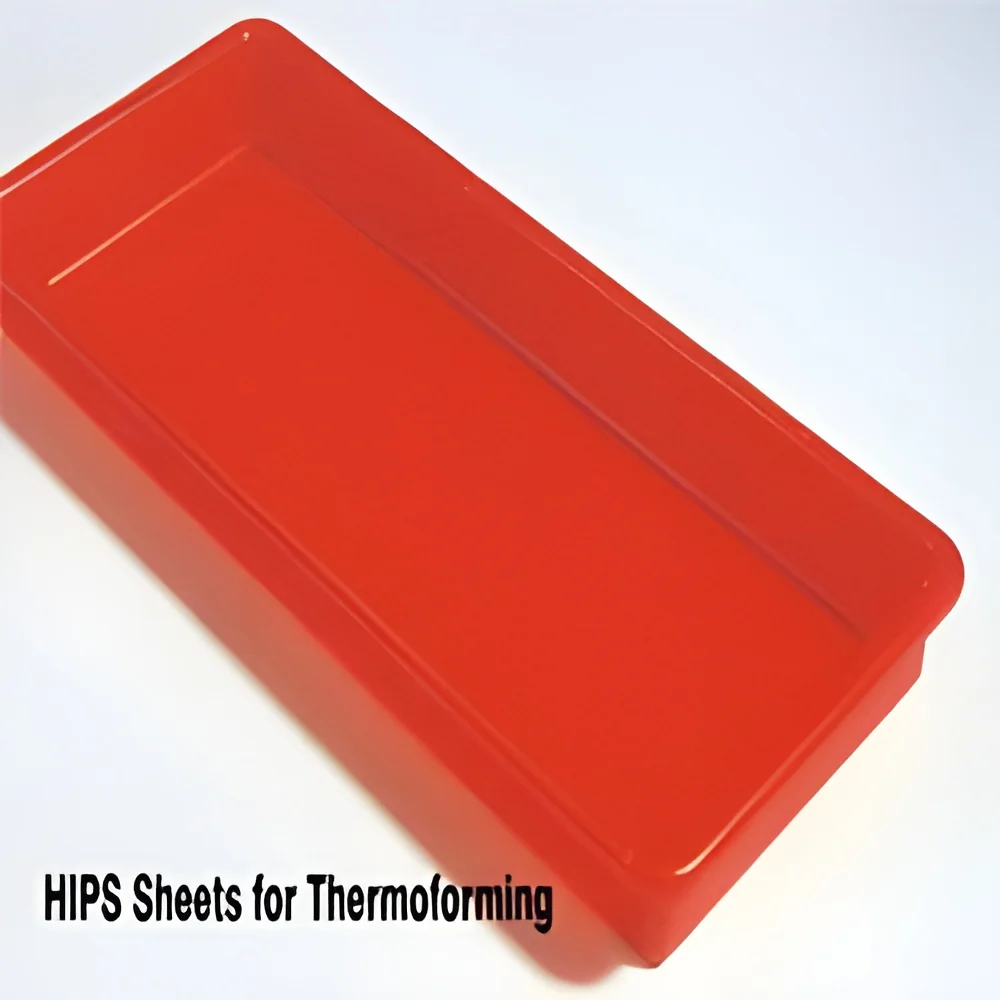
Thermoforming sheets are utilized across a wide range of industries, including packaging, automotive, and appliance manufacturing. They are used for creating items such as trays, containers, and protective covers. The ability to form complex shapes makes them particularly valuable in applications that require precise dimensions and intricate designs. As businesses increasingly seek efficient production methods and customizable solutions, the demand for high-quality thermoforming sheet materials continues to grow in the market.
Key Features and Specifications
Thermoforming sheet materials offer specific features that enhance their functionality and application. Understanding these specifications is crucial for businesses looking to select the right materials for their needs.
Key specifications include:
1. Material Type
- Common materials include ABS, PET, and PVC.
- Each material offers different levels of impact resistance, weight, and thermal stability.
2. Thickness Range
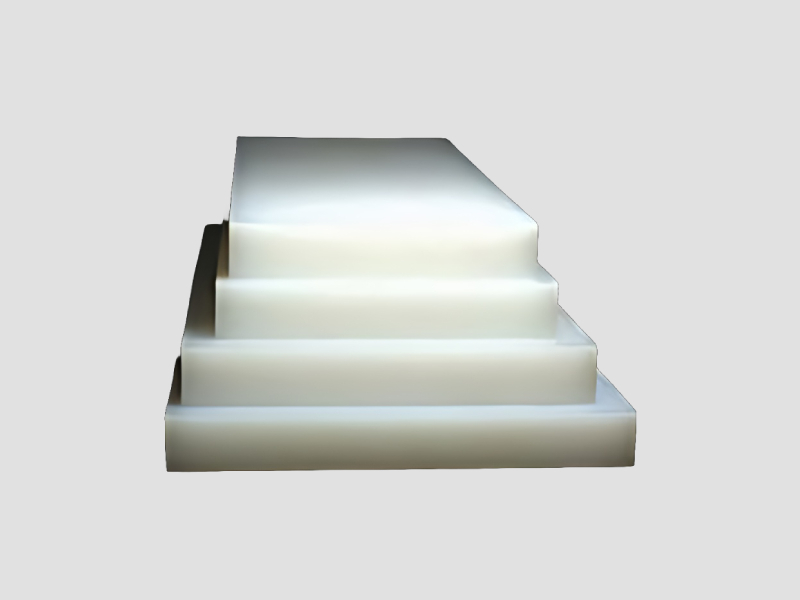
- Typically available in thicknesses ranging from 0.020 inches to 0.500 inches.
- Thickness affects the rigidity and weight of the final product.
3. Surface Finish
- Options include glossy, matte, or textured finishes.
- The choice of finish can impact aesthetics and functionality.
4. Color Options
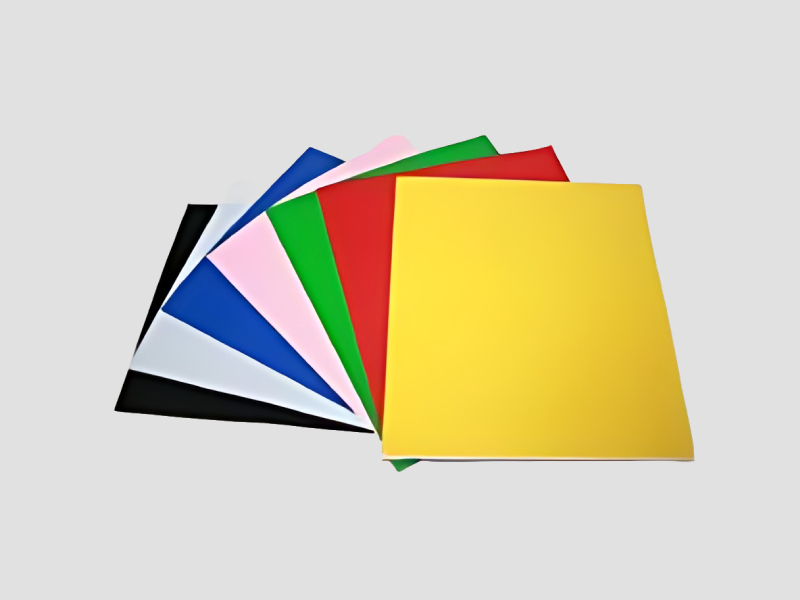
- Available in a range of colors and can be customized.
- Color choice may influence branding and product visibility.
5. Thermal Properties
- Designed to withstand varying temperatures during the forming process.
- Specific thermal resistance ratings depend on the material used.
6. Chemical Resistance
- Certain materials offer resistance to various chemicals and solvents.
- This is vital for applications in environments where exposure to harsh substances occurs.
7. UV Resistance
- Some thermoforming sheets are treated to resist UV degradation.
- This feature is important for outdoor applications.
8. Compliance Standards
- Many materials meet industry-specific compliance standards.
- Compliance ensures safety and suitability for certain applications.
These specifications help businesses make informed decisions when selecting thermoforming sheet materials tailored to their specific operational requirements.
Common Applications and Use Cases
Thermoforming sheet materials are integral to a variety of industries, providing tailored solutions for specific needs.
1. Packaging: These materials are widely used for creating custom packaging solutions, from food containers to protective packaging for electronics, ensuring products remain secure during transit.
2. Automotive: In the automotive sector, thermoforming sheets are used to manufacture interior components and panels, offering lightweight yet durable solutions that enhance vehicle aesthetics and functionality.
3. Medical: Thermoforming sheets play a critical role in the medical industry by producing trays and containers for surgical instruments, ensuring sterilization and ease of access.
4. Retail: Retail displays and point-of-sale items often utilize thermoforming sheets to create engaging and visually appealing presentations.
5. Appliances: Thermoforming is used to produce parts for household appliances, contributing to both functionality and design.
6. Electronics: These materials are employed in the electronics industry for creating protective casings and components that require precision and durability.
7. Consumer Goods: Various consumer products, such as toys and household items, are manufactured using thermoforming sheets, taking advantage of their versatility and customizability.
Product Variants and Subcategories
Thermoforming sheet materials come in various forms, each tailored to meet specific industry needs and applications.
Standard Thermoforming Sheets
These sheets are the most common and are available in multiple thicknesses and colors. They are versatile and can be used across various industries, providing a reliable solution for numerous applications.
High-Temperature Thermoforming Sheets
Designed to withstand higher temperatures, these sheets are ideal for applications in environments where heat resistance is critical, such as in automotive and appliance manufacturing.
Custom Thermoforming Sheets
These sheets can be tailored to meet unique specifications, including material type, thickness, and color. Custom options allow businesses to achieve specific aesthetic and functional requirements.
Benefits and Advantages
Thermoforming sheet materials offer numerous advantages that make them a preferred choice for many manufacturers.
1. Versatility: These materials can be molded into complex shapes, allowing for a wide range of applications.
2. Cost-Effectiveness: Thermoforming processes are often more economical than other manufacturing techniques, especially for medium to large production runs.
3. Lightweight: Thermoformed products typically weigh less than those made from traditional materials, contributing to lower shipping costs and easier handling.
4. Customizable: With various materials, colors, and finishes available, thermoforming sheets can be tailored to meet specific customer and regulatory needs.
5. Durability: Many thermoforming materials are designed to withstand impact and environmental factors, making them suitable for demanding applications.
6. Quick Turnaround: The thermoforming process allows for rapid production cycles, enabling businesses to respond quickly to market demands.
Buying Guide for B2B Buyers
When sourcing thermoforming sheet materials, it is essential to consider several factors to ensure the best selection.
1. Quality Assessment: Evaluate materials based on their physical properties and performance characteristics. Look for certifications that guarantee quality and compliance with industry standards.
2. Supplier Verification: Vet suppliers based on their reputation, production capabilities, and previous client feedback. A reliable supplier ensures consistent quality and timely deliveries.
3. Pricing and MOQ: Understand the pricing structure and minimum order quantities. Compare offers from different suppliers to ensure competitive pricing without compromising quality.
4. Delivery and Lead Times: Inquire about delivery schedules and lead times. This information is crucial for planning production and meeting customer demands.
5. Compliance Requirements: Ensure that the materials meet relevant industry regulations and standards. This is particularly important for applications in sectors like food, medical, and automotive.
Compliance and Certifications
Thermoforming sheet materials are subject to various compliance standards and certifications that ensure their safety and suitability for specific applications.
ISO 9001 is a widely recognized quality management standard that demonstrates a commitment to consistent quality and improvement. Manufacturers who comply with this standard often implement rigorous quality control procedures to enhance product reliability.
CE certification indicates that a product meets European safety and environmental requirements. This certification is crucial for companies looking to sell their products in European markets, as it assures buyers of their quality.
Safety and testing requirements are also important. Manufacturers should conduct tests to ensure that their thermoforming sheets meet safety standards related to chemical resistance, impact strength, and thermal stability.
Additionally, regional compliance considerations can vary. Businesses should be aware of local regulations that may affect the use and distribution of thermoforming sheet materials in different markets.
Why Source Thermoforming Sheet Materials from Pepagora?
Pepagora offers a reliable platform for sourcing thermoforming sheet materials, providing several advantages to B2B buyers.
Verified Supplier Network: Pepagora connects buyers with verified suppliers who have undergone a thorough vetting process. This ensures that buyers can trust the quality and reliability of the materials they purchase.
Streamlined RFQ Process: The platform features an efficient request for quotation (RFQ) system, allowing buyers to easily compare offers from multiple suppliers. This simplifies the procurement process and saves valuable time.
Trade Assurance and Support: Buyers benefit from trade assurance, which provides protection against issues like quality discrepancies or late deliveries. Pepagora's support team is also available to assist buyers with any concerns during the sourcing process.
Regional Coverage: Pepagora serves a broad geographic area, including India, the GCC, and Southeast Asia. This extensive reach enables buyers to access a diverse range of suppliers and materials tailored to their specific market needs.


 India
 India

 India
 India
 India
 India
Frequently Asked Questions
What are Thermoforming Sheet Materials?
Thermoforming Sheet Materials are versatile plastic sheets that can be heated and shaped into various forms. They are commonly used in the manufacturing of packaging, consumer products, and automotive parts due to their lightweight and durable nature.
What are the different types of Thermoforming Sheet Materials?
The different types of Thermoforming Sheet Materials include PVC, PET, PS, and ABS. Each type offers unique properties such as clarity, strength, and temperature resistance, making them suitable for various applications in industries like food packaging and electronics.
How do I choose the right Thermoforming Sheet Materials?
Choosing the right Thermoforming Sheet Materials involves considering factors such as the intended application, required thickness, and specific material properties. It's also important to evaluate the compliance with industry standards and any customization needs.
What are the standard specifications for Thermoforming Sheet Materials?
Standard specifications for Thermoforming Sheet Materials typically include dimensions, thickness, and material type. Common thicknesses range from 0.5 mm to 5 mm, depending on the application requirements and the material selected.
What is the price range for Thermoforming Sheet Materials?
The price range for Thermoforming Sheet Materials varies based on material type, thickness, and order volume. Generally, prices can range from ₹100 to ₹500 per square meter, depending on these factors.
What quality standards apply to Thermoforming Sheet Materials?
Quality standards for Thermoforming Sheet Materials often include ISO certifications, as well as compliance with food safety regulations if used for packaging. Manufacturers may also adhere to specific industry standards such as ASTM or EN specifications.
Where can I find Thermoforming Sheet Materials suppliers in India?
You can find Thermoforming Sheet Materials suppliers in India through B2B marketplaces like Pepagora.com, industry trade shows, and manufacturer directories. It's advisable to verify the suppliers' credentials and product quality before making a purchase.
Can Thermoforming Sheet Materials be customized?
Yes, Thermoforming Sheet Materials can be customized in terms of size, thickness, and color to meet specific requirements. Many manufacturers offer customized solutions to cater to different application needs.
What is the typical minimum order quantity for Thermoforming Sheet Materials?
The typical minimum order quantity (MOQ) for Thermoforming Sheet Materials can vary by supplier but generally ranges from 100 to 500 kg. It's advisable to check with individual suppliers for their specific MOQ requirements.
What is the typical lead time for Thermoforming Sheet Materials?
The typical lead time for Thermoforming Sheet Materials usually ranges from 2 to 4 weeks, depending on the order size and customization options. However, lead times may vary based on supplier capabilities and current market conditions.
Why Businesses Trust Pepagora
Thousands of companies trust Pepagora to source smarter and sell faster
Expand Your Sales Globally

Source Smarter,Grow Faster
