What are Rigid Packaging Raw Materials?
Rigid packaging raw materials refer to the solid materials used to create containers, boxes, and other packaging solutions that maintain their shape. These materials are typically manufactured from plastics, metals, glass, or paperboard. Rigid packaging is known for its durability and strength, making it suitable for protecting products during transportation and storage. Unlike flexible packaging, rigid packaging does not conform to the shape of the contents it holds.
The primary uses of rigid packaging raw materials span across various industries, including food and beverage, pharmaceuticals, cosmetics, and consumer goods. They are utilized to create bottles, jars, boxes, and other containers that ensure product integrity and shelf life. In addition to protection, rigid packaging also plays a crucial role in branding and marketing, as it often features designs that attract consumers.
In today's market, the demand for rigid packaging raw materials is growing, spurred by the increasing need for sustainable and recyclable packaging solutions. Companies are focusing on reducing their environmental impact, which has led to innovations in material sourcing and production. The industry is evolving with trends such as lightweight packaging and the use of biodegradable materials, positioning rigid packaging as a key component in modern supply chains.
Key Features and Specifications
Rigid packaging raw materials have specific features and specifications that make them suitable for various applications. These specifications help manufacturers determine the right material for their packaging needs.
Key specifications include:
1. Material Type
- Common types include polyethylene, polypropylene, PET, and glass.
- Each material has unique properties that affect weight, strength, and cost.
2. Thickness
- Thickness can vary based on product requirements.
- Typical ranges may vary from 0.5 mm to several millimeters.
3. Barrier Properties
- Essential for preventing moisture, oxygen, and light penetration.
- Specific values depend on the material and intended use.
4. Temperature Resistance
- Some materials can withstand extreme temperatures.
- Specific temperature ranges are not available.
5. Recyclability
- Important for sustainability efforts.
- Compliance with local recycling standards may vary.
6. Weight
- Weight impacts shipping costs and product handling.
- Varies widely based on material and design.
7. FDA Compliance
- Necessary for food and pharmaceutical applications.
- Ensures safety and regulatory adherence.
8. Customization Options
- Many materials can be tailored for specific branding needs.
- Custom shapes and sizes are available.
In summary, selecting the right rigid packaging raw materials involves understanding these specifications to meet specific product requirements while ensuring safety and compliance.
Common Applications and Use Cases
Rigid packaging raw materials find applications across multiple industries, each leveraging the unique properties of these materials for various needs.
1. Food and Beverage: Rigid packaging is used for jars, bottles, and containers that require durability and barrier protection to maintain freshness.
2. Pharmaceuticals: The industry relies on rigid packaging for bottles and blister packs that protect medications and ensure compliance with safety standards.
3. Cosmetics: Rigid containers for creams, lotions, and perfumes require aesthetic appeal and functionality to enhance the user experience.
4. Consumer Goods: Household items often utilize rigid packaging for storage and protection, ensuring the integrity of products like cleaning supplies.
5. Electronics: Packaging for electronics often includes rigid materials to safeguard components during shipping and handling.
6. Industrial Products: Rigid containers are used to package tools and parts, providing strength and protection during transport.
7. Personal Care: Rigid packaging is prevalent in the personal care industry for items like shampoos and lotions, requiring both functionality and branding considerations.
Product Variants and Subcategories
Rigid packaging raw materials encompass a diverse range of product variants designed to meet specific market needs. Each variant serves distinct applications and offers unique features.
Polyethylene Terephthalate (PET)
PET is widely used for beverage bottles and food containers due to its excellent barrier properties and recyclability. It is lightweight yet strong, making it an ideal choice for consumer products.
High-Density Polyethylene (HDPE)
HDPE is known for its durability and chemical resistance. It is commonly used for containers that hold various products, including household cleaners and personal care items.
Polypropylene (PP)
PP is versatile and can be used for packaging a variety of products, from food containers to automotive parts. It is known for its clarity, strength, and resistance to impact.
Glass
Glass packaging offers a premium feel and is often used for high-end products such as cosmetics and gourmet food items. It is fully recyclable and provides an excellent barrier against contaminants.
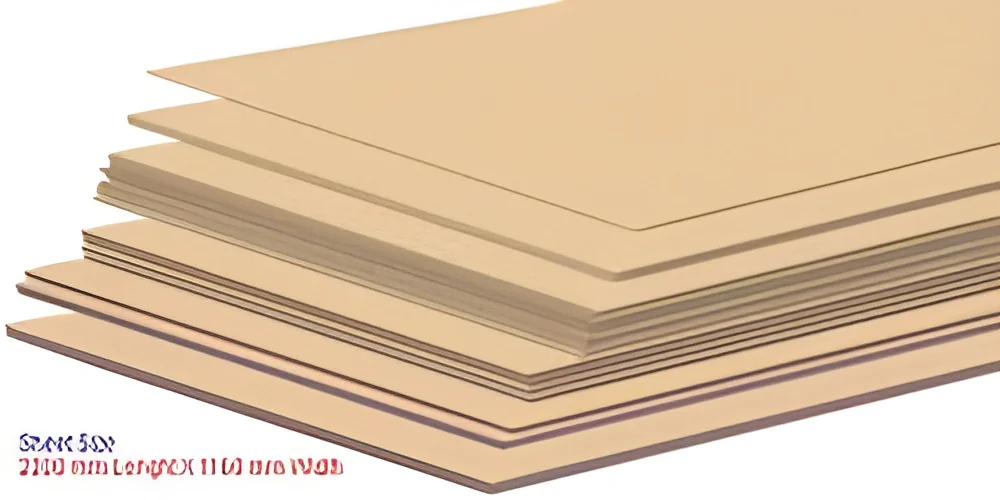
Cardboard
Cardboard is utilized for creating boxes and packaging solutions for shipping and retail. It is lightweight and can be produced in various strengths to meet different needs.
Benefits and Advantages
Choosing the right rigid packaging raw materials offers several benefits that can significantly impact a business's bottom line.
1. Durability: Rigid packaging provides exceptional strength and protection for products during handling and transportation.
2. Customization: Many materials allow for tailored designs, which can enhance branding and marketing efforts.
3. Sustainability: The use of recyclable materials aligns with growing consumer demand for environmentally friendly options.
4. Safety: Compliance with industry standards ensures that products are packaged safely, reducing the risk of contamination.
5. Cost Efficiency: Durable packaging can lead to reduced damage during shipping, resulting in lower costs for businesses.
6. Consumer Appeal: Attractive and functional packaging can influence purchasing decisions and enhance the overall customer experience.
Buying Guide for B2B Buyers
When sourcing rigid packaging raw materials, it is essential to consider several key factors to ensure a successful procurement process.
1. Quality Assessment: Evaluate the quality of the materials based on industry standards and specifications. Look for certifications that validate the material's safety and performance.
2. Supplier Verification: Vet potential suppliers to ensure they have a reliable track record and can meet your specific requirements. Check references and client testimonials.
3. Pricing and MOQ: Understand the pricing structure and minimum order quantities. Compare prices from multiple suppliers to identify competitive offerings.
4. Delivery and Lead Times: Assess the supplier's ability to meet your delivery needs. Reliable lead times are crucial for maintaining production schedules.
5. Compliance Requirements: Ensure that the materials meet local and international compliance standards. This includes understanding any regulatory requirements specific to your industry.
Compliance and Certifications
Compliance and certifications play a critical role in the rigid packaging industry, ensuring that materials meet safety and quality standards.
Relevant quality standards, such as ISO 9001, focus on quality management systems, ensuring that manufacturers maintain consistent quality throughout their processes. HACCP (Hazard Analysis Critical Control Point) is essential for food safety, ensuring that food packaging minimizes risks of contamination.
Industry certifications, such as CE marking, signify that products meet European health, safety, and environmental protection standards. This is particularly important for packaging used in the food and pharmaceutical sectors.
Safety and testing requirements are also crucial, as they ensure that packaging materials do not leach harmful substances into products. Additionally, regional compliance considerations vary, and businesses must be aware of local regulations regarding packaging materials to ensure full compliance.
Why Source Rigid Packaging Raw Materials from Pepagora?
Pepagora provides a trusted platform for sourcing rigid packaging raw materials, offering several key advantages for businesses looking to enhance their supply chain.
Verified Supplier Network: Pepagora has established a robust network of verified suppliers, ensuring that buyers can source high-quality materials from reputable manufacturers. This verification process helps mitigate risks associated with sourcing.
Streamlined RFQ Process: The platform features a simplified Request for Quotation (RFQ) process, allowing buyers to easily communicate their needs and receive competitive quotes from multiple suppliers. This efficiency saves time and facilitates informed decision-making.
Trade Assurance and Support: Pepagora's trade assurance policies provide buyers with protection throughout the purchasing process. This includes support for resolving disputes and ensuring compliance with agreed-upon terms.
Regional Coverage: With a strong presence in India, the GCC, and Southeast Asia, Pepagora offers extensive geographic reach. This allows businesses to access a diverse range of suppliers and materials tailored to their regional requirements.
By choosing Pepagora, businesses can confidently navigate the complexities of sourcing rigid packaging raw materials, ensuring they find the right solutions for their needs.

 IN
IN