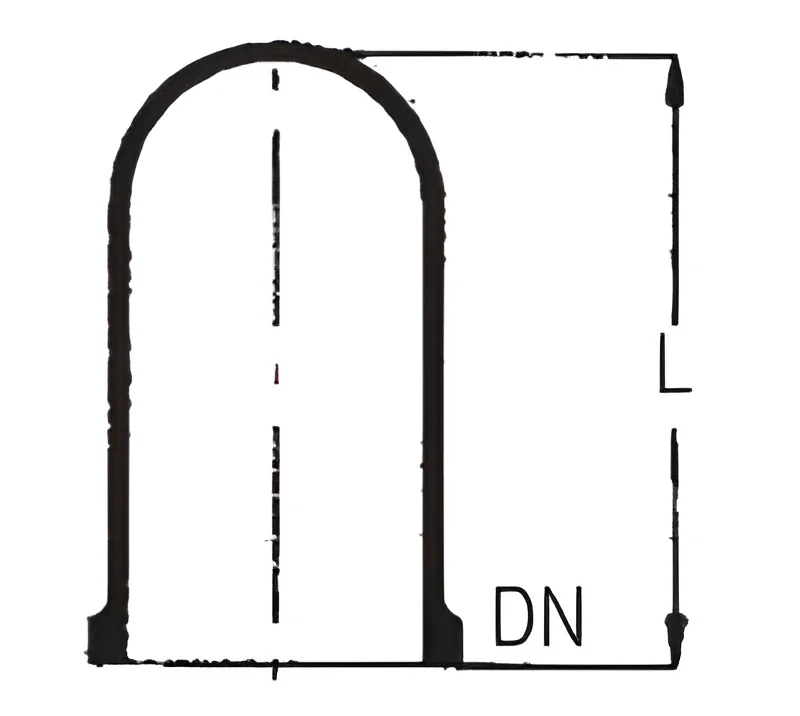
What are Packaging Closure Components?
Packaging closure components are essential elements used in various industries to secure and seal packages. They play a pivotal role in maintaining product integrity, ensuring that goods are protected from external factors such as moisture, air, and contaminants. These components include a range of items such as caps, seals, and closures that are designed to fit various types of packaging, including bottles, jars, and containers.
The primary uses of packaging closure components are in the food and beverage, pharmaceutical, and consumer goods industries. They are critical in ensuring that products remain safe for consumption and use by preventing leaks and spoilage. Additionally, these components can be designed to provide tamper evidence, enhancing security and consumer trust. The market for packaging closure components is growing, driven by increased demand for sustainable packaging solutions and innovations in closure technologies.
In the context of the industrial landscape, packaging closure components are relevant across multiple sectors. As regulations regarding food safety and product quality continue to tighten, manufacturers are increasingly focusing on high-quality closure solutions that meet both compliance and consumer expectations. This trend underlines the importance of selecting the right packaging closure components to protect products and enhance brand reputation.
Key Features and Specifications
Packaging closure components come with a variety of features and specifications that cater to different applications. Understanding these specifications is crucial for selecting the right components for your packaging needs.
Key specifications include:
1. Material Composition
- Common materials include plastic, metal, and glass
- Each material offers different barrier properties and durability
2. Closure Type
- Options include screw caps, snap-on lids, and corks
- Different closure types provide varying levels of sealing effectiveness
3. Size Compatibility
- Components are available in various sizes to fit different containers
- Ensures a snug and secure fit for optimal performance
4. Tamper Evidence
- Many closures include safety features to indicate if tampering has occurred
- Enhances product security and consumer confidence
5. Customization Options
- Many manufacturers offer customizable designs for branding purposes
- Custom closures can enhance product differentiation in the market
6. Environmental Considerations
- Options for biodegradable and recyclable materials are available
- Aligns with growing consumer demand for sustainable packaging solutions
7. Temperature Resistance
- Some closures are designed to withstand extreme temperatures
- Important for products that require specific storage conditions
8. Compliance Standards
- Many closures meet industry-specific regulations such as FDA and CE certification
- Ensures safety and quality assurance for packaged products
In summary, the key features and specifications of packaging closure components are essential in determining their suitability for various applications. Understanding these factors helps businesses select the right solutions for their specific packaging needs.
Common Applications and Use Cases
Packaging closure components are utilized across diverse industries, each with unique applications.
1. Food and Beverage: These components are vital for packaging products like sauces, beverages, and snacks. They ensure freshness and prevent contamination during storage and transport.
2. Pharmaceuticals: In the pharmaceutical industry, closures are critical for maintaining the sterility and efficacy of medications. Child-resistant and tamper-evident closures are commonly used.
3. Cosmetics and Personal Care: Packaging closures for lotions, creams, and perfumes must provide both functionality and aesthetic appeal. Secure closures help preserve product integrity.
4. Household Products: Closures for cleaning supplies and detergents are designed to prevent leaks and spills, ensuring safety during use and transport.
5. Industrial Applications: Many industrial products require secure packaging to protect against environmental factors. Heavy-duty closures are used in these cases.
6. Chemical Packaging: Strong, resistant closures are necessary for packaging chemicals to avoid leaks and ensure safe handling.
7. E-commerce: With the rise of online shopping, secure packaging is crucial for protecting products during shipping. Innovative closure solutions are increasingly being adopted.
Product Variants and Subcategories
Packaging closure components are available in various forms, providing businesses with multiple options to suit their needs.
Screw Caps: These are widely used in the beverage industry, providing a secure seal that allows for easy opening and resealing. They can be made from plastic or metal, depending on the application.
Snap-On Lids: Commonly used in food packaging, snap-on lids offer convenience and freshness. Their design allows for quick access while ensuring a tight fit.
Tamper-Evident Closures: These closures are designed to provide a clear indication of tampering. They are crucial in industries like pharmaceuticals and food to enhance safety and compliance.
Child-Resistant Caps: Used primarily in pharmaceuticals and hazardous materials, these caps ensure that products are not easily accessible to children, adding a layer of safety.
Pump Dispensers: Commonly found in cosmetic and personal care products, pump dispensers offer controlled dispensing, minimizing waste and ensuring product longevity.
Benefits and Advantages
Choosing the right packaging closure components offers numerous benefits to businesses.
1. Enhanced Product Protection: Quality closures prevent contamination and preserve product integrity, ensuring safety and customer satisfaction.
2. Improved Shelf Life: Effective sealing helps maintain freshness and extends the shelf life of products, reducing waste.
3. Security Features: Tamper-evident and child-resistant closures provide added security, enhancing consumer trust in the brand.
4. Customization Opportunities: Businesses can utilize custom designs to enhance branding and product recognition in the marketplace.
5. Compliance Assurance: Many closures meet industry regulations, ensuring that products are safe for consumers and compliant with standards.
6. Cost-Effectiveness: Investing in high-quality closures can reduce the risk of product returns and recalls, ultimately saving costs in the long run.
Buying Guide for B2B Buyers
When sourcing packaging closure components, several key factors should be considered to ensure optimal selection.
1. Quality Assessment: Evaluate the quality of materials and manufacturing processes. Look for certifications that indicate compliance with industry standards to ensure product reliability.
2. Supplier Verification: It is essential to vet suppliers thoroughly. Check their reputation, experience, and customer reviews to ensure you are working with a reliable partner.
3. Pricing and MOQ: Understand the pricing structure and minimum order quantities. Assess how these factors align with your budget and supply chain needs.
4. Delivery and Lead Times: Consider the supplier's ability to meet your delivery timelines. Timely delivery is crucial to maintaining your production schedule.
5. Compliance Requirements: Ensure that the packaging closure components meet relevant regulations in your industry. This includes safety standards and environmental compliance.
Compliance and Certifications
Compliance and certifications are critical in the packaging closure component industry to ensure safety, quality, and consumer trust.
Key quality standards include ISO 9001, which emphasizes consistent quality management, and HACCP (Hazard Analysis Critical Control Point), which focuses on food safety management. These standards help manufacturers ensure that their products meet the required safety and quality benchmarks.
Additionally, industry certifications such as CE mark indicate conformity with health and safety standards within the European market. Compliance with such standards is essential for manufacturers and suppliers to maintain credibility and ensure customer satisfaction.
Organizations must also consider safety and testing requirements, which may vary by industry and region. Regular testing of closure components can help identify any potential issues before products reach the market.
Finally, regional compliance considerations should not be overlooked. Different countries and regions may have distinct regulations governing packaging materials and closure components. Understanding these regulations is crucial for businesses operating in multiple markets.
Why Source Packaging Closure Components from Pepagora?
Pepagora offers a trusted platform for sourcing packaging closure components, providing several key advantages to businesses.
Verified Supplier Network: Pepagora connects buyers with a network of verified suppliers. This ensures that businesses can access quality products from reputable manufacturers, minimizing risk.
Streamlined RFQ Process: The platform features a user-friendly request for quotation (RFQ) system that simplifies the procurement process. Buyers can easily obtain quotes from multiple suppliers, ensuring they find the best deal.
Trade Assurance and Support: Pepagora offers trade assurance, providing buyers with protection against potential issues during transactions. This support helps foster trust and confidence in the sourcing process.
Regional Coverage: With a strong presence in India, the GCC, and Southeast Asia, Pepagora facilitates access to packaging closure components across these regions. This geographic reach allows businesses to find local suppliers and streamline their supply chains.
By choosing Pepagora, businesses can efficiently source packaging closure components while benefiting from a range of services designed to enhance their procurement experience.

 IN
IN