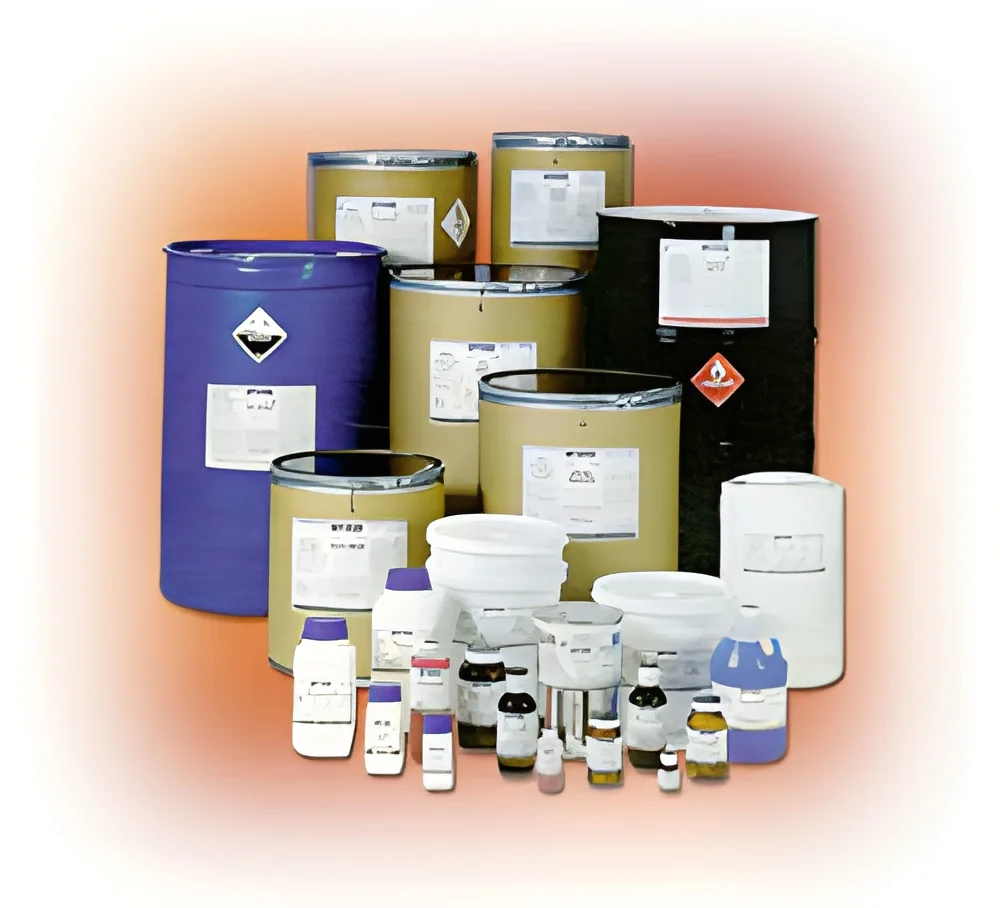
What are Packaging Foam Chemicals?
Packaging Foam Chemicals refer to specialized materials used in the production of foam products designed for protective packaging. These chemicals are crucial in creating foams that offer cushioning, insulation, and shock absorption, ensuring that goods are securely packaged during shipping and storage. The formulation of these chemicals can vary based on desired properties, such as density, resilience, and thermal stability, making them versatile for various applications.
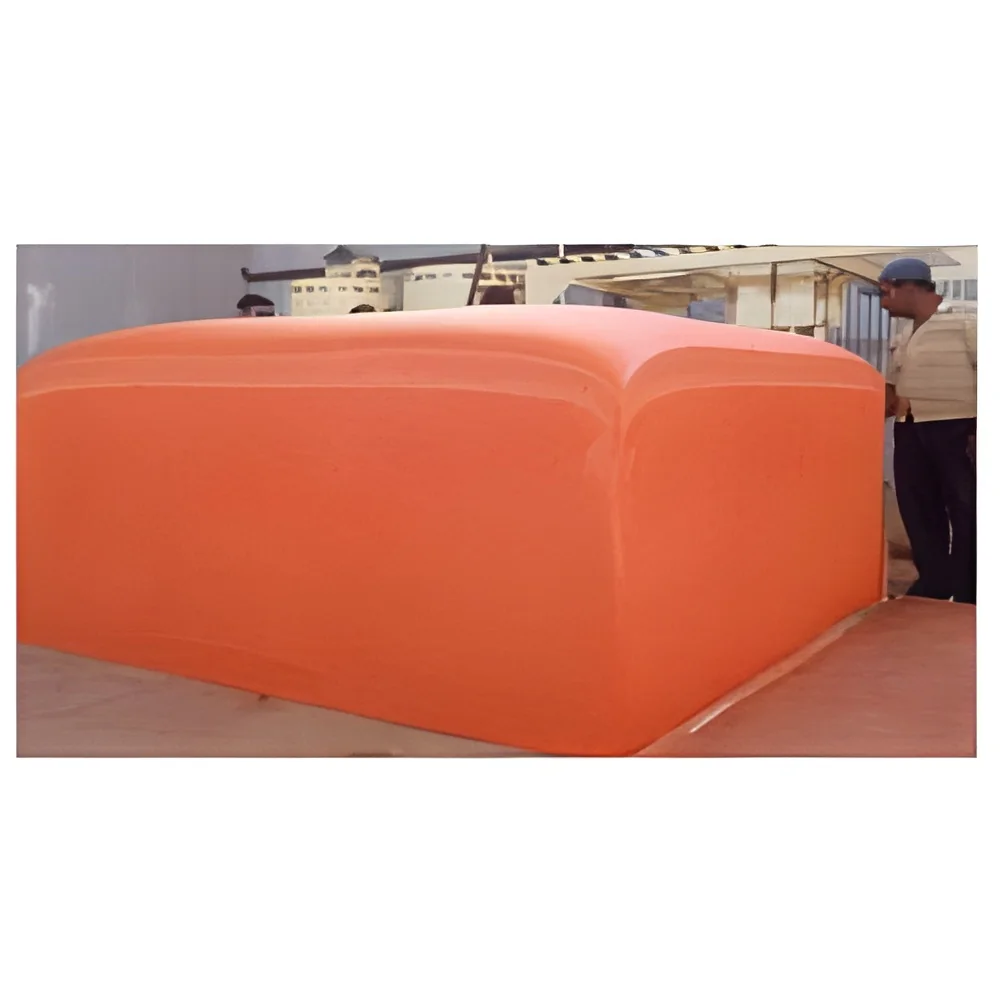
The primary uses of Packaging Foam Chemicals include the manufacturing of foam sheets, blocks, and custom shapes. They are commonly utilized in industries such as electronics, automotive, and pharmaceuticals, where protecting delicate products from impact, moisture, and temperature changes is essential. With an increasing demand for sustainable and efficient packaging solutions, the packaging foam chemical market has gained significant traction, reflecting a broader trend towards enhanced product protection and reduced waste in supply chains.
In the current market context, the relevance of Packaging Foam Chemicals is underscored by the growing focus on logistics and supply chain efficiency. As e-commerce continues to expand, the need for reliable packaging solutions has become critical. Companies are increasingly seeking innovative materials that not only meet performance standards but also align with environmental sustainability goals.
Key Features and Specifications
Packaging Foam Chemicals come with a variety of features and specifications that enhance their effectiveness and functionality. These characteristics are essential in determining the suitability of foam for specific applications in diverse industries.
Key specifications include:
1. Density
- The weight of foam per unit volume, which affects cushioning properties.
- Common ranges typically vary between 1.0 to 3.5 pounds per cubic foot.
2. Resilience
- The ability of foam to return to its original shape after compression.
- Measured through indentation force deflection (IFD) values, commonly from 10 to 60.
3. Thermal Stability
- The foam’s ability to withstand temperature fluctuations without degrading.
- Generally designed for temperature ranges of -30°C to +90°C.
4. Moisture Resistance
- The capability to repel water and resist degradation in humid environments.
- Often evaluated based on water absorption rates.
5. Chemical Resistance
- The foam’s ability to withstand exposure to various chemicals.
- Specific formulations can be resistant to oils, solvents, and other substances.
6. Fire Retardancy
- The property of foam to resist ignition and slow the spread of flames.
- Compliance with relevant fire safety standards is crucial for many applications.
7. Customizability
- The ability to tailor foam properties to meet specific requirements.
- Options may include color, density, and cut shapes.
8. Environmental Impact
- Consideration of sustainability in the foam production process.
- Many manufacturers are focusing on eco-friendly materials and practices.
In summary, understanding these specifications helps businesses select the right Packaging Foam Chemicals for their specific needs, ensuring optimal product protection.
Common Applications and Use Cases
Packaging Foam Chemicals serve a wide range of industries, providing tailored solutions for various packaging requirements.
1. Electronics: In the electronics industry, foam packaging is essential for protecting sensitive components from shocks and vibrations during transit. Custom foam inserts ensure devices are secure and reduce the risk of damage.
2. Automotive: Automotive manufacturers use foam for packaging parts and components, where cushioning properties are vital to prevent damage. These foams also help to reduce noise and vibration within vehicles.
3. Pharmaceuticals: In the pharmaceutical sector, foam packaging provides protection for delicate medical devices and pharmaceuticals, ensuring they remain intact and sterile during transportation.
4. Furniture: Foam is often used in the packaging of furniture items, providing cushioning that prevents scratches and dents. Custom shapes can accommodate various furniture designs.
5. Food and Beverage: Foam materials are utilized in the food industry to protect perishable goods during shipping, maintaining temperature and preventing spoilage.
6. Aerospace: In aerospace applications, packaging foam is critical for ensuring that components withstand the rigors of transport while maintaining their integrity.
7. Retail: Retail products often use foam packaging to enhance presentation while providing protection. This is particularly relevant for fragile items that require additional care.
In each of these industries, the unique properties of Packaging Foam Chemicals contribute to improved safety and efficiency in shipping and handling.
Product Variants and Subcategories
Packaging Foam Chemicals come in various forms, allowing businesses to choose the best fit for their specific applications. The diversity of product variants ensures that specific protective and cushioning needs are met.
Polyurethane Foam: This variant is widely used due to its versatility and cost-effectiveness. It offers excellent cushioning and is used in applications ranging from electronics to furniture packaging.
Polystyrene Foam: Known for its lightweight properties, polystyrene foam is commonly used in shipping fragile items. Its insulation capabilities make it ideal for temperature-sensitive products.
EVA Foam: Ethylene-vinyl acetate foam is recognized for its durability and flexibility. It is often used in packaging for sports equipment and medical devices due to its shock-absorbing properties.
Cross-Linked Foam: This variant is known for its strength and resistance to moisture and chemicals. It is ideal for heavy-duty applications in industries such as automotive and aerospace.
Benefits and Advantages
Sourcing Packaging Foam Chemicals offers numerous benefits that enhance packaging efficiency and product protection.
1. Enhanced Protection: Packaging foam provides superior cushioning, which effectively absorbs shocks and impacts during transportation, reducing the risk of damage.
2. Lightweight Solutions: Foam materials are lightweight, which helps in minimizing shipping costs while still providing adequate protection for products.
3. Customization Options: Businesses can customize the foam to fit specific product dimensions and requirements, ensuring a snug fit that enhances protection.
4. Insulation Properties: Many foam materials offer thermal insulation, which is crucial for temperature-sensitive products, especially in the food and pharmaceutical sectors.
5. Sustainability: With a growing emphasis on eco-friendly practices, many Packaging Foam Chemicals are now available in sustainable formulations that reduce environmental impact.
6. Cost-Effectiveness: The durability and protective qualities of foam packaging can lead to lower overall costs by reducing product damage and return rates.
Buying Guide for B2B Buyers
When sourcing Packaging Foam Chemicals, it is essential to consider various factors to ensure that you choose the right products for your needs.
1. Quality Assessment: Evaluate the quality of the foam by checking for certifications and compliance with industry standards. This ensures that the materials meet performance expectations.
2. Supplier Verification: Conduct thorough research on potential suppliers. Look for those with a proven track record in delivering high-quality foam products and reliable customer service.
3. Pricing and MOQ: Understand the pricing structure, including minimum order quantities (MOQ). This is vital for managing budgets and ensuring you receive competitive pricing.
4. Delivery and Lead Times: Consider delivery schedules and lead times. Reliable logistics are crucial for maintaining your supply chain efficiency, especially in fast-paced industries.
5. Compliance Requirements: Be aware of any regulatory requirements that may apply to your products. Ensure that your chosen foam materials meet all necessary compliance standards for safety and performance.
Compliance and Certifications
Packaging Foam Chemicals must adhere to specific compliance and certification standards to ensure safety and quality. Relevant standards may include ISO 9001, which focuses on quality management systems, ensuring that manufacturers maintain high standards in their production processes.
Industry certifications such as CE verify that the foam products meet European safety and environmental requirements. These certifications are crucial for businesses operating in regulated markets where compliance with safety standards is mandatory.
Safety and testing requirements are also critical. Manufacturers often conduct rigorous testing to ensure that their foam products are non-toxic, fire-retardant, and suitable for various applications. Additionally, regional compliance considerations may vary, so it's essential to understand local regulations that could impact the usage of foam materials.
Why Source Packaging Foam Chemicals from Pepagora?
Pepagora offers a reliable platform for sourcing Packaging Foam Chemicals, providing businesses with a range of advantages that streamline the procurement process.
Verified Supplier Network: Pepagora connects buyers with a network of verified suppliers, ensuring that businesses can source high-quality foam products from reputable manufacturers. This network is built on trust and reliability.
Streamlined RFQ Process: The platform features an efficient Request for Quotation (RFQ) system that simplifies the process of obtaining quotes from multiple suppliers. This enables businesses to compare options and make informed decisions.
Trade Assurance and Support: Pepagora provides trade assurance, offering buyers protection throughout the sourcing process. This ensures that transactions are secure, and any issues can be promptly addressed.
Regional Coverage: With extensive geographic reach in India, the GCC, and Southeast Asia, Pepagora facilitates connections between buyers and suppliers across regions, enhancing accessibility and market reach for businesses seeking Packaging Foam Chemicals.

 IN
IN