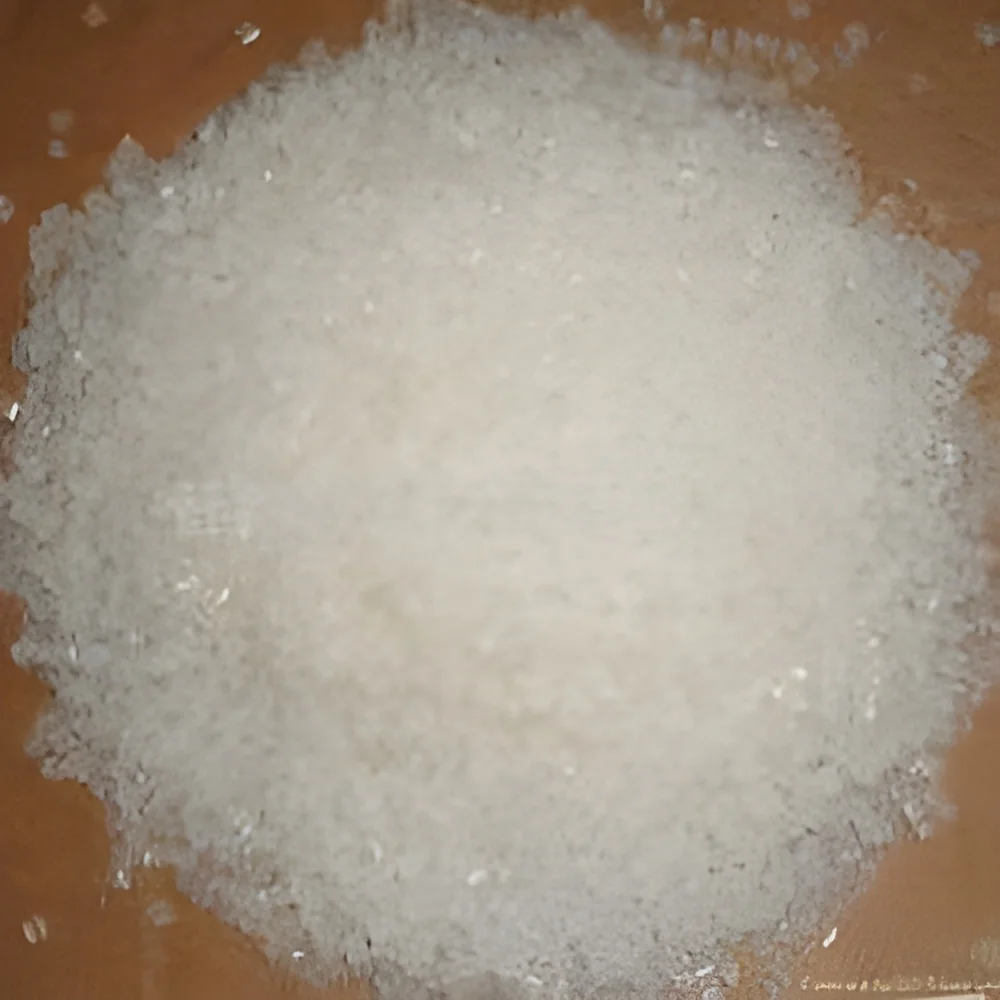
What are Recycled Plastic Granules?
Recycled plastic granules are small particles created from the recycling of plastic waste. This process involves collecting, cleaning, and processing used plastic materials to produce granules that can be reused in manufacturing and production. These granules serve as raw materials for various applications, helping to reduce plastic waste and promote sustainability in manufacturing.
Recycled plastic granules find extensive use across many industries, such as packaging, automotive, and construction. They are commonly used to create products like containers, automotive parts, and construction materials, contributing to a circular economy. By incorporating recycled materials, businesses can reduce their environmental impact while also benefiting from cost savings associated with using recycled over virgin materials.
The relevance of recycled plastic granules in today's market cannot be overstated. With increasing awareness of environmental issues and regulations surrounding plastic use, industries are actively seeking sustainable alternatives. The global demand for recycled materials continues to rise, making recycled plastic granules an essential product for companies aiming to enhance their sustainability efforts.
Key Features and Specifications
Recycled plastic granules offer various features that make them suitable for multiple applications. These features can vary based on the type of plastic used and the processing methods employed. Understanding the key specifications is crucial for businesses looking to integrate these materials into their production processes.
Key specifications include:
1. Material Type
- Common types include PET, HDPE, and LDPE.
- Each type has specific properties and applications.
2. Color
- Available in natural, colored, and custom blends.
- Color can affect the final product's appearance and branding.
3. Particle Size
- Typically ranges from 1 to 5 millimeters.
- Size can influence processing and final product characteristics.
4. Moisture Content
- Should be kept below 0.5% for optimal performance.
- High moisture levels can affect processing quality.
5. Density
- Average density ranges from 0.8 to 1.2 g/cm³.
- Density impacts the weight and strength of the final product.
6. Melt Flow Index
- Indicates the flow characteristics during processing.
- Varies based on the specific type of plastic.
7. Contaminant Levels
- Must meet industry standards for cleanliness.
- Low contaminants ensure better product quality.
8. Compliance with Standards
- Often meets ISO and other relevant standards.
- Ensures quality and safety in applications.
In summary, understanding the features and specifications of recycled plastic granules is critical for selecting the right material for specific applications and ensuring compliance with industry standards.
Common Applications and Use Cases
Recycled plastic granules are versatile and widely used across various industries.
1. Packaging: These granules are commonly used to produce containers, bottles, and packaging films. They help companies meet sustainability goals while maintaining product integrity.
2. Automotive: Recycled granules are utilized in manufacturing interior and exterior automotive components. This use helps reduce the carbon footprint of vehicle production.
3. Construction: In the construction industry, these granules are used to create materials like insulation, roofing, and flooring products. They provide durability and sustainability benefits.
4. Consumer Products: Many household items, such as toys and furniture, are made from recycled plastic granules. This helps reduce reliance on virgin materials.
5. Agriculture: Recycled granules are used in creating agricultural films and containers. They contribute to sustainable farming practices.
6. Electronics: In the electronics sector, recycled plastics are used for casing and components. This promotes eco-friendly manufacturing practices.
7. Textile Industry: Recycled granules are also used to produce fibers for clothing and upholstery, offering a sustainable alternative to traditional textiles.
Product Variants and Subcategories
Recycled plastic granules come in various forms to meet different industry needs. The diversity of these products allows businesses to find the right fit for their specific applications.
Variant 1: PET Granules
PET granules are derived from recycled polyethylene terephthalate. They are commonly used in beverage containers and textile fibers. PET granules provide excellent strength and are suitable for high-quality applications.
Variant 2: HDPE Granules
HDPE granules come from recycled high-density polyethylene. They are widely used in packaging and agricultural products due to their durability and resistance to impact. HDPE granules are ideal for outdoor applications.
Variant 3: LDPE Granules
LDPE granules are made from recycled low-density polyethylene. They are often used in flexible packaging and plastic bags. LDPE granules offer excellent flexibility and are easy to process.
Benefits and Advantages
Recycled plastic granules provide numerous benefits that make them attractive to businesses looking for sustainable solutions.
1. Environmental Impact: Using recycled granules significantly reduces plastic waste and lowers the carbon footprint of products.
2. Cost Savings: Recycled materials often cost less than virgin plastics, providing economic advantages for manufacturers.
3. Regulatory Compliance: Sourcing recycled materials can help companies meet environmental regulations and sustainability commitments.
4. Enhanced Brand Image: Companies that use recycled materials can improve their brand reputation by demonstrating a commitment to sustainability.
5. Versatility: Recycled plastic granules are suitable for a wide range of applications across various industries, making them a flexible material choice.
6. Resource Efficiency: Using recycled materials conserves natural resources and energy, contributing to a more sustainable manufacturing process.
Buying Guide for B2B Buyers
When sourcing recycled plastic granules, businesses should consider several factors to ensure they select the right product and supplier.
1. Quality Assessment: Evaluate the quality of granules based on specifications such as moisture content and contaminant levels. High-quality materials will lead to better end products.
2. Supplier Verification: Vet suppliers to confirm their reliability and reputation. Look for certifications and customer reviews to ensure they meet industry standards.
3. Pricing and MOQ: Consider the cost of recycled plastic granules and the minimum order quantity. Balancing cost with quality is essential for budget management.
4. Delivery and Lead Times: Assess the supplier's delivery capabilities and lead times to ensure timely production schedules. Reliable logistics are crucial for maintaining supply chains.
5. Compliance Requirements: Ensure that the recycled granules meet all relevant regulatory and safety standards. This will help avoid potential legal issues and ensure product safety.
Compliance and Certifications
Recycled plastic granules must adhere to various compliance and certification standards to ensure quality and safety in manufacturing. Key quality standards include ISO 9001, which focuses on quality management systems, and HACCP, which ensures food safety in relevant applications.
Additionally, industry certifications such as UL and CE indicate that the products meet specific safety and performance criteria. These certifications are vital for businesses looking to maintain high standards in their operations.
Safety and testing requirements are also crucial, as they help identify potential hazards associated with recycled materials. Compliance with these standards can vary by region, so it is essential for businesses to understand the specific regulations applicable in their markets.
Why Source Recycled Plastic Granules from Pepagora?
Pepagora offers a trusted platform for sourcing recycled plastic granules, providing several key advantages for businesses.
Verified Supplier Network: Pepagora connects buyers with a network of verified suppliers who meet strict quality and compliance standards. This ensures that businesses can source materials with confidence.
Streamlined RFQ Process: The platform offers an efficient request for quotation process, allowing buyers to receive competitive quotes from multiple suppliers quickly. This helps businesses make informed purchasing decisions.
Trade Assurance and Support: Pepagora provides trade assurance and support to protect buyers throughout the purchasing process. This includes assistance with resolving any issues that may arise, ensuring a smooth transaction.
Regional Coverage: With a strong presence in India, the GCC, and Southeast Asia, Pepagora offers extensive geographic reach. This allows businesses to source recycled plastic granules from a variety of suppliers across different regions, enhancing flexibility and choice.

 IN
IN