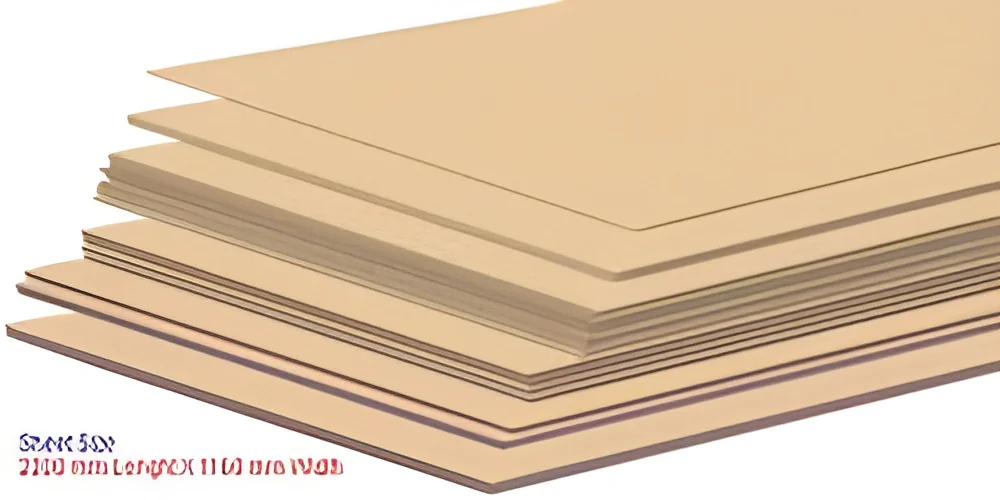
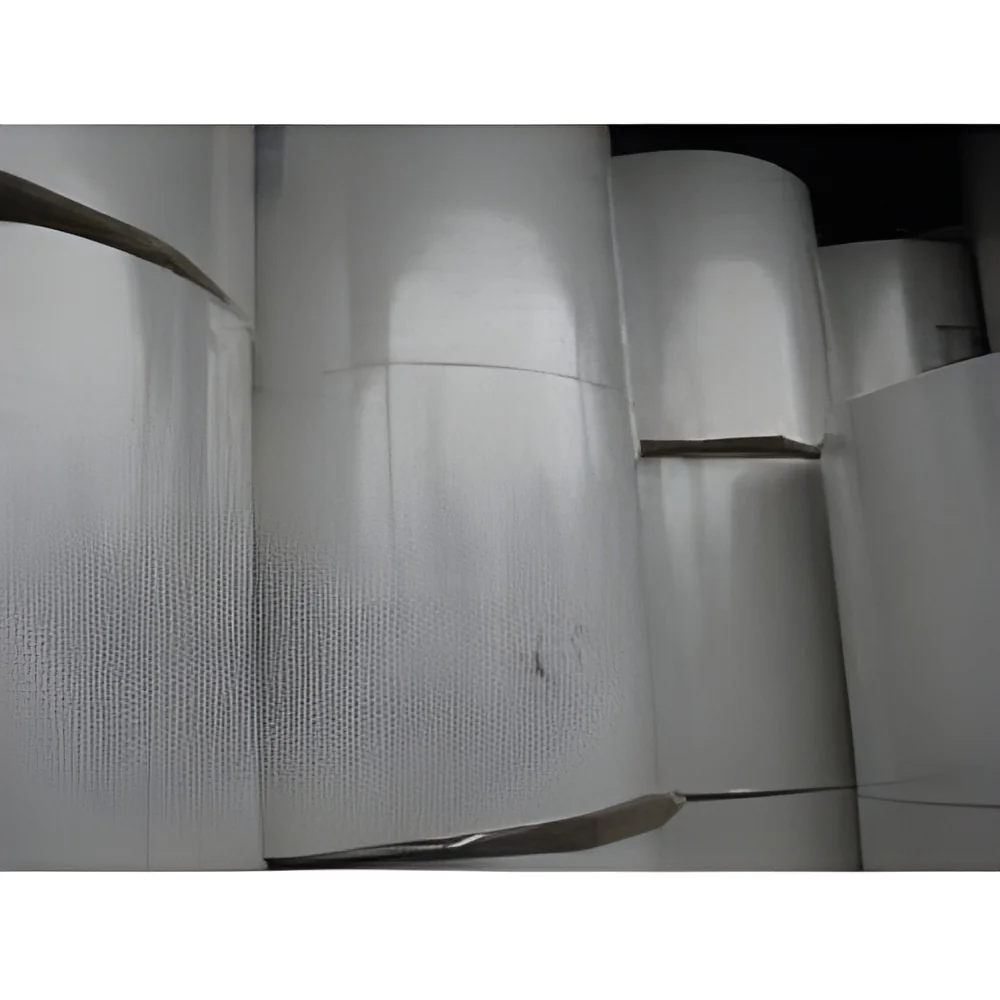
What are Printing Substrates for Packaging?
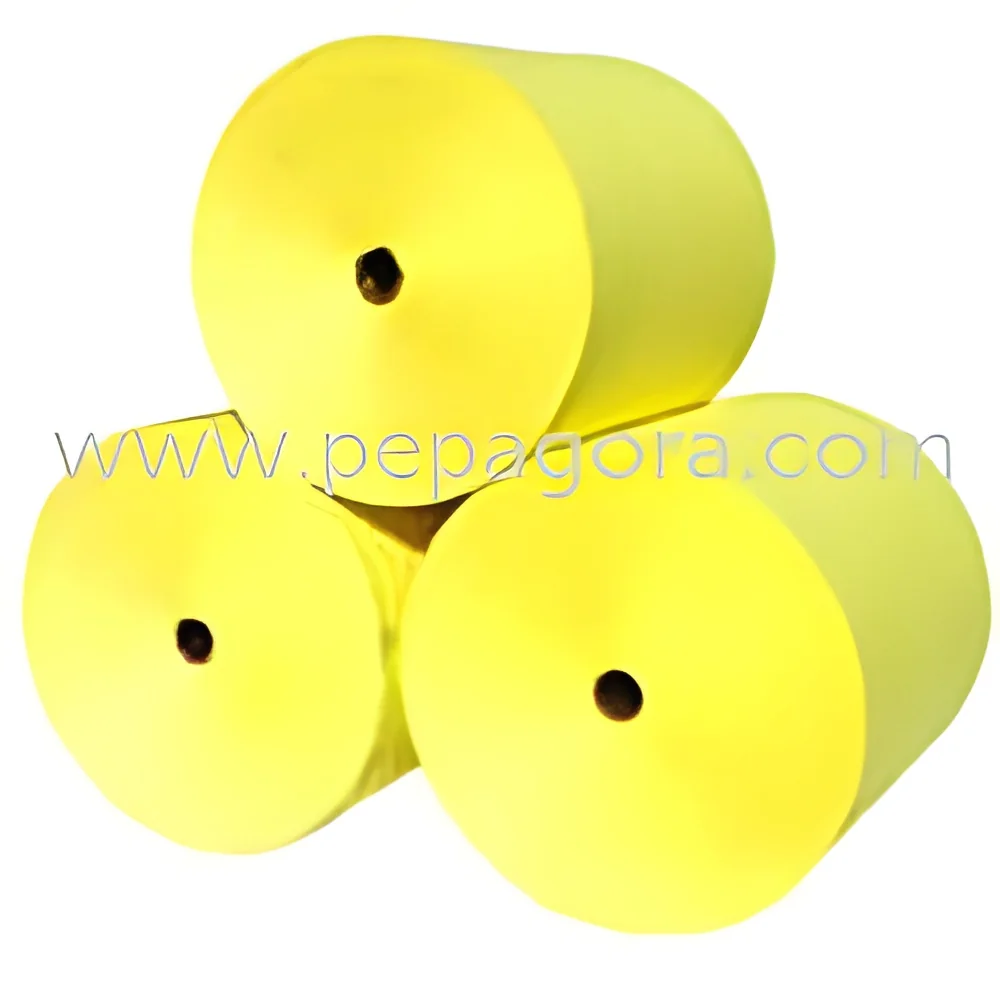
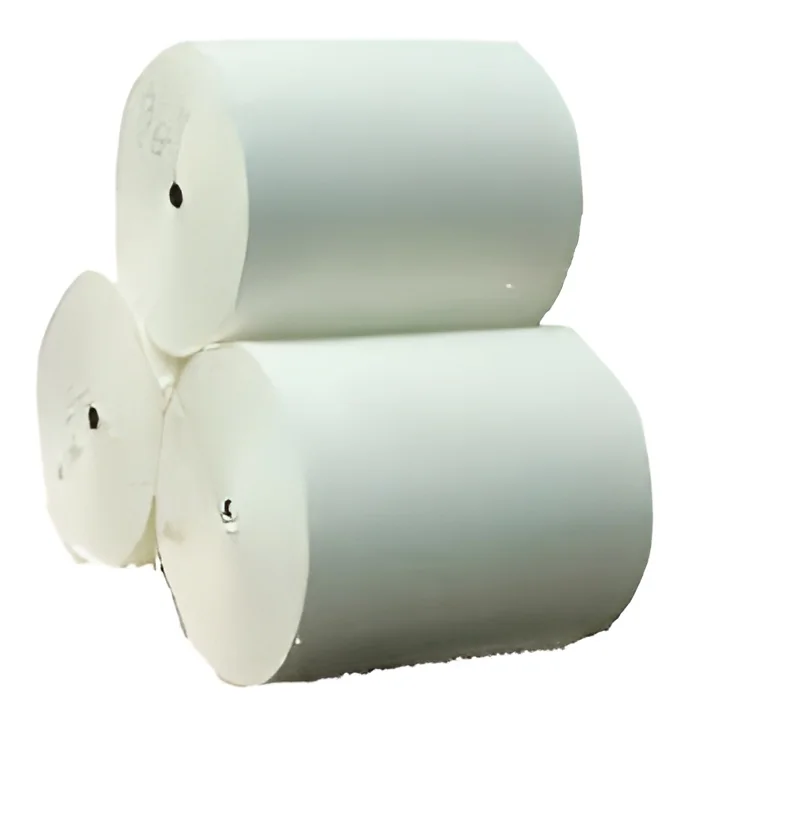
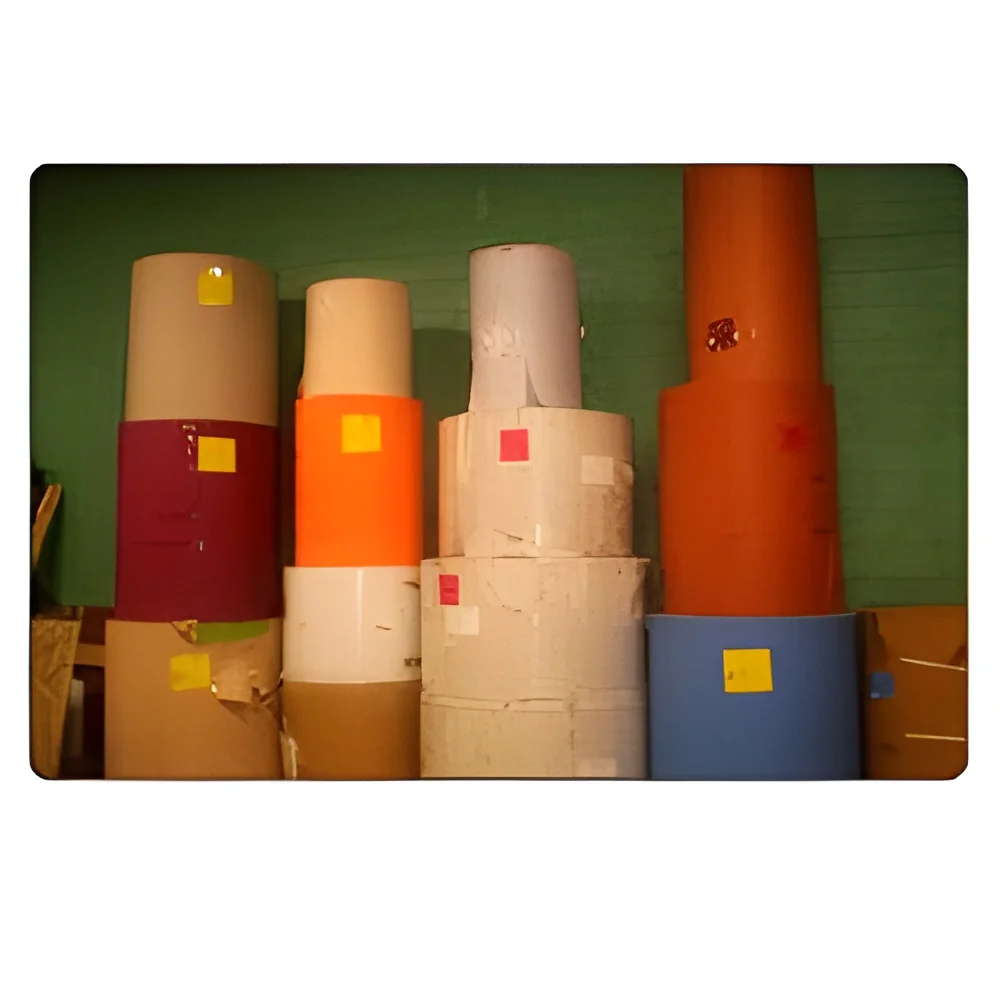
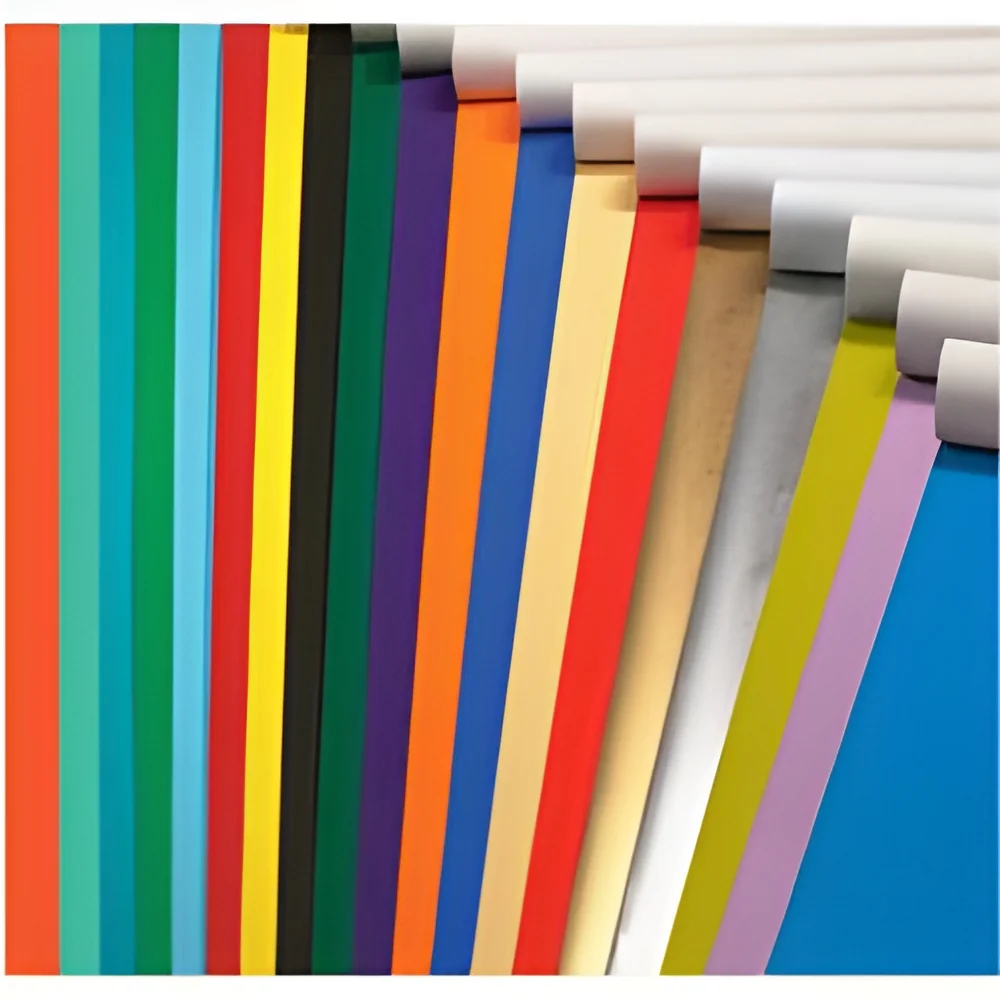
Printing substrates for packaging are materials specifically designed for printing applications in the packaging industry. These substrates can include paper, cardboard, plastic films, and other materials that serve as the base for printed packaging solutions. These substrates are essential in ensuring that the printed designs adhere well, maintain quality through various processes, and effectively communicate brand messages.
The primary uses of printing substrates include producing labels, flexible packaging, cartons, and various types of wrappers. Businesses across industries such as food and beverage, pharmaceuticals, and consumer goods rely on these substrates to create attractive and functional packaging that protects products while enhancing shelf appeal. The relevance of printing substrates in the market is heightened by the growing demand for sustainable and high-quality packaging solutions that meet both consumer expectations and regulatory requirements.
Key Features and Specifications
When selecting printing substrates for packaging, it is essential to understand their key features and specifications. These attributes determine the performance, suitability, and overall effectiveness of the substrate for specific applications.
Key specifications include:
1. Material Type
- Different substrates are available, including paper, cardboard, plastic, and biodegradable options.
- Each material type has unique properties suited for various packaging needs.
2. Print Compatibility
- Substrates must be compatible with printing technologies such as flexography, lithography, and digital printing.
- This ensures high-quality print resolution and color fidelity.
3. Thickness
- The thickness of the substrate influences durability and flexibility.
- Common ranges vary from 30 to 300 microns, depending on the application.
4. Surface Finish
- Substrates can have various finishes such as matte, gloss, or textured.
- The choice of finish affects print quality and visual appeal.
5. Moisture Resistance
- Many substrates are designed to resist moisture to protect products.
- Specifications may indicate water vapor transmission rates.
6. Compatibility with Adhesives
- The substrate must work well with adhesives for labels and seals.
- Critical for ensuring strong bonds in packaging applications.
7. Sustainability Features
- Many substrates now incorporate recycled materials or are fully recyclable.
- Important for businesses looking to enhance their sustainability profiles.
The right substrate selection can significantly impact the overall packaging effectiveness, making these specifications critical for buyers.
Common Applications and Use Cases
Printing substrates for packaging serve a wide range of industries, each with specific applications tailored to their unique needs.
1. Food and Beverage: Substrates are used for food wrappers, labels, and cartons that require compliance with safety standards while ensuring product freshness.
2. Pharmaceuticals: High-quality substrates are essential for packaging medications, providing necessary information and maintaining product integrity.
3. Cosmetics: Packaging materials must be visually appealing and durable, making printing substrates vital for product presentation.
4. Electronics: Substrates are used for packaging electronic components, focusing on protection and anti-static properties.
5. Retail: Custom printed substrates are used for shopping bags and promotional materials, enhancing brand visibility in stores.
6. Logistics: Substrates are employed in shipping labels and packaging to ensure secure transit of goods.
7. Household Products: Printing substrates are used for packaging cleaning supplies and other household items, focusing on user information and safety labels.
Product Variants and Subcategories
The diversity of printing substrates for packaging is significant, allowing for tailored solutions across different sectors.
Paper Substrates: These are commonly used for labels and cartons, offering excellent printability and a variety of finishes. They are popular for eco-friendly packaging solutions.
Plastic Films: Ideal for flexible packaging, plastic films provide moisture barriers and durability. They are often used in food packaging due to their protective qualities.
Biodegradable Substrates: As sustainability becomes more critical, biodegradable options are gaining traction. These substrates break down naturally, reducing environmental impact.
Custom-Printed Substrates: Many suppliers offer custom solutions, allowing businesses to create unique packaging designs that align with brand identity.
Benefits and Advantages
Investing in high-quality printing substrates for packaging brings numerous benefits to businesses.
1. Enhanced Print Quality: Superior substrates ensure that images and text are crisp and vibrant, effectively communicating brand messages.
2. Improved Product Protection: Strong and durable materials protect products during transit and storage, reducing damage and waste.
3. Eco-Friendly Options: Sustainable substrates help companies meet environmental regulations and attract eco-conscious consumers.
4. Versatility: A wide range of substrates allows for various applications across multiple industries, ensuring suitability for diverse needs.
5. Cost-Effectiveness: High-quality substrates can reduce waste and improve the efficiency of packaging processes, leading to long-term savings.
6. Customization: The ability to tailor substrates for specific needs enhances branding and marketing efforts, making products stand out.
Buying Guide for B2B Buyers
When sourcing printing substrates for packaging, it is essential to consider several key factors to ensure the right choice for your business.
1. Quality Assessment: Evaluate the quality of materials based on printability, durability, and compatibility with your specific application. Request samples to assess performance.
2. Supplier Verification: Vet potential suppliers by checking their certifications, customer reviews, and industry reputation. A reliable supplier is crucial for maintaining quality.
3. Pricing and MOQ: Understand pricing structures and minimum order quantities (MOQ) to ensure they align with your budget and production needs.
4. Delivery and Lead Times: Discuss logistics with suppliers to ensure timely delivery. Consider lead times to avoid production delays.
5. Compliance Requirements: Ensure that substrates meet relevant industry standards and regulations, such as safety and environmental compliance, to avoid legal issues.
Compliance and Certifications
Compliance and certifications are critical in the printing substrate industry, ensuring quality and safety standards are met.
Relevant quality standards include ISO 9001, which outlines requirements for a quality management system, ensuring products meet customer and regulatory requirements.
Industry certifications, such as CE marking, indicate that products meet European safety, health, and environmental protection standards. Compliance with these standards is essential for market access.
Safety and testing requirements are crucial, especially in industries like food and pharmaceuticals, where packaging must not contaminate products.
Regional compliance considerations vary, so it is vital to understand local regulations regarding material safety and environmental impact when sourcing substrates.
Why Source Printing Substrates for Packaging from Pepagora?
Pepagora offers a trusted platform for sourcing printing substrates for packaging, providing several key advantages for B2B buyers.
Verified Supplier Network: Pepagora has established a network of verified suppliers who meet stringent quality and compliance standards. This network ensures that businesses can find reliable partners.
Streamlined RFQ Process: The platform features an efficient request for quotation (RFQ) system, allowing buyers to easily compare prices and specifications from multiple suppliers, simplifying the procurement process.
Trade Assurance and Support: Pepagora offers trade assurance programs that protect buyers against risks, ensuring that transactions are secure and reliable.
Regional Coverage: With a strong presence in India, the GCC, and Southeast Asia, Pepagora provides access to a wide range of suppliers and products, catering to diverse regional needs and preferences.

 IN
IN