What are Barrier Films?
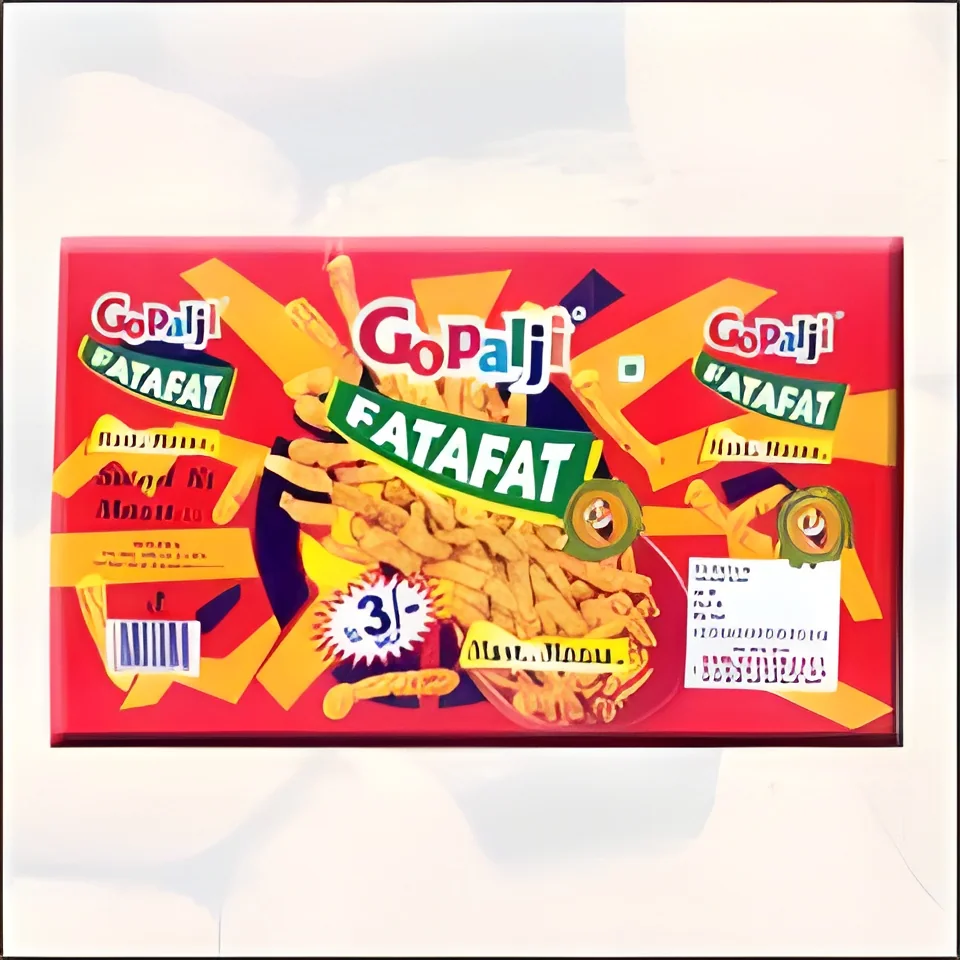
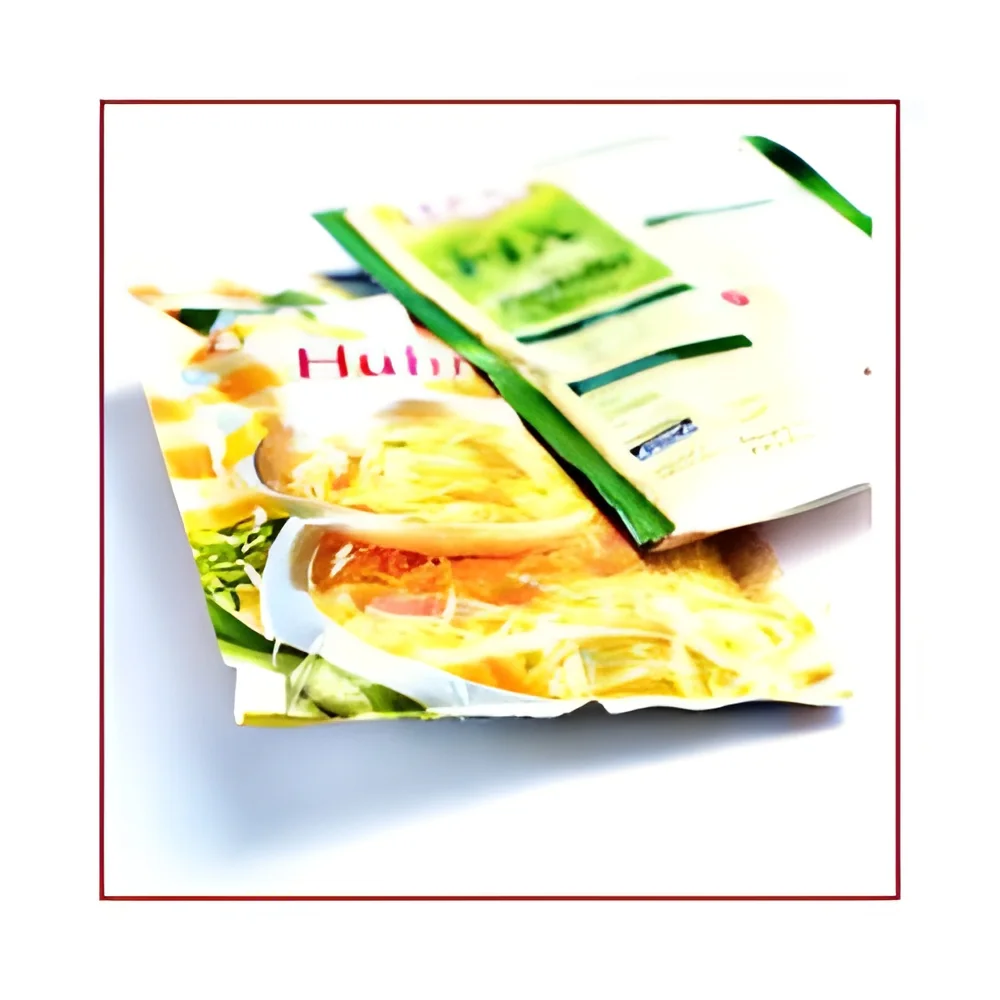
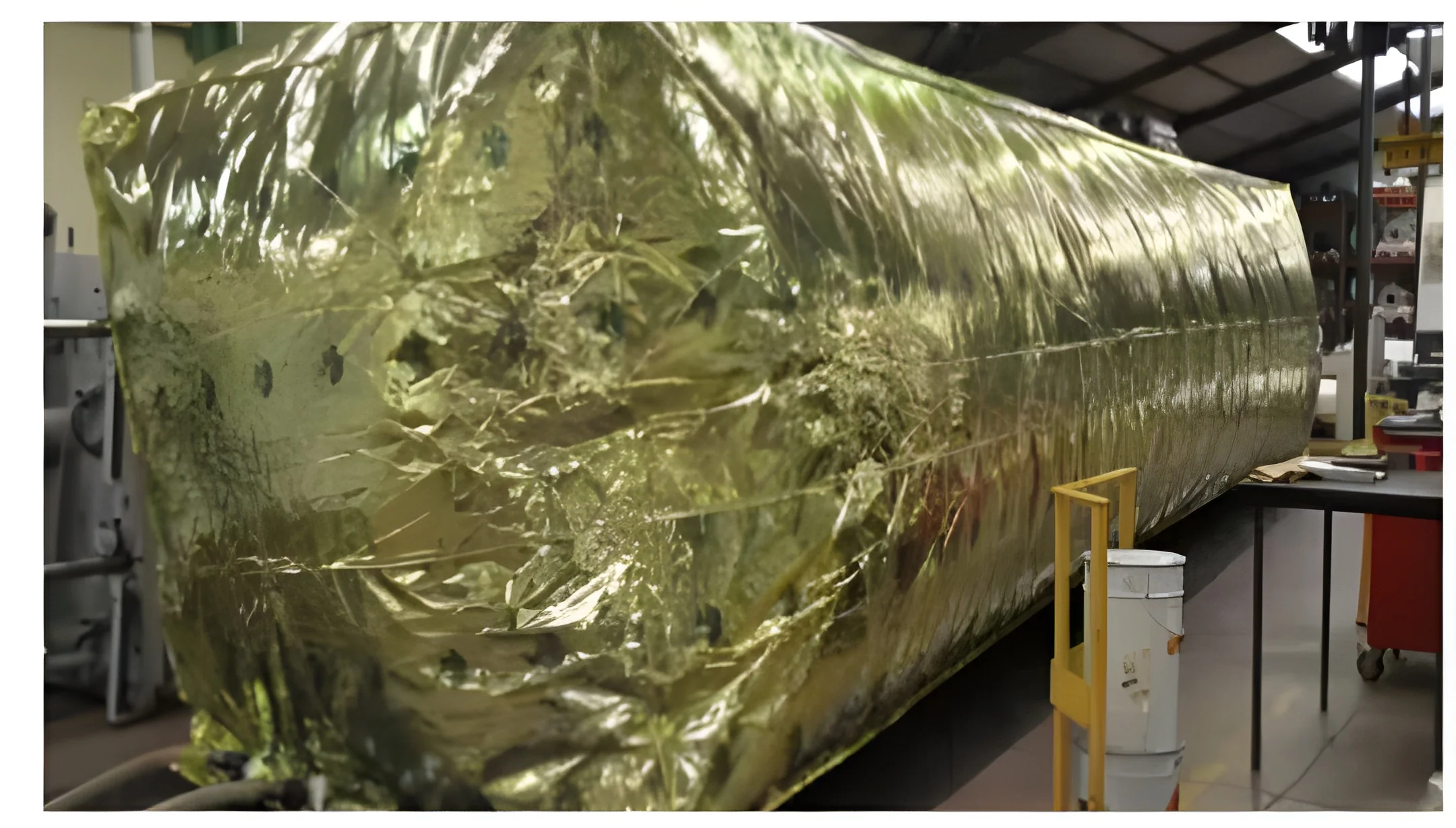
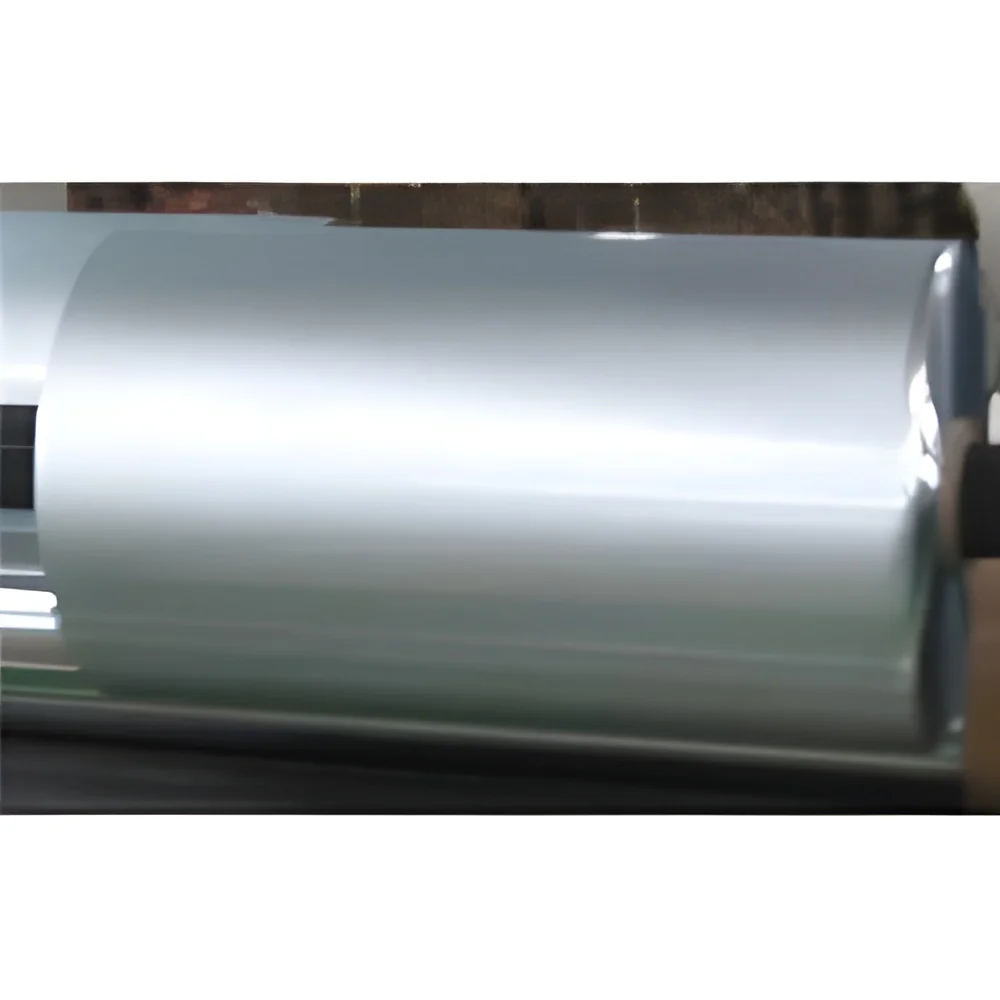
Barrier films are specialized materials designed to provide protection against various environmental factors, including moisture, oxygen, and other gases. These films are typically thin and flexible, making them suitable for a wide range of applications across multiple industries. Barrier films are engineered to create an impermeable layer that safeguards products from degradation, contamination, and external elements during storage and transport.
The primary uses of barrier films include food packaging, pharmaceutical packaging, electronics protection, and industrial applications. In food packaging, they help maintain freshness and extend shelf life. In pharmaceuticals, barrier films ensure that drugs remain uncontaminated and effective. In the electronics sector, they protect sensitive components from moisture and dust. The market for barrier films is expanding as industries seek innovative solutions to improve product longevity and quality.
Given the growing emphasis on sustainability and product safety, barrier films are increasingly relevant in various sectors. Manufacturers are focusing on developing films that not only provide protection but also meet environmental standards. This trend is driving innovation and opening up new opportunities for businesses looking to enhance their product offerings.
Key Features and Specifications
Barrier films come with a range of features that make them suitable for diverse applications. Understanding these specifications is crucial for selecting the right product.
Key specifications include:
1. Material Composition
- Typically made from polymers such as polyethylene, polypropylene, or polyvinyl chloride (PVC).
- Offers varying degrees of barrier properties against moisture and gases.
2. Thickness
- Available in different thicknesses, commonly ranging from 20 to 200 microns.
- Thickness affects the durability and flexibility of the film.
3. Barrier Properties
- Designed to provide high resistance to oxygen, moisture, and other gases.
- Measured in terms of permeability rates.
4. Temperature Resistance
- Capable of withstanding a range of temperatures, although specific data not available.
- Important for applications involving heat sealing.
5. UV Resistance
- Some barrier films are treated to resist ultraviolet light.
- Essential for products exposed to sunlight during storage and transport.
6. Printability
- Many barrier films can be printed on for branding and information.
- Allows for customization in packaging design.
7. Compliance Standards
- Must meet specific industry standards, like CE certification.
- Ensures safety and quality in applications.
In summary, barrier films are versatile products with essential features that cater to various industrial needs. Their specifications directly influence their performance in protecting goods.
Common Applications and Use Cases
Barrier films are employed across numerous industries due to their protective qualities.
1. Food Packaging: Barrier films are widely used in food packaging to create airtight seals that extend shelf life. They help maintain the freshness and quality of perishable items.
2. Pharmaceutical Packaging: In the pharmaceutical industry, barrier films are crucial for packaging medications. They ensure that drugs remain uncontaminated and stable throughout their shelf life.
3. Electronics: Barrier films protect sensitive electronic components from moisture and dust. They are essential in packaging and transporting electronic devices to maintain their integrity.
4. Industrial Applications: Various industrial products rely on barrier films for protection during storage and transit. These films prevent contamination and damage from environmental factors.
5. Medical Devices: Barrier films are used in the packaging of medical devices to maintain sterility and protect against physical damage.
6. Cosmetics: In the cosmetics industry, barrier films help protect products from moisture and air, ensuring product efficacy and longevity.
7. Automotive: Barrier films are utilized in automotive applications to protect components from corrosion and environmental exposure.
Product Variants and Subcategories
Barrier films come in various forms to meet specific needs in different industries. These variants offer unique features tailored to particular applications.
High-Performance Barrier Films: These films provide exceptional resistance to oxygen and moisture, making them ideal for packaging high-value products such as pharmaceuticals and perishable foods.
Multi-Layer Barrier Films: Composed of multiple layers, these films combine different materials to enhance barrier properties. They are often used in complex packaging solutions requiring superior protection.
Custom Barrier Films: Tailored to meet specific client requirements, custom barrier films can be designed in terms of dimensions, thickness, and barrier properties. These solutions cater to niche market needs.
Benefits and Advantages
Barrier films offer a range of benefits that enhance their value to businesses.
1. Enhanced Product Shelf Life: Barrier films significantly prolong the shelf life of products, reducing waste and improving profitability.
2. Protection Against Contamination: They provide a reliable barrier against moisture and gases, ensuring product integrity.
3. Versatility: Barrier films can be used in various industries, making them a versatile choice for manufacturers.
4. Cost-Effective Solutions: By preventing product spoilage, barrier films contribute to cost savings in the long run.
5. Customization Options: Many barrier films can be customized to meet specific packaging requirements, allowing for branding and product differentiation.
6. Compliance with Safety Standards: Barrier films often meet industry-specific regulations, ensuring safety and quality.
Buying Guide for B2B Buyers
When sourcing barrier films, it is essential to consider several factors to make informed decisions.
1. Quality Assessment: Buyers should evaluate the quality of barrier films by looking for certifications and performance metrics. This ensures that the films meet industry standards.
2. Supplier Verification: It is crucial to vet suppliers for reliability and reputation. Buyers should check for reviews and references to ensure they are working with trustworthy manufacturers.
3. Pricing and MOQ: Understanding pricing structures and minimum order quantities is vital for budgeting. Buyers should compare quotes from multiple suppliers to find competitive pricing.
4. Delivery and Lead Times: Timely delivery is essential for maintaining production schedules. Buyers should inquire about lead times and shipping options when placing orders.
5. Compliance Requirements: Buyers must be aware of regulatory requirements in their industry. Ensuring that barrier films meet compliance standards is critical for avoiding legal issues.
Compliance and Certifications
Barrier films must adhere to various quality and safety standards to ensure their effectiveness and safety in applications.
Relevant quality standards include ISO 9001, which focuses on quality management systems, and HACCP, which ensures food safety through hazard analysis and critical control points. Compliance with these standards is essential for manufacturers to guarantee product reliability.
Industry certifications, such as CE certification, indicate that barrier films meet European safety and health requirements. This certification is vital for products that will be marketed in Europe.
Safety and testing requirements are also significant. Barrier films should undergo rigorous testing to evaluate their performance in terms of moisture and gas permeability. This ensures that they provide adequate protection for sensitive products.
Additionally, regional compliance considerations must be taken into account. Different regions may have specific regulations governing packaging materials, and compliance with these regulations is essential for market access.
Why Source Barrier Films from Pepagora?
Pepagora is a trusted platform for sourcing barrier films, offering several key advantages to B2B buyers.
Verified Supplier Network: Pepagora connects buyers with a verified network of suppliers. This ensures that buyers can find reliable manufacturers with a proven track record in producing quality barrier films.
Streamlined RFQ Process: The platform features a streamlined Request for Quotation (RFQ) process that simplifies the procurement process. Buyers can easily submit their requirements and receive competitive quotes from multiple suppliers.
Trade Assurance and Support: Pepagora provides trade assurance to protect buyers during transactions. This support includes buyer protection policies that help mitigate risks associated with sourcing.
Regional Coverage: With a strong presence in India, the GCC, and Southeast Asia, Pepagora offers extensive regional coverage. This allows buyers to access a wide range of suppliers and products tailored to their specific needs.
By choosing Pepagora, businesses can confidently source barrier films that meet their requirements while benefiting from a supportive and reliable procurement process.

 IN
IN