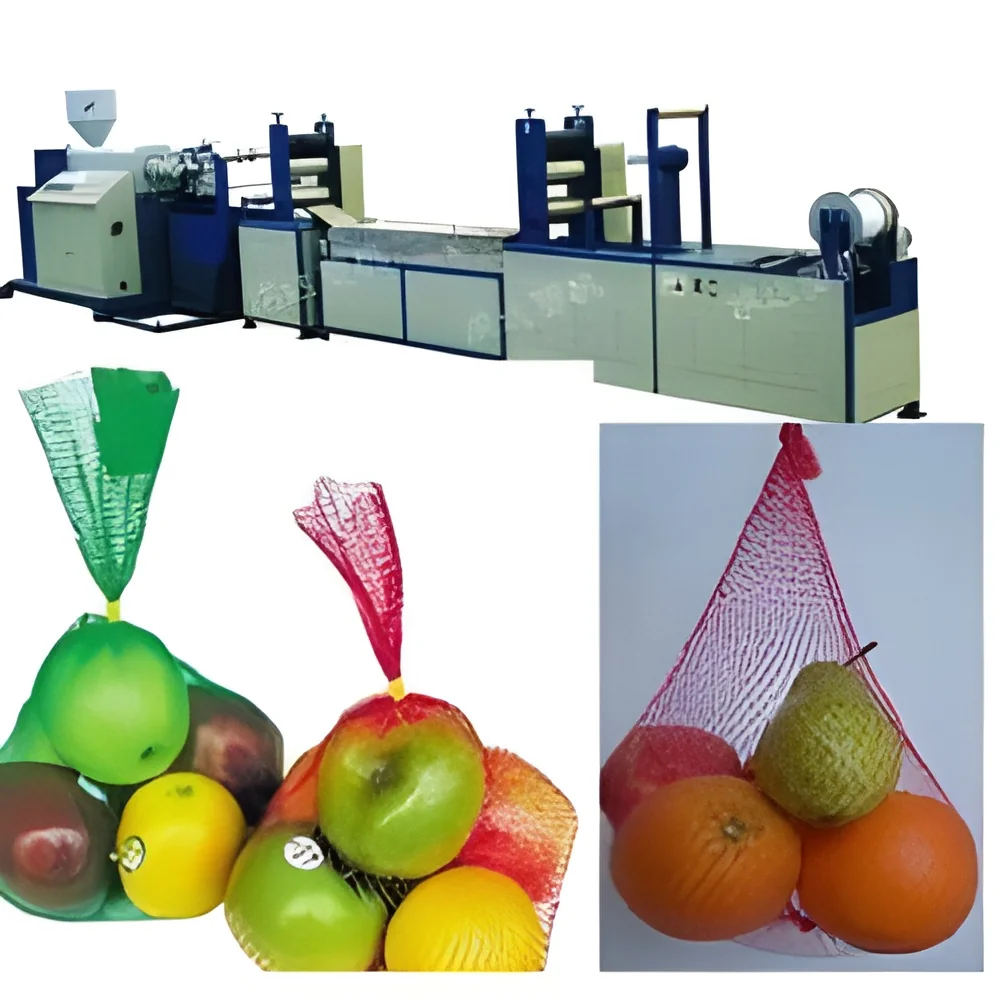
What are Packaging Nets & Mesh?
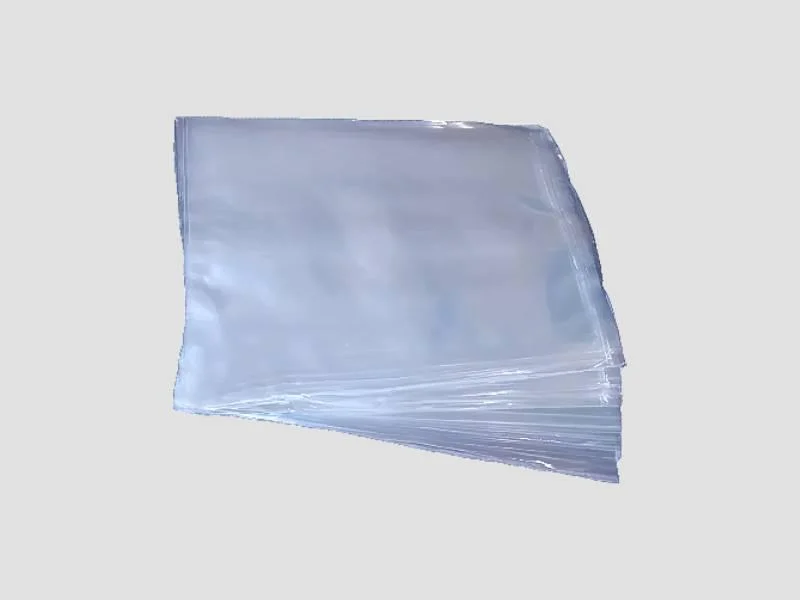
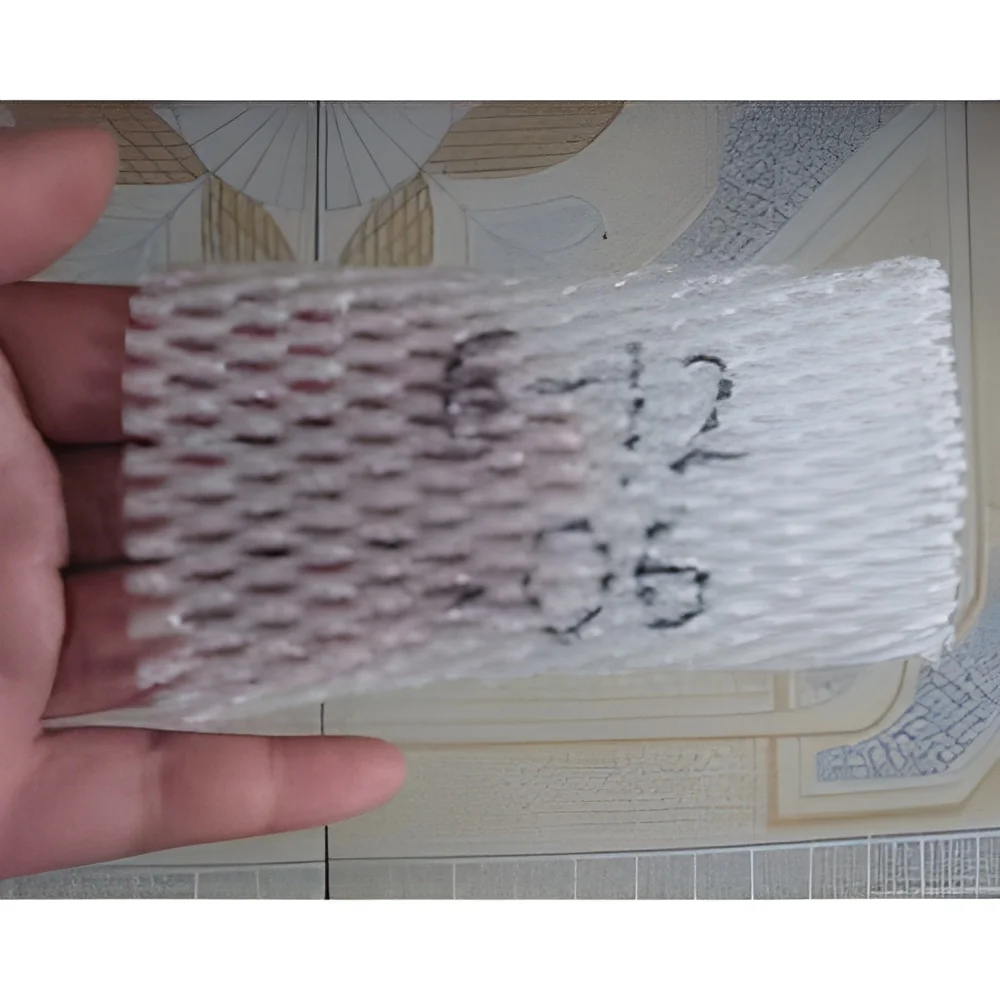
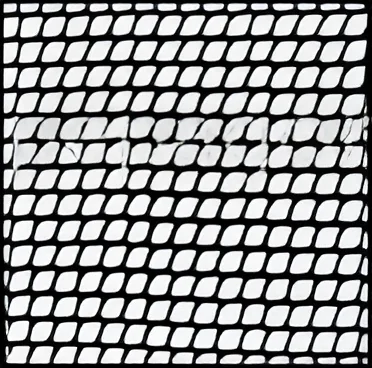
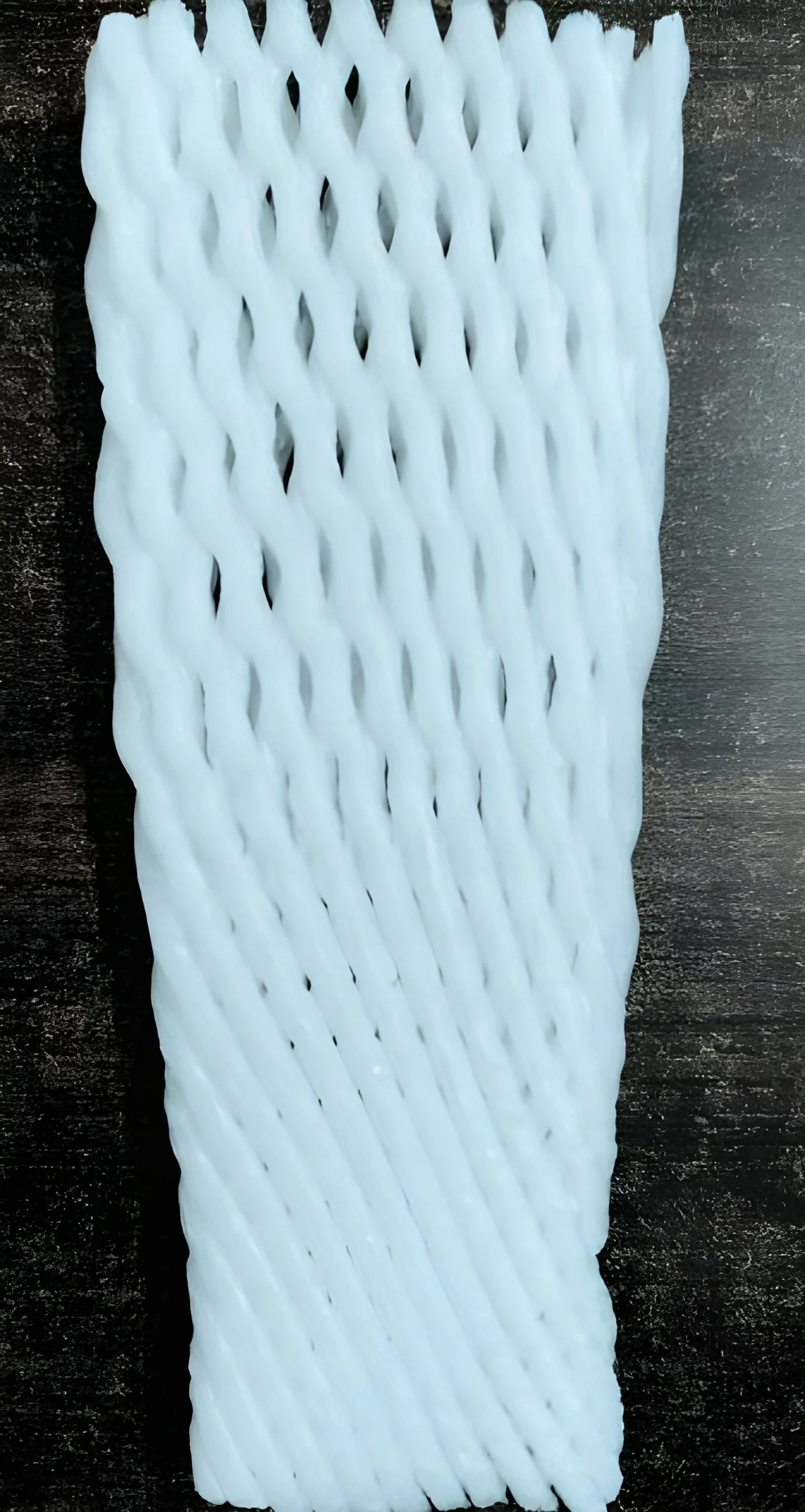
Packaging nets and mesh are versatile materials designed for protective and functional packaging applications. These products are typically made from plastic or other synthetic materials, allowing for flexibility and durability. Packaging nets feature a network of interwoven strands that create an open structure, while mesh offers a tighter weave with varying degrees of openness. Both types provide excellent breathability, visibility, and protection for a variety of products.
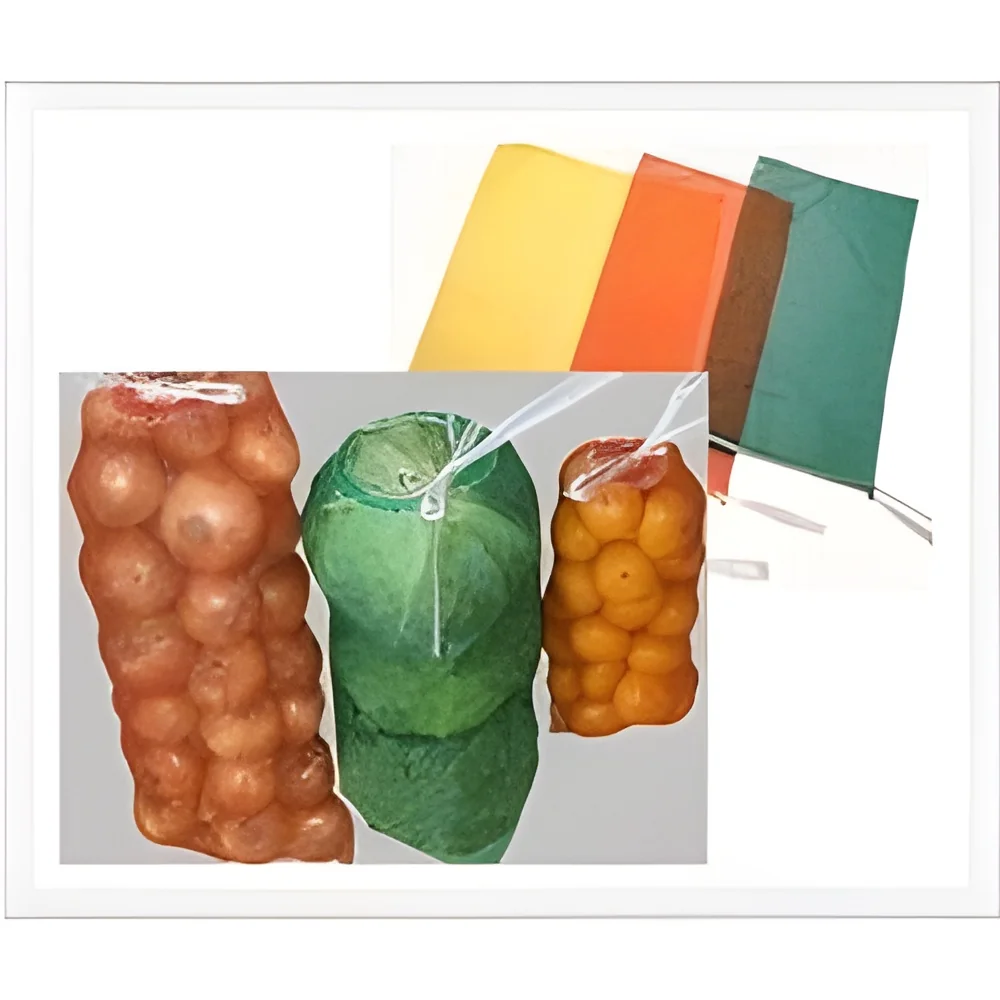
These packaging solutions are widely used across several industries, including agriculture, food processing, and manufacturing. In agriculture, they protect fruits and vegetables during transport while allowing air circulation. In the food industry, they are utilized for packaging delicate items like seafood or meats, ensuring freshness. Manufacturing companies also employ nets and mesh for bundling and protecting components, enhancing efficiency in logistics and storage.
As the demand for sustainable and efficient packaging continues to grow, the market for packaging nets and mesh is becoming increasingly relevant. Companies are looking for solutions that not only protect their products but also reduce waste and environmental impact. This makes packaging nets and mesh essential in modern supply chains, where quality and sustainability are top priorities.
Key Features and Specifications
Packaging nets and mesh come with a range of features that cater to various business needs. These materials can be customized in terms of size, material, and design, allowing companies to select options that best fit their products.
Key specifications include:
1. Material Type
- Commonly made from polyethylene, polypropylene, or nylon.
- Each material offers different levels of strength, flexibility, and resistance to environmental factors.
2. Mesh Size
- Available in various sizes ranging from fine to coarse.
- The mesh size affects breathability and visibility, suitable for different applications.
3. Weight Capacity
- Designed to hold varying weights depending on the intended use.
- Specifications may indicate the maximum load each type can support.
4. UV Resistance
- Many options are treated for UV stability.
- Essential for outdoor applications where exposure to sunlight can degrade material integrity.
5. Customization Options
- Available in different colors, sizes, and designs.
- Allows businesses to brand their packaging effectively.
6. Compliance with Safety Standards
- Many products meet industry-specific regulations ensuring safety during use.
- Certifications may include CE marking for compliance.
7. Temperature Resistance
- Some variants are designed to withstand extreme temperatures.
- Important for applications that involve freezing or heating processes.
8. Sustainability Features
- Options for biodegradable materials are available.
- Supports eco-friendly practices in packaging.
In summary, packaging nets and mesh provide a diverse range of features and specifications that cater to various industries, enhancing product protection and efficiency.
Common Applications and Use Cases
Packaging nets and mesh serve a variety of industries, each benefitting from their unique properties.
1. Agriculture: These materials are commonly used for protecting fruits and vegetables during transportation. They allow air circulation, preventing spoilage while ensuring that products remain visible.
2. Food Processing: In the food industry, nets and mesh are employed to package seafood and meats. Their breathable nature helps maintain freshness while providing protection from contaminants.
3. Manufacturing: Manufacturers utilize packaging nets for bundling components, protecting them during storage and transit. This ensures that parts remain intact and organized within supply chains.
4. Retail: Retailers often use mesh bags for displaying fruits and vegetables. The visibility they provide helps attract customers while maintaining product quality.
5. Construction: In construction, nets are used for scaffolding and debris containment. They ensure safety on job sites by containing materials and protecting workers below.
6. Logistics: Packaging nets help secure items on pallets or within containers, preventing movement during transportation. This reduces the risk of damage and enhances efficiency.
7. E-commerce: With the rise of online shopping, packaging nets are used to protect goods during shipping. They provide cushioning and protection for fragile items.
Product Variants and Subcategories
Packaging nets and mesh come in various forms, catering to different needs and applications.
Heavy-Duty Packaging Nets
These nets are designed for high-strength applications, suitable for heavy loads such as large fruits or construction materials. They offer enhanced durability and resistance to tearing, making them ideal for rigorous use.
Lightweight Mesh Bags
Ideal for smaller items, lightweight mesh bags are often used in retail for packaging fruits and vegetables. They provide visibility and breathability while being easy to handle and transport.
Custom Printed Mesh
This variant allows businesses to incorporate branding directly onto the packaging. Custom printed mesh is a great marketing tool, providing both functionality and promotional opportunities.
Biodegradable Packaging Nets
With a focus on sustainability, these nets are made from environmentally friendly materials. They are suitable for businesses looking to reduce their carbon footprint while maintaining effective packaging.
Color-Coded Mesh
These nets come in various colors, allowing for easy identification of different products. Color-coded options enhance organization and improve efficiency in storage and logistics.
Benefits and Advantages
Packaging nets and mesh offer numerous advantages that make them valuable for businesses.
1. Enhanced Protection: These materials provide excellent protection for products during storage and transport, reducing the risk of damage.
2. Breathability: The open structure allows for air circulation, preventing spoilage and maintaining product freshness, particularly in food applications.
3. Customization: Businesses can customize nets and mesh to meet specific needs, including size, color, and branding options.
4. Lightweight Design: The lightweight nature of these materials reduces shipping costs while still providing necessary protection.
5. Sustainability: Options for biodegradable materials align with eco-friendly practices, appealing to environmentally conscious consumers.
6. Cost-Effectiveness: Packaging nets and mesh are often more affordable than traditional packaging methods, offering significant savings for businesses.
Buying Guide for B2B Buyers
When sourcing packaging nets and mesh, buyers should consider several important factors to ensure they select the right products.
1. Quality Assessment: Evaluate the quality of the materials used in the nets and mesh. Look for certifications or standards that indicate durability and safety.
2. Supplier Verification: Vet suppliers to ensure they have a good reputation in the industry. Check for reviews and ask for references before making a commitment.
3. Pricing and MOQ: Understand the pricing structure and minimum order quantities required by suppliers. This will help manage budget expectations and inventory needs.
4. Delivery and Lead Times: Confirm delivery timelines to ensure that products arrive when needed. Consider potential delays in the supply chain that could impact operations.
5. Compliance Requirements: Ensure that the packaging nets and mesh meet relevant industry regulations and standards. This may include safety certifications and environmental compliance.
Compliance and Certifications
Packaging nets and mesh must adhere to relevant quality standards and certifications to ensure they are suitable for various applications.
ISO 9001 is a widely recognized standard that focuses on quality management systems, ensuring that products meet customer and regulatory requirements consistently. Compliance with this standard is crucial for manufacturers of packaging materials.
HACCP (Hazard Analysis Critical Control Point) is particularly important in the food industry. It ensures that packaging materials are safe and suitable for food contact, minimizing risks of contamination.
CE marking indicates compliance with European safety standards. This certification assures buyers that the products meet essential health and safety requirements within the European market.
In addition to these certifications, manufacturers should also consider safety and testing requirements specific to their industry. Regional compliance considerations may vary, making it essential for businesses to understand local regulations that apply to packaging materials.
Why Source Packaging Nets & Mesh from Pepagora?
Pepagora offers a reliable platform for sourcing packaging nets and mesh, providing several advantages for businesses.
Verified Supplier Network: Pepagora connects buyers with a network of verified suppliers. This ensures that businesses can find high-quality products from reputable sources, reducing the risk associated with procurement.
Streamlined RFQ Process: The platform features a simplified request for quotation (RFQ) process. This allows buyers to quickly obtain quotes from multiple suppliers, facilitating informed purchasing decisions.
Trade Assurance and Support: Pepagora provides trade assurance and support for buyers, protecting their interests during transactions. This instills confidence in sourcing decisions and enhances overall buyer experience.
Regional Coverage: With a strong presence in India, the GCC, and Southeast Asia, Pepagora offers extensive geographic reach. This enables businesses to tap into a broader market while ensuring timely access to products and suppliers.

 IN
IN