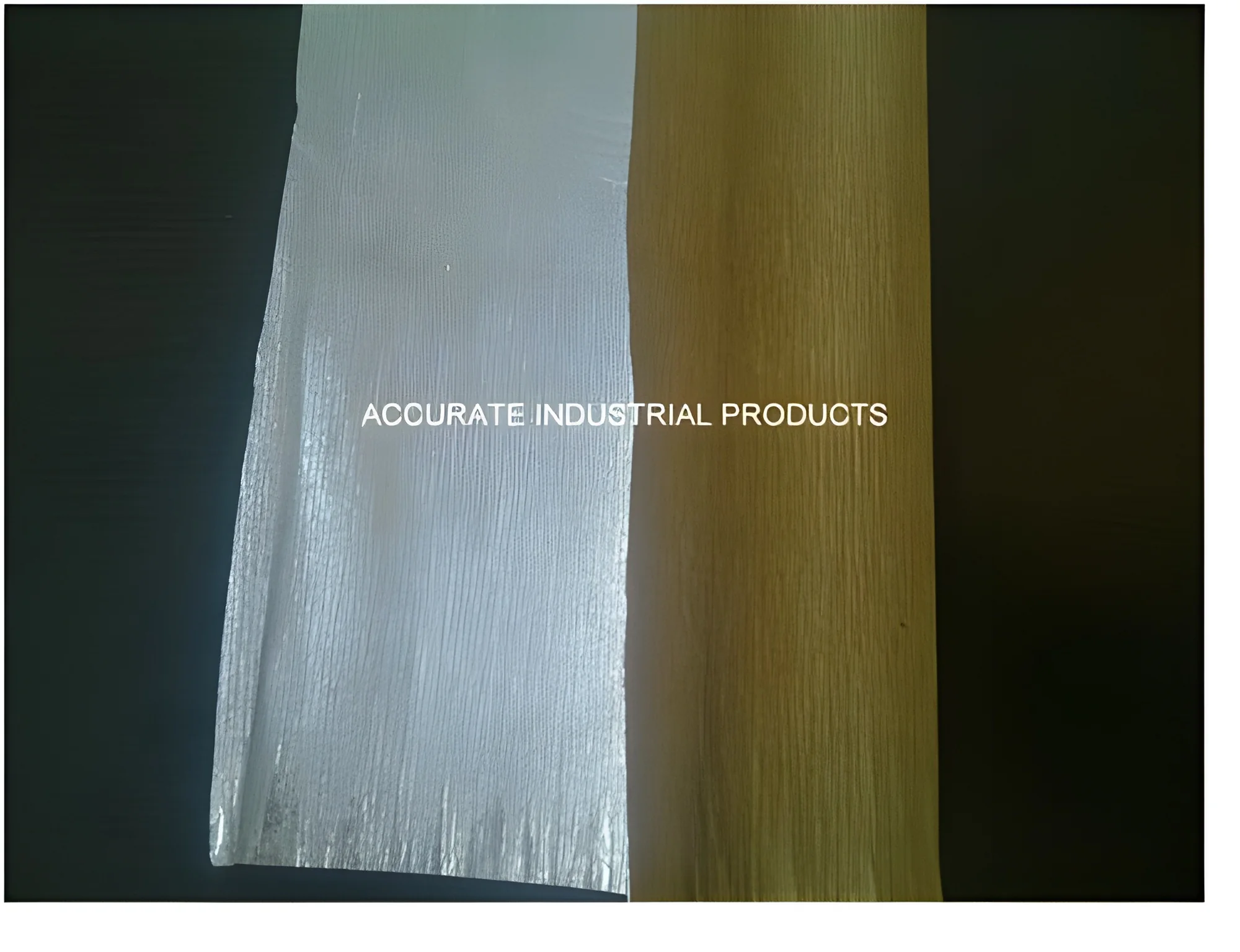
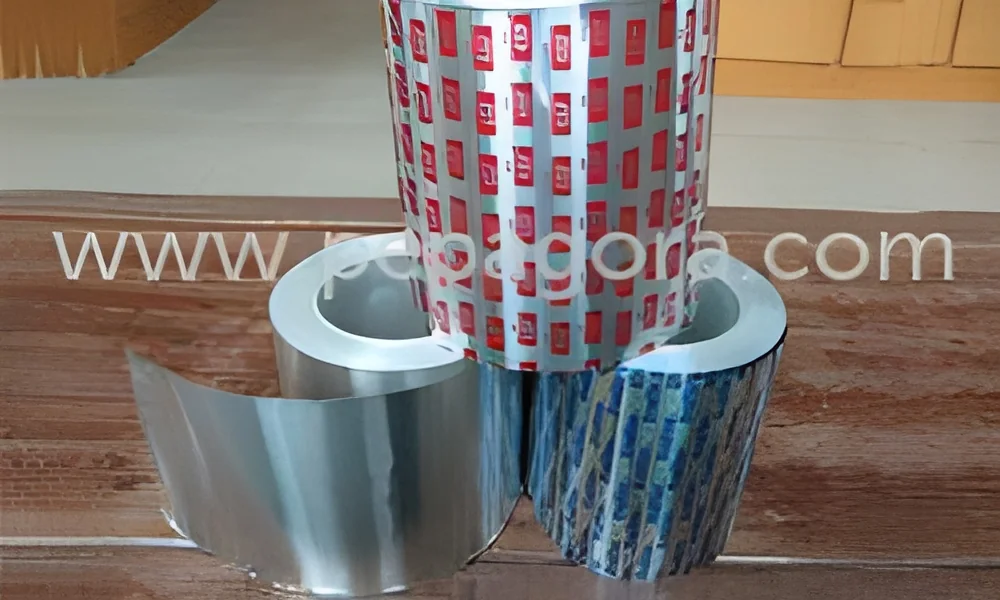
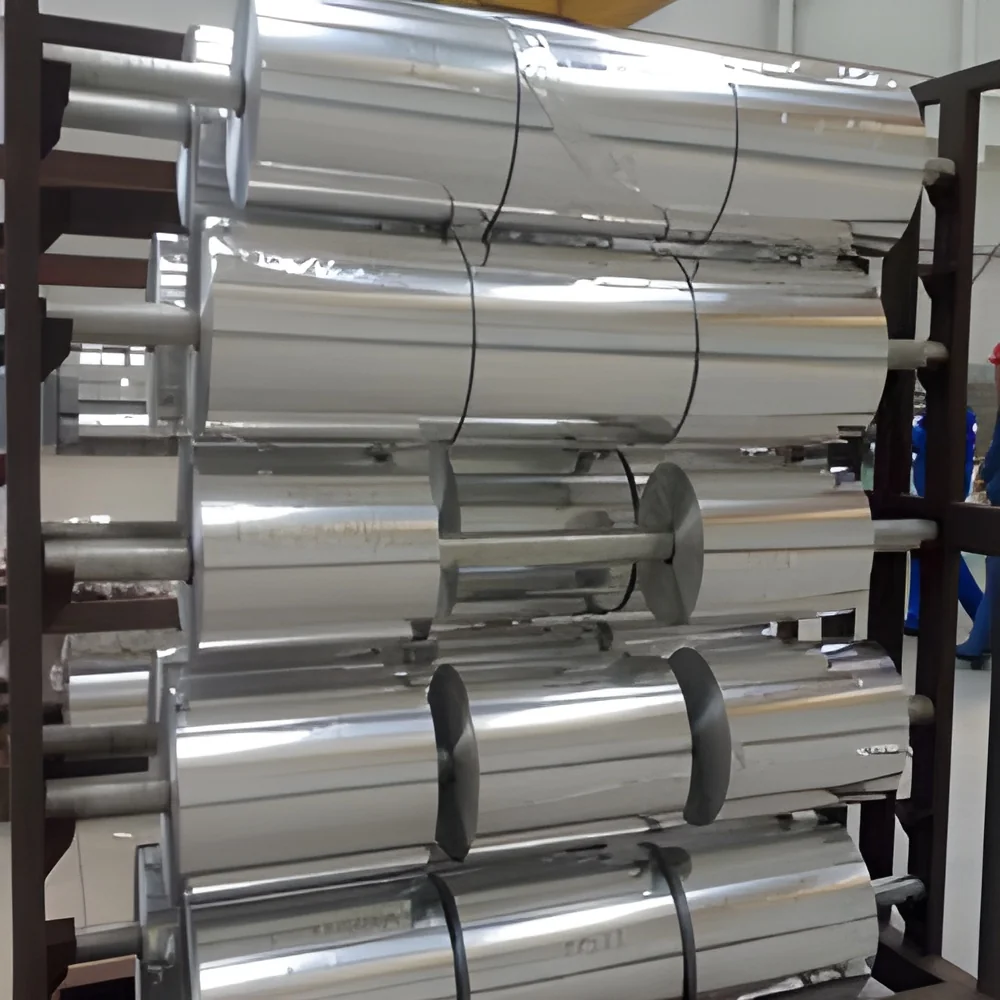
What are Aluminum Foils & Sheets?
Aluminum foils and sheets are versatile materials made from aluminum. They are produced by rolling aluminum metal into thin strips, creating foils that are typically less than 0.2 mm in thickness, while sheets are thicker and more rigid. Aluminum is a lightweight, malleable, and ductile metal, making it suitable for a wide range of applications across various industries.
These materials are widely used in packaging, insulation, and construction. In packaging, aluminum foils provide an excellent barrier against moisture, light, and air, ensuring the freshness of food products. In construction and manufacturing, aluminum sheets are employed for roofing, wall cladding, and other structural applications. The demand for aluminum products is steadily increasing, driven by their recyclability and sustainability, making them relevant in today’s market.
Key Features and Specifications
Aluminum foils and sheets come with a variety of features and specifications that make them suitable for specific applications. Understanding these specifications is essential for selecting the right product for your needs.
Key specifications include:
1. Thickness
- Ranges from 0.006 mm for foils to over 6 mm for sheets.
- Determines the strength and flexibility of the material.
2. Width
- Available in various widths, commonly ranging from 100 mm to 1,500 mm.
- Affects the usability in different applications.
3. Temper
- Refers to the hardness and flexibility, categorized as soft, semi-hard, and hard.
- Influences the material’s workability and performance.
4. Surface Finish
- Options include glossy, matte, or embossed surfaces.
- Affects aesthetic appeal and functionality.
5. Alloy Composition
- Common alloys include 1100, 3003, and 5052.
- Determines the material’s strength and corrosion resistance.
6. Weight
- Varies based on thickness and dimensions.
- Important for shipping and handling considerations.
7. Corrosion Resistance
- Aluminum naturally forms a protective oxide layer.
- Essential for applications in humid or corrosive environments.
8. Thermal Conductivity
- High thermal conductivity makes aluminum suitable for heat exchangers.
- Important in industries requiring effective heat management.
Aluminum foils and sheets are designed to meet various performance specifications, ensuring they can fulfill the demands of diverse applications.
Common Applications and Use Cases
Aluminum foils and sheets serve various industries, showcasing their versatility.
1. Food Packaging: They are extensively used in the food industry for wrapping and packaging products. Their barrier properties help preserve food freshness and prevent contamination.
2. Construction: In building and construction, aluminum sheets are used in roofing materials, wall panels, and insulation. Their lightweight nature reduces overall building weight while providing durability.
3. Electronics: Aluminum foils are useful in the electronics sector for heat sinks and shielding components. Their thermal conductivity aids in effective heat dissipation.
4. Automotive: In the automotive industry, aluminum sheets are used for body panels and components. They contribute to weight reduction and improved fuel efficiency.
5. Aerospace: The aerospace sector utilizes aluminum for aircraft components due to its strength-to-weight ratio, essential for performance and fuel efficiency.
6. Pharmaceuticals: Aluminum foils are commonly used for blister packaging in pharmaceuticals. They ensure product safety and integrity.
7. HVAC: Aluminum sheets are used in heating, ventilation, and air conditioning systems for ductwork and insulation, ensuring energy efficiency.
Product Variants and Subcategories
Aluminum foils and sheets come in various forms to cater to specific needs within different industries.
Thin Aluminum Foil
This variant is typically used in food packaging and insulation. It is lightweight and flexible, allowing it to conform to various shapes, making it ideal for wrapping perishable items.
Aluminum Sheets
These are thicker and sturdier, used in construction and automotive applications. They provide excellent structural integrity and are available in various finishes for aesthetic appeal.
Aluminum Coated Foil
This type features a coating that enhances barrier properties. It is often used in packaging applications where additional resistance to moisture and light is required.
Aluminum Composite Panels
These consist of two thin layers of aluminum enclosing a non-aluminum core. They are commonly used for building facades and signage due to their durability and aesthetic versatility.
Benefits and Advantages
Aluminum foils and sheets offer numerous benefits that make them a preferred choice for many applications.
1. Lightweight: Aluminum is significantly lighter than other metals, making it easier to handle and transport, which is advantageous in construction and automotive sectors.
2. Corrosion Resistance: The natural oxide layer on aluminum protects it from corrosion, ensuring longevity and reduced maintenance costs.
3. Recyclability: Aluminum is 100% recyclable without loss of quality, making it an environmentally friendly option, which is increasingly important to businesses.
4. Excellent Barrier Properties: Aluminum foils provide superior protection against moisture, light, and oxygen, making them ideal for food packaging and preservation.
5. High Thermal Conductivity: This property makes aluminum ideal for applications requiring effective heat transfer, such as in electronics and HVAC systems.
6. Aesthetic Versatility: With various finishes available, aluminum can be tailored for aesthetic appeal in architectural applications, enhancing the overall design.
Buying Guide for B2B Buyers
When sourcing aluminum foils and sheets, there are several key factors to consider to ensure you make an informed decision.
1. Quality Assessment: Evaluate the quality of the aluminum materials based on standards such as ISO certifications. High-quality aluminum ensures better performance and durability.
2. Supplier Verification: Vet potential suppliers thoroughly. Check their reputation, customer reviews, and compliance with industry standards to ensure reliability.
3. Pricing and MOQ: Understand the pricing structures and minimum order quantities. Compare quotes from multiple suppliers to find the best value.
4. Delivery and Lead Times: Inquire about delivery schedules and lead times. Timely delivery is crucial for maintaining production schedules.
5. Compliance Requirements: Ensure that the products meet relevant regulatory requirements and industry standards, which can vary by region.
Compliance and Certifications
Aluminum foils and sheets must adhere to several relevant quality standards and certifications.
ISO 9001 certification ensures that manufacturers meet international quality management principles, enhancing product quality and customer satisfaction.
HACCP (Hazard Analysis Critical Control Point) compliance is vital for food packaging materials, ensuring safety and hygiene in food handling and processing.
CE certification indicates that products conform to European safety and health standards, which is essential for companies operating within or exporting to Europe.
Safety and testing requirements also play a crucial role in ensuring the integrity of aluminum products, particularly in applications involving food and pharmaceuticals.
Regional compliance considerations may vary, requiring businesses to be aware of specific regulations in the regions where they operate.
Why Source Aluminum Foils & Sheets from Pepagora?
Pepagora provides a trusted platform for sourcing aluminum foils and sheets, offering several key advantages to B2B buyers.
Verified Supplier Network: Pepagora has established partnerships with verified suppliers, ensuring that businesses can source high-quality aluminum products with confidence. This network offers access to reputable manufacturers with a proven track record.
Streamlined RFQ Process: The platform features a simplified Request for Quotation (RFQ) process. Buyers can easily submit their requirements and receive competitive quotes from multiple suppliers, facilitating informed decision-making.
Trade Assurance and Support: Pepagora offers trade assurance and support, protecting buyers throughout the purchasing process. This includes monitoring transactions and providing assistance to resolve any issues that may arise.
Regional Coverage: With a strong presence in India, the GCC, and Southeast Asia, Pepagora enables buyers to connect with suppliers across these regions, ensuring a broad selection of aluminum foils and sheets tailored to various market needs.

 IN
IN