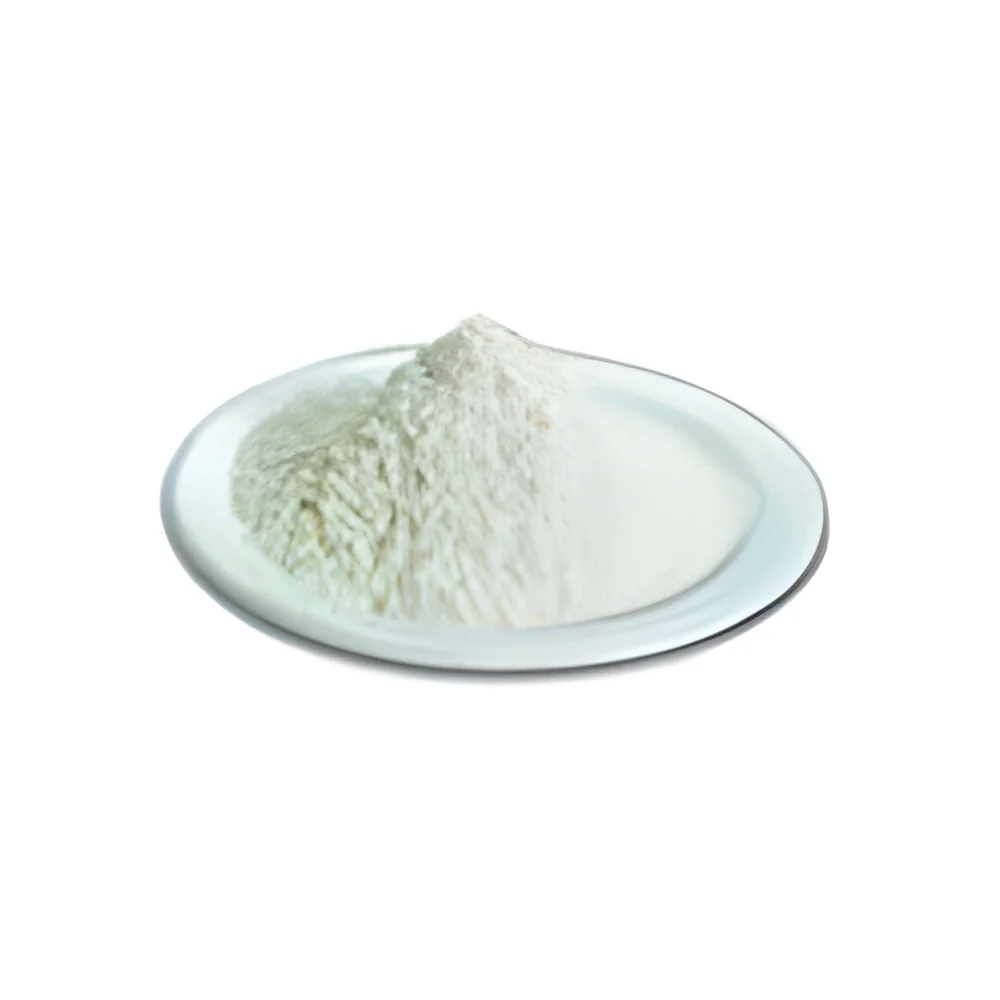
What are Metal Cans Raw Material?
Metal cans raw material refers to the primary materials used in the manufacturing of metal cans. These materials typically include aluminum and steel, which are processed to create the cans used in various industries for packaging products. The raw materials are chosen for their durability, resistance to corrosion, and ability to preserve the contents effectively.
The primary uses of metal cans include packaging food, beverages, chemicals, and personal care products. Businesses across consumer goods, pharmaceuticals, and industrial sectors rely on metal cans due to their strength and recycling capabilities. The market for metal cans is expanding, driven by increased demand for sustainable packaging solutions and the growth of the beverage industry.
The industry relevance of metal cans raw material is significant, especially in the context of sustainability and environmental impact. As companies seek to reduce their carbon footprint, metal cans have emerged as a preferred choice due to their recyclability and lower energy consumption in production compared to other packaging materials.
Key Features and Specifications
When considering metal cans raw material, understanding its features and specifications is crucial for ensuring quality and suitability for specific applications.
Key specifications include:
1. Material Type
- Commonly used materials are aluminum and steel.
- Aluminum cans are lightweight, while steel cans are robust and suitable for heavy products.
2. Thickness
- Thickness can vary based on application needs.
- Typical ranges for aluminum cans are 0.2 mm to 0.5 mm, while steel cans may range from 0.3 mm to 0.7 mm.
3. Coating
- Internal and external coatings are applied to prevent corrosion and contamination.
- Coatings are often epoxy-based or polymer-based for food safety.
4. Surface Finish
- Surface finish can affect printability and aesthetics.
- Options include matte, gloss, or embossed finishes.
5. Weight
- Weight specifications depend on size and material choice.
- Lightweight cans reduce shipping costs and environmental impact.
6. Compatibility with Contents
- Material must be compatible with the product being stored.
- Special formulations may be required for acidic or organic products.
7. Recycling Capability
- Metal cans are fully recyclable, making them an environmentally friendly option.
- Recycling processes can reclaim 95% of the material.
8. Compliance with Standards
- Must meet industry standards for safety and quality, such as CE certification.
These specifications ensure that businesses can select the right metal cans raw material to meet their operational needs and contribute to sustainability.
Common Applications and Use Cases
Metal cans raw material serves various industries that require effective packaging solutions.
1. Food and Beverage: Metal cans are widely used for packaging soft drinks, beers, and canned foods, preserving freshness and flavor.
2. Pharmaceuticals: Cans are employed for packaging medicines and supplements, providing airtight seals that protect contents from contamination.
3. Chemicals: Industries use metal cans for storing and transporting hazardous chemicals, ensuring safety and compliance with regulations.
4. Personal Care: Products such as sprays and creams are often packaged in metal cans for durability and ease of use.
5. Automotive: Metal cans are utilized for storing oils and lubricants, offering protection from environmental factors.
6. Household Goods: Items like cleaning products and paints benefit from the strength and safety of metal can packaging.
7. Industrial Products: Metal cans are often used for heavy-duty materials, ensuring secure storage and transport.
Product Variants and Subcategories
Metal cans raw material includes a range of variants to meet diverse needs.
Aluminum Cans
Aluminum cans are lightweight and resistant to corrosion, making them ideal for beverages and food products. Their recyclability makes them a sustainable choice for manufacturers focused on reducing environmental impact.
Steel Cans
Steel cans provide robust packaging solutions for heavy-duty applications. They are commonly used for products that require a strong barrier against external elements, such as chemicals and industrial goods.
Tinplate Cans
Tinplate cans are made from thin steel sheets coated with tin. They offer excellent corrosion resistance and are often used for food products, providing a safe and durable container.
Painted Cans
These cans have a painted exterior for branding and aesthetic purposes. They are commonly used in the personal care and household goods industries.
Benefits and Advantages
Sourcing metal cans raw material offers numerous benefits to businesses.
1. Durability: Metal cans provide strong protection for contents, reducing the risk of damage during transport and storage.
2. Sustainability: Metal cans are fully recyclable, allowing companies to contribute to environmental conservation.
3. Preservation: They offer excellent barrier properties, preserving the quality and freshness of products for extended periods.
4. Versatility: Metal cans can be used across different industries, from food to chemicals, and can accommodate various products.
5. Cost-Effectiveness: The lightweight nature of aluminum cans can lead to reduced shipping costs and improved efficiency in logistics.
6. Brand Visibility: Customizable surfaces allow for effective branding and marketing opportunities.
Buying Guide for B2B Buyers
When sourcing metal cans raw material, businesses should consider several key factors.
1. Quality Assessment: It is vital to evaluate the quality of raw materials based on industry standards and specific application requirements. Requesting samples for testing can ensure that the materials meet quality expectations.
2. Supplier Verification: Vetting suppliers is essential for ensuring reliability and quality. Look for suppliers with a proven track record and positive customer feedback.
3. Pricing and MOQ: Understand the pricing structure and minimum order quantities (MOQ) to align with budget and production needs. Compare quotes from multiple suppliers to ensure competitive pricing.
4. Delivery and Lead Times: Assess the supplier's ability to meet delivery timelines. Timely delivery is crucial for maintaining production schedules.
5. Compliance Requirements: Ensure that the raw materials meet regulatory standards for safety and quality. Familiarize yourself with any certifications required for your industry.
Compliance and Certifications
Metal cans raw material must adhere to several quality standards and certifications to ensure safety and reliability.
Relevant quality standards include ISO 9001 for quality management systems, ensuring consistent quality in production processes. HACCP (Hazard Analysis Critical Control Point) guidelines are essential for food packaging, ensuring that materials are safe for consumer use.
Industry certifications, such as CE marking, indicate compliance with European safety standards, providing assurance to buyers about the product's safety and quality.
Safety and testing requirements are critical, especially for food and pharmaceutical applications. Products must be tested for chemical leaching and contamination to ensure they do not pose any health risks.
Regional compliance considerations may also vary, requiring businesses to be aware of specific regulations in different markets, especially when exporting or importing metal cans raw material.
Why Source Metal Cans Raw Material from Pepagora?
Pepagora provides a trusted platform for sourcing metal cans raw material with several key advantages.
Verified Supplier Network: Pepagora connects businesses with a robust network of verified suppliers, ensuring that buyers can source high-quality materials with confidence. Each supplier undergoes a rigorous verification process to guarantee reliability.
Streamlined RFQ Process: The platform offers an efficient Request for Quotation (RFQ) system, allowing buyers to quickly compare prices and specifications from multiple suppliers. This streamlined process saves time and simplifies purchasing decisions.
Trade Assurance and Support: Pepagora prioritizes buyer protection, offering trade assurance features that safeguard transactions. This support gives buyers peace of mind and encourages secure business dealings.
Regional Coverage: With a strong presence in India, the GCC, and Southeast Asia, Pepagora provides extensive regional coverage, making it easier for businesses to connect with local suppliers and access materials in their geographic area. This coverage enhances logistics efficiency and reduces lead times for procurement.

 IN
IN