
 IN
Caps & Closure Moulding Materials
6 products available
What are Caps & Closure Moulding Materials?
Caps and closure moulding materials are specialized substances used in the production of caps, lids, and other types of closures for various containers. These materials are designed to provide a secure seal, ensuring the contents of the container remain safe and uncontaminated. They are typically made from plastics, such as polypropylene and polyethylene, which are molded into specific shapes and sizes according to industry requirements.
These materials find extensive use across multiple sectors, including food and beverage, pharmaceuticals, personal care, and household products. Businesses rely on caps and closure moulding materials for their ability to provide tamper-proof seals, maintain product integrity, and enhance shelf life. As consumer safety and quality assurance become increasingly critical, the demand for reliable moulding materials continues to grow in relevance.
In the current market context, the caps and closure moulding materials industry is witnessing a surge due to heightened awareness about packaging sustainability and safety. Companies are now focusing on eco-friendly materials and innovative designs to cater to evolving consumer preferences. This sector is poised for growth as manufacturers seek to enhance product packaging through high-quality moulding solutions.
Key Features and Specifications
Caps and closure moulding materials come with a variety of features and specifications that cater to different industrial needs. Understanding these attributes is crucial for selecting the right materials for specific applications.
Key specifications include:
1. Material Composition
- Typically made from plastics like polypropylene and polyethylene
- Offers durability and resistance to chemicals
2. Seal Integrity
- Ensures airtight and leak-proof closures
- Maintains product freshness and safety
3. Customization Options
- Available in various shapes and sizes to fit diverse container types
- Can be tailored to meet specific branding requirements
4. Temperature Resistance
- Suitable for a wide range of temperatures based on product needs
- Ensures performance under various storage conditions
5. Compliance Standards
- Must meet industry certifications such as UL and CE
- Adheres to safety and regulatory requirements
6. Production Techniques
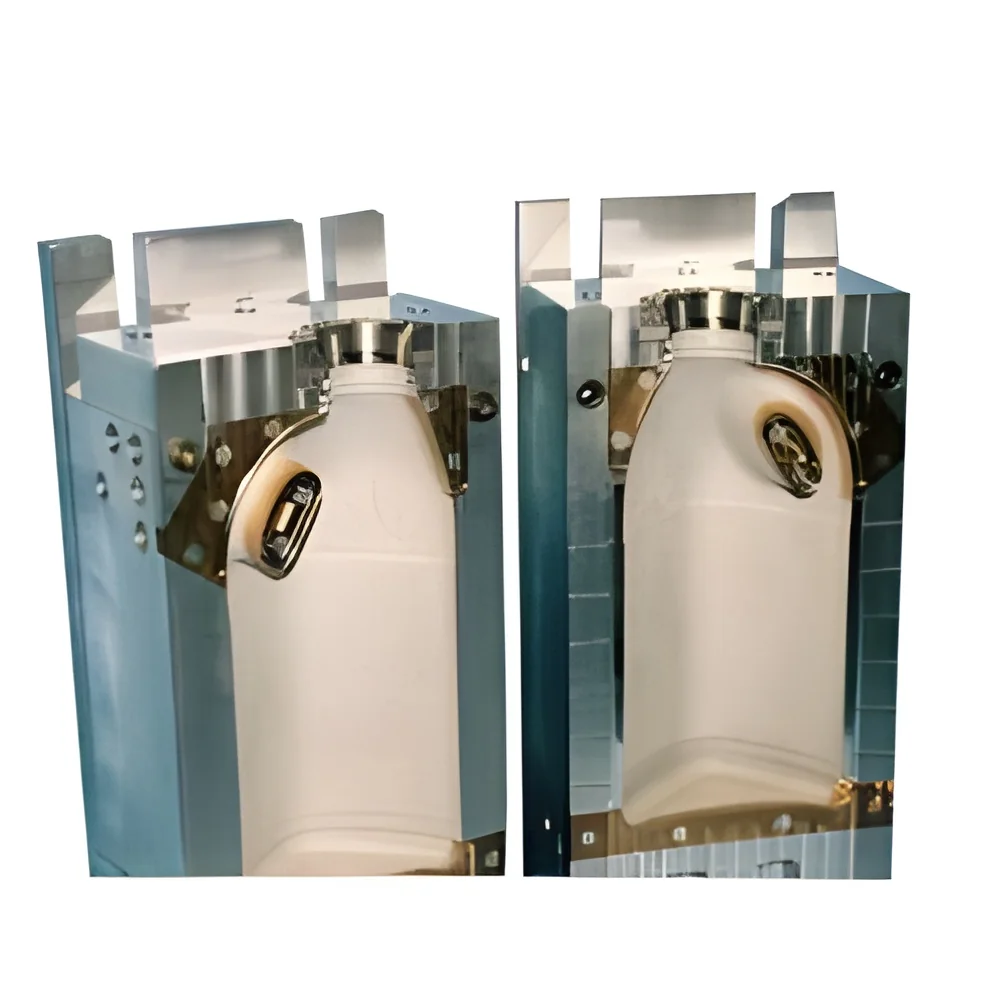
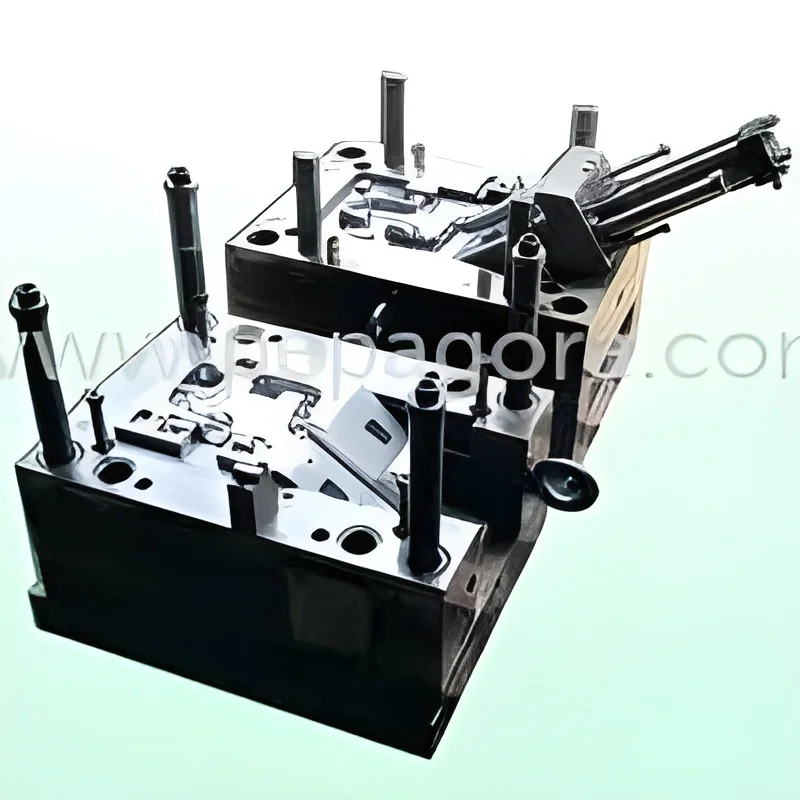
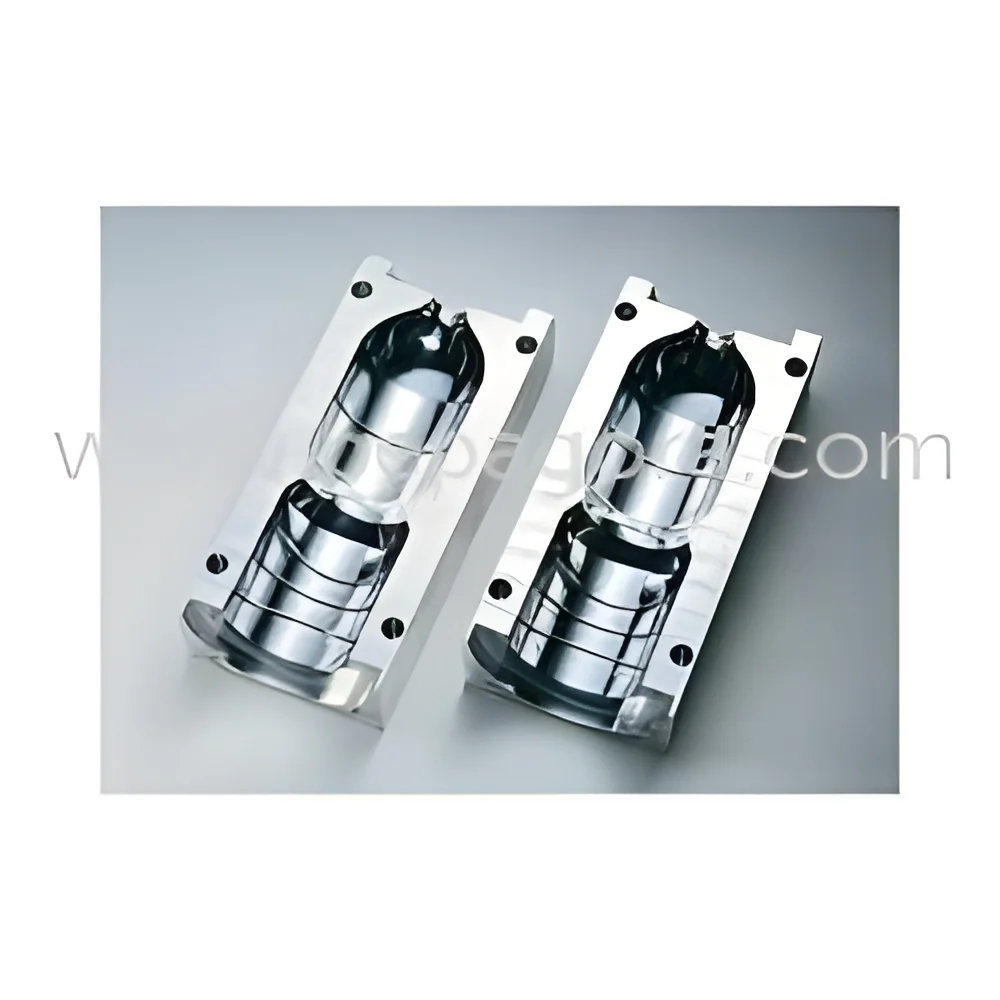
- Manufactured using injection moulding or blow moulding processes
- Allows for high-volume production efficiency
7. Design Flexibility
- Offers options for child-resistant and tamper-evident features
- Enhances user convenience and safety
8. Recyclability
- Increasing focus on sustainable materials that can be recycled
- Supports environmental initiatives and regulations
In summary, the key features and specifications of caps and closure moulding materials ensure that they meet the diverse needs of various industries while promoting safety and sustainability.
Common Applications and Use Cases
Caps and closure moulding materials are versatile and find application across numerous industries. Their ability to provide secure seals makes them essential in various contexts.
1. Food and Beverage: Used for sealing bottles, jars, and containers to maintain freshness and prevent contamination. These materials are critical in ensuring compliance with food safety standards.
2. Pharmaceuticals: Employed in packaging medicines and supplements, ensuring tamper-proof seals. They help protect sensitive products from environmental factors.
3. Personal Care: Used in cosmetic and hygiene product packaging. These closures enhance usability and protect products from external contaminants.
4. Household Products: Commonly found in cleaning supplies and other household chemicals. They help ensure safe storage and usage.
5. Industrial Applications: Used in packaging lubricants, adhesives, and other industrial fluids. These closures provide essential sealing properties to prevent leaks.
6. Cosmetics: Critical in packaging items such as lotions and creams, where a secure seal preserves product integrity and quality.
7. Nutraceuticals: Used in packaging dietary supplements, ensuring that products remain safe and effective for consumers.
Product Variants and Subcategories
Caps and closure moulding materials are available in various forms to meet different packaging needs. This diversity allows businesses to select the best option for their products.
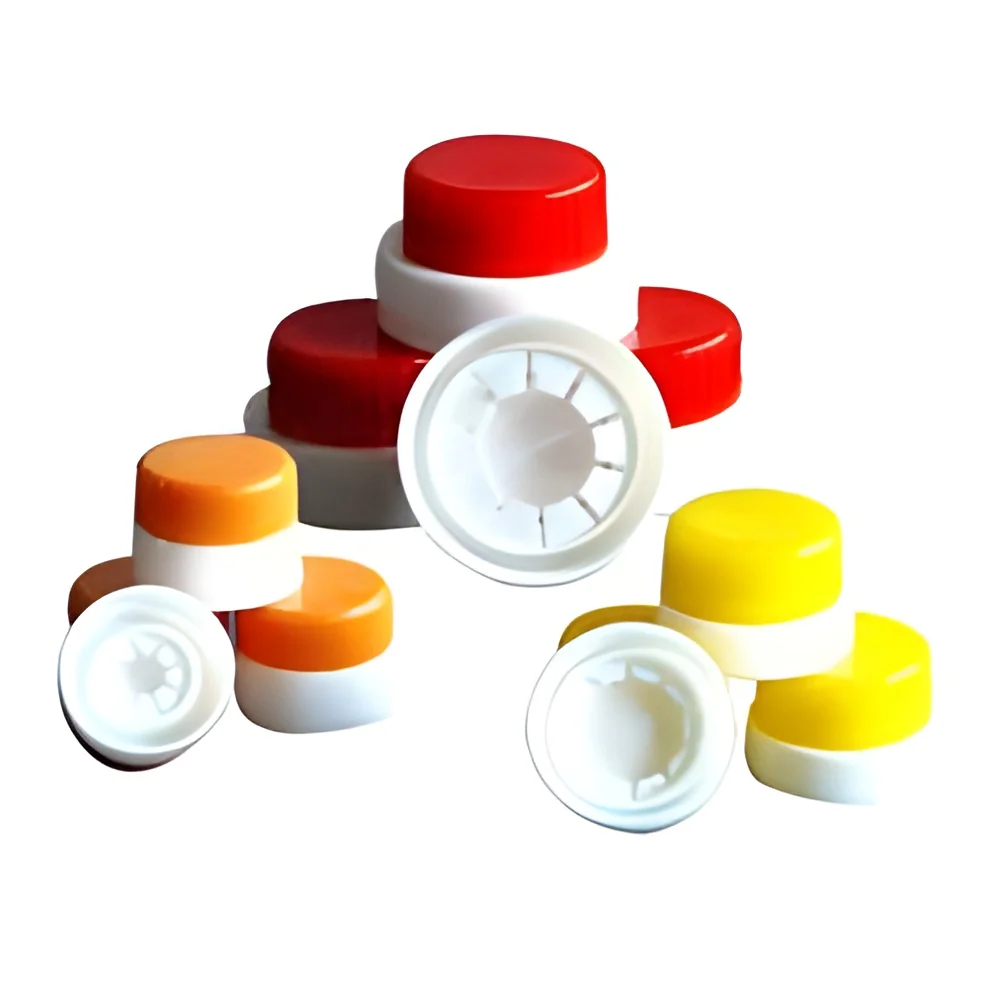
Standard Cap Types: These include screw caps, snap-on caps, and push-on caps. They offer ease of use and secure sealing for various container types.
Tamper-Evident Caps: Designed with special features to indicate if a product has been opened. These caps enhance consumer safety and confidence.
Child-Resistant Caps: Engineered to prevent children from accessing potentially harmful substances. They are essential for pharmaceutical and household product packaging.
Customized Caps: Tailored designs that meet specific branding and functional requirements. These caps can include logos, unique shapes, and colors.
Reusable Caps: Designed for multiple uses, enhancing sustainability and reducing waste. These caps are popular in beverage and food packaging.
Benefits and Advantages
Sourcing caps and closure moulding materials comes with numerous benefits that add value to businesses and their products.
Key benefits include:
1. Enhanced Product Safety: Provides secure seals that help protect product integrity from contamination and spoilage.
2. Increased Shelf Life: Helps maintain freshness and quality, contributing to longer product availability in the market.
3. Customization Potential: Offers options for tailored designs to meet specific branding and functional needs.
4. Compliance Assurance: Meets industry standards and certifications, ensuring regulatory compliance for various applications.
5. Sustainability Options: Availability of eco-friendly materials that support corporate responsibility and environmental initiatives.
6. Cost-Effectiveness: High-volume production capabilities reduce overall costs while maintaining quality and performance.
Buying Guide for B2B Buyers
When sourcing caps and closure moulding materials, it is essential for B2B buyers to consider several key factors to ensure they make informed decisions.
1. Quality Assessment: Evaluate the quality of materials by reviewing supplier certifications and product samples. Ensure that materials meet industry standards.
2. Supplier Verification: Conduct thorough research on potential suppliers. Check references, reviews, and their track record in the industry.
3. Pricing and MOQ: Understand pricing structures and minimum order quantities. This helps in budgeting and ensures you can meet production needs.
4. Delivery and Lead Times: Inquire about logistics and shipping times. Reliable delivery is crucial for maintaining production schedules.
5. Compliance Requirements: Be aware of relevant regulations and certifications. Ensure that the materials sourced comply with safety and quality standards.
Compliance and Certifications
Caps and closure moulding materials must adhere to a range of compliance and certification standards to ensure safety and quality across various applications. Key quality standards include ISO 9001, which focuses on quality management systems and continuous improvement. This certification assures businesses that the products they are sourcing meet stringent quality requirements.
Industry certifications such as UL and CE indicate that products comply with safety regulations and have undergone rigorous testing. These certifications are crucial for businesses in regulated industries, including food and pharmaceuticals, where safety is paramount.
Additionally, safety and testing requirements must be met to ensure that caps and closure materials do not adversely affect the contents they seal. Regional compliance considerations also play a crucial role, as different countries may have specific regulations governing packaging materials.
Why Source Caps & Closure Moulding Materials from Pepagora?
Pepagora provides a trusted platform for sourcing caps and closure moulding materials, offering several key advantages that benefit B2B buyers.
Verified Supplier Network: Pepagora connects buyers with a network of verified suppliers, ensuring that quality and reliability are prioritized. This network simplifies the sourcing process for businesses looking for high-quality materials.
Streamlined RFQ Process: The platform features an efficient Request for Quotation (RFQ) process that allows buyers to easily request quotes from multiple suppliers. This feature saves time and helps buyers compare options conveniently.
Trade Assurance and Support: Pepagora offers trade assurance measures that protect buyers from potential risks. This support fosters a secure purchasing environment, giving businesses peace of mind when sourcing products.
Regional Coverage: With a strong presence in India, the GCC, and Southeast Asia, Pepagora provides extensive geographic reach. This coverage ensures that businesses can access a diverse range of caps and closure moulding materials tailored to their regional needs.

Frequently Asked Questions
What are Caps & Closure Moulding Materials?
Caps & Closure Moulding Materials are raw materials used to manufacture caps and closures for various containers, including bottles and jars. These materials can include plastics, metals, and composites, depending on the application and desired properties of the final product.
What are the different types of Caps & Closure Moulding Materials?
The different types of Caps & Closure Moulding Materials include polyethylene (PE), polypropylene (PP), polyvinyl chloride (PVC), and various metal materials. Each type has unique properties such as flexibility, durability, and resistance to chemical exposure, making them suitable for specific applications.
How do I choose the right Caps & Closure Moulding Materials?
Choosing the right Caps & Closure Moulding Materials involves considering factors such as the type of container, the contents it will hold, and any regulatory requirements. Additionally, evaluating the material's compatibility with the product and its environmental impact is crucial.
What are the standard specifications for Caps & Closure Moulding Materials?
Standard specifications for Caps & Closure Moulding Materials typically include dimensions, weight, chemical resistance, and temperature tolerances. It is important to refer to relevant industry standards and guidelines to ensure compliance and performance.
What is the price range for Caps & Closure Moulding Materials?
The price range for Caps & Closure Moulding Materials can vary widely based on the material type, quantity, and supplier. Generally, prices may range from a few cents to several dollars per unit, depending on the specifications and customization options.
What quality standards apply to Caps & Closure Moulding Materials?
Quality standards for Caps & Closure Moulding Materials often include ISO certifications, FDA regulations for food safety, and other industry-specific standards. Ensuring that materials meet these quality standards is essential for safety and functionality.
Where can I find Caps & Closure Moulding Materials suppliers in India?
Caps & Closure Moulding Materials suppliers in India can be found through various B2B marketplaces, industry trade shows, and online directories. Platforms like Pepagora.com can help connect buyers with reputable manufacturers and suppliers.
Can Caps & Closure Moulding Materials be customized?
Yes, Caps & Closure Moulding Materials can be customized in terms of size, color, design, and material properties. Many manufacturers offer customization services to meet specific customer requirements and branding needs.
What is the typical minimum order quantity for Caps & Closure Moulding Materials?
The typical minimum order quantity (MOQ) for Caps & Closure Moulding Materials can vary depending on the supplier and the type of material. Generally, MOQs may range from a few hundred to several thousand units.
What is the typical lead time for Caps & Closure Moulding Materials?
The typical lead time for Caps & Closure Moulding Materials can range from a few days to several weeks, depending on the supplier, customization requirements, and order volume. It is advisable to confirm lead times when placing an order.
Why Businesses Trust Pepagora
Thousands of companies trust Pepagora to source smarter and sell faster
Expand Your Sales Globally

Source Smarter,Grow Faster
