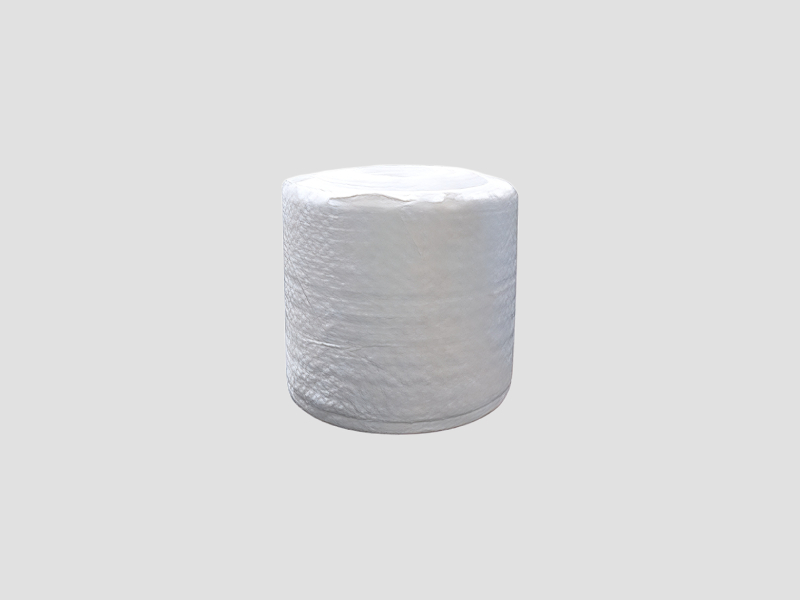
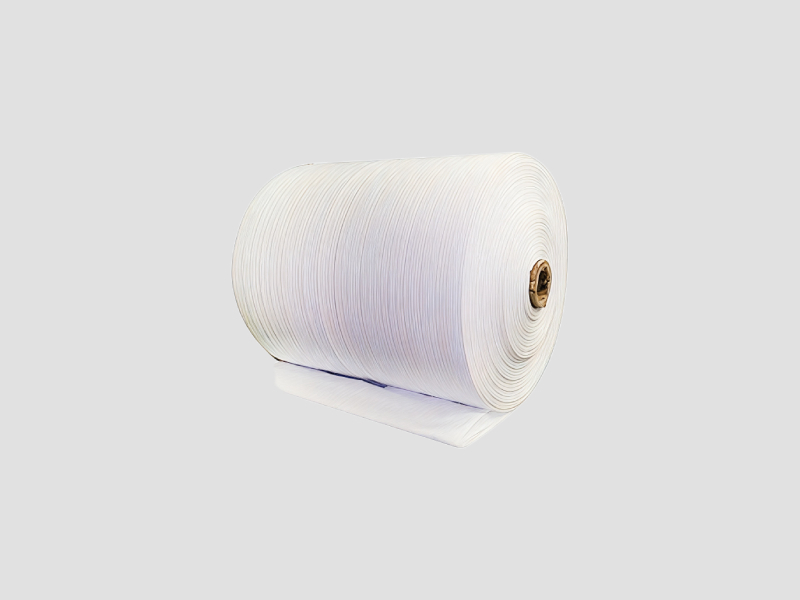
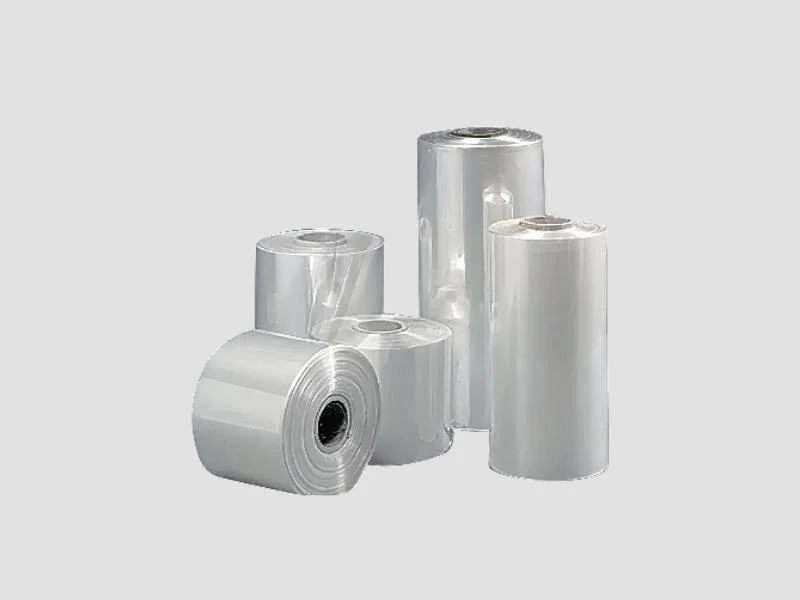
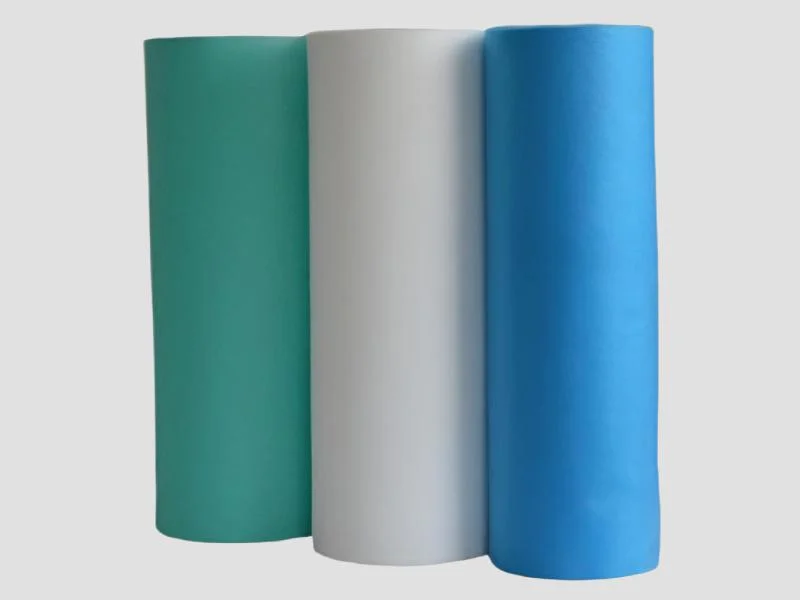
𝗪𝗵𝗮𝘁 𝗮𝗿𝗲 𝗪𝗼𝘃𝗲𝗻 & 𝗡𝗼𝗻-𝗪𝗼𝘃𝗲𝗻 𝗣𝗮𝗰𝗸𝗮𝗴𝗶𝗻𝗴 𝗙𝗮𝗯𝗿𝗶𝗰?
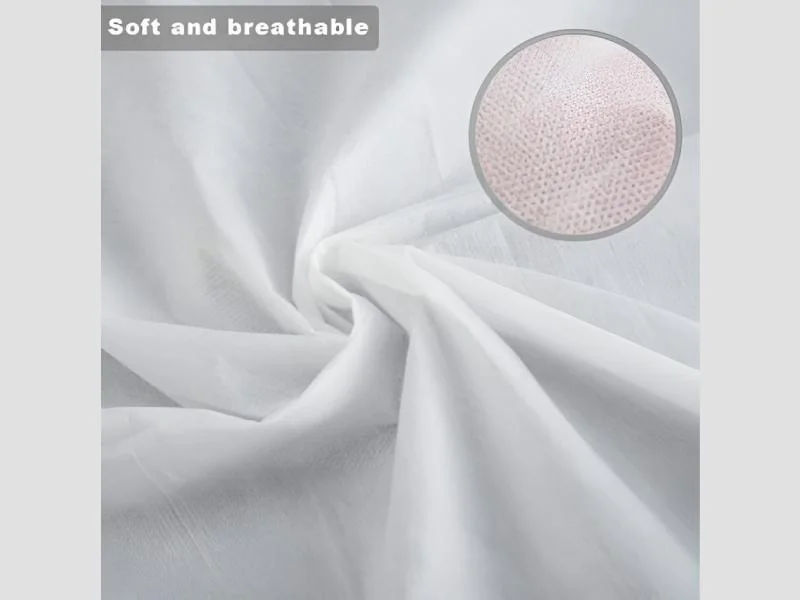
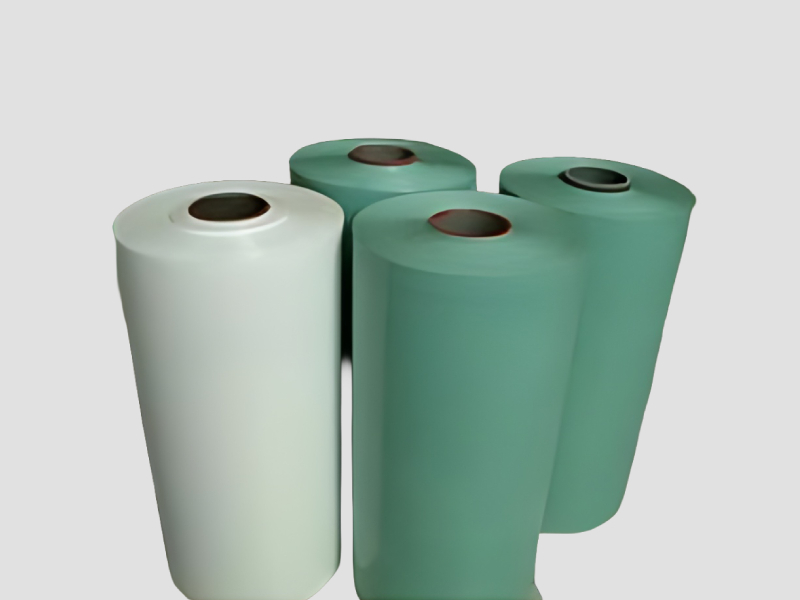
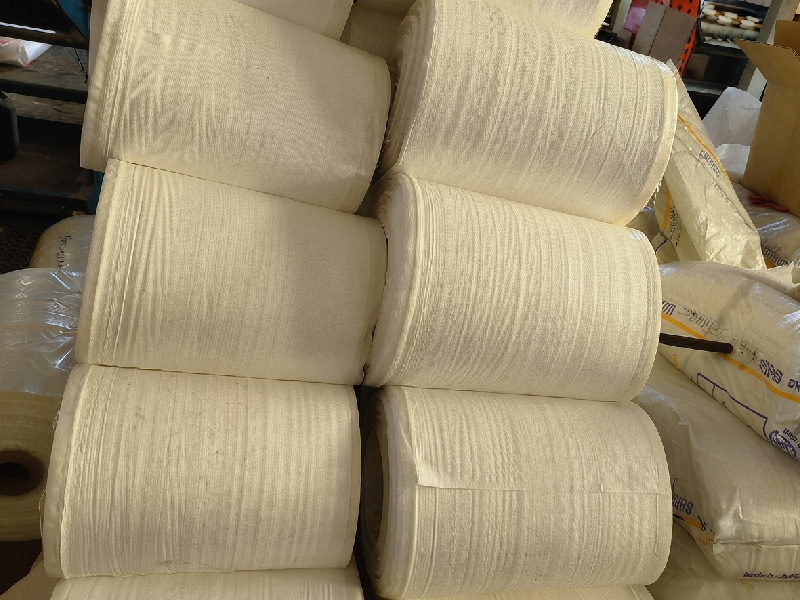
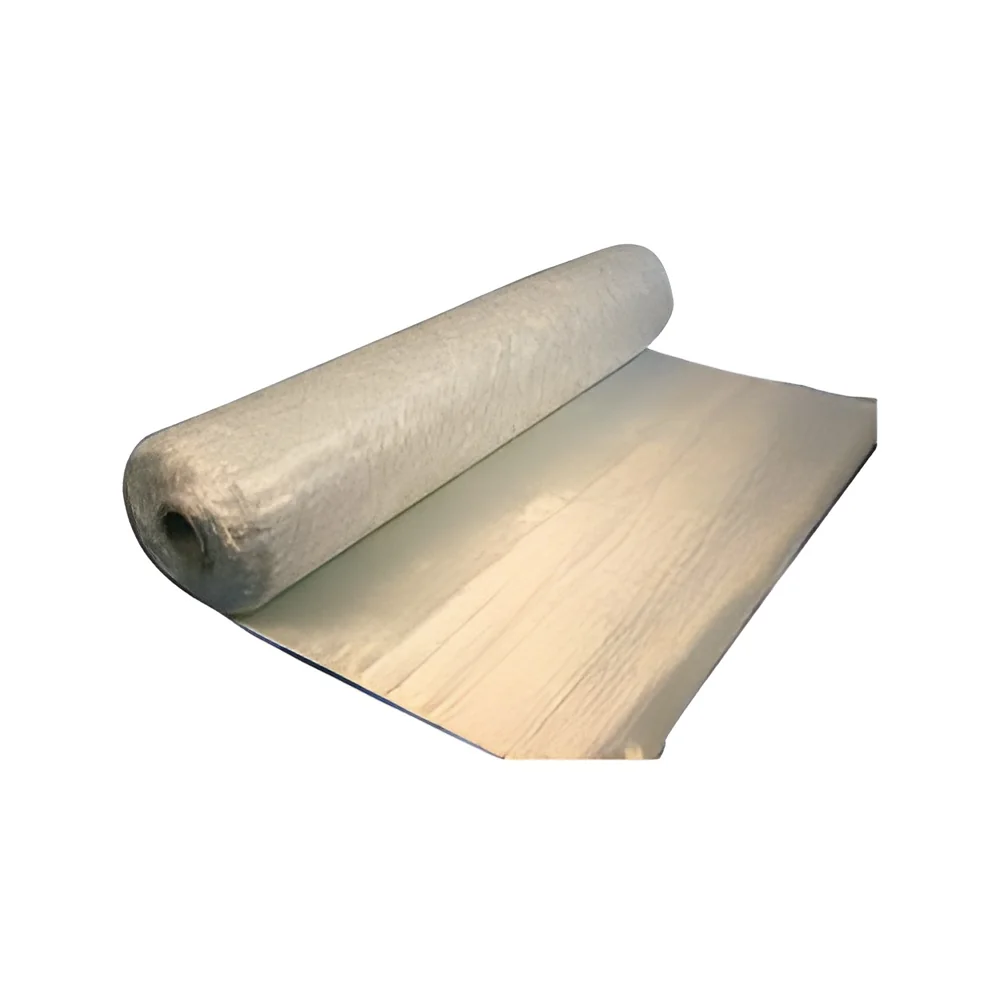
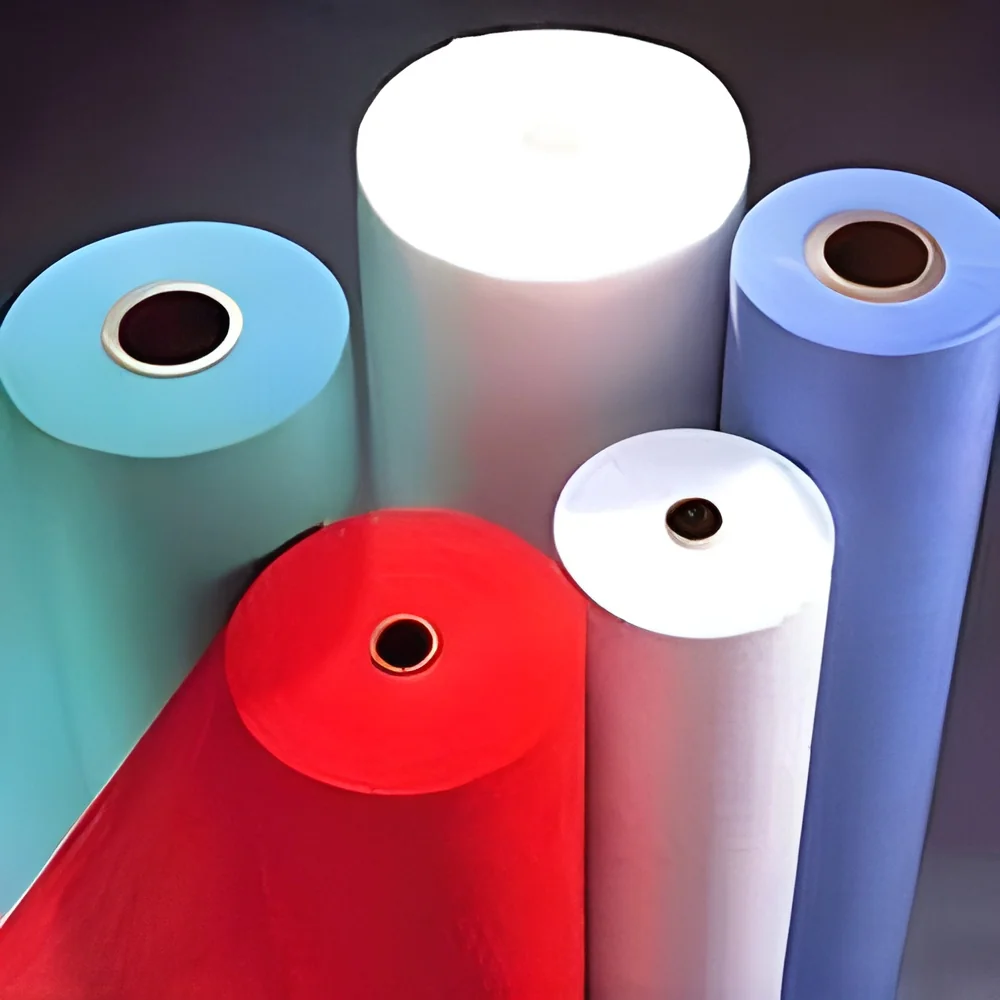
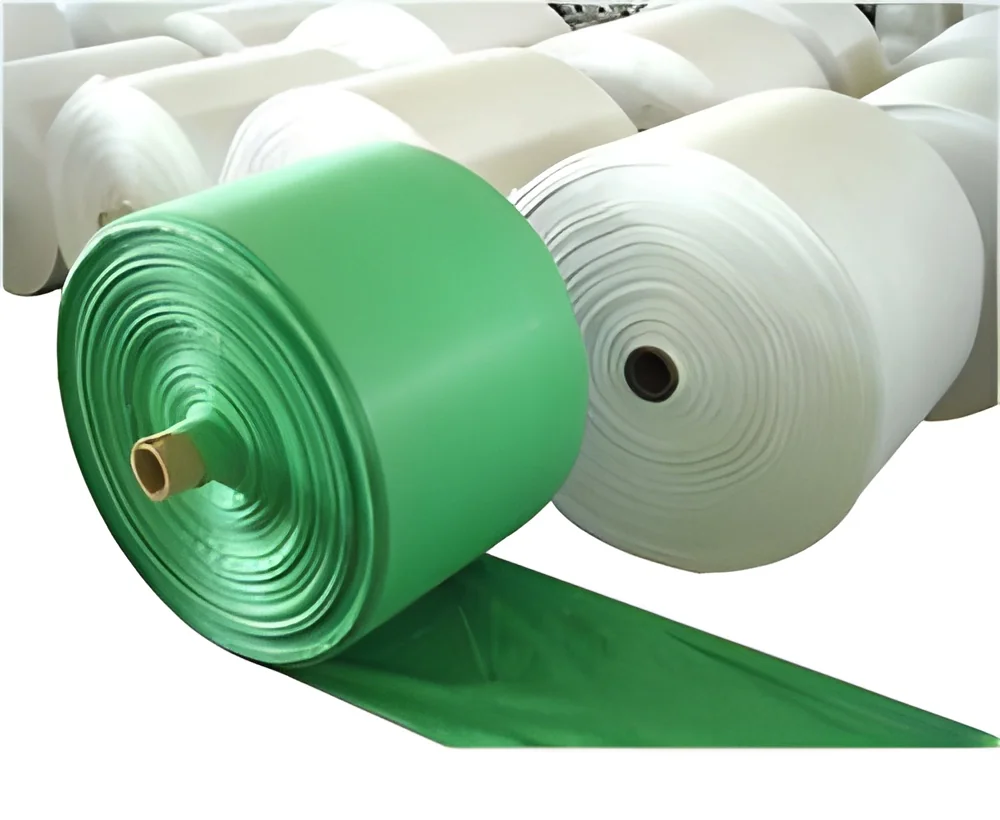
Woven and non-woven packaging fabrics are essential materials used in various industries for packaging, storage, and transportation applications. Woven fabrics are made from interlacing threads, which provides strength and durability, making them suitable for heavy-duty applications. Non-woven fabrics are created by bonding fibers together through mechanical, thermal, or chemical processes, resulting in lightweight and flexible materials that can be tailored for specific uses.
These fabrics find primary applications in sectors such as agriculture, food packaging, and construction. In agriculture, woven fabrics are often used for crop covers and bags, while non-woven fabrics serve as protective barriers against pests and environmental factors. In the food industry, these materials are utilized for bags, liners, and wraps, ensuring product safety and freshness. The versatility of woven and non-woven fabrics makes them relevant in a constantly evolving market, where sustainability and efficiency are becoming increasingly important.
As industries continue to grow and innovate, the demand for high-quality woven and non-woven packaging fabrics is expected to rise. Manufacturers are focusing on developing eco-friendly alternatives to traditional packaging materials, which further enhances the market's relevance. The increasing emphasis on sustainable practices across various sectors ensures that woven and non-woven fabrics will remain a key component of modern packaging solutions.
𝗞𝗲𝘆 𝗙𝗲𝗮𝘁𝘂𝗿𝗲𝘀 𝗮𝗻𝗱 𝗦𝗽𝗲𝗰𝗶𝗳𝗶𝗰𝗮𝘁𝗶𝗼𝗻𝘀
Woven and non-woven packaging fabrics offer a range of features that cater to diverse industrial needs. These materials are engineered to provide durability, flexibility, and protection, making them suitable for various applications.
Key specifications include:
1. Material Composition
- Typically made from polypropylene, polyethylene, or polyester.
- Can be produced from recycled materials for sustainable options.
2. Weight
- Available in various weights, typically ranging from 30 to 300 grams per square meter (gsm).
- Heavier weights provide increased strength for heavy-duty applications.
3. UV Resistance
- Many woven fabrics are treated for UV resistance, extending their lifespan outdoors.
- Non-woven options may also offer UV protection, depending on the manufacturing process.
4. Breathability
- Non-woven fabrics generally provide better breathability, suitable for food packaging.
- Woven fabrics are less breathable but offer superior strength.
5. Tear Resistance
- Woven fabrics usually exhibit higher tear resistance, ideal for transporting heavy goods.
- Non-woven fabrics may have moderate tear resistance based on their fiber composition.
6. Customization Options
- Both woven and non-woven fabrics can be customized in terms of color, size, and printing.
- Custom options allow businesses to promote their brand effectively.
7. Environmental Impact
- Many manufacturers focus on eco-friendly production methods.
- Recyclable and biodegradable options are available.
8. Compliance Standards
- Fabrics can be produced to meet specific industry standards, including safety and hygiene.
These specifications highlight the adaptability and functionality of woven and non-woven packaging fabrics in various sectors.
𝗖𝗼𝗺𝗺𝗼𝗻 𝗔𝗽𝗽𝗹𝗶𝗰𝗮𝘁𝗶𝗼𝗻𝘀 𝗮𝗻𝗱 𝗨𝘀𝗲 𝗖𝗮𝘀𝗲𝘀
Woven and non-woven packaging fabrics serve a wide range of industries, each with unique applications.
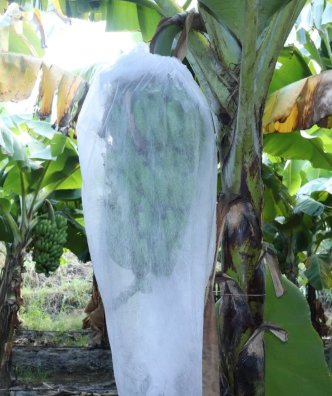
1. Agriculture: Woven fabrics are used for crop covers, bags, and tarps to protect plants from environmental stressors. Non-woven options are often used as weed control fabrics and protective coverings.
2. Food Packaging: Non-woven fabrics are utilized for food bags and liners, ensuring product safety while maintaining breathability. Woven fabrics can also serve as bulk food packaging solutions.
3. Construction: Woven fabrics are commonly used for safety nets, tarps, and bulk sacks for construction materials. Non-woven fabrics may be employed as geotextiles for soil stabilization.
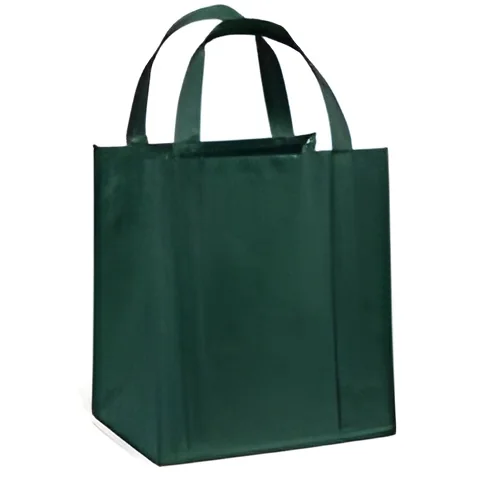
4. Retail: Non-woven bags are popular in retail as reusable shopping bags, providing a sustainable alternative to plastic bags. Woven shopping bags are also utilized for their durability.
5. Healthcare: Non-woven fabrics are widely used in medical packaging and disposable items like gowns and masks, ensuring hygiene and safety in medical environments.
6. Textile Industry: Both woven and non-woven fabrics serve as raw materials for various textile applications, including upholstery and insulation products.
7. Automotive: Non-woven fabrics are used in vehicle interiors, including soundproofing and insulation materials. Woven fabrics may be employed for seat covers and upholstery.
𝗣𝗿𝗼𝗱𝘂𝗰𝘁 𝗩𝗮𝗿𝗶𝗮𝗻𝘁𝘀 𝗮𝗻𝗱 𝗦𝘂𝗯𝗰𝗮𝘁𝗲𝗴𝗼𝗿𝗶𝗲𝘀
Woven and non-woven packaging fabrics come in various types, each designed for specific uses and industries. The diversity of options allows businesses to choose the best fit for their needs.
Woven Fabric Bags
These bags are strong and durable, suitable for heavy-duty applications. They are commonly used for agricultural products and bulk packaging.
Non-Woven Fabric Bags
Lightweight and flexible, non-woven fabric bags are ideal for retail environments. They are often reusable and promote eco-friendly practices.
Woven Tarps
These are heavy-duty covers used in construction and outdoor applications. They provide excellent weather resistance and durability.
Non-Woven Geotextiles
Used in civil engineering, these fabrics offer soil stabilization and erosion control. They are designed to be permeable while providing support.
𝗕𝗲𝗻𝗲𝗳𝗶𝘁𝘀 𝗮𝗻𝗱 𝗔𝗱𝘃𝗮𝗻𝘁𝗮𝗴𝗲𝘀
Woven and non-woven packaging fabrics provide numerous advantages for businesses seeking reliable packaging solutions.
Key benefits include:
1. Durability: Woven fabrics offer high strength, making them suitable for heavy loads, while non-woven fabrics provide flexibility for various applications.
2. Cost-Effectiveness: Both fabric types can be produced at a lower cost compared to traditional materials, providing economical solutions.
3. Customization: Woven and non-woven fabrics can be tailored to meet specific branding and functional requirements, enhancing user experience.
4. Eco-Friendliness: Many options are made from recyclable materials, promoting sustainability in packaging.
5. Lightweight: Non-woven fabrics are particularly lightweight, reducing shipping costs and making them easy to handle.
6. Versatility: These fabrics can be used across multiple industries, making them a flexible choice for businesses with diverse needs.
𝗕𝘂𝘆𝗶𝗻𝗴 𝗚𝘂𝗶𝗱𝗲 𝗳𝗼𝗿 𝗕𝟮𝗕 𝗕𝘂𝘆𝗲𝗿𝘀
When sourcing woven and non-woven packaging fabrics, several factors should be considered to ensure the right selection for your business.
1. Quality Assessment: Evaluate the quality of materials used in the fabrics. Look for certifications that ensure compliance with industry standards.
2. Supplier Verification: Vet potential suppliers by checking their reputation, customer reviews, and history of service. Establish relationships with reliable manufacturers.
3. Pricing and MOQ: Understand pricing structures, including minimum order quantities (MOQ). Compare offers to ensure competitive pricing.
4. Delivery and Lead Times: Confirm delivery schedules and lead times to ensure timely procurement of materials. This is critical for maintaining production timelines.
5. Compliance Requirements: Be aware of any regulatory needs specific to your industry. Ensure that the fabrics meet necessary safety and quality standards.
𝗖𝗼𝗺𝗽𝗹𝗶𝗮𝗻𝗰𝗲 𝗮𝗻𝗱 𝗖𝗲𝗿𝘁𝗶𝗳𝗶𝗰𝗮𝘁𝗶𝗼𝗻𝘀
Woven and non-woven packaging fabrics must adhere to several compliance standards and certifications to ensure safety and quality.
ISO 9001 is a widely recognized quality management standard that ensures manufacturers maintain high quality in their production processes. Compliance with this standard indicates that the supplier follows a systematic approach to quality control.
HACCP (Hazard Analysis Critical Control Point) certification is essential for food packaging materials. It ensures that the materials used do not pose any risk to food safety during storage and transportation.
CE marking is a certification that indicates compliance with European safety standards. It is essential for products entering the European market, ensuring they meet health and safety requirements.
In addition to these certifications, manufacturers should consider regional compliance requirements based on the markets they serve. This may involve adhering to specific environmental regulations or safety standards relevant to the local industry.
𝗪𝗵𝘆 𝗦𝗼𝘂𝗿𝗰𝗲 𝗪𝗼𝘃𝗲𝗻 & 𝗡𝗼𝗻-𝗪𝗼𝘃𝗲𝗻 𝗣𝗮𝗰𝗸𝗮𝗴𝗶𝗻𝗴 𝗙𝗮𝗯𝗿𝗶𝗰 𝗳𝗿𝗼𝗺 𝗣𝗲𝗽𝗮𝗴𝗼𝗿𝗮?
Pepagora provides a trusted platform for sourcing woven and non-woven packaging fabrics with several key advantages that benefit B2B buyers.
Verified Supplier Network: Pepagora maintains a network of verified suppliers, ensuring that buyers can access high-quality products from reputable manufacturers. This reduces the risk associated with sourcing materials.
Streamlined RFQ Process: The platform offers an efficient request for quotation process, allowing buyers to easily compare prices and specifications from multiple suppliers. This simplifies procurement and decision-making.
Trade Assurance and Support: Pepagora offers trade assurance to protect buyers' investments, ensuring that transactions are secure and supported. This level of protection builds trust in the sourcing process.
Regional Coverage: With a focus on regions such as India, the GCC, and Southeast Asia, Pepagora connects buyers with local suppliers. This enhances accessibility and reduces lead times for procurement.
By choosing Pepagora, businesses can streamline their sourcing process and ensure they receive high-quality woven and non-woven packaging fabrics tailored to their needs.

 IN
IN