
 IN
Drum & Jerry Can Raw Material
5 products available
What are Drum & Jerry Can Raw Material?
Drum and Jerry Can raw materials are essential components used in the manufacturing of storage containers designed to hold liquids and various substances. These materials are typically made from high-density polyethylene (HDPE), which is known for its durability, resistance to chemicals, and ability to withstand varying environmental conditions. The manufacturing process involves sourcing high-quality polymers that can be molded into specific shapes and sizes to meet industrial standards.
The primary uses of Drum and Jerry Can raw materials span across multiple sectors, including chemicals, pharmaceuticals, food and beverages, and industrial applications. These containers are crucial for safely storing and transporting liquids, preventing leaks and contamination. Given their versatility, they are employed in a wide range of business applications, from bulk liquid storage to retail packaging solutions. The demand for these materials aligns with the growth of the logistics and supply chain sectors, which require reliable packaging solutions.
In today's market, the relevance of Drum and Jerry Can raw materials is underscored by the increasing emphasis on sustainable practices. Industries are actively seeking eco-friendly packaging solutions that meet stringent regulations while ensuring safety and efficiency. As companies strive to enhance their supply chain sustainability, the demand for high-quality raw materials continues to grow, making it an important area for investment and development.
Key Features and Specifications
Drum and Jerry Can raw materials possess several essential features that make them suitable for various applications. They are designed to meet industry standards and provide reliable performance in challenging environments. Key specifications include:
1. Material Composition
- Primarily made from high-density polyethylene (HDPE)
- Offers excellent chemical resistance and durability
2. Container Sizes
- Available in various sizes, typically ranging from 1 liter to 220 liters
- Custom sizes can be manufactured based on client specifications
3. Weight Capacity
- Designed to hold varying weights depending on the size and thickness
- Standard weight capacities can range from 1 kg to over 200 kg
4. Temperature Resistance
- Capable of withstanding a wide temperature range
- Suitable for both freezing and high-temperature environments
5. UV Resistance
- Many formulations include UV stabilizers
- Protects contents from degradation due to sunlight exposure
6. Leak-Proof Design
- Engineered to prevent leakage and spills
- Ensures safe transportation and storage of liquids
7. Recyclability
- Made from recyclable materials
- Supports environmental sustainability efforts
8. Compliance with Standards
- Manufactured to meet specific industry standards, such as CE certification
- Adheres to safety and quality requirements based on regional regulations
These features collectively ensure that Drum and Jerry Can raw materials are effective and reliable for various industrial applications.
Common Applications and Use Cases
Drum and Jerry Can raw materials find applications across several industries due to their versatility and reliability.
1. Chemical Industry: These containers are used for storing hazardous and non-hazardous chemicals, providing secure packaging for transportation and storage.
2. Pharmaceutical Sector: They serve as critical components for packaging pharmaceutical liquids, ensuring compliance with health and safety standards.
3. Food and Beverage Industry: Drum and Jerry Can materials are used to package oils, syrups, and other liquids, maintaining product integrity and safety.
4. Agriculture: These containers are employed for storing fertilizers and pesticides, offering weather resistance and durability.
5. Oil and Gas: They are essential for transporting and storing refined fuels and lubricants, ensuring safe handling of hazardous materials.
6. Construction: Used for storing and transporting construction liquids such as adhesives and sealants, ensuring quality control.
7. Logistics and Distribution: They play a pivotal role in supply chain management, facilitating the safe movement of liquids across various sectors.
Product Variants and Subcategories
There is a diverse range of Drum and Jerry Can raw materials available to cater to different industrial needs.
Standard Jerry Can
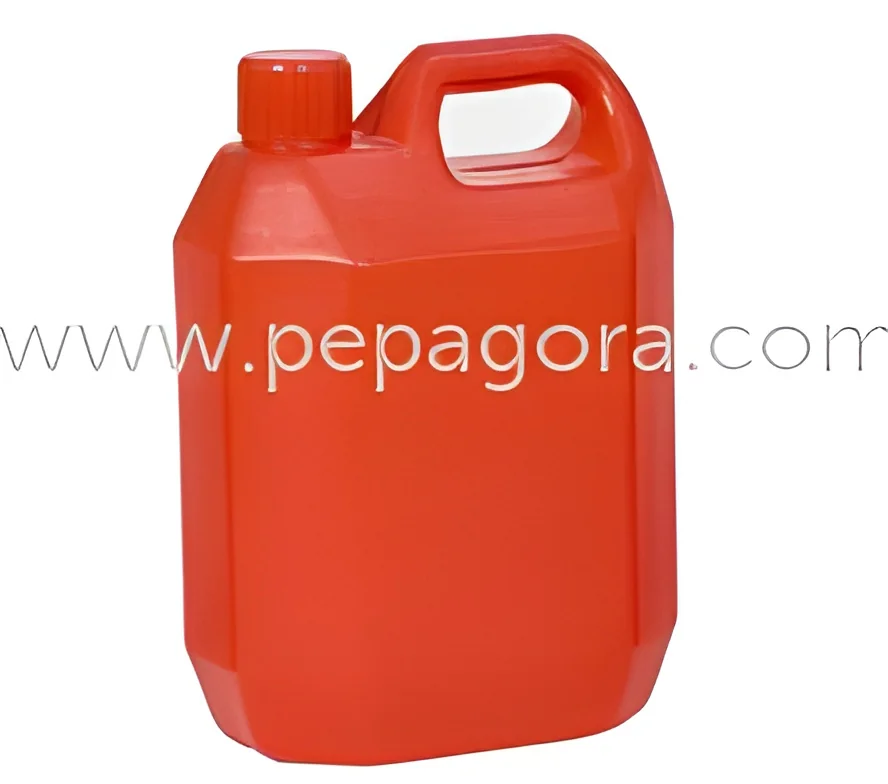
This variant is designed for general-purpose use, typically available in sizes ranging from 5 liters to 20 liters. It features a screw cap for easy pouring and is often used in the chemical and food sectors.
Heavy-Duty Drum
The heavy-duty drum variant is built for robustness, commonly used in industrial applications. These drums can hold larger volumes and are designed to withstand harsher conditions, making them ideal for chemicals and oil storage.
UN Certified Containers
These specialized containers are designed to meet UN regulations for the transport of hazardous materials. They provide extra safety features to mitigate risks during transportation.
Benefits and Advantages
Sourcing Drum and Jerry Can raw materials offers numerous benefits for businesses across various sectors.
1. Durability: The materials are designed to withstand harsh conditions, ensuring long-lasting performance and reducing replacement costs.
2. Chemical Resistance: They provide excellent protection against a wide range of chemicals, making them suitable for industrial applications.
3. Cost-Effectiveness: High-quality raw materials can lead to reduced waste and lower overall costs in packaging and transportation.
4. Environmental Sustainability: Many raw materials are recyclable, supporting companies in their environmental initiatives.
5. Versatility: The wide range of sizes and designs allows businesses to tailor solutions to their specific storage and transport needs.
6. Compliance Assurance: Sourcing from reputable suppliers ensures that materials meet necessary regulatory standards, minimizing legal risks.
Buying Guide for B2B Buyers
When sourcing Drum and Jerry Can raw materials, several critical factors should be considered to ensure optimal purchasing decisions.
1. Quality Assessment: Evaluate the quality of raw materials through certifications and supplier reputation. Quality should meet industry standards to ensure safety and performance.
2. Supplier Verification: Conduct thorough vetting of suppliers to confirm their reliability and capability to deliver consistent quality. Look for companies with a proven track record in the industry.
3. Pricing and MOQ: Understand the pricing structure and minimum order quantities (MOQ) that suppliers offer. This can impact overall budget and inventory management.
4. Delivery and Lead Times: Assess suppliers' logistics capabilities to ensure timely delivery. Consider lead times in your project planning to avoid disruptions.
5. Compliance Requirements: Verify that the materials comply with relevant regulations and standards. This is crucial for industries dealing with hazardous materials.
Compliance and Certifications
Compliance with industry standards and certifications is vital for Drum and Jerry Can raw materials.
ISO 9001 is a widely recognized quality management standard that ensures a consistent level of quality in products and services. Suppliers adhering to this standard demonstrate their commitment to quality and customer satisfaction.
HACCP (Hazard Analysis and Critical Control Points) is essential for food safety, particularly for materials used in the food and beverage sector. Compliance with HACCP ensures that the materials used do not compromise food safety.
CE certification indicates that products meet European safety, health, and environmental protection requirements. This certification provides assurance to buyers regarding the quality and safety of the materials.
Safety and testing requirements should also be in place to guarantee that the products can safely contain and transport various substances without risk of leakage or contamination.
Regional compliance considerations may vary, requiring businesses to stay updated on local regulations governing packaging materials, especially when dealing with hazardous substances.
Why Source Drum & Jerry Can Raw Material from Pepagora?
Pepagora offers a trusted platform for sourcing Drum and Jerry Can raw materials, providing several key advantages to buyers.
Verified Supplier Network: Pepagora connects buyers with a reliable network of verified suppliers. This ensures that buyers can source high-quality materials with confidence.
Streamlined RFQ Process: The request for quotation (RFQ) process is designed to be user-friendly and efficient. Buyers can easily submit their requirements and receive competitive quotes from multiple suppliers.
Trade Assurance and Support: Pepagora prioritizes buyer protection through trade assurance programs. This provides peace of mind regarding transactions and material quality.
Regional Coverage: With a strong presence in India, the Gulf Cooperation Council (GCC), and Southeast Asia, Pepagora offers extensive geographic reach, making it easy for businesses to source materials from multiple regions.
This comprehensive approach ensures that buyers have access to the best Drum and Jerry Can raw materials while maximizing their purchasing power.


Frequently Asked Questions
What are Drum & Jerry Can Raw Material?
Drum & Jerry Can Raw Material refers to the base materials used in the manufacturing of drums and jerry cans. These materials typically include high-density polyethylene (HDPE), polypropylene, and other polymers that provide strength and durability to the containers.
What are the different types of Drum & Jerry Can Raw Material?
The different types of Drum & Jerry Can Raw Material include HDPE, which is commonly used for its chemical resistance, and polypropylene, known for its toughness and flexibility. Additionally, some manufacturers may use specialized blends or additives to enhance properties such as UV resistance or impact strength.
How do I choose the right Drum & Jerry Can Raw Material?
Choosing the right Drum & Jerry Can Raw Material depends on the intended use of the containers, the type of substances they will hold, and environmental factors. Considerations such as chemical compatibility, temperature range, and regulatory requirements should be evaluated before making a selection.
What are the standard specifications for Drum & Jerry Can Raw Material?
Standard specifications for Drum & Jerry Can Raw Material often include parameters like density, melt flow index, and tensile strength. Additionally, manufacturers may adhere to industry standards such as ISO or ASTM to ensure consistency and reliability in their materials.
What is the price range for Drum & Jerry Can Raw Material?
The price range for Drum & Jerry Can Raw Material can vary based on the type of material, quality, and supplier. Generally, pricing may range from INR 60 to INR 150 per kilogram, depending on market conditions and bulk purchase agreements.
What quality standards apply to Drum & Jerry Can Raw Material?
Quality standards for Drum & Jerry Can Raw Material may include compliance with national and international regulations such as ISI, FDA, and REACH. Manufacturers often conduct tests for physical and chemical properties to ensure that the materials meet required safety and performance benchmarks.
Where can I find Drum & Jerry Can Raw Material suppliers in India?
You can find Drum & Jerry Can Raw Material suppliers in India through B2B marketplaces like Pepagora.com, industry trade shows, and online directories. Additionally, contacting manufacturers directly can provide insight into their product offerings and availability.
Can Drum & Jerry Can Raw Material be customized?
Yes, Drum & Jerry Can Raw Material can often be customized based on specific requirements such as color, additives, and physical properties. Many suppliers offer customization options to meet the unique needs of their clients.
What is the typical minimum order quantity for Drum & Jerry Can Raw Material?
The typical minimum order quantity (MOQ) for Drum & Jerry Can Raw Material varies by supplier and can range from 500 kg to several tons. It is advisable to check with individual suppliers for their specific MOQ requirements.
What is the typical lead time for Drum & Jerry Can Raw Material?
The typical lead time for Drum & Jerry Can Raw Material can range from 2 to 4 weeks, depending on the supplier's inventory and production capabilities. It is important to discuss lead times with suppliers to ensure timely delivery for your projects.
Why Businesses Trust Pepagora
Thousands of companies trust Pepagora to source smarter and sell faster
Expand Your Sales Globally

Source Smarter,Grow Faster
