What are Injection Molding Resins for Packaging?
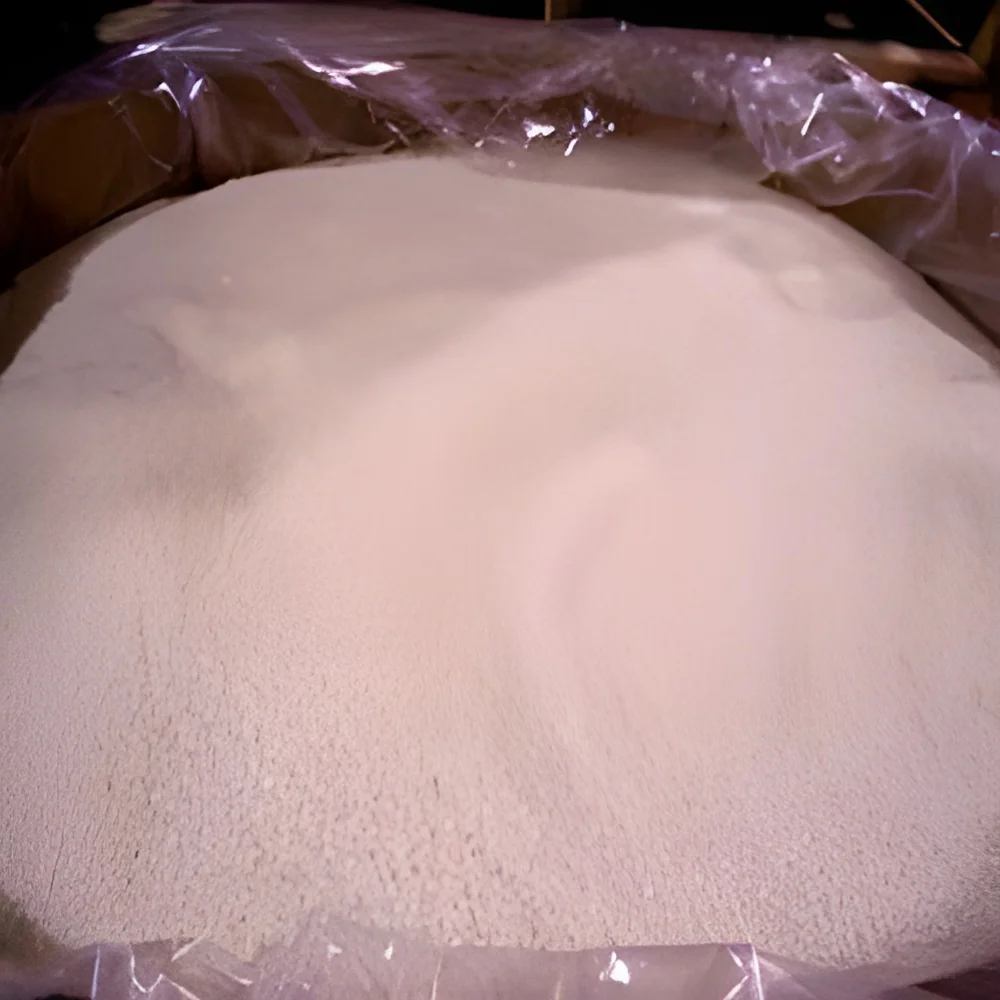
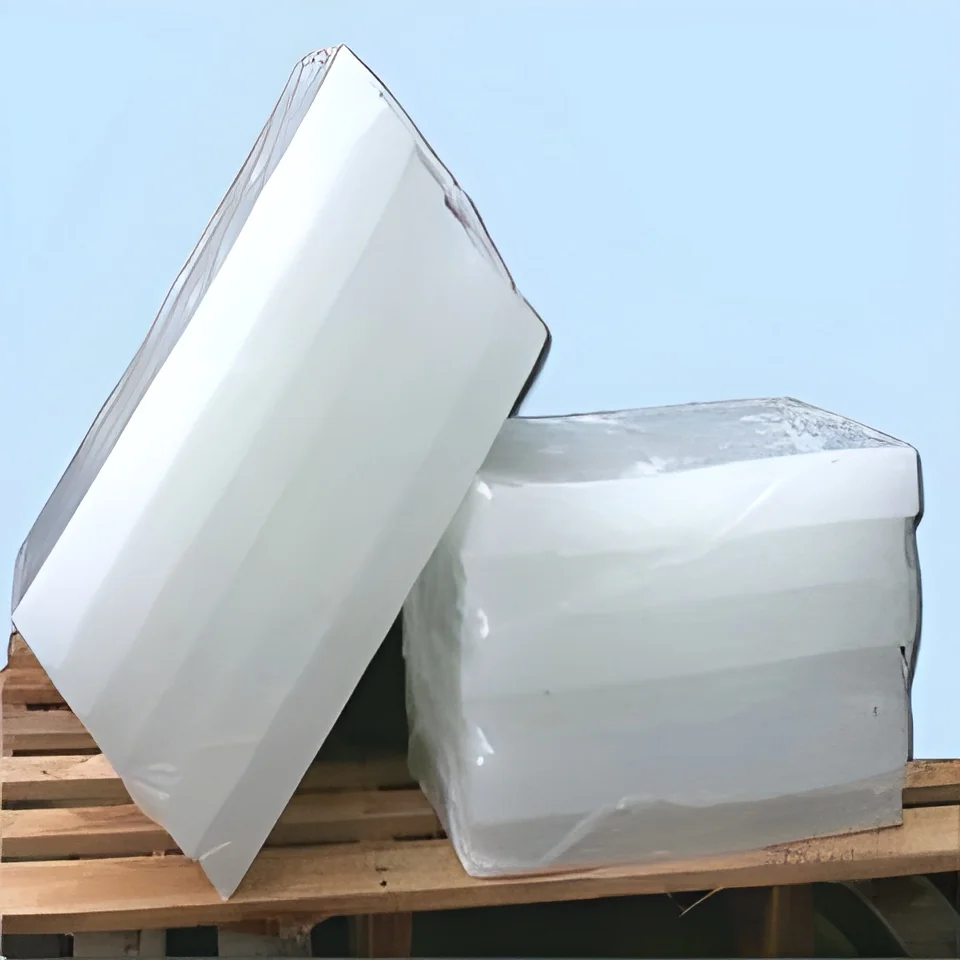
Injection molding resins for packaging are specialized thermoplastics designed for shaping various packaging products through the injection molding process. These resins are melted and injected into molds to create precise and repeatable shapes, ensuring high-quality packaging solutions. Common materials include polyethylene (PE), polypropylene (PP), and polystyrene (PS), each providing different properties suitable for specific applications.
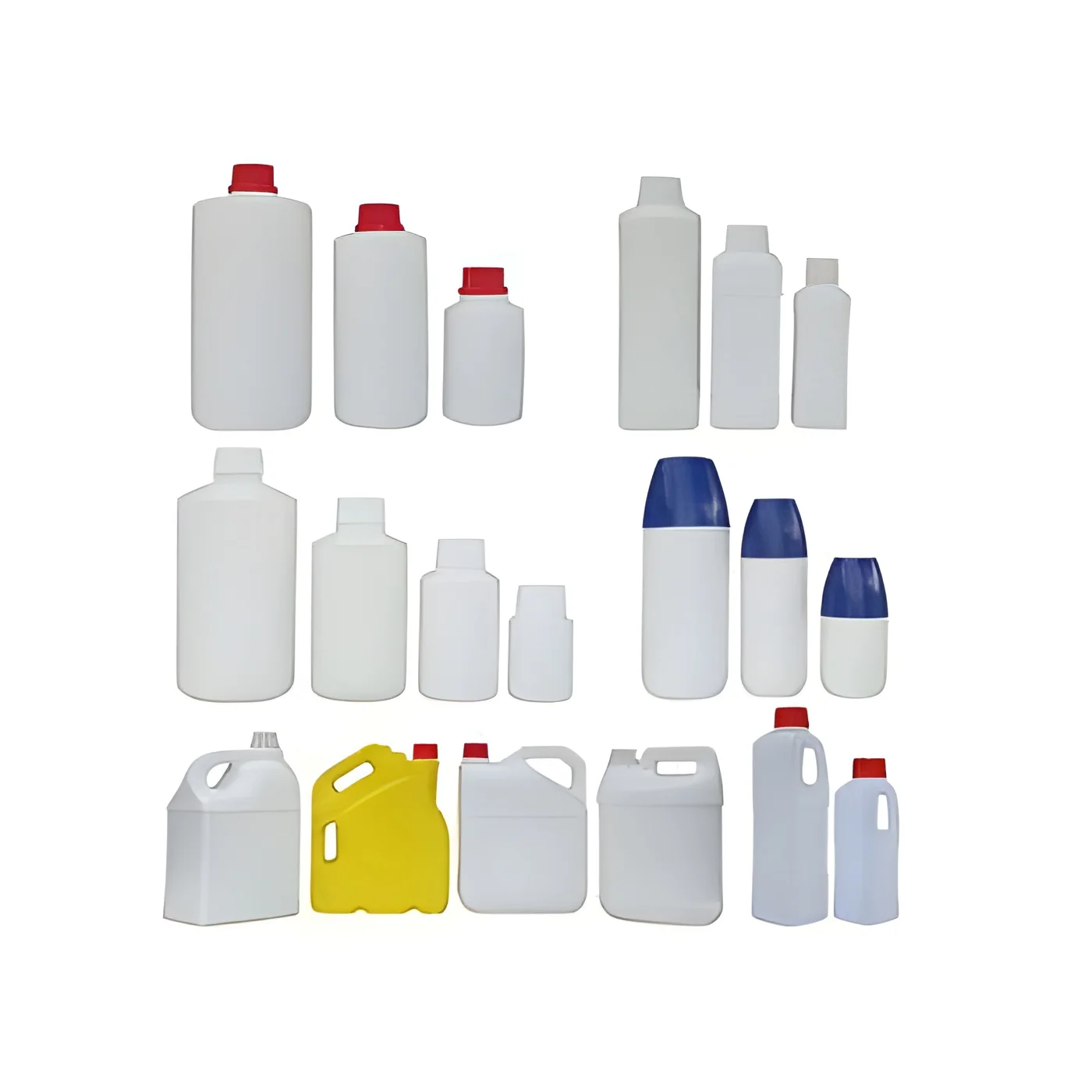
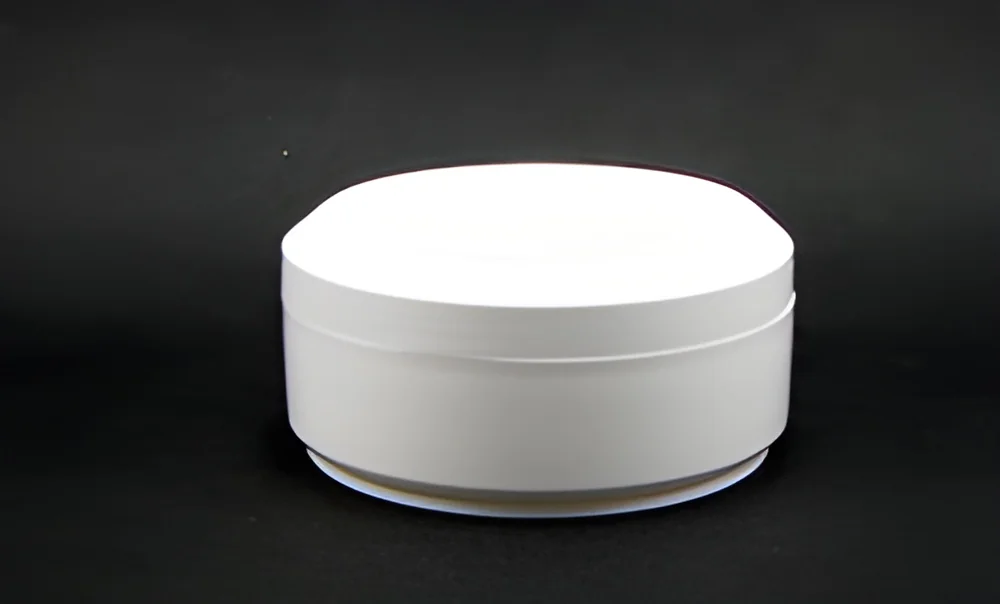
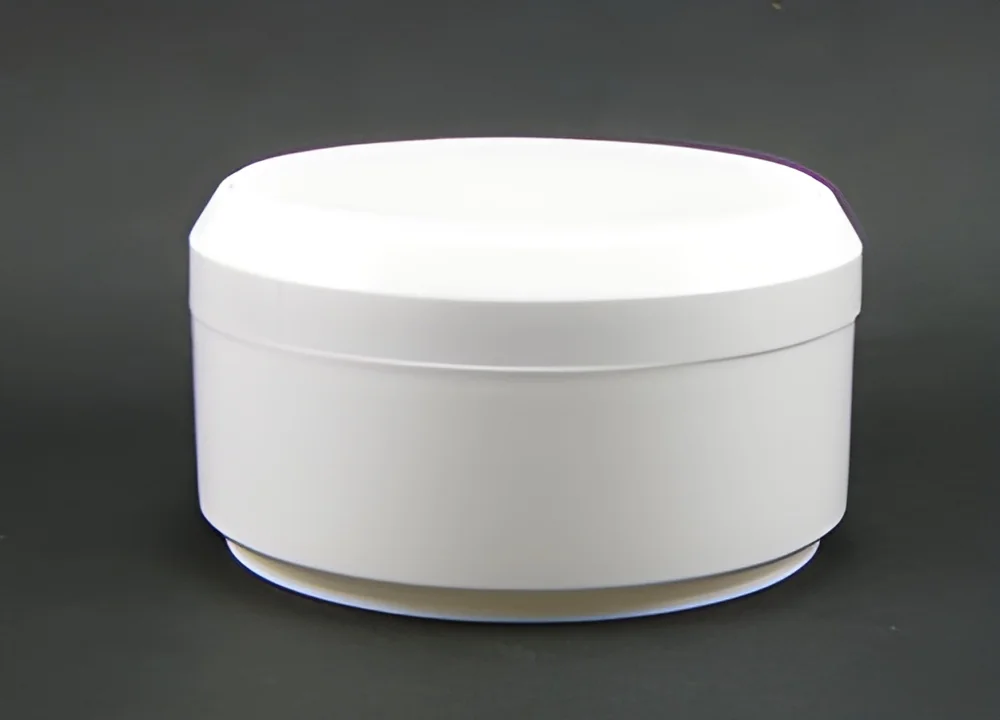
These resins are primarily used in the manufacturing of containers, closures, trays, and other packaging components. Businesses in industries such as food and beverage, pharmaceuticals, and consumer goods rely on injection molding resins to produce lightweight, durable, and cost-effective packaging. The ability to produce complex shapes and high-volume runs makes these resins a popular choice in the packaging sector.
As the demand for sustainable and efficient packaging continues to grow, the injection molding resin market has expanded significantly. Companies are increasingly focused on developing innovative packaging solutions that not only meet regulatory standards but also cater to consumer preferences for recyclable and eco-friendly materials. This creates a dynamic environment where businesses must stay informed about the latest advancements in resin technology and market trends.
Key Features and Specifications
Injection molding resins for packaging come with a variety of features and specifications tailored to meet industry needs. Understanding these specifications is crucial for selecting the right resin for specific applications.
Key specifications include:
1. Material Type
- Common materials include polyethylene, polypropylene, and polystyrene
- Each material offers unique properties such as flexibility, strength, and chemical resistance
2. Melt Flow Index (MFI)
- Indicates the flow rate of the resin during processing
- Typical ranges vary from low to high, depending on the resin and application
3. Shore Hardness
- Measures the hardness of the resin
- Values typically range from 50A to 100D depending on the desired rigidity
4. Tensile Strength
- Indicates the maximum stress the resin can withstand
- Values range from 20 to 60 MPa for common packaging resins
5. Elongation at Break
- Measures the resin's ability to stretch before breaking
- Ranges from 100% to 300% for flexible packaging solutions
6. Thermal Stability
- Indicates the resin's ability to maintain properties under varying temperatures
- Generally stable within a range of -40°C to 80°C
7. Chemical Resistance
- Evaluates the resin's ability to resist degradation from chemicals
- Varies based on the specific resin type and formulation
8. Color and Transparency
- Resins can be produced in various colors and levels of transparency
- Customization options are available for branding and aesthetic purposes
In summary, the specific features and specifications of injection molding resins for packaging enable businesses to select the most suitable materials for their unique applications. Understanding these parameters is essential for optimizing production efficiency and product performance.
Common Applications and Use Cases
Injection molding resins for packaging find applications across a wide range of industries. Each industry leverages the unique properties of these resins to meet specific packaging needs.
1. Food and Beverage: These resins are widely used for producing containers, cups, and lids that require food safety compliance and durability. They can withstand temperature variations and are often designed to be lightweight while maintaining structural integrity.
2. Pharmaceuticals: In the pharmaceutical sector, injection molding resins are used to create bottles, blister packs, and other packaging that requires stringent hygiene and safety standards. The chemical resistance of these resins ensures the protection of sensitive products.
3. Consumer Goods: Household products, including cleaning supplies and personal care items, often utilize injection molded packaging. The versatility of the resins allows for innovative designs that enhance user experience.
4. Electronics: Packaging for electronic devices and components often requires static-free and durable materials. Injection molding resins provide the necessary protection during shipping and handling.
5. Industrial Products: Many industrial components benefit from injection molded packaging, including parts and tools that require protective casings. The strength and resilience of these resins are ideal for heavy-duty applications.
6. Cosmetics: The cosmetic industry relies on injection molding resins for jars, tubes, and other packaging that not only requires aesthetic appeal but also functionality. These resins can be formulated for UV resistance to protect sensitive contents.
7. Automotive: Injection molded packaging is used for automotive parts and components, ensuring protection during transport and storage. The durability of the resins helps in maintaining the integrity of the products.
Product Variants and Subcategories
Injection molding resins for packaging exhibit diversity in terms of formulations and properties, allowing businesses to select materials that best suit their needs.
Polyethylene (PE)
Polyethylene is known for its flexibility and chemical resistance. It is commonly used in food packaging and reusable containers. Its ability to be recycled adds to its appeal in sustainable packaging initiatives.
Polypropylene (PP)
Polypropylene offers excellent clarity and strength, making it a popular choice for packaging applications requiring transparency. It is often utilized in containers and lids that must endure temperature fluctuations.
Polystyrene (PS)
Polystyrene is typically used for disposable packaging applications, such as cups and trays. It is lightweight yet provides sufficient barrier properties for various products.
Benefits and Advantages
Injection molding resins for packaging present numerous benefits that help businesses optimize their packaging solutions.
1. Cost-Effectiveness: The efficiency of injection molding processes leads to lower production costs, especially for high-volume runs.
2. Design Flexibility: The ability to create complex shapes and sizes allows for innovative packaging designs that can enhance brand identity.
3. Lightweight Solutions: Many injection molded resins are lightweight, reducing shipping costs and improving sustainability.
4. Recycling Potential: Many of these resins can be recycled, aligning with growing consumer demands for eco-friendly packaging.
5. Consistent Quality: Injection molding ensures uniformity in production, minimizing defects and improving overall product quality.
6. Fast Production Times: The quick cycle times associated with injection molding enable rapid market response and shorter lead times.
Buying Guide for B2B Buyers
When sourcing injection molding resins for packaging, it is essential to consider several key factors to ensure optimal selection and procurement.
1. Quality Assessment: Evaluate the quality of resins by reviewing technical specifications, supplier certifications, and product samples. Ensure that the resins meet industry standards for performance and safety.
2. Supplier Verification: Vet suppliers by checking their production capabilities, reputation, and customer reviews. A reliable supplier should have a proven track record in delivering high-quality materials.
3. Pricing and MOQ: Understand the pricing structure and minimum order quantities (MOQs) to align with your budget and production needs. Consider bulk purchasing for cost savings.
4. Delivery and Lead Times: Confirm lead times for delivery to ensure that production schedules are met. Discuss logistics options with suppliers to optimize supply chain efficiency.
5. Compliance Requirements: Ensure that the resins comply with relevant regulatory standards and certifications, such as CE marking for safety. This is particularly critical in industries like food and pharmaceuticals.
Compliance and Certifications
Injection molding resins for packaging must adhere to several compliance and certification standards to ensure safety and quality. Relevant quality standards include ISO 9001, which outlines requirements for a quality management system, ensuring that products consistently meet customer and regulatory demands.
Industry certifications such as CE indicate that the products comply with European safety requirements, enhancing marketability in regions where these standards are mandated.
Safety and testing requirements are critical, especially for food and pharmaceutical packaging. Resins must undergo rigorous testing to ensure they do not leach harmful substances into products.
Regional compliance considerations are also important, as regulations may vary between countries. It is essential to stay informed about local laws and standards to ensure that packaging materials meet all necessary requirements.
Why Source Injection Molding Resins for Packaging from Pepagora?
Pepagora provides a trusted platform for sourcing injection molding resins for packaging, offering several key advantages that enhance the sourcing experience.
Verified Supplier Network: Pepagora connects buyers with a network of verified suppliers, ensuring that only reputable and reliable manufacturers are featured. This reduces the risk associated with sourcing and guarantees product quality.
Streamlined RFQ Process: The request for quotation (RFQ) process on Pepagora is designed to be efficient, allowing buyers to receive multiple quotes from different suppliers quickly. This simplifies decision-making and helps in finding competitive pricing.
Trade Assurance and Support: Buyers benefit from trade assurance programs that protect their transactions. Support is available to address any issues or concerns during the sourcing process, providing peace of mind.
Regional Coverage: Pepagora's geographic reach includes India, the GCC, and Southeast Asia, facilitating connections between buyers and suppliers across these regions. This broad coverage enhances the ability to find suitable resins tailored to local market demands.

 IN
IN