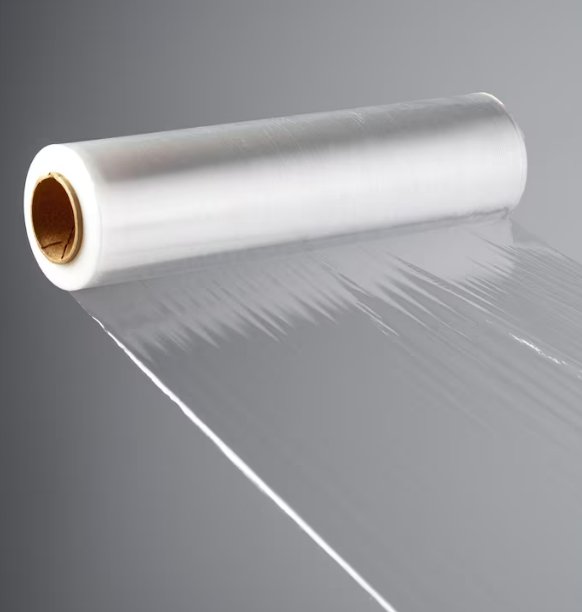
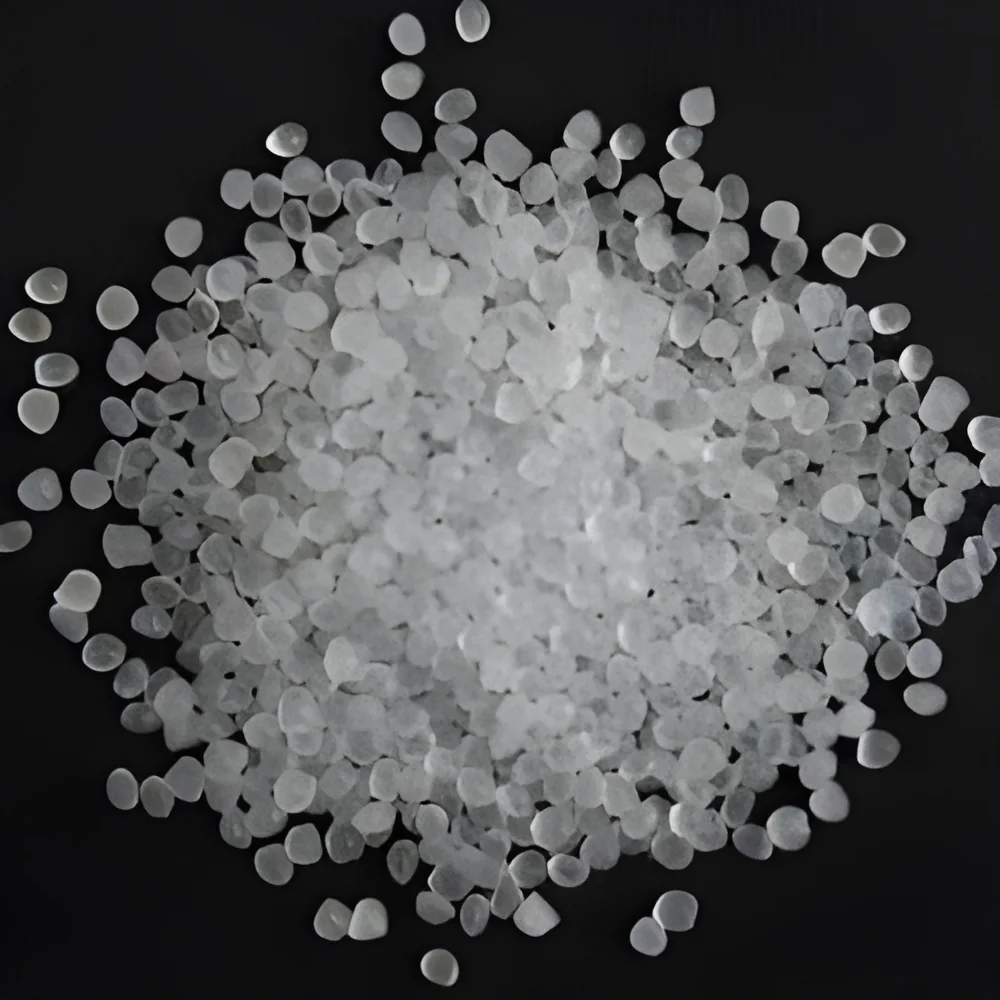
Key Features and Specifications
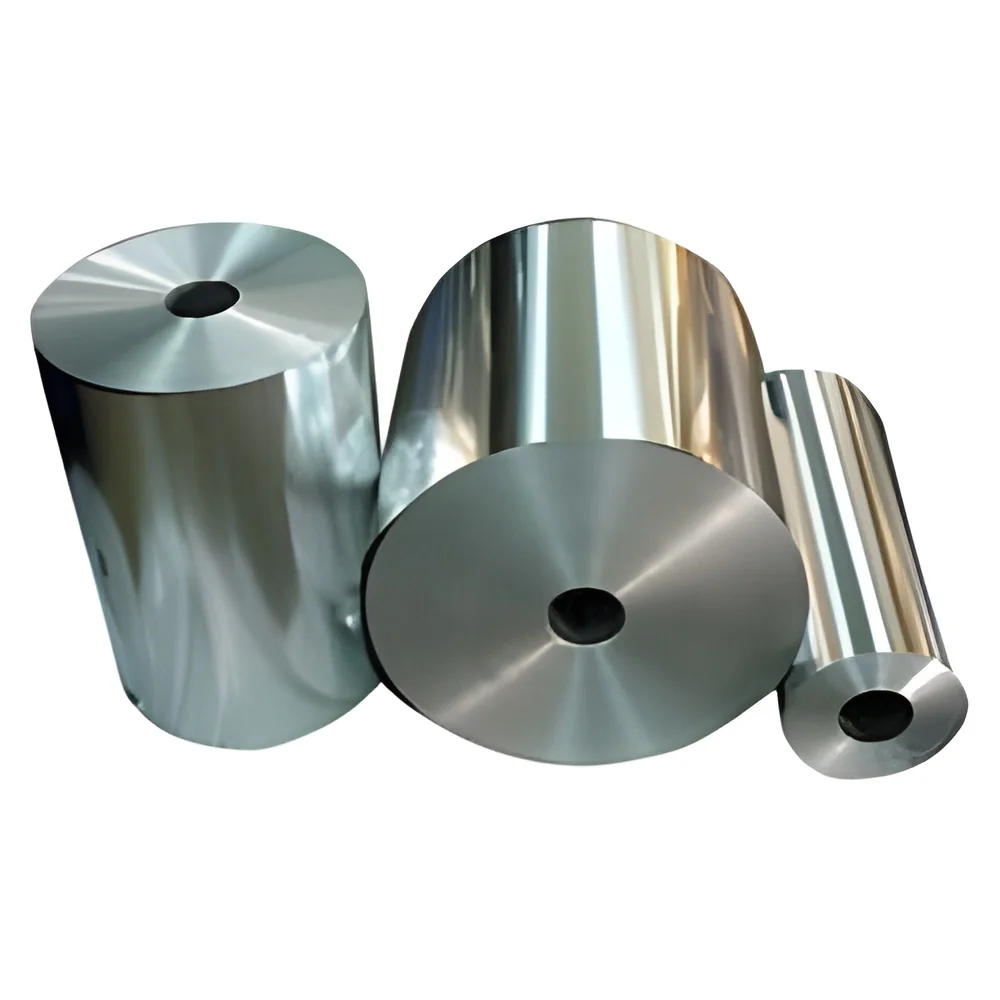
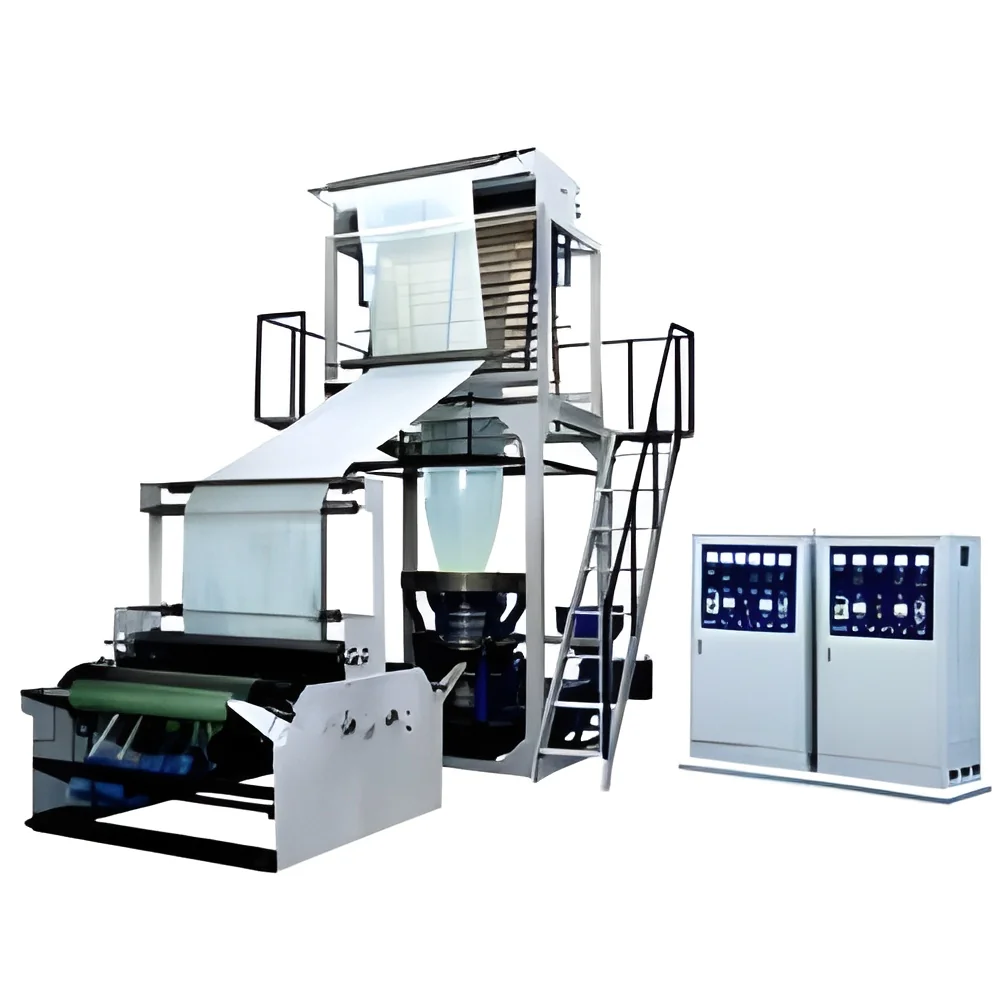
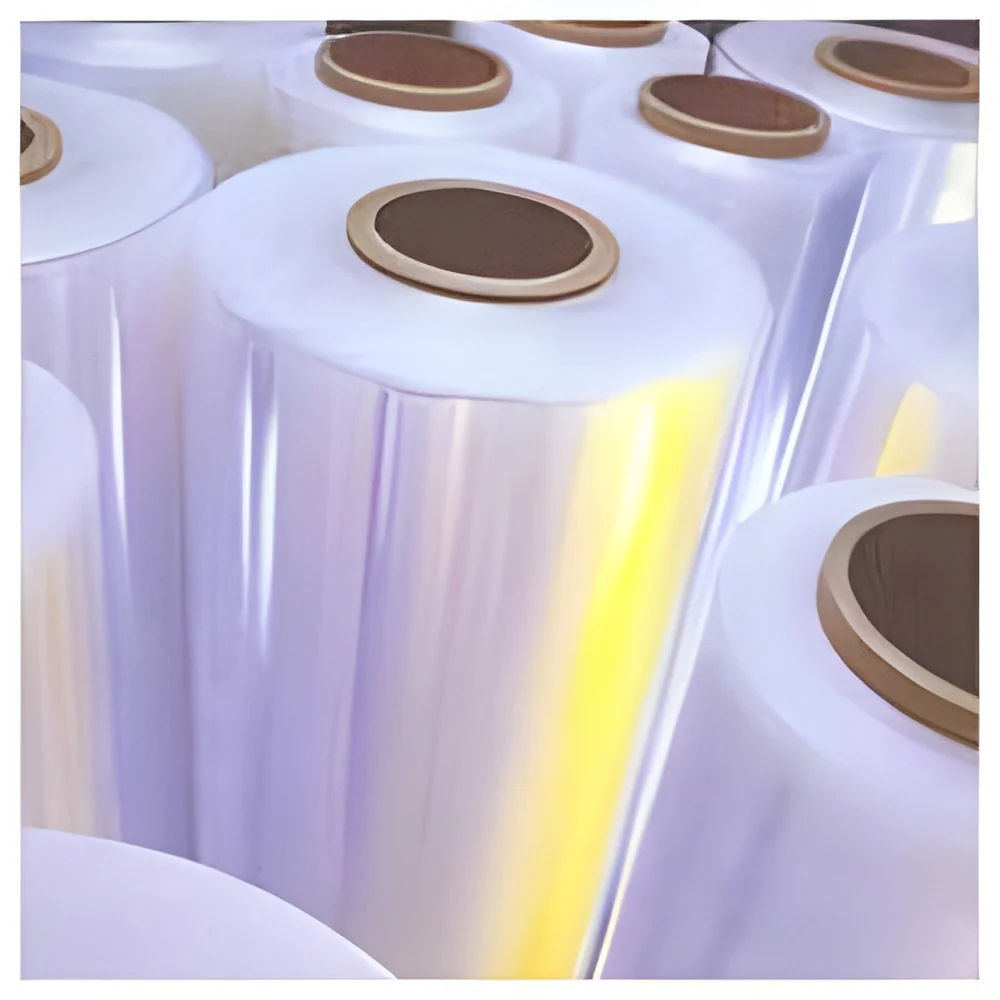
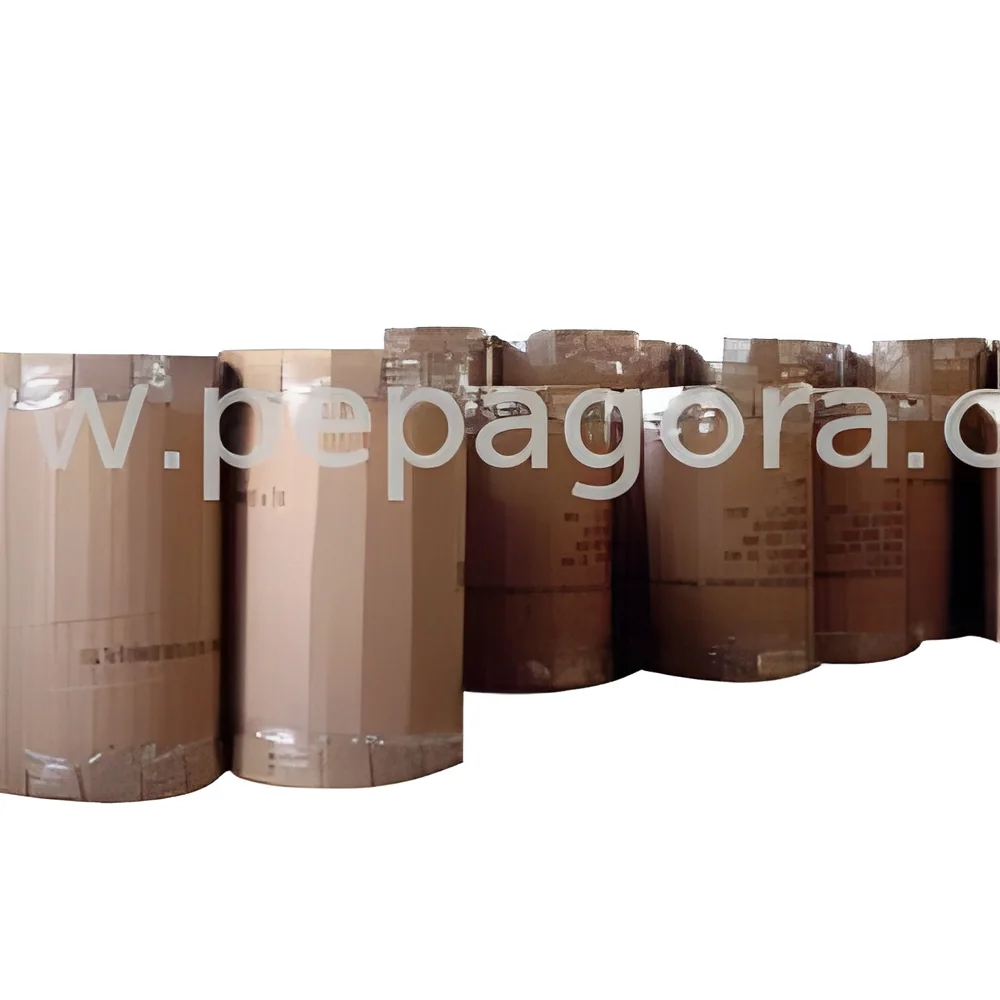
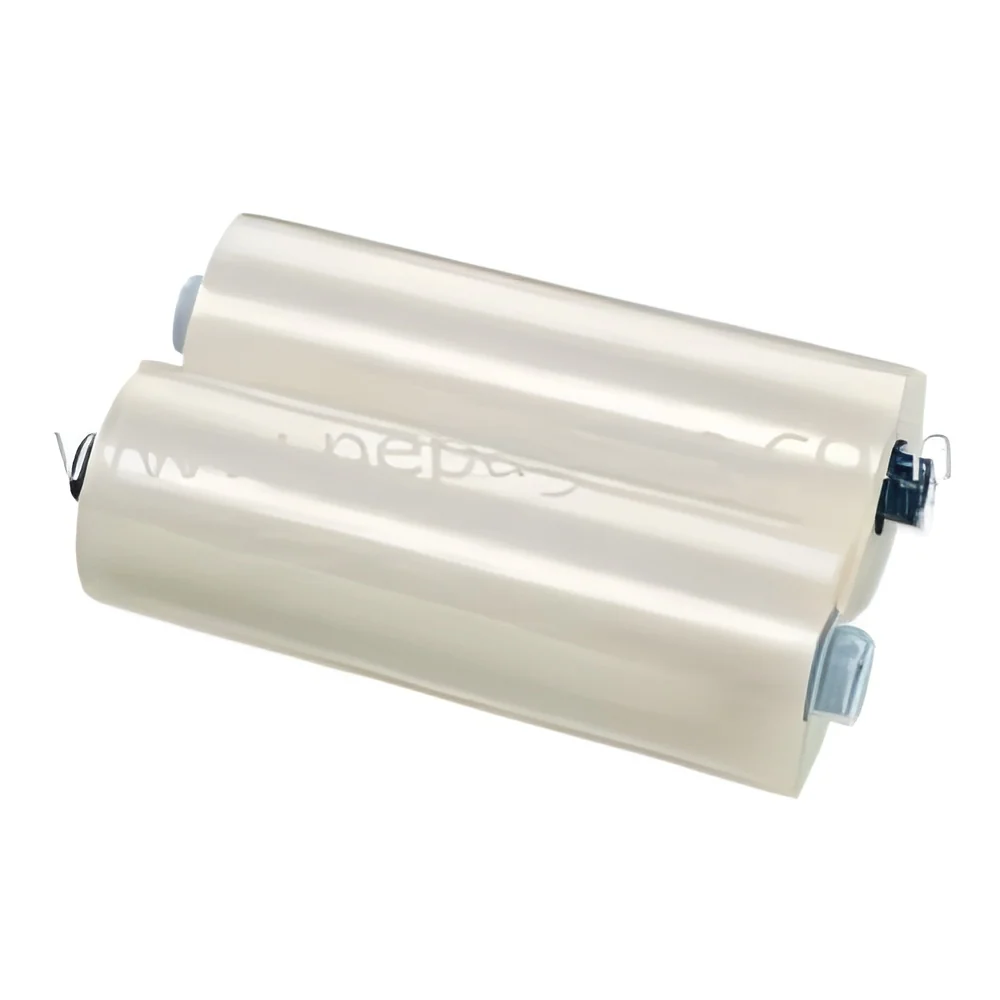
Packaging films are characterized by several key features that determine their suitability for specific applications. Understanding these specifications is crucial for businesses seeking effective packaging solutions.
Key specifications include:
1. Thickness
- Typically ranges from 10 to 300 microns
- Determines the strength and durability of the film
2. Tensile Strength
- Usually measured in MPa
- Indicates the maximum stress the film can withstand before breaking
3. Elongation at Break
- Percentage measure of how much the film can stretch before breaking
- Important for flexible packaging applications
4. Clarity and Gloss
- Affects the visual appeal of the packaged product
- Higher clarity is preferred for consumer goods
5. Seal Strength
- Measured in N/15mm
- Reflects the integrity of seals in packaging applications
6. Barrier Properties
- Includes moisture, oxygen, and light barrier capabilities
- Essential for preserving the freshness of food products
7. Printability
- Determines the film's compatibility with various printing techniques
- Important for branding and labeling purposes
8. UV Resistance
- A measure of the film's ability to withstand UV exposure
- Critical for outdoor applications or products sensitive to light
In summary, the specifications of packaging films are vital for businesses to consider when selecting the appropriate type for their product needs.
Common Applications and Use Cases
Packaging films are integral to various industries, each with specific applications that leverage the unique properties of BOPP, LLDPE, and PVC films.
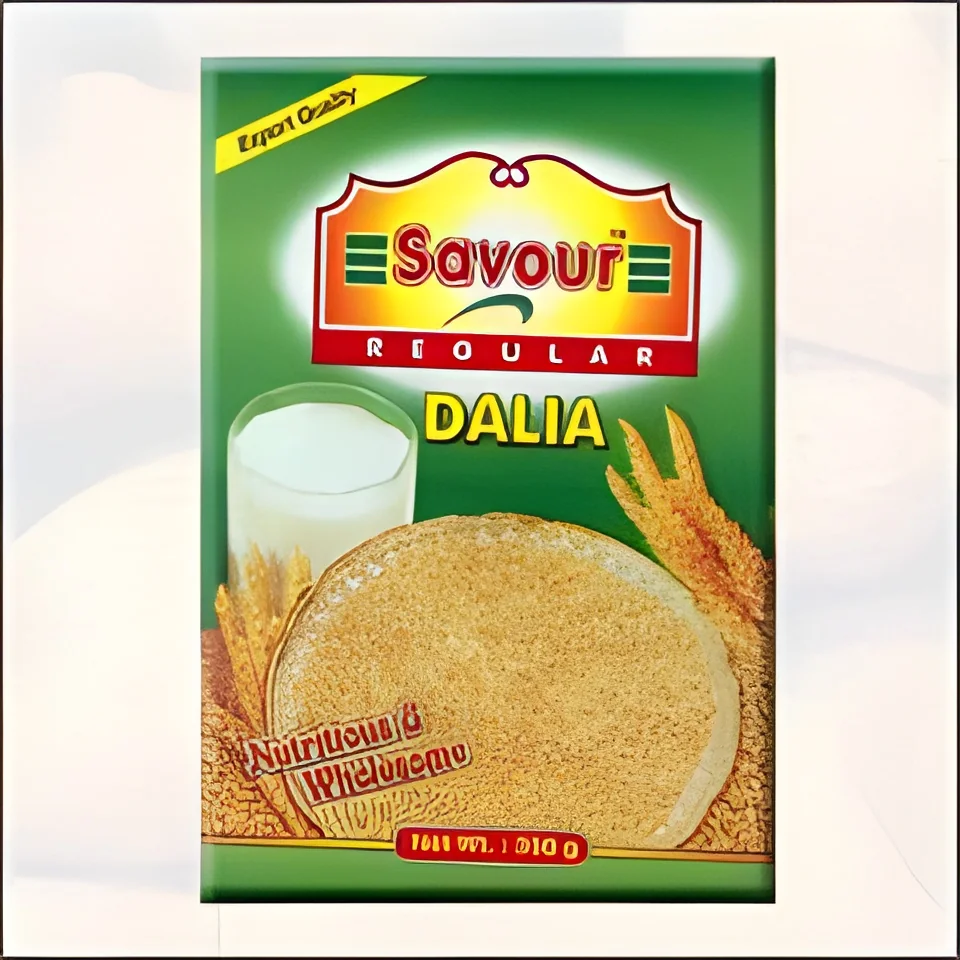
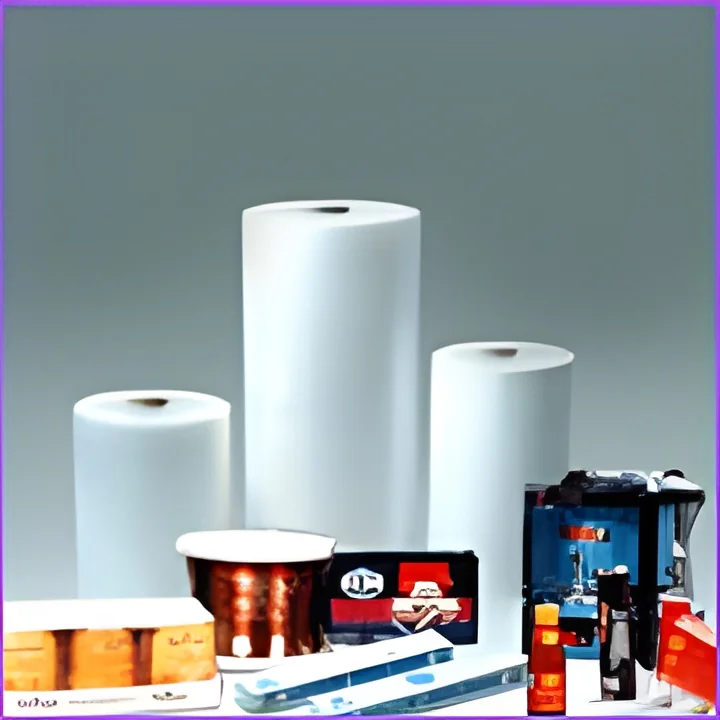
1. Food and Beverage: These films are used for wrapping snacks, frozen foods, and beverages, ensuring freshness and extending shelf life.
2. Pharmaceuticals: Packaging films protect medicines and medical devices from contamination, moisture, and light, maintaining product efficacy.
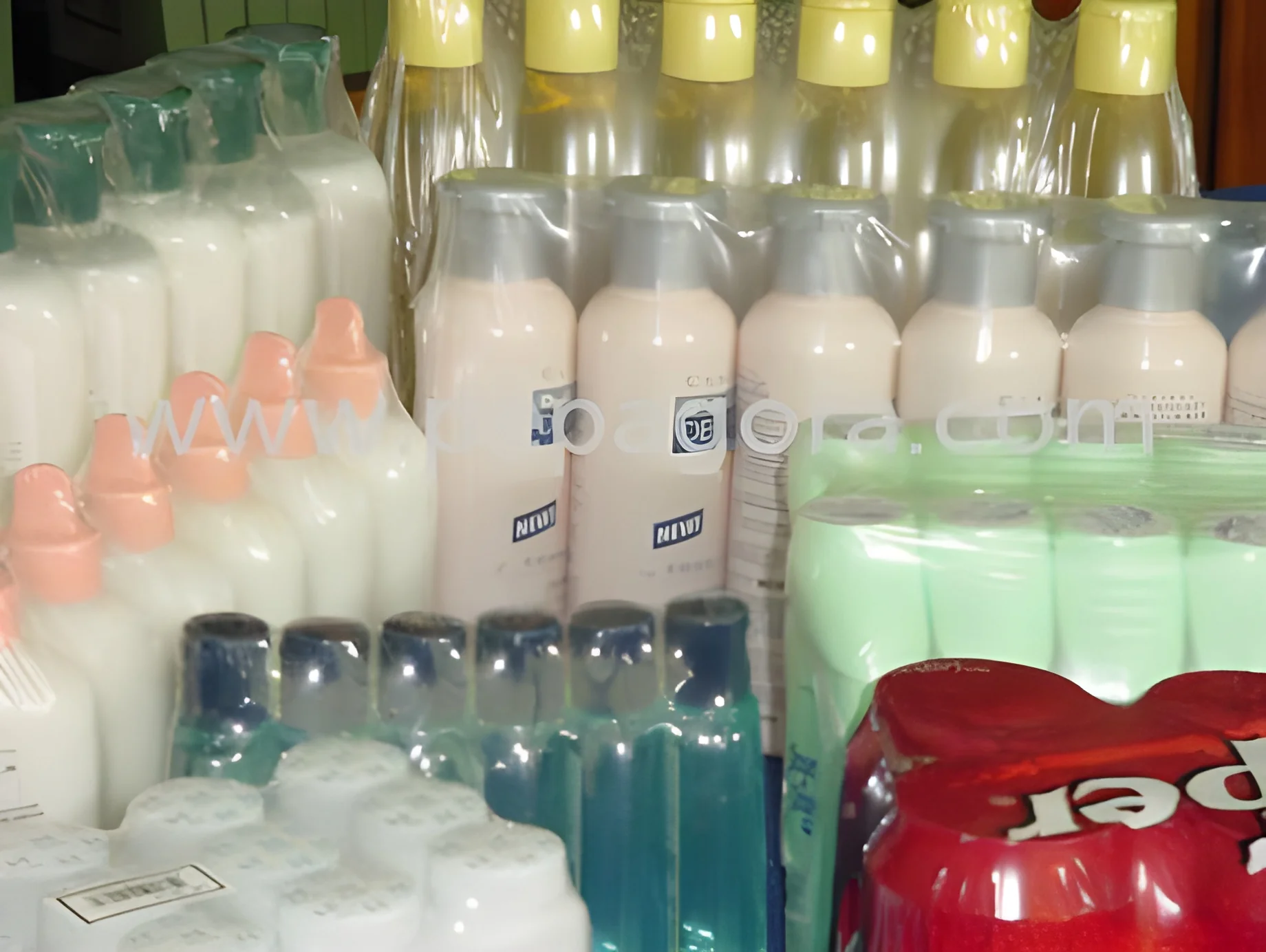
3. Consumer Goods: Films are utilized for packaging household items, personal care products, and electronics, providing both protection and visual appeal.
4. Agriculture: Used for packaging seeds, fertilizers, and pesticides, these films help in maintaining product integrity and usability.
5. Industrial Applications: Films are employed for wrapping heavy machinery parts and tools, offering protection during storage and transport.
6. Retail: Packaging films are essential for shrink wrapping products and creating eye-catching displays in retail environments.
7. E-commerce: Flexible films are increasingly used for packaging items shipped directly to consumers, enhancing the unboxing experience.
Product Variants and Subcategories
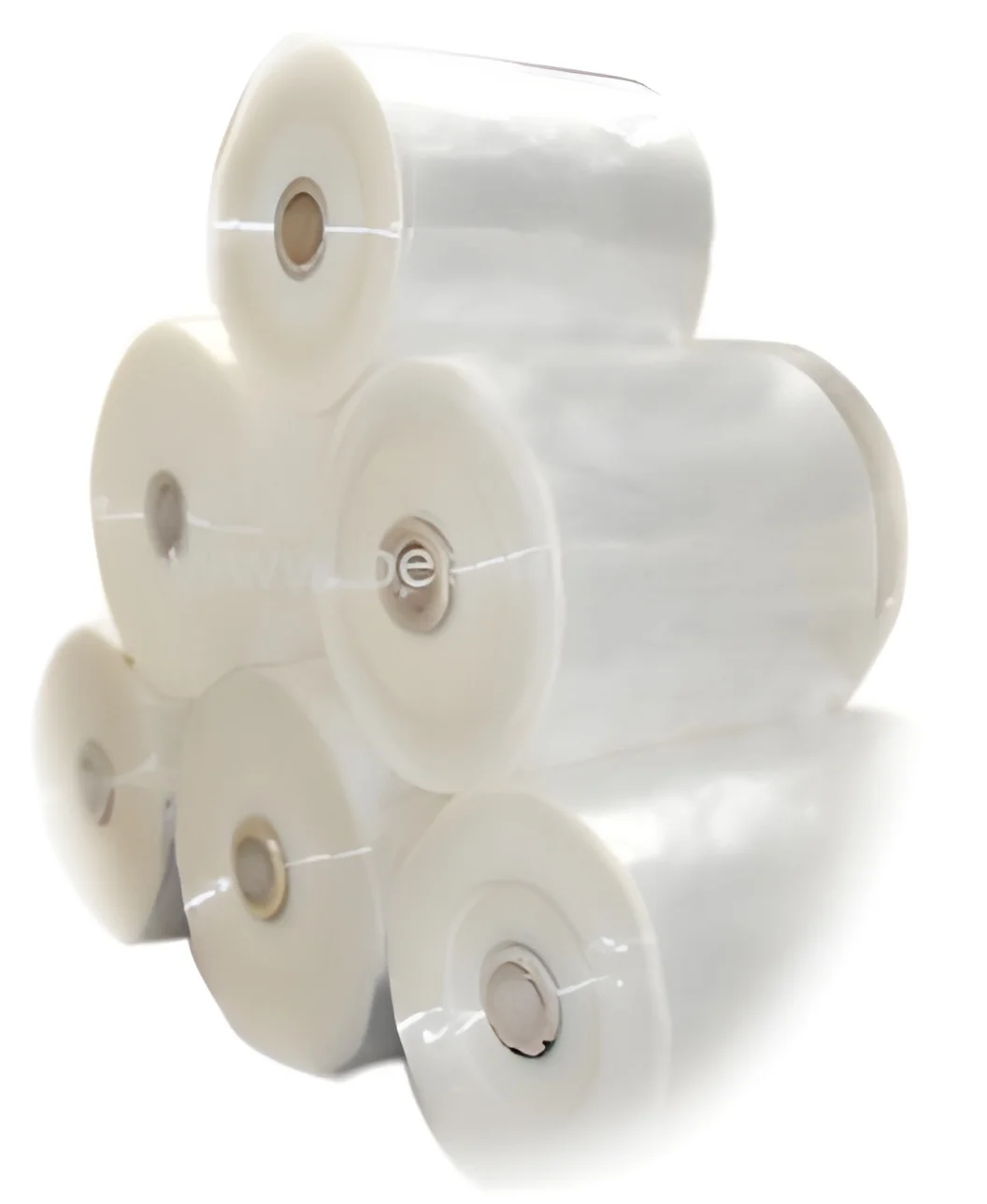
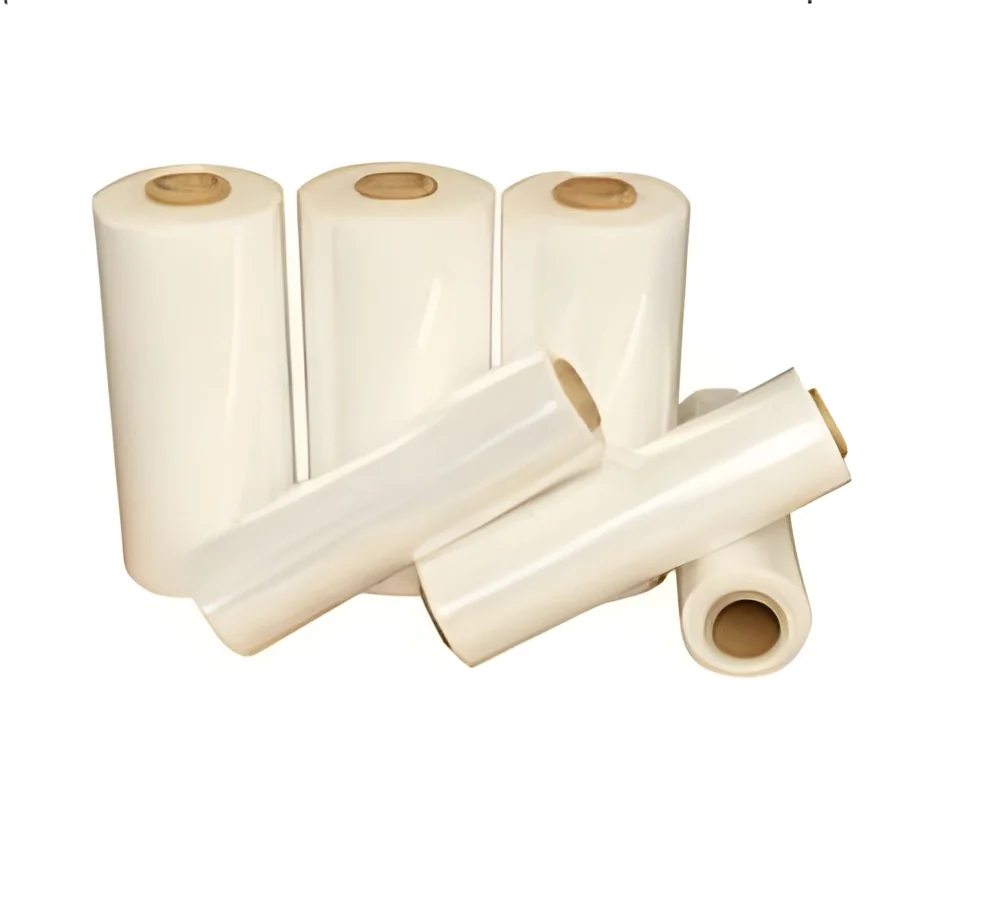
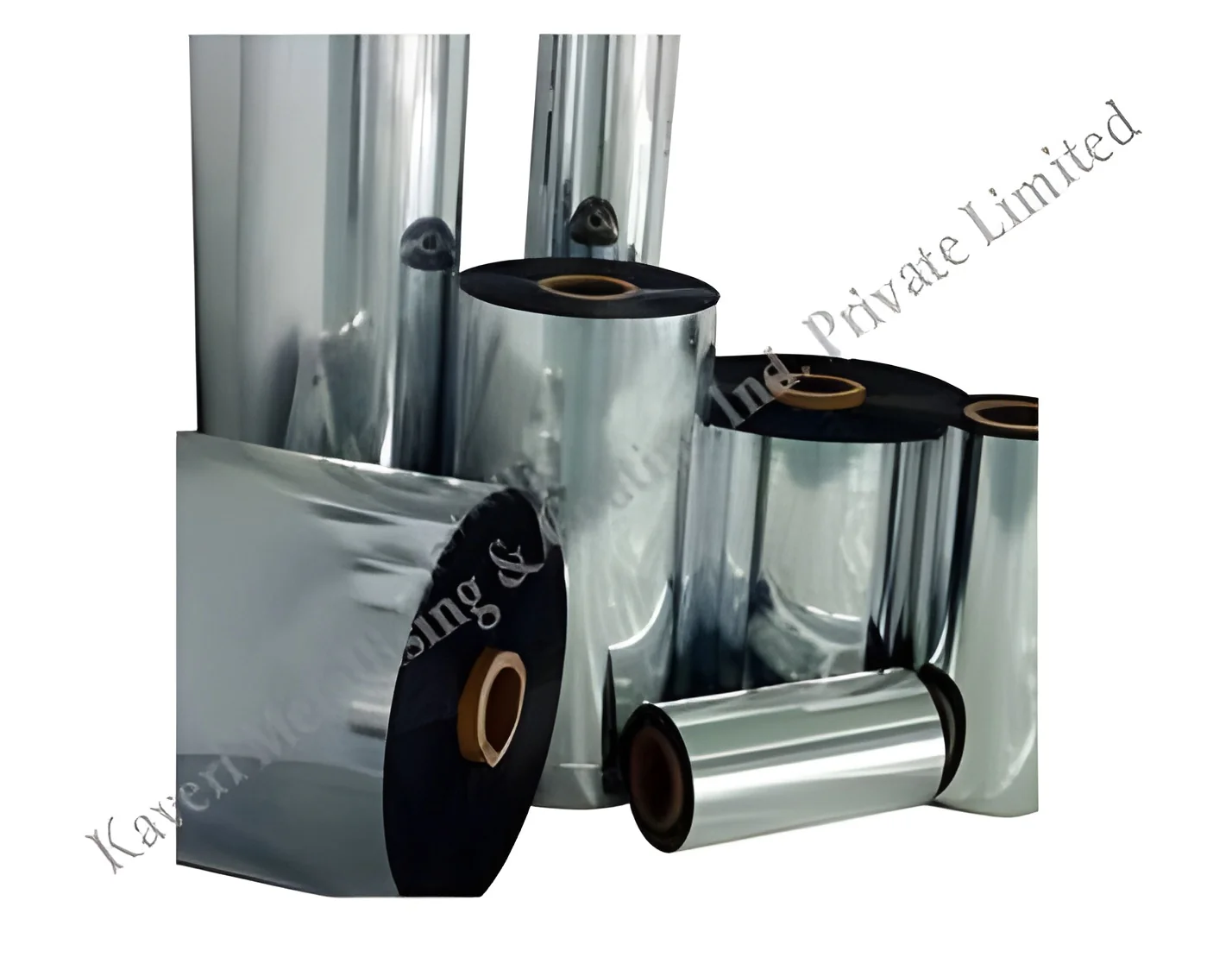
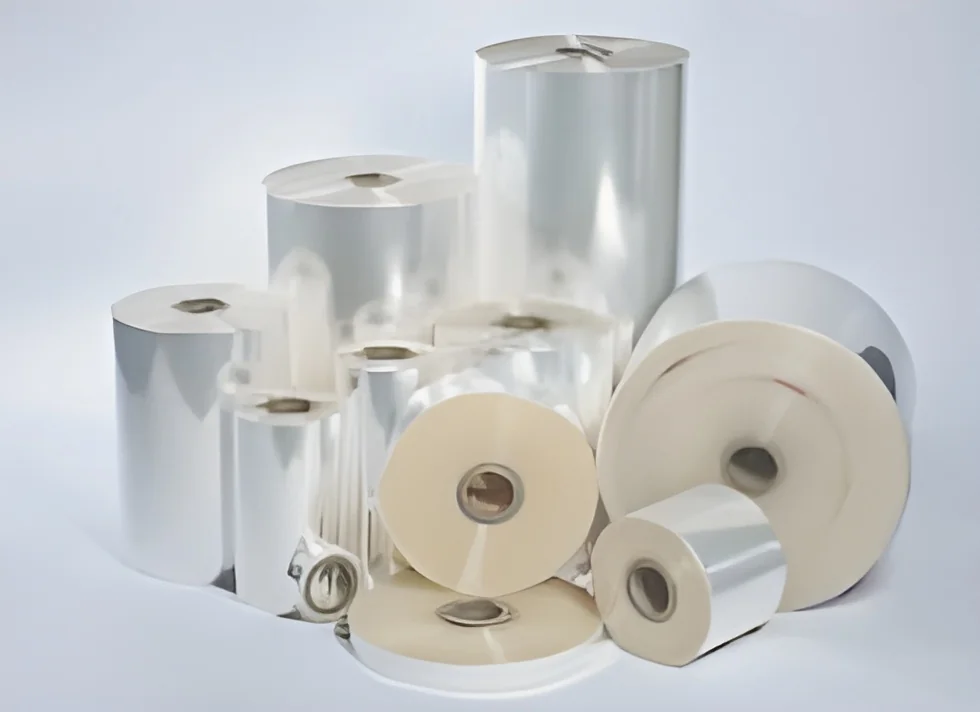
Packaging films come in a variety of forms, each designed to meet specific packaging needs.
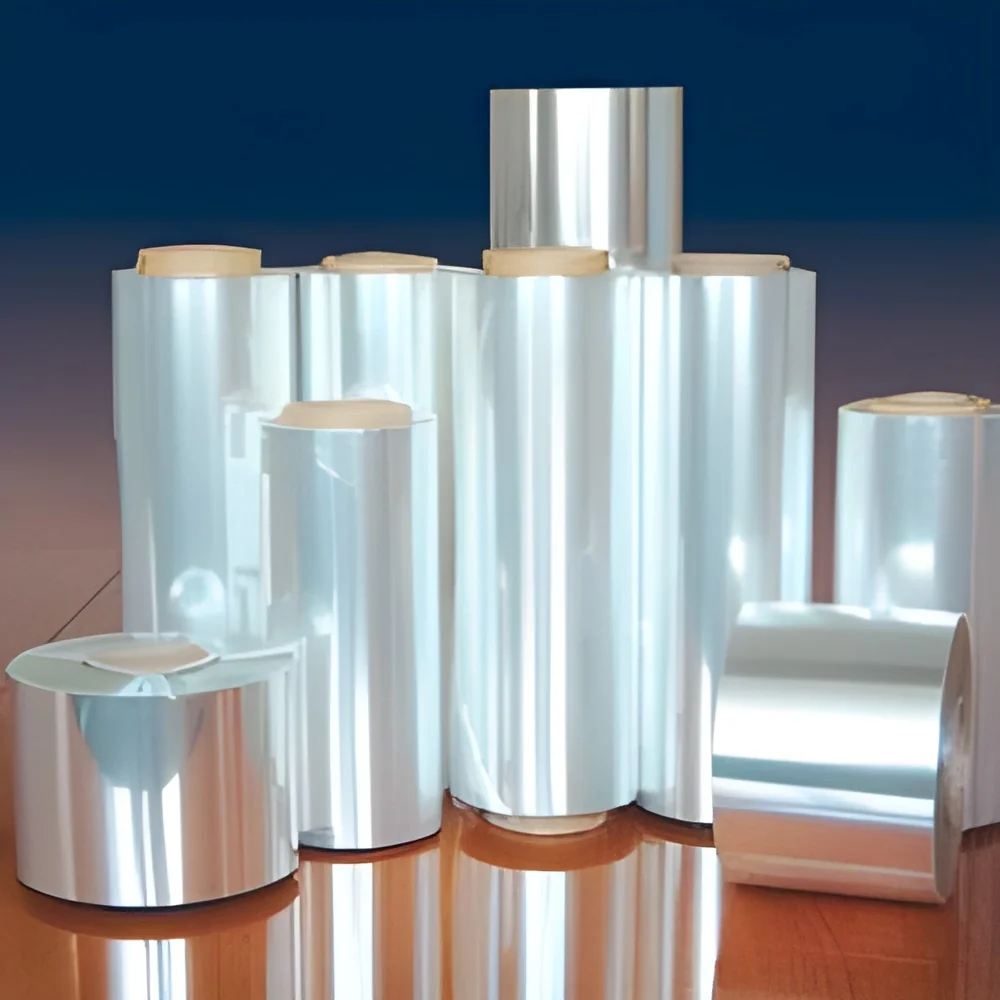
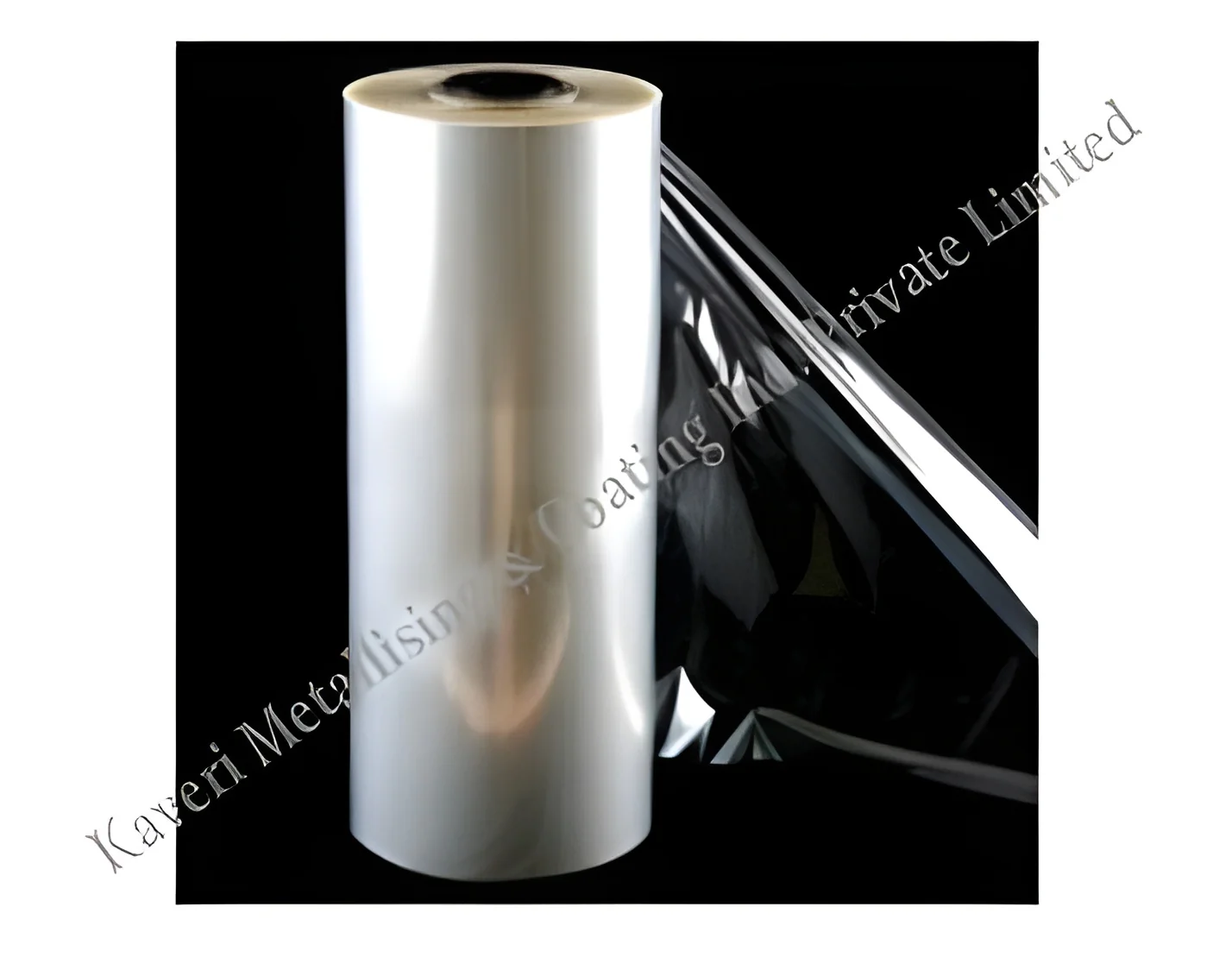
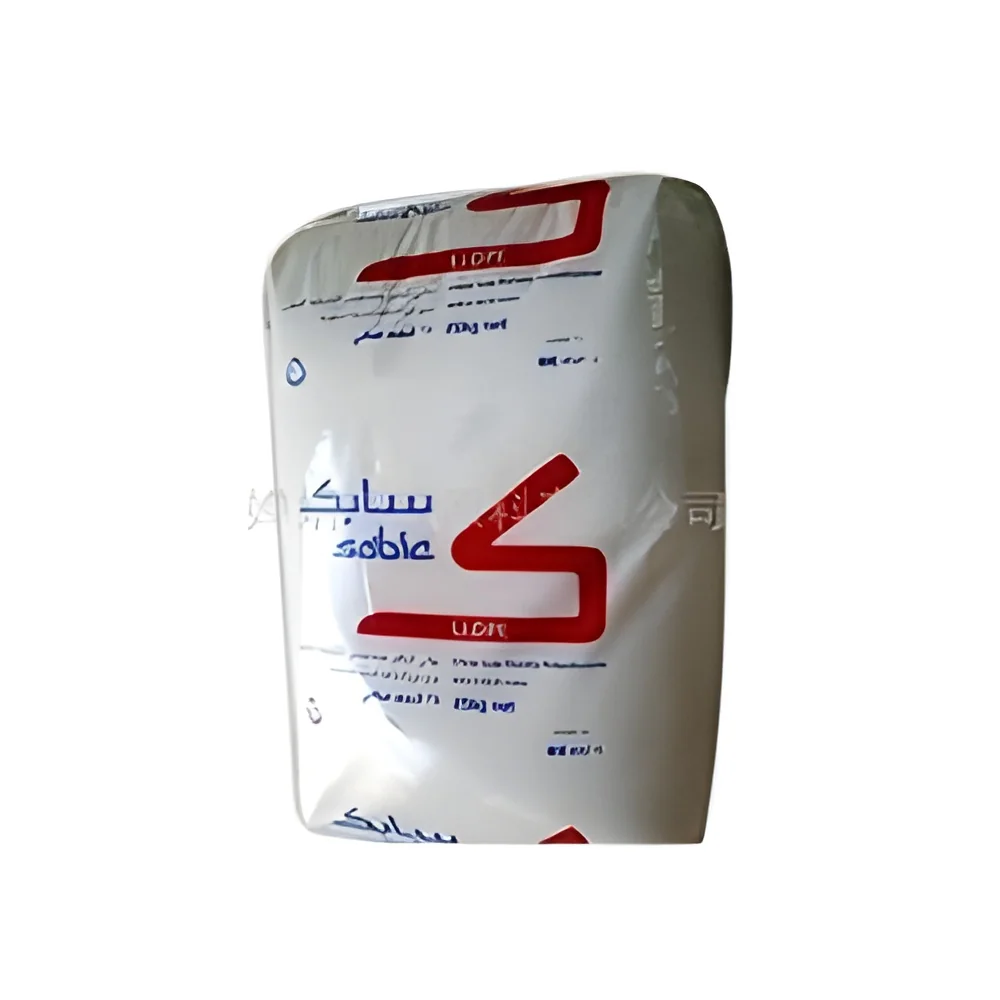
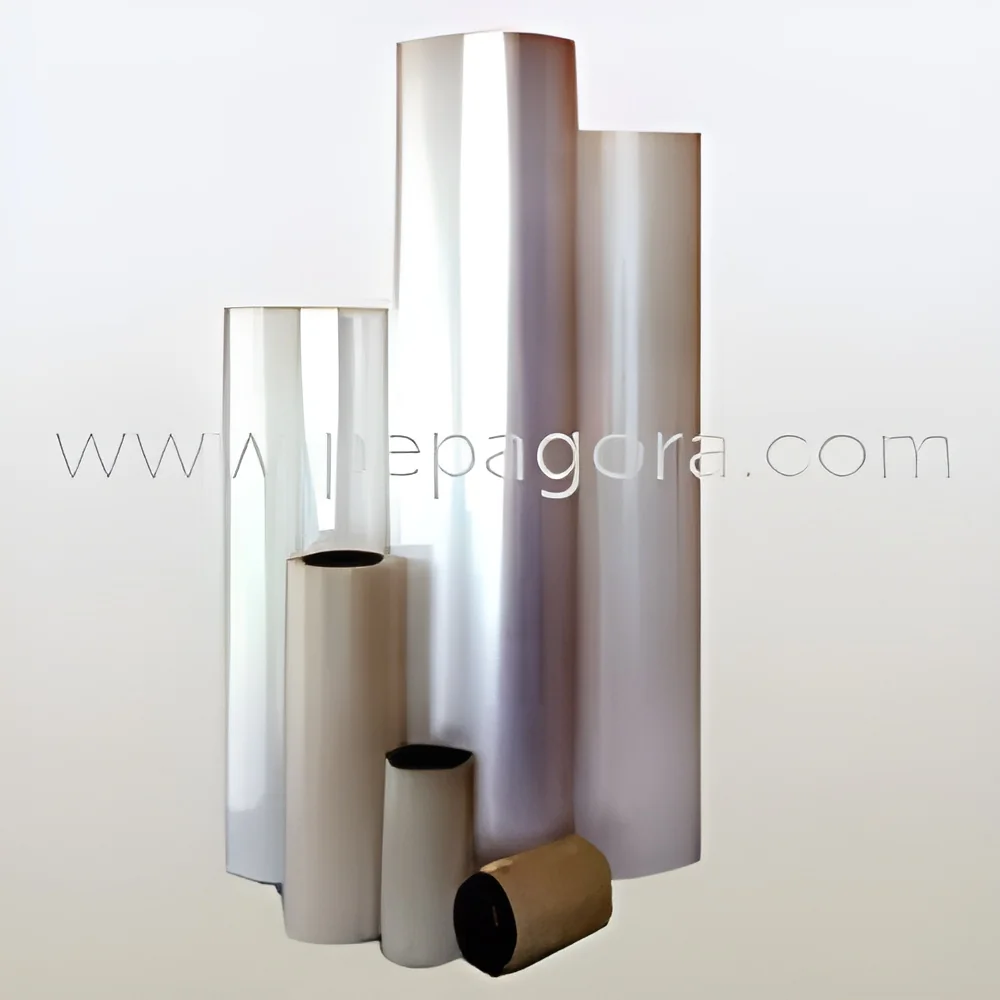
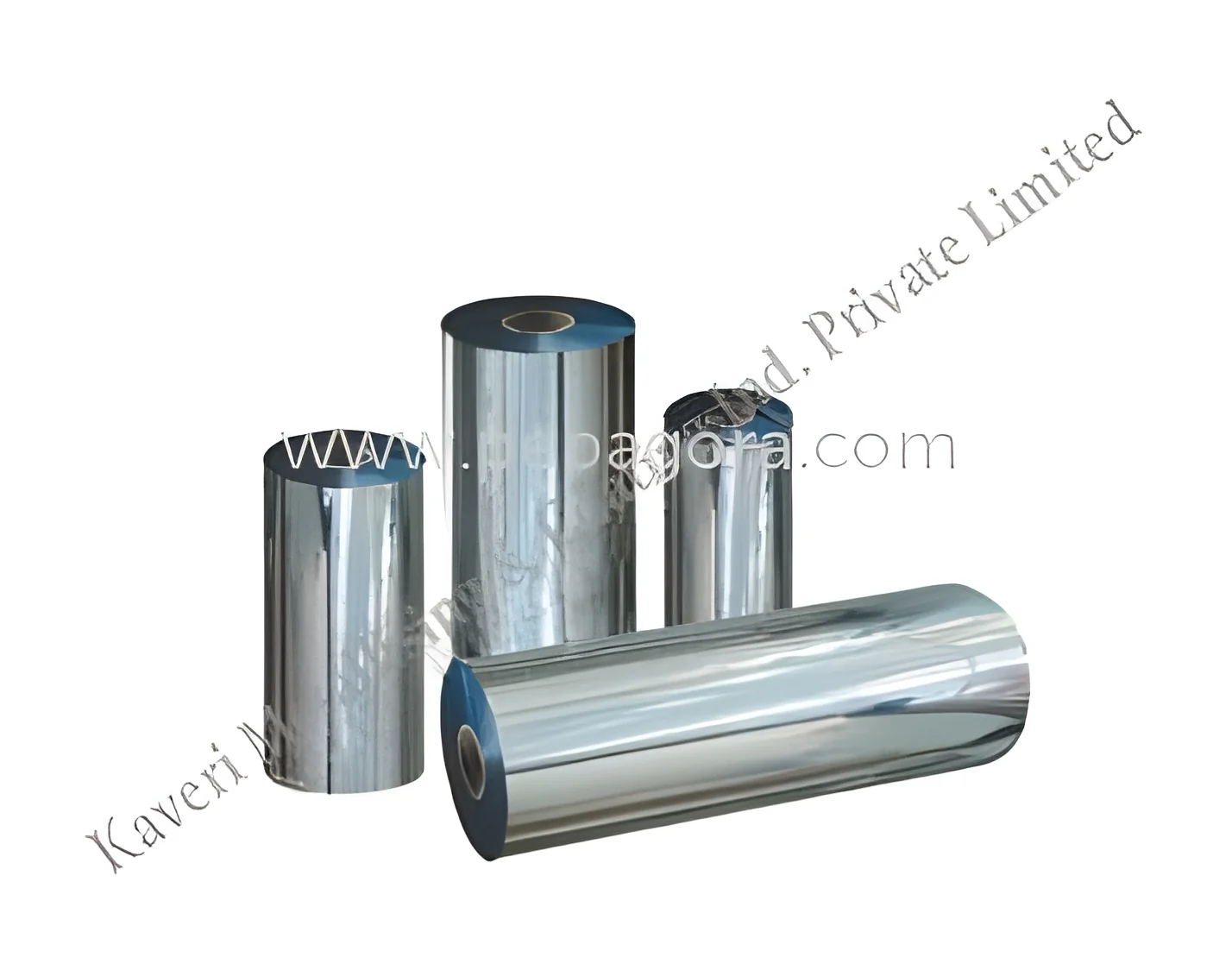
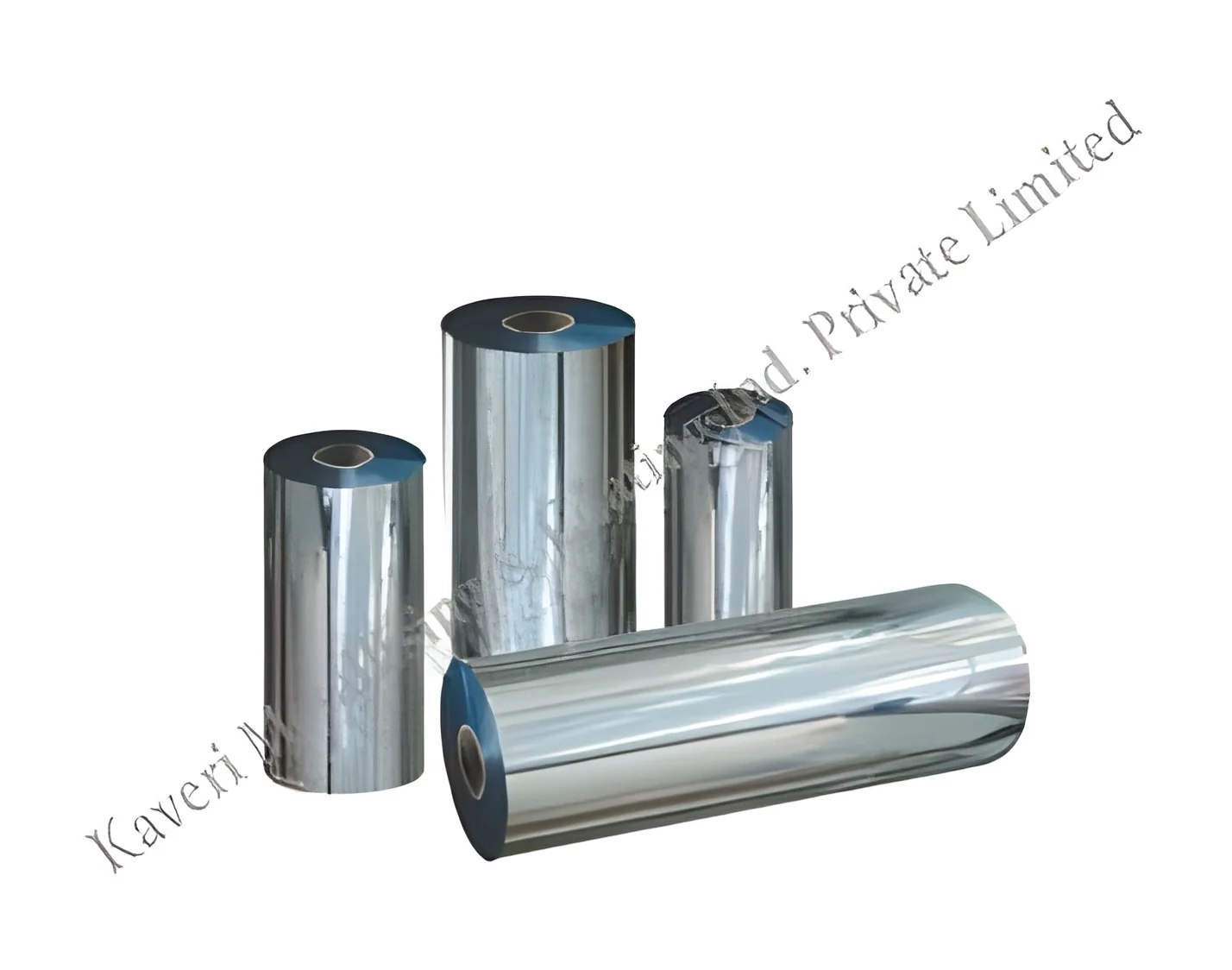
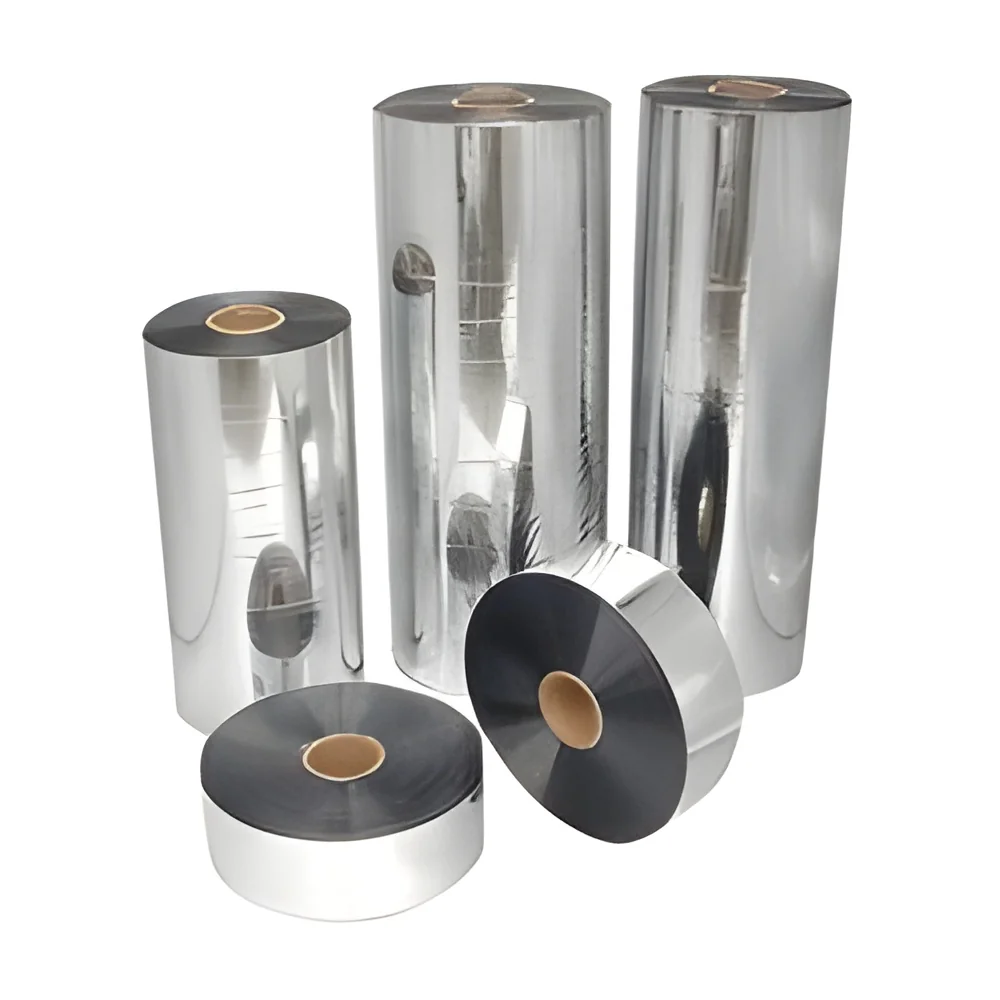
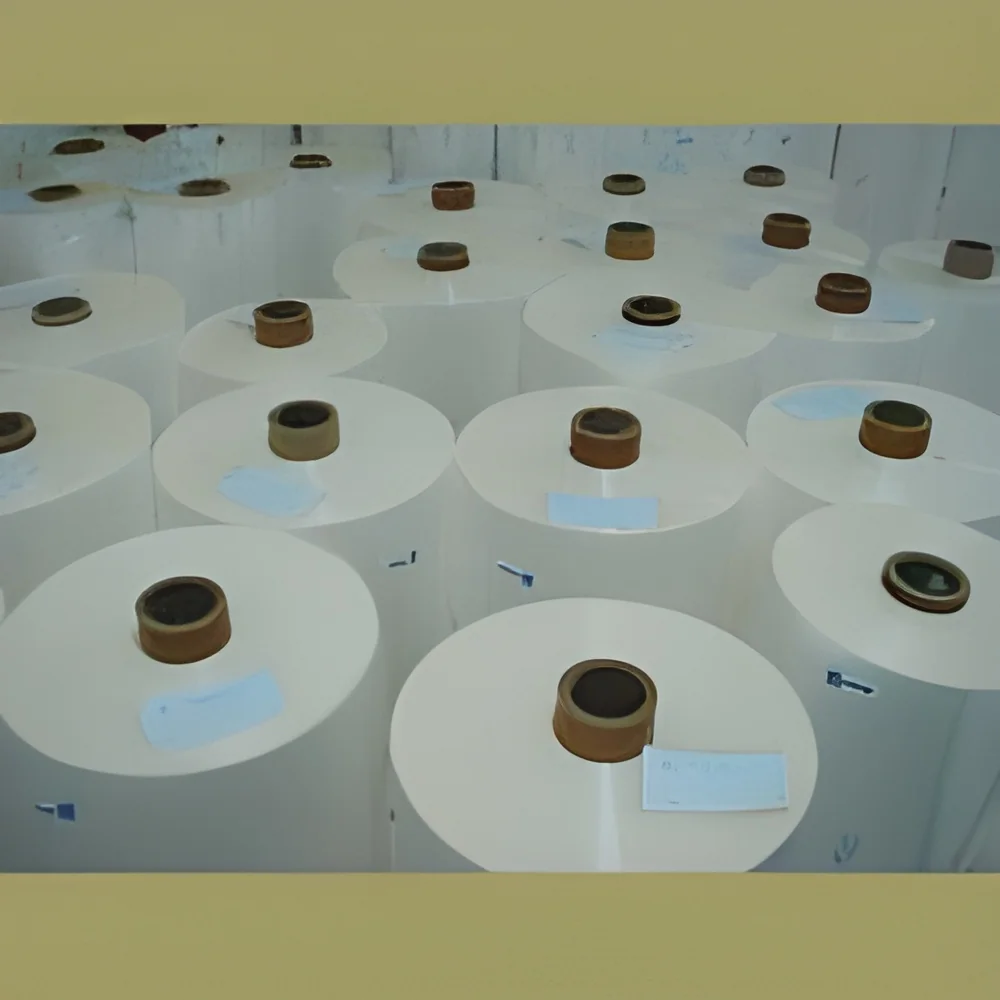
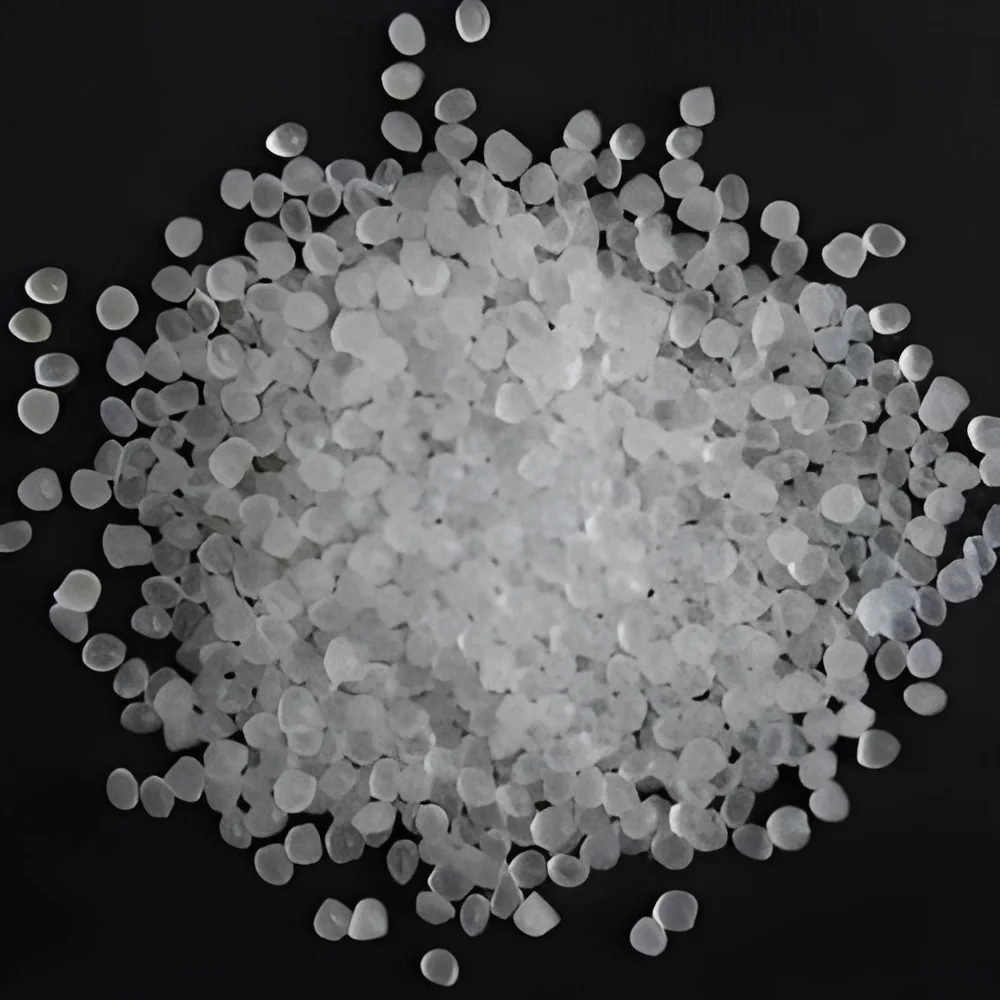
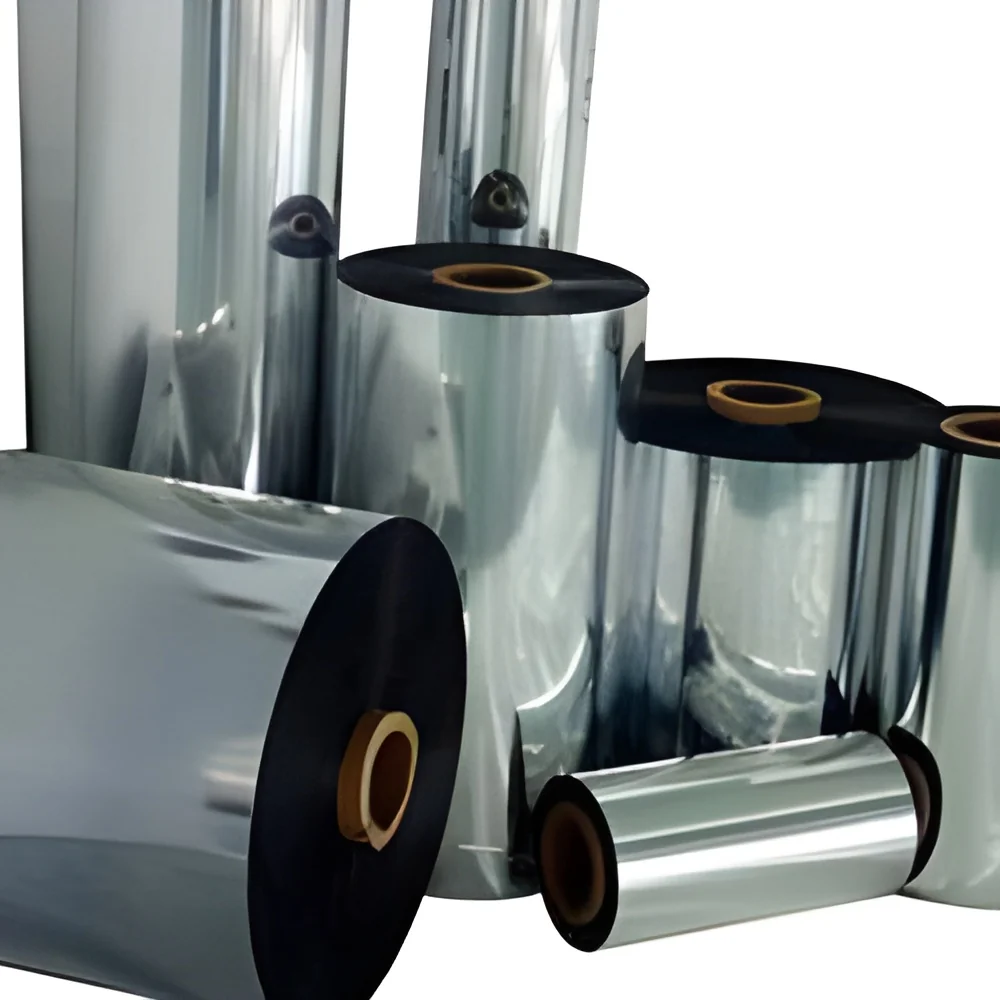
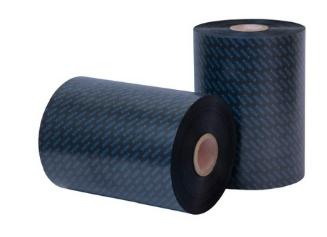
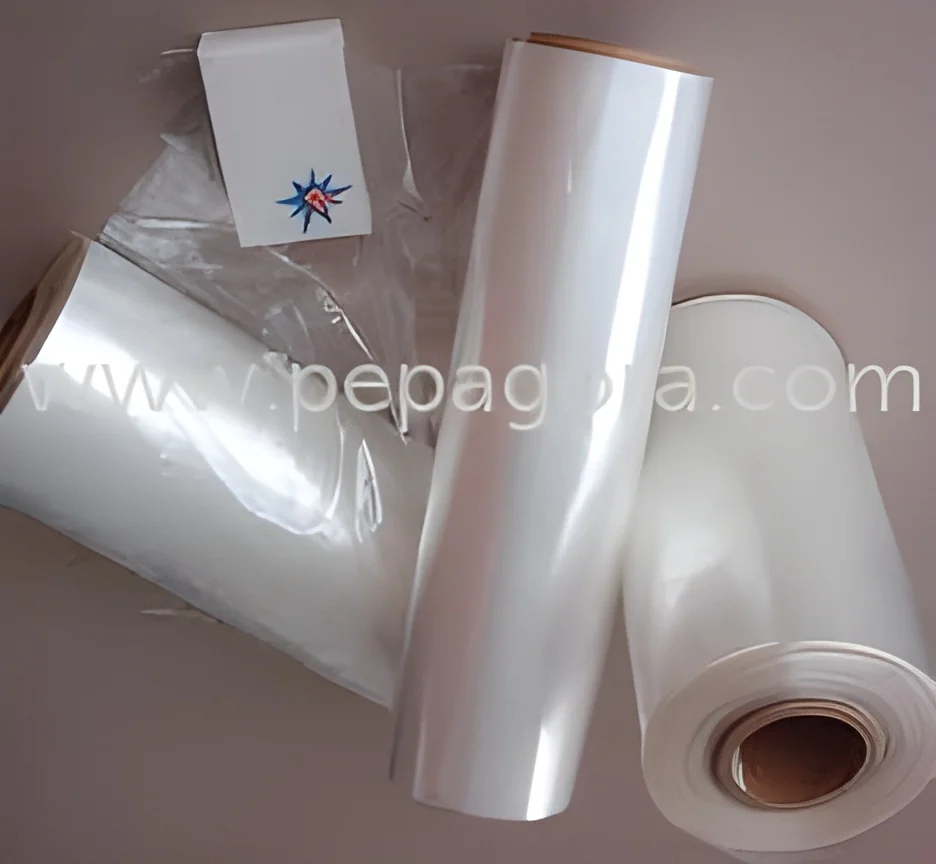
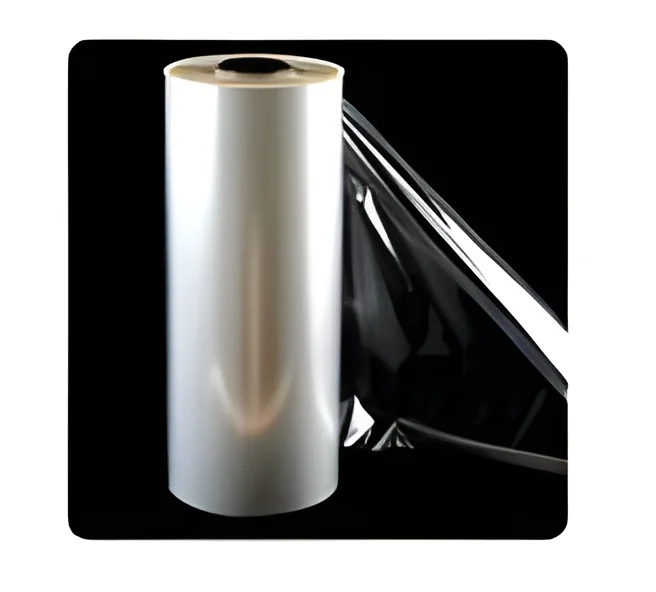
BOPP Film: This variant is known for its excellent clarity and high tensile strength. It is widely used for food packaging, labels, and flexible packaging solutions due to its moisture barrier properties.
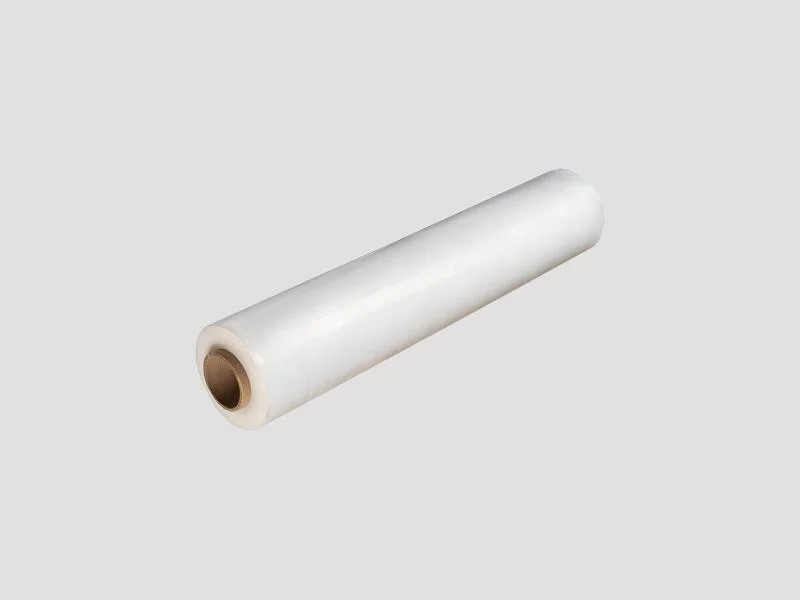
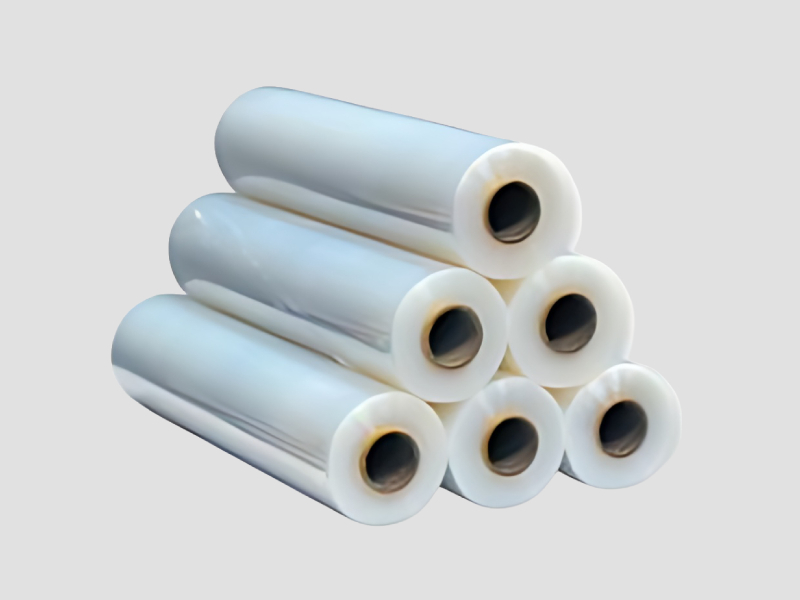
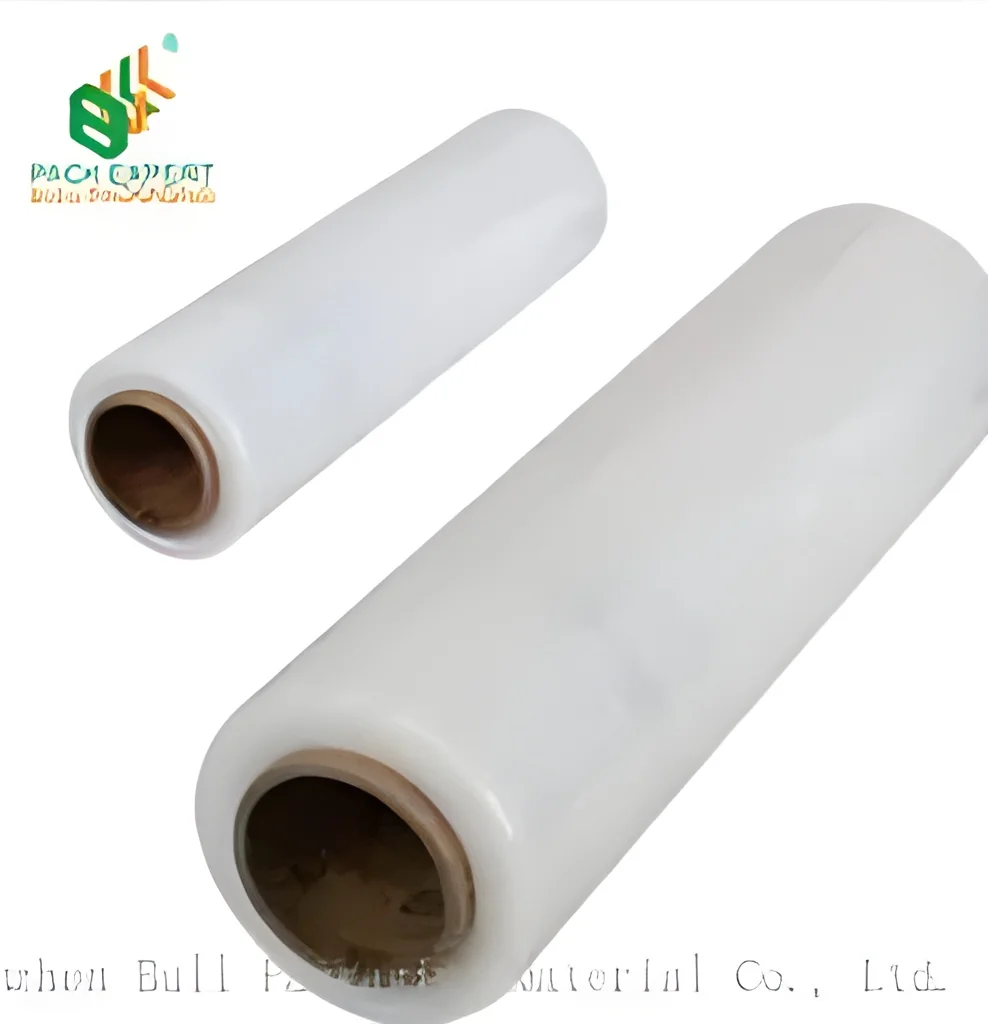
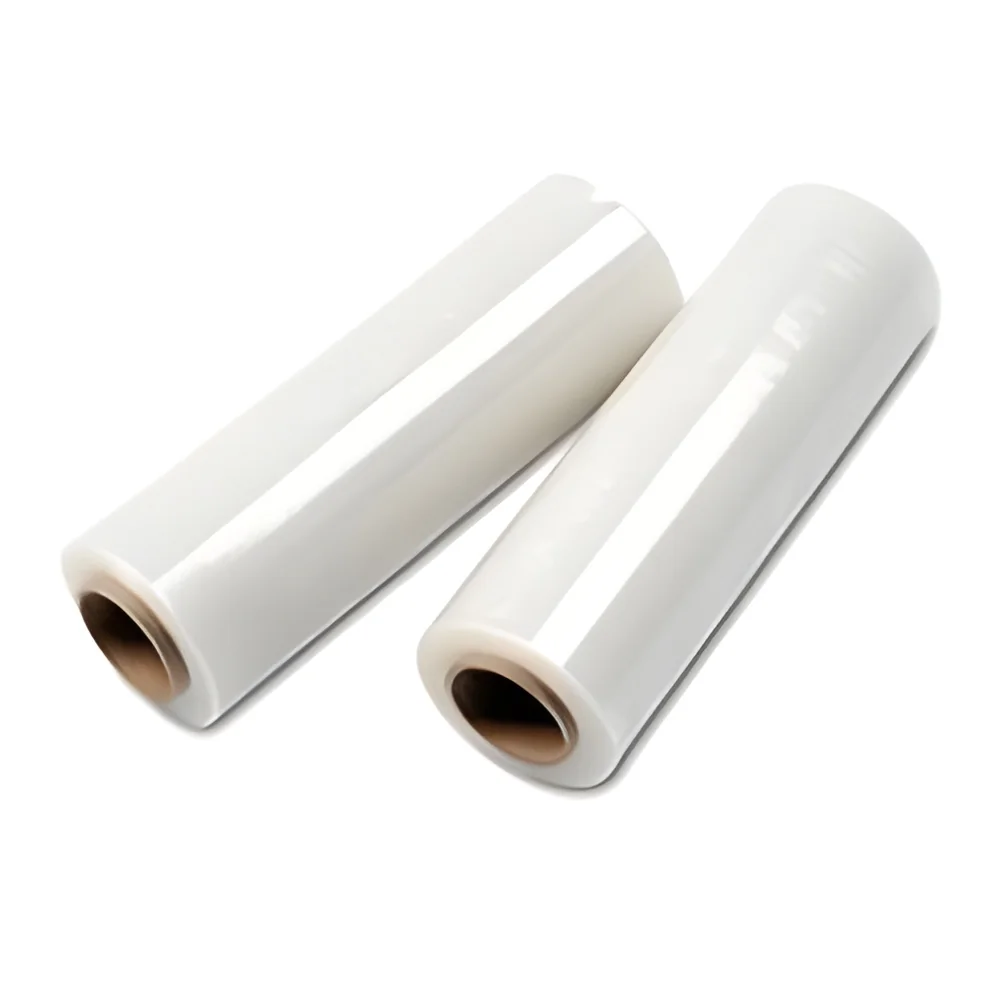
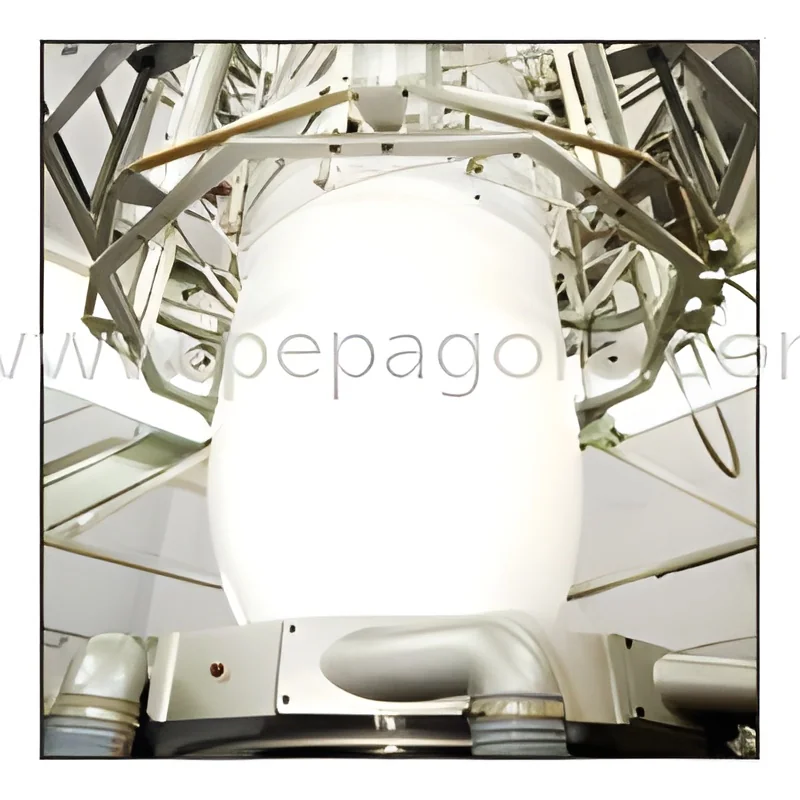
LLDPE Film: Recognized for its stretchability and toughness, LLDPE is ideal for applications such as stretch wrapping and bags. It is commonly used in the agriculture and retail sectors.
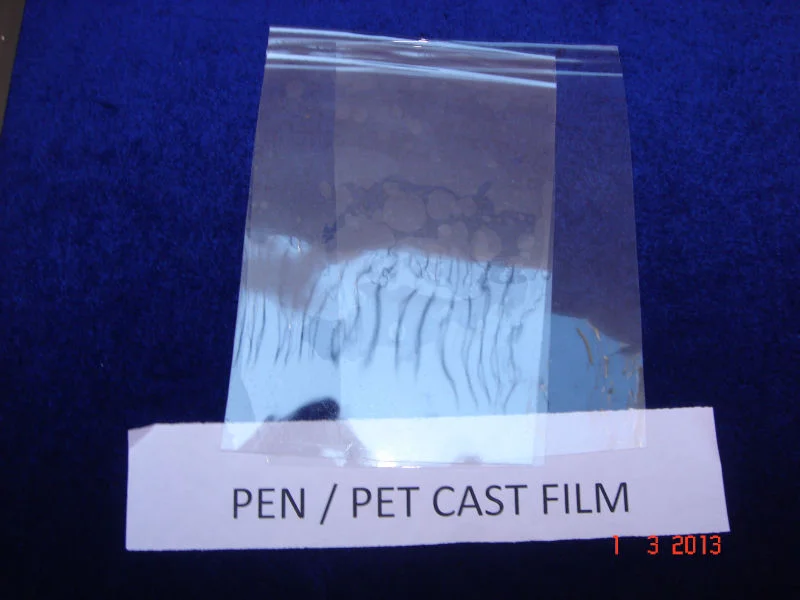
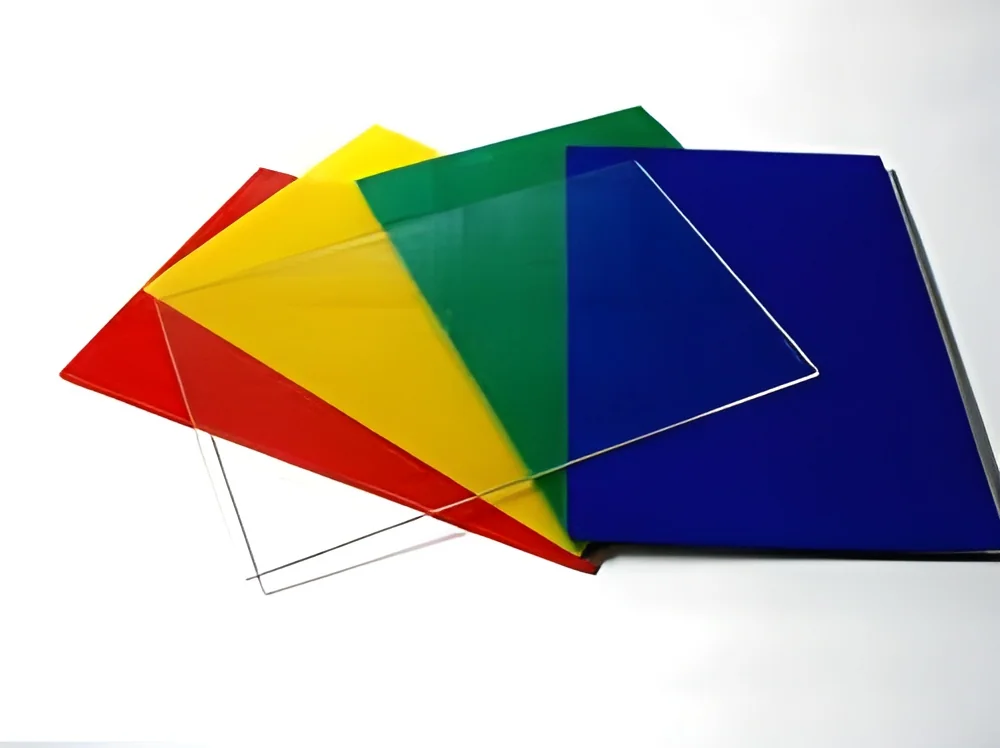
PVC Film: This film offers high clarity and is often used for packaging products that require visibility. PVC films are popular in consumer goods and pharmaceuticals for their protective qualities.
Benefits and Advantages
Investing in high-quality packaging films presents numerous benefits for businesses.
1. Enhanced Product Protection: Packaging films provide a barrier against moisture, light, and contaminants, ensuring product integrity.
2. Cost-Effective Solutions: The use of flexible packaging films can reduce material costs and waste, contributing to overall cost savings in production.
3. Improved Shelf Appeal: High-quality films enhance the visual presentation of products, attracting consumers and boosting sales.
4. Customization Potential: Packaging films can be tailored to meet specific branding and functional requirements, allowing for differentiation in the marketplace.
5. Sustainability Options: Many packaging films are available in recyclable or biodegradable options, aligning with growing consumer preferences for eco-friendly products.
6. Versatility in Applications: The diverse range of films allows businesses to find suitable solutions across various industries and applications.
Buying Guide for B2B Buyers
When sourcing Packaging Films (BOPP, LLDPE, PVC), it is essential for buyers to consider several critical factors.
1. Quality Assessment: Evaluate the film's specifications and performance characteristics to ensure it meets industry standards and product requirements.
2. Supplier Verification: Conduct thorough research on suppliers to confirm their reputation, reliability, and ability to deliver quality products consistently.
3. Pricing and MOQ: Understand the pricing structure and minimum order quantities to make informed purchasing decisions that align with budget constraints and production needs.
4. Delivery and Lead Times: Consider the logistics involved, including delivery schedules and lead times, to ensure timely availability of packaging materials.
5. Compliance Requirements: Be aware of industry regulations and compliance standards, including safety and quality certifications that the packaging films must meet.
Compliance and Certifications
Compliance with industry standards is critical for packaging films to ensure safety and quality. Key quality standards include ISO 9001, which focuses on quality management systems, ensuring consistent product quality and customer satisfaction. Additionally, HACCP (Hazard Analysis Critical Control Point) standards are significant in the food sector, ensuring that packaging materials do not pose safety risks.
Industry certifications, such as CE certification, indicate compliance with European health, safety, and environmental protection standards, assuring buyers of the film's reliability. Safety and testing requirements further ensure that packaging films meet necessary performance benchmarks.
Regional compliance considerations are also vital, especially for businesses operating in multiple markets. Understanding local regulations can help in avoiding legal issues and ensuring that products meet required safety and quality standards.
Why Source Packaging Films (BOPP, LLDPE, PVC) from Pepagora?
Pepagora provides a trusted platform for sourcing Packaging Films (BOPP, LLDPE, PVC) with several key advantages that benefit B2B buyers.
Verified Supplier Network: Pepagora connects buyers with a network of verified suppliers, ensuring that all partnerships are built on trust and reliability. This helps businesses find high-quality products without the risk associated with unverified sources.
Streamlined RFQ Process: The platform offers a simplified request for quotation (RFQ) process, allowing buyers to easily compare prices and specifications from multiple suppliers. This transparency enables informed purchasing decisions.
Trade Assurance and Support: Pepagora prioritizes buyer protection through trade assurance programs, ensuring that transactions are secure and that buyers receive the products as promised. Additionally, dedicated support is available to address any inquiries or issues.
Regional Coverage: With a strong presence in regions including India, the GCC, and Southeast Asia, Pepagora offers extensive geographic reach. This ensures that businesses can source packaging films conveniently, regardless of their location.
By choosing Pepagora, businesses can confidently navigate the packaging film market, ensuring they receive top-quality products tailored to their needs.

 IN
IN