What are Packaging Labels & Tag Stock?
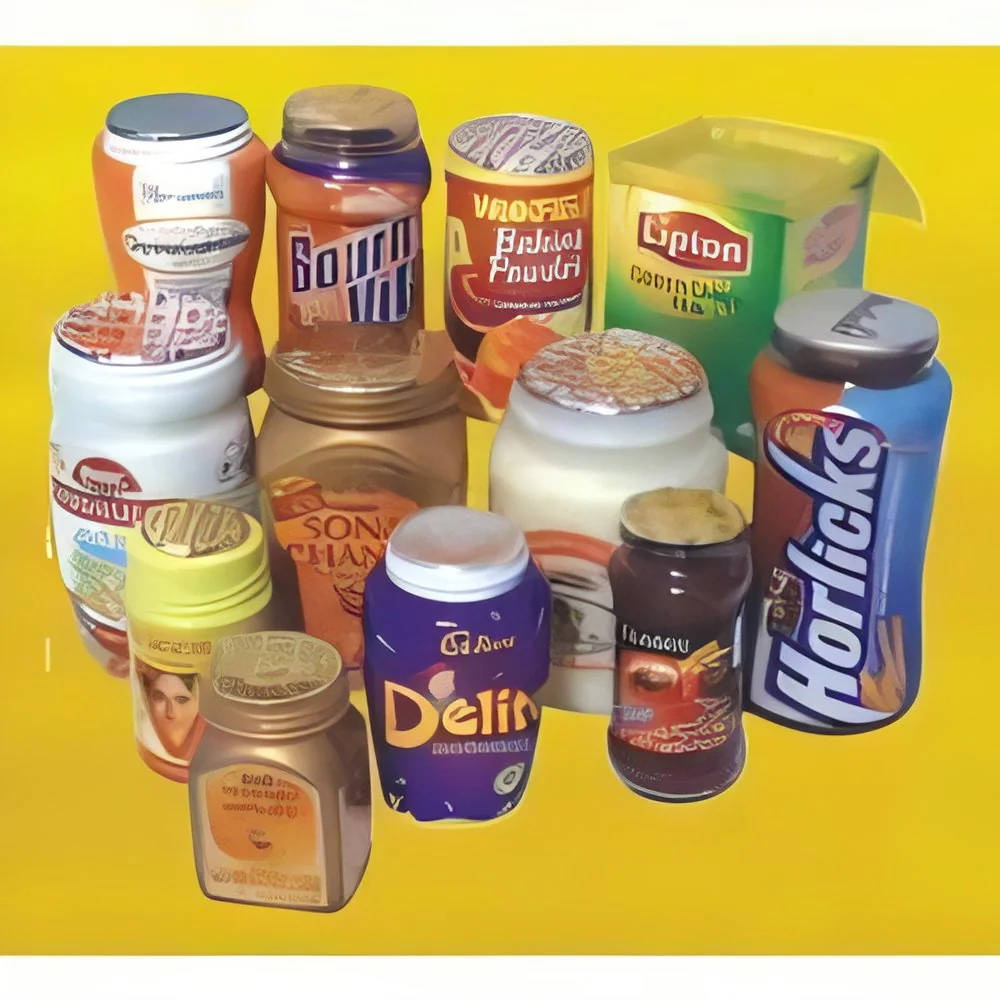
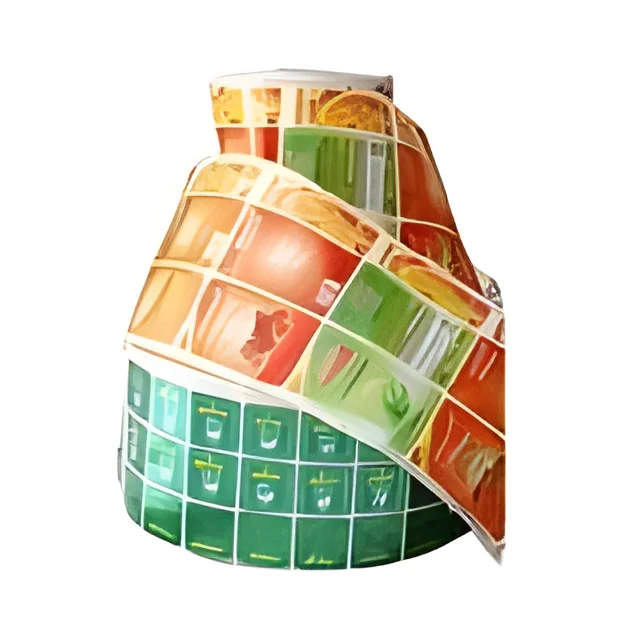
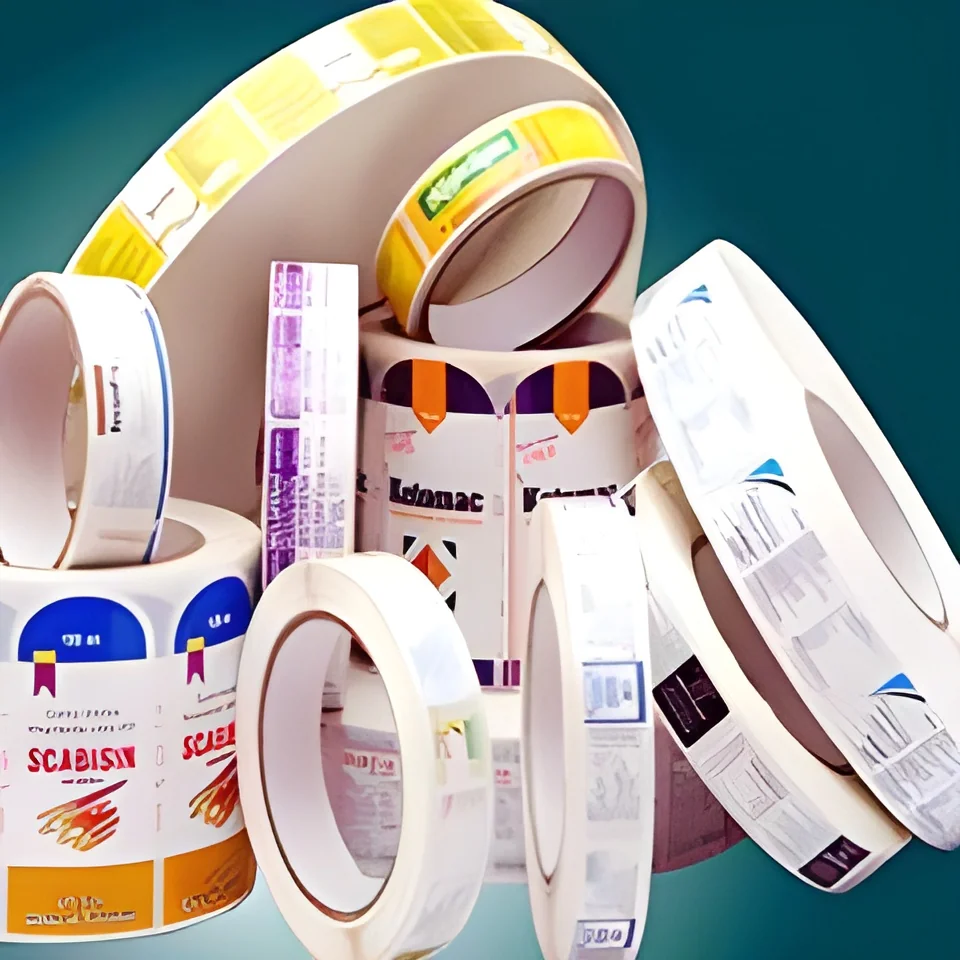
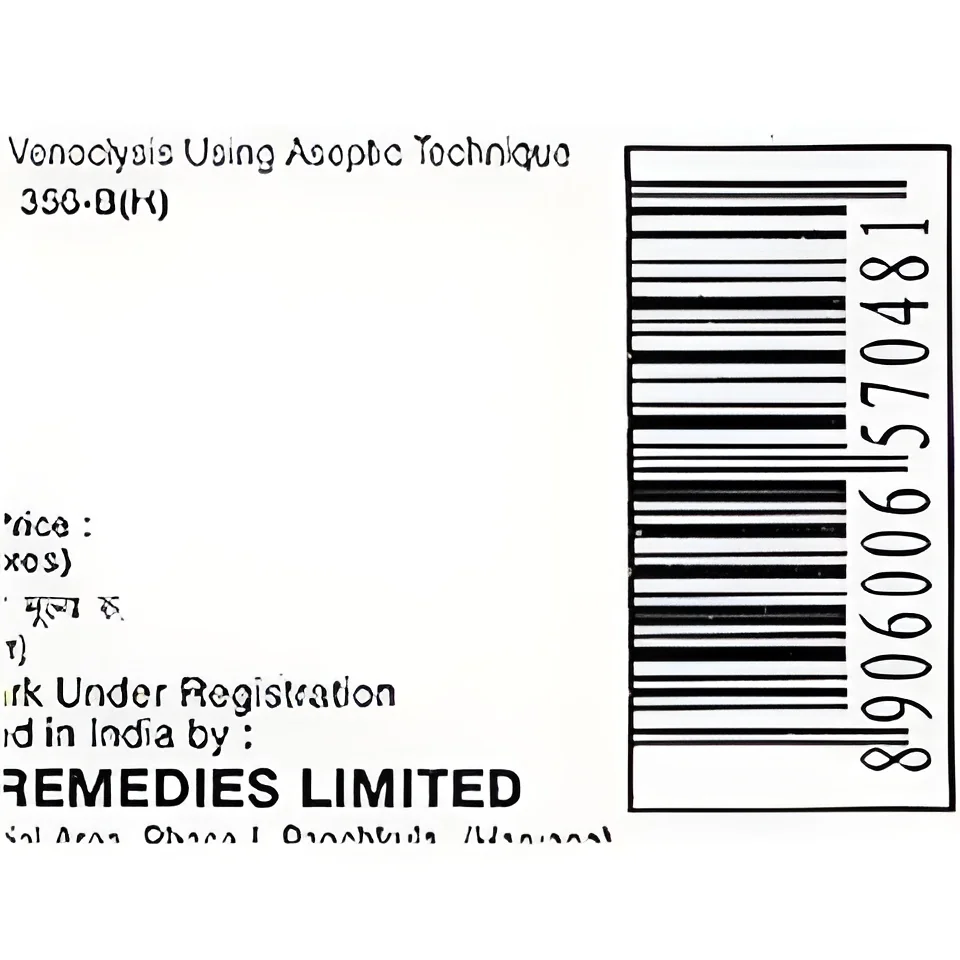
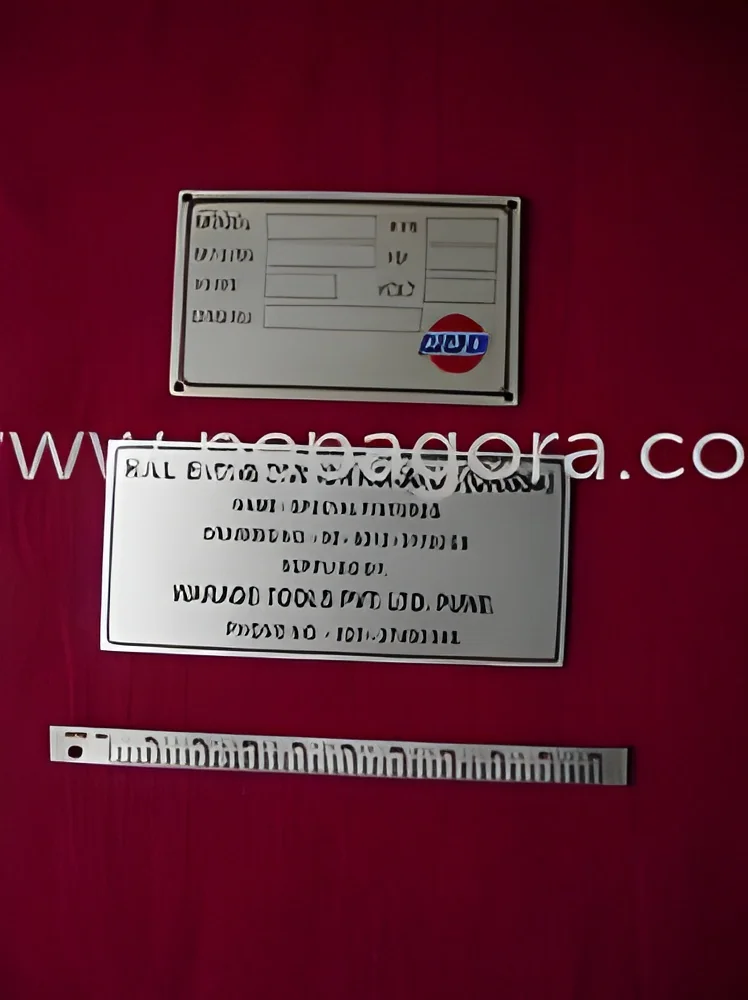
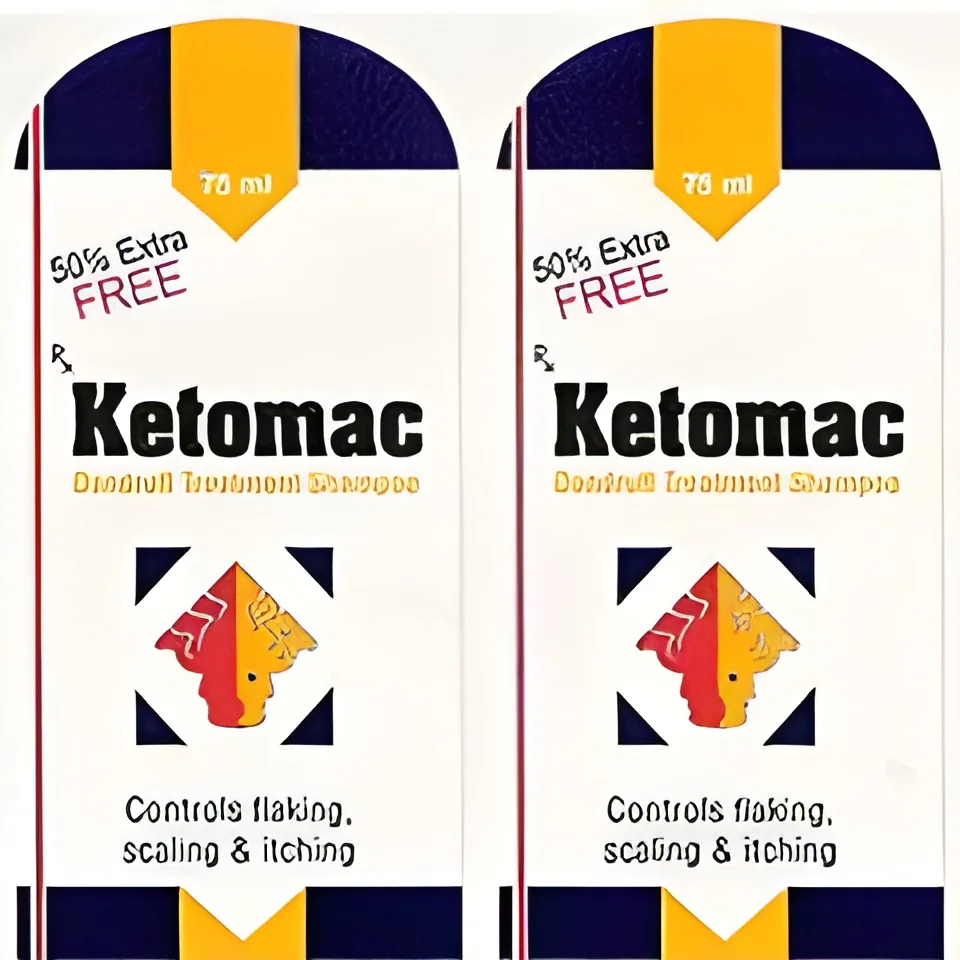
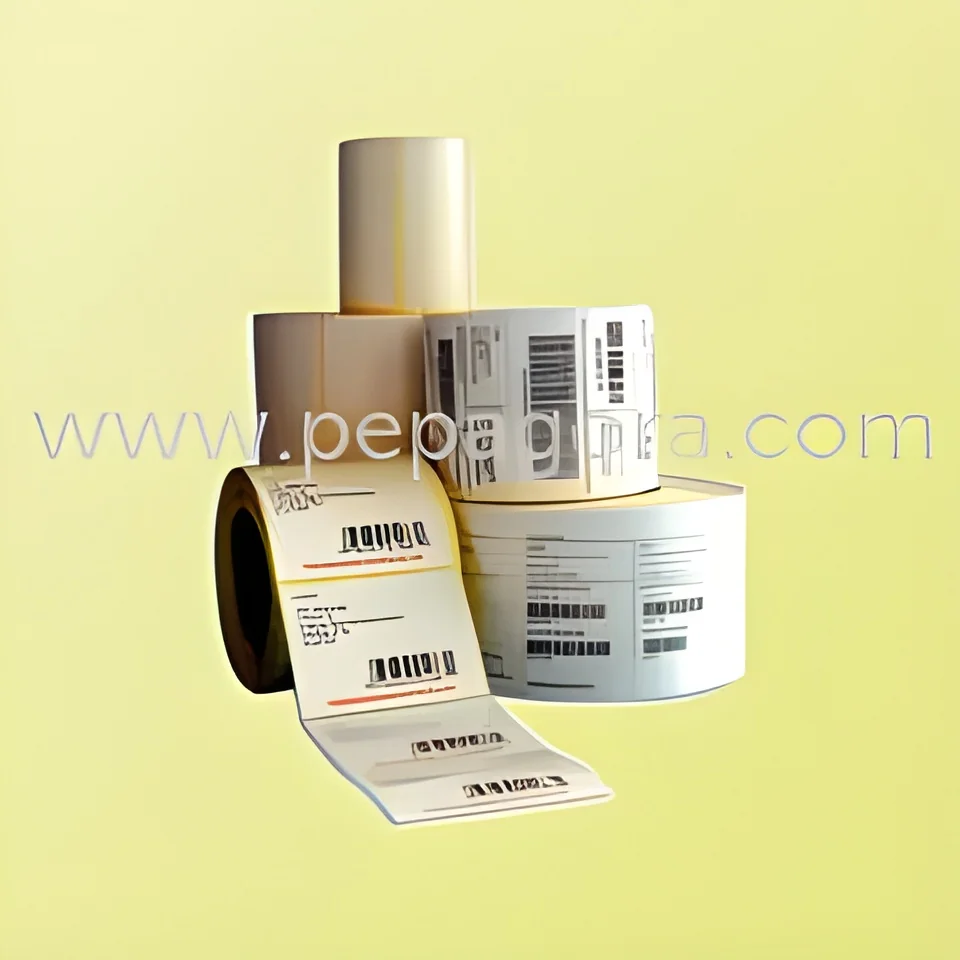
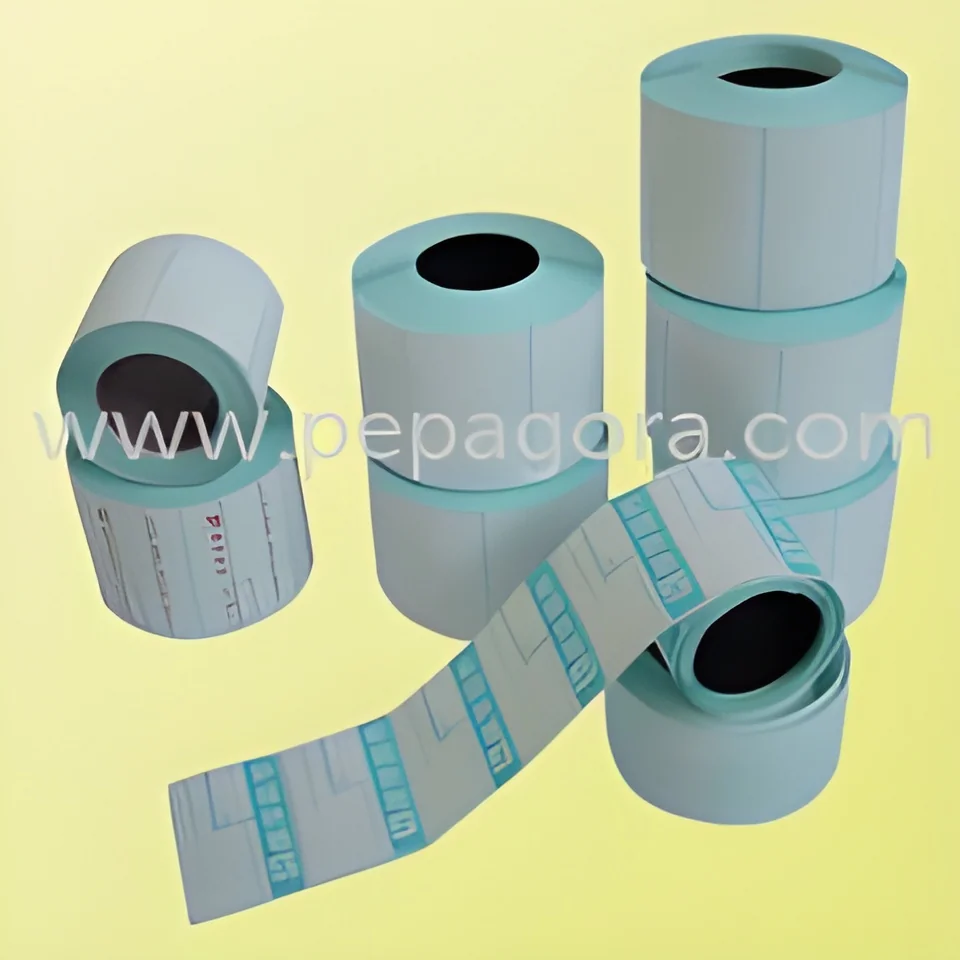
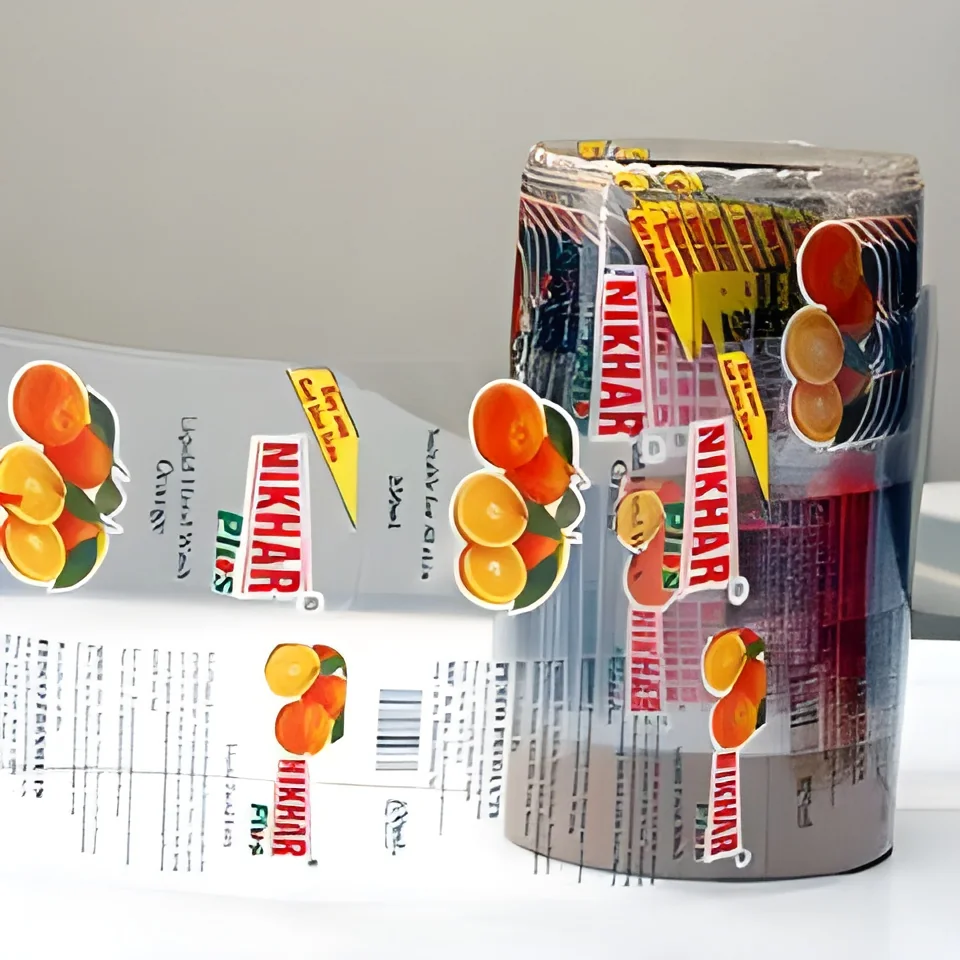
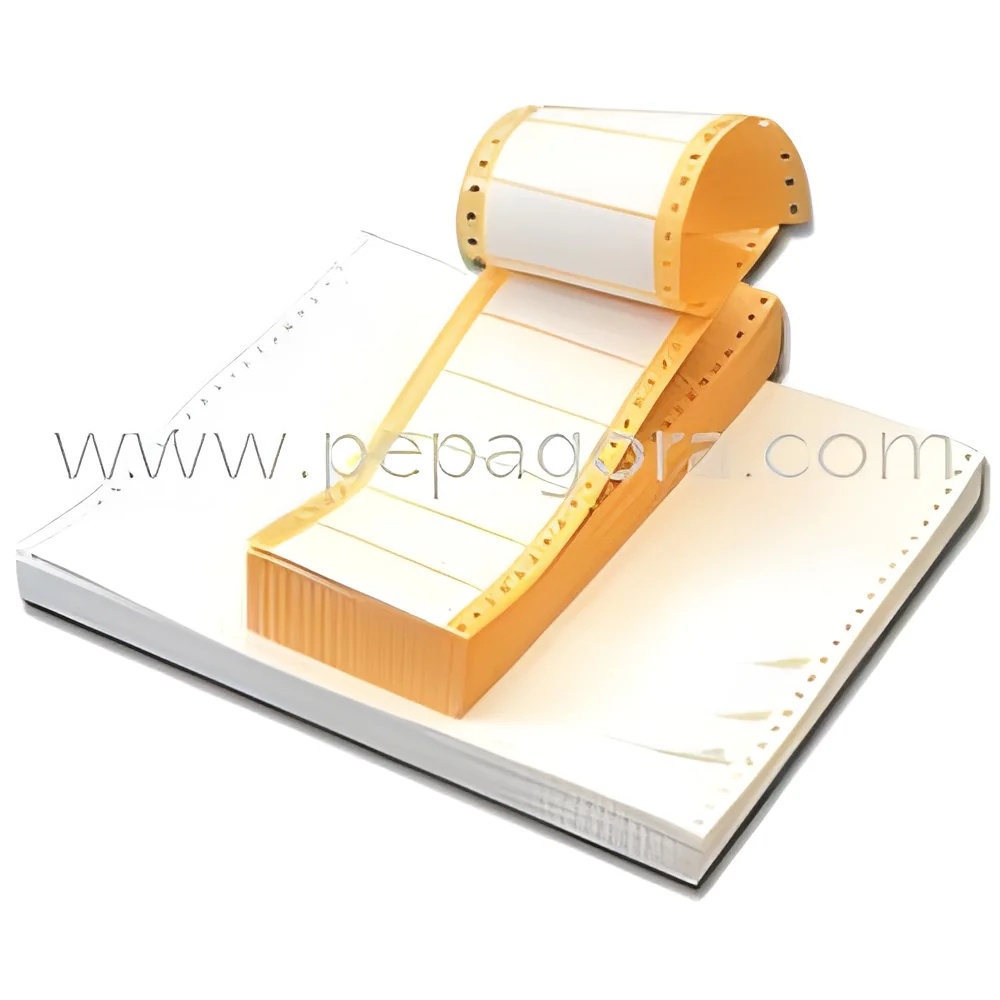
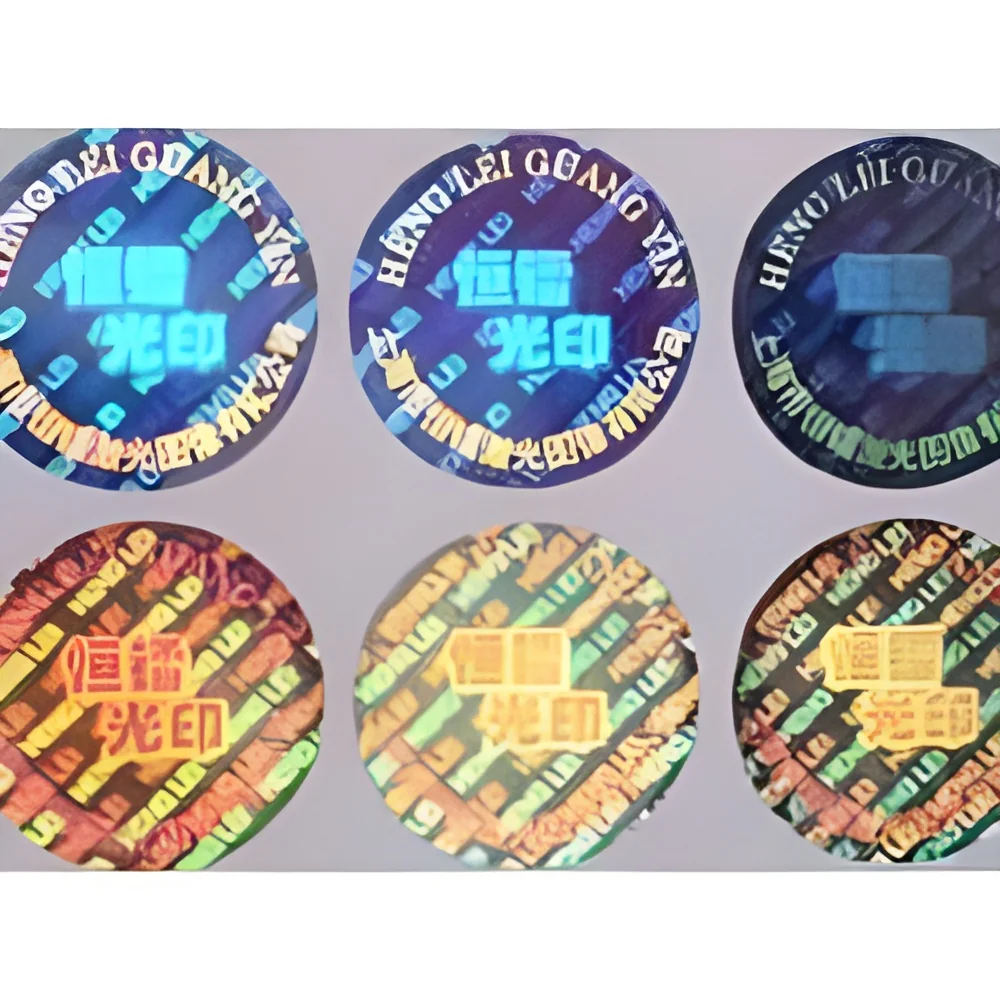
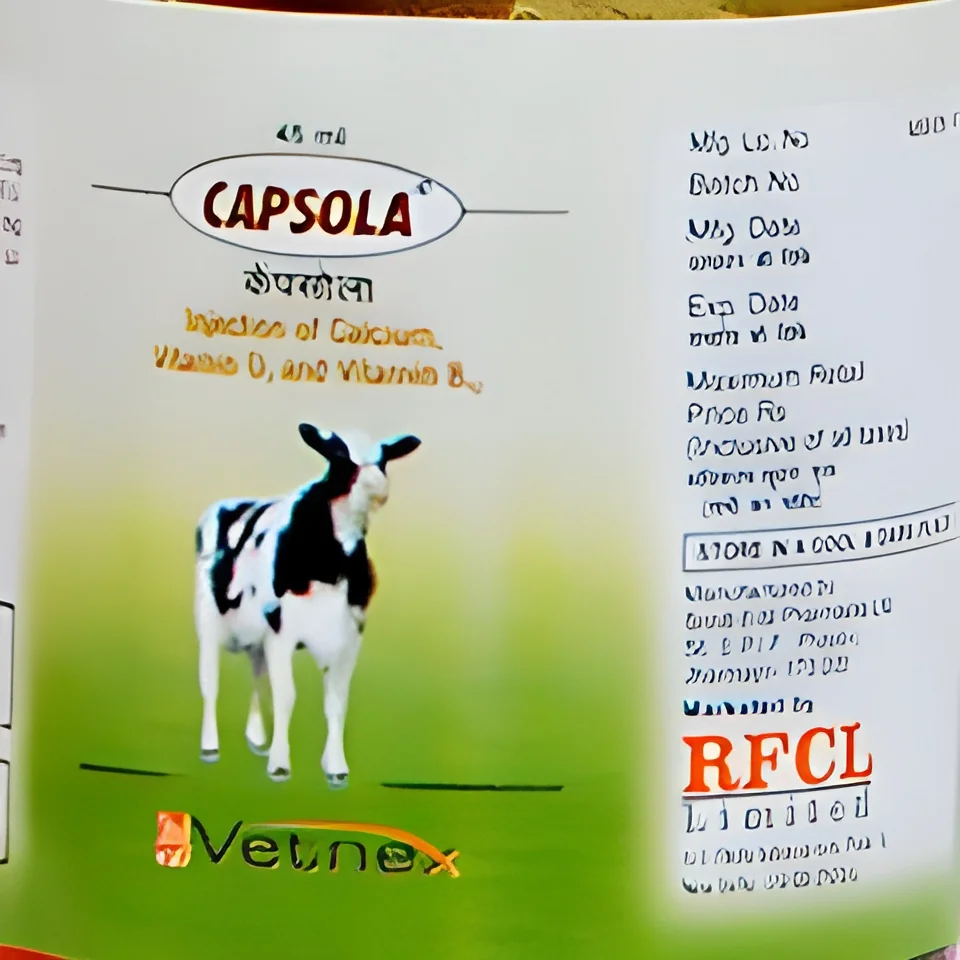
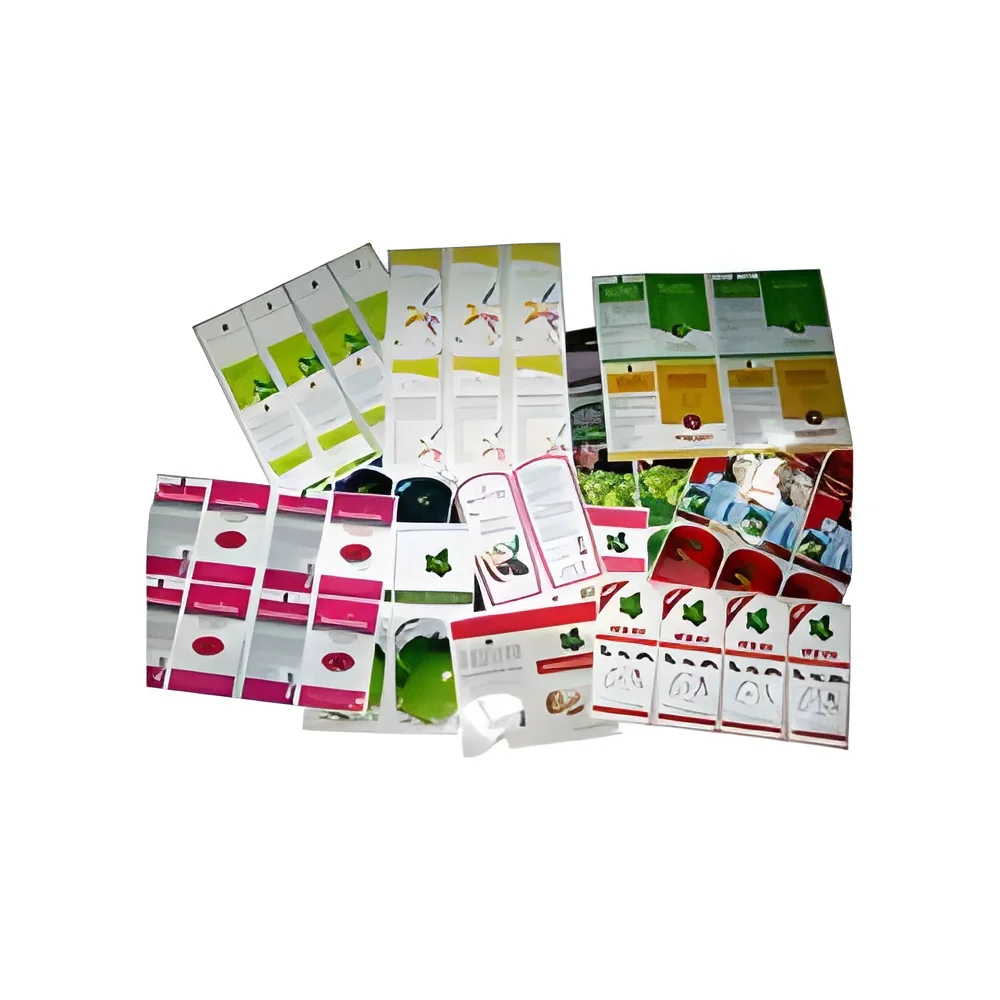
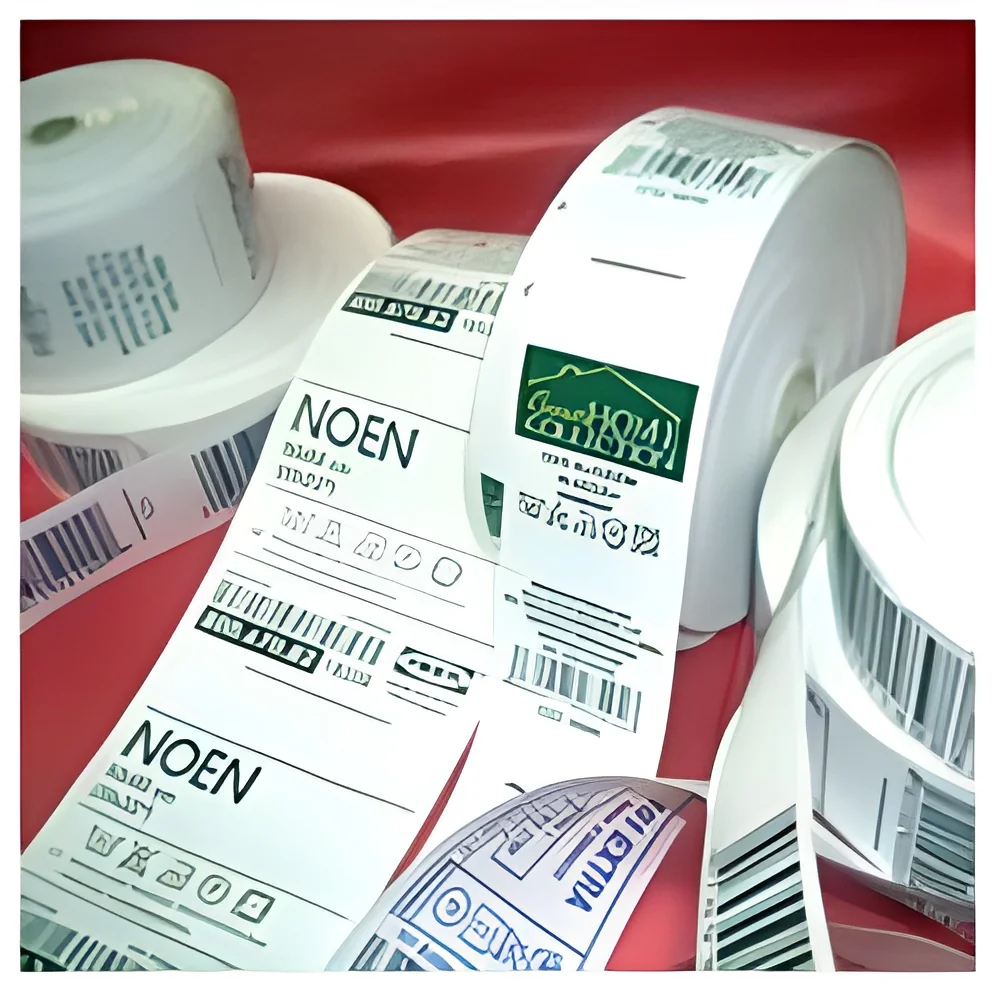
Packaging labels and tag stock are essential components in the industrial and commercial packaging process. These materials are designed to provide critical information about the product, including branding, handling instructions, and regulatory compliance. Labels are typically adhesive-backed and can be applied directly to products or packaging, while tag stock generally refers to thicker paper or cardboard used for hang tags or tags that are attached to products.
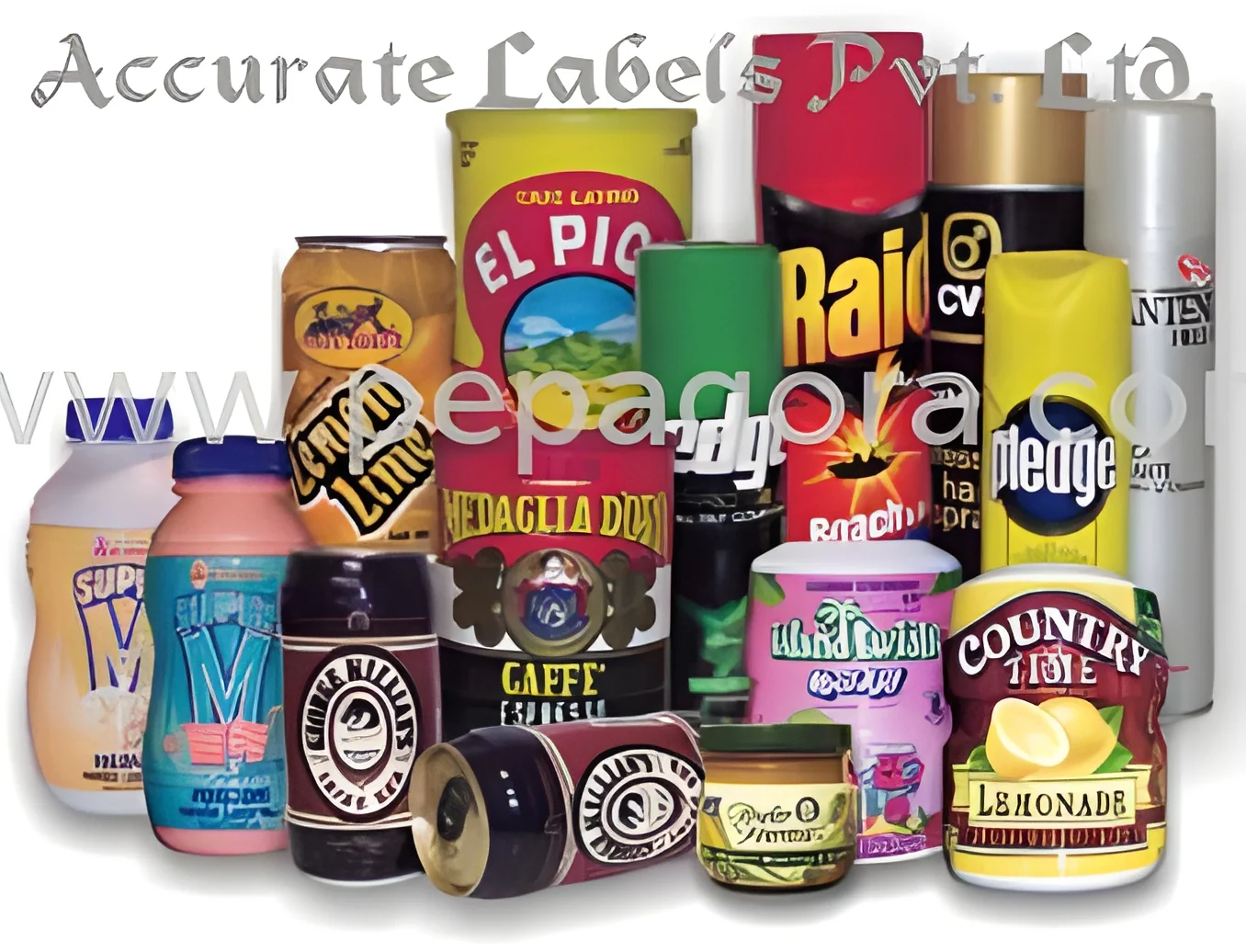
These products are widely used across various sectors such as retail, logistics, food and beverage, pharmaceuticals, and manufacturing. In retail, packaging labels help convey brand identity and product information to consumers. In logistics, they play a crucial role in inventory management and tracking. The versatility of packaging labels and tag stock makes them indispensable in ensuring compliance with industry regulations and enhancing product visibility in the market.
The relevance of packaging labels and tag stock in today’s market cannot be understated. As businesses increasingly focus on branding and compliance, the demand for high-quality labels continues to grow. Companies are also looking for solutions that offer customization, durability, and ease of use. This trend underscores the importance of understanding the various options available in the packaging labels and tag stock sector.
Key Features and Specifications
Packaging labels and tag stock come with a variety of features tailored to meet specific requirements. Their versatility allows them to be used in diverse applications, making them suitable for several industries.
Key specifications include:
1. Material Type
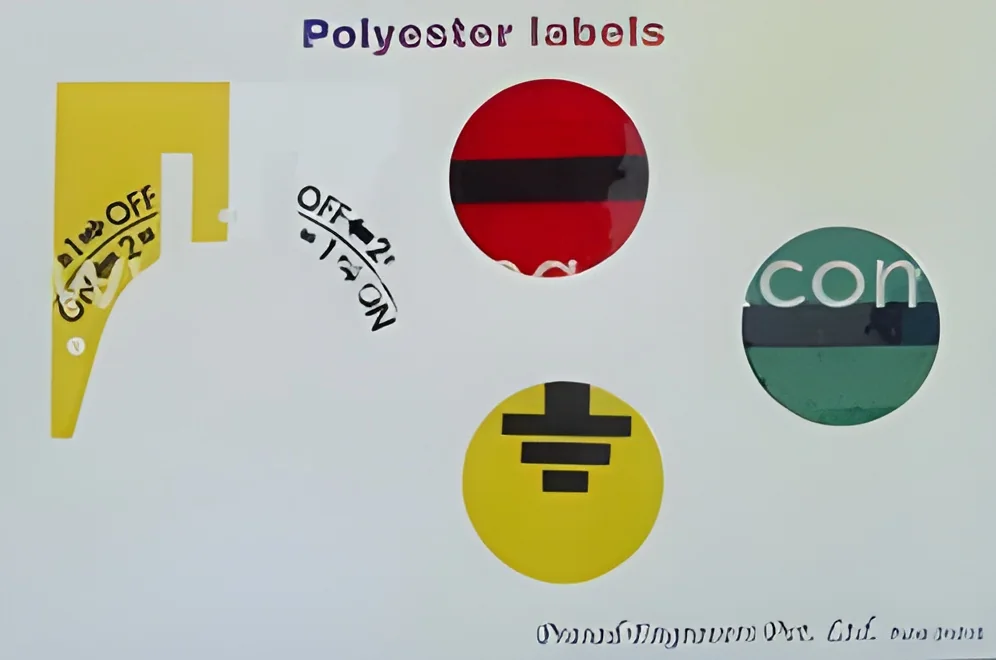
- Common materials include paper, vinyl, polyester, and polypropylene.
- Each material has distinct properties suitable for different environments.
2. Adhesive Options
- Available in permanent, removable, or repositionable adhesives.
- Selection depends on the intended use and surface compatibility.
3. Size and Dimensions
- Customizable sizes to fit various products or packaging.
- Standard sizes are also available for common applications.
4. Print Compatibility
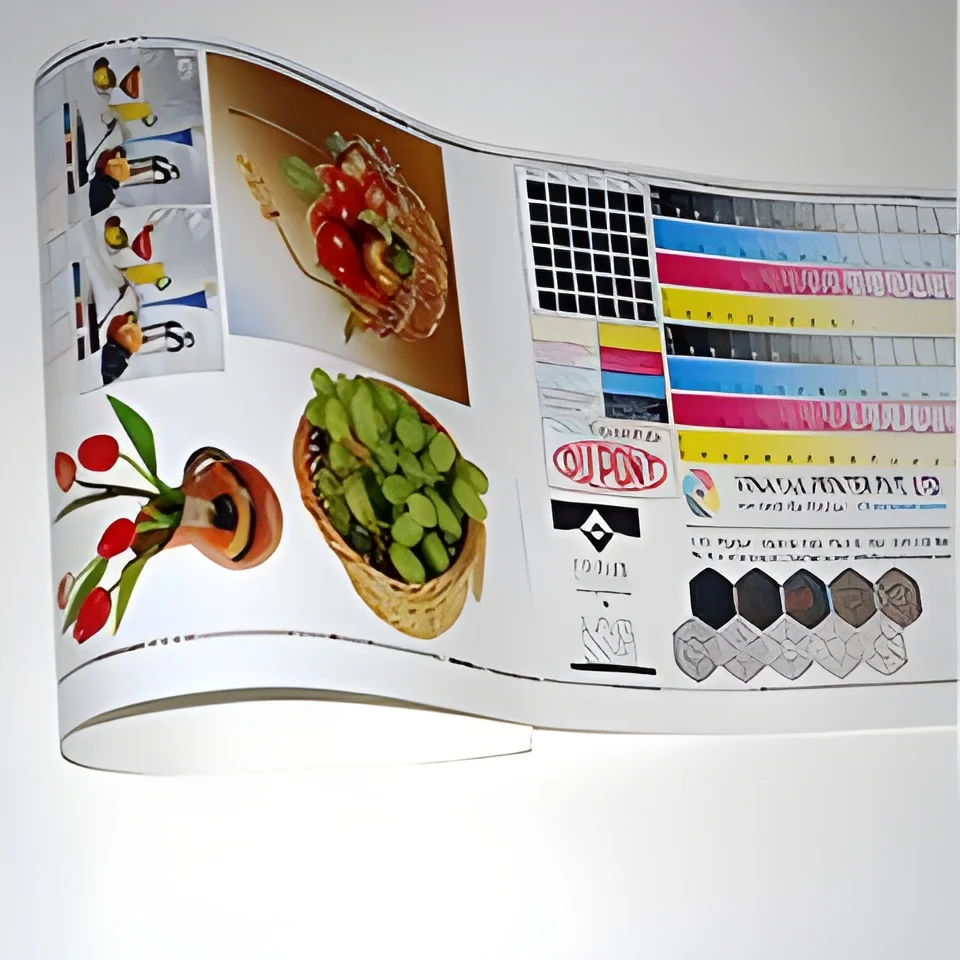
- Compatible with various printing technologies such as flexographic, digital, and thermal transfer.
- Ensures high-quality printing of images and barcodes.
5. Durability
- Resistance to moisture, chemicals, and UV exposure.
- Essential for products that require long-lasting labels.
6. Finish
- Options include gloss, matte, or clear finishes.
- Affects the visual appeal and legibility of the label.
7. Compliance Standards
- Labels can be produced to meet industry-specific regulations.
- Important for sectors like food and pharmaceuticals.
In summary, understanding the key features and specifications of packaging labels and tag stock helps businesses select the right products for their needs.
Common Applications and Use Cases
Packaging labels and tag stock serve a broad range of industries, each with specific applications that enhance product functionality and compliance.
1. Retail: Labels provide essential product information and branding, making them vital for consumer engagement and compliance with labeling regulations.
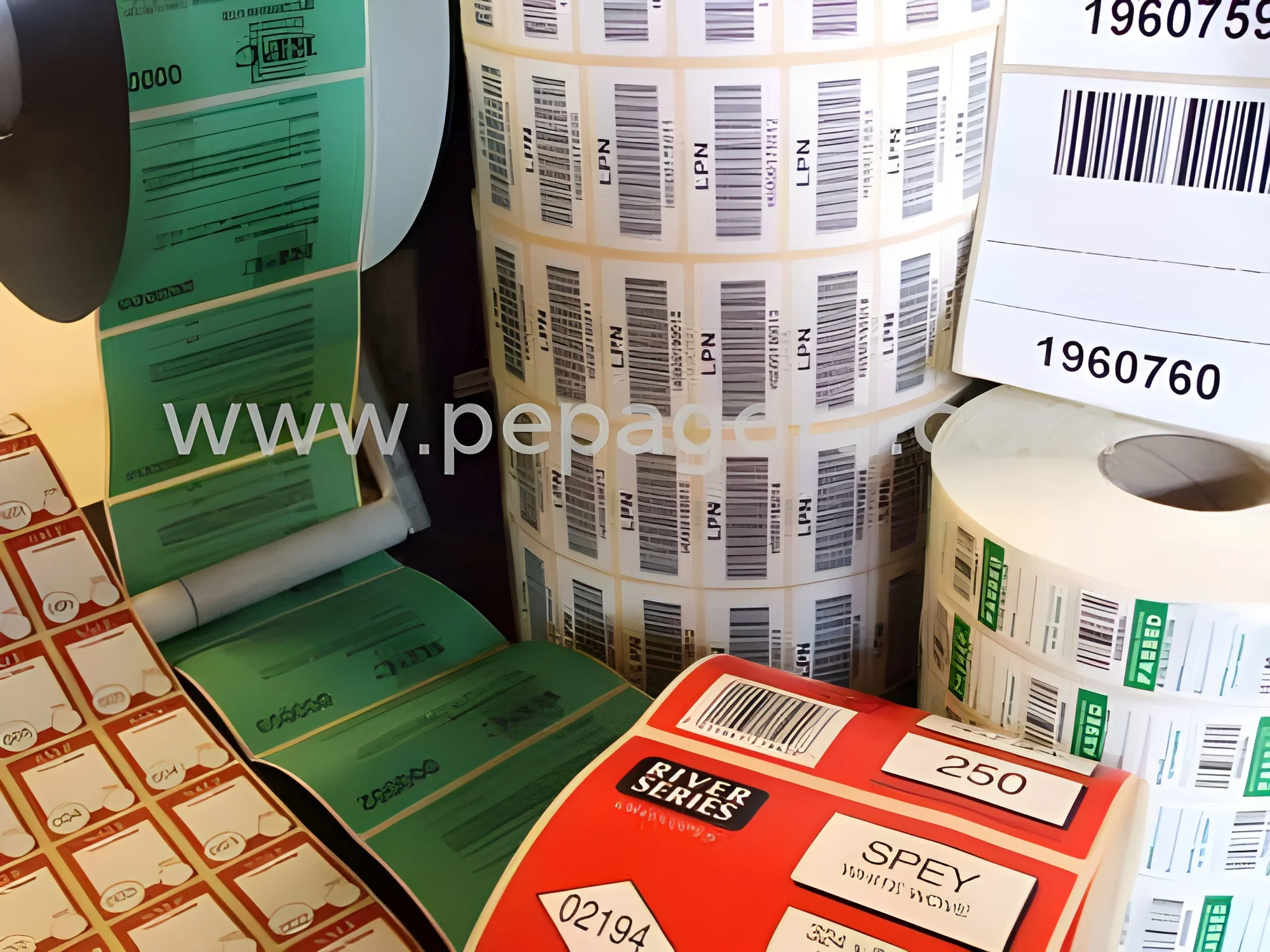
2. Logistics: Tag stock is used for inventory management, tracking shipments, and ensuring products are handled correctly throughout the supply chain.
3. Food and Beverage: Labels must comply with strict regulations, offering information on ingredients, allergens, and nutritional facts while also enhancing product appeal.
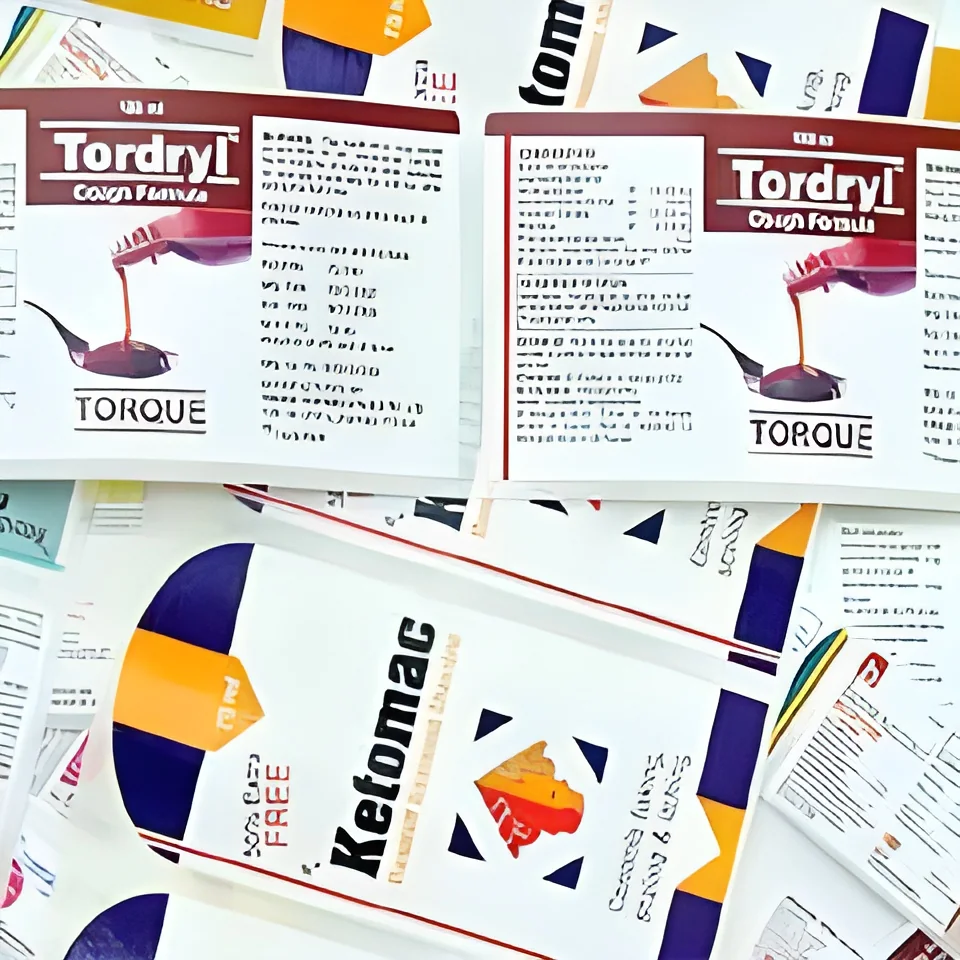
4. Pharmaceuticals: High-quality labels are essential for information accuracy and regulatory compliance, ensuring that critical details are conveyed to consumers and healthcare professionals.
5. Manufacturing: Labels are used for product identification, safety instructions, and tracking during production processes.
6. Electronics: Tags help in identifying components and providing important safety and warranty information to consumers.
7. Cosmetics: Labels must be visually appealing while providing essential information about ingredients and usage instructions.
Product Variants and Subcategories
Packaging labels and tag stock come in various forms to cater to different needs and preferences.
Vinyl Labels
These labels are durable and resistant to water and chemicals, making them ideal for outdoor or industrial applications. Their flexibility allows for easy application on curved surfaces.
Thermal Transfer Tags
These tags are designed for use with thermal printers, providing high-resolution printing for barcodes and text. They are commonly used in logistics and inventory management.
Paper Labels
Cost-effective and versatile, paper labels are suitable for indoor applications where durability is less of a concern. They are widely used in retail and food packaging.
Clear Labels
These labels provide a transparent appearance, allowing the product beneath to be visible. They are popular in cosmetics and specialty beverages for their aesthetic appeal.
Benefits and Advantages
Packaging labels and tag stock offer several advantages for businesses looking to enhance their product packaging.
1. Customization: Labels can be easily customized to fit branding requirements, ensuring consistency across products.
2. Improved Compliance: Labels designed to meet industry regulations help businesses avoid legal issues and ensure consumer safety.
3. Enhanced Visibility: High-quality labels improve product visibility, attracting consumers and boosting sales.
4. Cost-Effective: Custom printing and production options allow businesses to manage costs effectively while still achieving high-quality results.
5. Easy Application: User-friendly designs enable quick application, reducing labor costs and time during the packaging process.
6. Versatility: Available in a variety of materials and finishes, packaging labels can be tailored to meet the demands of various industries.
Buying Guide for B2B Buyers
When sourcing packaging labels and tag stock, businesses must consider several key factors to ensure they make informed purchasing decisions.
1. Quality Assessment: Evaluate the quality of materials and printing processes. Look for samples and certifications that demonstrate adherence to industry standards.
2. Supplier Verification: Vet suppliers carefully to ensure reliability and quality. Look for established suppliers with a proven track record in the industry.
3. Pricing and MOQ: Understand the pricing structure and minimum order quantities (MOQ). Consider bulk purchasing options for cost savings.
4. Delivery and Lead Times: Discuss delivery schedules and lead times upfront to ensure timely receipt of products.
5. Compliance Requirements: Ensure that the products meet any specific regulatory requirements relevant to your industry, such as food safety or chemical labeling.
Compliance and Certifications
Compliance and certification are critical aspects of packaging labels and tag stock. Adhering to relevant quality standards enhances product reliability and consumer safety.
Many manufacturers aim to comply with ISO 9001 standards, which ensure consistent quality management systems. This certification is crucial for maintaining product integrity and customer satisfaction.
In regulated industries such as food and pharmaceuticals, adherence to HACCP (Hazard Analysis Critical Control Point) guidelines is essential. This approach ensures that products are safe for consumption and meet necessary health regulations.
Additionally, CE certification may be relevant for certain products, indicating conformity with health, safety, and environmental protection standards.
Companies should also be aware of regional compliance considerations, as labeling requirements can differ significantly from one market to another. Ensuring compliance with local regulations is essential for successful market entry.
Why Source Packaging Labels & Tag Stock from Pepagora?
Pepagora offers a trusted platform for sourcing packaging labels and tag stock, providing numerous advantages for B2B buyers.
Verified Supplier Network: Pepagora boasts a comprehensive network of verified suppliers, ensuring that buyers can connect with reputable manufacturers. This network fosters confidence in product quality and supplier reliability.
Streamlined RFQ Process: The platform features a streamlined Request for Quotation (RFQ) process, allowing buyers to easily request quotes from multiple suppliers. This efficiency saves time and helps buyers make informed decisions.
Trade Assurance and Support: Pepagora provides trade assurance, protecting buyers against potential issues during the transaction process. This support adds an extra layer of security for businesses investing in packaging solutions.
Regional Coverage: With a geographical reach that includes India, the GCC, and Southeast Asia, Pepagora connects buyers with suppliers across key markets. This extensive coverage enhances accessibility to quality packaging solutions tailored to regional needs.
By choosing Pepagora, businesses can ensure they are sourcing high-quality packaging labels and tag stock effectively and efficiently.

 IN
IN