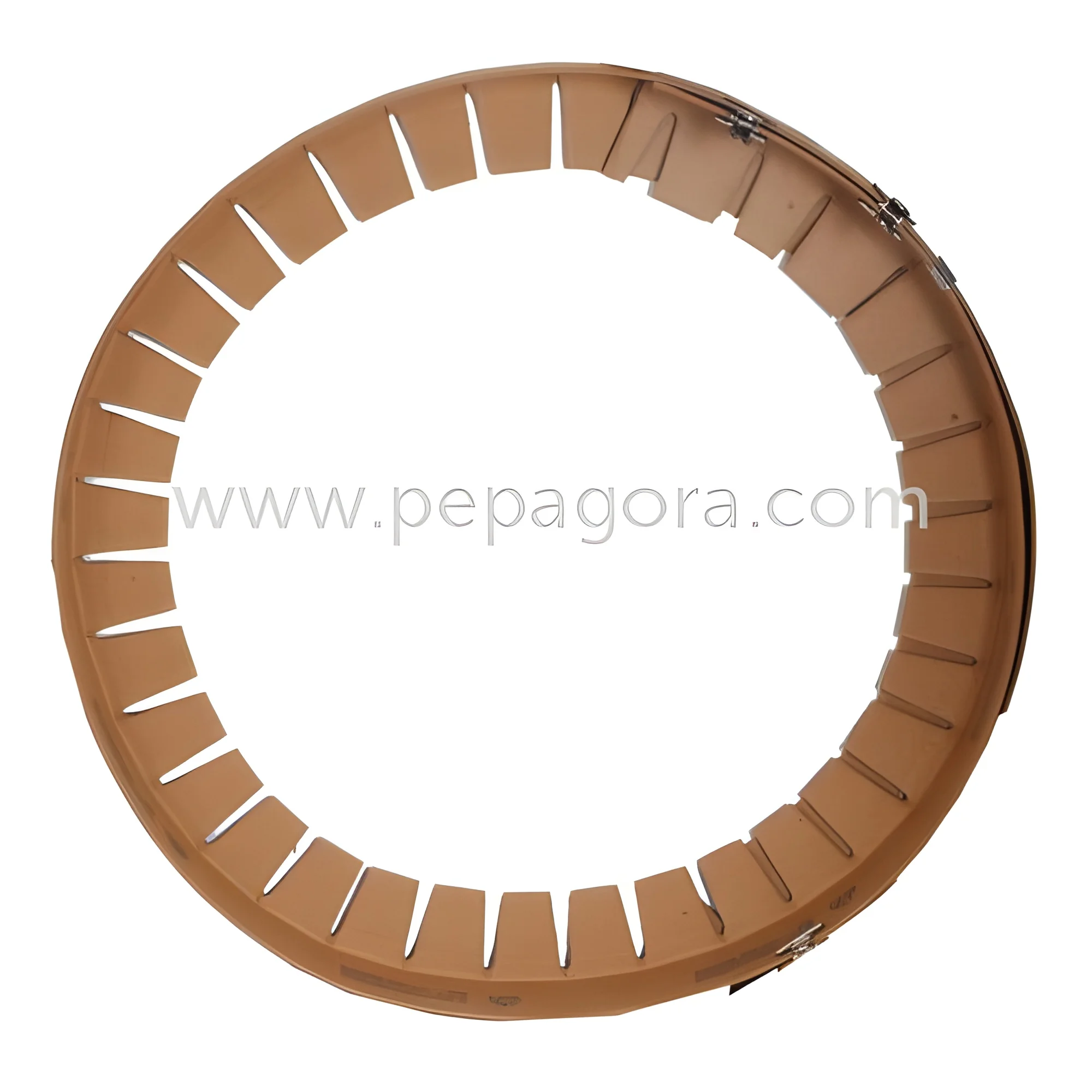
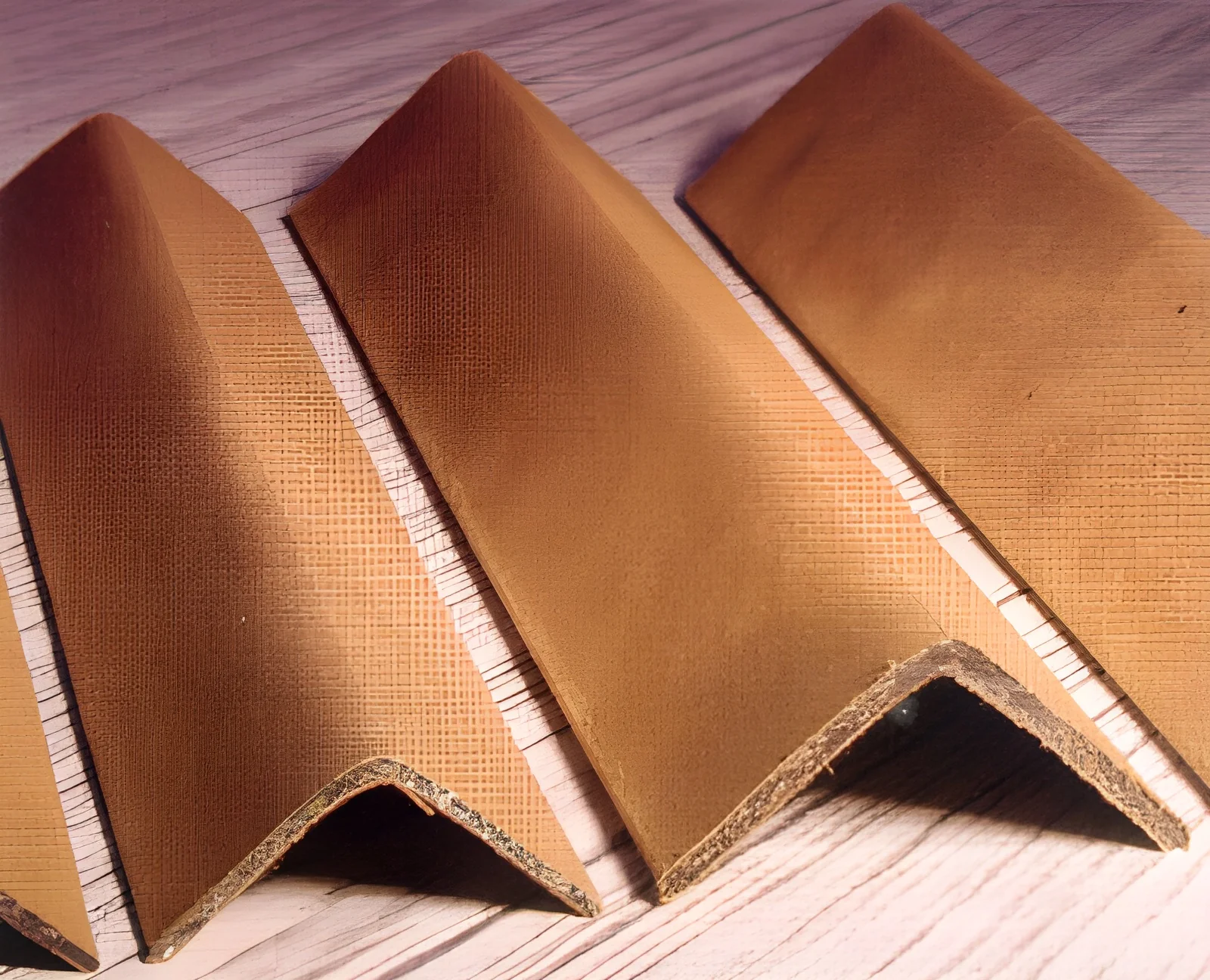
What are Edge Protectors & Cushioning Inputs?
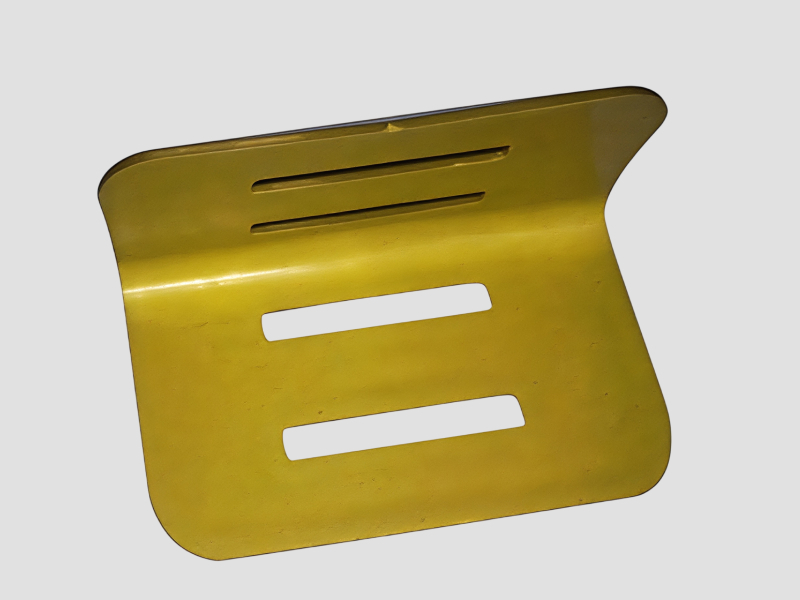
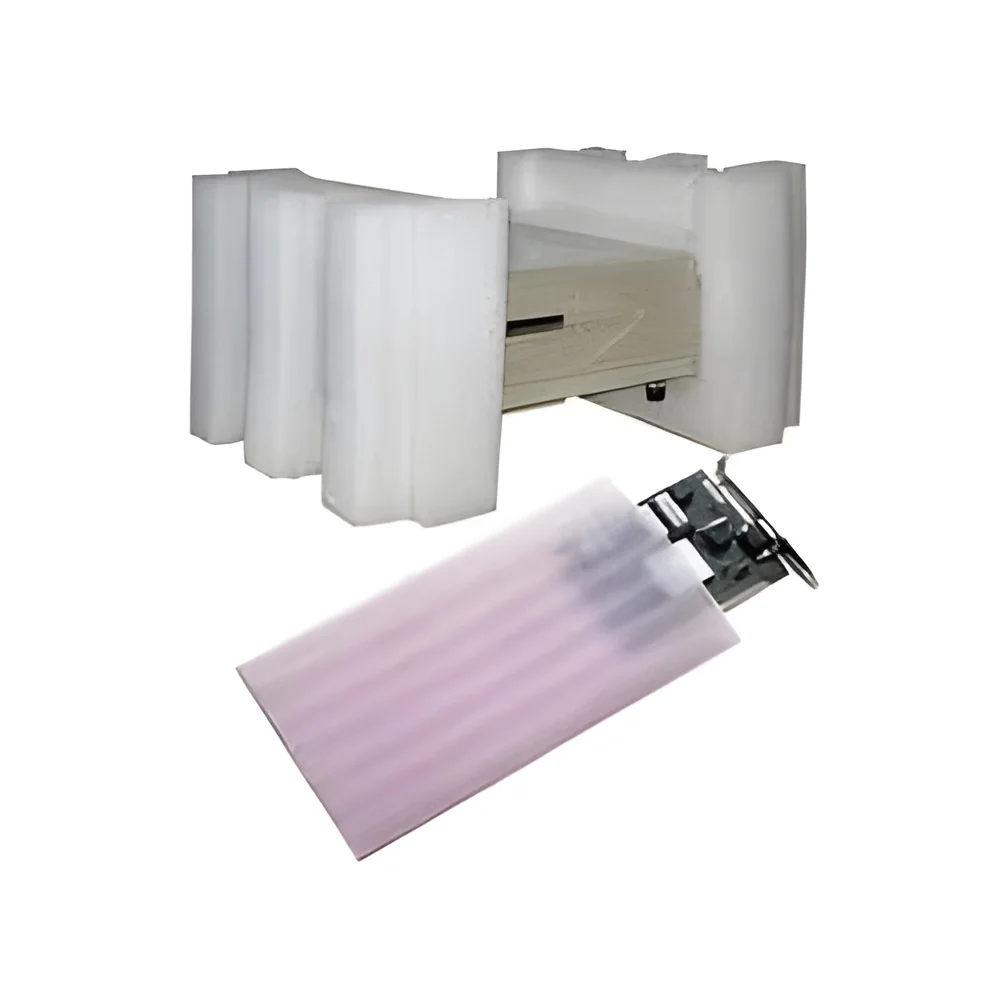
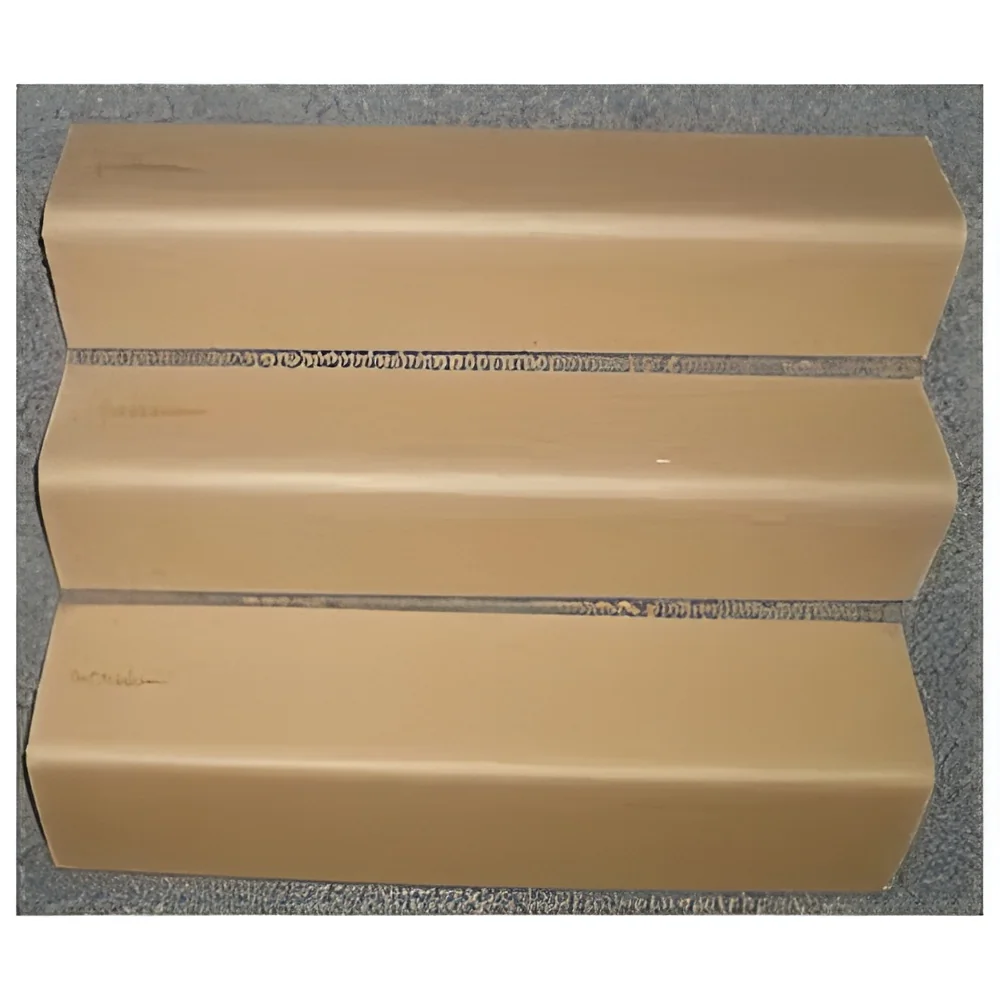
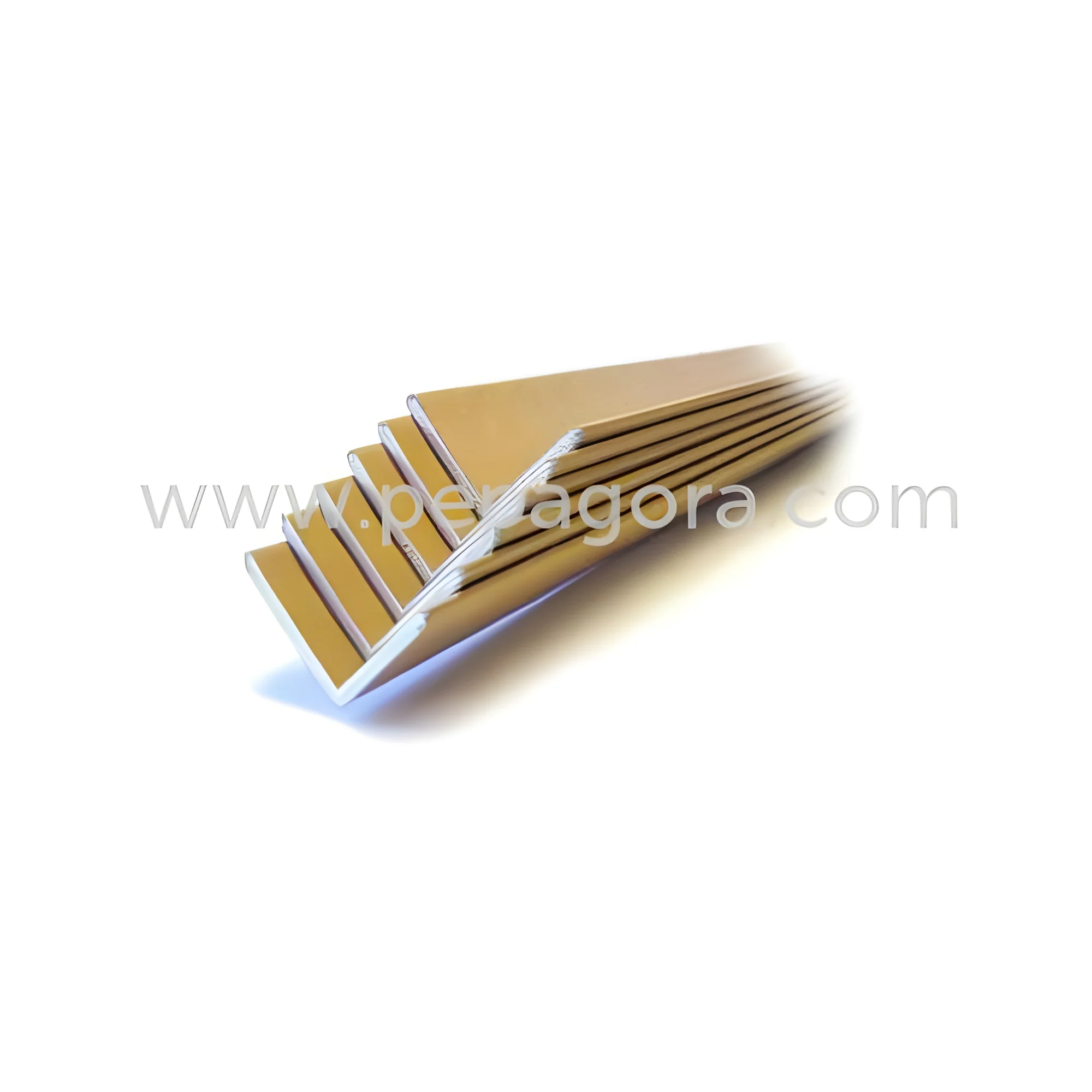
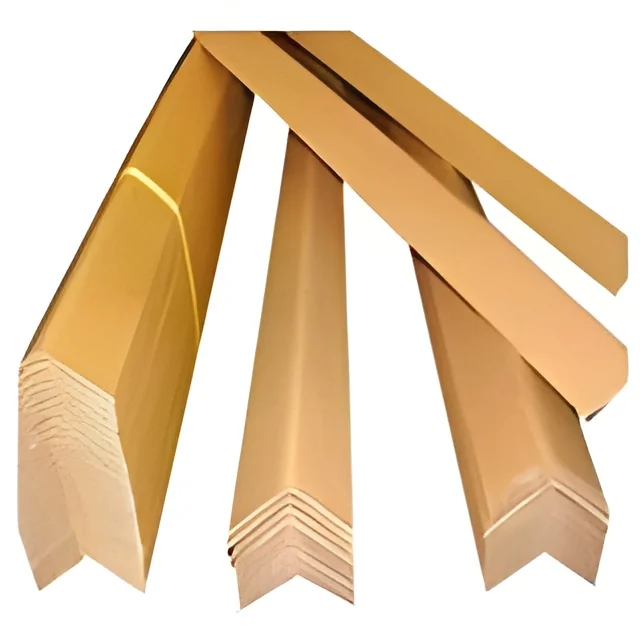
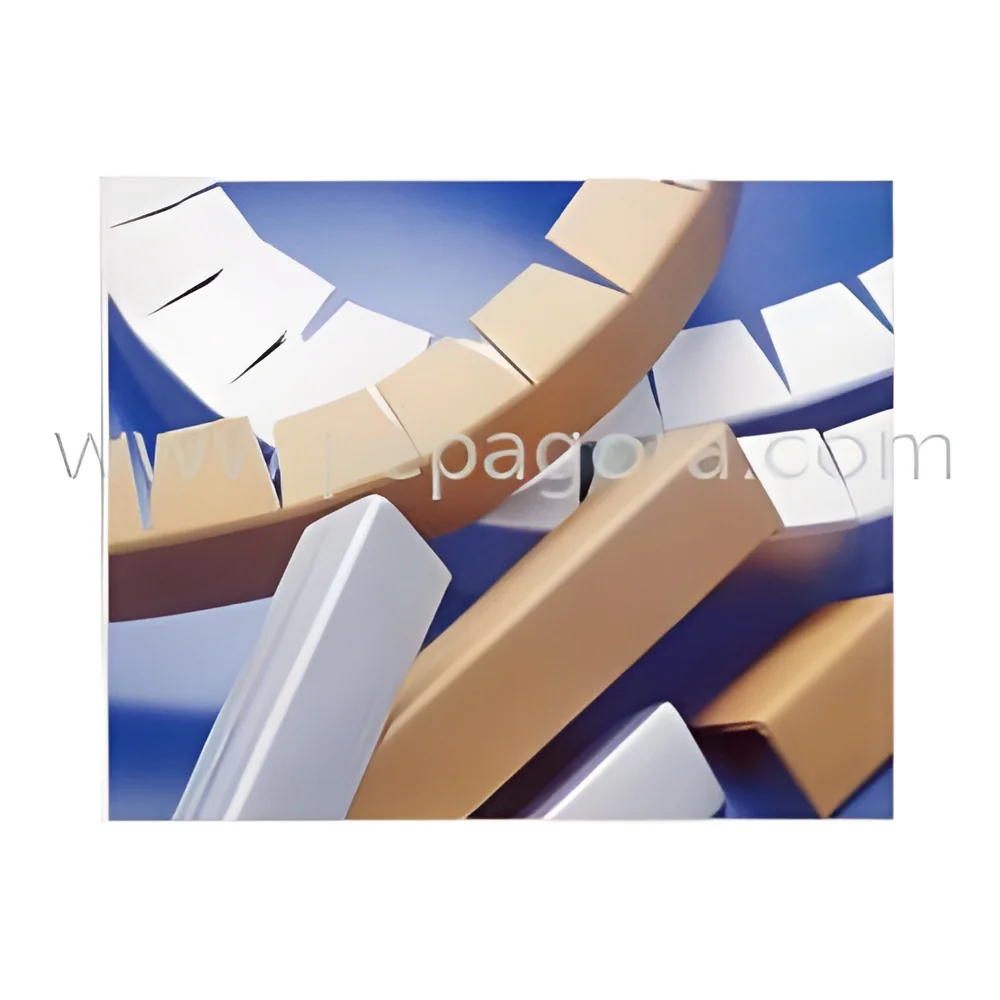
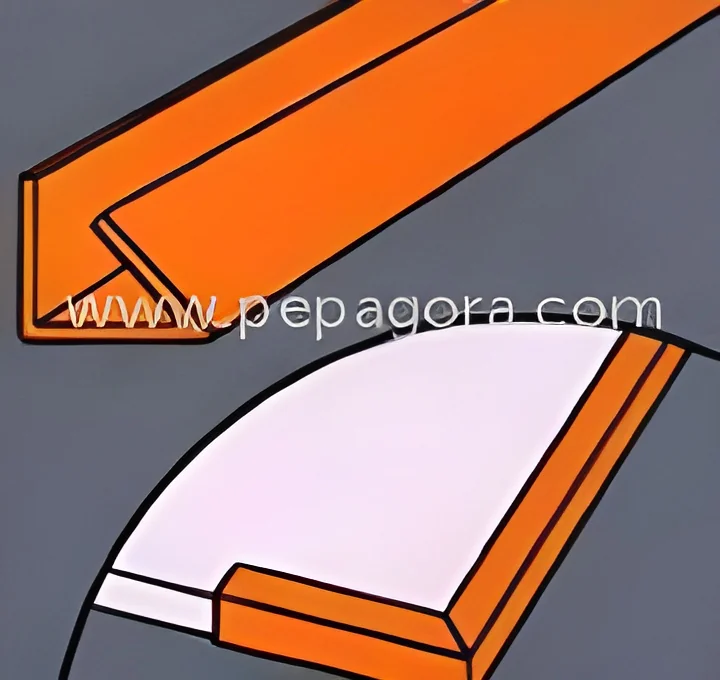
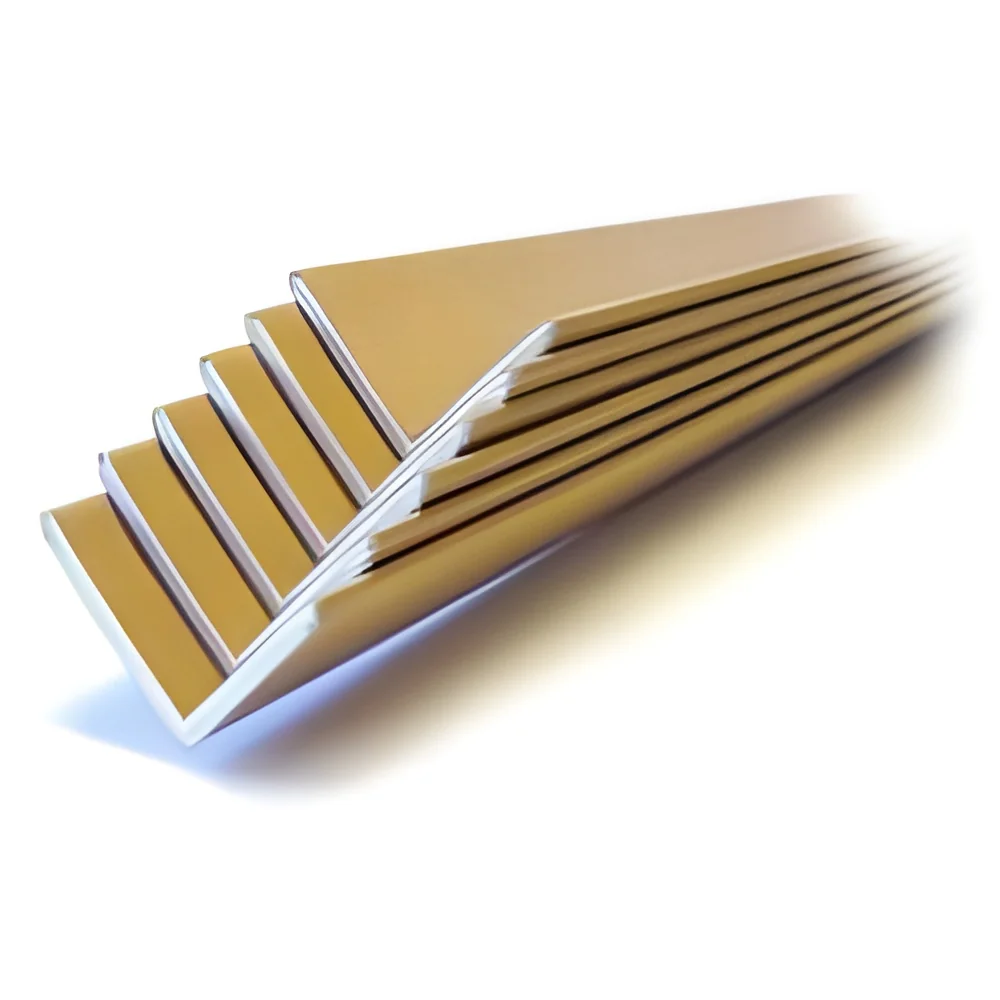
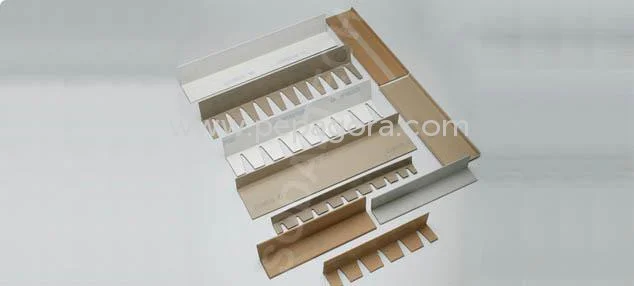
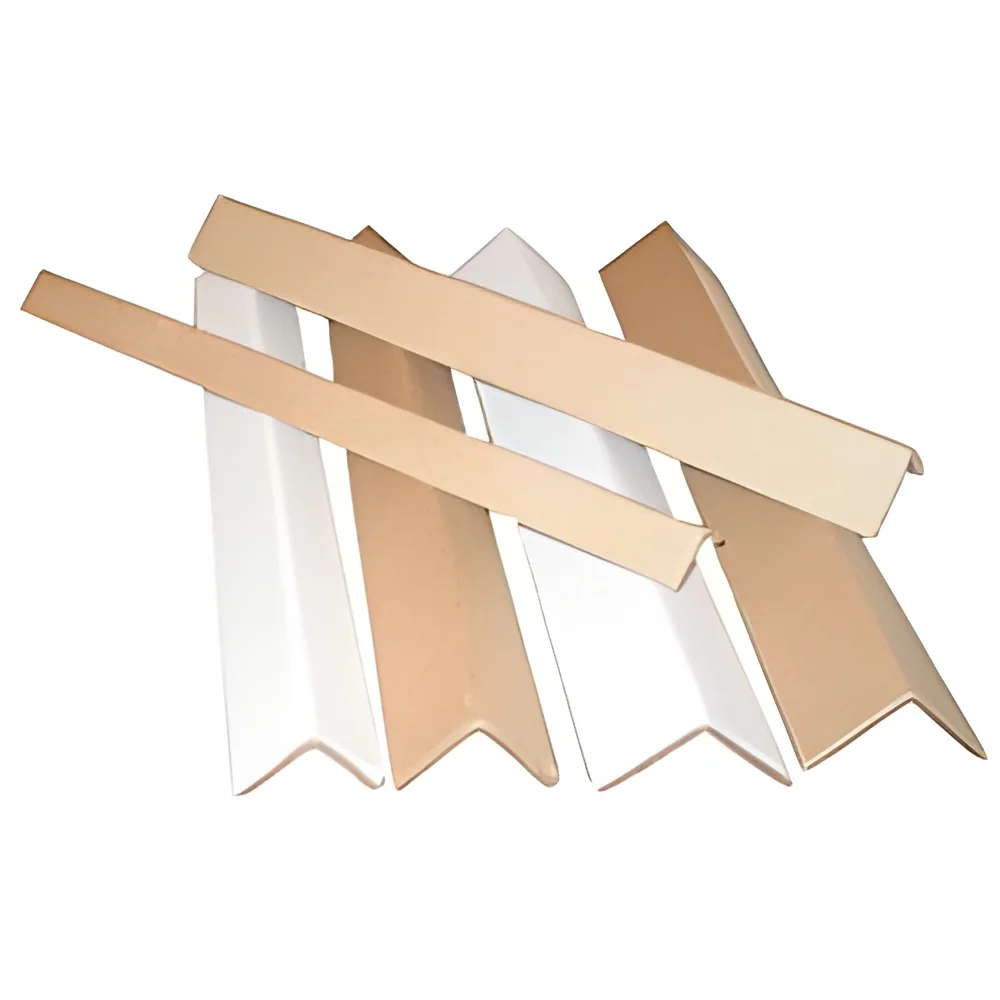
Edge protectors and cushioning inputs are essential components used to safeguard products during transportation and storage. Edge protectors are typically made from materials such as plastic or cardboard and are designed to reinforce the edges of packages, preventing damage from impact or compression. Cushioning inputs, on the other hand, encompass materials like foam or bubble wrap that provide additional protection by absorbing shocks and vibrations. Together, these products help maintain the integrity of goods, ensuring they reach their destination in optimal condition.
These protective solutions find applications across various industries, including logistics, manufacturing, and retail. In logistics, edge protectors are often employed to secure pallets, preventing shifting during transport. Cushioning inputs are utilized in packaging fragile items, such as glassware or electronics, to minimize the risk of breakage. The growing e-commerce sector has further amplified the demand for these protective solutions, as businesses seek to enhance customer satisfaction by delivering undamaged products.
As industries evolve and global trade expands, the relevance of edge protectors and cushioning inputs continues to grow. Companies are increasingly recognizing the importance of investing in quality protective packaging solutions to reduce costs associated with product damage and returns. This trend highlights the market's focus on efficiency and sustainability, making these products indispensable in contemporary supply chains.
Key Features and Specifications
Edge protectors and cushioning inputs come with a variety of features designed to cater to diverse business needs. Understanding these specifications is crucial for selecting the right products for your applications.
Key specifications include:
1. Material Type
- Common materials include plastic, cardboard, and foam
- Different materials offer varying levels of strength and cushioning
2. Dimensions
- Available in multiple sizes to accommodate various products
- Custom sizes can be ordered based on specific requirements
3. Weight Capacity
- Different products support different weight ranges
- Ensure the selected protector can handle the intended load
4. Environmental Resistance
- Options available for moisture and temperature resistance
- Essential for products exposed to varying conditions
5. Customization Options
- Many suppliers offer customization in sizes and prints
- Allows businesses to maintain branding on protective packaging
6. Compliance Standards
- Products may comply with industry standards such as CE
- Important for ensuring reliability and safety during use
7. Ease of Use
- Many designs facilitate quick and straightforward application
- Reduces packaging time and labor costs
8. Recyclability
- Options are available that are eco-friendly and recyclable
- Supports sustainability initiatives in packaging practices
In summary, selecting the right edge protectors and cushioning inputs involves considering various specifications to meet the unique demands of your business.
Common Applications and Use Cases
Edge protectors and cushioning inputs serve a wide range of industries, providing tailored solutions for specific applications.
1. Logistics: In the logistics sector, edge protectors are used to stabilize pallet loads and prevent damage during transport. Cushioning inputs protect delicate items from impact during shipping.
2. Manufacturing: Manufacturers use edge protectors to secure raw materials and finished products in storage. Cushioning inputs are essential for protecting components during assembly and transportation.
3. Retail: Retailers utilize cushioning inputs for packaging consumer goods, ensuring that products arrive in pristine condition. Edge protectors are used in bulk shipments to maintain product safety.
4. Electronics: Companies in the electronics industry rely on cushioning inputs to safeguard fragile items like screens and circuit boards during shipping. Edge protectors help prevent deformation of packaging.
5. Furniture: In the furniture industry, edge protectors are crucial for preventing damage to corners and edges during transport. Cushioning inputs provide additional protection for surfaces.
6. Construction: Edge protectors are often used to secure building materials, ensuring they remain intact throughout delivery. Cushioning inputs help protect sensitive equipment on job sites.
7. Pharmaceuticals: In the pharmaceutical sector, cushioning inputs are vital for safeguarding sensitive products during distribution. Edge protectors help maintain the integrity of packaged goods.
Product Variants and Subcategories
Edge protectors and cushioning inputs come in various forms, catering to different industry needs.
Plastic Edge Protectors: These are durable and lightweight, providing excellent protection for heavy loads. They are often used in logistics and manufacturing applications.
Cardboard Edge Protectors: Made from recycled materials, cardboard edge protectors are eco-friendly and suitable for lighter products. They are commonly used in retail and packaging.
Foam Cushioning Inputs: Foam materials are available in various densities, providing customizable cushioning solutions for fragile items. They are ideal for electronics and delicate goods.
Bubble Wrap: This popular cushioning input offers excellent shock absorption and is widely used in shipping fragile items. It is suitable for various industries, including retail and logistics.
Benefits and Advantages
Investing in edge protectors and cushioning inputs offers numerous benefits for businesses.
Key benefits include:
1. Damage Reduction: These solutions significantly minimize the risk of product damage during transit, leading to lower return rates.
2. Cost Efficiency: By protecting products from damage, companies can save on replacement and repair costs, enhancing overall profitability.
3. Enhanced Customer Satisfaction: Delivering undamaged products boosts customer trust and satisfaction, fostering repeat business.
4. Brand Protection: Customized edge protectors and cushioning inputs can feature branding, reinforcing brand identity during shipping.
5. Sustainability: Eco-friendly options contribute to a company’s sustainability efforts, appealing to environmentally conscious consumers.
6. Versatility: These products can be used across multiple industries, making them a versatile solution for diverse business needs.
Buying Guide for B2B Buyers
When sourcing edge protectors and cushioning inputs, several factors warrant consideration to ensure the best fit for your business needs.
1. Quality Assessment: Evaluate the quality of materials used in edge protectors and cushioning inputs. Look for certifications and compliance with industry standards.
2. Supplier Verification: Conduct thorough research on potential suppliers. Verify their reputation, reliability, and ability to meet your specific requirements.
3. Pricing and MOQ: Compare pricing among suppliers and consider minimum order quantities. Assess how these factors align with your budget and operational needs.
4. Delivery and Lead Times: Review suppliers' delivery capabilities and lead times to ensure timely availability of products for your operations.
5. Compliance Requirements: Ensure that the products comply with relevant safety and regulatory standards in your industry to mitigate risks.
Compliance and Certifications
Compliance and certifications are vital aspects of edge protectors and cushioning inputs. Relevant quality standards include ISO 9001, which ensures consistent quality in manufacturing processes. The CE certification indicates compliance with European safety and environmental regulations, affirming product reliability.
Additionally, products may need to meet safety and testing requirements specific to certain industries, ensuring they are fit for purpose. Regional compliance considerations should also be taken into account, as regulations may vary by location. Companies should prioritize sourcing products that adhere to these standards to maintain safety and quality in their supply chains.
Why Source Edge Protectors & Cushioning Inputs from Pepagora?
Pepagora offers a trusted platform for sourcing edge protectors and cushioning inputs, providing several key advantages for B2B buyers.
Verified Supplier Network: Pepagora connects buyers with a verified network of suppliers, ensuring that businesses can source high-quality products from reliable partners.
Streamlined RFQ Process: The platform simplifies the request for quotation process, allowing buyers to easily obtain competitive pricing and terms from multiple suppliers.
Trade Assurance and Support: Pepagora provides buyer protection through its trade assurance program, ensuring that transactions are secure and that buyers receive the products as promised.
Regional Coverage: With a strong presence in India, the GCC, and Southeast Asia, Pepagora offers extensive geographic coverage for sourcing edge protectors and cushioning inputs, catering to businesses across various regions.

 IN
IN