
 IN
Thermal Safety Gear
38 products available
What are Thermal Safety Gear?
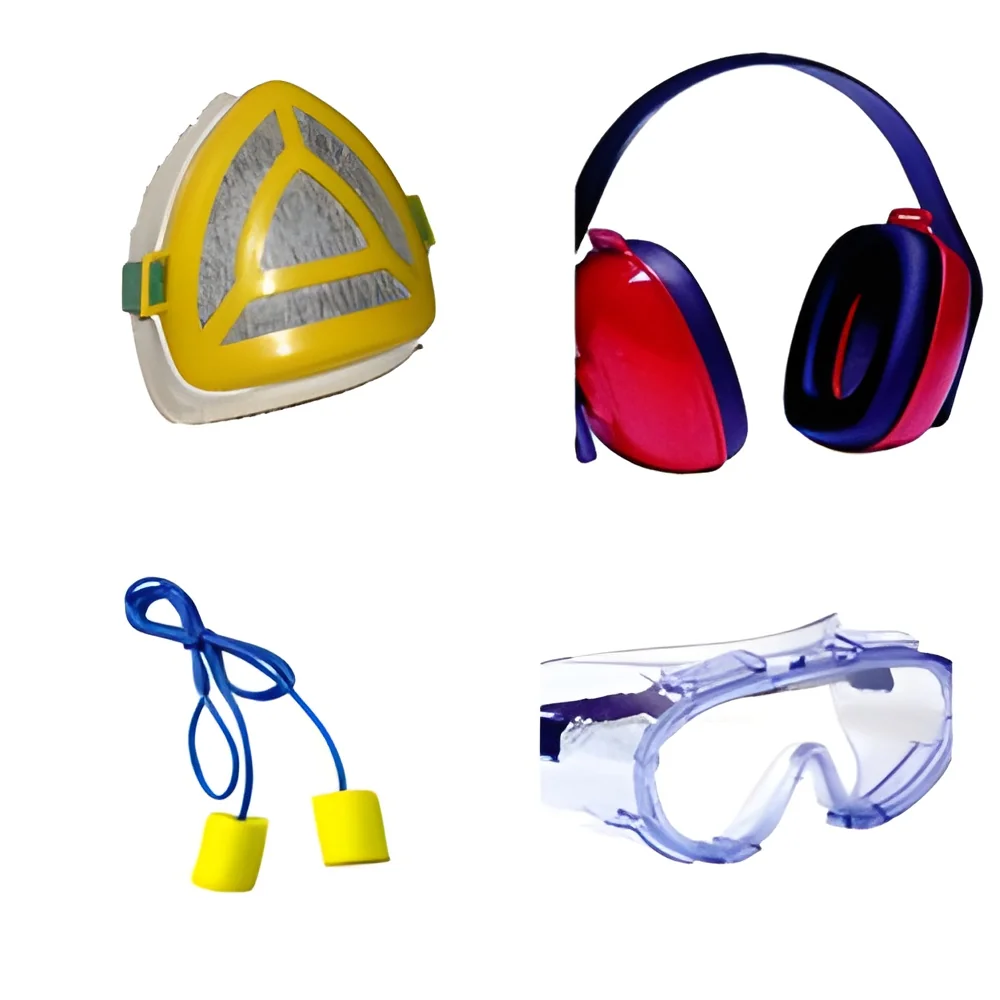
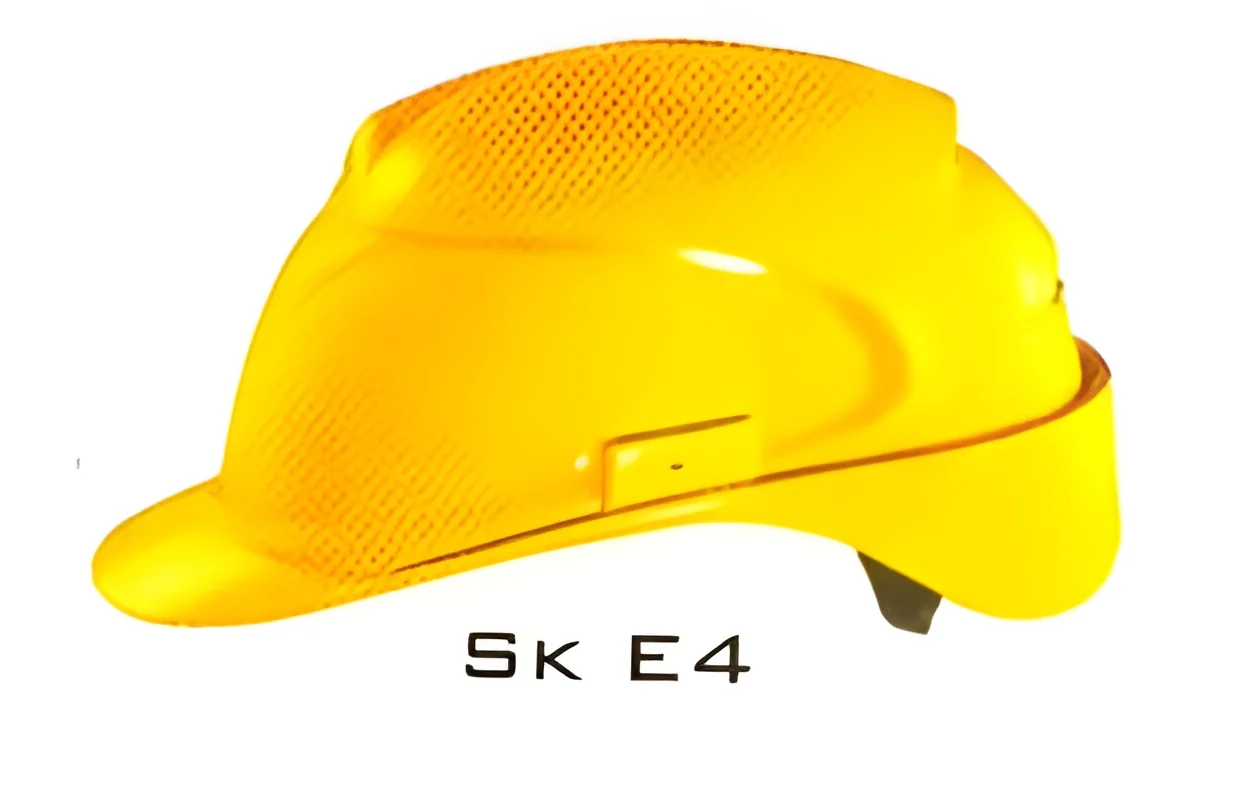
Thermal safety gear refers to specialized clothing and equipment designed to protect workers from extreme heat and thermal hazards. These products are crucial in industrial settings where exposure to high temperatures can lead to severe injuries or fatalities. Thermal safety gear typically includes items such as heat-resistant gloves, fire-retardant clothing, insulated boots, and protective face shields. The primary function of this gear is to provide a barrier between the skin and harmful thermal environments, ensuring the safety and comfort of personnel working in challenging conditions.
The primary uses of thermal safety gear encompass various industries, including manufacturing, construction, oil and gas, and metal fabrication. In these sectors, workers frequently encounter high temperatures, molten materials, or open flames. As a result, the implementation of adequate thermal safety measures is not just a regulatory requirement but a fundamental aspect of workplace safety. Companies that prioritize thermal safety gear can significantly reduce accident rates and ensure compliance with safety regulations, thereby fostering a culture of safety within their organizations.
In the current market, the demand for thermal safety gear is growing due to stringent safety regulations and increased awareness about worker safety. Industries are investing more in protective equipment to comply with local and international safety standards. This trend is further driven by advancements in material technology, which enhance the performance and comfort of thermal safety gear. As such, businesses looking to stay competitive must ensure they equip their workforce with the best available thermal protection.
Key Features and Specifications
Thermal safety gear is characterized by several key features that enhance its effectiveness in protecting against thermal hazards. These specifications are critical for ensuring that the gear meets industry standards and provides adequate protection for workers.
Key specifications include:
1. Heat Resistance
- The gear must withstand high temperatures without compromising integrity.
- Typical temperature ratings may vary based on the material used.
2. Flame Retardancy
- Materials used should be inherently flame-resistant or treated to resist ignition.
- Compliance with standards such as CE certification is essential.
3. Durability
- Gear should be made from materials that can endure harsh conditions.
- Resistance to wear and tear is crucial for long-term use.
4. Comfort and Fit
- The design should allow for ease of movement while providing protection.
- Breathable materials can improve comfort during prolonged use.
5. Moisture Management
- Effective moisture-wicking properties are important for worker comfort.
- Gear should prevent sweat accumulation to maintain thermal regulation.
6. Visibility Features
- High-visibility materials or reflective elements can enhance safety in low-light conditions.
- Essential for workers operating in hazardous environments.
7. Compliance with Safety Standards
- Gear must meet relevant safety certifications to ensure reliability.
- Regular testing for performance against thermal hazards is necessary.
In summary, understanding these features and specifications is vital for businesses selecting the appropriate thermal safety gear to protect their workforce effectively.
Common Applications and Use Cases
Thermal safety gear is essential across a range of industries where workers face thermal hazards.
1. Manufacturing: In manufacturing plants, employees working near furnaces or molten materials require thermal protection to prevent burns and injuries.
2. Construction: Construction workers exposed to high heat during welding or cutting processes must wear protective clothing to safeguard against potential accidents.
3. Oil and Gas: Personnel in the oil and gas industry often work in high-temperature environments, necessitating specialized gear to protect against heat and flames.
4. Metal Fabrication: Workers involved in metal fabrication processes, such as forging and welding, need thermal safety gear to prevent exposure to extreme heat.
5. Firefighting: Firefighters rely on thermal protective clothing designed to withstand high temperatures and protect against flames.
6. Glass Manufacturing: Workers in glass manufacturing factories are exposed to intense heat, making thermal safety gear essential for their protection.
7. Aerospace: In aerospace applications, technicians working with high-temperature equipment must use thermal gear to ensure safety during maintenance and repairs.
Product Variants and Subcategories
Thermal safety gear comes in various forms to cater to specific needs and applications.
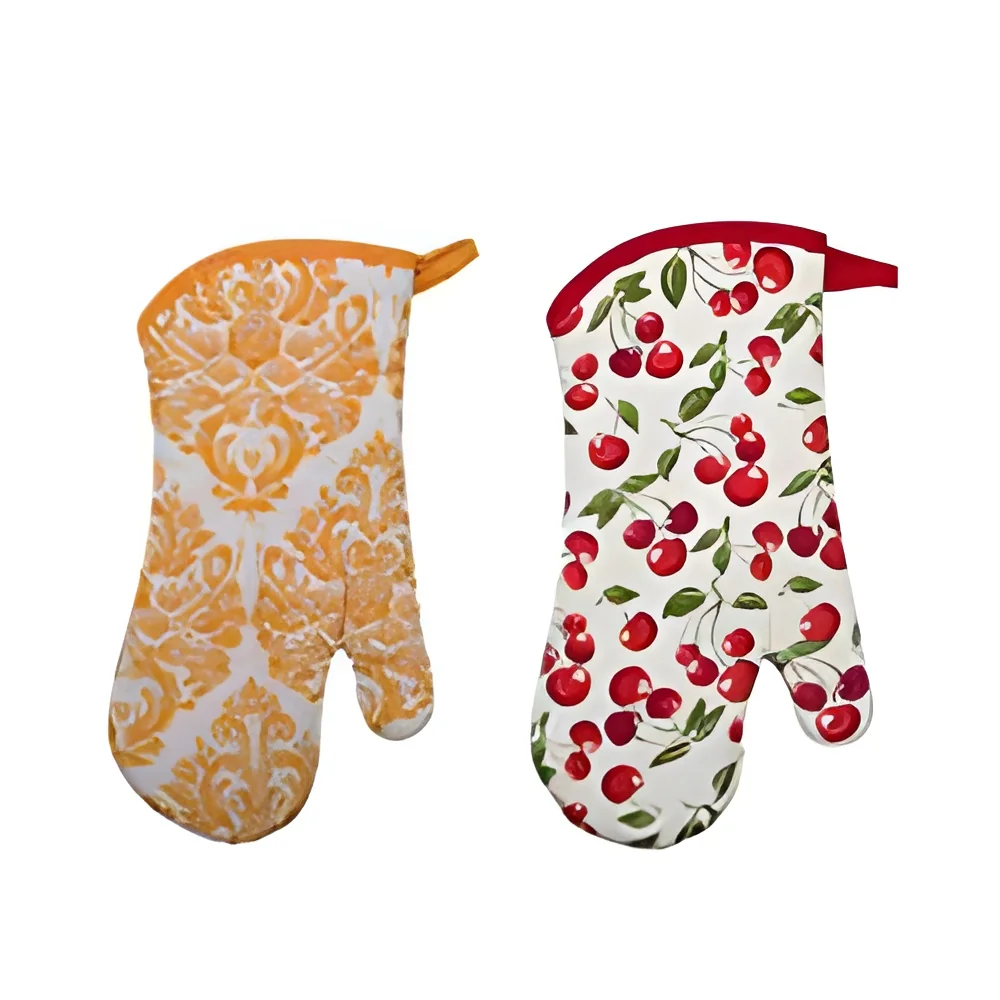
Heat-Resistant Gloves: These gloves are designed to protect hands from high temperatures during tasks like welding or handling hot materials. They often feature reinforced stitching and heat-resistant materials for enhanced safety.
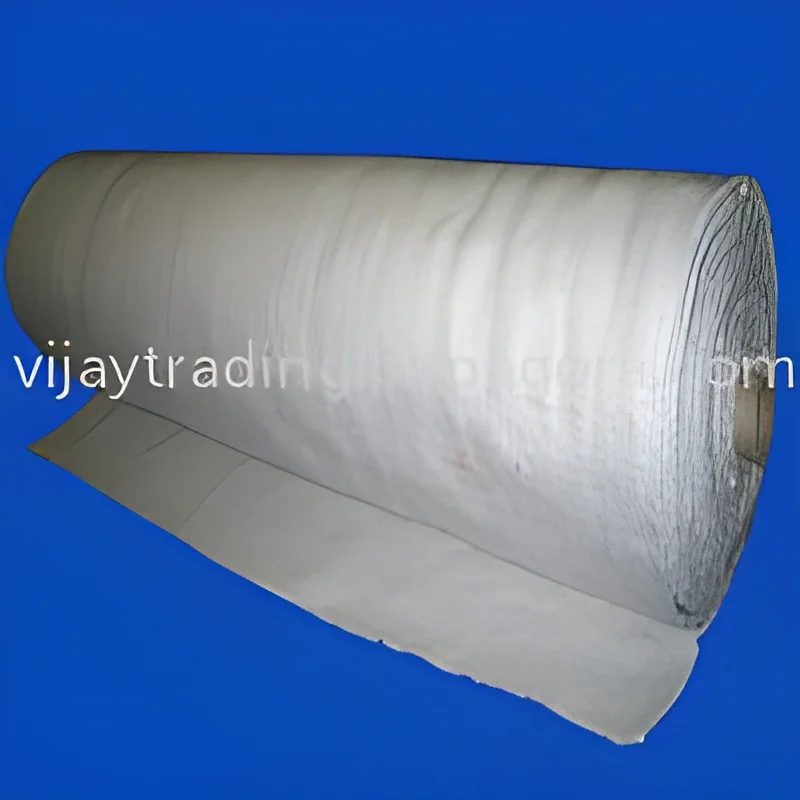
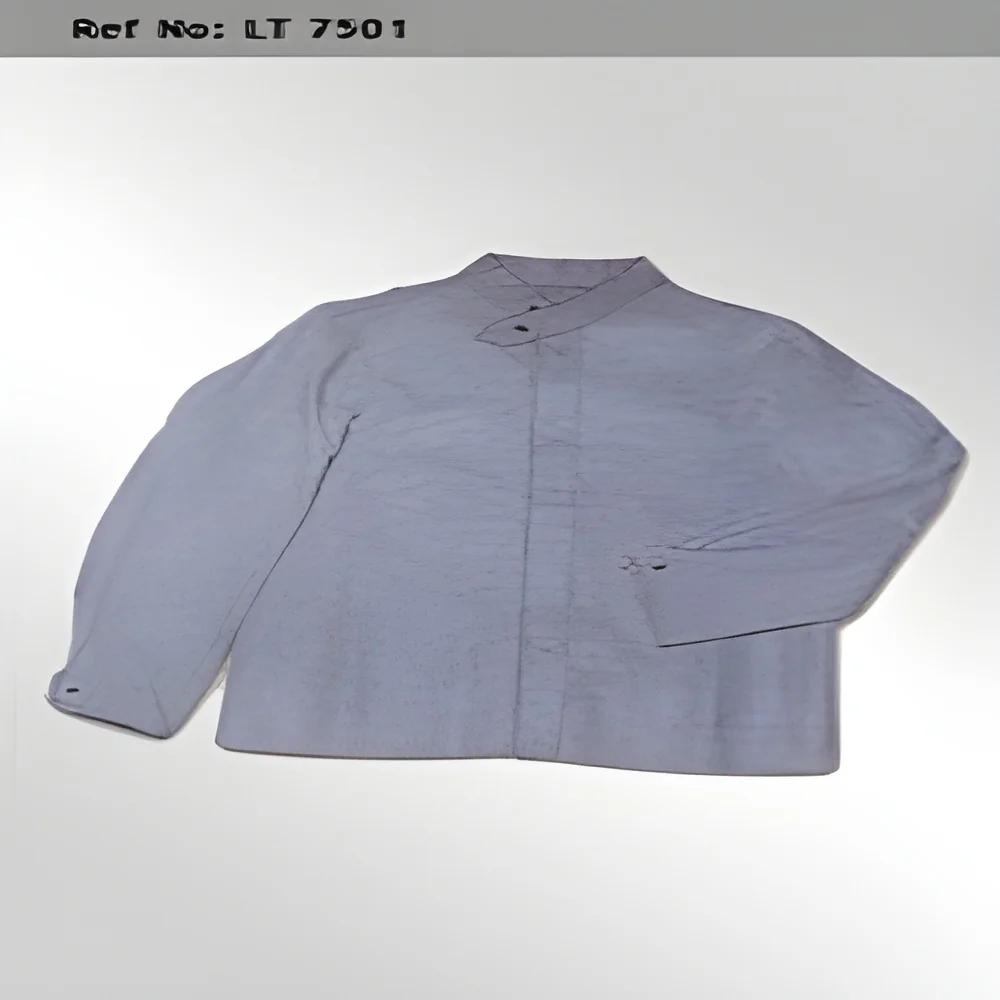
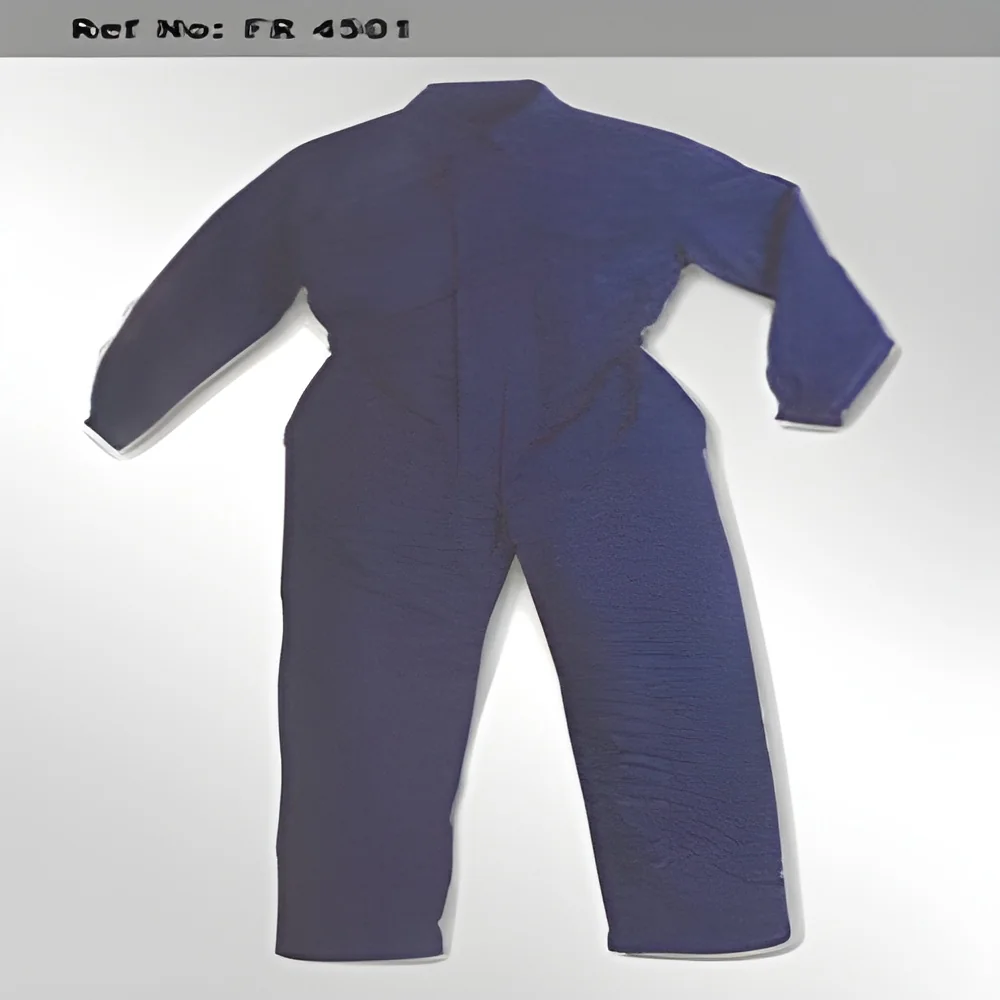
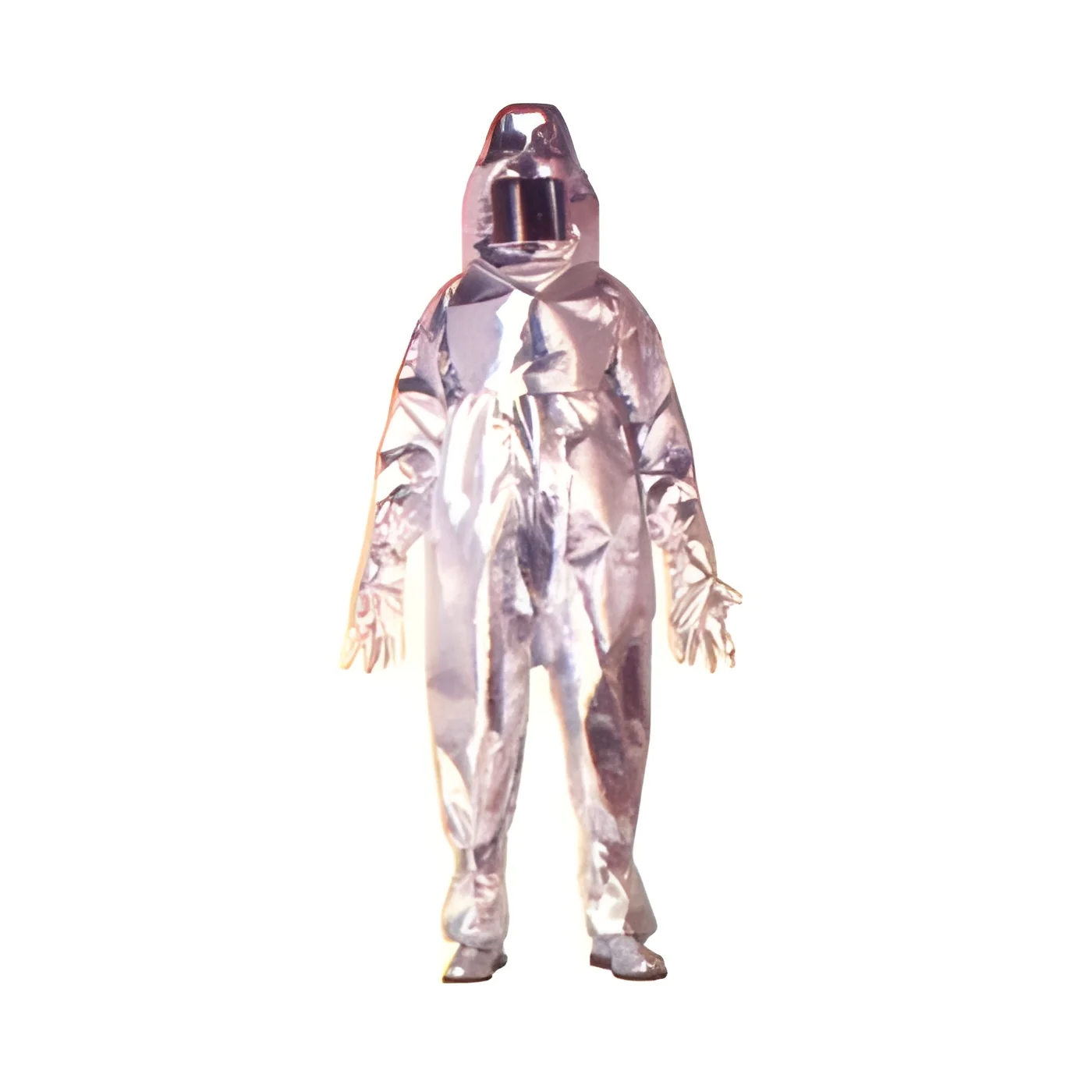
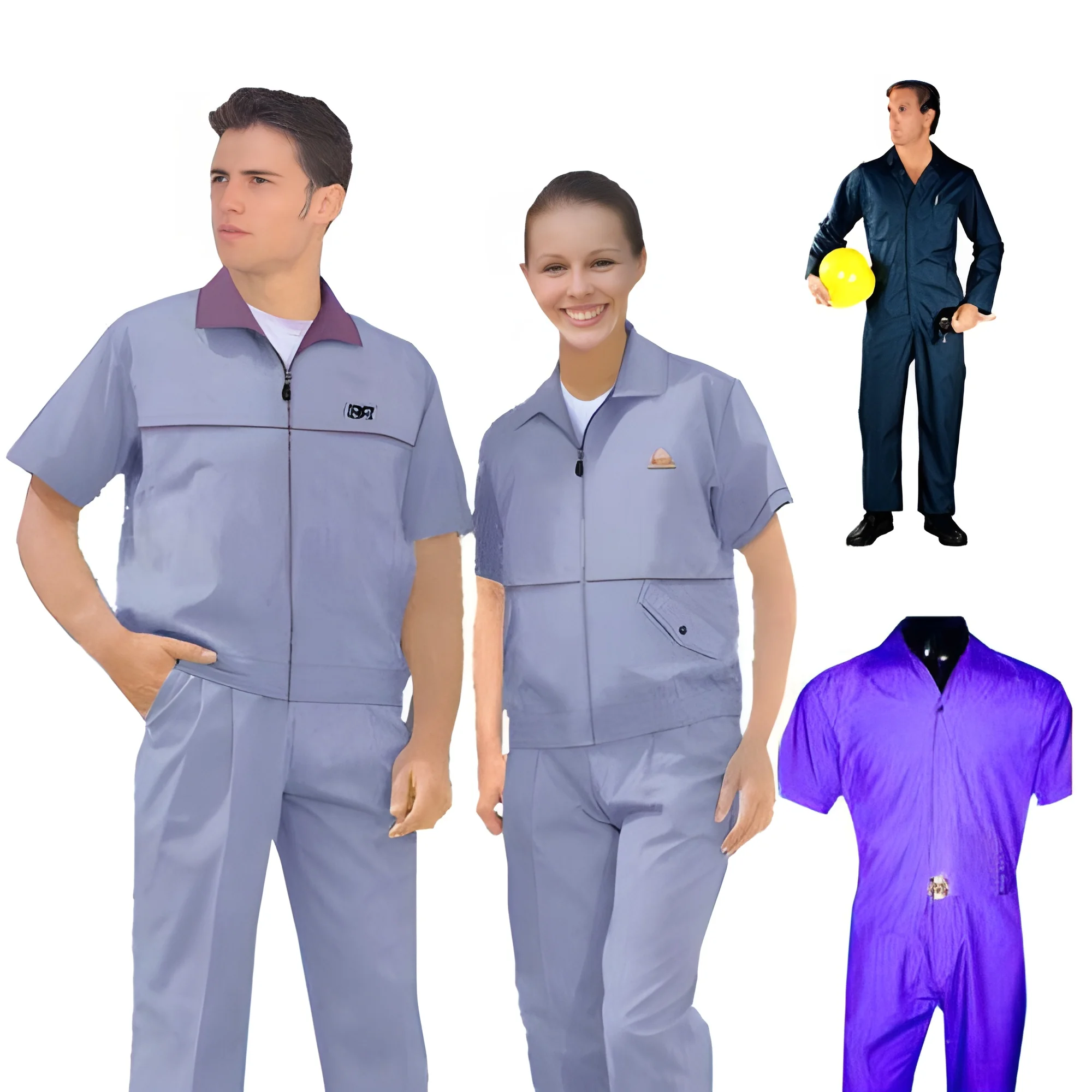
Fire-Retardant Clothing: This clothing is made from specially treated fabrics that resist ignition and prevent flames from spreading. It is commonly used in industries where workers are exposed to fire hazards.
Insulated Boots: Insulated boots provide thermal protection for feet in extreme conditions. They are often waterproof and designed for comfort and mobility in challenging environments.
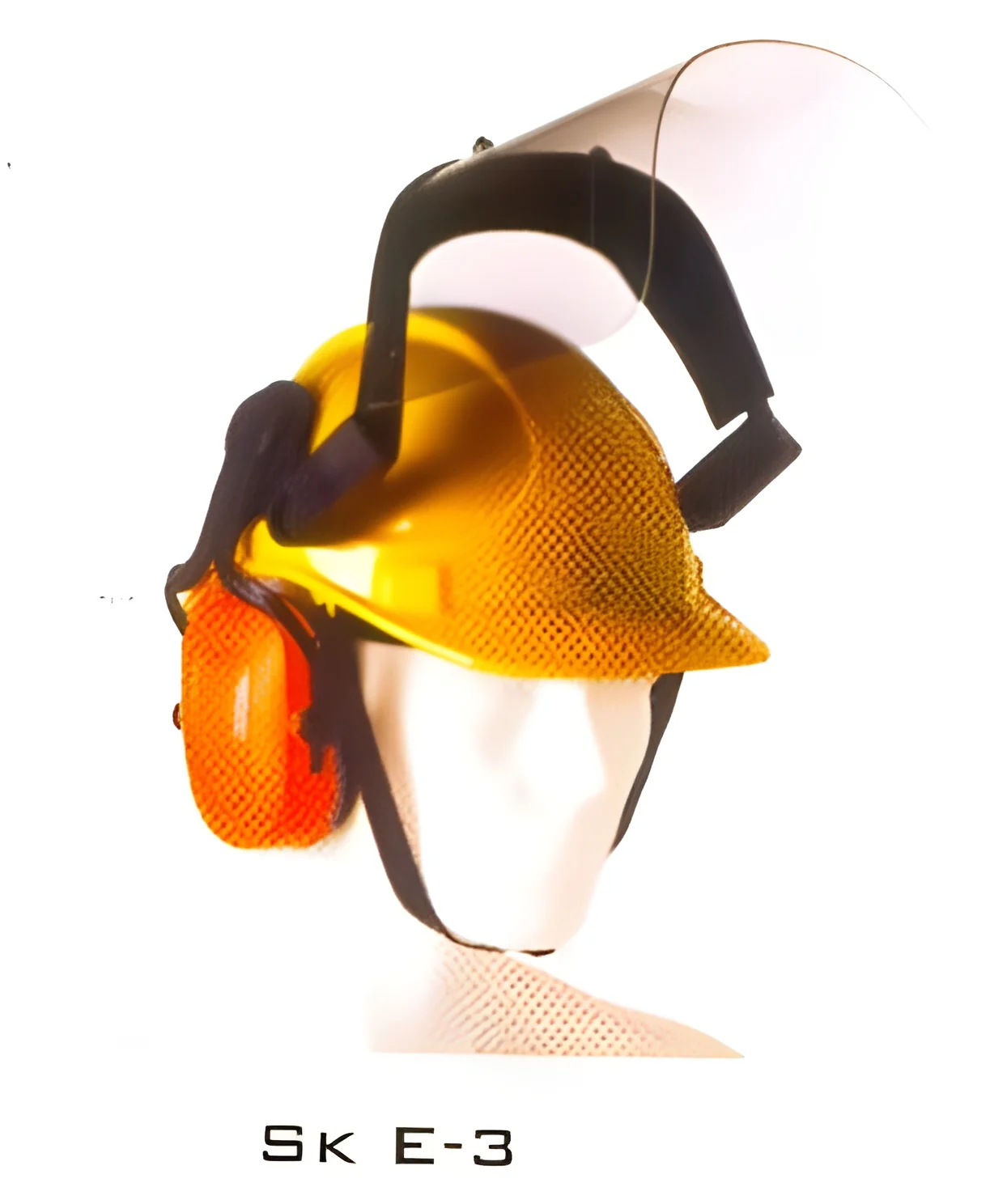
Protective Face Shields: Face shields are essential for protecting the face and neck from heat and flying debris. They are often used alongside other protective gear for comprehensive safety.
Benefits and Advantages
Investing in thermal safety gear offers several significant benefits for businesses and their employees.
1. Enhanced Safety: Thermal safety gear significantly reduces the risk of burns and injuries, creating a safer work environment.
2. Compliance with Regulations: Using certified gear helps businesses meet local and international safety regulations, avoiding potential fines and legal issues.
3. Improved Worker Confidence: Providing adequate protection boosts employee morale and confidence, leading to increased productivity and job satisfaction.
4. Cost Savings: Reducing accidents and injuries can lead to lower insurance premiums and fewer worker compensation claims, resulting in substantial cost savings.
5. Versatility: Many thermal safety gear options can be used across various applications, making them a versatile investment for different industries.
6. Innovation in Materials: Advances in textile technology lead to better comfort, durability, and protection, ensuring that workers have the best possible gear.
Buying Guide for B2B Buyers
When sourcing thermal safety gear, businesses should consider several key factors to ensure they obtain the best products for their needs.
1. Quality Assessment: Evaluate the quality of materials and construction to ensure they meet safety standards. Look for certifications and testing results to verify performance.
2. Supplier Verification: Vet suppliers carefully to ensure they have a proven track record of providing high-quality thermal safety gear. Check for reviews and industry reputation.
3. Pricing and MOQ: Understand pricing structures and minimum order quantities (MOQ) to ensure that the investment aligns with the budget and operational needs.
4. Delivery and Lead Times: Consider logistics and delivery times when placing orders. Timely delivery is critical to maintaining operational efficiency and safety.
5. Compliance Requirements: Ensure that all gear meets relevant regulatory and compliance standards to avoid legal and safety issues in the workplace.
Compliance and Certifications
Compliance with safety standards is paramount for thermal safety gear. Relevant certifications, such as CE, indicate that the products meet European safety requirements.
Quality standards, including ISO 9001, ensure that manufacturers adhere to consistent quality management principles, which is crucial for safety equipment.
Industry certifications confirm that thermal gear has undergone rigorous testing for performance against thermal hazards, providing assurance of its effectiveness.
Companies must also consider regional compliance requirements, as different areas may have specific regulations governing the use of protective equipment. Adhering to these standards not only ensures safety but also fosters trust with employees and regulatory bodies.
Why Source Thermal Safety Gear from Pepagora?
Pepagora provides a trusted platform for sourcing thermal safety gear with several key advantages.
Verified Supplier Network: Pepagora has established a comprehensive network of verified suppliers committed to delivering high-quality thermal safety gear. This network ensures buyers have access to reliable products that meet industry standards.
Streamlined RFQ Process: The request for quotation (RFQ) process is designed to be efficient and user-friendly. Buyers can easily compare quotes from multiple suppliers, helping them make informed purchasing decisions.
Trade Assurance and Support: Pepagora offers trade assurance to protect buyers’ interests, ensuring that they receive the products as promised. Additionally, dedicated support teams are available to assist throughout the procurement process.
Regional Coverage: With a strong presence in regions such as India, the GCC, and Southeast Asia, Pepagora is well-positioned to meet the thermal safety gear needs of businesses across diverse geographical locations. This regional coverage ensures timely delivery and access to local suppliers.


 India
 India


 India
 India
 India
 India
 India
 India

 India
 India
 India
 India

 India
 India
 India
 India
 India


Frequently Asked Questions
What are Thermal Safety Gear?
Thermal Safety Gear refers to protective clothing and equipment designed to safeguard individuals from extreme temperatures, whether hot or cold. These items are essential in various industries, including manufacturing, construction, and firefighting, where workers are exposed to hazardous thermal conditions.
What are the different types of Thermal Safety Gear?
The different types of Thermal Safety Gear include insulated jackets, thermal gloves, heat-resistant suits, and protective face shields. Each type is designed to meet specific thermal protection needs depending on the working environment and the level of exposure to heat or cold.
How do I choose the right Thermal Safety Gear?
When selecting Thermal Safety Gear, consider factors such as the type of work environment, the specific hazards present, and the required level of insulation or heat resistance. It is also important to ensure that the gear fits properly and complies with industry safety standards.
What are the standard specifications for Thermal Safety Gear?
Standard specifications for Thermal Safety Gear typically include temperature ratings, material composition, and compliance with safety standards such as ISO or ANSI. These specifications ensure that the gear provides adequate protection against thermal hazards.
What is the price range for Thermal Safety Gear?
The price range for Thermal Safety Gear varies significantly based on the type, material, and brand. Generally, you can expect to pay anywhere from INR 500 to INR 10,000 or more for high-quality thermal protection gear.
What quality standards apply to Thermal Safety Gear?
Thermal Safety Gear must adhere to various quality standards, including those set by organizations like the Bureau of Indian Standards (BIS) and international standards such as ASTM and EN. These standards ensure that the gear is tested for safety and effectiveness in protecting against thermal hazards.
Where can I find Thermal Safety Gear suppliers in India?
You can find Thermal Safety Gear suppliers in India through online B2B marketplaces like Pepagora.com, industry trade shows, and local safety equipment distributors. These platforms provide a wide selection of manufacturers and suppliers to choose from.
Can Thermal Safety Gear be customized?
Yes, many manufacturers offer customization options for Thermal Safety Gear, allowing buyers to specify features such as size, color, and branding. Customization can enhance the functionality and aesthetic appeal of the gear according to specific needs.
What is the typical minimum order quantity for Thermal Safety Gear?
The typical minimum order quantity (MOQ) for Thermal Safety Gear can vary by supplier but usually ranges from 10 to 100 units. It is advisable to check with individual suppliers for their specific MOQ requirements.
What is the typical lead time for Thermal Safety Gear?
The typical lead time for Thermal Safety Gear can range from 2 to 6 weeks, depending on the supplier, order size, and customization options. It is recommended to confirm the lead time with the supplier at the time of order placement.
Why Businesses Trust Pepagora
Thousands of companies trust Pepagora to source smarter and sell faster
Expand Your Sales Globally

Source Smarter,Grow Faster
