What are Disposable Protective Gear?
Disposable protective gear refers to single-use items designed to safeguard individuals from potential hazards in various environments. These products are typically made from lightweight materials that provide a barrier against contaminants, chemicals, and biological agents. Unlike reusable protective gear, disposable options are meant for one-time use, ensuring that users can maintain hygiene and safety without the burden of cleaning and maintenance.
These items find extensive application across numerous industries, including healthcare, pharmaceuticals, food processing, and manufacturing. In healthcare settings, they protect against exposure to infectious materials. In food processing, they help maintain sanitary conditions. Additionally, manufacturing environments use disposable gear to prevent contamination of products and protect workers from hazardous substances. As the demand for safety and hygiene in various sectors rises, the market for disposable protective gear continues to grow, driven by regulatory standards and health safety protocols.
Key Features and Specifications
Disposable protective gear is characterized by several key features that enhance its usability and effectiveness. These specifications ensure that the gear meets industry standards and provides adequate protection for users in various environments.
Key specifications include:
1. Material Composition
- Typically made from non-woven fabrics, polyethylene, or other lightweight materials
- Provides a balance between breathability and barrier protection
2. Size Variability
- Available in multiple sizes to accommodate different body types
- Ensures a proper fit for maximum protection
3. Fluid Resistance
- Designed to resist liquids, thereby protecting against spills and splashes
- Essential in healthcare and laboratory environments
4. Biodegradability
- Some products are made from biodegradable materials
- Contributes to environmental sustainability
5. Compliance Standards
- Must meet industry regulations such as CE certification
- Ensures reliability and safety in use
6. Breathability
- Allows air circulation while maintaining a barrier against contaminants
- Enhances comfort for prolonged wear
7. Anti-static Properties
- Certain variants include anti-static features
- Important in environments with sensitive electronic components
8. Packaging Options
- Available in bulk packaging or individually wrapped
- Facilitates ease of use and storage
In summary, these features and specifications are crucial for ensuring that disposable protective gear meets the diverse needs of various industries while providing adequate protection for users.
Common Applications and Use Cases
Disposable protective gear is utilized across a wide range of industries, each with specific applications that highlight their importance.
1. Healthcare: In hospitals and clinics, disposable masks, gowns, and gloves protect healthcare professionals and patients from infections and contaminants during examinations and procedures.
2. Food Processing: Workers in food manufacturing wear disposable gear to maintain hygiene standards and prevent contamination of food products during handling and packaging.
3. Pharmaceuticals: In pharmaceutical labs, disposable protective gear ensures that researchers and production staff are safeguarded against chemical exposure and contamination.
4. Construction: Construction workers often use disposable coveralls and gloves to protect against dust, chemicals, and other hazardous materials on job sites.
5. Laboratory: In laboratory settings, disposable lab coats and gloves are essential for preventing contamination during experiments and ensuring safety when handling hazardous substances.
6. Janitorial Services: Cleaning staff utilize disposable gear to maintain hygiene while cleaning public spaces and facilities, reducing the risk of cross-contamination.
7. Automotive: Disposable gloves and coveralls are used in automotive industries to protect workers from oils, greases, and chemicals during manufacturing and maintenance processes.
Product Variants and Subcategories
Disposable protective gear comes in various forms to cater to specific industry needs. Each variant offers unique features that enhance user safety and comfort.
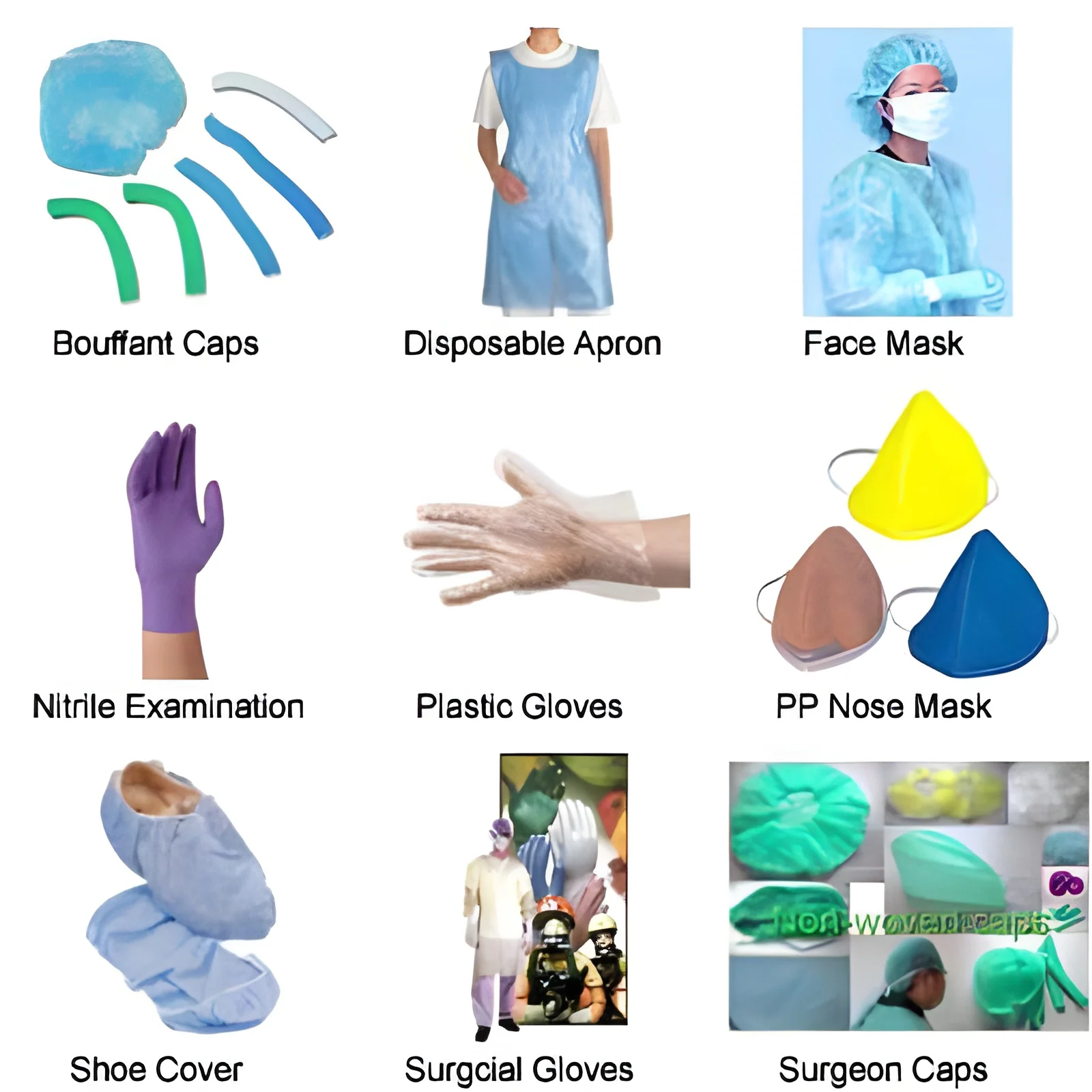
Surgical Masks: Surgical masks are designed for use in medical environments to protect against respiratory droplets. They are lightweight and provide a barrier against bacteria and viruses during surgical procedures.
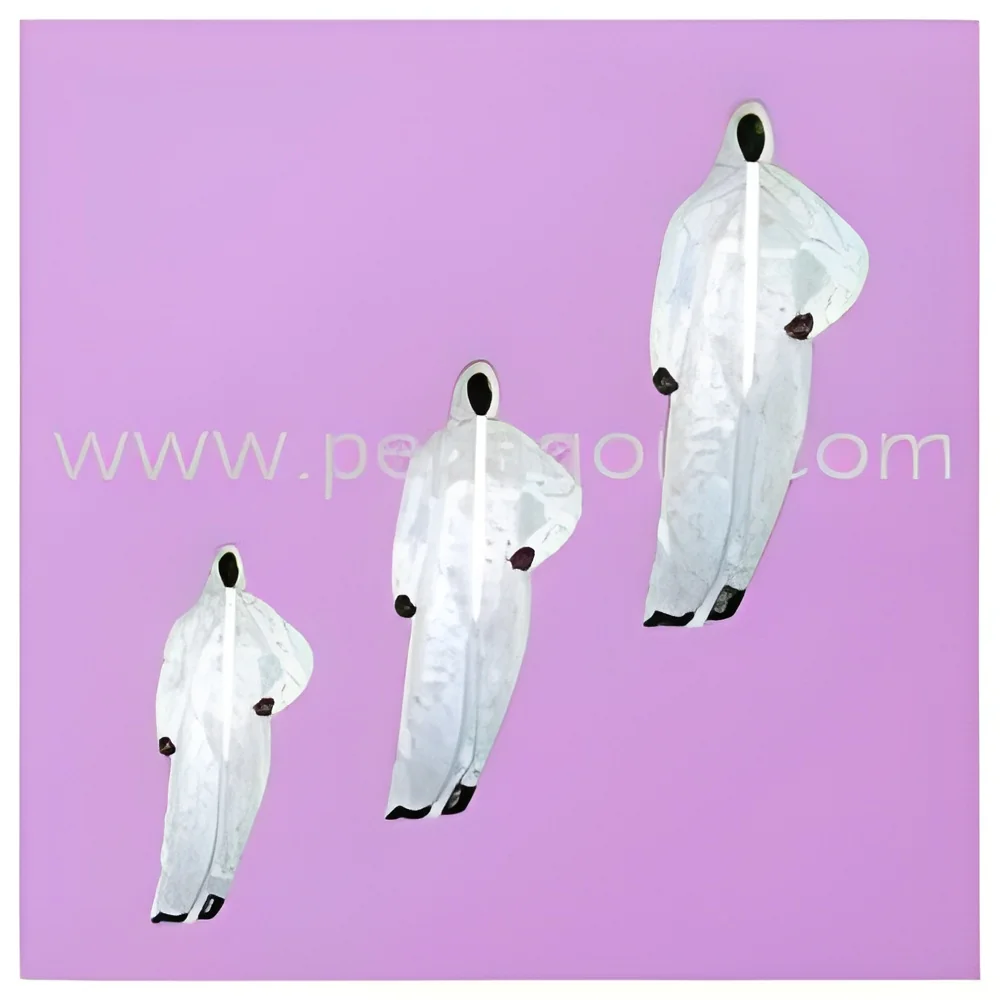
Disposable Coveralls: These full-body suits are used in various industries, including healthcare and manufacturing, to protect against dust, chemicals, and biological hazards. They often feature elastic cuffs and hoods for a secure fit.
Disposable Gloves: Available in various materials such as latex, nitrile, and vinyl, disposable gloves are essential in healthcare and food service industries. They protect hands from contaminants while allowing for dexterity.
Isolation Gowns: Isolation gowns are used in healthcare settings to protect healthcare workers from exposure to infectious materials. They are designed for easy donning and doffing while maintaining a secure fit.
Benefits and Advantages
Disposable protective gear offers numerous advantages for businesses seeking to enhance safety and hygiene in their operations.
1. Enhanced Safety: Disposable gear provides a reliable barrier against contaminants and hazardous materials, reducing the risk of exposure for workers.
2. Cost-effective: As single-use items, disposable protective gear eliminates the need for laundering and maintenance, reducing operational costs.
3. Convenience: These products are ready for use straight out of the package, making it easy for businesses to maintain hygiene standards without additional effort.
4. Compliance Assurance: Many disposable products meet industry standards and regulations, ensuring that businesses remain compliant with safety protocols.
5. Wide Availability: Disposable protective gear is readily available from various suppliers, making it easy for businesses to source the products they need.
6. Versatility: The diverse range of disposable gear available allows businesses to select products tailored to their specific industry and applications.
Buying Guide for B2B Buyers
When sourcing disposable protective gear for your business, several factors should be taken into account to ensure you make informed purchasing decisions.
1. Quality Assessment: Evaluate the quality of materials and construction to ensure the gear provides adequate protection. Look for products that meet recognized standards and certifications.
2. Supplier Verification: Vet suppliers to ensure they have a good reputation and can provide the necessary documentation for compliance. Consider factors such as experience and customer reviews.
3. Pricing and MOQ: Understand the pricing structure and minimum order quantities (MOQ) required by suppliers. This helps in budgeting and ensuring that you can meet your operational needs.
4. Delivery and Lead Times: Check the logistics and lead times for delivery. Timely access to protective gear is crucial for maintaining safety and compliance in your operations.
5. Compliance Requirements: Ensure that the products meet local and regional compliance standards. This includes certifications such as CE and adherence to safety regulations.
Compliance and Certifications
Compliance and certifications are critical aspects of disposable protective gear. These products must meet specific quality standards to ensure safety and reliability in their use.
Relevant quality standards include ISO 9001, which outlines requirements for a quality management system, ensuring that products consistently meet customer and regulatory requirements. Additionally, HACCP (Hazard Analysis and Critical Control Points) guidelines may apply in food processing environments to ensure food safety.
Industry certifications such as CE mark indicate compliance with European safety standards, assuring users that the products have been tested and deemed safe for use.
Safety and testing requirements vary by region and industry but generally include assessments for barrier effectiveness, fluid resistance, and breathability.
Regional compliance considerations can differ significantly. In some areas, additional certifications may be required to meet local health and safety regulations, making it essential for businesses to stay informed about relevant standards.
Why Source Disposable Protective Gear from Pepagora?
Pepagora offers a reliable platform for sourcing disposable protective gear, providing numerous advantages to B2B buyers.
Verified Supplier Network: Pepagora connects businesses with a network of verified suppliers, ensuring that buyers can access high-quality products with confidence. Each supplier undergoes a thorough verification process to maintain quality standards.
Streamlined RFQ Process: The request for quotation (RFQ) system simplifies the purchasing process. Buyers can easily compare quotes from multiple suppliers, making it easier to find the best prices and options available.
Trade Assurance and Support: Pepagora provides trade assurance, protecting buyers from potential issues related to product quality and delivery. This added layer of support helps businesses mitigate risks associated with sourcing.
Regional Coverage: With a broad geographic reach across India, the GCC, and Southeast Asia, Pepagora ensures that businesses can source disposable protective gear locally, reducing lead times and shipping costs while supporting regional suppliers.

 IN
IN