
 IN
Coveralls & Overalls
1 products available
What are Coveralls & Overalls?
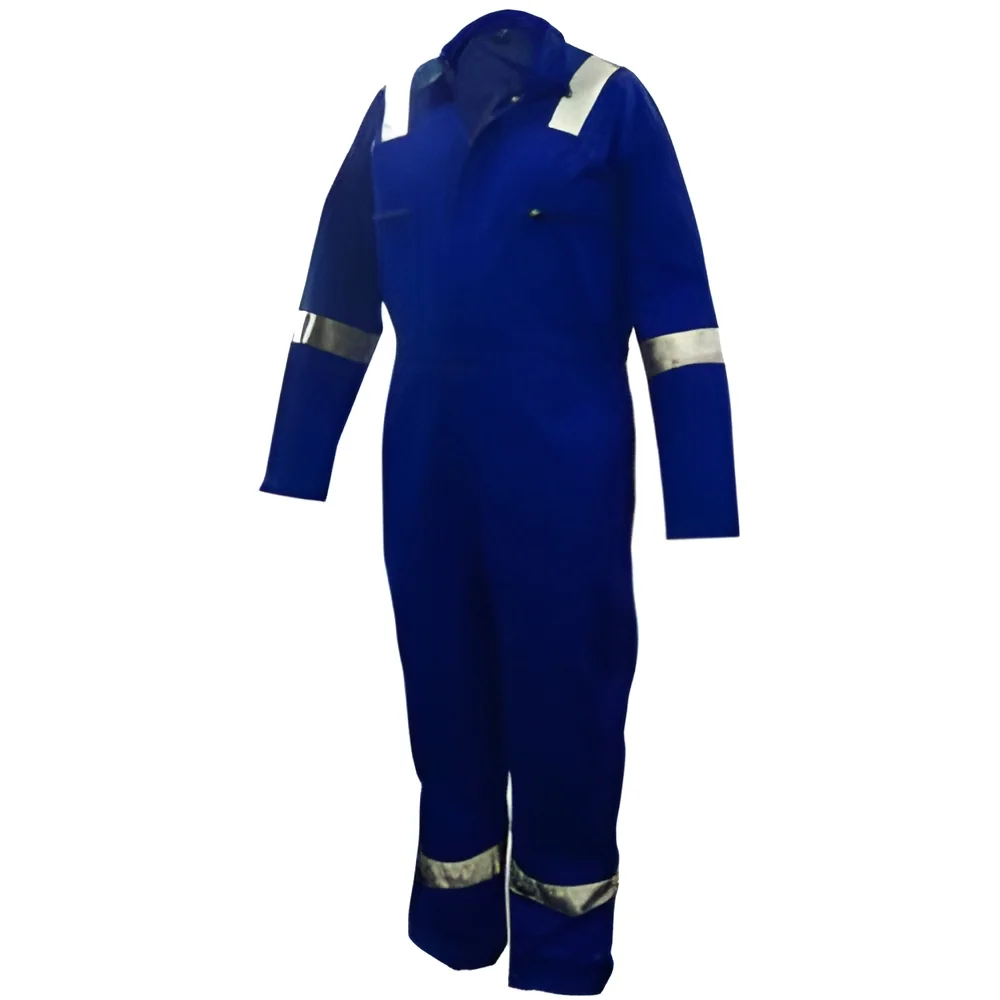
Coveralls and overalls are protective garments designed to cover the entire body, typically worn over regular clothing. They are usually made from durable fabrics that provide safety and comfort in various working environments. Coveralls are often one-piece suits that provide full-body coverage, whereas overalls are typically characterized by their bib-front design and adjustable shoulder straps, allowing for ease of movement.
These garments are commonly used across different industries, including manufacturing, construction, and agriculture. They serve to protect workers from hazardous materials, dirt, and other potential contaminants. The use of coveralls and overalls is essential in ensuring worker safety and comfort, making them a staple in job sites where durability and functionality are paramount. The market for these products continues to grow as industries increasingly prioritize worker safety and compliance with health regulations.
Key Features and Specifications
Coveralls and overalls are available in various designs and specifications to meet the diverse needs of industries. When selecting these garments, it is essential to consider features such as material composition, functionality, and safety standards.
Key specifications include:
1. Material Composition
- Typically made from cotton, polyester, or a blend
- Resistance to wear and tear, chemical exposure, and flame retardancy
2. Design and Fit
- Available in various sizes and styles to accommodate different body types
- Options for short sleeves, long sleeves, and adjustable features
3. Safety Features
- Some models include reflective strips for visibility
- Built-in pockets for tools and personal items
4. Breathability
- Fabrics designed to allow air circulation
- Moisture-wicking properties to keep the wearer dry
5. Closure Types
- Zipper, snap, or Velcro closures for ease of wear
- Options for full-length zippers or front buttons
6. Color Variations
- Available in multiple colors for easy identification or branding
- High-visibility options for hazardous environments
7. Ease of Maintenance
- Machine washable and resistant to staining
- Durable enough to withstand frequent laundering
Coveralls and overalls are engineered to provide optimal protection and comfort, making them essential for various applications.
Common Applications and Use Cases
Coveralls and overalls serve a wide range of industries and applications. Their versatility makes them suitable for many environments.
1. Construction: Workers in construction often wear coveralls to protect against dirt, dust, and hazardous materials on the job site.
2. Manufacturing: In manufacturing plants, coveralls are used to keep clothing clean and provide a barrier against chemical spills.
3. Agriculture: Farmers and agricultural workers use overalls to protect themselves from soil, pesticides, and other elements while working in the fields.
4. Automotive: Mechanics and technicians wear coveralls to shield their clothing from grease, oil, and other automotive fluids.
5. Food Processing: In food-related industries, coveralls help maintain hygiene standards and protect clothing from spills.
6. Healthcare: Healthcare workers may wear coveralls to prevent contamination in clinical environments.
7. Painting and Coating: Workers involved in painting or coating applications utilize coveralls to prevent paint splatter on regular clothing.
Product Variants and Subcategories
Coveralls and overalls come in various designs to cater to specific needs and preferences. The diversity of options available ensures that businesses can find suitable products for their requirements.
Standard Coveralls: These provide full-body coverage and are ideal for general use in various industries. They often come with multiple pockets and reinforced seams for increased durability.
Bib Overalls: Featuring adjustable straps and a bib front, these are favored in agricultural and construction settings for their ease of movement and comfort.
Flame-Resistant Coveralls: Specifically designed for workers in industries like oil and gas, these coveralls offer protection against heat and flames.
High-Visibility Overalls: These are essential for workers in environments where visibility is critical, often equipped with reflective strips for safety.
Waterproof Coveralls: Ideal for outdoor workers in rainy or wet conditions, these coveralls provide protection against moisture while maintaining breathability.
Benefits and Advantages
Choosing the right coveralls and overalls can provide numerous benefits to businesses and workers alike. These garments are designed to enhance safety and comfort in various working conditions.
Key benefits include:
1. Enhanced Safety: Coveralls and overalls offer protection against workplace hazards, reducing the risk of injury.
2. Improved Comfort: Many designs feature breathable materials that enhance comfort during long working hours.
3. Durability: Made from strong fabrics, these garments withstand harsh conditions and frequent washing.
4. Cost-Effectiveness: Investing in durable workwear can lead to long-term savings by reducing the need for frequent replacements.
5. Versatile Use: Suitable for various industries, these garments can meet diverse workplace needs.
6. Easy Maintenance: Many coveralls and overalls are machine washable and resistant to staining, making them easy to care for.
Buying Guide for B2B Buyers
When sourcing coveralls and overalls, B2B buyers should consider several critical factors to ensure they make informed decisions.
1. Quality Assessment: Look for garments made from high-quality materials that meet industry standards for durability and safety. Checking for certifications can also be beneficial.
2. Supplier Verification: Research potential suppliers to ensure they have a good reputation and reliable delivery practices. Requesting samples can help assess quality.
3. Pricing and MOQ: Evaluate pricing structures and minimum order quantities to ensure they align with your budget and needs. Compare options across different suppliers.
4. Delivery and Lead Times: Understand the lead times for production and delivery to plan accordingly. Timely delivery is crucial for maintaining workflow.
5. Compliance Requirements: Ensure that the products meet all relevant safety and compliance standards in your industry. This is vital for regulatory adherence.
Compliance and Certifications
Coveralls and overalls must adhere to various compliance and certification standards to ensure they are safe for use in industrial settings. Relevant quality standards include ISO 9001, which outlines requirements for quality management systems. This standard ensures that manufacturers maintain consistent quality in their products.
Industry certifications, such as CE marking, indicate that the garments meet European safety standards, providing assurance to buyers about their reliability and safety. Safety and testing requirements may vary by industry, necessitating rigorous testing for flame resistance, chemical resistance, and other protective features.
Additionally, buyers should consider regional compliance requirements, as they may differ across countries. Understanding these regulations is crucial for ensuring that the products sourced are compliant with local laws and industry standards.
Why Source Coveralls & Overalls from Pepagora?
Pepagora provides a trusted platform for sourcing coveralls and overalls, offering several key advantages for B2B buyers.
Verified Supplier Network: Pepagora connects buyers with a network of verified suppliers, ensuring that partners meet high standards of quality and reliability. This network helps buyers find reputable manufacturers quickly.
Streamlined RFQ Process: The request for quotation process is designed to be straightforward, allowing buyers to easily obtain quotes from multiple suppliers. This simplifies the decision-making process.
Trade Assurance and Support: Buyers benefit from trade assurance programs that protect their orders and investments. Pepagora offers support throughout the purchasing process, helping to address any concerns.
Regional Coverage: With a strong presence in India, the GCC region, and Southeast Asia, Pepagora provides extensive geographic reach. This allows buyers to source products that meet their specific regional needs while benefiting from competitive pricing.

Frequently Asked Questions
What are Coveralls & Overalls?
Coveralls and overalls are one-piece garments designed to provide full-body protection and coverage. Typically made from durable fabrics, they are used in various industries, including construction, manufacturing, and agriculture, to protect the wearer from dirt, chemicals, and other hazards.
What are the different types of Coveralls & Overalls?
There are several types of coveralls and overalls, including insulated coveralls for cold weather, flame-resistant coveralls for hazardous environments, and lightweight overalls for general use. Each type is designed to meet specific requirements based on the work environment and the level of protection needed.
How do I choose the right Coveralls & Overalls?
Selecting the right coveralls or overalls involves considering factors such as the type of work, the level of protection required, and the climate conditions. Additionally, you should evaluate the fit, fabric durability, and any special features like pockets or reinforced seams to ensure optimal functionality.
What are the standard specifications for Coveralls & Overalls?
Standard specifications for coveralls and overalls typically include material composition, weight, color, and design features such as pockets and closures. Compliance with safety standards, such as flame resistance or chemical protection ratings, is also essential for ensuring adequate worker safety.
What is the price range for Coveralls & Overalls?
The price range for coveralls and overalls can vary widely based on factors such as material, brand, and specific features. Generally, you can expect to pay anywhere from INR 500 to INR 5,000 or more for high-quality options, with bulk orders often eligible for discounts.
What quality standards apply to Coveralls & Overalls?
Quality standards for coveralls and overalls often include certifications for materials used, such as ISO or ASTM standards. Additionally, certain industries may require compliance with specific safety regulations, such as EN standards for protective clothing.
Where can I find Coveralls & Overalls suppliers in India?
You can find coveralls and overalls suppliers in India through various online B2B marketplaces, trade shows, and industry directories. Websites like Pepagora.com offer a comprehensive list of manufacturers and suppliers, making it easier to compare products and prices.
Can Coveralls & Overalls be customized?
Yes, many manufacturers offer customization options for coveralls and overalls, including branding, color selection, and specific design features. Customization can help businesses promote their brand while ensuring that the garments meet their operational requirements.
What is the typical minimum order quantity for Coveralls & Overalls?
The typical minimum order quantity (MOQ) for coveralls and overalls varies by supplier and production capacity. Generally, MOQs can range from as low as 50 pieces to several hundred, depending on the manufacturer's policies and the level of customization required.
What is the typical lead time for Coveralls & Overalls?
The lead time for coveralls and overalls can vary based on factors such as order size, customization, and supplier location. On average, the lead time ranges from 2 to 6 weeks, but it's advisable to confirm specific timelines with the supplier when placing an order.
Why Businesses Trust Pepagora
Thousands of companies trust Pepagora to source smarter and sell faster
Expand Your Sales Globally

Source Smarter,Grow Faster
