𝗪𝗵𝗮𝘁 𝗮𝗿𝗲 𝗦𝗮𝗳𝗲𝘁𝘆 𝗧𝗼𝗼𝗹𝘀 & 𝗣𝗿𝗼𝘁𝗲𝗰𝘁𝗶𝘃𝗲 𝗘𝗾𝘂𝗶𝗽𝗺𝗲𝗻𝘁?
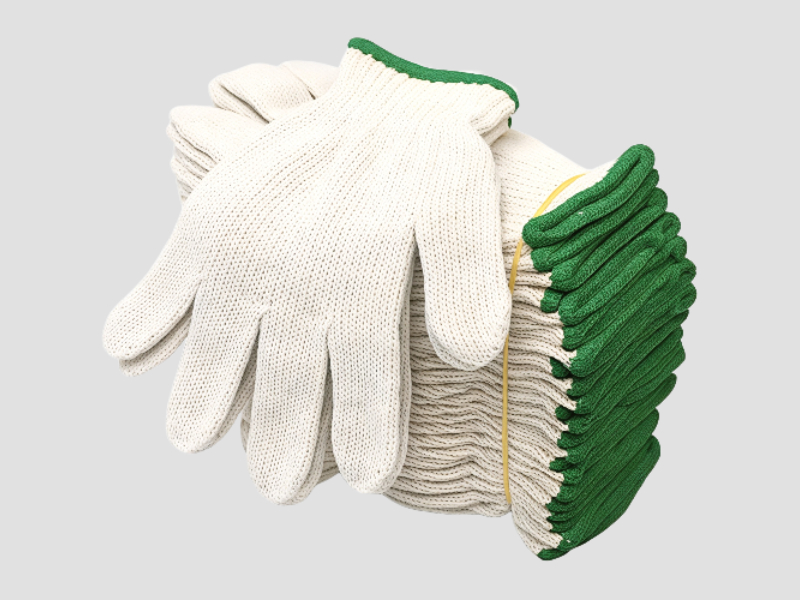
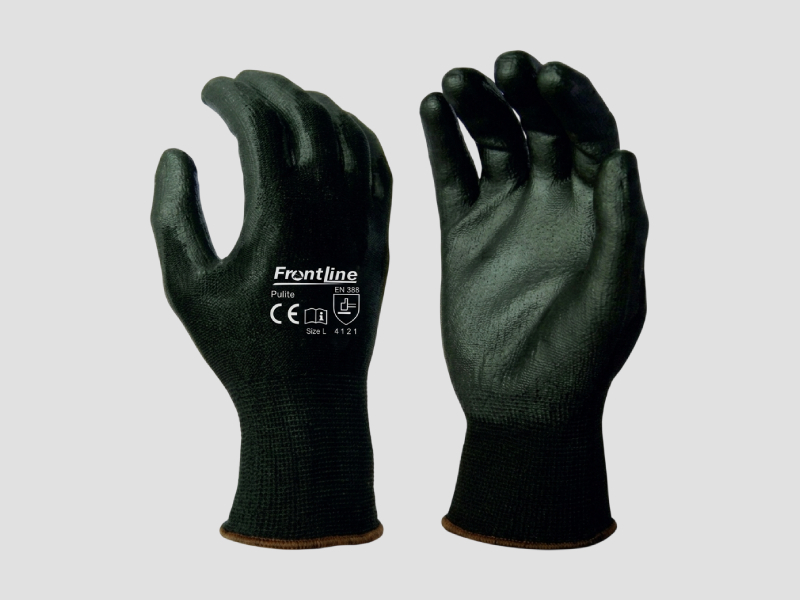
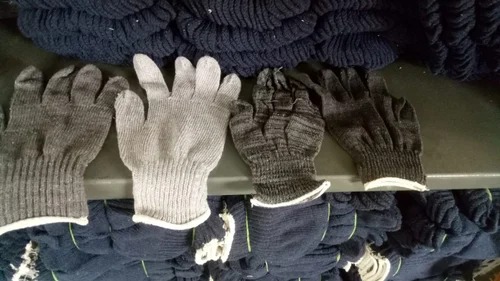
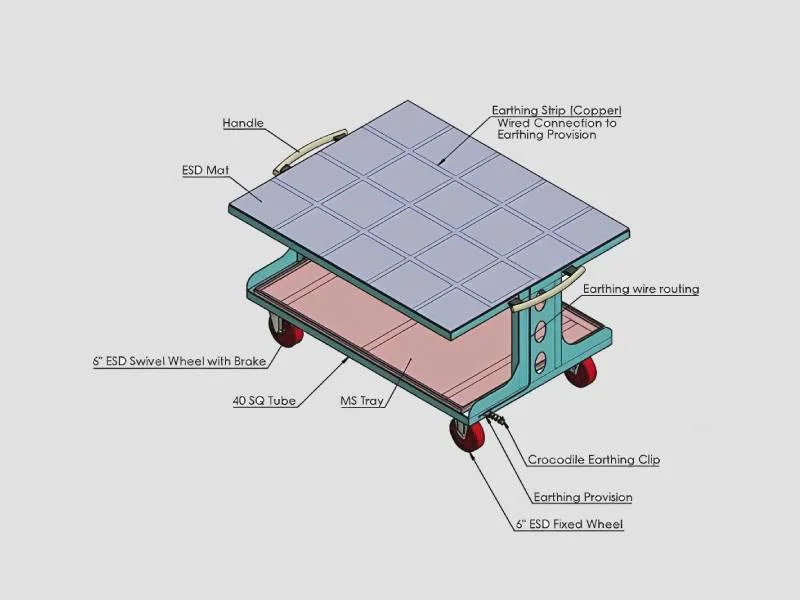
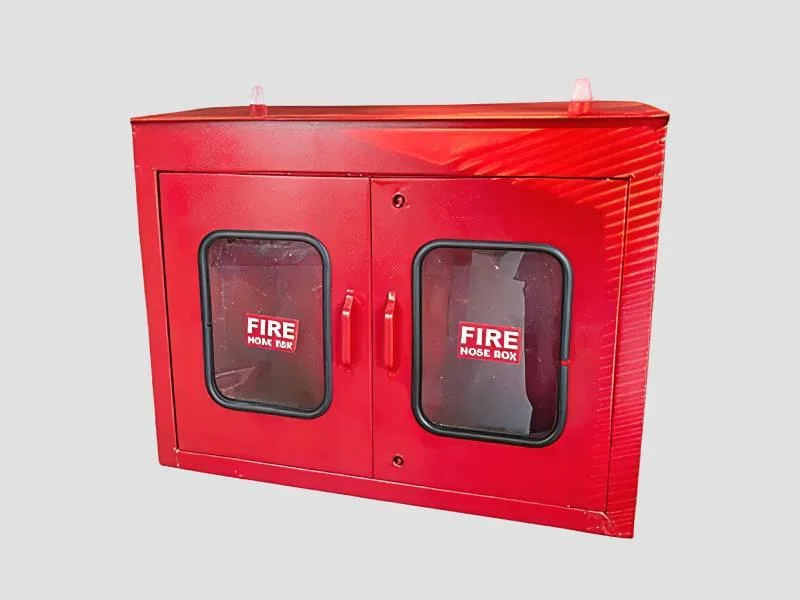
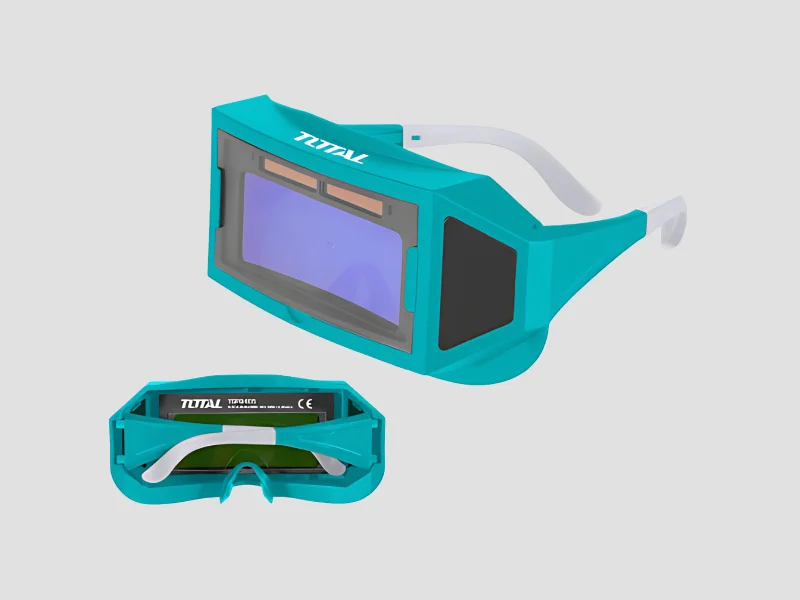
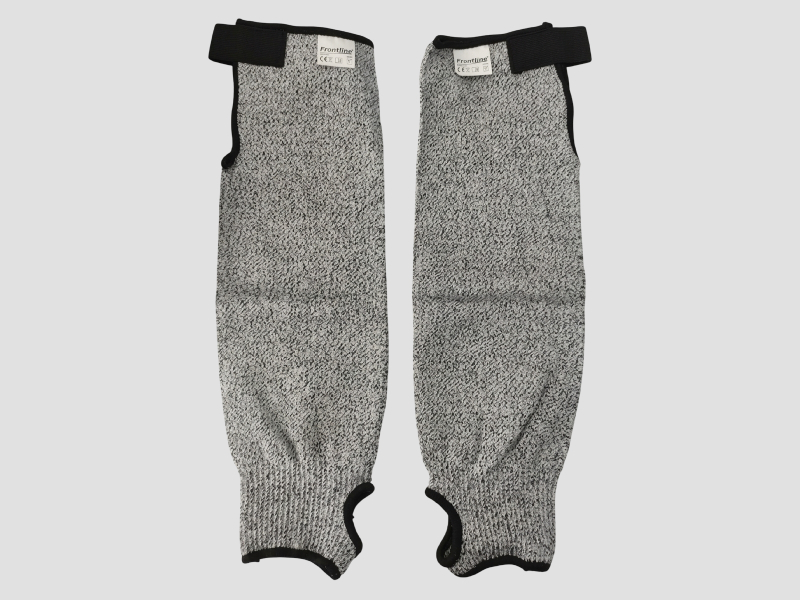
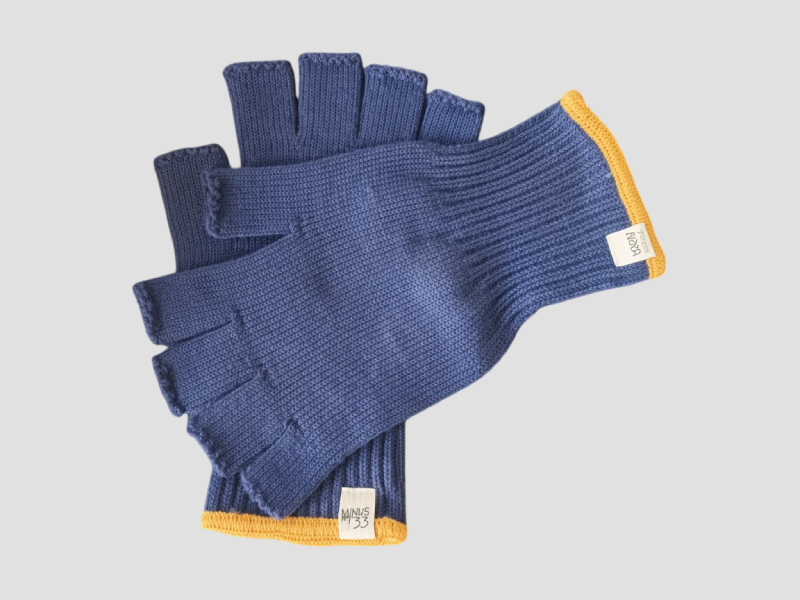
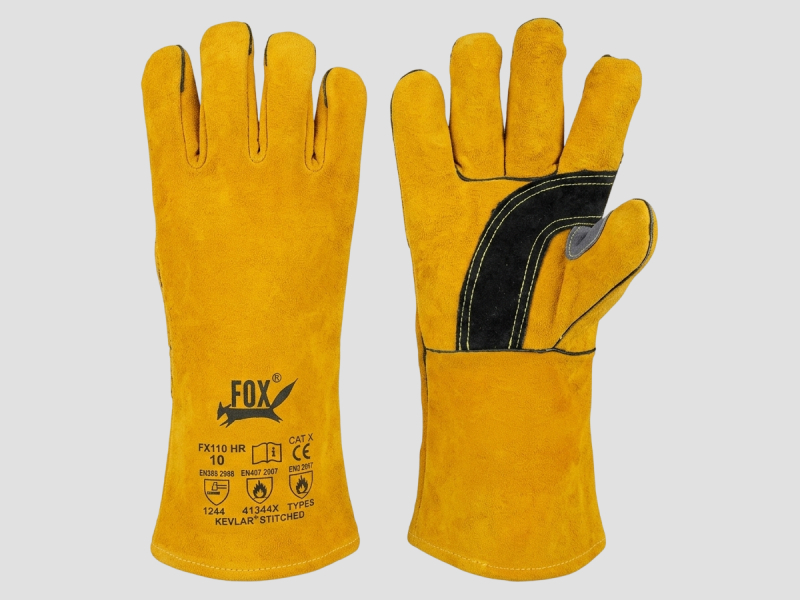
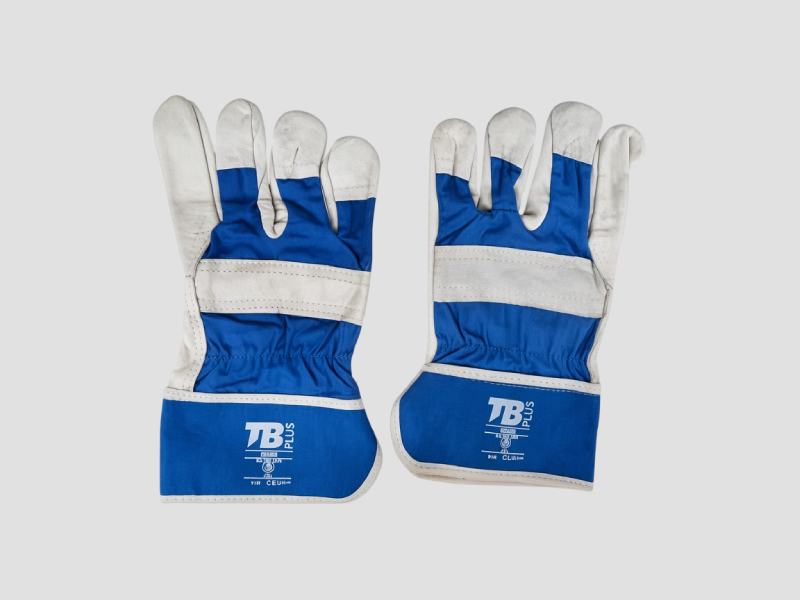
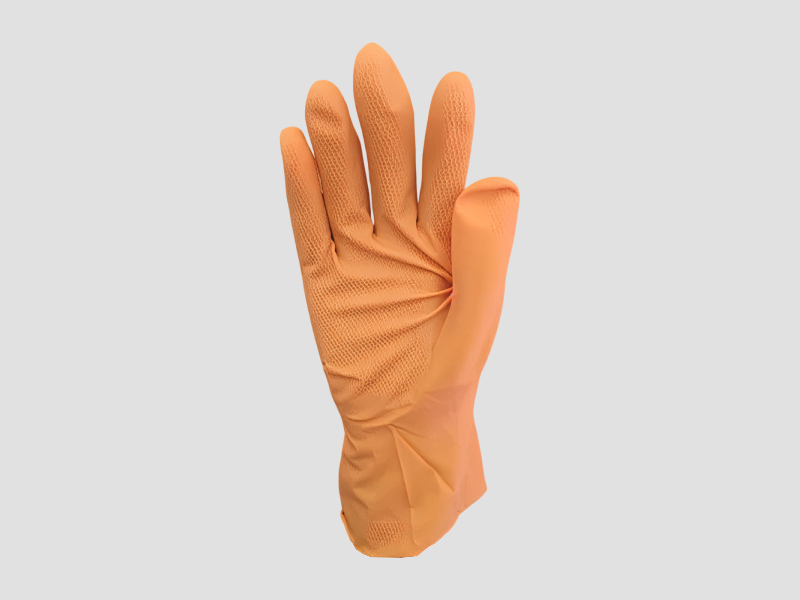
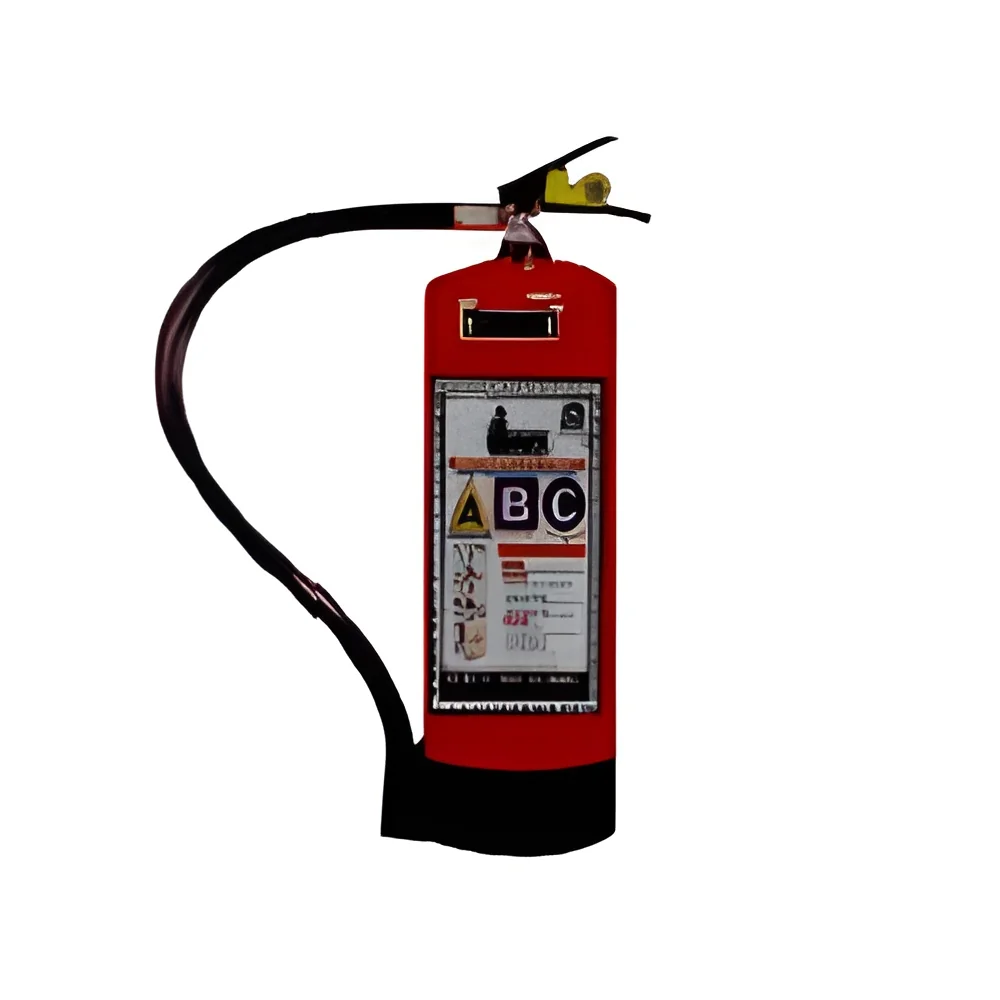
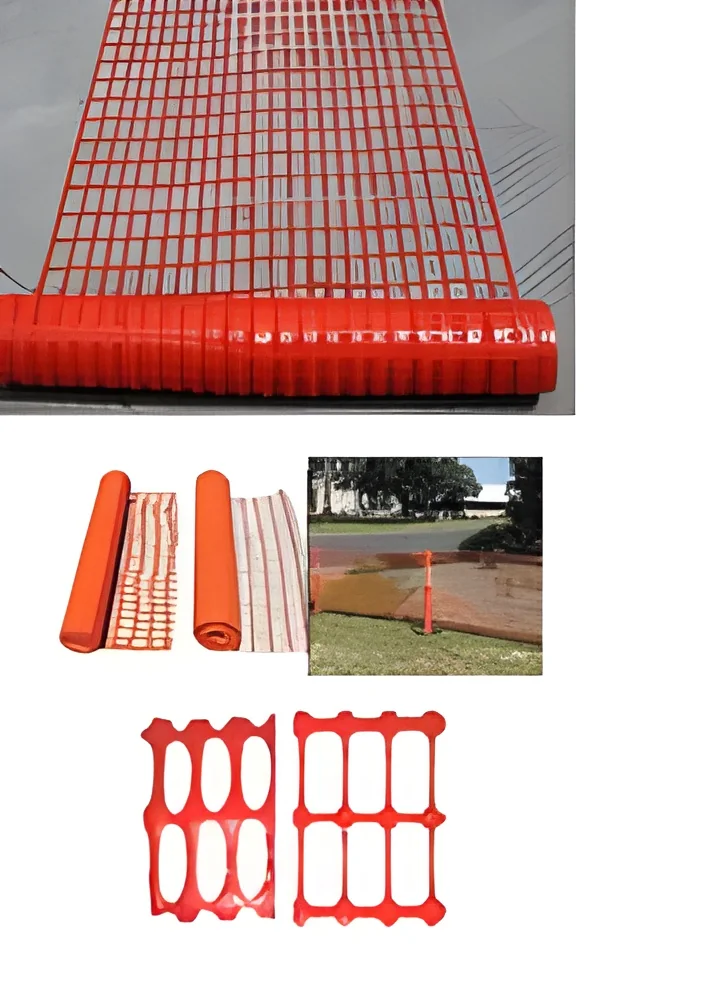
Safety tools and protective equipment encompass a wide range of products designed to safeguard individuals from workplace hazards. These items are crucial in ensuring the health and safety of employees across various industries. Safety tools can include personal protective equipment (PPE) such as helmets, gloves, and safety goggles, while protective equipment often refers to machinery guards, barriers, and other installations designed to prevent accidents.
The primary uses of safety tools and protective equipment are to prevent injuries, mitigate risks, and comply with industry regulations. Businesses implement these tools to create safer working environments, reduce liability, and promote a culture of safety. Common applications include construction sites, manufacturing facilities, laboratories, and healthcare environments where the risk of injury is significant.
In today's market, the relevance of safety tools and protective equipment cannot be overstated. As industries face increasing scrutiny regarding workplace safety, the demand for reliable safety solutions continues to grow. Regulatory bodies enforce stringent safety standards, driving businesses to invest in high-quality safety tools and protective equipment to protect their workforce and enhance operational efficiency.
𝗞𝗲𝘆 𝗙𝗲𝗮𝘁𝘂𝗿𝗲𝘀 𝗮𝗻𝗱 𝗦𝗽𝗲𝗰𝗶𝗳𝗶𝗰𝗮𝘁𝗶𝗼𝗻𝘀
Safety tools and protective equipment come with various features designed to enhance user protection and comfort. Understanding these specifications is critical for making informed purchasing decisions.
Key specifications include:
1. Material Composition
- Typically made from durable materials such as high-grade plastics, metals, or textiles.
- Must meet specific industry standards for durability and safety.
2. Protection Level
- Rated according to the type of hazards they protect against (chemical, physical, electrical).
- Compliance with relevant safety standards like CE marking.
3. Comfort Features
- Ergonomically designed for ease of movement and prolonged wear.
- May include adjustable straps, breathable fabrics, and padding.
4. Visibility
- High visibility options available with reflective materials for safety in low-light conditions.
- Essential for outdoor or nighttime work environments.
5. Size Range
- Available in various sizes to accommodate different body types.
- Custom sizing may be available for specific applications.
6. Maintenance Requirements
- Easy to clean and maintain to ensure longevity.
- Some items may require specific handling to maintain their protective properties.
7. Certifications
- Must meet industry-specific certifications such as CE for compliance.
- Additional certifications may apply based on regional regulations.
In summary, understanding these specifications can help businesses select the right safety tools and protective equipment tailored to their specific needs.
𝗖𝗼𝗺𝗺𝗼𝗻 𝗔𝗽𝗽𝗹𝗶𝗰𝗮𝘁𝗶𝗼𝗻𝘀 𝗮𝗻𝗱 𝗨𝘀𝗲 𝗖𝗮𝘀𝗲𝘀
Safety tools and protective equipment find their application across a variety of industries, emphasizing the need for safety and compliance.
1. Construction: Workers on construction sites utilize helmets, gloves, and safety harnesses to protect against falls and injuries from heavy machinery.
2. Manufacturing: In manufacturing facilities, employees require safety goggles, ear protection, and gloves to safeguard against mechanical hazards and chemical exposure.
3. Healthcare: Healthcare professionals use gloves, masks, and face shields to prevent exposure to infectious materials and maintain a sterile environment.
4. Oil and Gas: Workers in the oil and gas sector employ flame-resistant clothing and specialized respirators to protect against hazardous materials and explosive environments.
5. Agriculture: Farm workers utilize protective gear such as gloves and goggles when handling pesticides and operating heavy machinery.
6. Warehousing: Employees in warehouses require safety shoes and helmets to protect against falling objects and other physical hazards.
7. Laboratories: Laboratory personnel use lab coats, gloves, and safety goggles to protect against chemical spills and biological hazards.
𝗣𝗿𝗼𝗱𝘂𝗰𝘁 𝗩𝗮𝗿𝗶𝗮𝗻𝘁𝘀 𝗮𝗻𝗱 𝗦𝘂𝗯𝗰𝗮𝘁𝗲𝗴𝗼𝗿𝗶𝗲𝘀
Safety tools and protective equipment come in various forms to cater to diverse needs and environments.
Personal Protective Equipment (PPE)
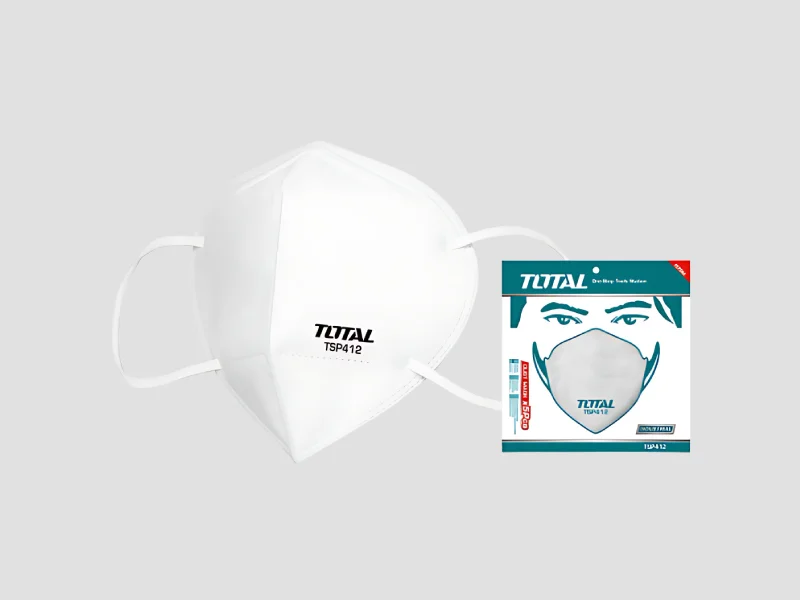
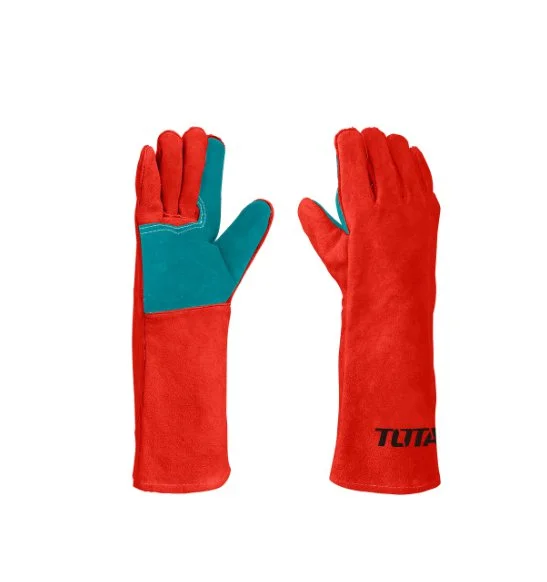
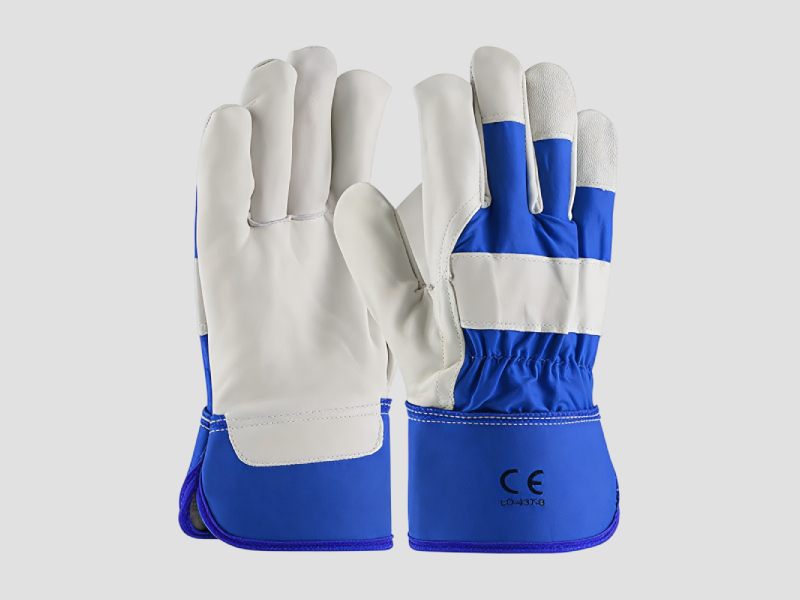
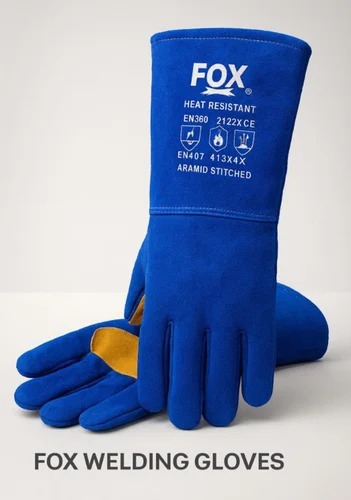
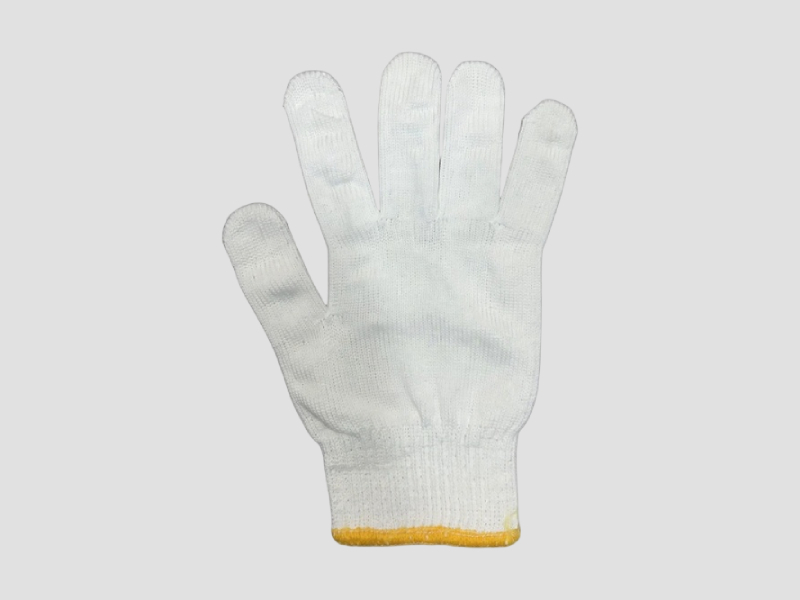
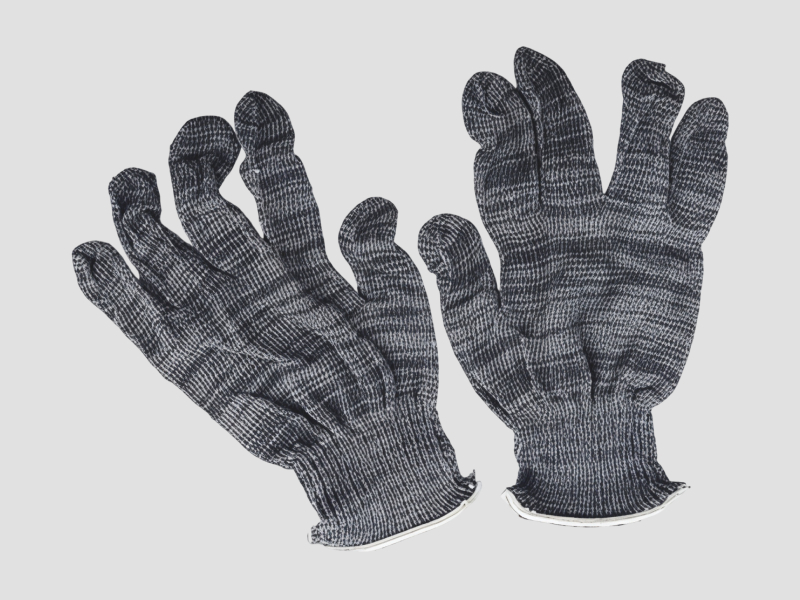
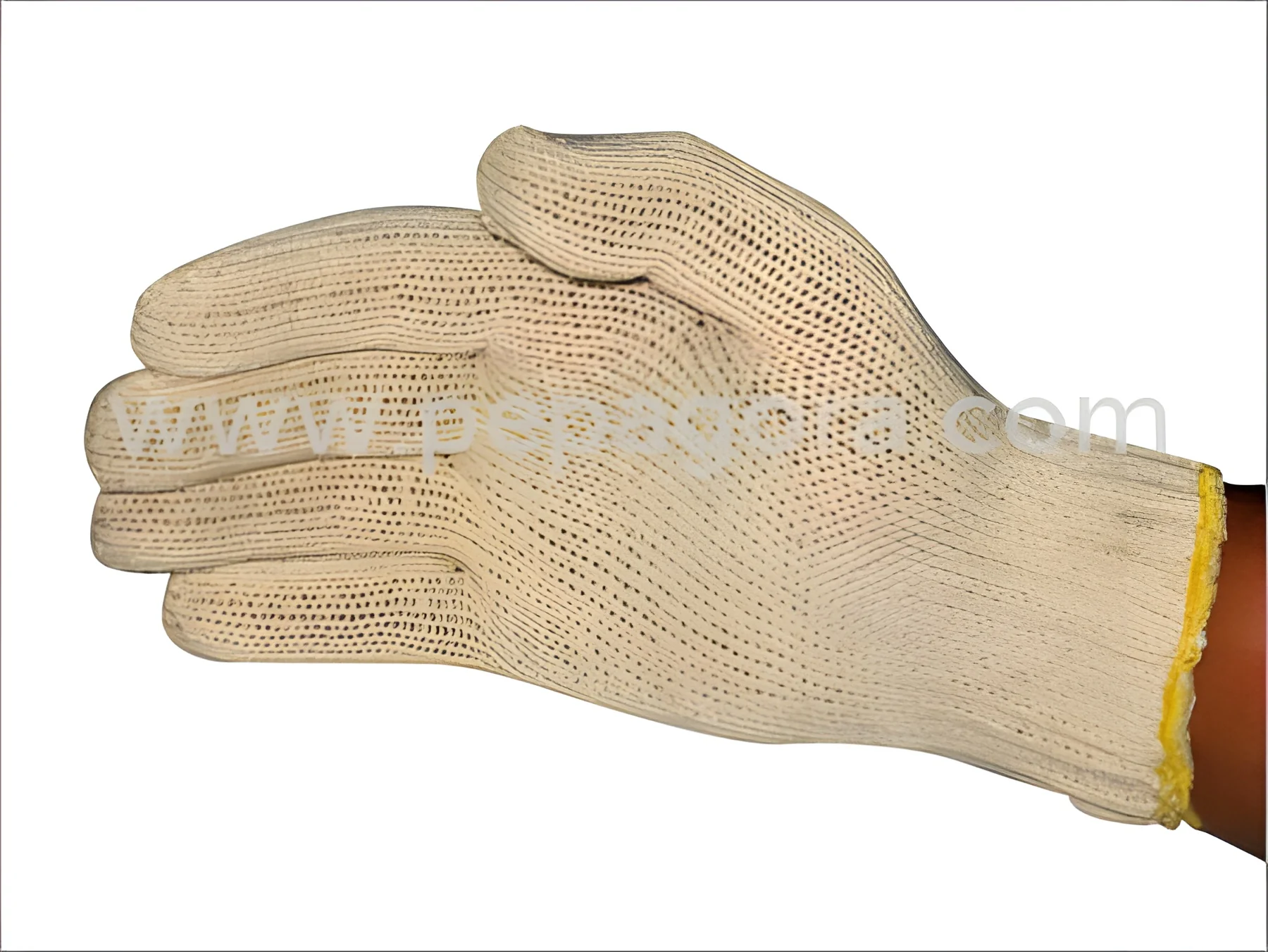
This category includes items like helmets, gloves, and respirators, designed to protect individual workers from specific hazards. PPE is essential in sectors such as construction, healthcare, and manufacturing.
Safety Footwear
Safety shoes and boots are designed with reinforced toes and slip-resistant soles to protect against workplace hazards. These are critical in construction and industrial settings where heavy materials are handled.
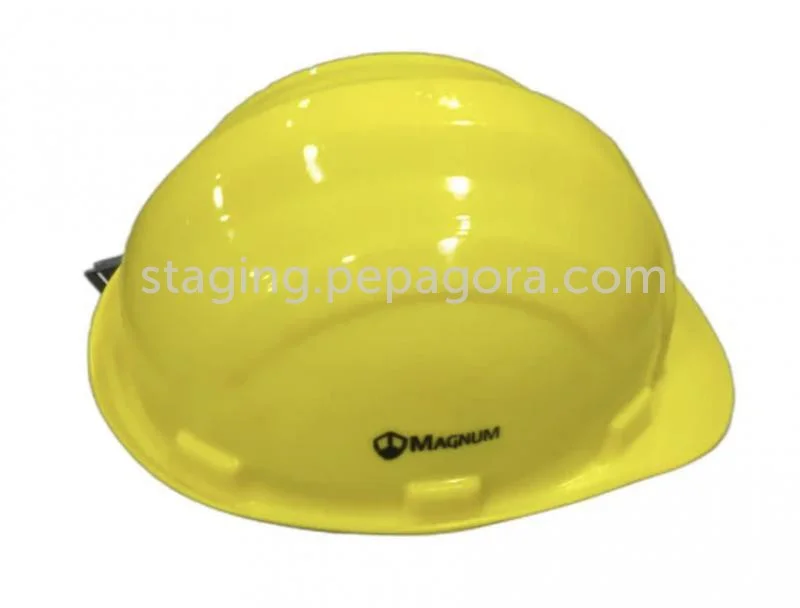
Safety Helmets
Hard hats are vital for protecting workers from head injuries caused by falling objects or bumps. They are widely used in construction and industrial environments.
Protective Clothing
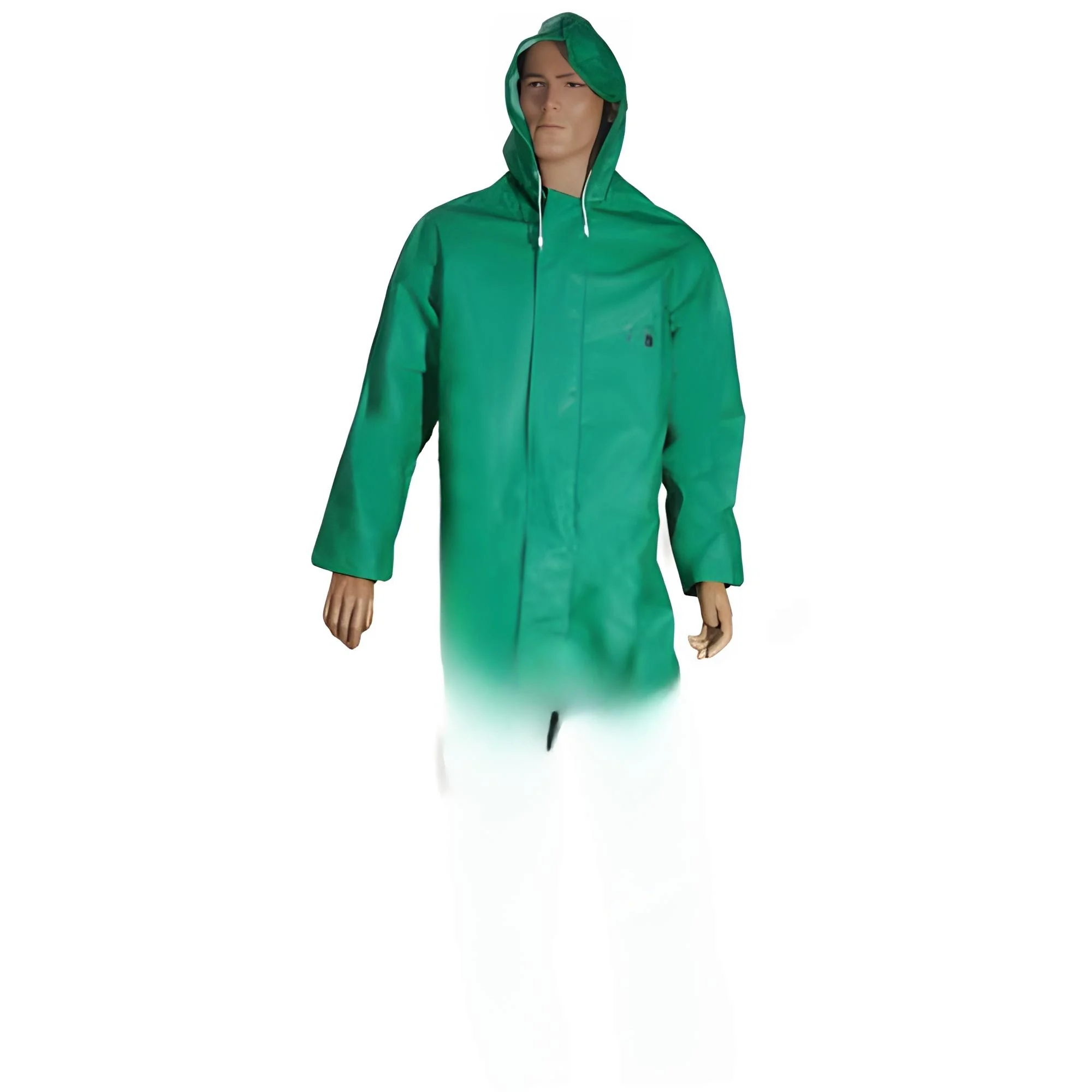
This includes coveralls, jackets, and aprons designed to shield workers from chemical spills, flames, or extreme temperatures. Essential in environments like laboratories and manufacturing.
𝗕𝗲𝗻𝗲𝗳𝗶𝘁𝘀 𝗮𝗻𝗱 𝗔𝗱𝘃𝗮𝗻𝘁𝗮𝗴𝗲𝘀
Investing in safety tools and protective equipment yields significant benefits for businesses and their employees.
1. Injury Prevention: High-quality safety equipment significantly reduces the risk of workplace injuries, leading to fewer accidents.
2. Compliance with Regulations: Using the right safety tools helps organizations meet legal requirements and avoid potential fines.
3. Enhanced Productivity: A safe working environment fosters employee confidence and productivity, reducing downtime due to injuries.
4. Cost Savings: Preventing injuries reduces healthcare costs and litigation associated with workplace accidents.
5. Improved Employee Morale: Providing safety equipment shows employees that their well-being is a priority, boosting morale and retention.
6. Reputation Management: Companies that prioritize safety enhance their reputation, making them more attractive to clients and employees alike.
𝗕𝘂𝘆𝗶𝗻𝗴 𝗚𝘂𝗶𝗱𝗲 𝗳𝗼𝗿 𝗕𝟮𝗕 𝗕𝘂𝘆𝗲𝗿𝘀
When sourcing safety tools and protective equipment, there are several factors to consider to ensure effective procurement.
1. Quality Assessment: Evaluate the quality of materials and construction. Look for products that meet established safety standards to ensure reliability.
2. Supplier Verification: Vet suppliers for their reputation and reliability. Check for reviews and certifications that indicate a commitment to quality.
3. Pricing and MOQ: Compare prices across suppliers to find competitive rates. Be aware of minimum order quantities that may affect your purchasing decisions.
4. Delivery and Lead Times: Consider logistics and delivery times. Ensure that suppliers can meet your timeline for receiving equipment.
5. Compliance Requirements: Understand the regulatory landscape for your industry. Ensure that the equipment sourced meets all necessary compliance and safety regulations.
𝗖𝗼𝗺𝗽𝗹𝗶𝗮𝗻𝗰𝗲 𝗮𝗻𝗱 𝗖𝗲𝗿𝘁𝗶𝗳𝗶𝗰𝗮𝘁𝗶𝗼𝗻𝘀
Safety tools and protective equipment must adhere to various compliance and certification standards to ensure their effectiveness and reliability. Key quality standards include ISO 9001, which ensures consistent product quality, and HACCP, critical for the food industry.
Industry certifications such as CE indicate compliance with European health, safety, and environmental protection standards. These certifications assure buyers that products have undergone rigorous testing and meet industry benchmarks.
Additionally, safety and testing requirements vary by region and application. It is essential to remain aware of regional compliance considerations, which may include specific certifications or safety measures that must be adhered to within different markets.
𝗪𝗵𝘆 𝗦𝗼𝘂𝗿𝗰𝗲 𝗦𝗮𝗳𝗲𝘁𝘆 𝗧𝗼𝗼𝗹𝘀 & 𝗣𝗿𝗼𝘁𝗲𝗰𝘁𝗶𝘃𝗲 𝗘𝗾𝘂𝗶𝗽𝗺𝗲𝗻𝘁 𝗳𝗿𝗼𝗺 𝗣𝗲𝗽𝗮𝗴𝗼𝗿𝗮?
Pepagora provides a trusted platform for sourcing safety tools and protective equipment, offering numerous advantages to B2B buyers.
Verified Supplier Network: Pepagora connects buyers with a network of verified suppliers. Each supplier undergoes a thorough vetting process to ensure reliability and quality.
Streamlined RFQ Process: The platform simplifies the request for quotation (RFQ) process, allowing buyers to receive multiple quotes efficiently. This feature helps buyers compare options and make informed decisions.
Trade Assurance and Support: Pepagora offers trade assurance to protect buyers throughout their purchasing journey. This includes support in case of disputes or issues with orders, ensuring peace of mind.
Regional Coverage: With a wide geographic reach that includes India, the GCC, and Southeast Asia, Pepagora provides access to various suppliers and products tailored to regional needs. This coverage ensures that businesses can find the right safety solutions in their local markets.

 IN
IN