What are Radiation Protection Gear?
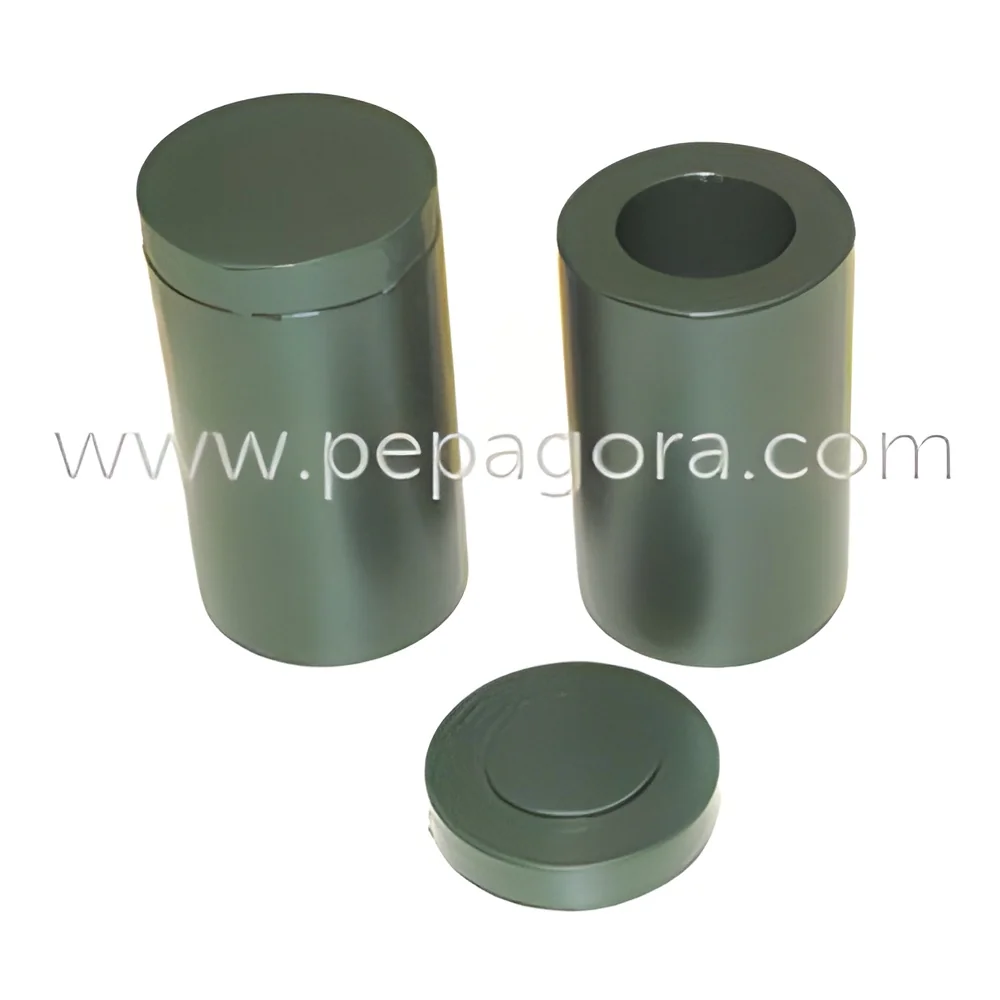
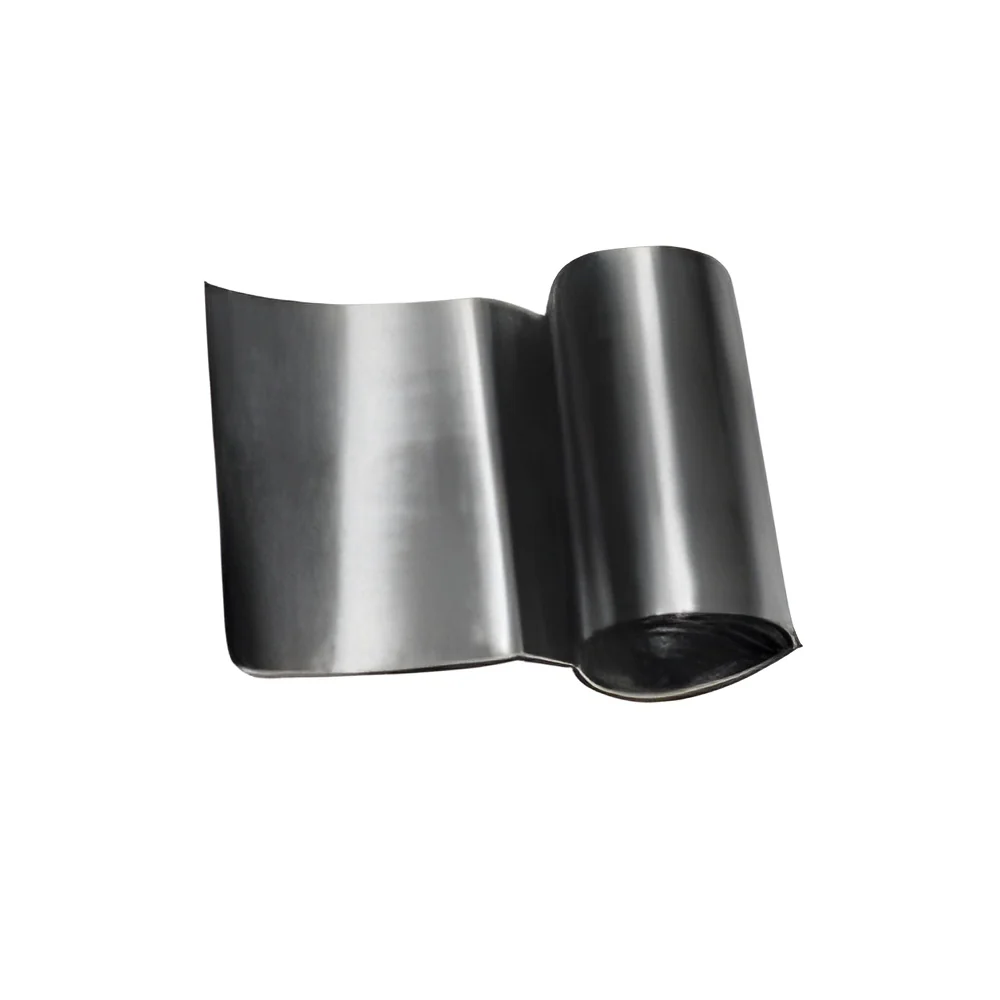
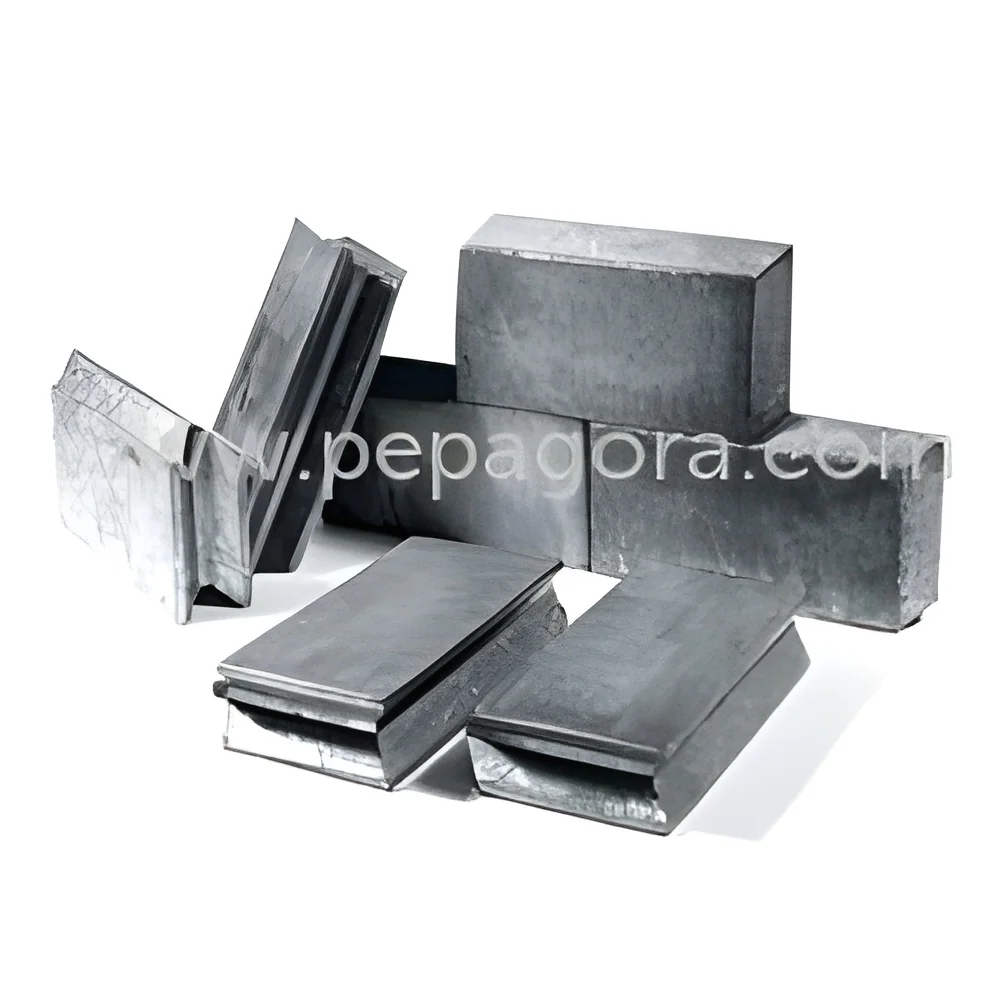
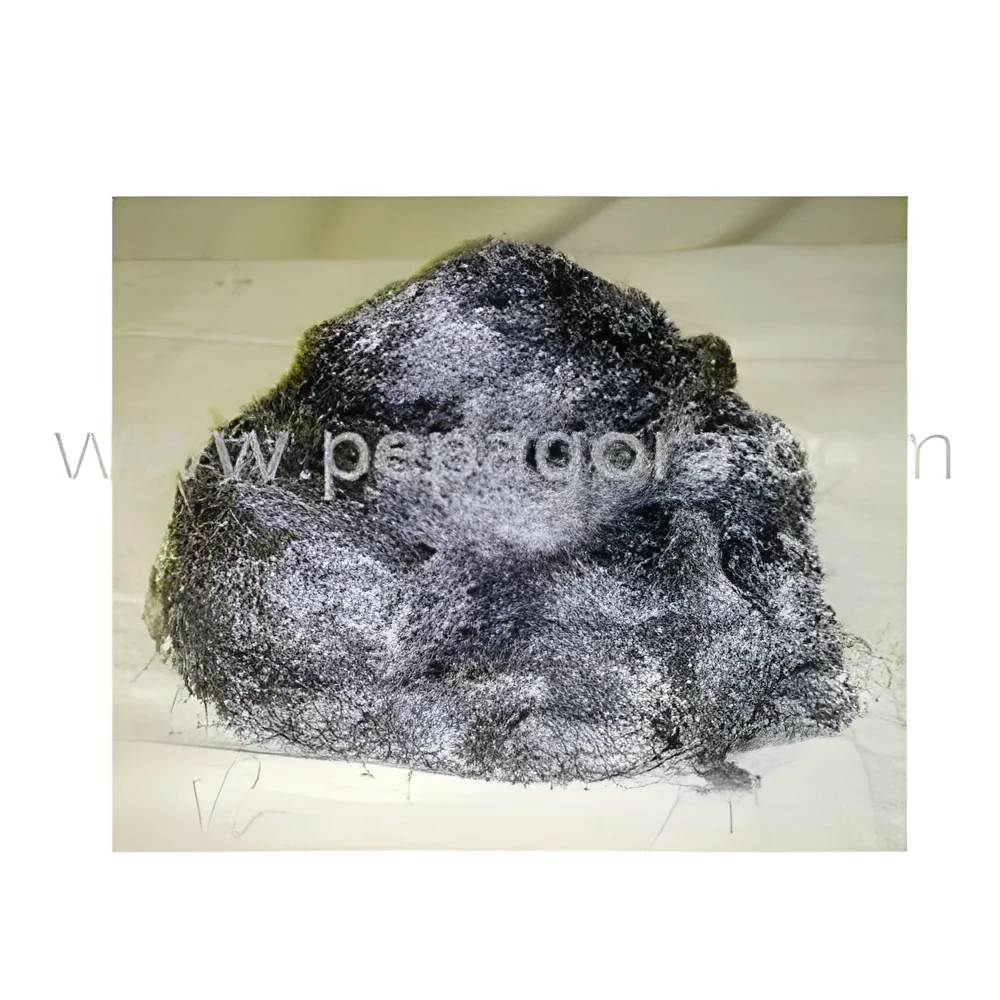
Radiation Protection Gear refers to specialized clothing and equipment designed to safeguard individuals from harmful radiation exposure. These products are engineered to absorb or block radiation, thereby minimizing the risks associated with ionizing radiation. They are essential in environments where radiation is present, such as hospitals, nuclear power plants, and research laboratories.
The primary uses of Radiation Protection Gear include protecting medical staff during imaging procedures, shielding workers in nuclear facilities, and ensuring safety in research environments. Businesses in healthcare, nuclear energy, and scientific research heavily rely on this equipment to meet safety regulations and protect personnel from radiation-related health issues. As industries grow more aware of radiation risks, the demand for effective and reliable protection gear continues to increase.
In today's market, the relevance of Radiation Protection Gear extends beyond compliance with safety standards. With advancements in technology, manufacturers are continually innovating to enhance the effectiveness and comfort of protective equipment. This ongoing development is particularly crucial as more sectors recognize the importance of radiation safety and the need for high-quality protective solutions.
Key Features and Specifications
Radiation Protection Gear comes with a variety of features tailored to specific needs. Understanding these specifications is vital for selecting the right equipment for your business.
Key specifications include:
1. Material Composition
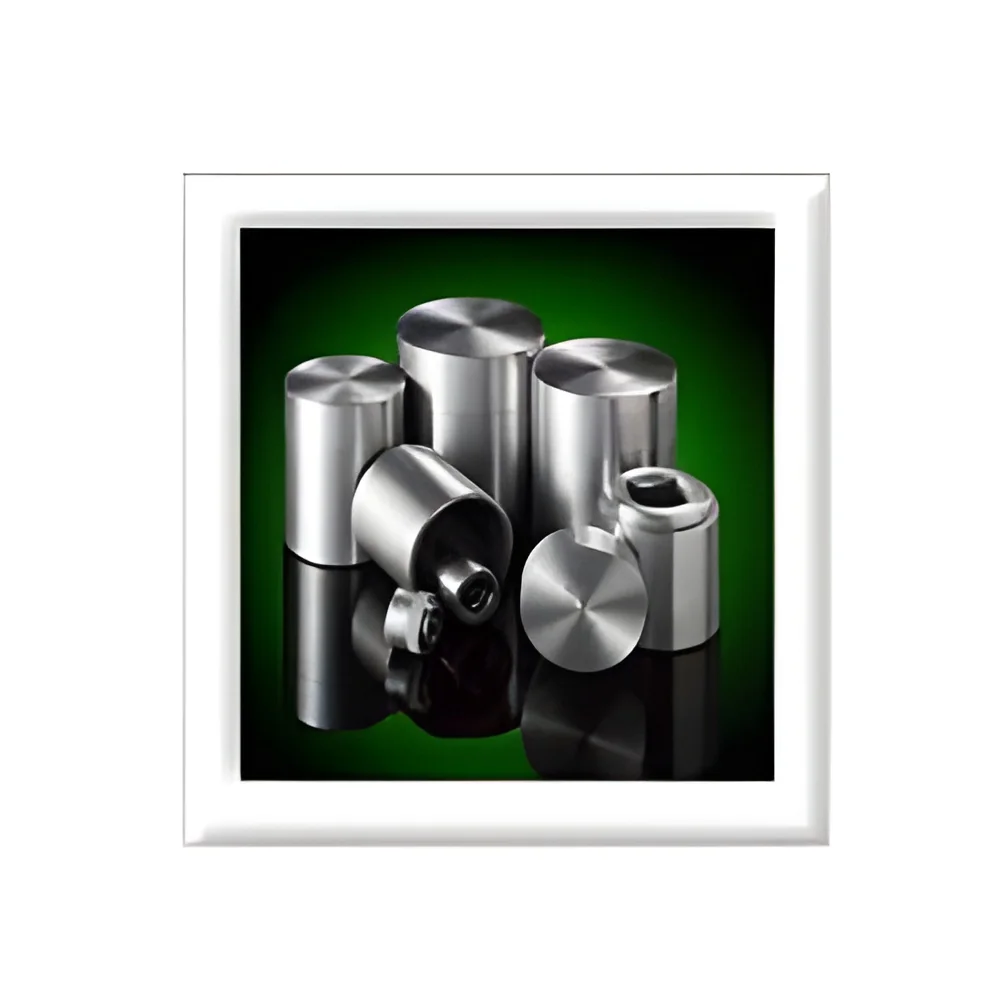
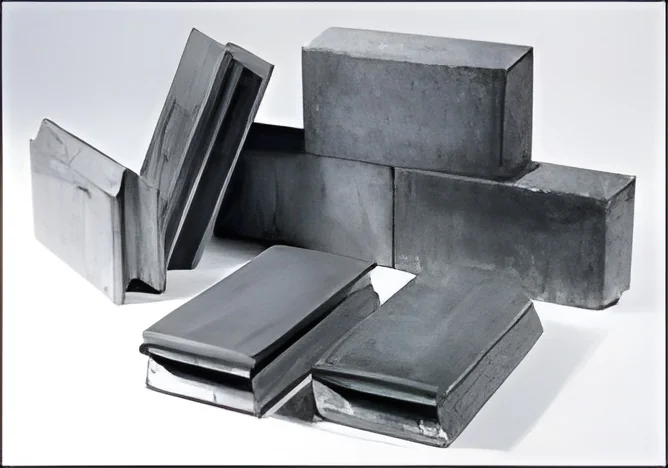
- Typically made from lead, lead-free materials, or specialized polymers
- Varied thicknesses for different levels of radiation protection
2. Shielding Capability
- Measured in millimeters of lead equivalency
- Determines the level of radiation a garment can effectively block
3. Comfort and Fit
- Ergonomic designs for ease of movement
- Adjustable straps or closures for a secure fit
4. Weight
- Lightweight options for ease of wear
- Heavier models for maximum protection
5. Durability
- Resistance to wear and tear
- Ability to withstand cleaning and disinfecting processes
6. Certification Standards
- Compliance with CE certification for safety
- Adherence to industry-specific safety regulations
7. Customization Options
- Availability of tailored sizes and designs
- Option for branding or specific features based on client requirements
8. Maintenance Requirements
- Guidelines for cleaning and storage
- Recommendations for lifespan and replacement frequency
In summary, selecting the right Radiation Protection Gear involves understanding its key features and specifications. This ensures that businesses can provide adequate protection while meeting safety regulations.
Common Applications and Use Cases
Radiation Protection Gear is utilized across multiple industries, each with unique applications.
1. Healthcare: Medical professionals use protective gear during X-rays, CT scans, and radiation therapy to minimize exposure to patients and staff.
2. Nuclear Energy: Workers in nuclear plants wear specialized gear to protect against radiation during maintenance and emergency response.
3. Research Laboratories: Scientists use radiation protection equipment when conducting experiments involving radioactive materials to ensure safety.
4. Industrial Radiography: Technicians use protective gear while inspecting welds or materials using radiographic testing methods to prevent radiation exposure.
5. Aerospace: Engineers and technicians in the aerospace sector utilize gear to protect against radiation during testing and development of aircraft components.
6. Veterinary Medicine: Veterinary clinics providing radiation therapy for animals also require protective gear to safeguard both staff and patients.
7. Environmental Monitoring: Professionals monitoring radiation levels in the environment wear protective equipment to ensure their safety during assessments.
Product Variants and Subcategories
Radiation Protection Gear encompasses a range of variants tailored to specific needs and settings.
Lead Aprons: These are commonly used in medical settings, providing effective shielding during diagnostic imaging. They come in various styles and weights to suit different procedures and comfort levels.
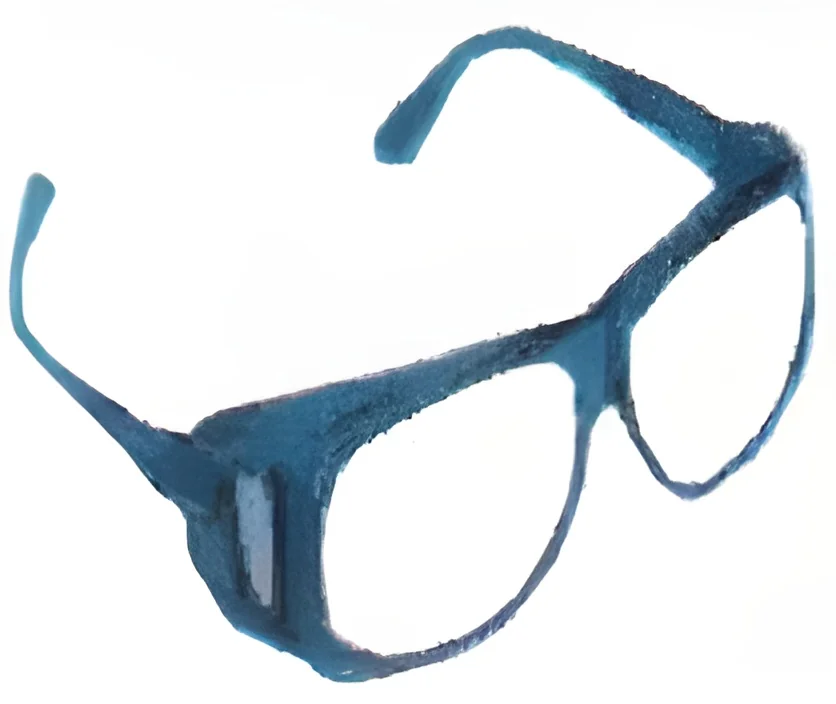
Lead Glasses: Designed to protect the eyes from radiation exposure, these glasses are essential for personnel working in radiology departments or nuclear facilities.
Thyroid Shields: These are specifically designed to protect the thyroid gland from radiation during imaging procedures, especially in medical environments.
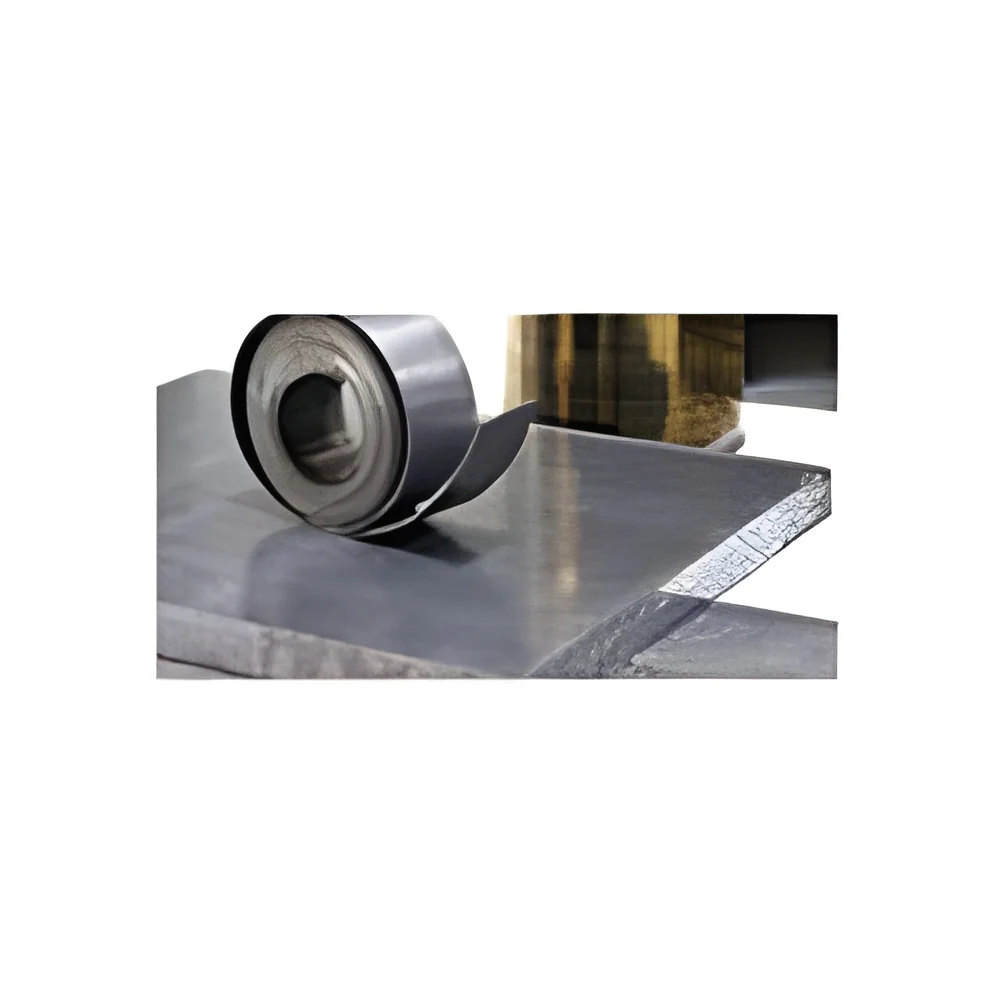
Lead Blankets: Used in various applications, lead blankets provide flexible shielding for patients or equipment during radiographic procedures.
Benefits and Advantages
Investing in Radiation Protection Gear offers significant advantages for businesses and their employees.
1. Enhanced Safety: Protects workers from harmful radiation exposure, reducing health risks associated with long-term exposure.
2. Compliance with Regulations: Helps businesses meet industry safety standards and regulations, ensuring legal compliance.
3. Increased Productivity: Comfortable protective gear allows employees to perform their tasks effectively without discomfort or distraction.
4. Versatility: Available in various designs and materials, making them suitable for different industries and applications.
5. Long-Term Cost Savings: Investing in high-quality protective gear can prevent costly health-related incidents, leading to long-term savings.
6. Customization Options: Many manufacturers offer tailored solutions, allowing businesses to get gear that meets specific needs and branding requirements.
Buying Guide for B2B Buyers
When sourcing Radiation Protection Gear, it is crucial to consider several factors to ensure you make informed purchasing decisions.
1. Quality Assessment: Evaluate the materials and construction of the gear. Look for products that meet industry standards and have certifications, such as CE, to ensure quality.
2. Supplier Verification: Research potential suppliers for reliability and reputation. Verify their track record in providing quality products and their adherence to safety regulations.
3. Pricing and MOQ: Consider the overall cost and minimum order quantities. Balance quality with budget constraints to find the best value.
4. Delivery and Lead Times: Understand the supplier's logistics capabilities. Ensure that they can meet your delivery requirements to avoid disruptions in operations.
5. Compliance Requirements: Familiarize yourself with the relevant compliance and regulatory requirements in your industry to ensure that the gear meets necessary safety standards.
Compliance and Certifications
Radiation Protection Gear must adhere to various quality standards and certifications to ensure safety and effectiveness. Key standards include ISO 9001, which outlines requirements for quality management systems. Compliance with this standard signifies that a manufacturer maintains consistent quality in its products.
Additionally, industry certifications, such as CE marking, indicate that the gear meets European safety requirements. This certification is crucial for products sold in European markets.
Safety and testing requirements are paramount when it comes to Radiation Protection Gear. Manufacturers often conduct rigorous testing to validate the effectiveness of their products in protecting against radiation.
Regional compliance considerations may vary, so it is essential for businesses to understand the specific regulations applicable in their location or market. This ensures that the gear sourced is not only effective but also compliant with local laws.
Why Source Radiation Protection Gear from Pepagora?
Pepagora offers a reliable platform for sourcing Radiation Protection Gear with several key advantages.
Verified Supplier Network: Pepagora connects buyers with a vetted network of suppliers, ensuring that only trusted manufacturers are featured. This helps businesses find high-quality products with confidence.
Streamlined RFQ Process: The platform simplifies the request for quotation process, allowing buyers to receive competitive quotes from multiple suppliers efficiently. This saves time and enhances decision-making.
Trade Assurance and Support: Pepagora provides trade assurance, offering buyers protection and support throughout the purchasing process. This builds trust and confidence in transactions.
Regional Coverage: With a strong presence in India, GCC, and Southeast Asia, Pepagora ensures broad geographic reach. This allows businesses across these regions to access reliable Radiation Protection Gear tailored to their specific needs.

 IN
IN