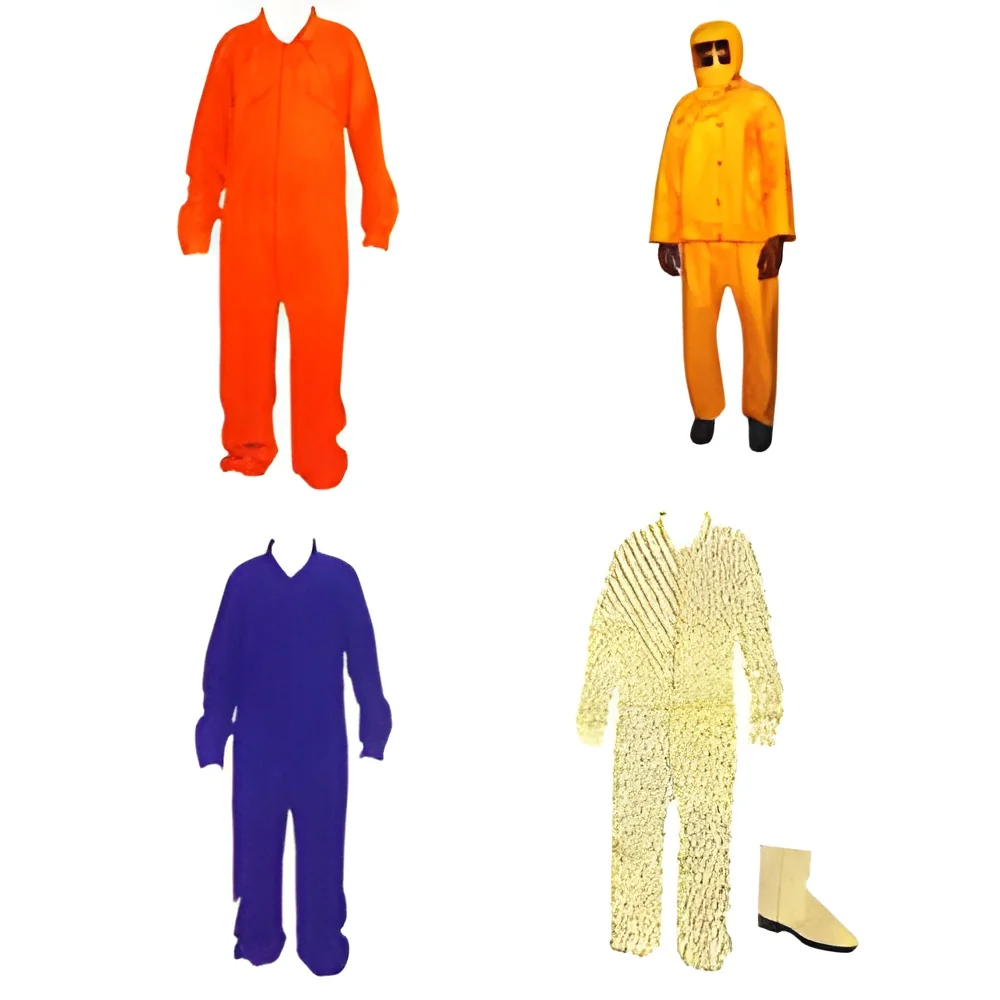
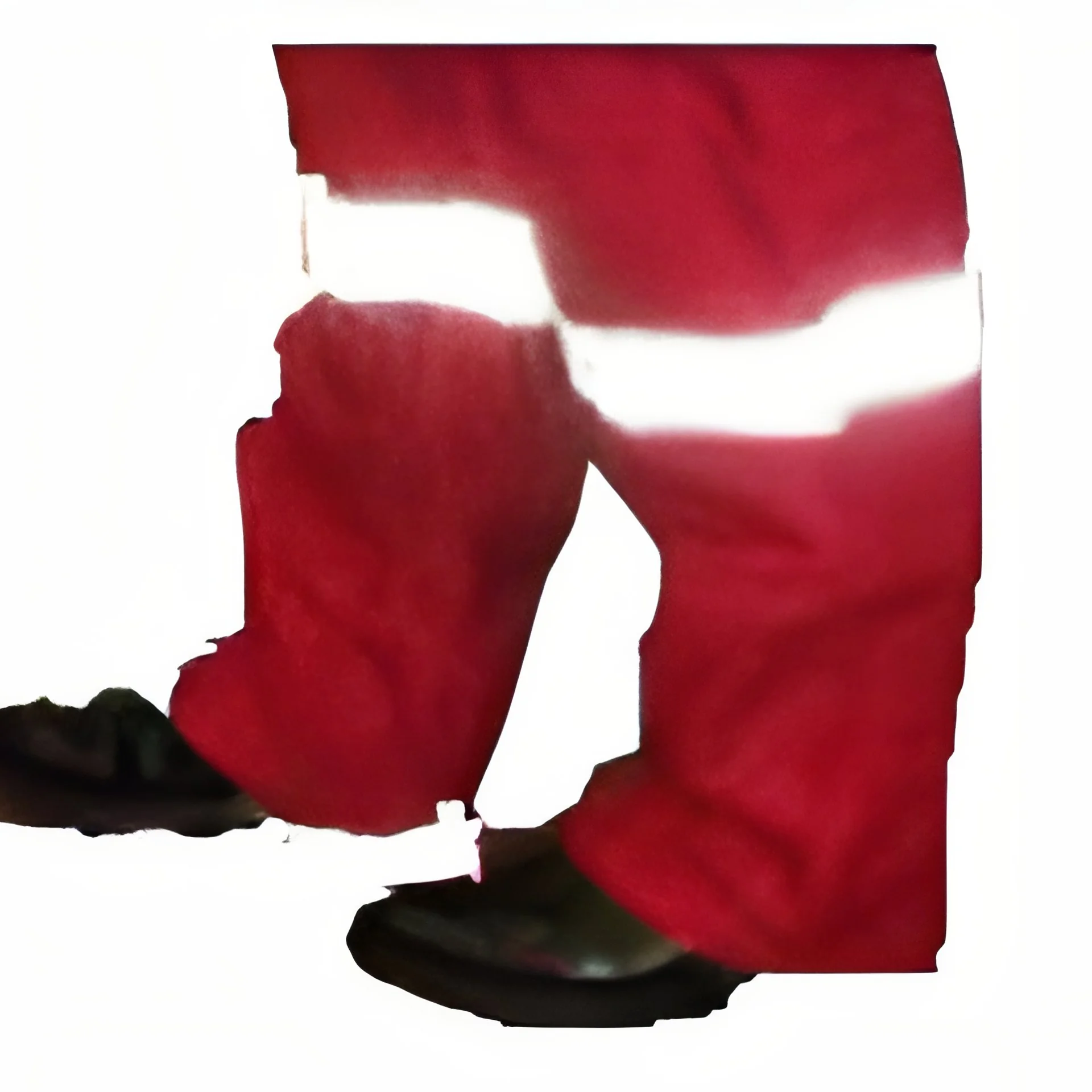
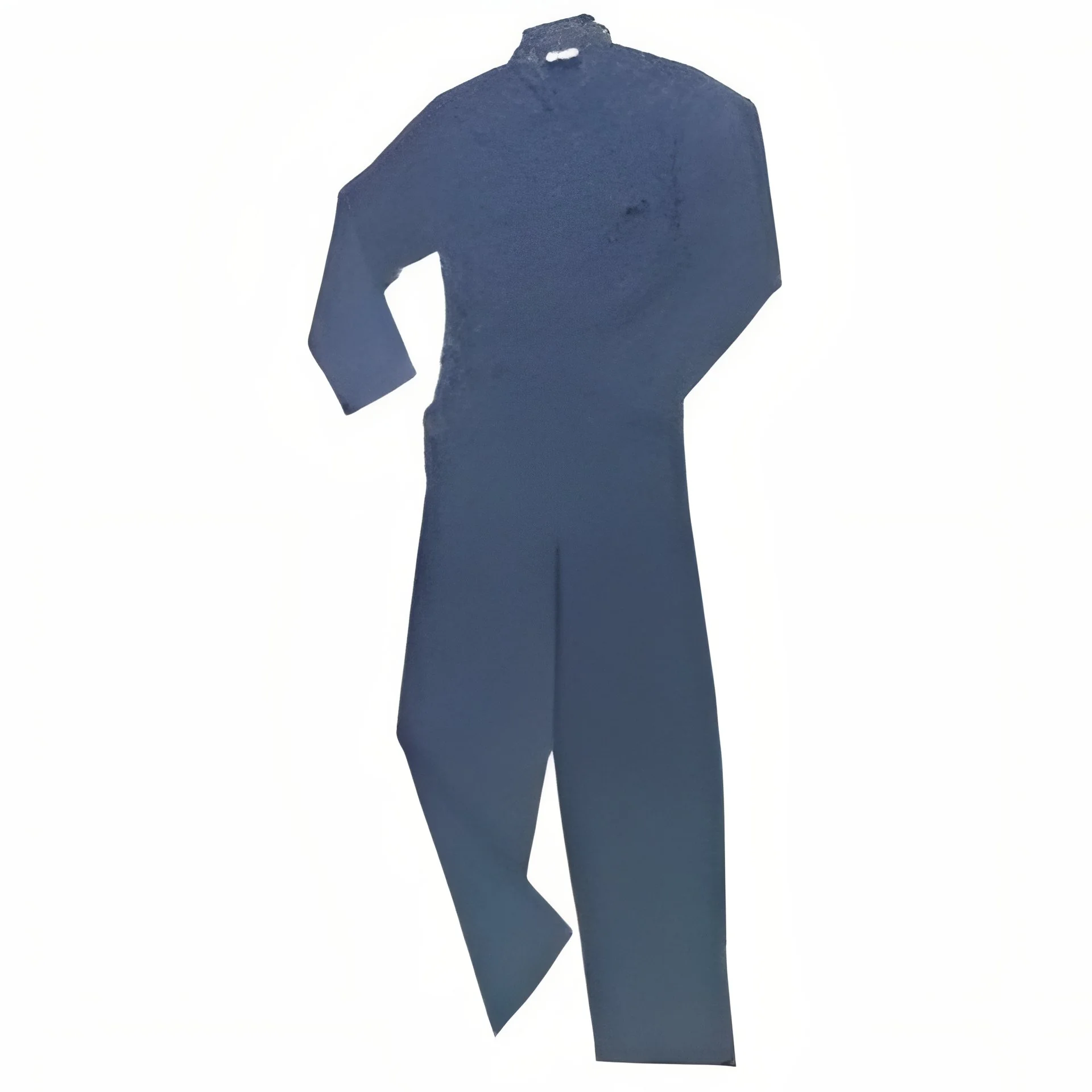
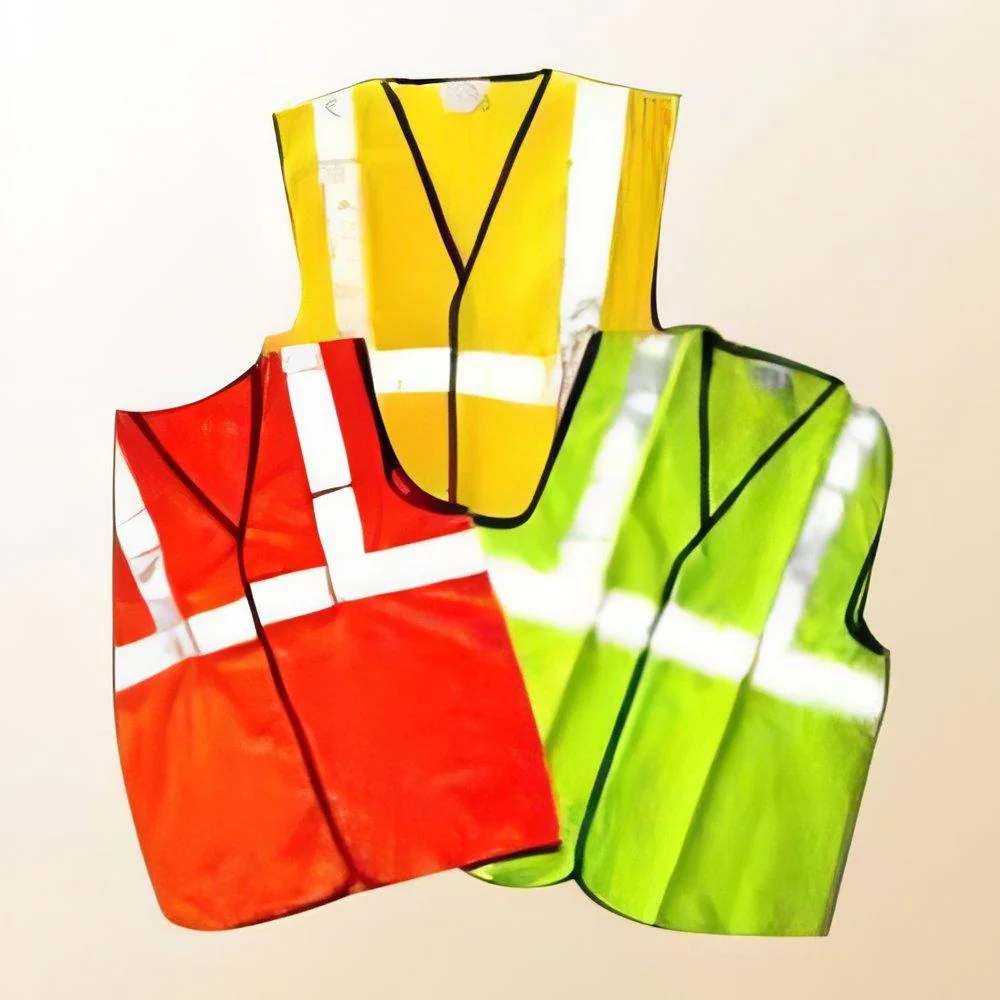
What are Workwear & Safety Clothing?
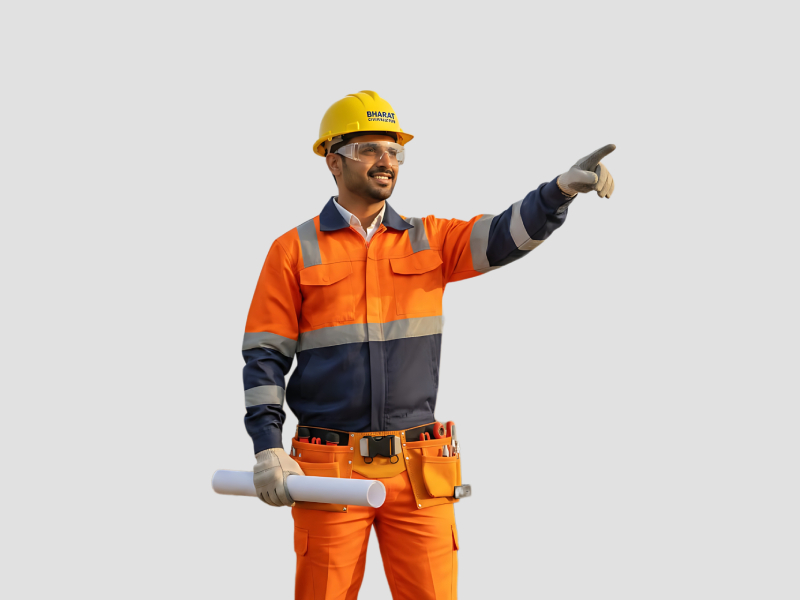
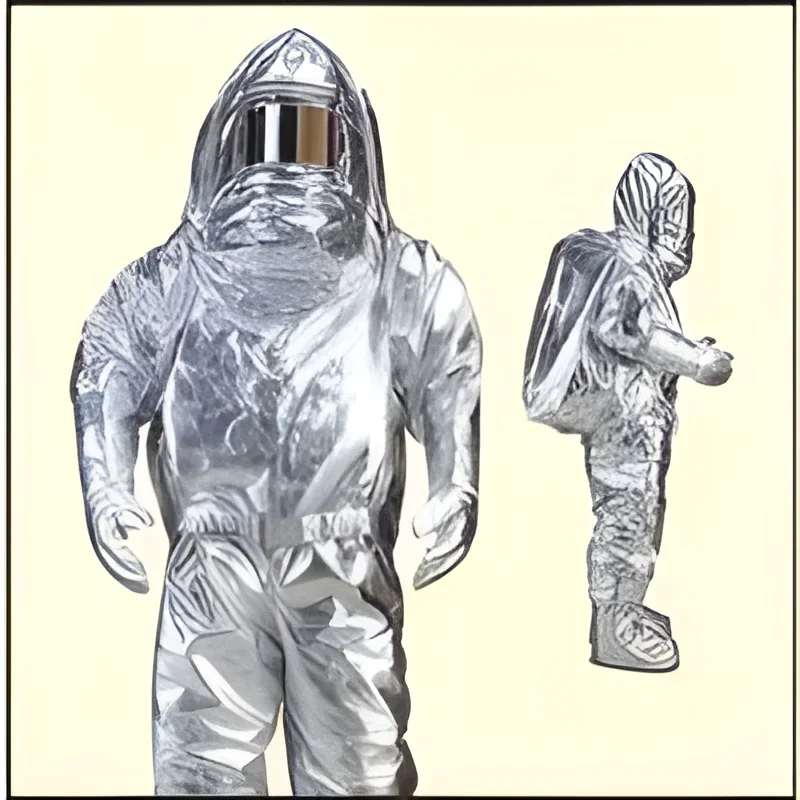
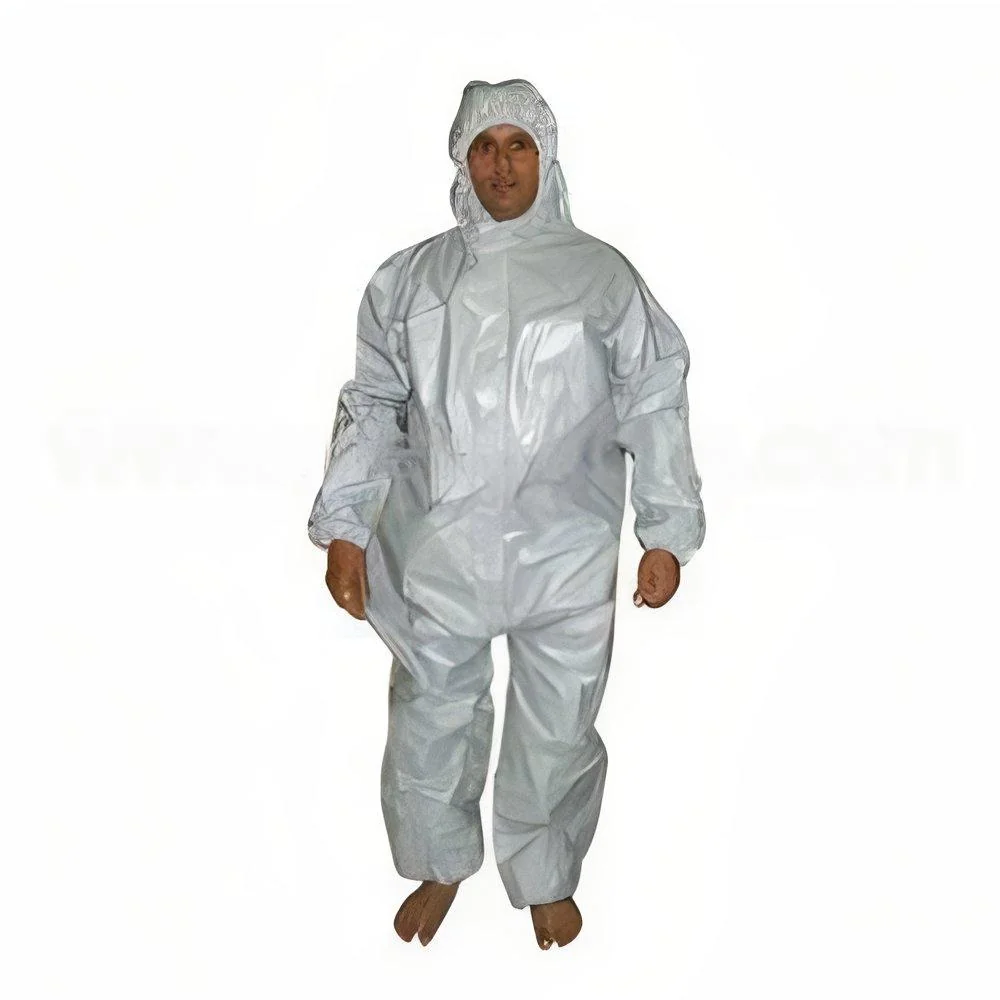
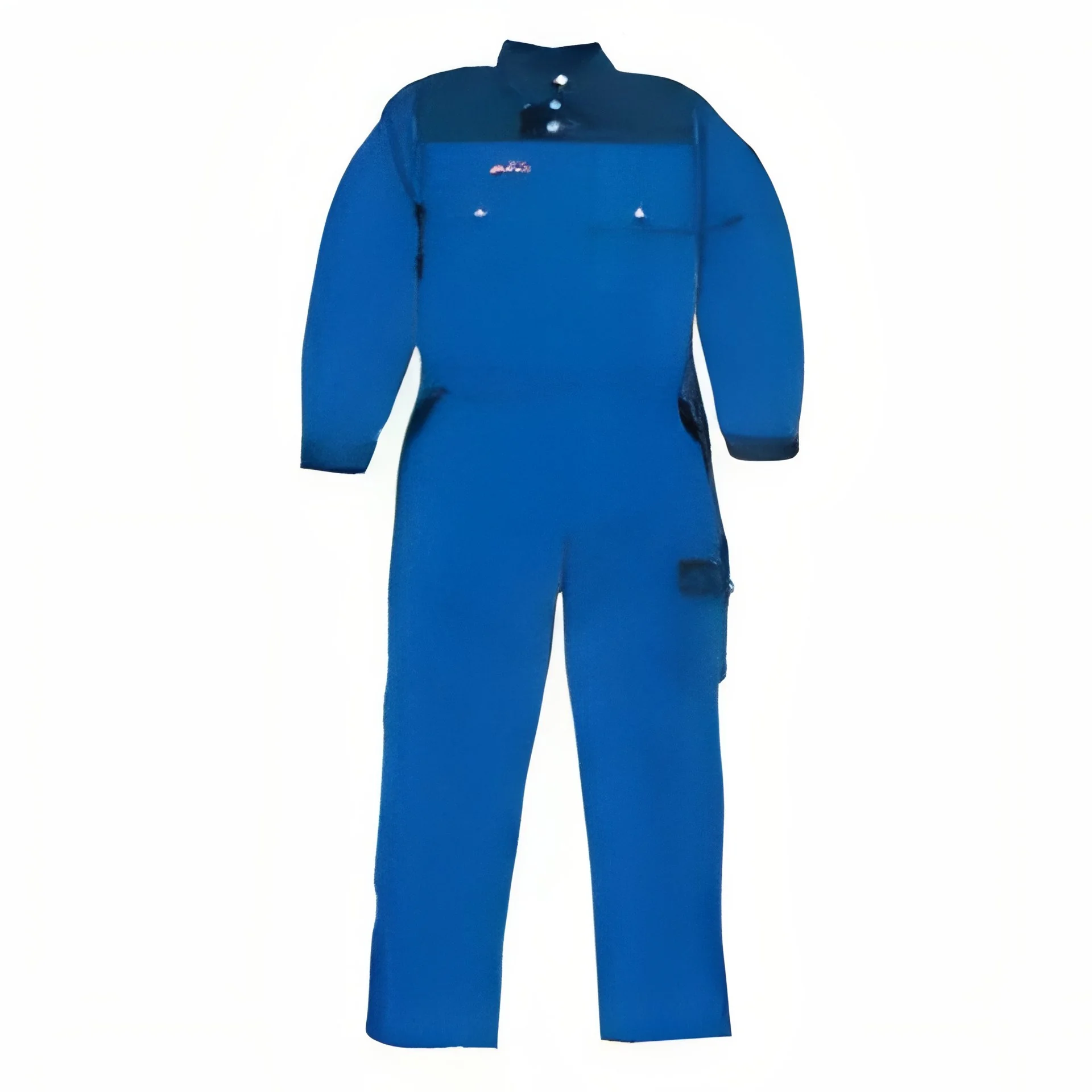
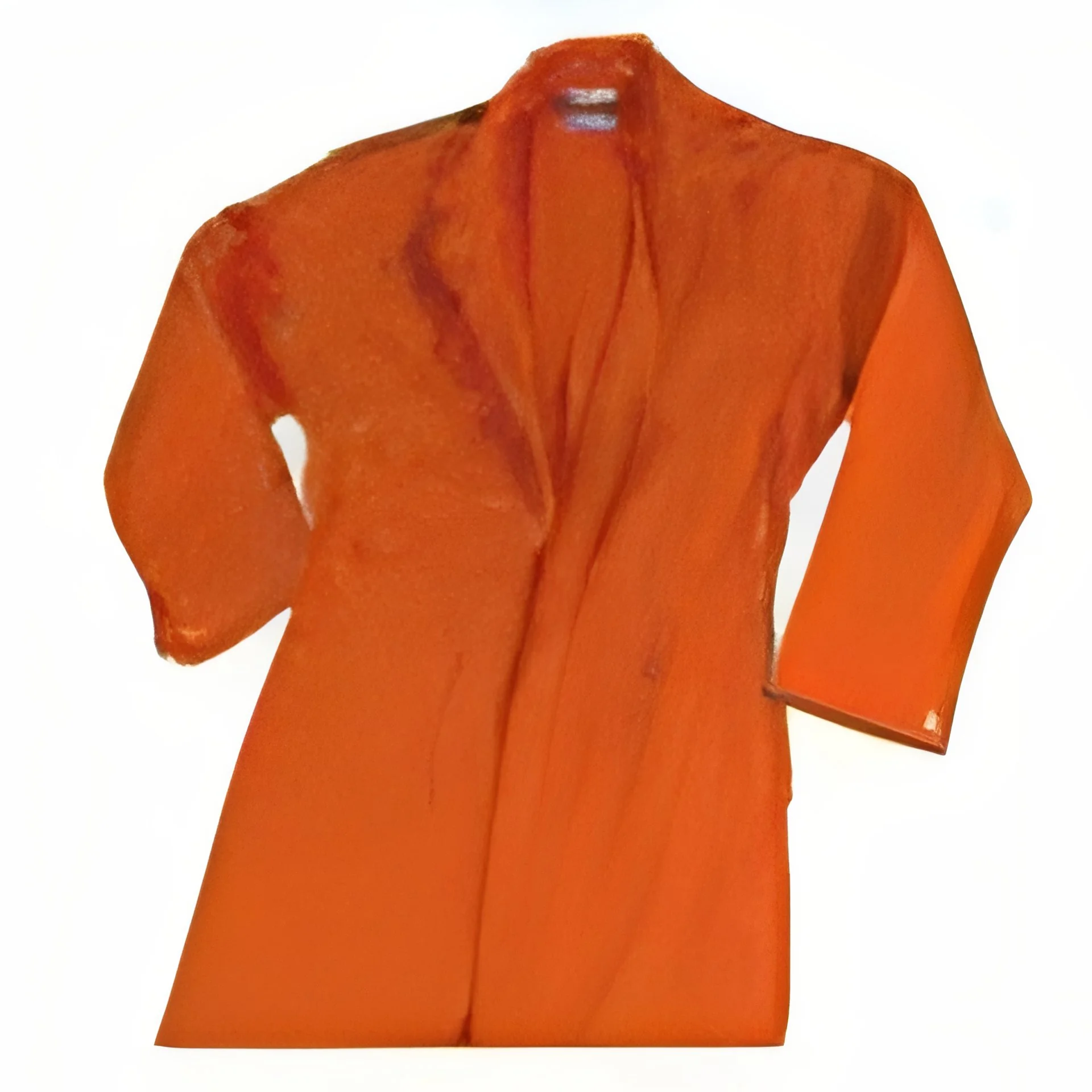
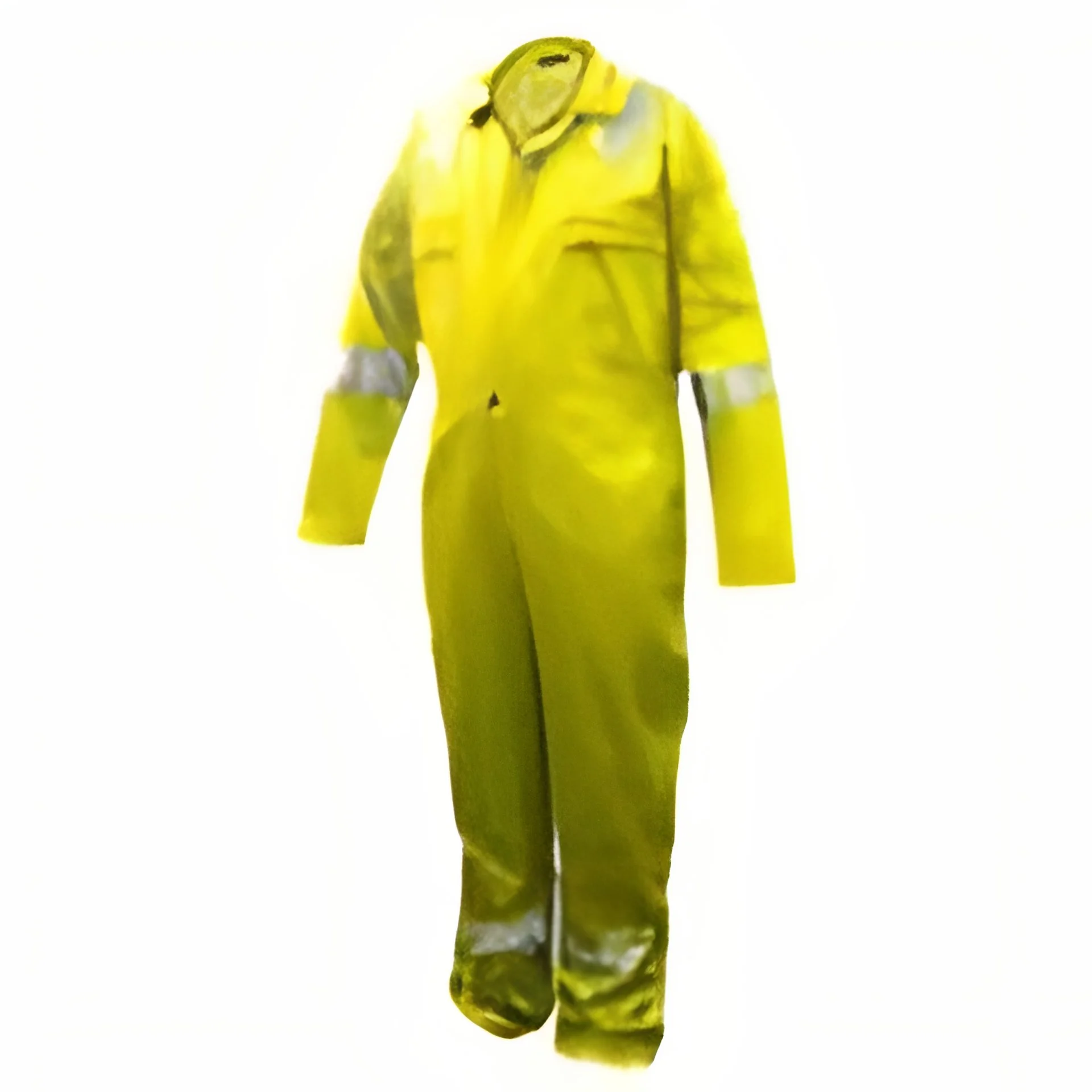
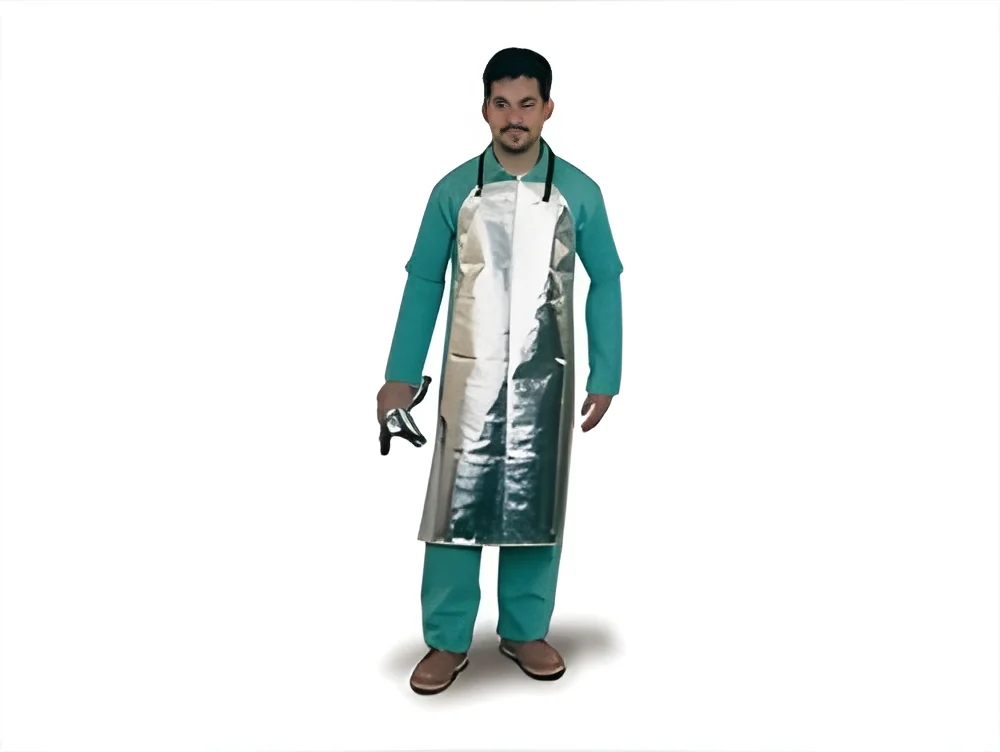
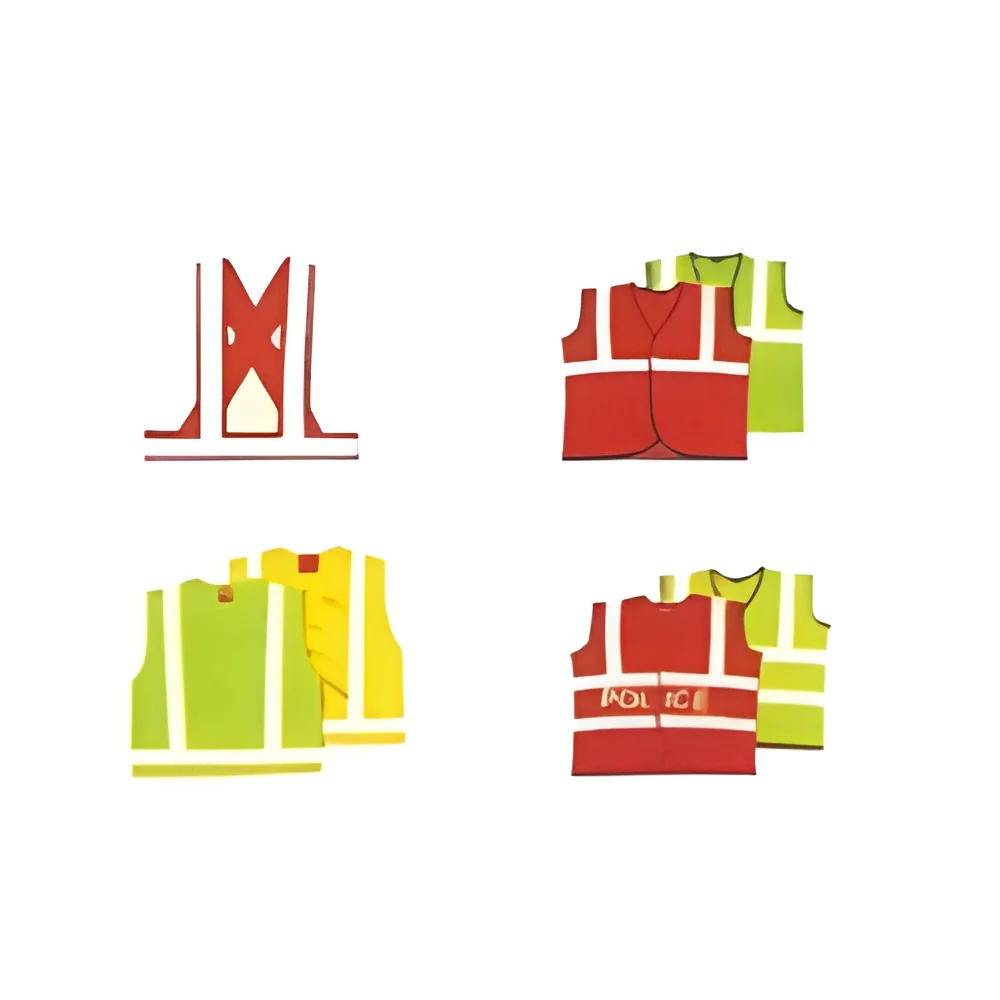
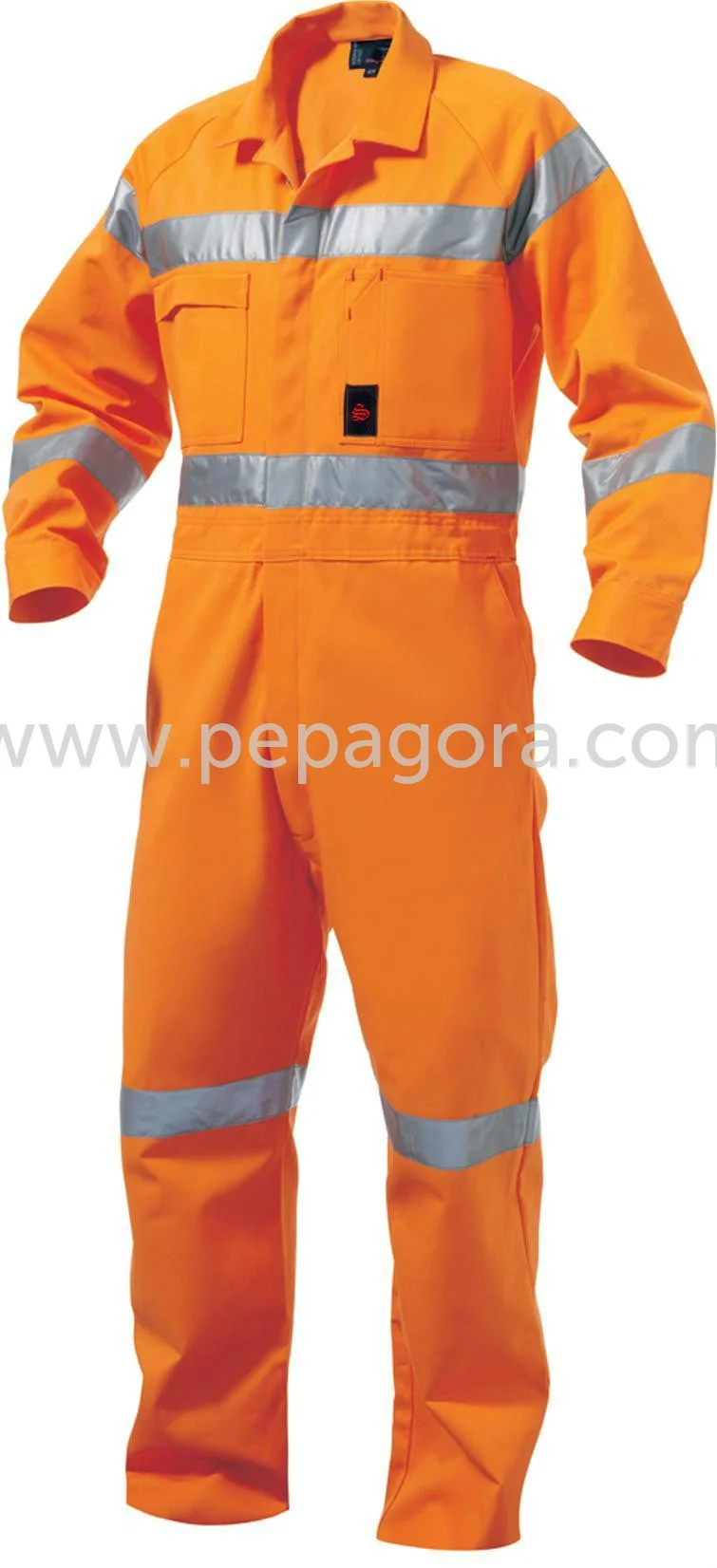
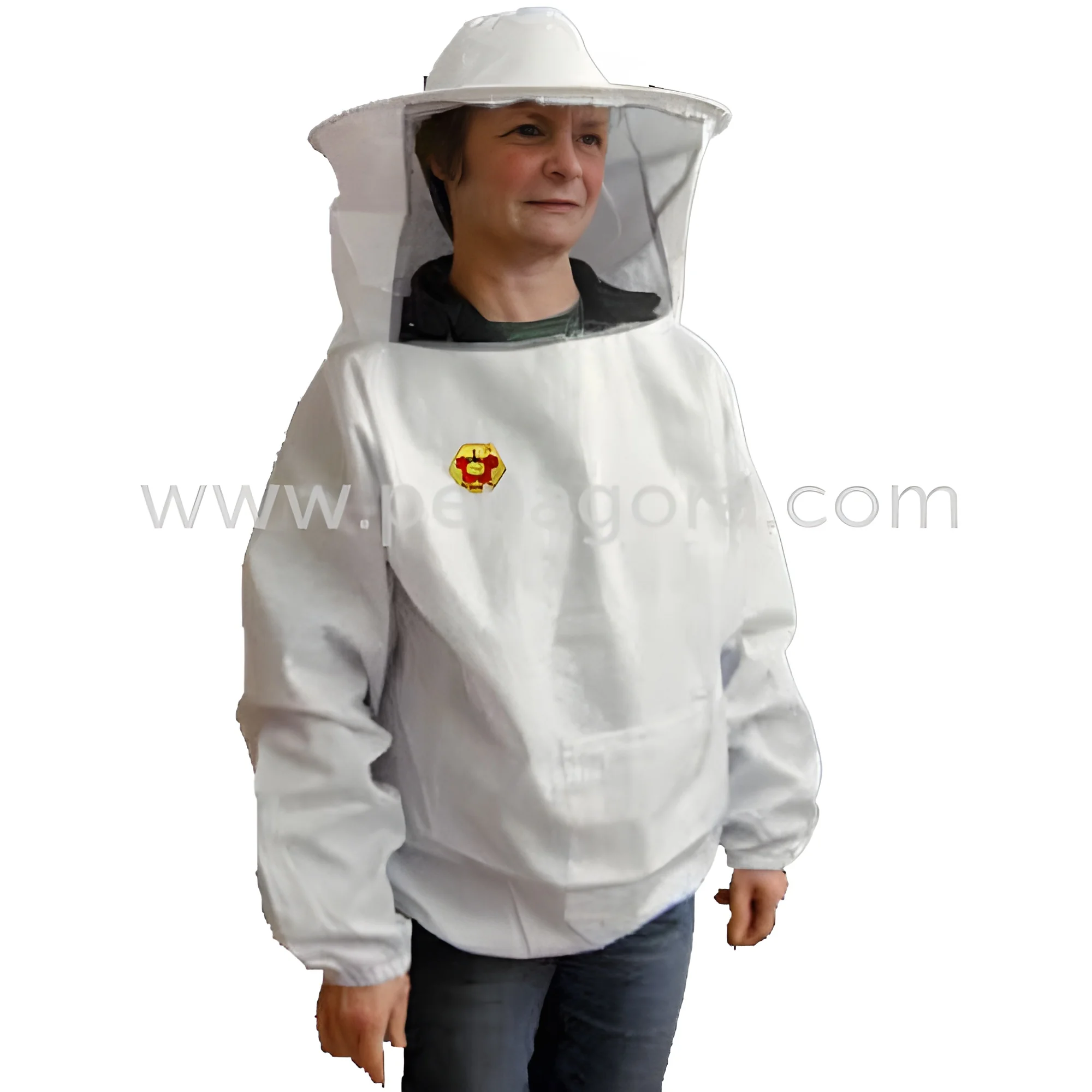
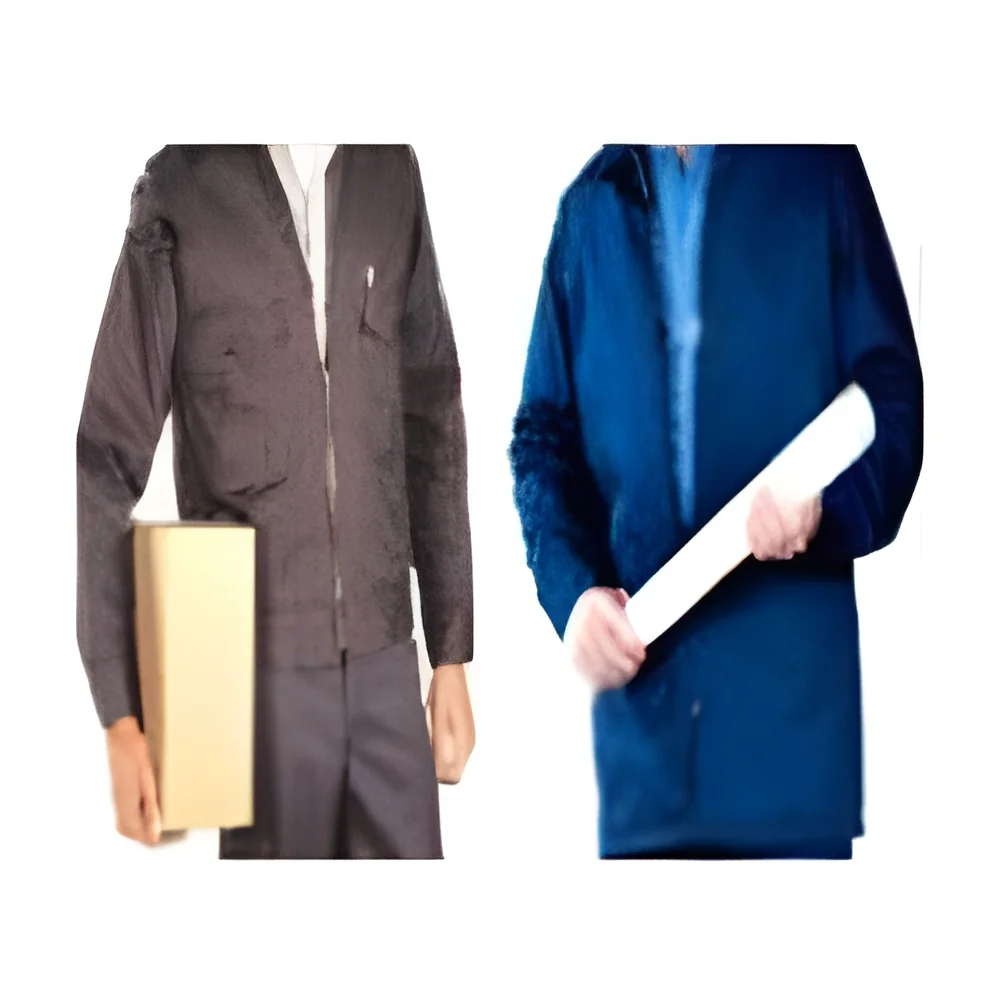
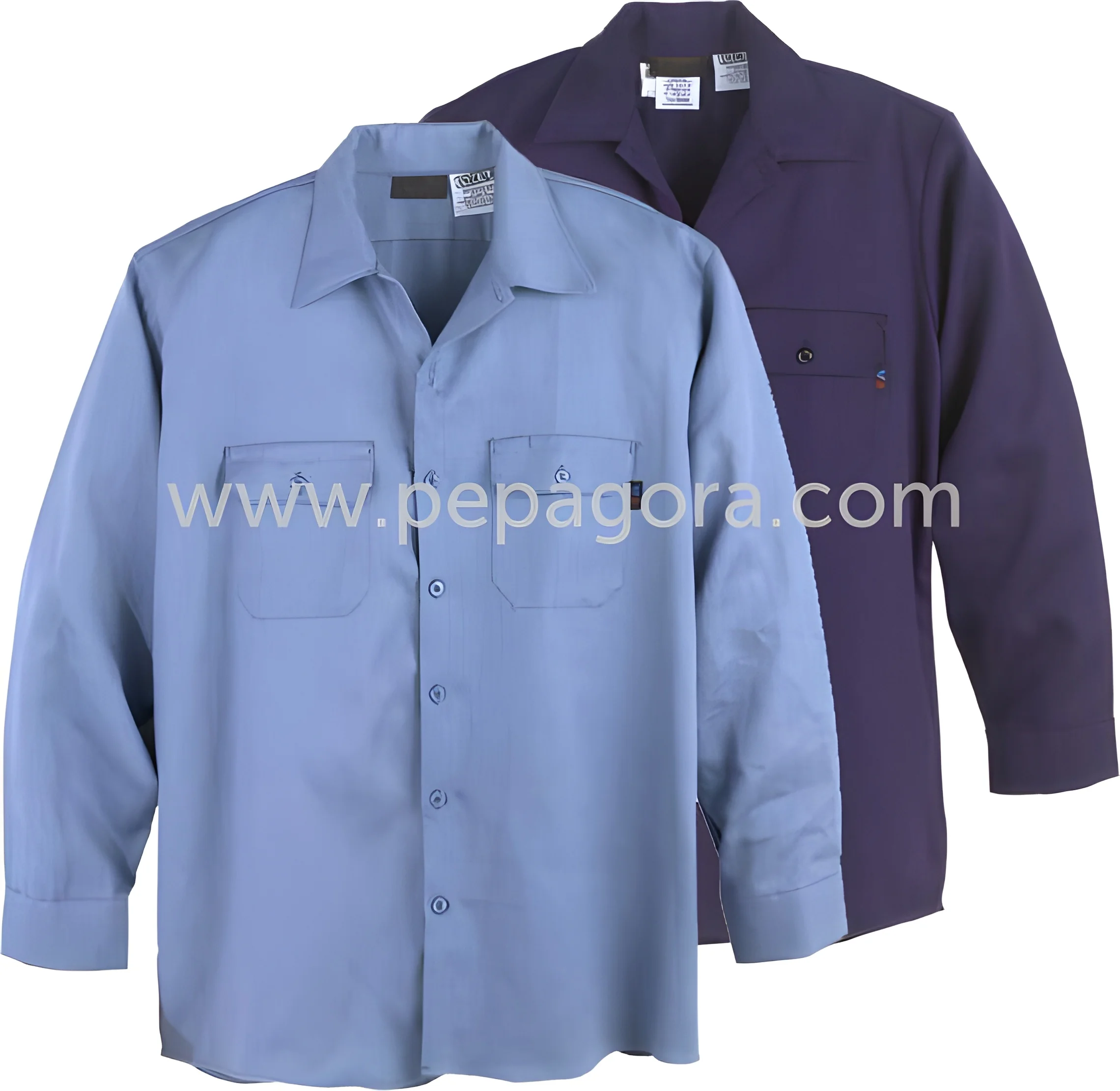
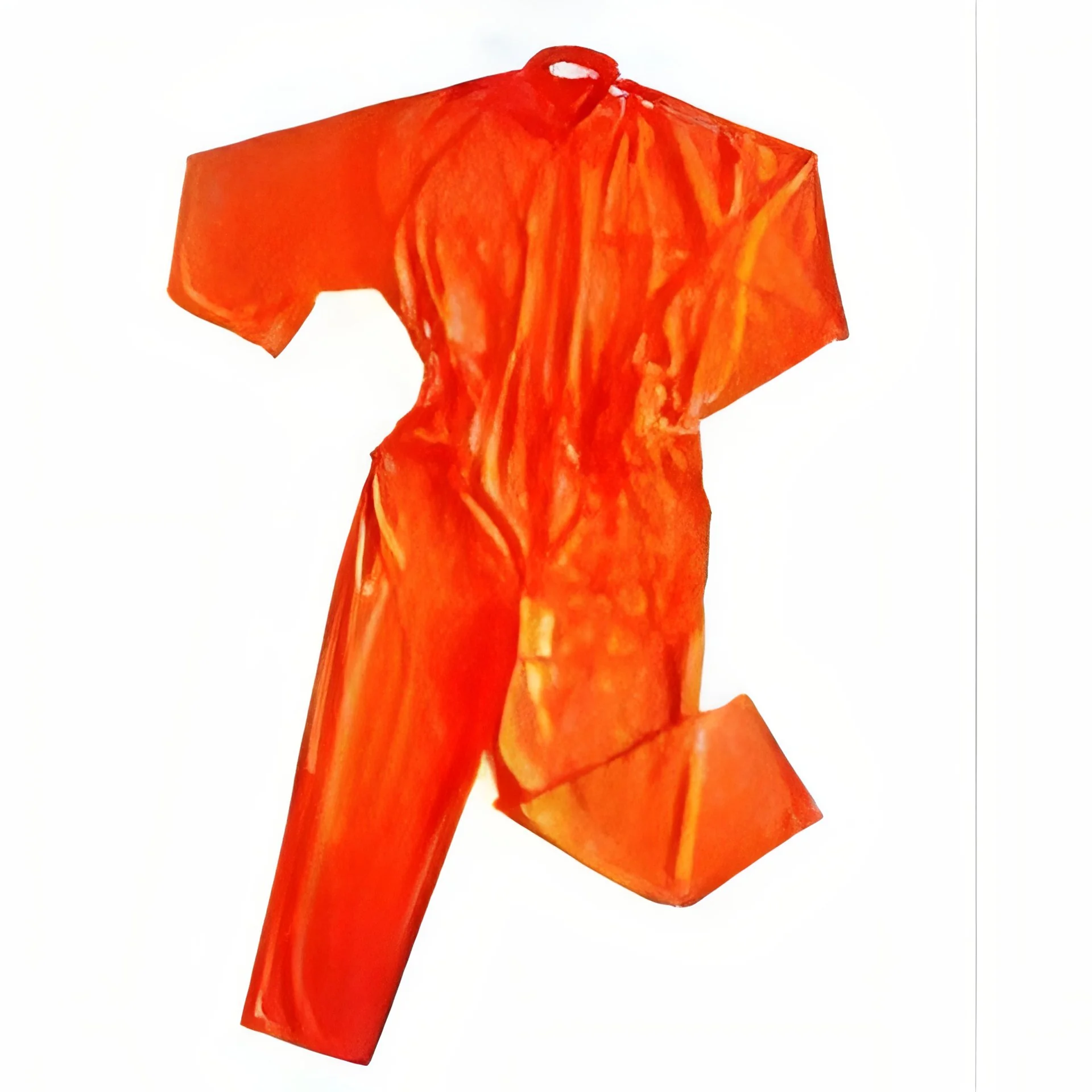
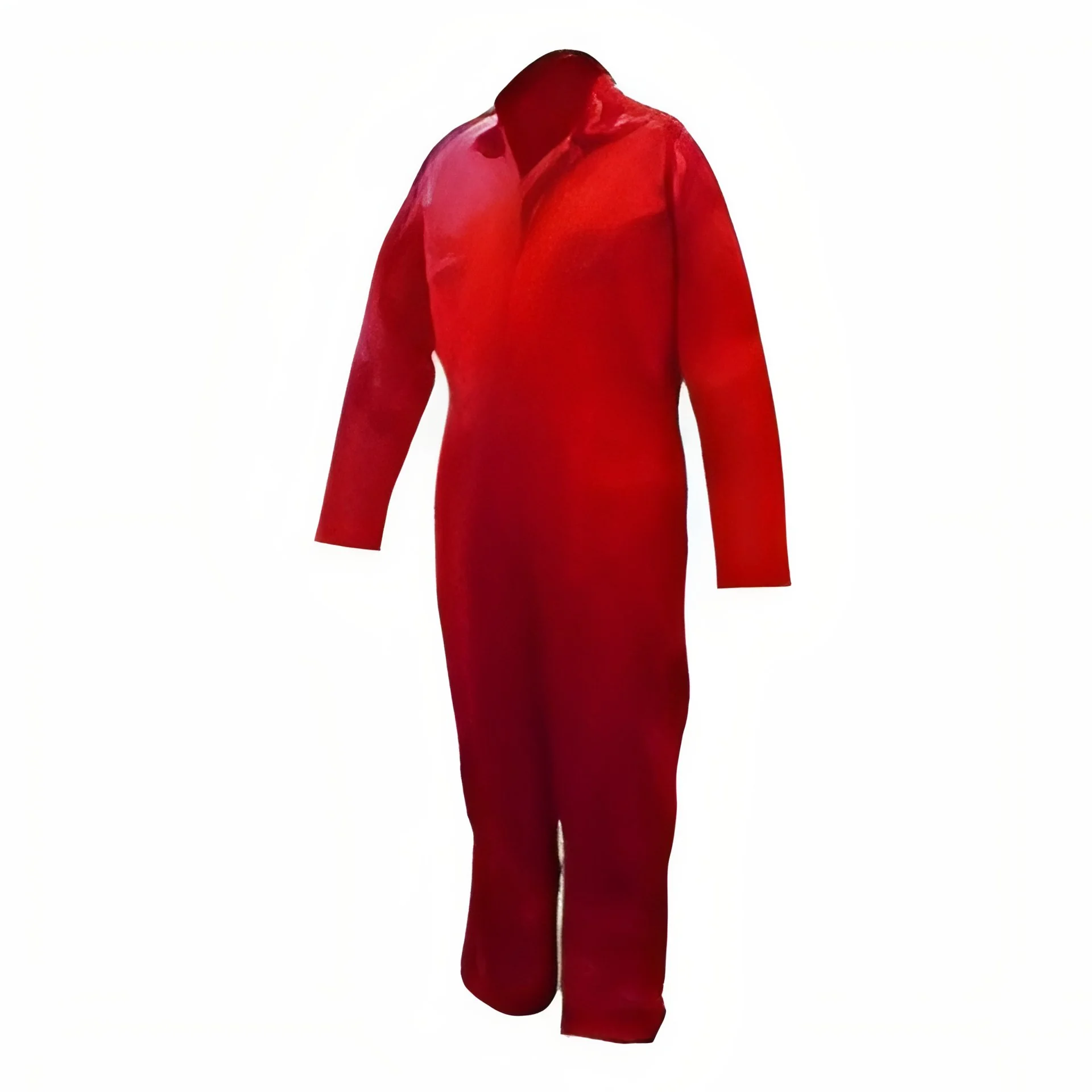
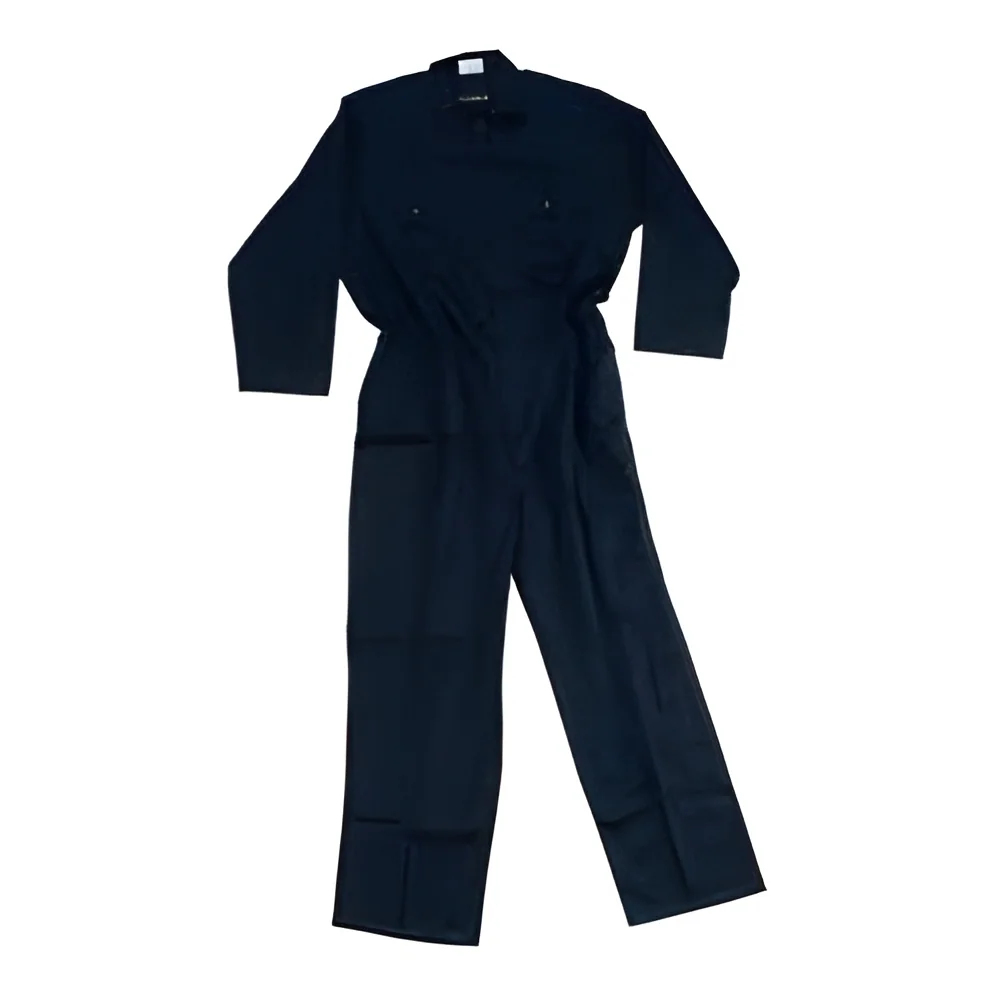
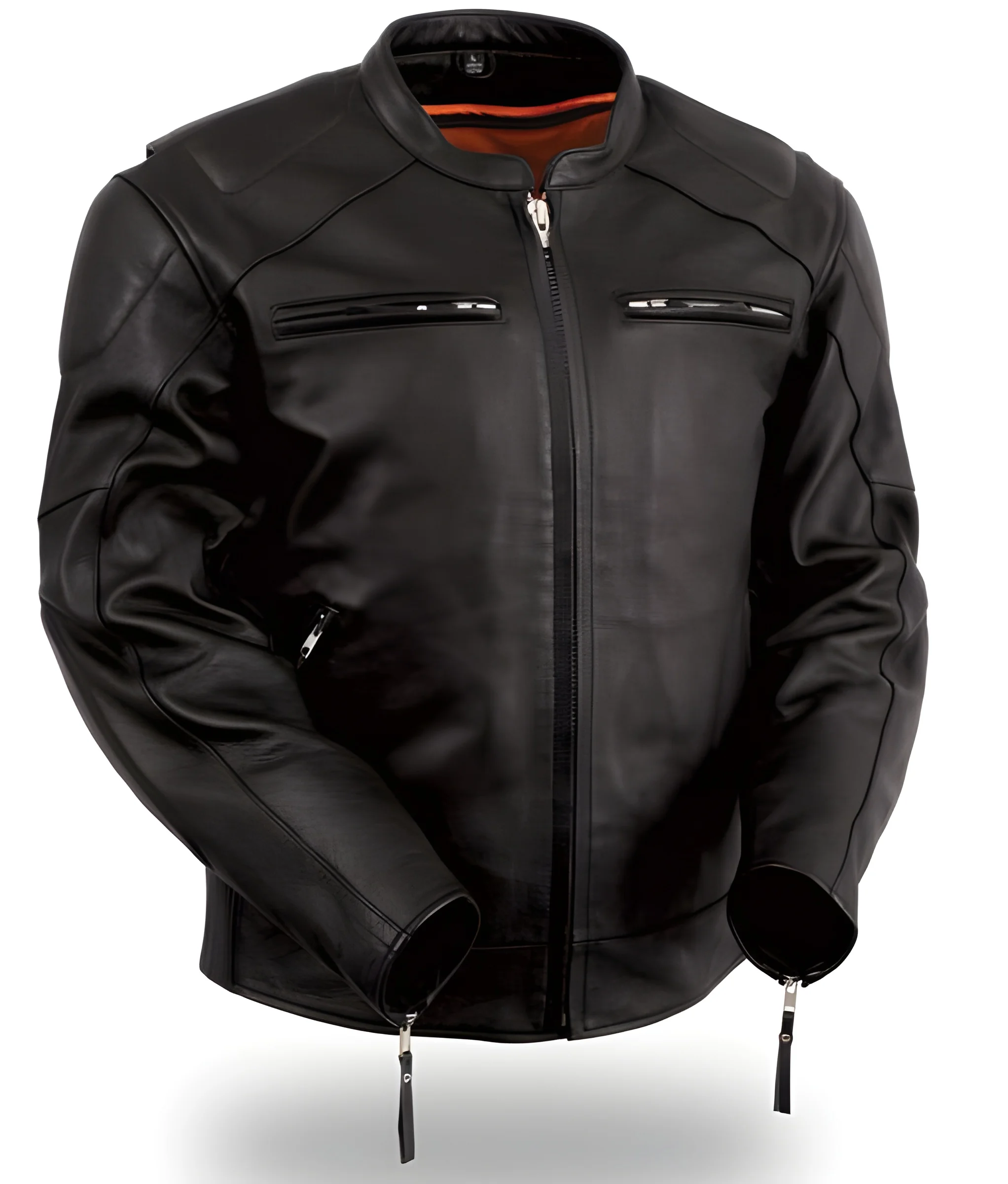
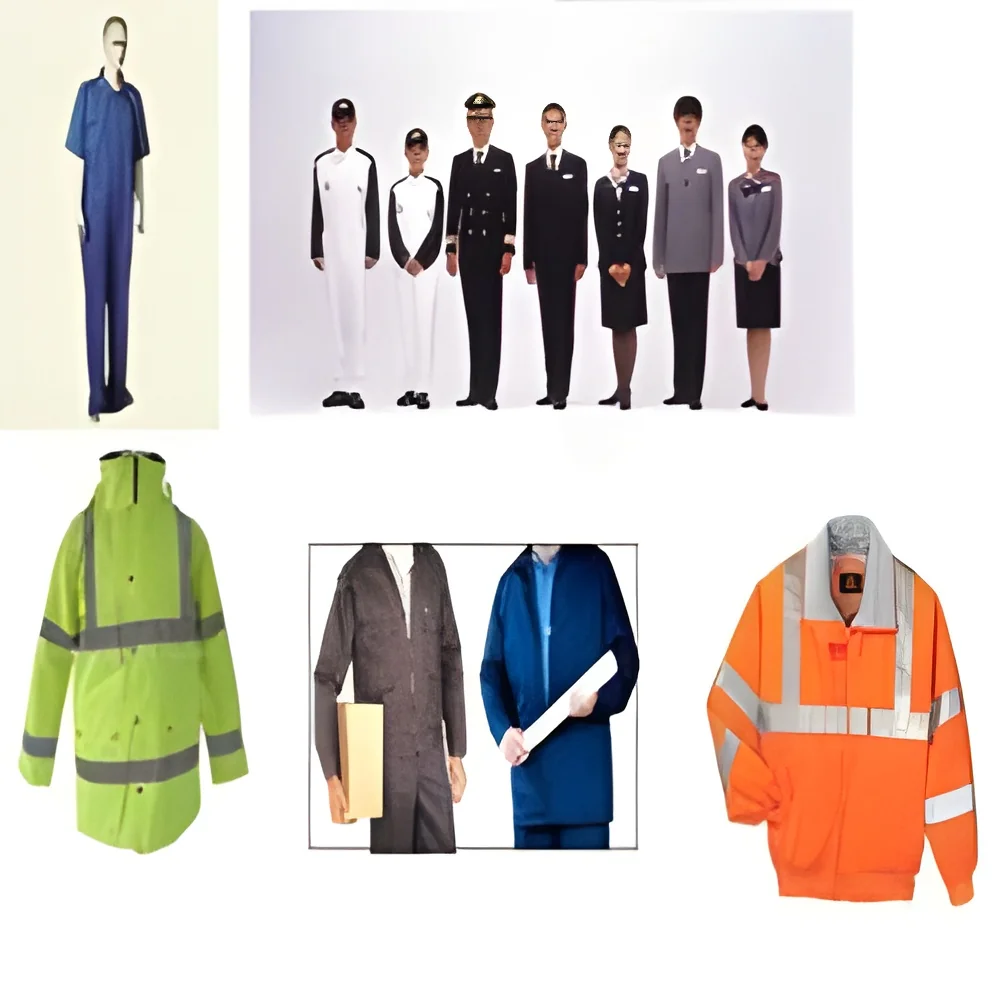
Workwear and safety clothing are specialized garments designed to protect workers in various industrial and occupational environments. These clothing items are engineered to meet specific safety standards, ensuring that individuals are shielded from potential hazards in their workplaces. Workwear can include uniforms, coveralls, jackets, and trousers, while safety clothing encompasses items like high-visibility vests, flame-resistant gear, and protective footwear.
The primary use of workwear and safety clothing is to provide adequate protection for employees in sectors such as construction, manufacturing, logistics, and healthcare. These garments are tailored to enhance safety, comfort, and functionality, which can lead to improved productivity and reduced workplace injuries. As industries increasingly prioritize employee safety and regulatory compliance, the demand for high-quality workwear and safety clothing continues to grow.
In terms of market relevance, workwear and safety clothing represent a significant segment of the broader apparel industry. The rising focus on occupational safety regulations and the need for organizations to provide suitable protective gear for their workforce drive continuous innovation and investment in this sector. As a result, manufacturers are constantly developing new materials and designs to enhance the effectiveness and usability of these products.
Key Features and Specifications
Workwear and safety clothing come with a range of features and specifications designed to ensure optimal protection and comfort. Understanding these specifications is crucial for B2B buyers looking to invest in high-quality products.
Key specifications include:
1. Material Composition
- Typically made from durable fabrics like polyester, cotton, or blends
- Resistance to wear and tear, ensuring longevity
2. Safety Ratings
- Compliance with industry standards such as CE marking
- Assurance that the clothing meets specific safety criteria
3. Design Aspects
- Ergonomic fit to allow for ease of movement
- Features like reinforced seams for added durability
4. Visibility Features
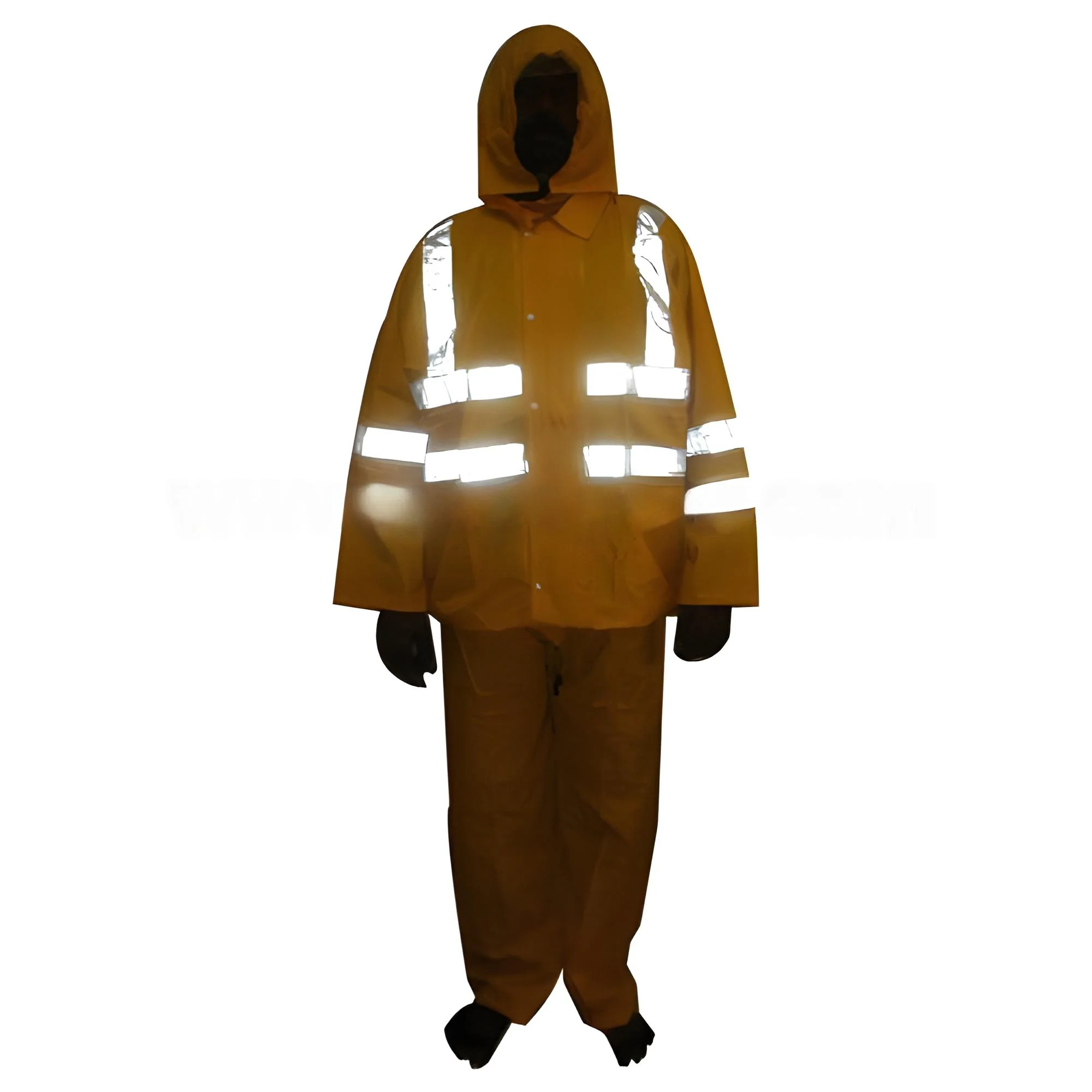
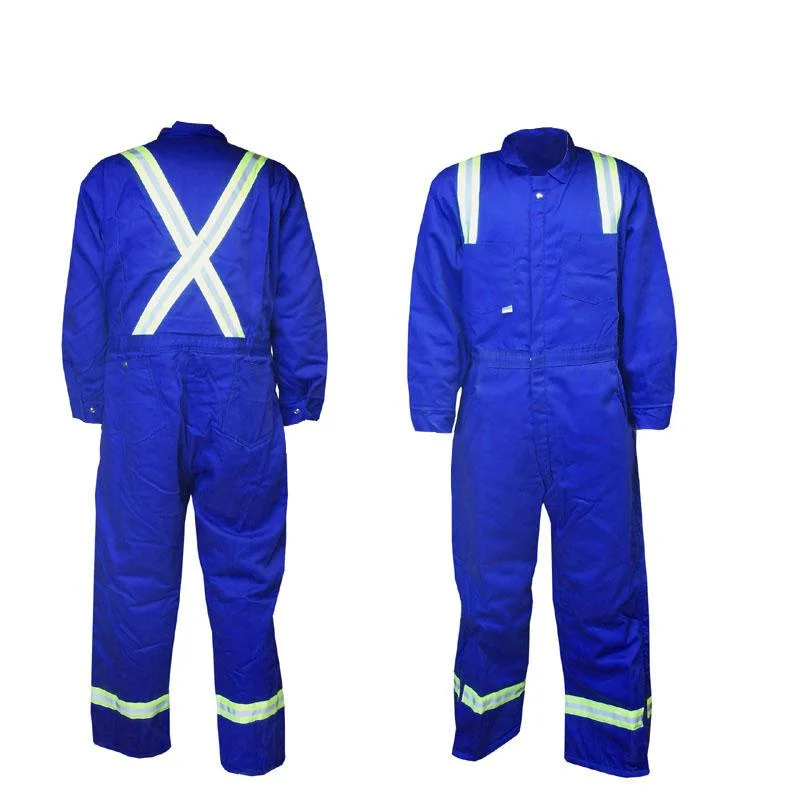
- High-visibility colors and reflective strips for better visibility in low-light conditions
- Essential for workers in construction or roadwork
5. Weather Resistance
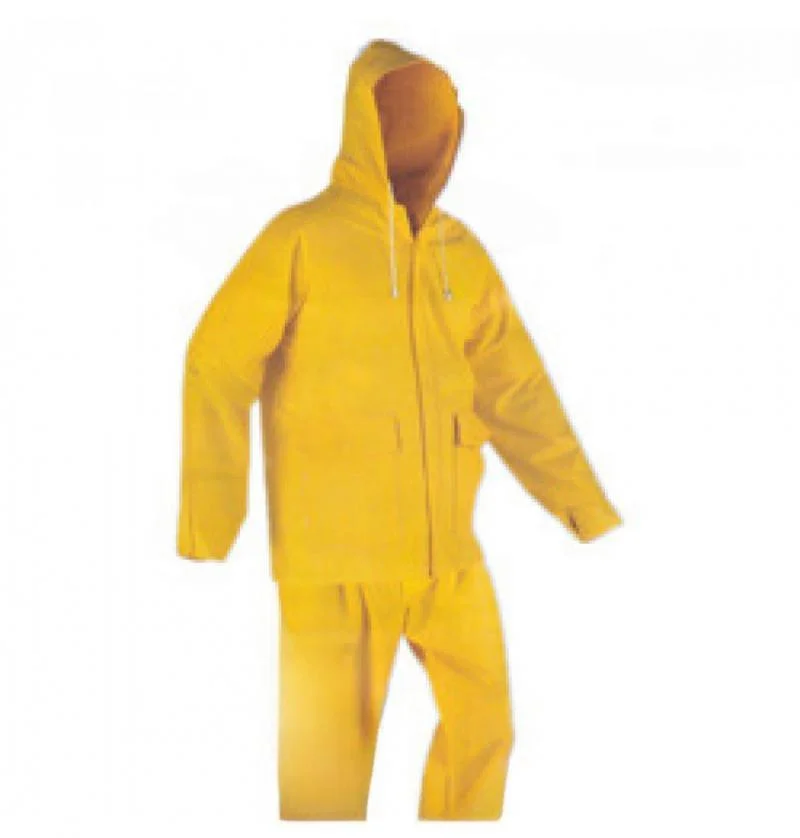
- Waterproof and breathable materials to protect against various weather conditions
- Insulation properties for cold environments
6. Flame Resistance
- Specialized fabrics that resist ignition and burning
- Essential for industries like oil and gas or welding
7. Size and Fit Options
- Available in a range of sizes to accommodate all body types
- Options for both men and women to ensure a proper fit
8. Customization Options
- Ability to add logos or branding for corporate identity
- Tailored solutions to meet specific client needs
In summary, the features and specifications of workwear and safety clothing are critical in ensuring that they meet the needs of various industries while complying with safety regulations.
Common Applications and Use Cases
Workwear and safety clothing find applications across numerous industries, each with unique requirements.
1. Construction: Workers require durable clothing that offers protection against falls, cuts, and heavy machinery. High-visibility gear is essential for safety on site.
2. Manufacturing: Employees in manufacturing environments often face risks from machinery and chemicals, necessitating protective clothing that meets strict safety standards.
3. Logistics: Warehouse workers benefit from comfortable, functional clothing that allows for ease of movement while providing necessary safety features like slip-resistant footwear.
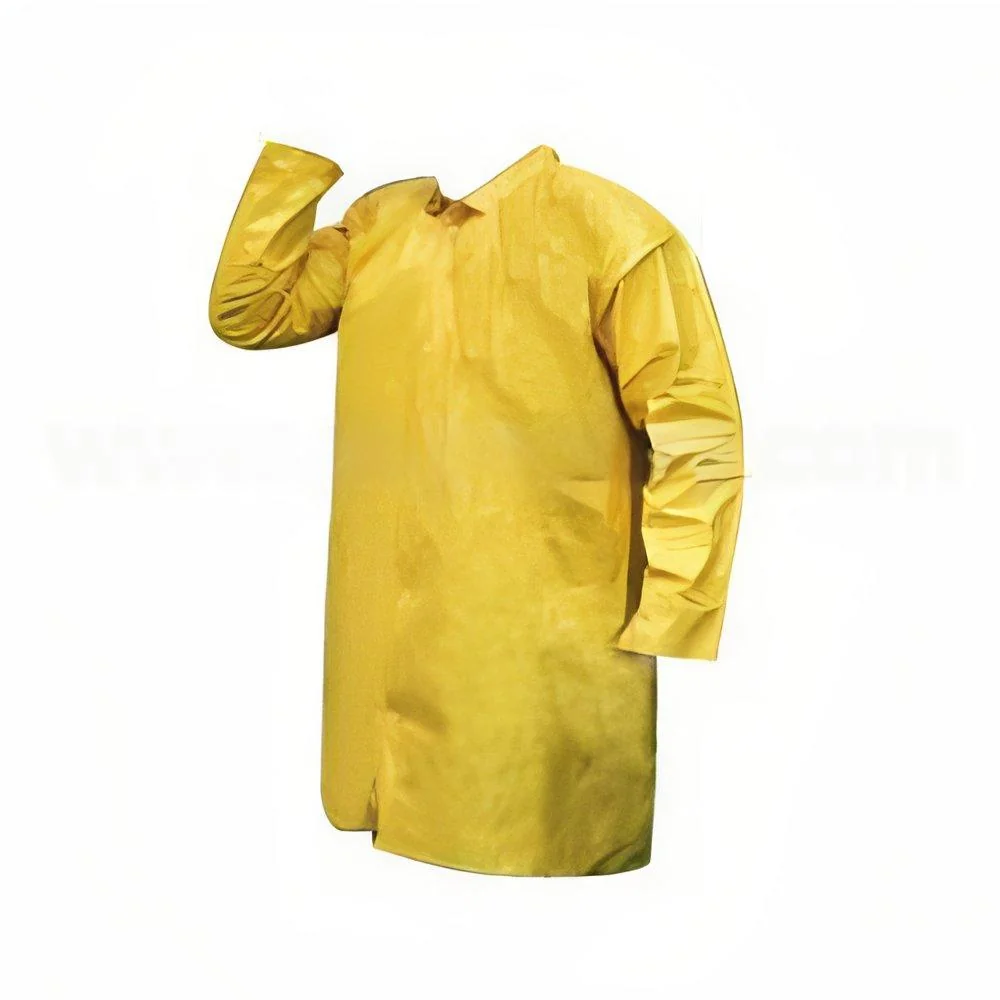
4. Healthcare: Medical staff require specialized workwear that is not only comfortable but also compliant with hygiene and safety regulations, including protective gowns and gloves.
5. Oil and Gas: This sector demands flame-resistant clothing to protect workers from potential fire hazards and extreme weather conditions.
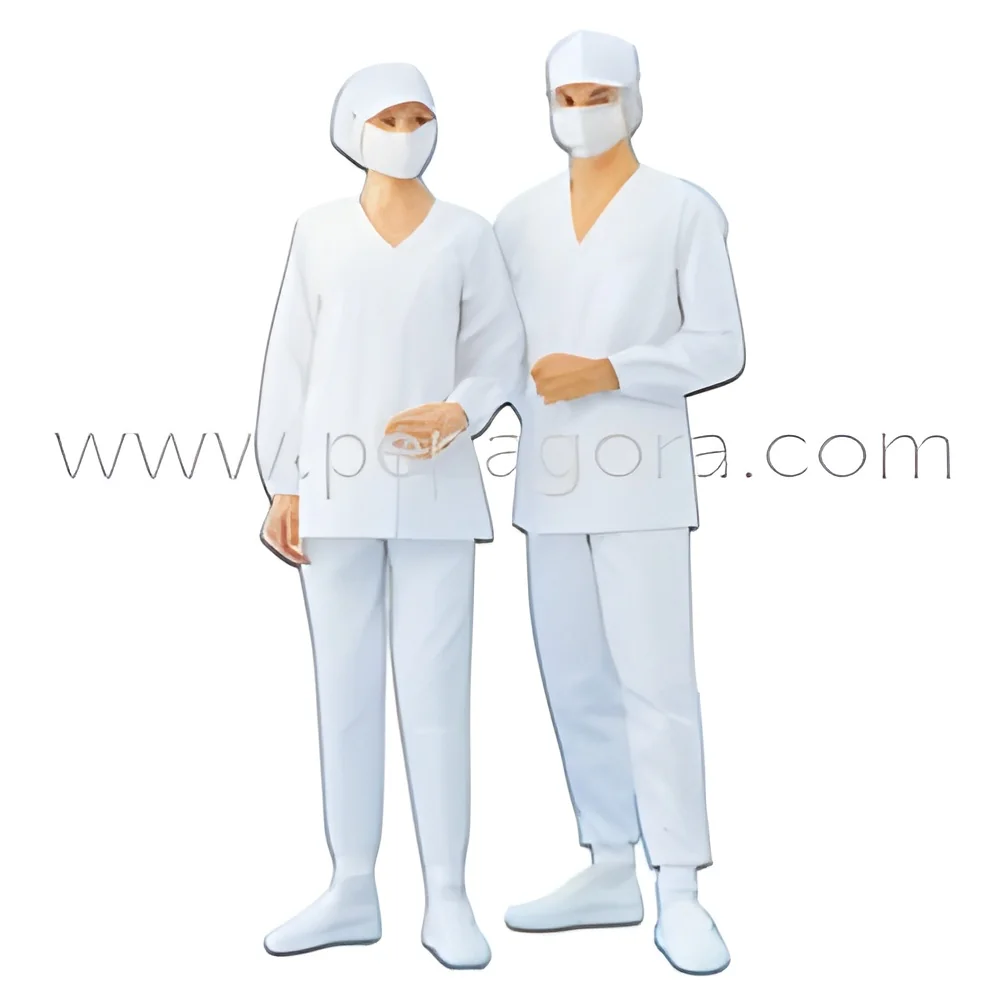
6. Food Processing: Workers in food production must wear garments that comply with health and safety standards, including antibacterial materials and easy-to-clean fabrics.
7. Transportation: Drivers and logistics personnel benefit from high-visibility clothing to ensure safety while on the road.
Product Variants and Subcategories
Workwear and safety clothing come in a variety of styles and variants to meet the diverse needs of different industries.
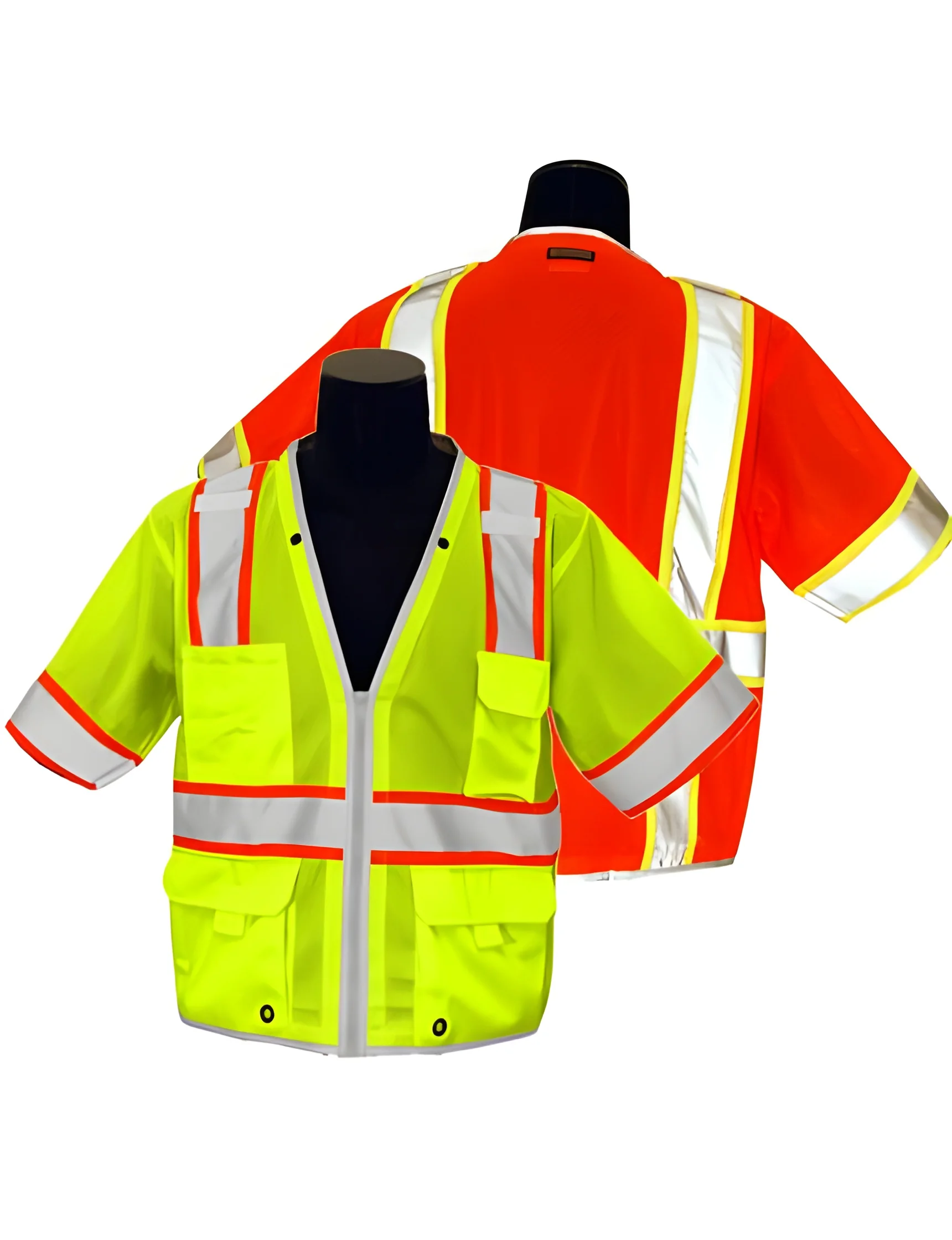
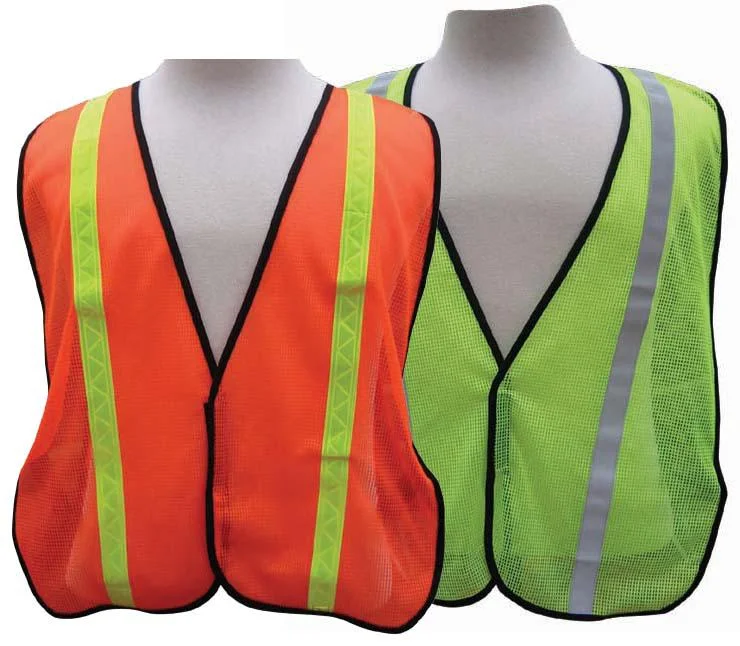
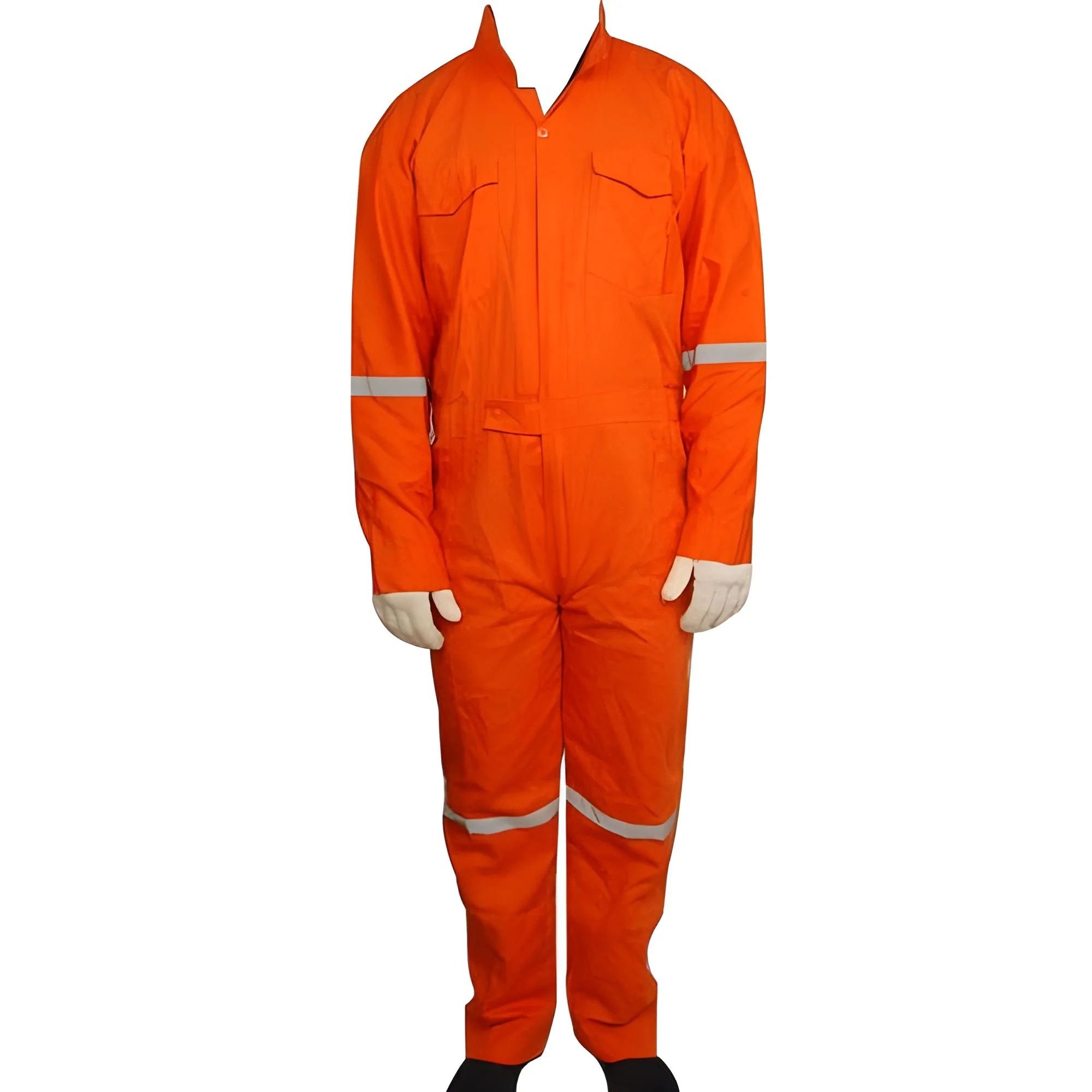
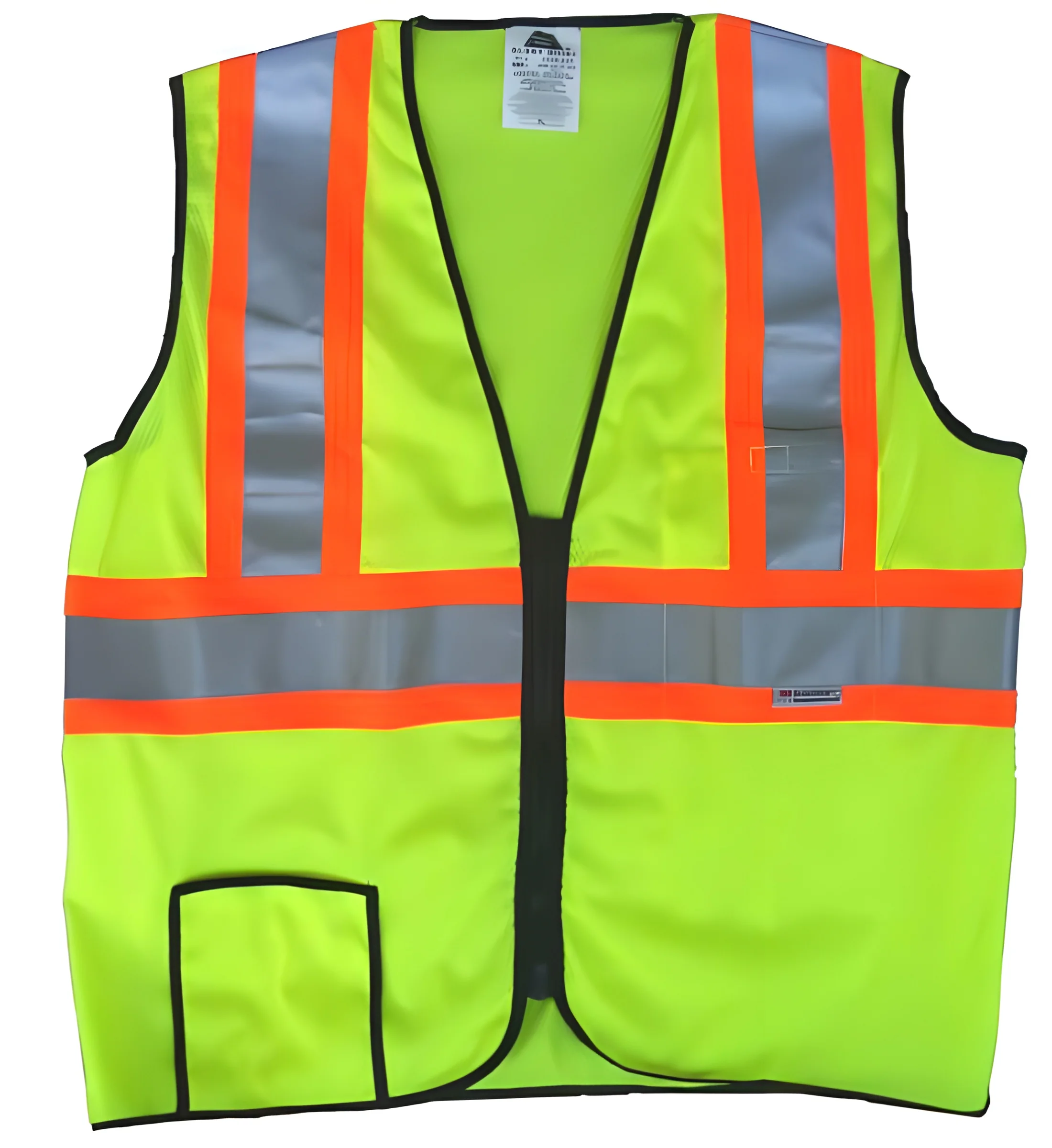
High-Visibility Clothing: This variant is designed with bright colors and reflective materials to ensure workers are seen in low-light environments. It is essential for those in construction and roadwork, enhancing safety on the job.
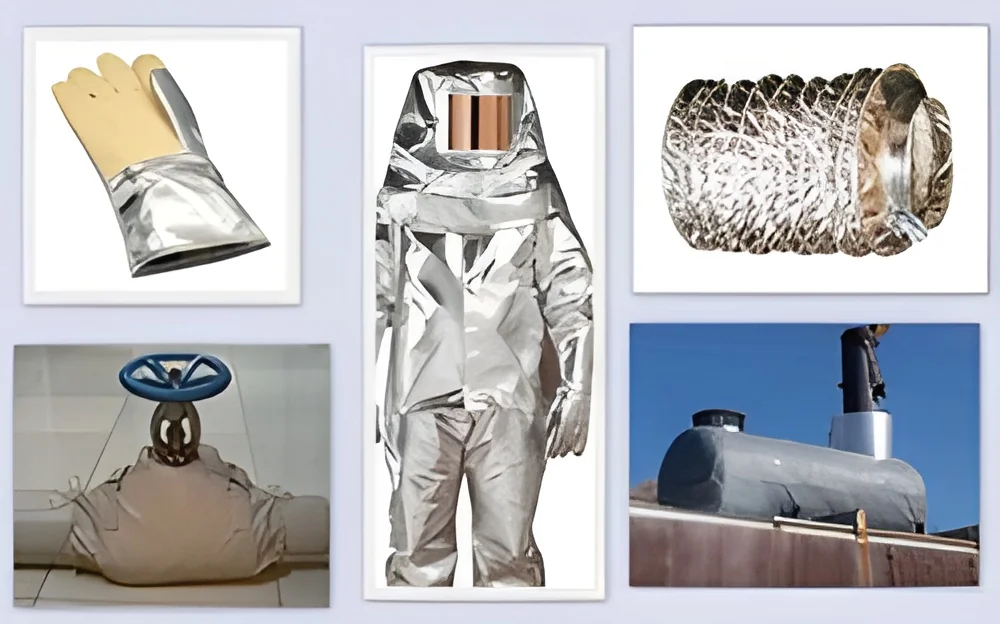
Flame-Resistant Clothing: Specifically engineered to protect against fire hazards, this clothing is commonly used in industries like oil and gas. It features materials that resist ignition and minimize burn injuries.
Protective Footwear: Safety shoes and boots are critical for workers who are exposed to heavy objects or slippery surfaces. They often include steel toe caps and slip-resistant soles for added protection.
Insulated Workwear: Designed for cold weather, insulated garments keep workers warm while allowing for mobility. This variant is essential in outdoor roles during winter months.
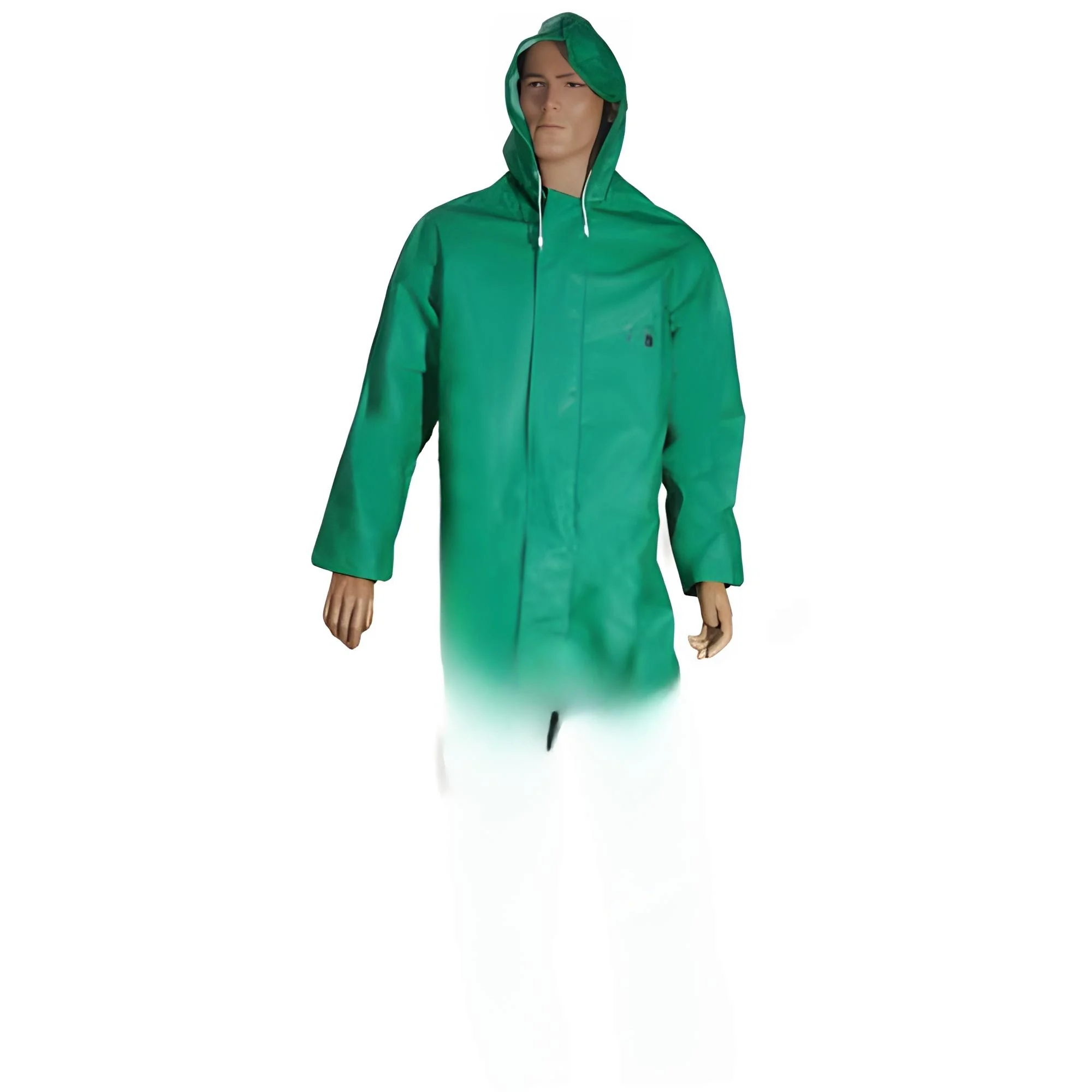
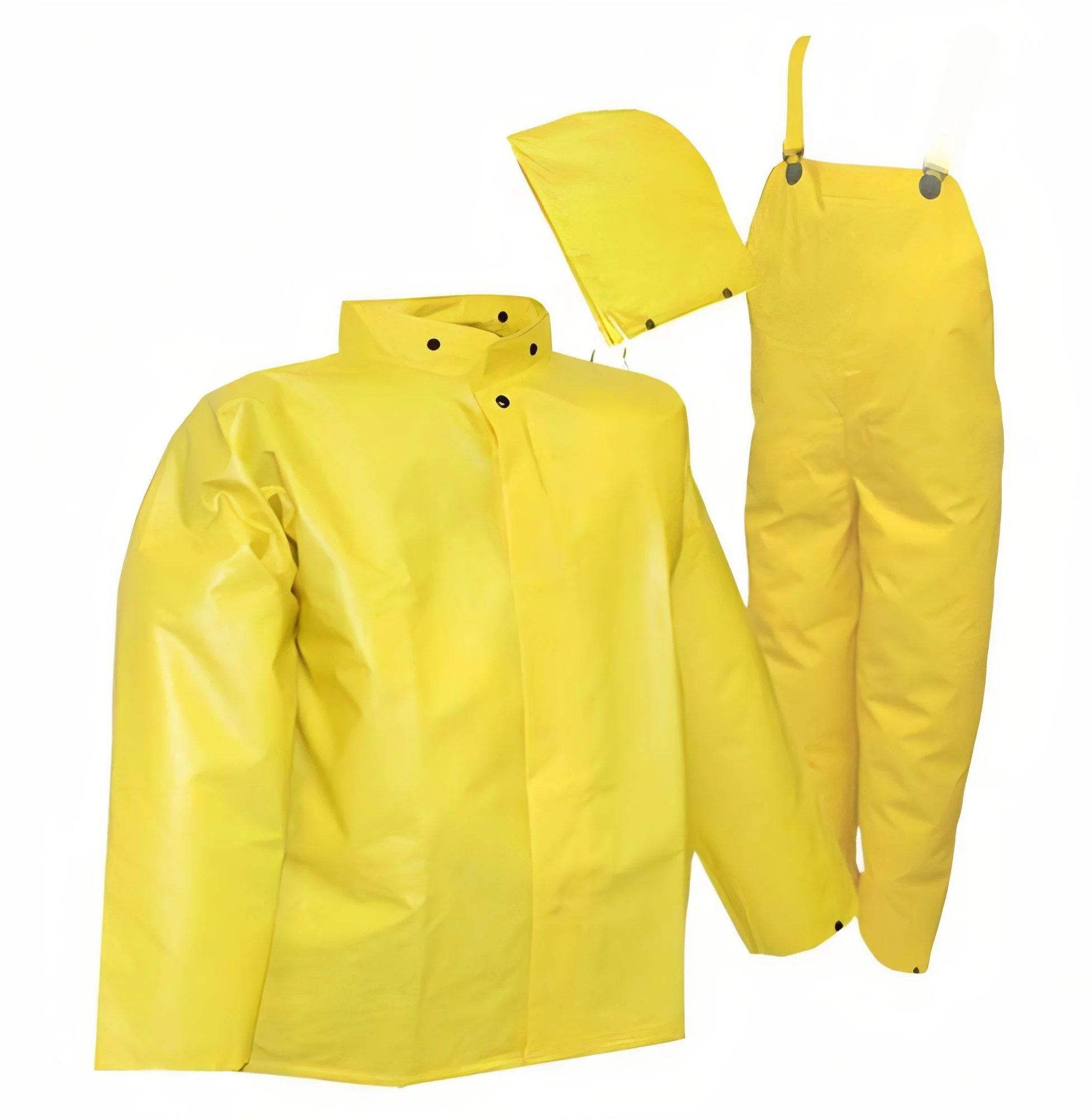
Waterproof Gear: This clothing is made from materials that prevent water from penetrating, making it ideal for workers in wet environments such as construction or fishing.
Benefits and Advantages
Investing in quality workwear and safety clothing offers numerous benefits to businesses and their employees.
1. Enhanced Safety: Quality safety clothing significantly reduces the risk of injuries in hazardous work environments, protecting employees from accidents.
2. Improved Comfort: Well-designed workwear enhances employee comfort, allowing for better focus and productivity throughout the workday.
3. Compliance with Regulations: Using certified clothing ensures that companies meet legal safety requirements, reducing liability and potential fines.
4. Increased Employee Morale: Providing high-quality workwear demonstrates a commitment to employee safety and well-being, boosting morale and job satisfaction.
5. Brand Identity: Customizable workwear allows companies to promote their brand while ensuring that employees are easily identifiable in the workplace.
6. Durability and Cost-Effectiveness: Investing in high-quality clothing can lead to long-term savings by reducing the need for frequent replacements due to wear and tear.
Buying Guide for B2B Buyers
When sourcing workwear and safety clothing, buyers should consider several critical factors to make informed decisions.
1. Quality Assessment: Evaluate the materials and construction quality to ensure durability and protection. Look for certifications that guarantee compliance with safety standards.
2. Supplier Verification: Vet suppliers to ensure they have a good reputation and can provide reliable products. Check references and reviews from other businesses.
3. Pricing and MOQ: Understand the pricing structure and minimum order quantities required by suppliers. This will help in budgeting for purchases effectively.
4. Delivery and Lead Times: Discuss logistics and delivery timelines with suppliers to ensure that products arrive when needed without delays.
5. Compliance Requirements: Be aware of regional regulations and standards that apply to workwear and safety clothing. Ensure that the chosen products meet these requirements.
Compliance and Certifications
Workwear and safety clothing must adhere to various quality standards and certifications to ensure their effectiveness and safety. Relevant standards include ISO 9001, which emphasizes quality management systems, ensuring that manufacturers consistently produce high-quality products.
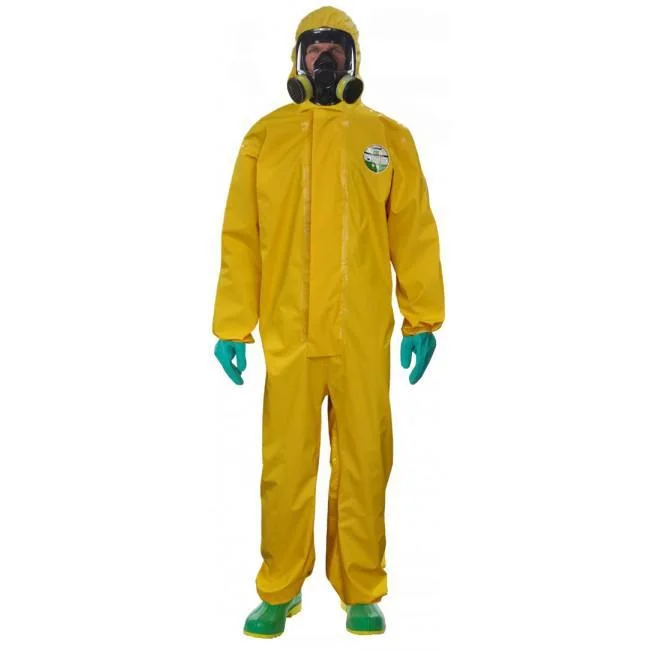
Industry certifications such as CE marking signify that the clothing meets European safety standards, providing assurances to businesses that these products are reliable for workplace safety. Safety testing is also crucial; garments must undergo rigorous assessments to validate their resistance to fire, chemicals, or other hazards, depending on the intended use.
Additionally, regional compliance considerations are essential, as different countries may have specific regulations governing workwear and safety clothing. Staying informed about these requirements is vital for businesses to ensure compliance and avoid legal issues.
Why Source Workwear & Safety Clothing from Pepagora?
Pepagora is a trusted platform for sourcing workwear and safety clothing, offering several key advantages for B2B buyers.
Verified Supplier Network: Pepagora connects buyers with a network of verified suppliers, ensuring that businesses receive high-quality products from reputable sources. This verification process helps mitigate risks associated with sourcing.
Streamlined RFQ Process: The platform simplifies the request for quotation (RFQ) process, allowing buyers to easily compare multiple suppliers and their offerings. This efficiency saves time and improves purchasing decisions.
Trade Assurance and Support: Pepagora provides trade assurance, offering buyers protection throughout the purchasing process. This support fosters confidence in supplier transactions and reduces potential disputes.
Regional Coverage: With a strong presence in regions like India, the GCC, and Southeast Asia, Pepagora ensures that buyers have access to a diverse range of suppliers and products tailored to their local markets. This geographic reach enhances the sourcing experience for businesses.

 IN
IN