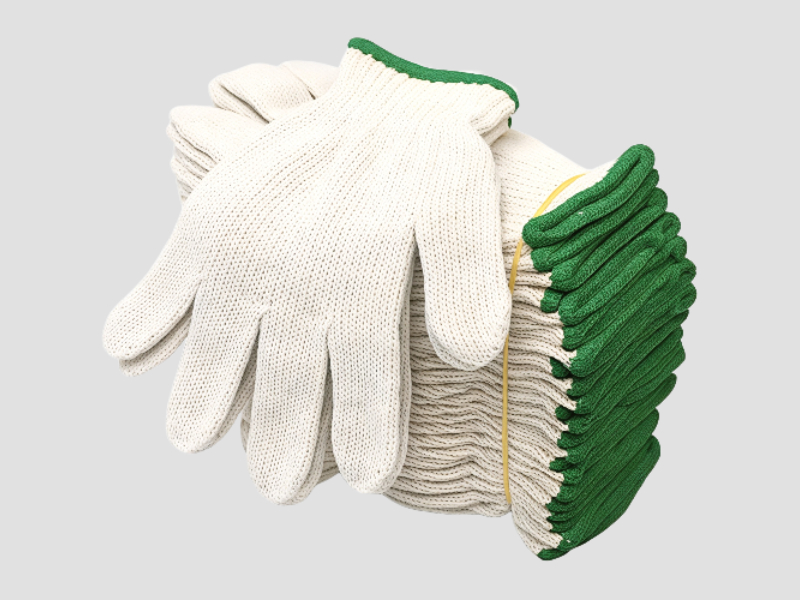
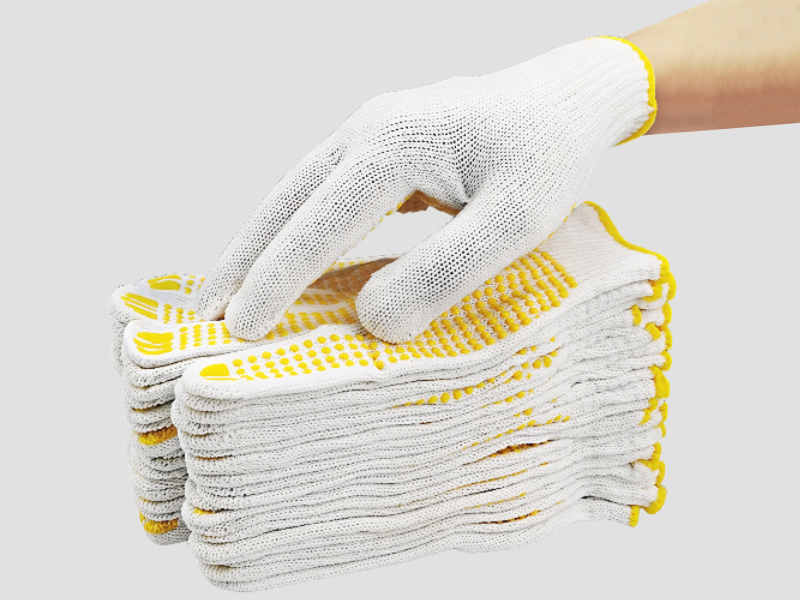
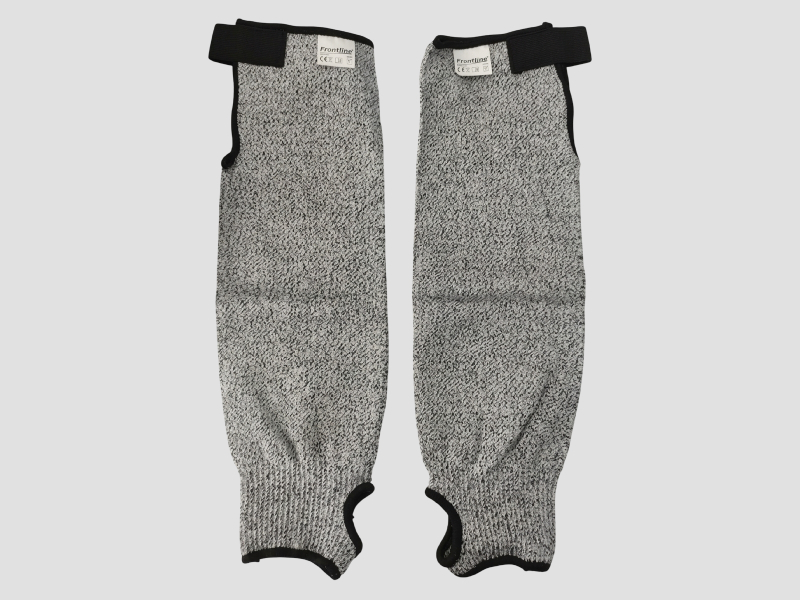
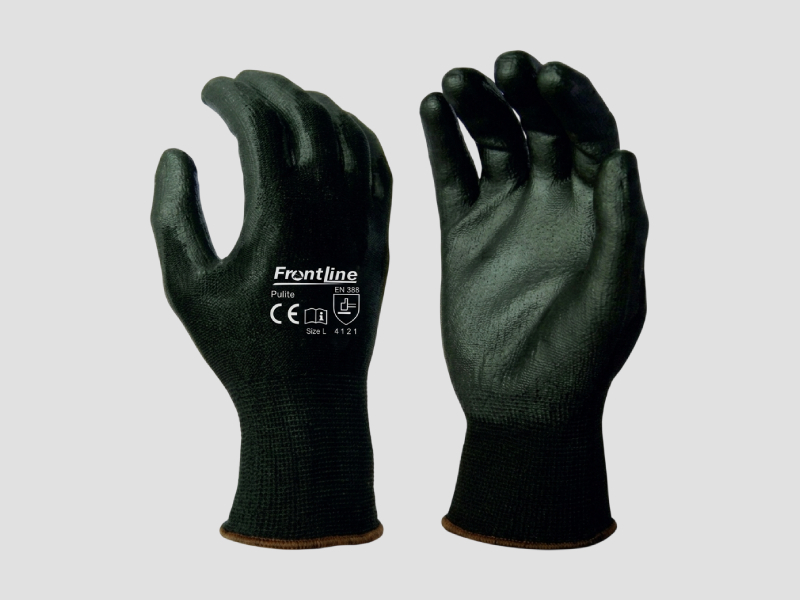
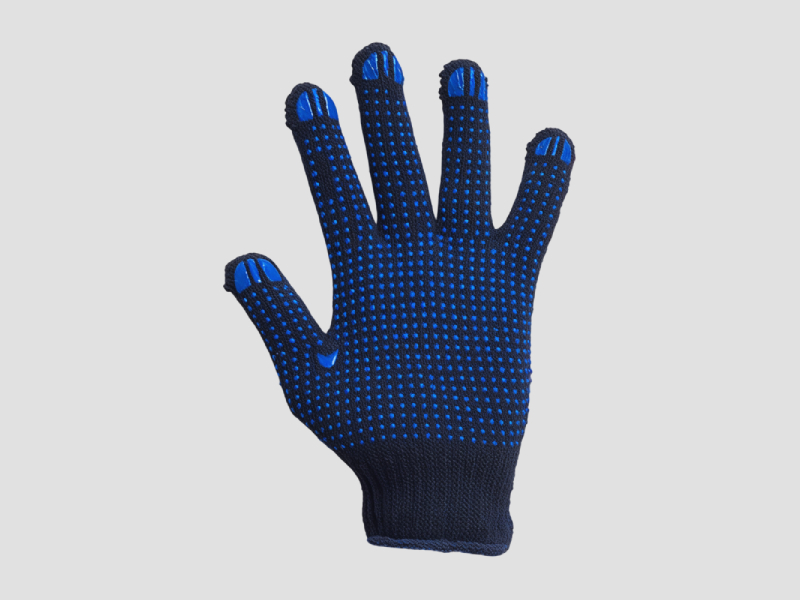
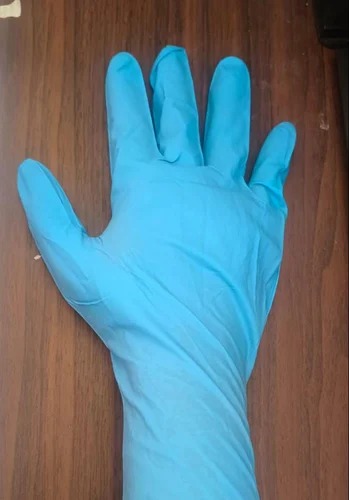
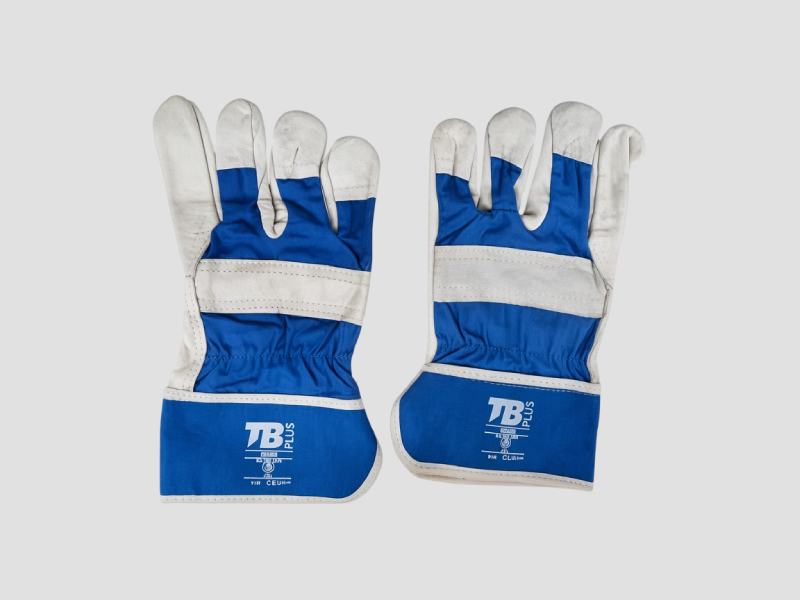
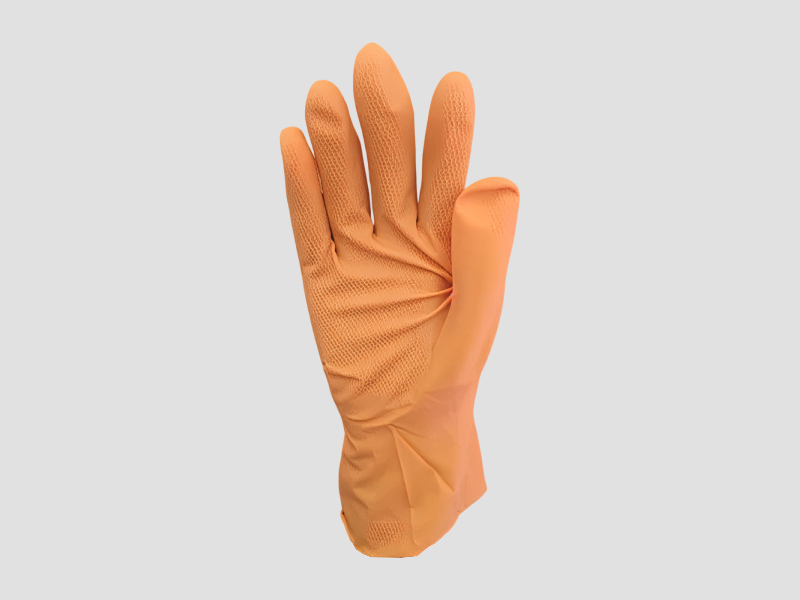
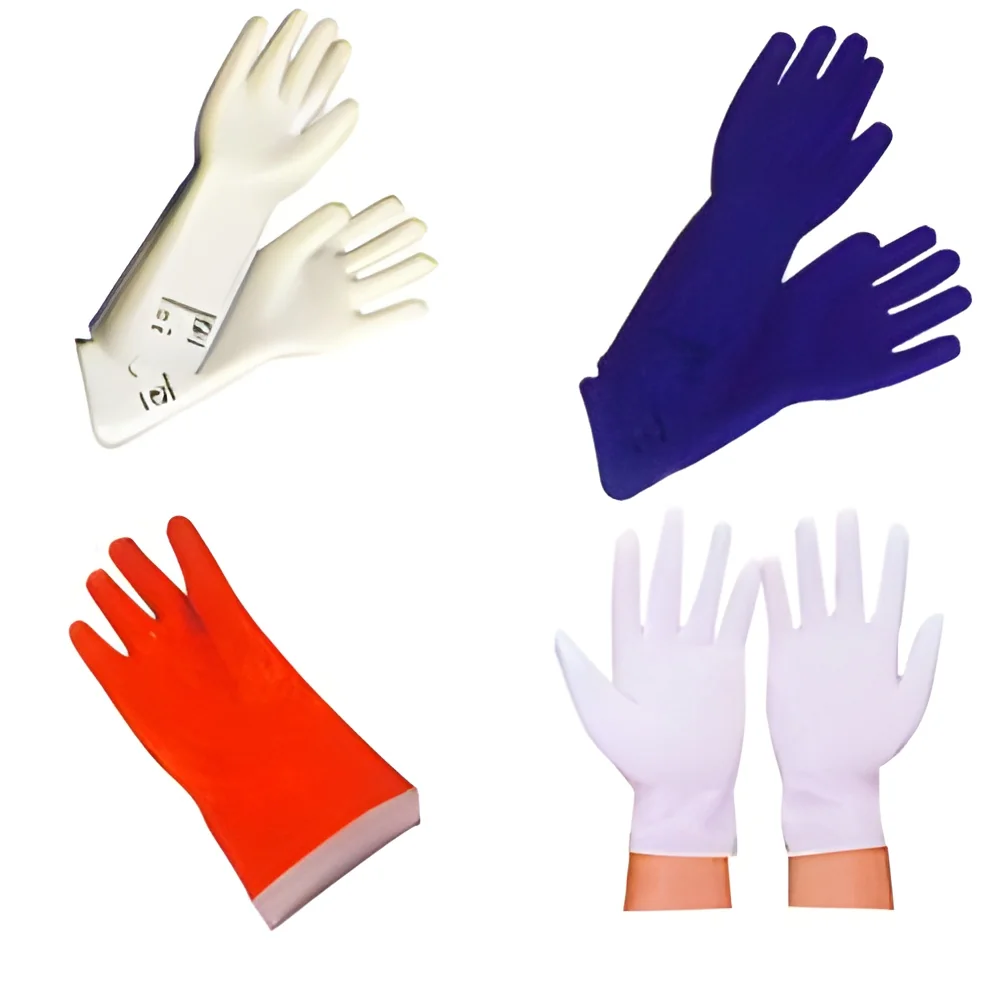
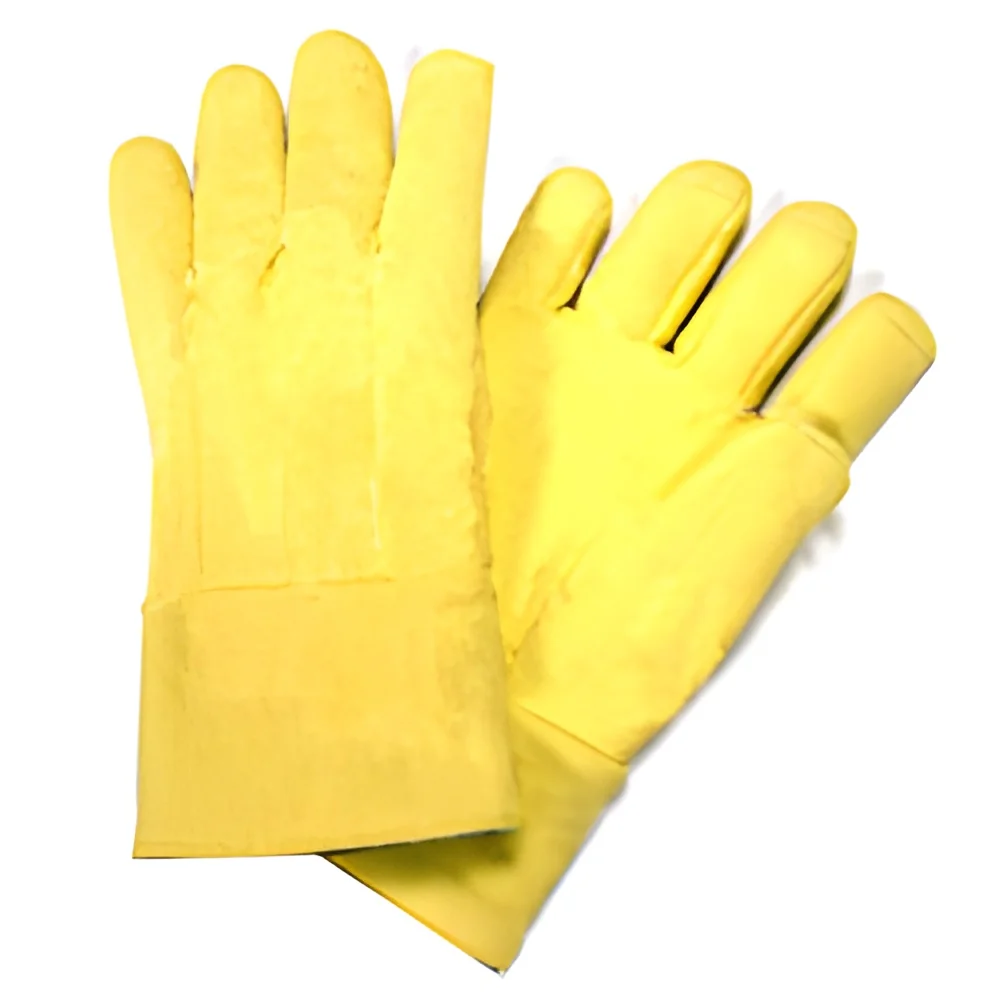
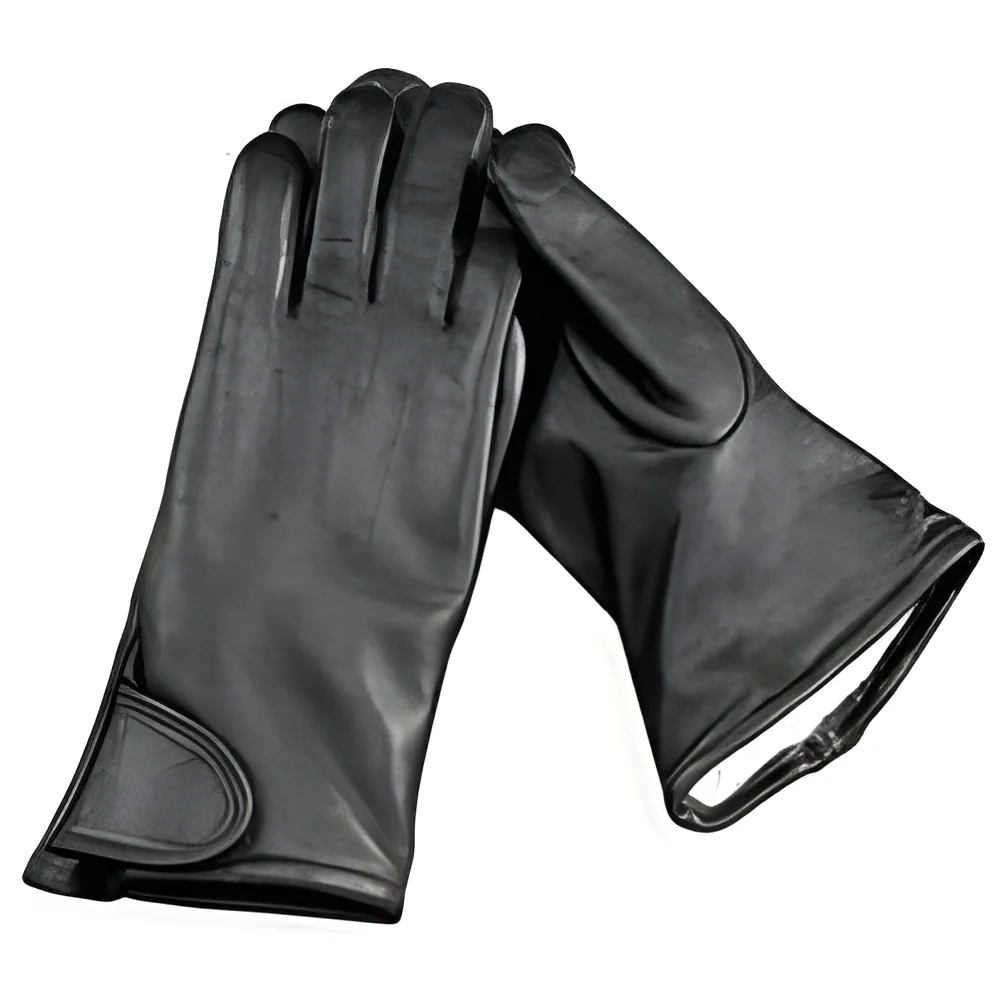
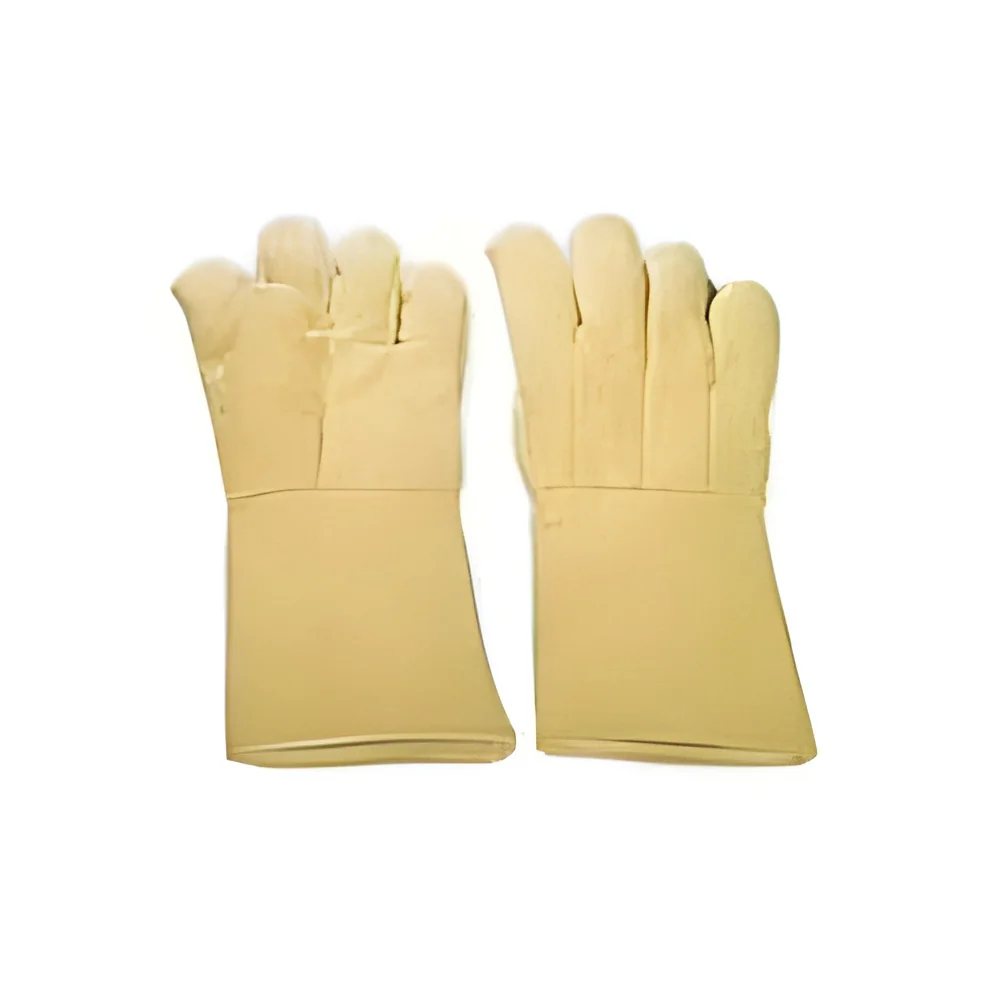
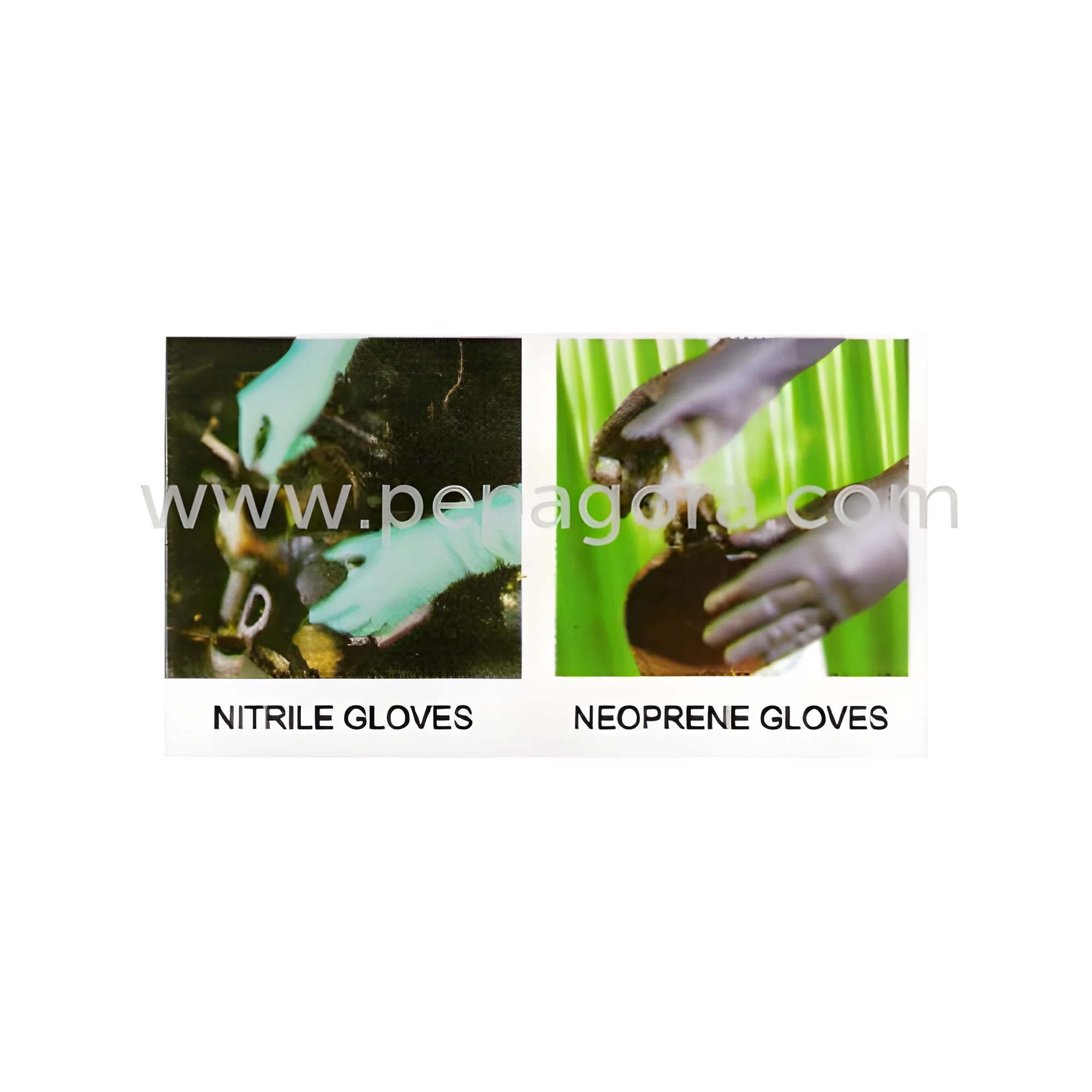
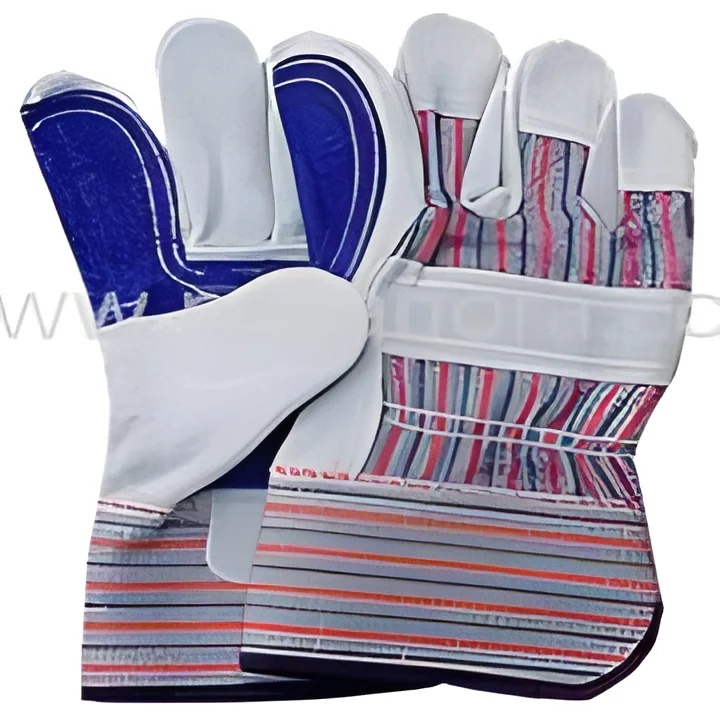
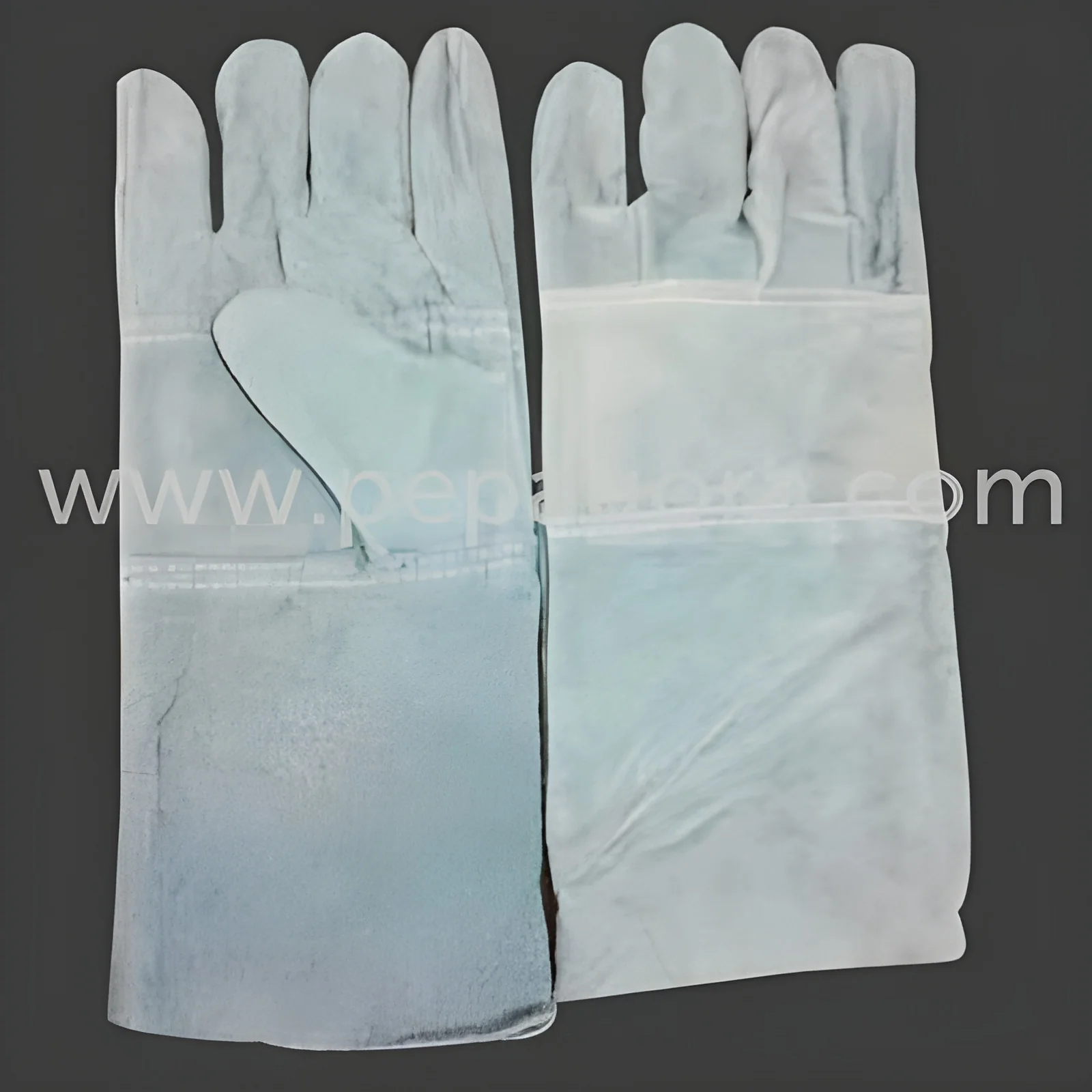
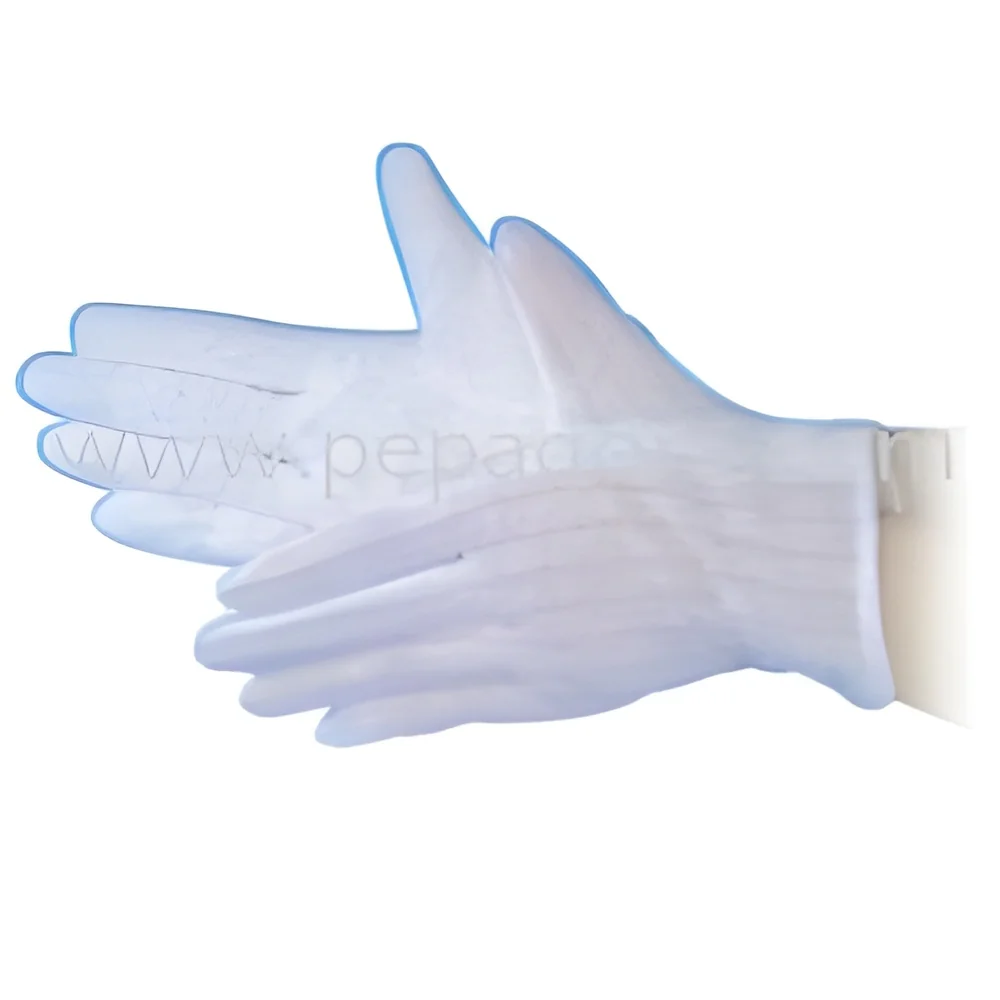
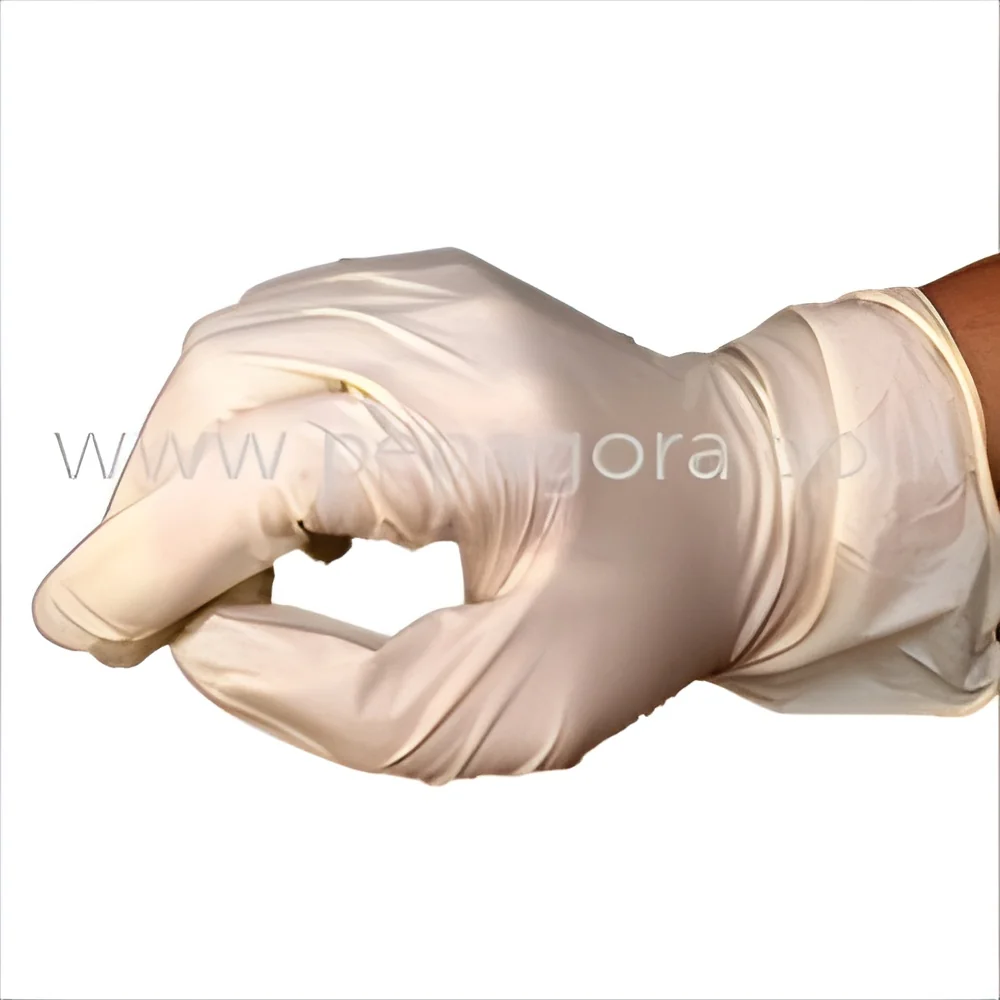
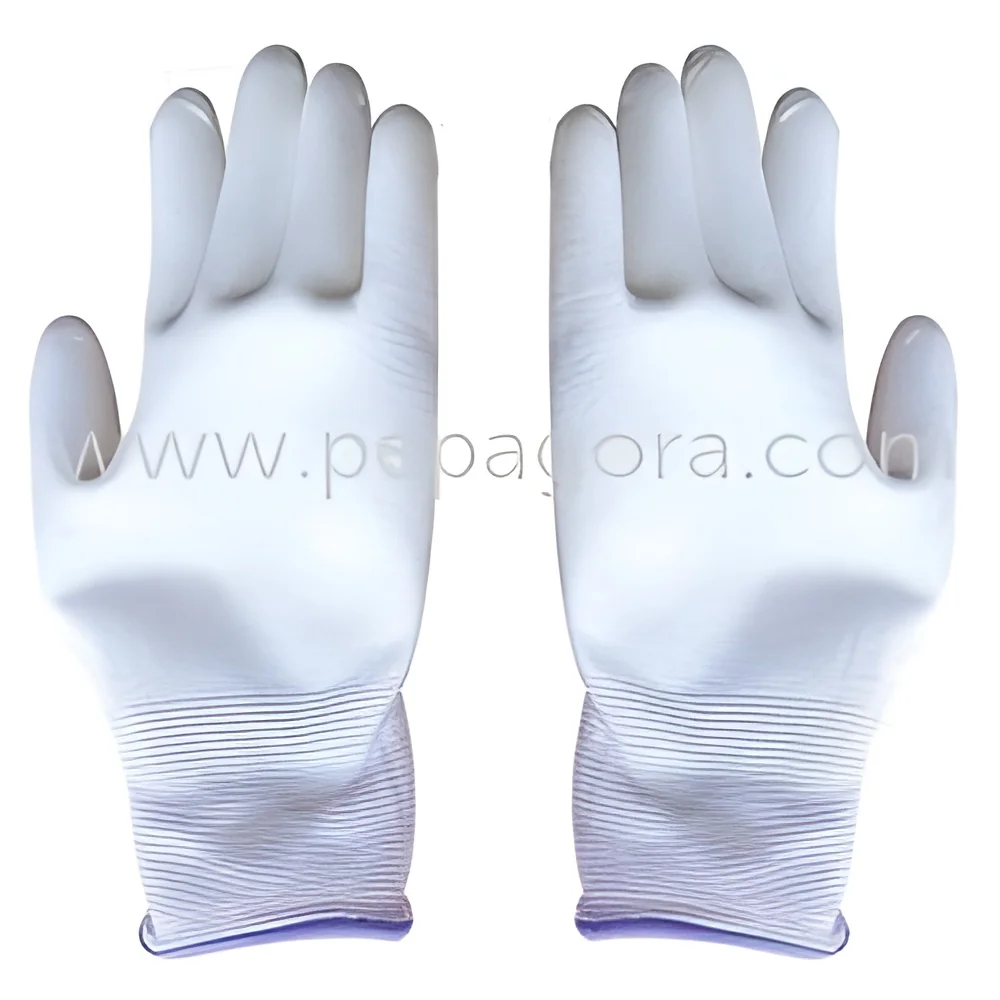
What are Safety Gloves (Cut Resistant, Chemical Resistant)?
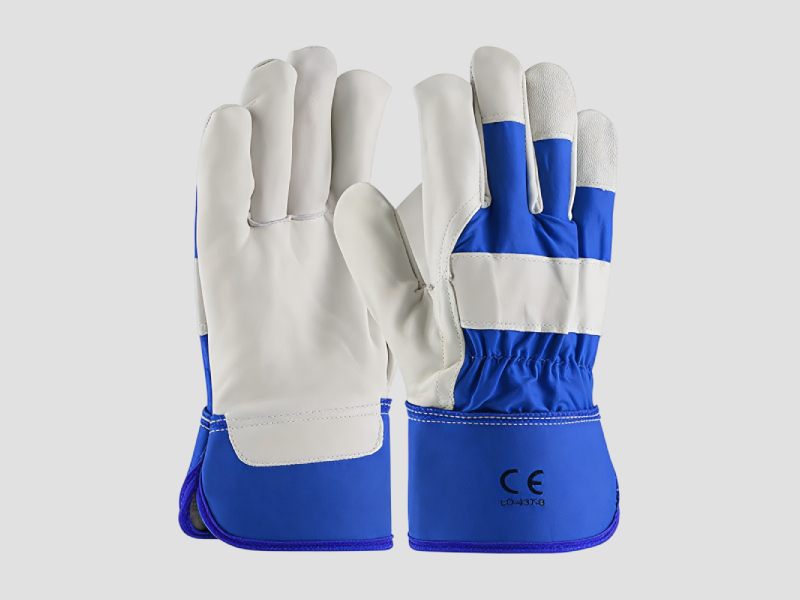
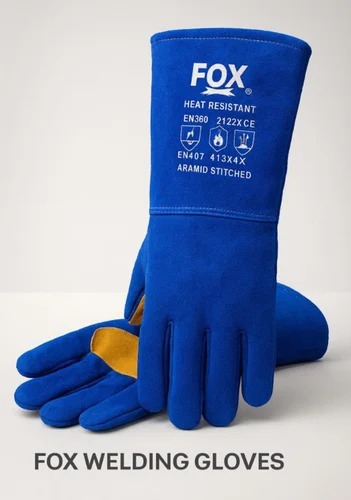
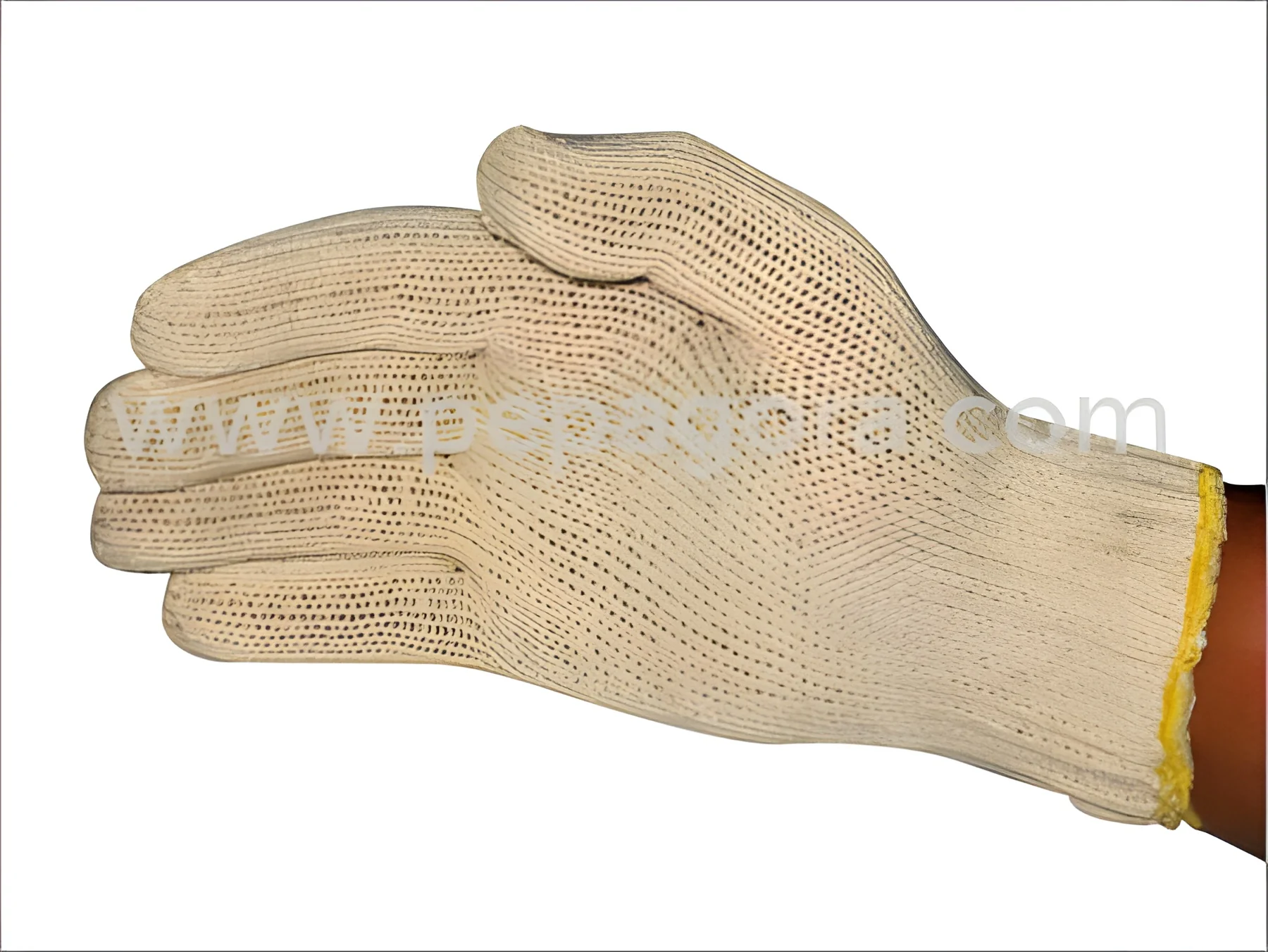
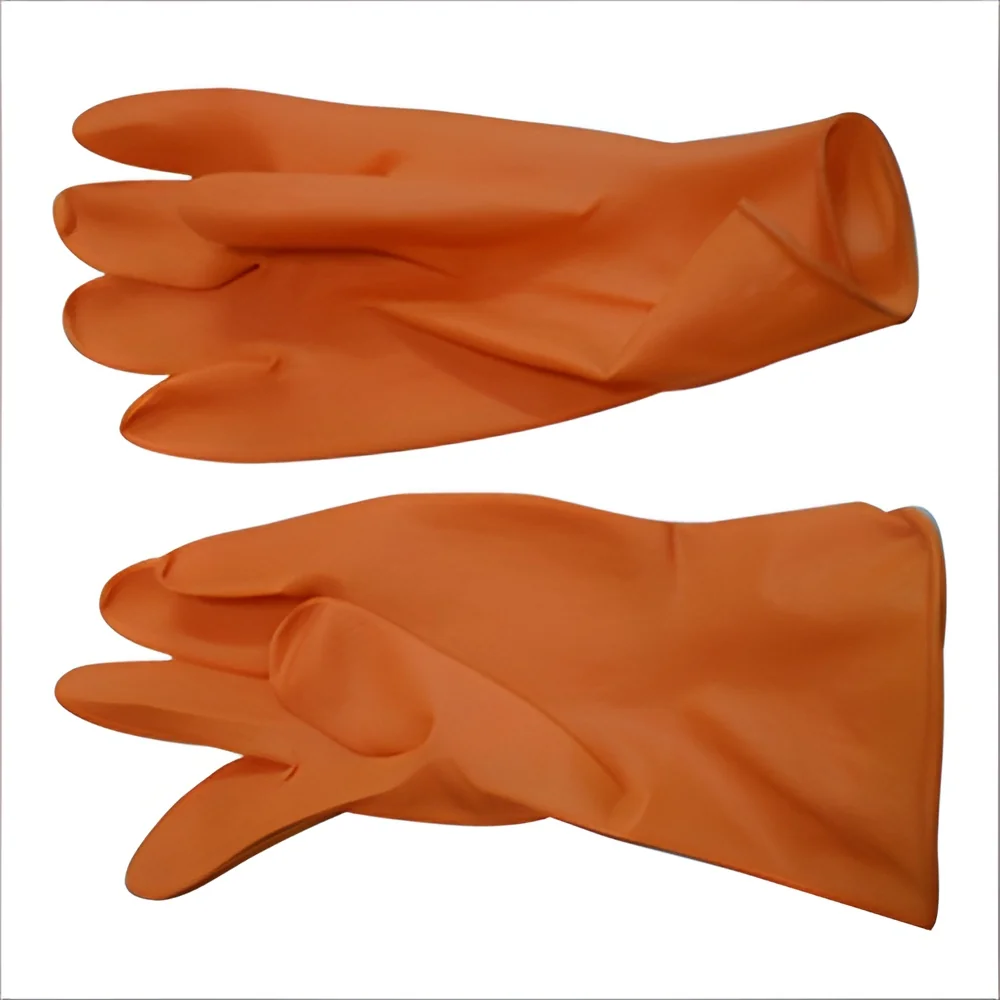
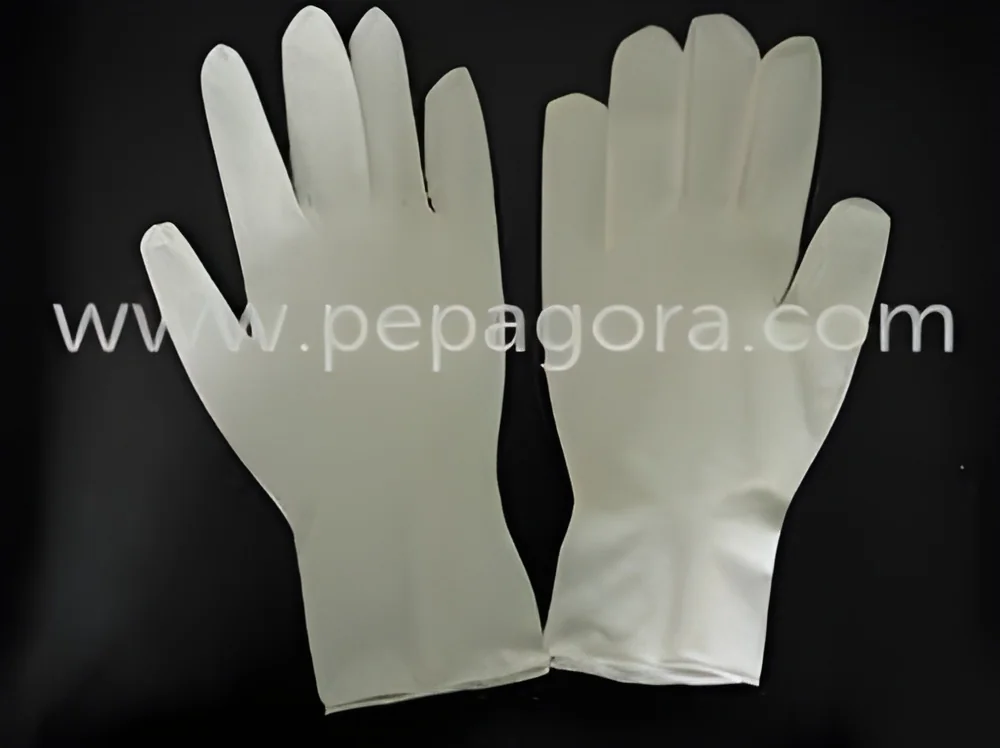
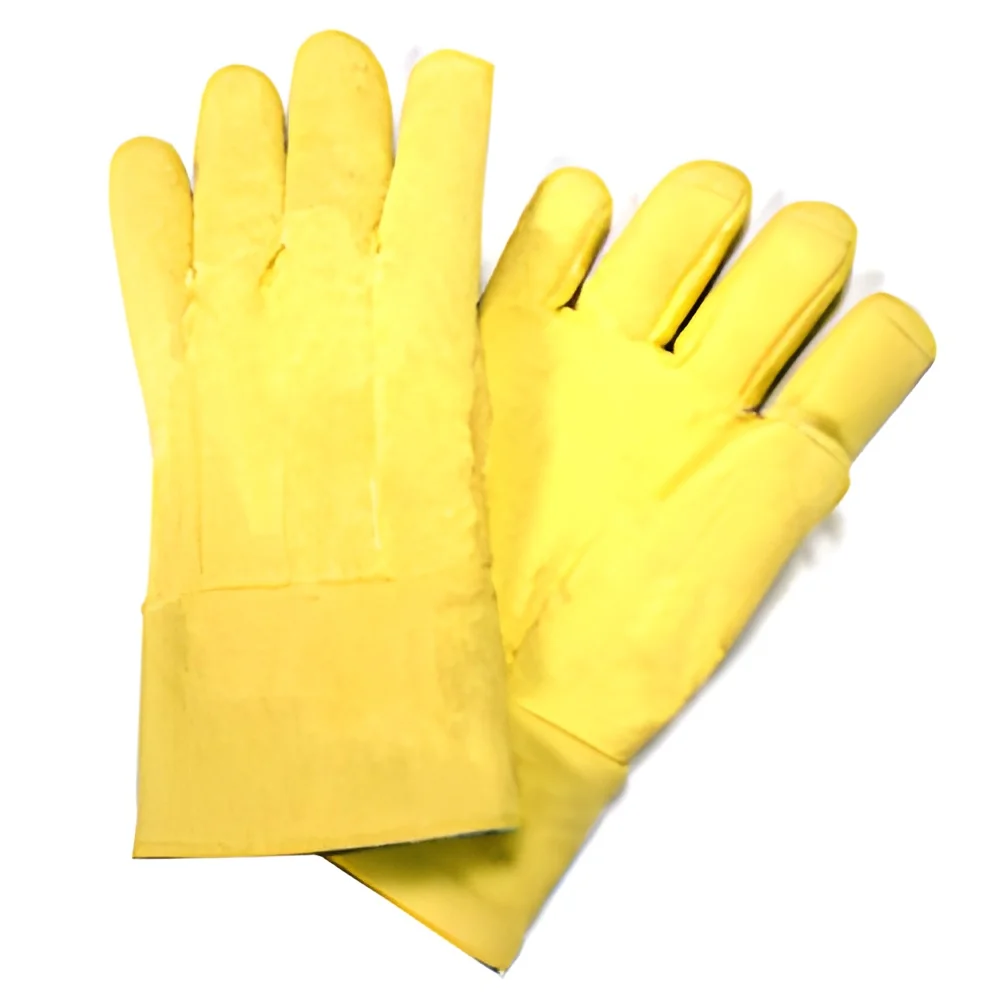
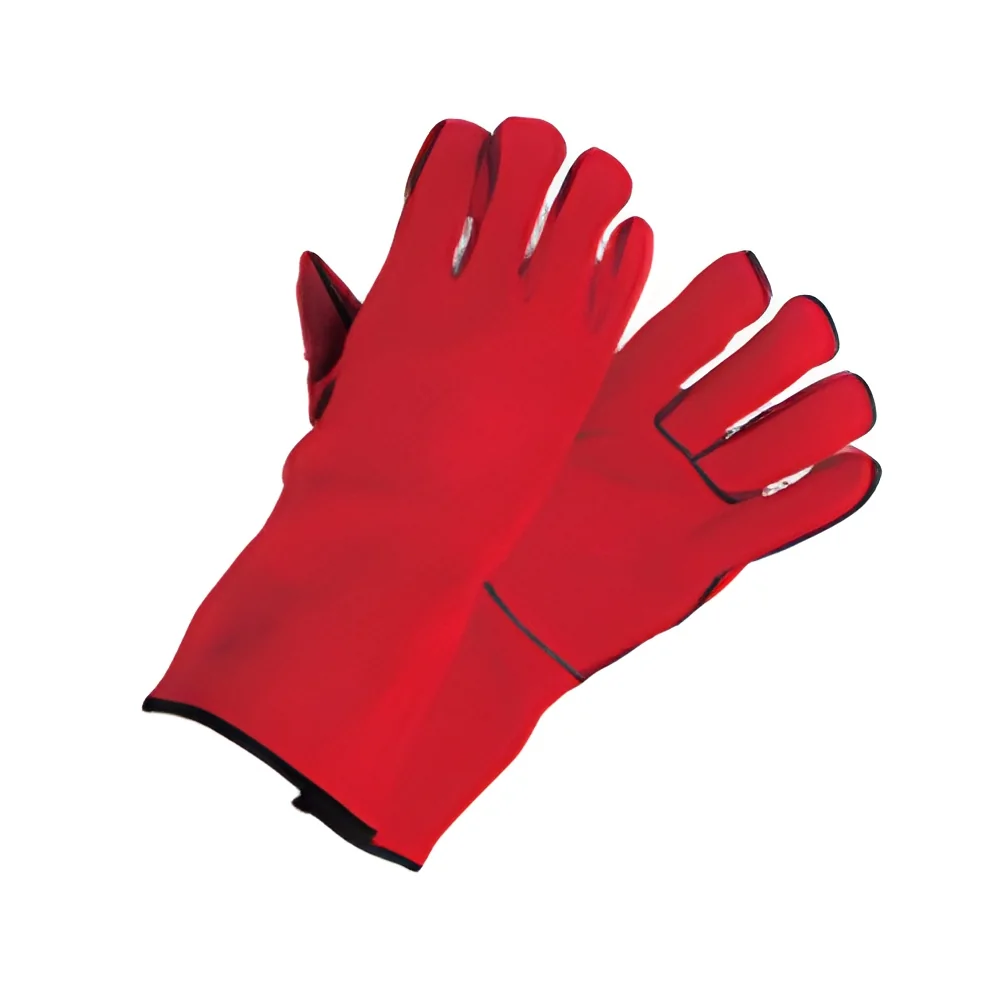
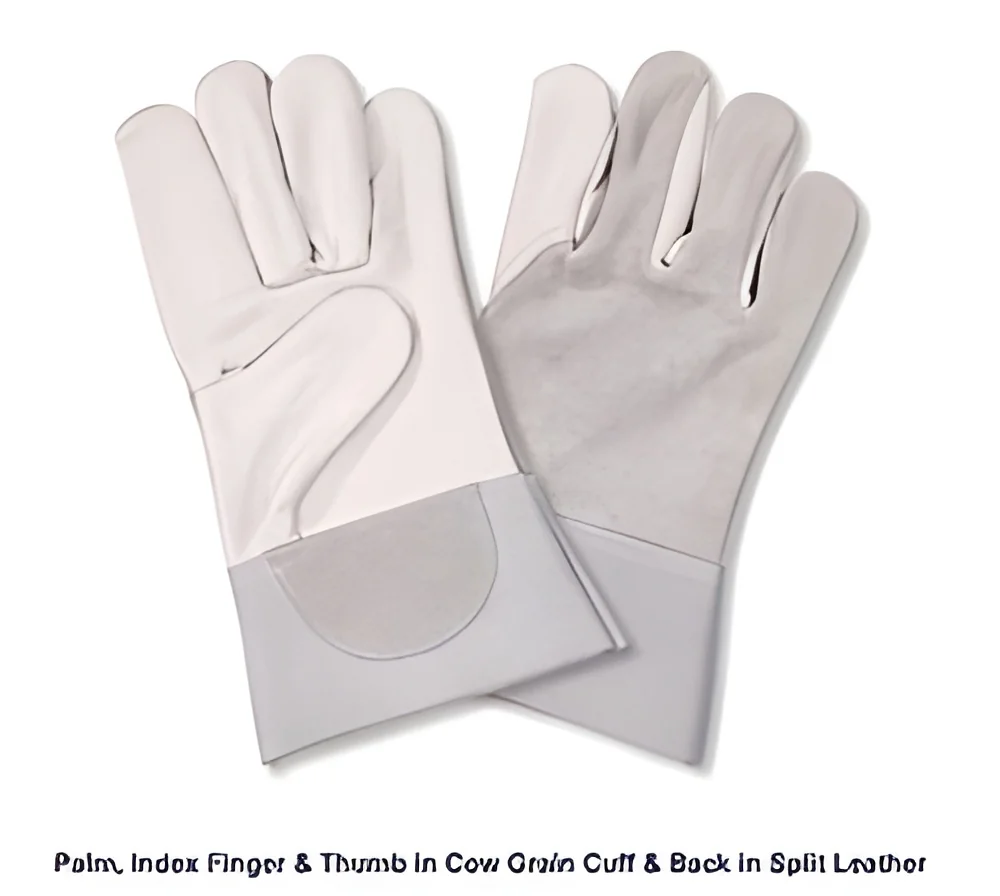
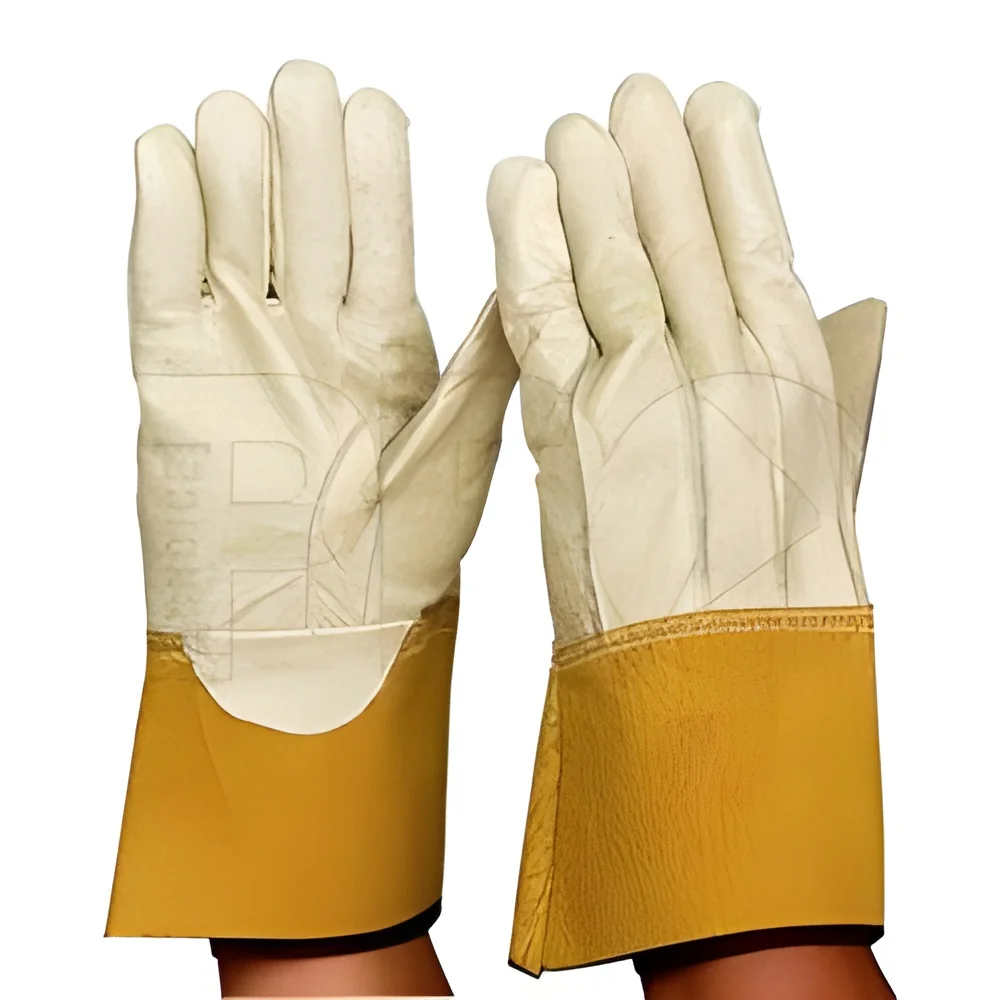
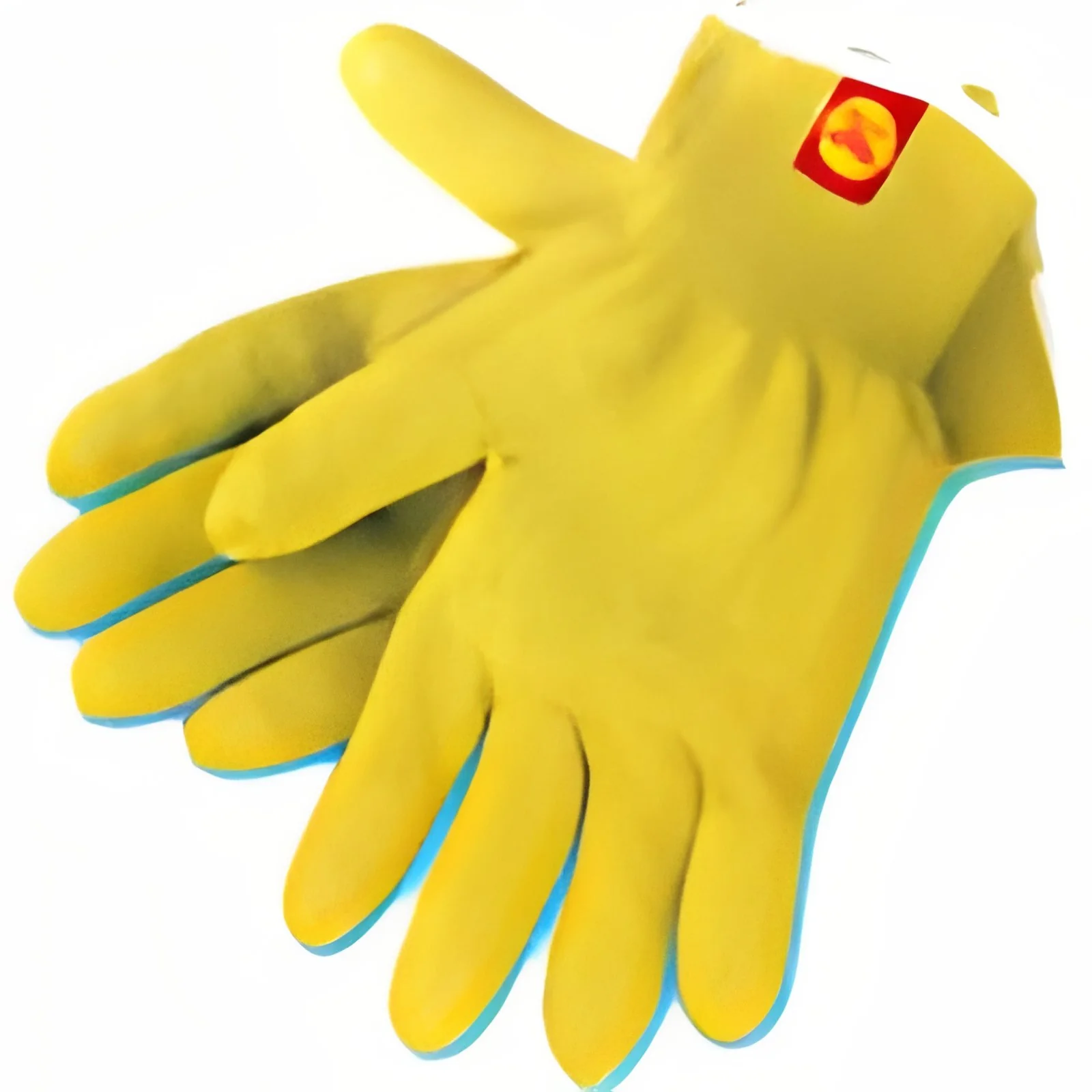
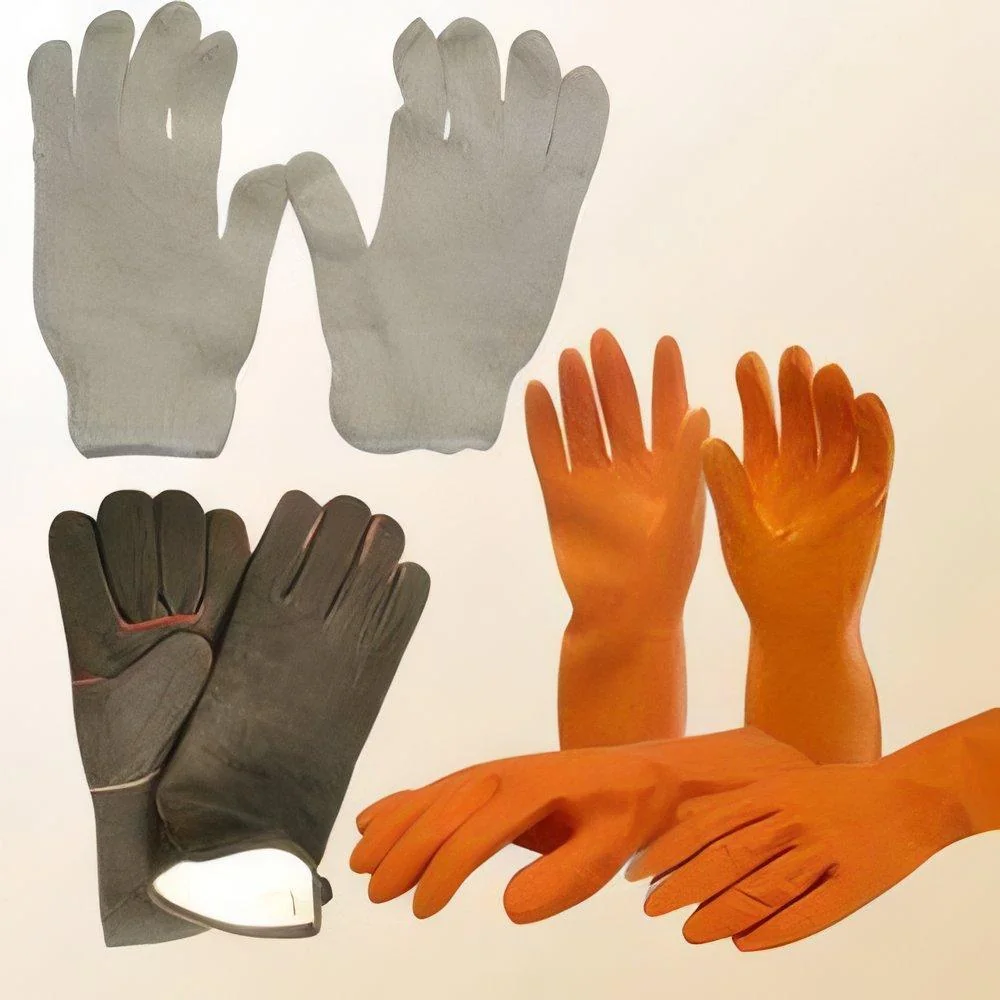
Safety gloves designed for cut resistance and chemical resistance are essential protective gear used across various industries. Cut-resistant gloves provide a barrier against sharp objects, preventing injuries from cuts and lacerations. Chemical-resistant gloves, on the other hand, are designed to protect the wearer from hazardous substances, including acids, solvents, and other harmful chemicals. Together, these gloves ensure that workers can perform their tasks safely in environments where both sharp materials and chemicals are present.
These gloves are primarily used in manufacturing, construction, and laboratory settings, where the risk of cuts and chemical exposure is prevalent. In manufacturing, cut-resistant gloves protect employees handling sharp tools or materials. In laboratories, chemical-resistant gloves safeguard against spills or splashes of dangerous substances. The demand for such safety equipment is growing due to enhanced safety regulations and increased awareness of workplace hazards, making them a critical component in occupational health and safety strategies.
As industries evolve, so does the technology behind safety gloves. Innovations in materials and design have led to the development of gloves that provide superior protection while maintaining comfort and dexterity. This market is significant, with ongoing advancements enabling manufacturers to offer more effective solutions tailored to specific industry needs.
𝗞𝗲𝘆 𝗙𝗲𝗮𝘁𝘂𝗿𝗲𝘀 𝗮𝗻𝗱 𝗦𝗽𝗲𝗰𝗶𝗳𝗶𝗰𝗮𝘁𝗶𝗼𝗻𝘀
Safety gloves (cut resistant and chemical resistant) are equipped with various features to ensure maximum protection and usability. These gloves must meet specific technical standards to ensure they provide adequate safety for users.
Key specifications include:
1. Cut Resistance Level
- Measured based on the EN 388 standard
- Ranges from A (lowest) to F (highest) cut resistance
2. Chemical Resistance Rating
- Based on EN 374 standards
- Indicates the types of chemicals the glove can withstand
3. Material Composition
- Common materials include Kevlar, nitrile, and latex
- Determines the glove's durability and protection level
4. Grip Performance
- Textured surfaces enhance grip in both dry and wet conditions
- Essential for maintaining control while handling objects
5. Dexterity Level
- Evaluated on a scale to indicate flexibility
- Higher dexterity allows for better handling of small parts
6. Size Range
- Available in various sizes to fit different hand shapes
- Ensures comfort and effectiveness during use
7. Compliance Standards
- Must adhere to regulations like ISO 9001 and CE certification
- Ensures product quality and safety
8. Comfort Features
- Breathable materials and ergonomic designs
- Help reduce hand fatigue during prolonged use
These features collectively enhance the gloves' performance, ensuring that users are well protected while maintaining functionality.
𝗖𝗼𝗺𝗺𝗼𝗻 𝗔𝗽𝗽𝗹𝗶𝗰𝗮𝘁𝗶𝗼𝗻𝘀 𝗮𝗻𝗱 𝗨𝘀𝗲 𝗖𝗮𝘀𝗲𝘀
Safety gloves that are cut resistant and chemical resistant find applications in diverse industries due to their protective capabilities.
1. Manufacturing: Workers in manufacturing often handle sharp tools and materials, making cut-resistant gloves vital for preventing injuries.
2. Construction: In construction sites, these gloves protect workers from cuts while also safeguarding against exposure to hazardous chemicals used in various processes.
3. Food Processing: Employees in food processing facilities use cut-resistant gloves to prevent injuries while preparing food, as well as to comply with hygiene standards.
4. Automotive: Technicians in the automotive industry benefit from these gloves while handling sharp components and working with chemicals, ensuring safety during repairs and maintenance.
5. Laboratory: In laboratories, chemical-resistant gloves are essential for protecting against spills and splashes of hazardous substances during experiments.
6. Warehousing: Workers in warehousing environments often face risks from sharp packaging materials and chemical exposure, making these gloves crucial for safe operations.
7. Agriculture: Agricultural workers use cut-resistant gloves while handling sharp tools and pesticides, ensuring their safety in the field.
𝗣𝗿𝗼𝗱𝘂𝗰𝘁 𝗩𝗮𝗿𝗶𝗮𝗻𝘁𝘀 𝗮𝗻𝗱 𝗦𝘂𝗯𝗰𝗮𝘁𝗲𝗴𝗼𝗿𝗶𝗲𝘀
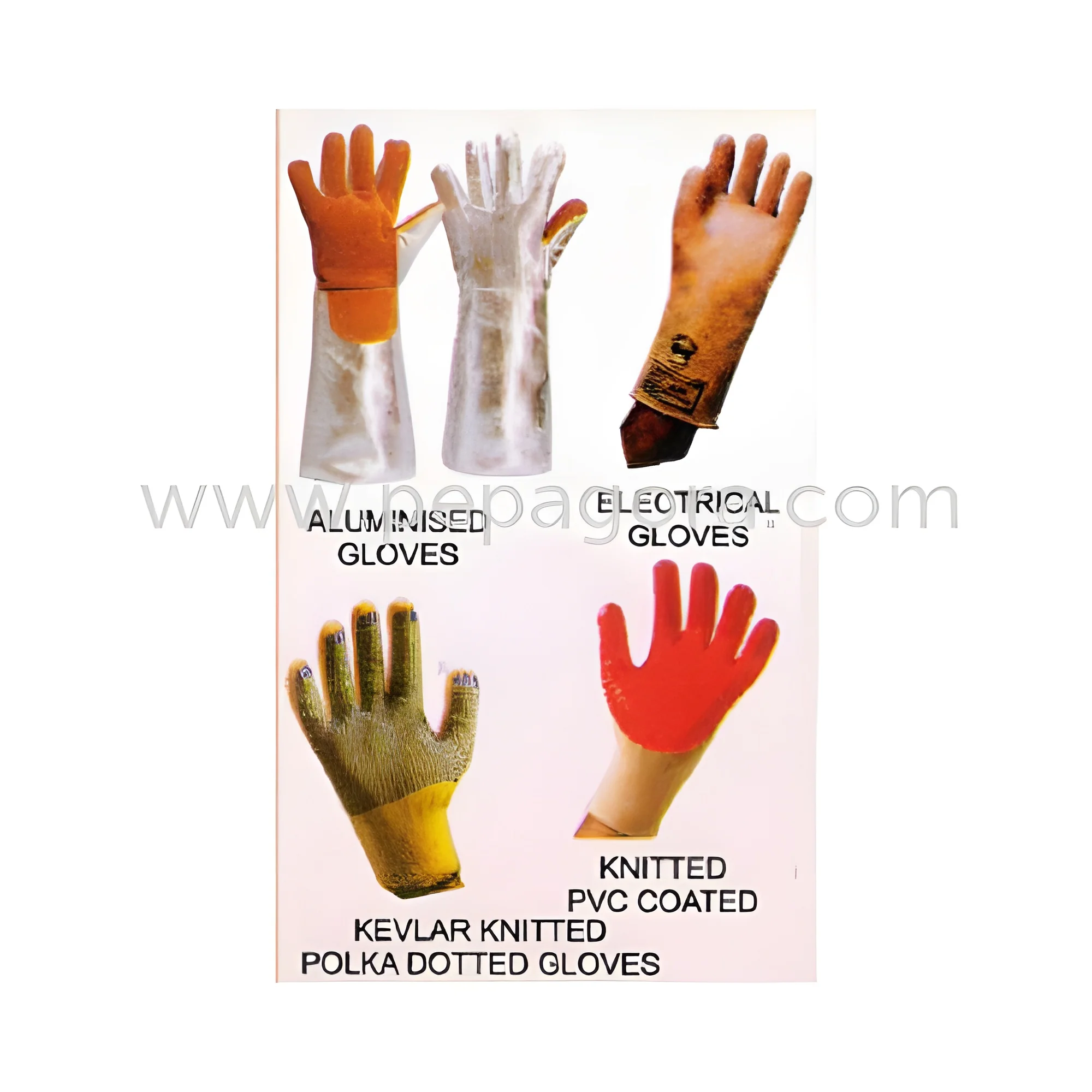
Safety gloves come in various forms, each designed for specific needs and applications. This diversity ensures that businesses can find the right glove for their requirements.
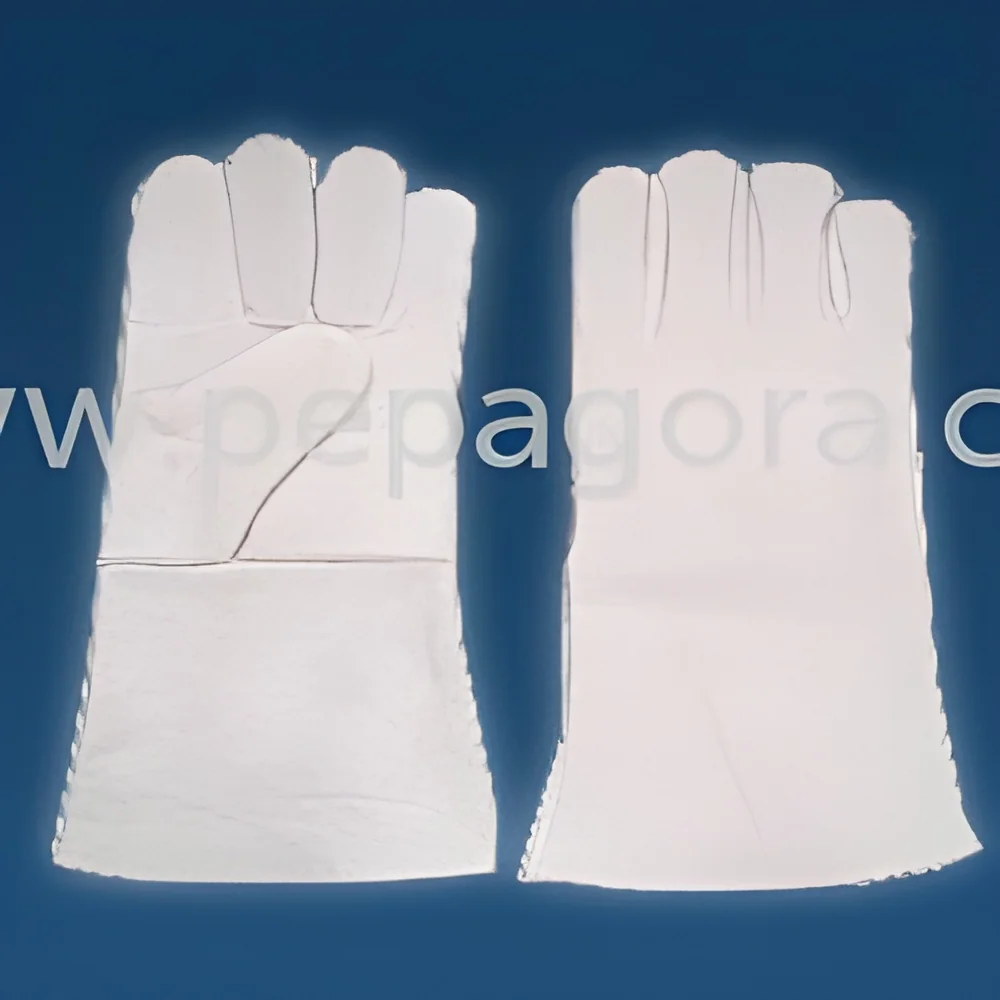
Cut Resistant Gloves
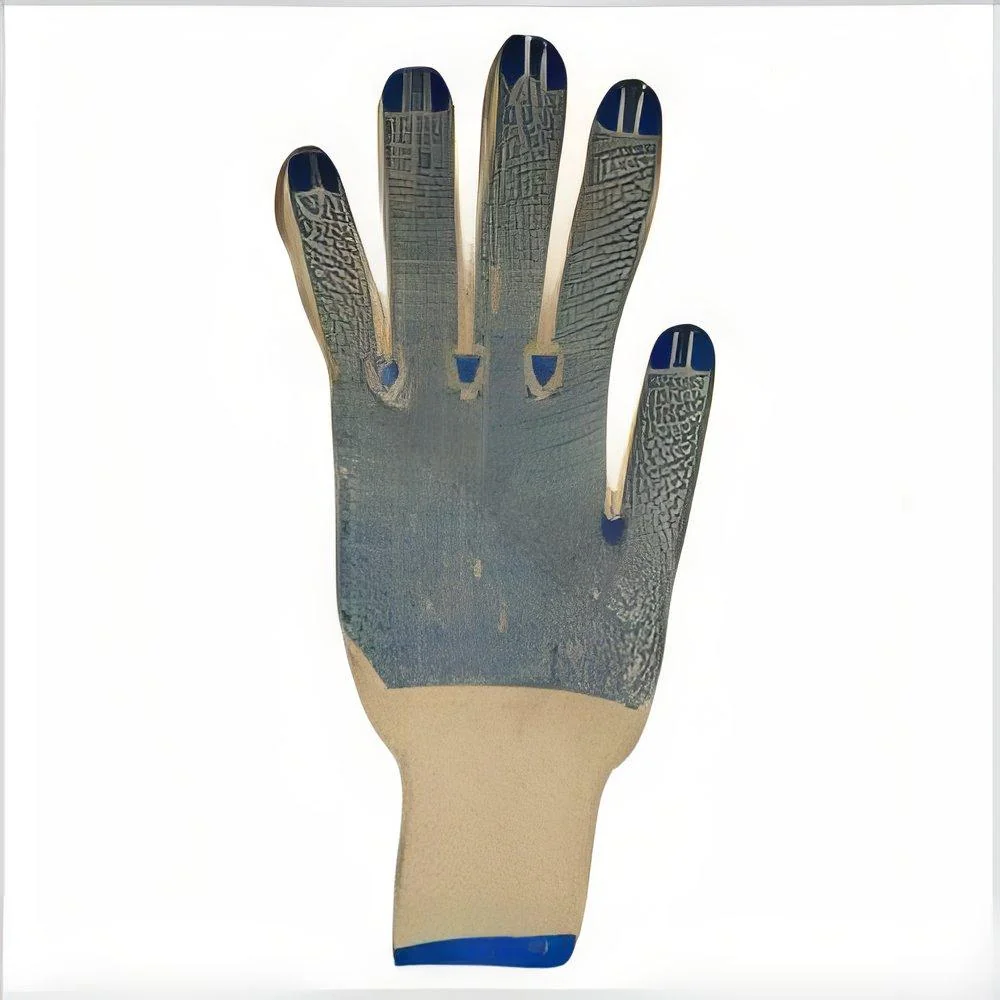
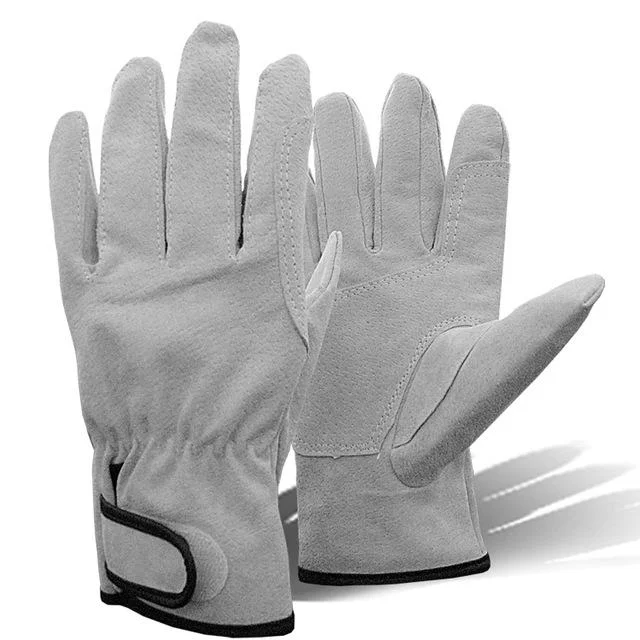
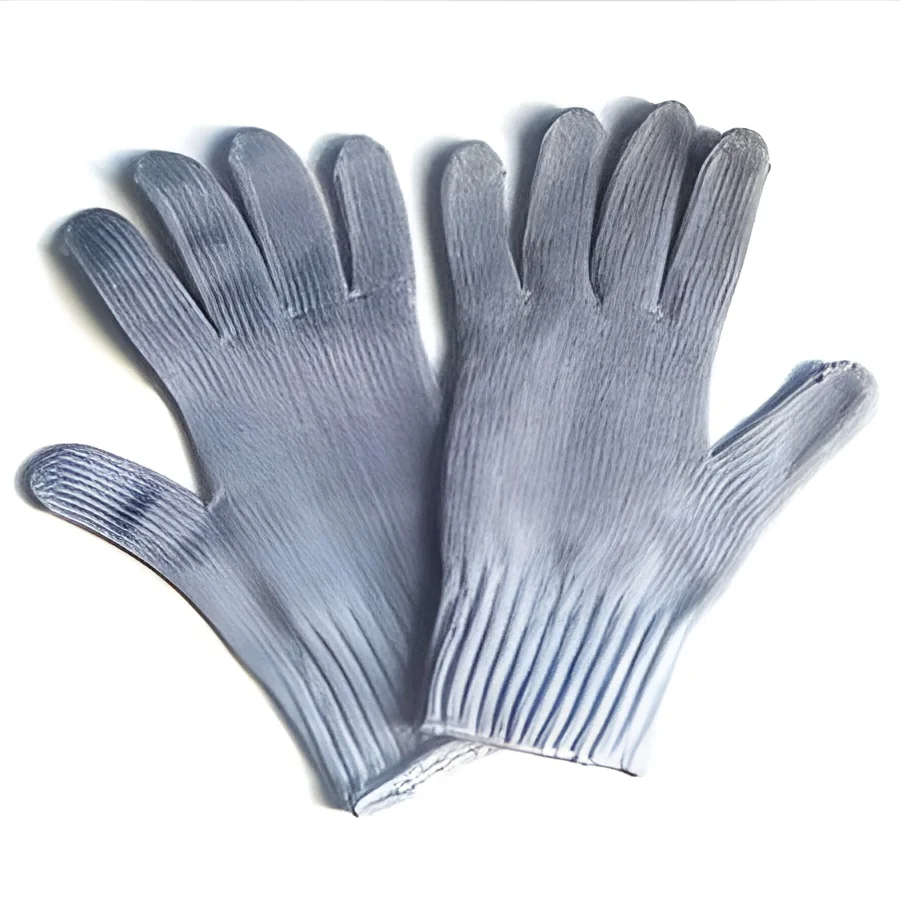
These gloves are specifically designed to protect against cuts and lacerations. They are often made from high-performance materials, providing excellent dexterity for tasks that involve handling sharp objects.
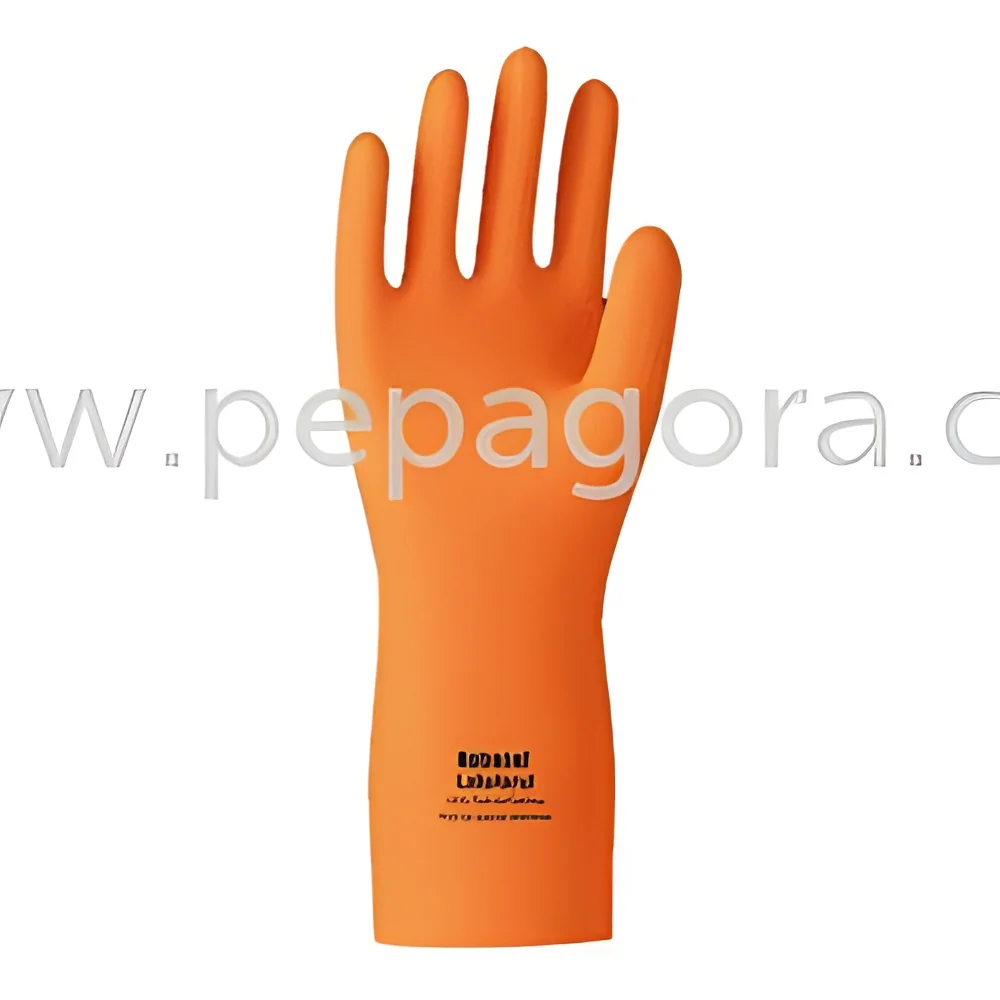
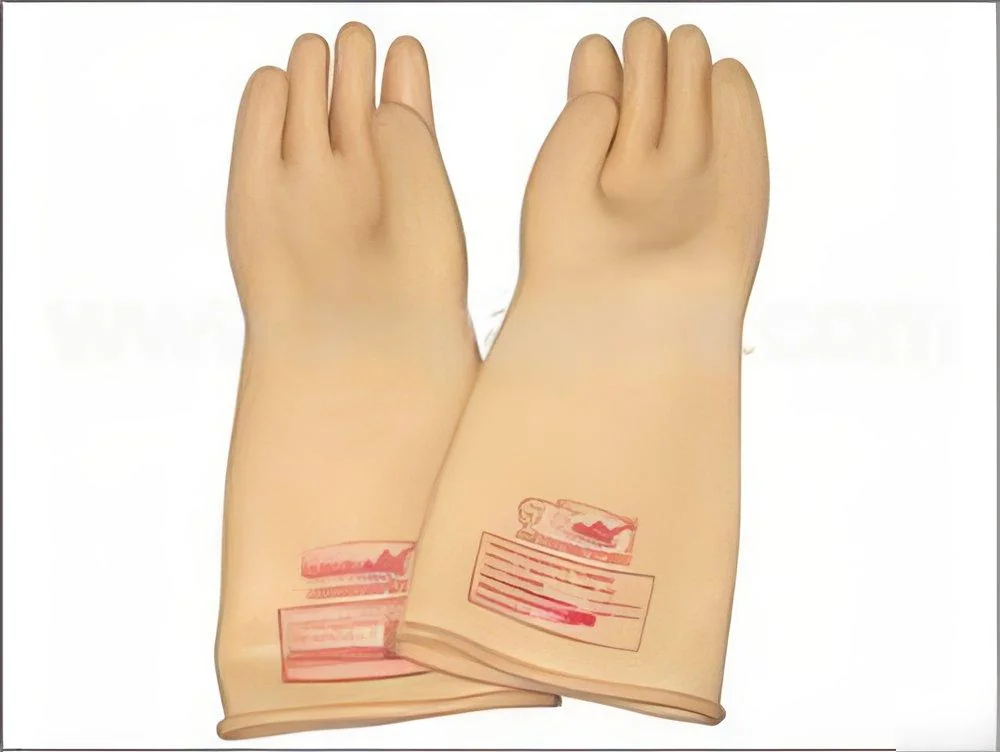
Chemical Resistant Gloves
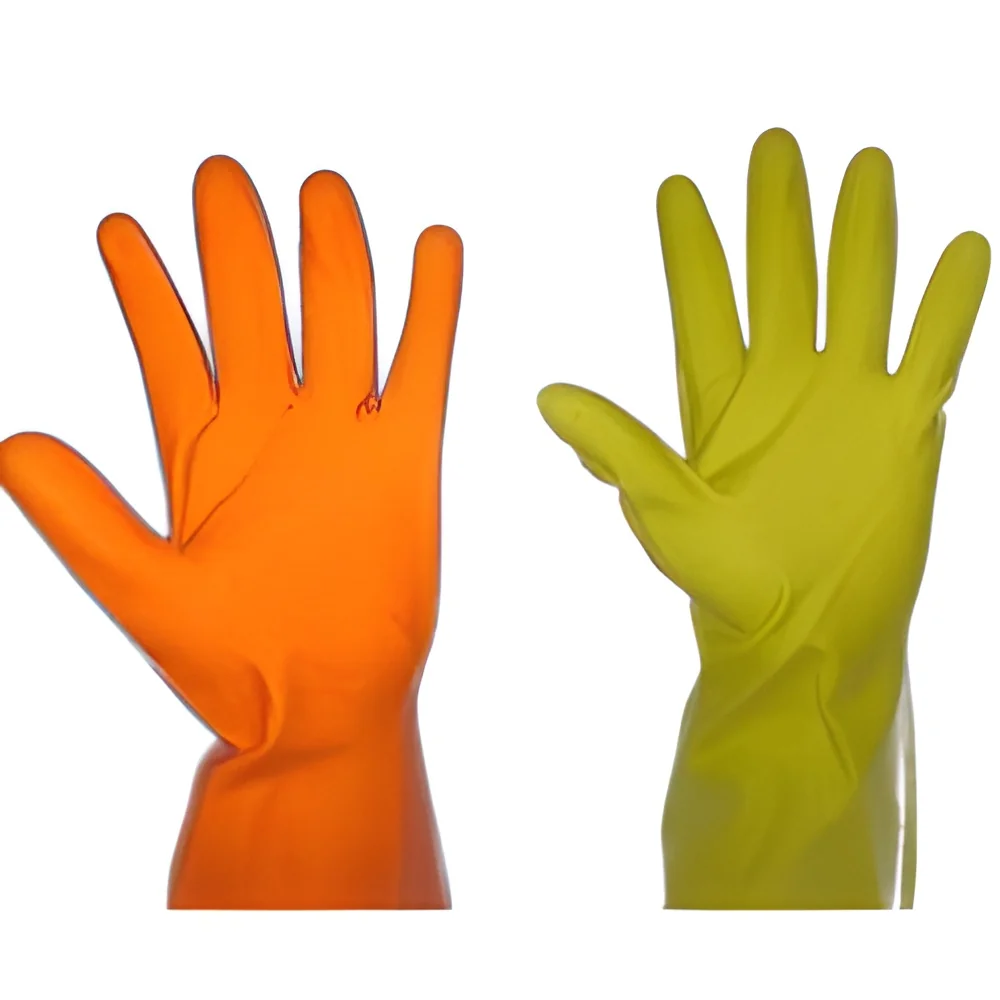
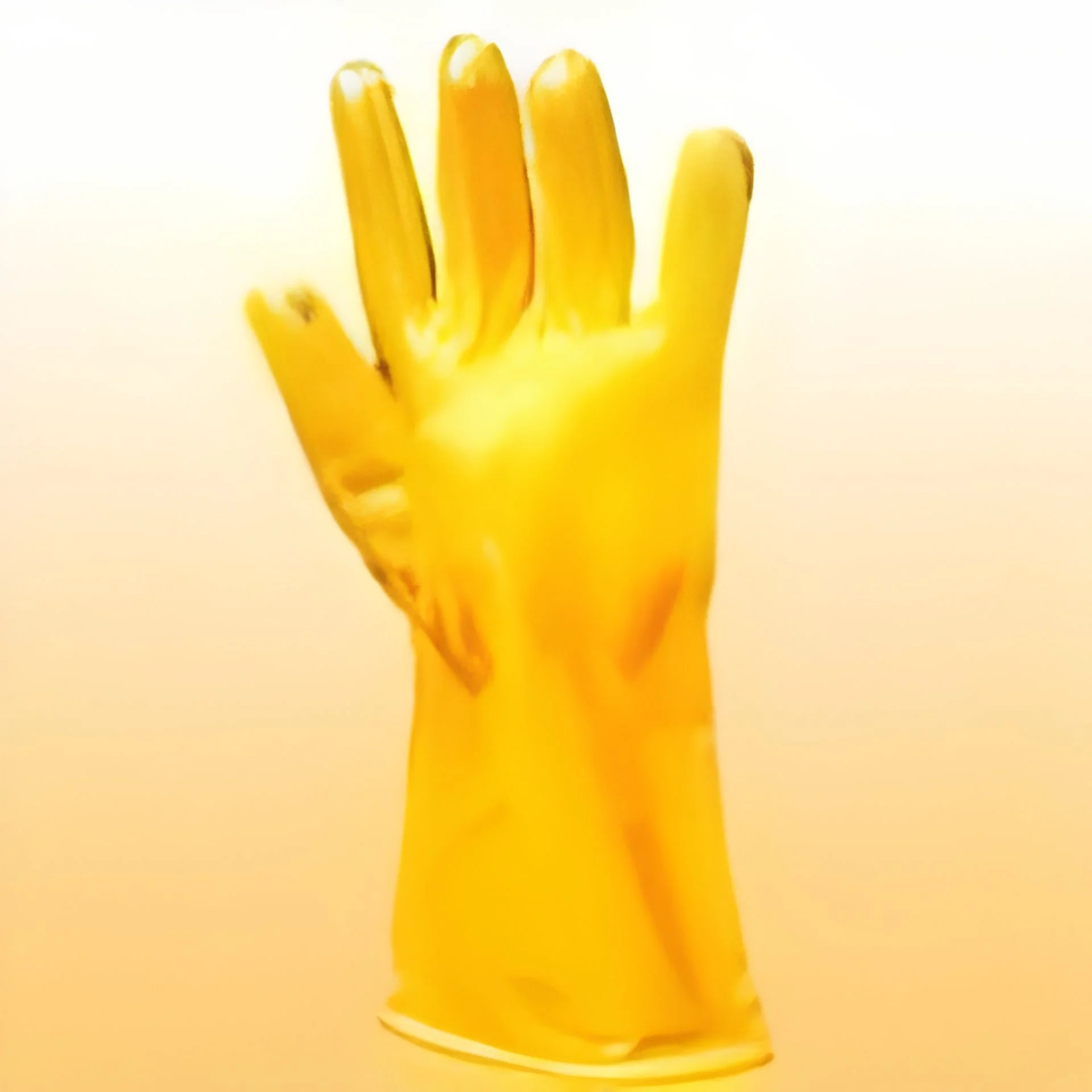
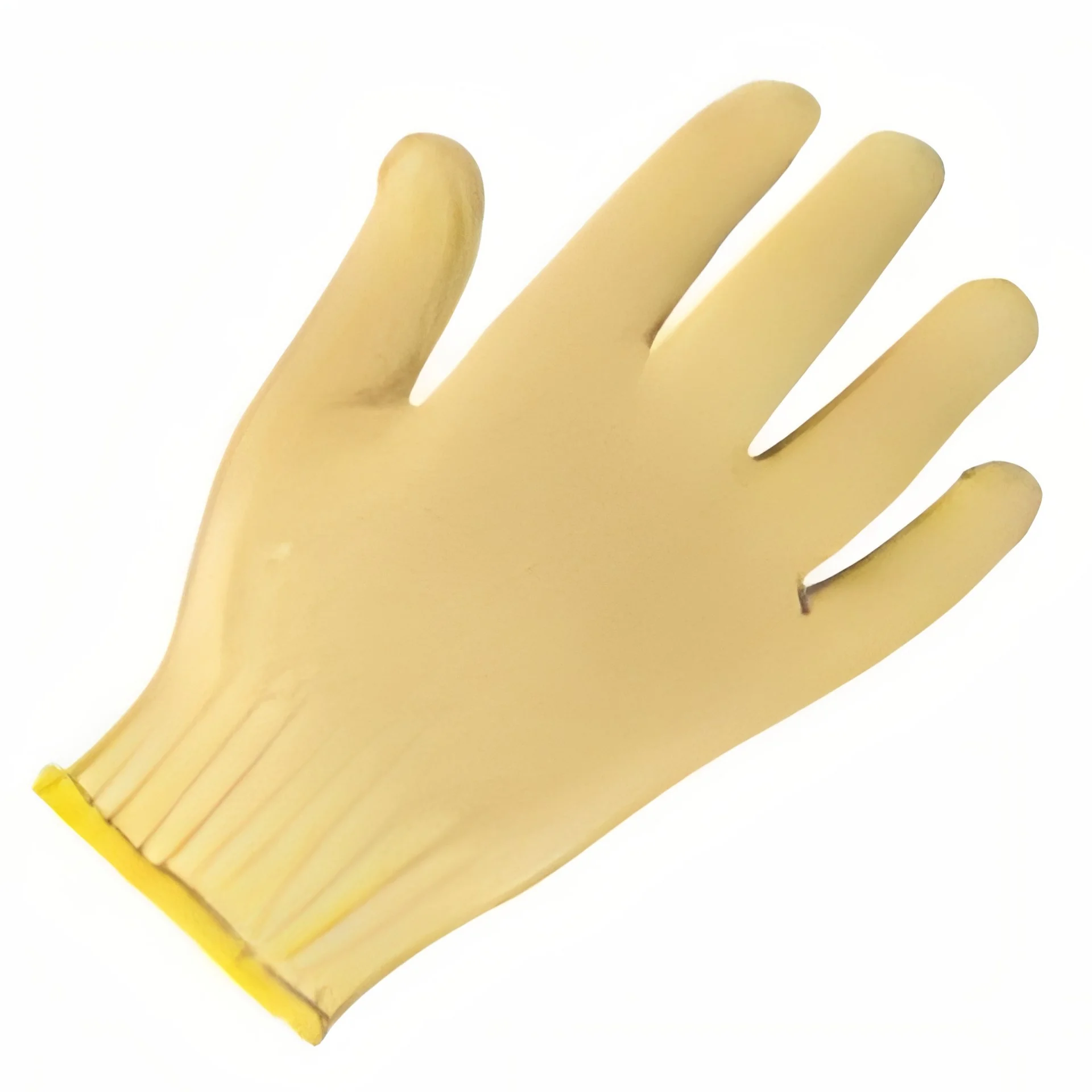
Designed to protect against hazardous chemicals, these gloves are made from materials that resist permeation and degradation from various substances. They are essential in environments where chemical exposure is a risk.
Hybrid Gloves
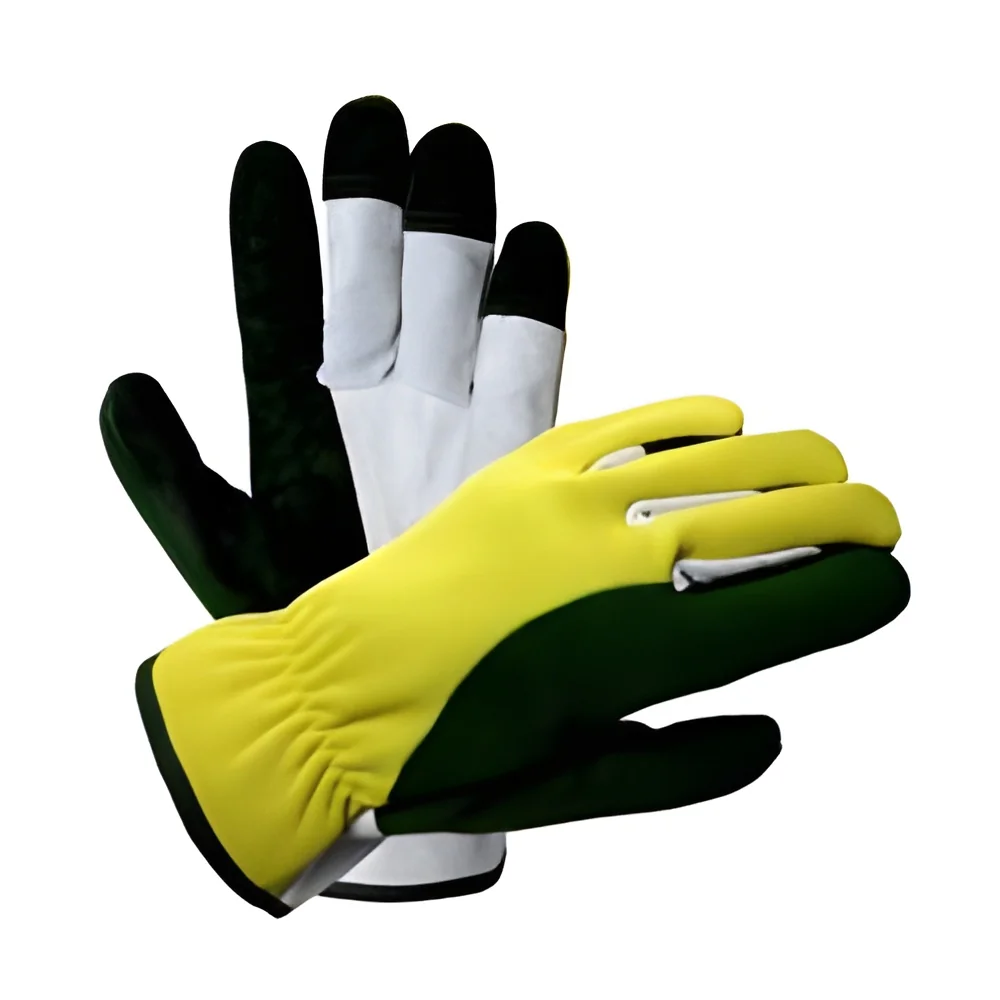
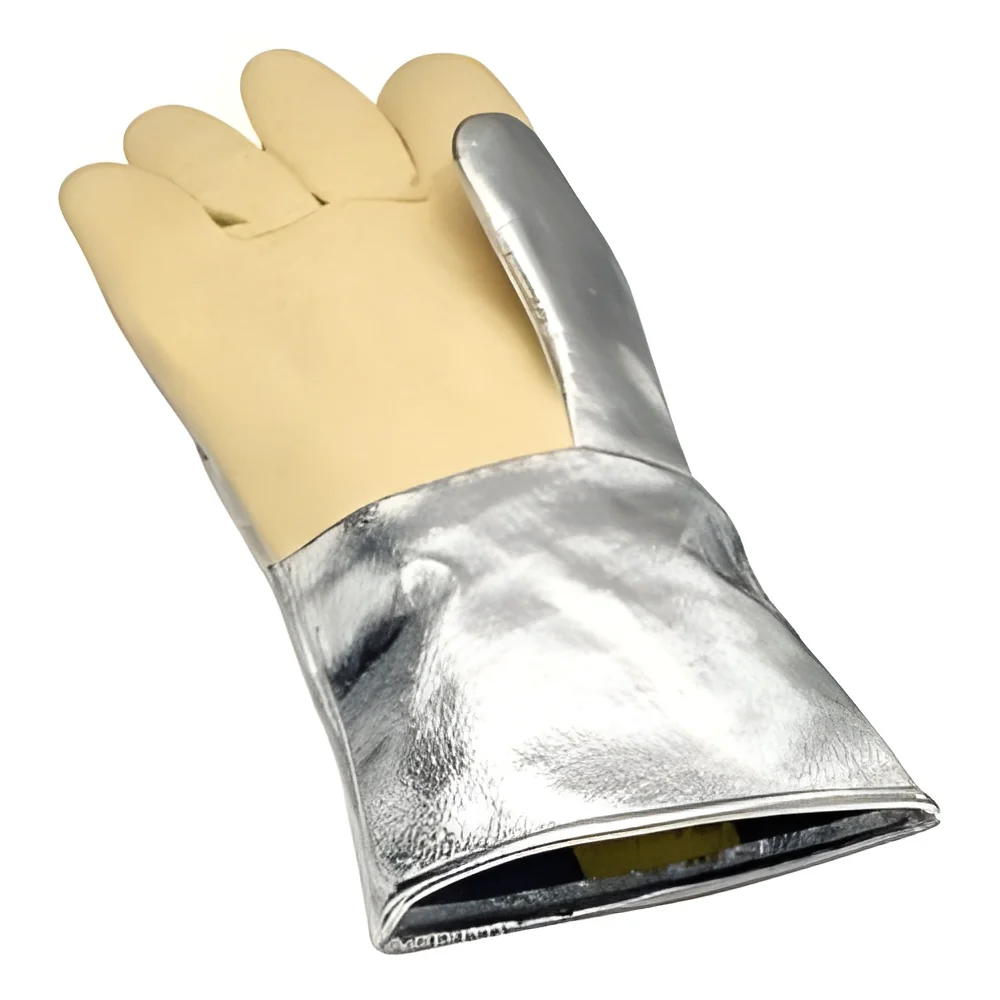
Combining the features of both cut and chemical resistance, hybrid gloves offer versatile protection for workers in multifunctional roles. They provide a balance between dexterity and safety.
𝗕𝗲𝗻𝗲𝗳𝗶𝘁𝘀 𝗮𝗻𝗱 𝗔𝗱𝘃𝗮𝗻𝘁𝗮𝗴𝗲𝘀
Choosing safety gloves that are cut resistant and chemical resistant offers numerous benefits for businesses and workers alike.
1. Enhanced Safety: These gloves significantly reduce the risk of injuries from cuts and chemical exposure, promoting a safer work environment.
2. Improved Productivity: Workers can perform tasks more efficiently when they feel safe and protected, leading to increased productivity.
3. Compliance with Regulations: Using appropriate safety gloves helps businesses meet occupational safety regulations, reducing liability and ensuring employee well-being.
4. Cost-Effectiveness: Investing in high-quality gloves can reduce workplace injuries, leading to lower compensation claims and insurance costs.
5. Comfort and Dexterity: Modern designs focus on comfort, allowing workers to maintain dexterity while wearing the gloves, which is crucial for intricate tasks.
6. Versatile Use: These gloves can be used across various industries, making them a flexible solution for multiple applications.
𝗕𝘂𝘆𝗶𝗻𝗴 𝗚𝘂𝗶𝗱𝗲 𝗳𝗼𝗿 𝗕𝟮𝗕 𝗕𝘂𝘆𝗲𝗿𝘀
When sourcing safety gloves (cut resistant, chemical resistant), it is essential for B2B buyers to consider multiple factors to ensure they select the right products.
1. Quality Assessment: Evaluate the quality of gloves by examining material composition, certifications, and user reviews to ensure they meet safety standards.
2. Supplier Verification: Vet suppliers by checking their reputation, experience in the industry, and ability to provide consistent quality.
3. Pricing and MOQ: Consider pricing structures and minimum order quantities to ensure that the selected gloves fit within budget constraints while meeting supply needs.
4. Delivery and Lead Times: Assess logistics and shipping capabilities, ensuring that the supplier can meet delivery timelines that align with your operational requirements.
5. Compliance Requirements: Understand the regulatory requirements in your industry to ensure that the gloves sourced meet necessary compliance standards.
𝗖𝗼𝗺𝗽𝗹𝗶𝗮𝗻𝗰𝗲 𝗮𝗻𝗱 𝗖𝗲𝗿𝘁𝗶𝗳𝗶𝗰𝗮𝘁𝗶𝗼𝗻𝘀
Safety gloves (cut resistant and chemical resistant) are subject to various compliance standards and certifications to ensure they meet safety and quality requirements.
Key standards include ISO 9001, which ensures consistent quality management systems, and HACCP, which focuses on food safety in environments where gloves are used. Additionally, CE certification is vital for indicating that the gloves meet European health, safety, and environmental protection standards.
Safety and testing requirements are critical components of glove manufacturing. Gloves undergo rigorous testing to assess their cut resistance, chemical resistance, and overall performance. Regional compliance considerations may vary, and it is essential for buyers to be aware of local regulations that may impact glove selection and usage.
Why Source Safety Gloves (Cut Resistant, Chemical Resistant) from Pepagora?
Pepagora offers a reliable platform for sourcing safety gloves (cut resistant and chemical resistant) with numerous advantages for businesses.
Verified Supplier Network: Pepagora connects buyers with a network of verified suppliers, ensuring that all products meet quality and safety standards, which reduces the risk of subpar purchases.
Streamlined RFQ Process: The request for quotation (RFQ) system simplifies the procurement process, allowing buyers to compare pricing and features quickly, enabling informed decision-making.
Trade Assurance and Support: Buyers benefit from trade assurance and dedicated support, providing peace of mind and protection during the purchasing process.
Regional Coverage: With a strong presence in India, the GCC, and Southeast Asia, Pepagora ensures that businesses across these regions can access quality safety gloves tailored to their specific needs.