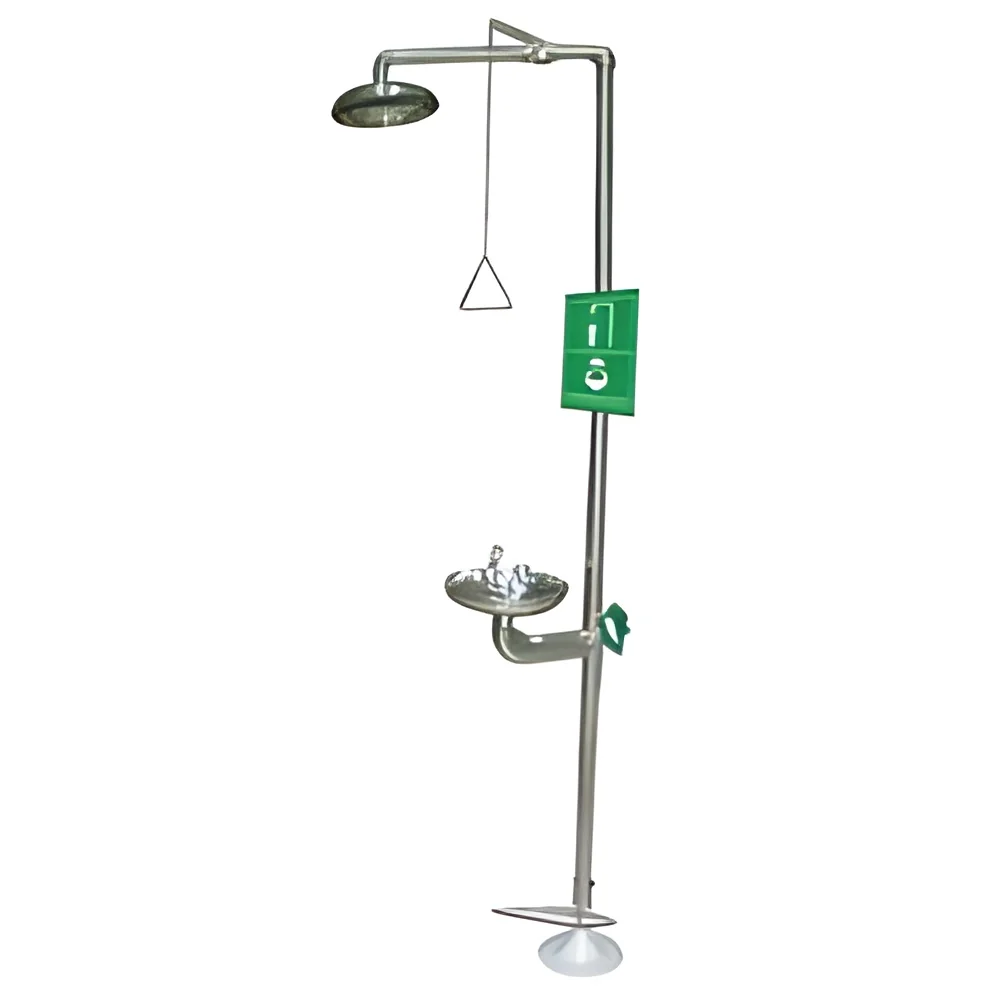
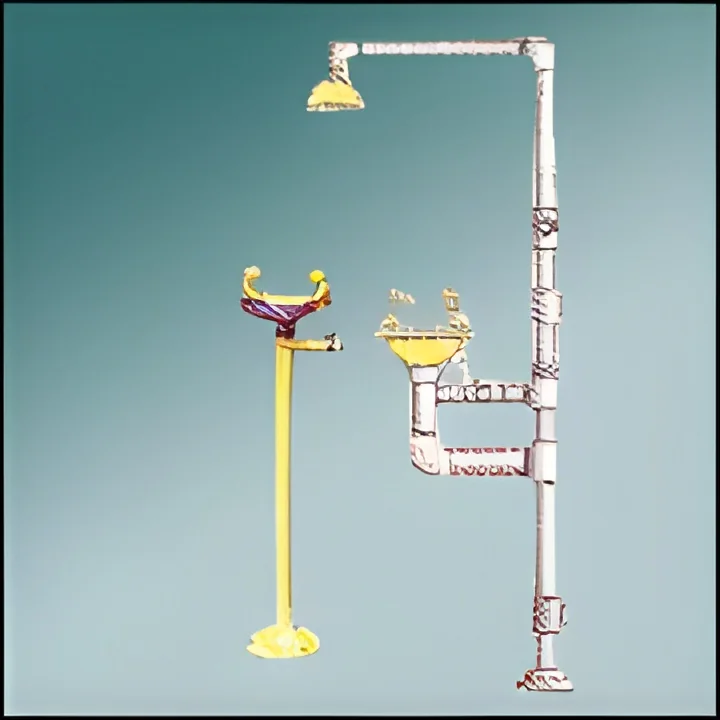
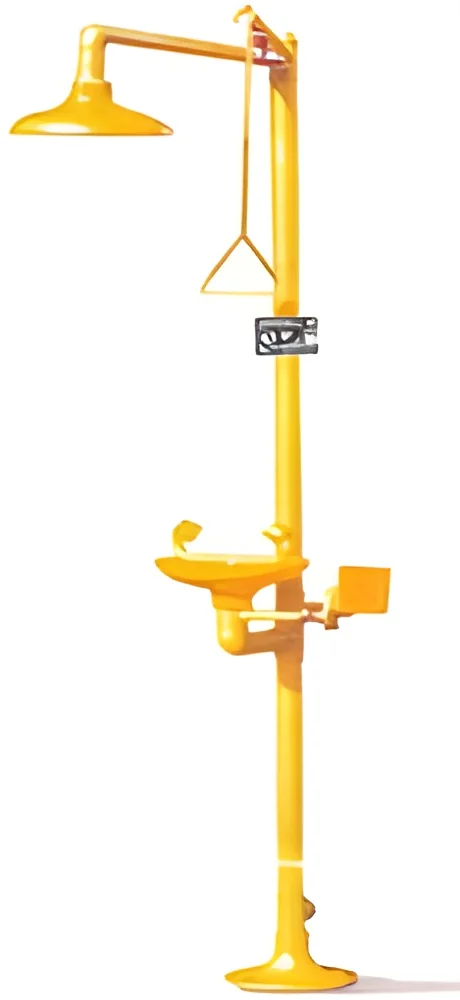
What are Emergency Showers & Eyewash Stations?
Emergency showers and eyewash stations are critical safety devices designed to provide immediate decontamination in case of chemical exposure or accidents in the workplace. These systems deliver a large volume of water quickly to wash away hazardous substances from the skin and eyes. The goal is to minimize injury and protect workers from the detrimental effects of chemical spills and splashes.
These installations are essential in environments where workers are exposed to hazardous materials, such as chemical manufacturing plants, laboratories, and construction sites. They are strategically placed to ensure accessibility in emergencies. By providing rapid treatment, emergency showers and eyewash stations can prevent serious injuries and promote workplace safety.
In the context of current industry standards, the demand for emergency showers and eyewash stations is increasing as businesses prioritize safety measures and compliance with safety regulations. Understanding the importance of these devices and their proper installation can help organizations avoid costly accidents and ensure a safer working environment.
Key Features and Specifications
Emergency showers and eyewash stations come equipped with essential features designed to enhance safety and user experience. These specifications ensure that they function effectively when needed most.
Key specifications include:
1. Water Flow Rate
- Emergency showers typically provide a minimum flow rate of 20 gallons per minute (GPM) for at least 15 minutes.
- Eyewash stations deliver a minimum flow rate of 0.4 GPM.
2. Activation Method
- Most units have a hands-free operation feature to allow for easy activation during emergencies.
- Common activation methods include foot pedals or push handles.
3. Temperature Control
- Water temperature should be tepid, typically between 60°F and 100°F, to prevent thermal shock.
4. Visibility and Signage
- Units must be clearly marked with visible signage for easy identification.
- Emergency shower and eyewash symbols should be illuminated or highly visible.
5. Compliance Standards
- Must meet ANSI Z358.1 standards for emergency eyewash and shower equipment.
6. Maintenance Features
- Some models come with built-in test valves to facilitate regular maintenance checks.
7. Installation Type
- Available in wall-mounted, ceiling-mounted, or freestanding designs, allowing flexibility based on space and needs.
8. Durability and Materials
- Constructed from corrosion-resistant materials to withstand harsh industrial environments.
These features collectively ensure the reliability and effectiveness of emergency showers and eyewash stations in critical situations.
Common Applications and Use Cases
Emergency showers and eyewash stations are versatile safety solutions used across various industries.
1. Chemical Manufacturing: These facilities frequently handle hazardous substances, making emergency showers and eyewash stations essential for immediate decontamination.
2. Laboratories: Research and testing environments often involve chemicals that can pose risks, necessitating the presence of emergency safety equipment.
3. Construction Sites: Workers may encounter harmful substances or materials; having accessible emergency decontamination systems is a critical safety measure.
4. Oil and Gas: In this industry, exposure to chemicals and flammable materials is prevalent, underscoring the need for rapid response capabilities.
5. Healthcare: Hospitals and laboratories require eyewash stations to manage accidental exposures to chemicals or biohazards.
6. Mining: Workers in mining operations may come into contact with toxic substances, necessitating emergency safety equipment for immediate response.
7. Agriculture: Pesticides and fertilizers can pose risks, making emergency showers and eyewash stations vital for worker safety.
Product Variants and Subcategories
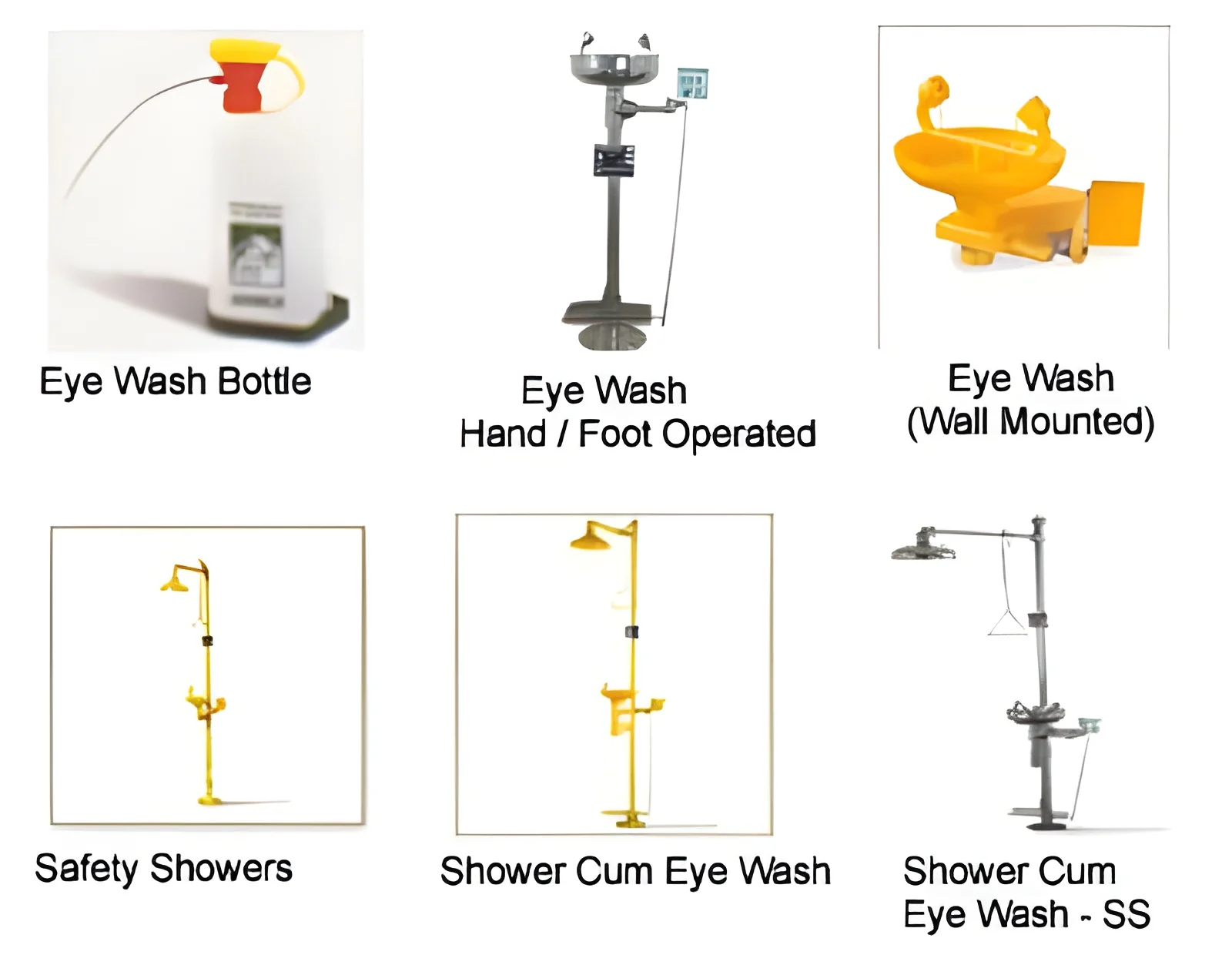
Emergency showers and eyewash stations are available in various configurations to suit different environments and needs.
Portable Emergency Showers: These units are designed for flexibility and mobility, allowing for quick setup in areas where permanent installations are not feasible. They are ideal for temporary work sites or outdoor settings.
Wall-Mounted Eyewash Stations: This variant is designed for easy installation in various locations. It offers a compact solution suitable for laboratories and smaller workspaces where space is limited.
Freestanding Emergency Showers: These are ideal for larger facilities where a permanent installation is needed. They provide a robust solution for immediate access in an emergency.
Combination Units: These systems integrate both showers and eyewash stations in one unit, offering comprehensive coverage for various emergency situations.
Benefits and Advantages
Investing in emergency showers and eyewash stations provides several advantages that contribute to workplace safety.
1. Enhanced Safety: These systems offer immediate response capabilities, reducing the risk of severe injuries from chemical exposure.
2. Compliance Assurance: Proper installation of emergency safety equipment helps organizations meet regulatory requirements and industry standards.
3. Reduced Downtime: Rapid decontamination can minimize downtime caused by accidents, ensuring business continuity.
4. Increased Employee Confidence: Knowing that safety measures are in place helps employees feel secure and valued in their work environment.
5. Cost Savings: Preventing accidents through effective safety equipment can save organizations significant costs associated with medical treatment and lost productivity.
6. Versatility: With various models available, businesses can select the right equipment to fit their specific needs and work environments.
Buying Guide for B2B Buyers
When sourcing emergency showers and eyewash stations, it is crucial to consider several key factors to ensure the right choice for your business needs.
1. Quality Assessment: Evaluate the materials and construction of the units to ensure durability and reliability. Look for products that meet industry safety standards.
2. Supplier Verification: Vet potential suppliers thoroughly. Check their track record, customer reviews, and compliance with safety regulations.
3. Pricing and MOQ: Understand the pricing structure and minimum order quantities to ensure that the purchase aligns with your budget and needs.
4. Delivery and Lead Times: Discuss delivery options and lead times with suppliers to ensure timely installation and avoid potential delays in emergency readiness.
5. Compliance Requirements: Familiarize yourself with relevant local and industry-specific regulations to ensure that the equipment meets all required standards.
Compliance and Certifications
Emergency showers and eyewash stations are subject to various compliance and certification standards to ensure safety and reliability.
ISO 9001: This quality management standard ensures that manufacturers adhere to consistent quality control processes throughout production.
CE Certification: This indicates that the product meets European safety, health, and environmental protection standards. It is essential for products sold in the European market.
Safety and Testing Requirements: Regular testing of emergency equipment is crucial to verify functionality. Compliance with ANSI Z358.1 ensures that the systems meet performance criteria for emergency use.
Regional Compliance Considerations: Depending on the location, specific safety regulations may apply. It is essential to be aware of local laws governing workplace safety and emergency preparedness.
Why Source Emergency Showers & Eyewash Stations from Pepagora?
Pepagora provides a trusted platform for sourcing emergency showers and eyewash stations, ensuring a seamless buying experience for B2B buyers.
Verified Supplier Network: Pepagora connects buyers with a network of verified suppliers, ensuring that all products meet quality and safety standards. This verification process helps mitigate risks associated with supplier reliability.
Streamlined RFQ Process: The request for quotation (RFQ) system simplifies the procurement process. Buyers can easily compare quotes from multiple suppliers, facilitating informed decision-making.
Trade Assurance and Support: Pepagora offers buyer protection through trade assurance policies, ensuring that transactions are secure. Support services are available to assist buyers throughout the sourcing process.
Regional Coverage: With a strong presence in India, the GCC, and Southeast Asia, Pepagora is well-positioned to meet the sourcing needs of businesses across diverse markets. This regional coverage ensures timely delivery and support for local buyers.

 IN
IN