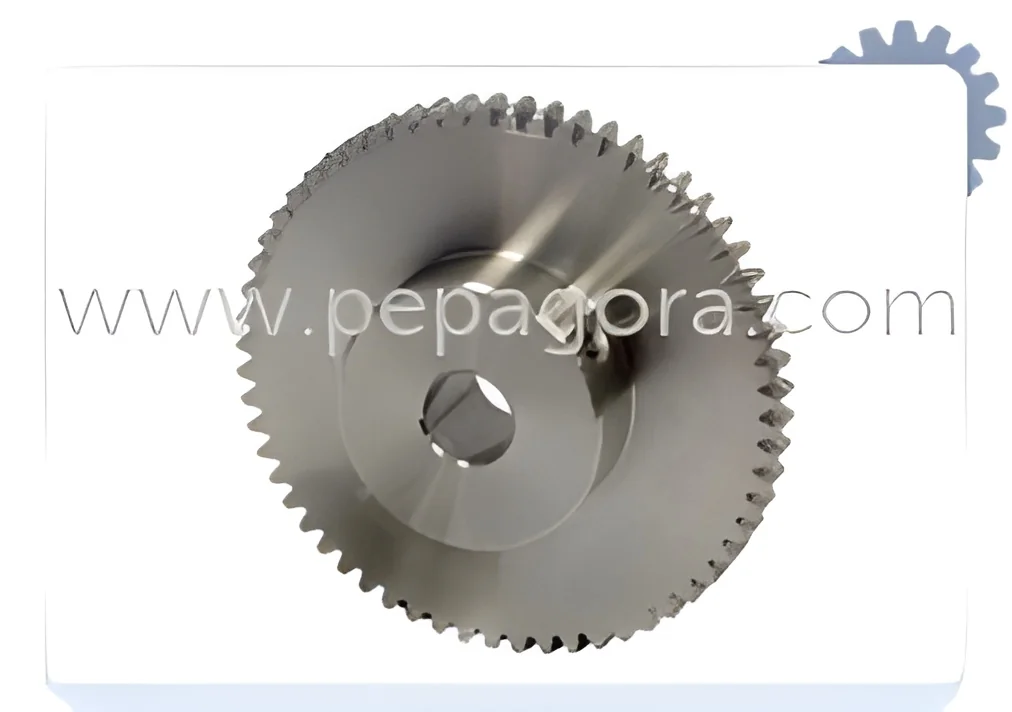
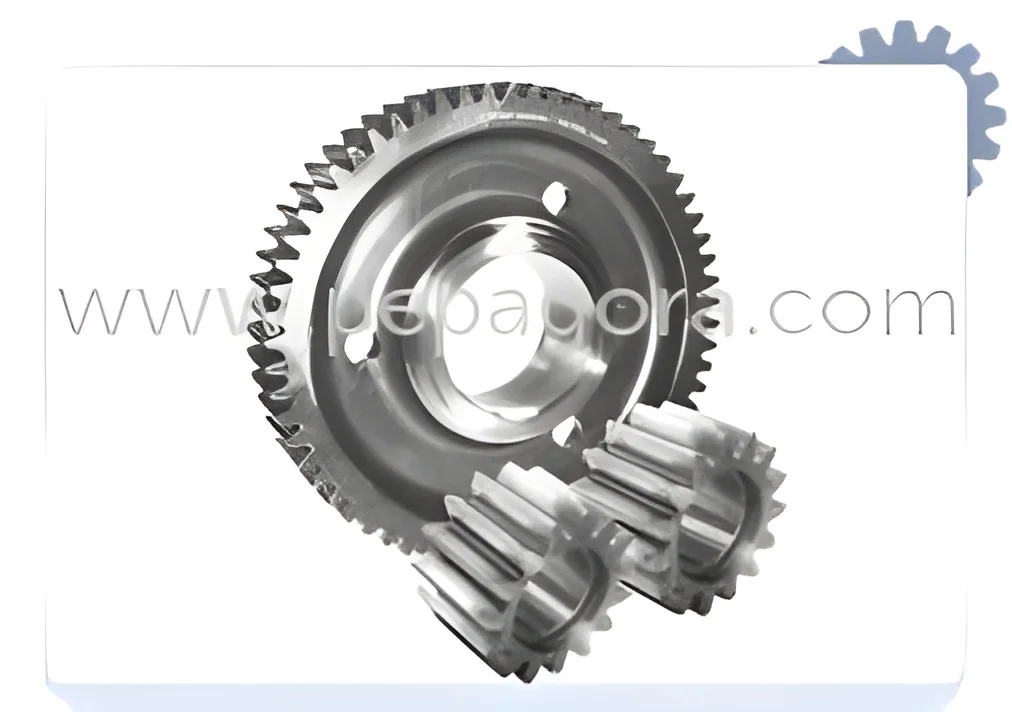
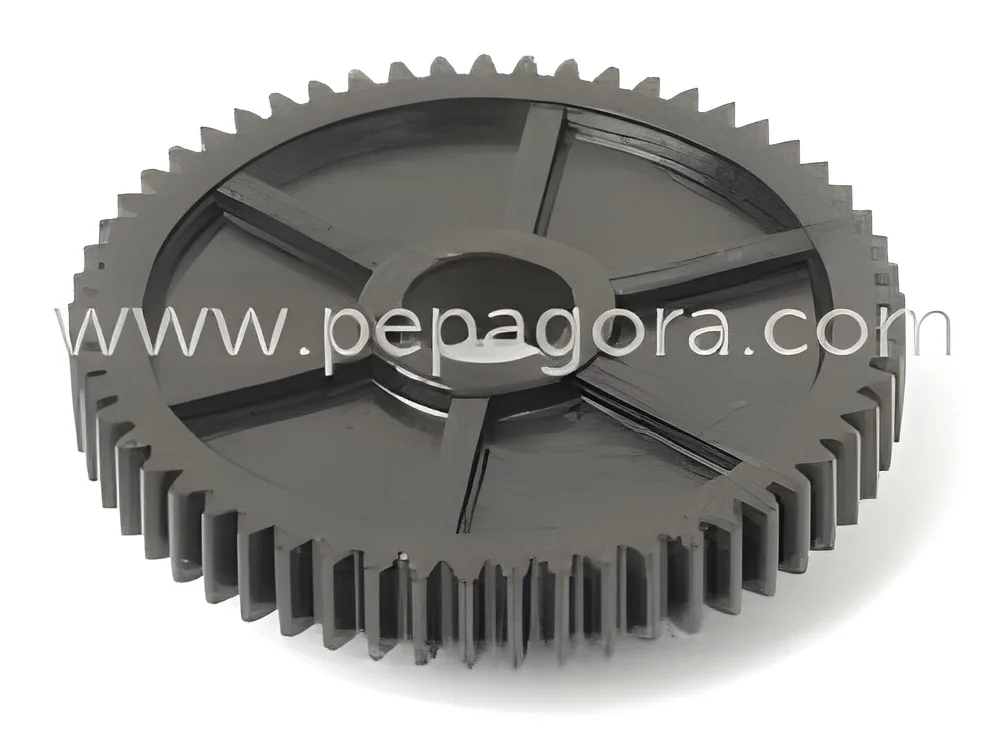
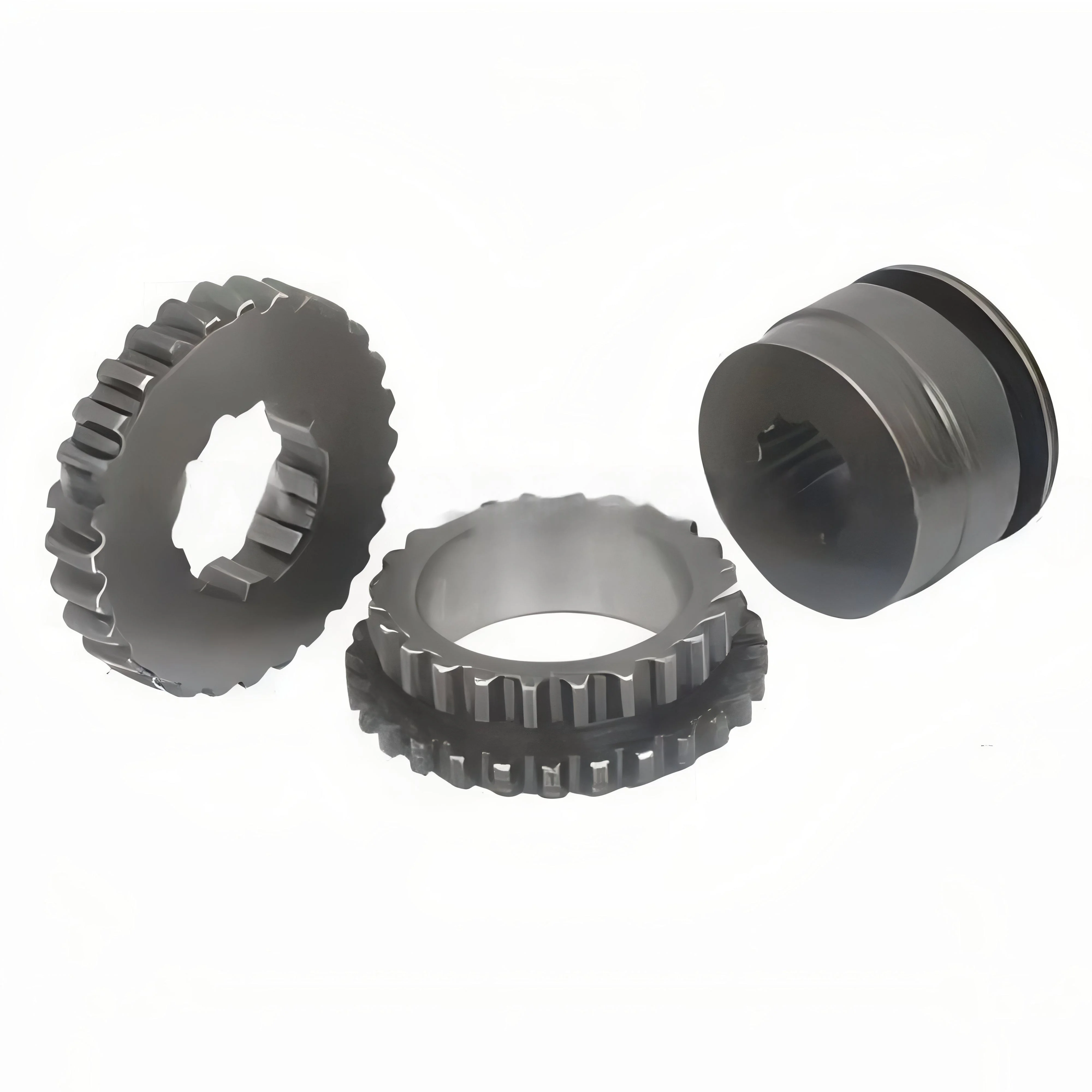
What are Other Gears?
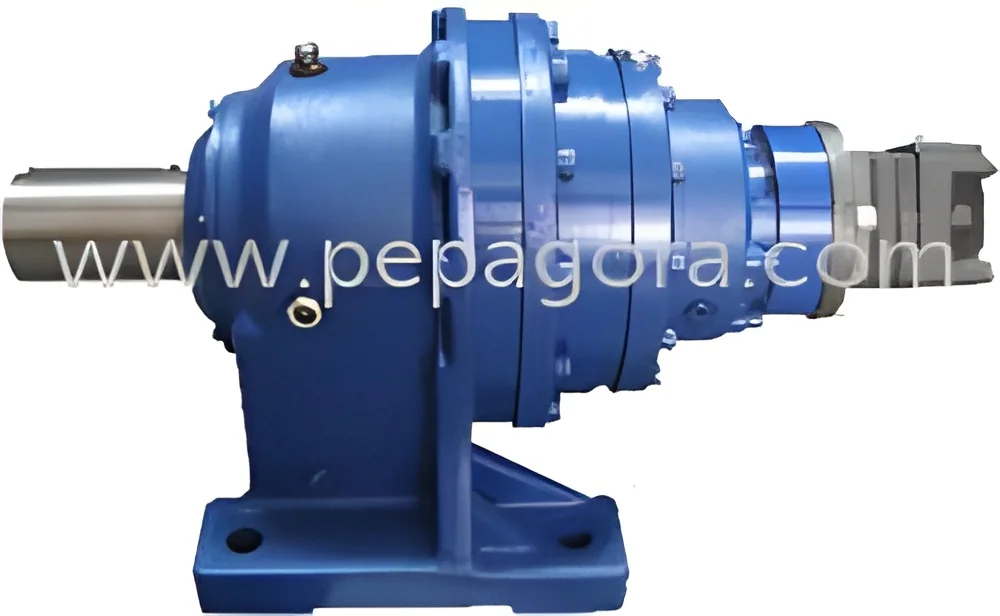
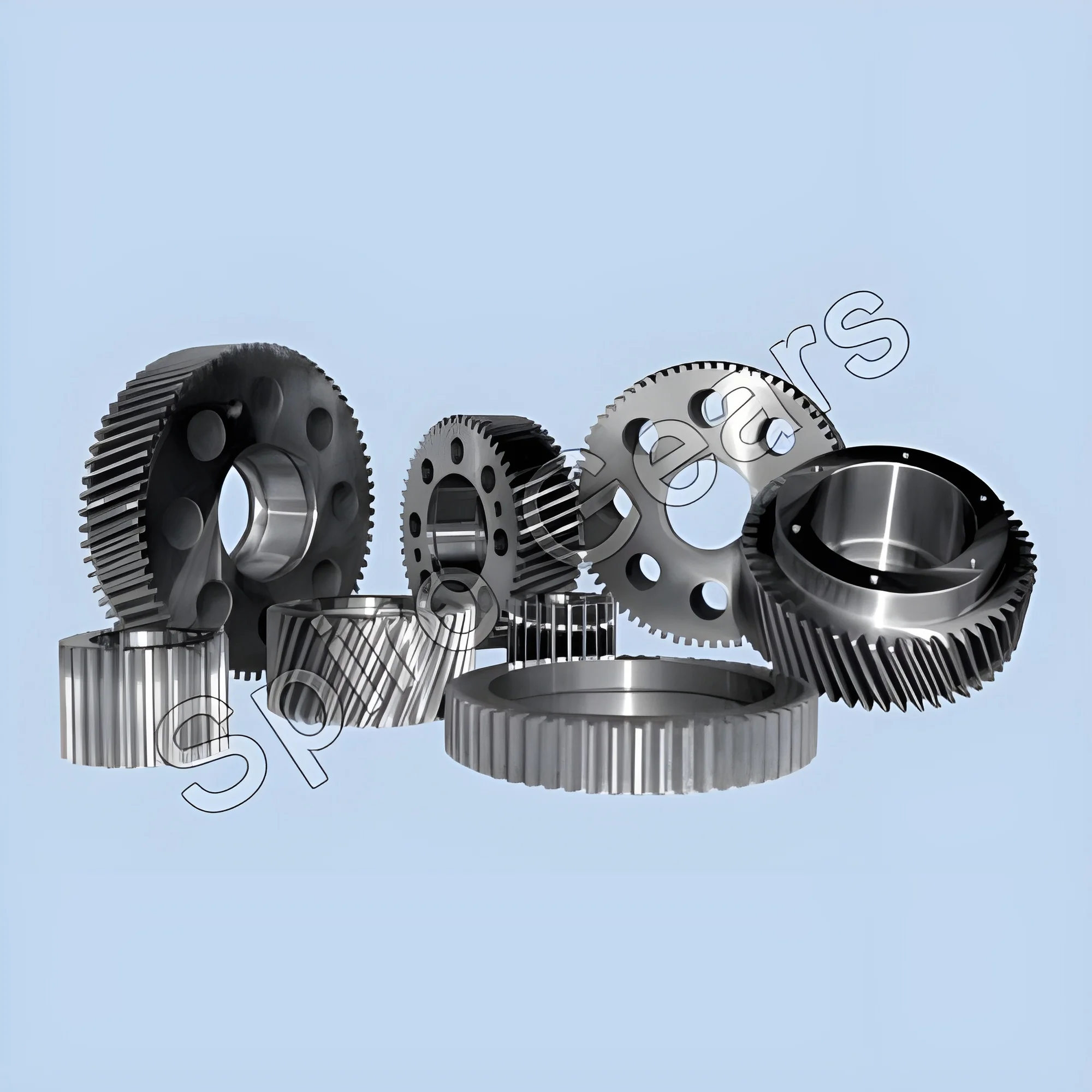
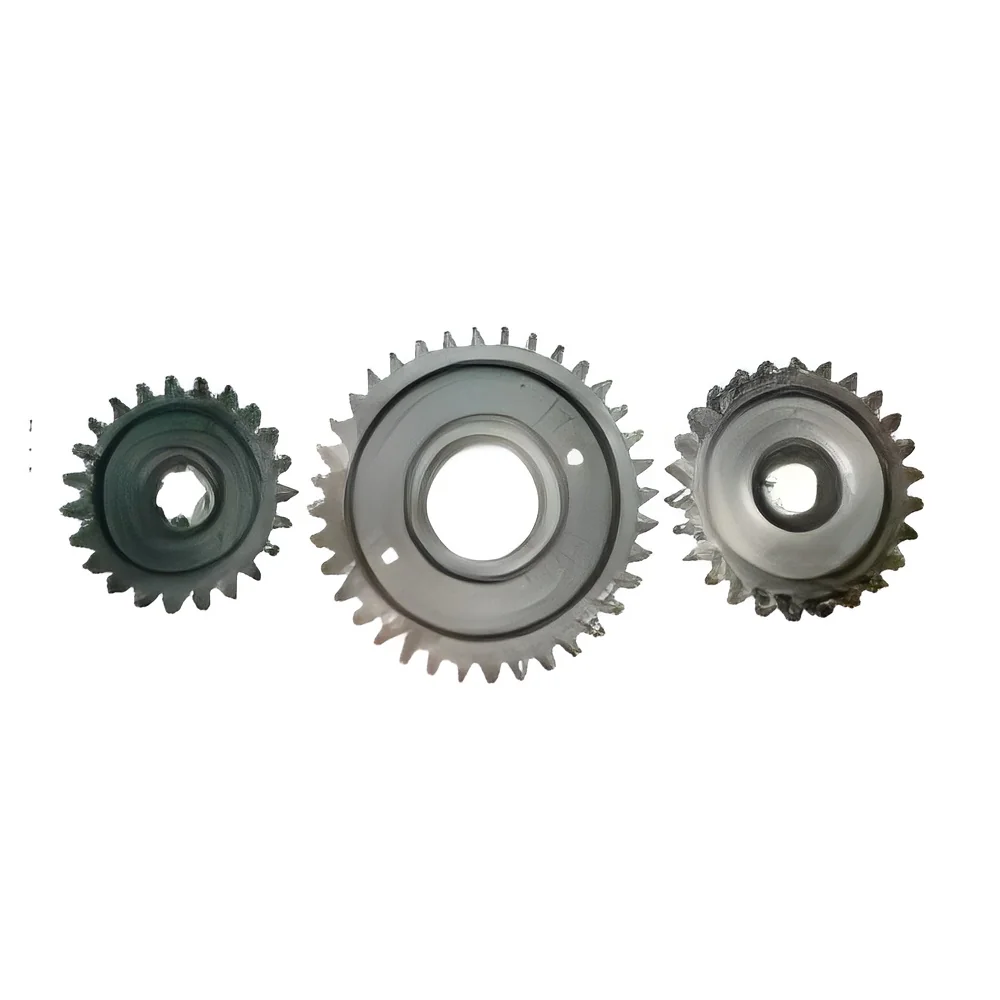
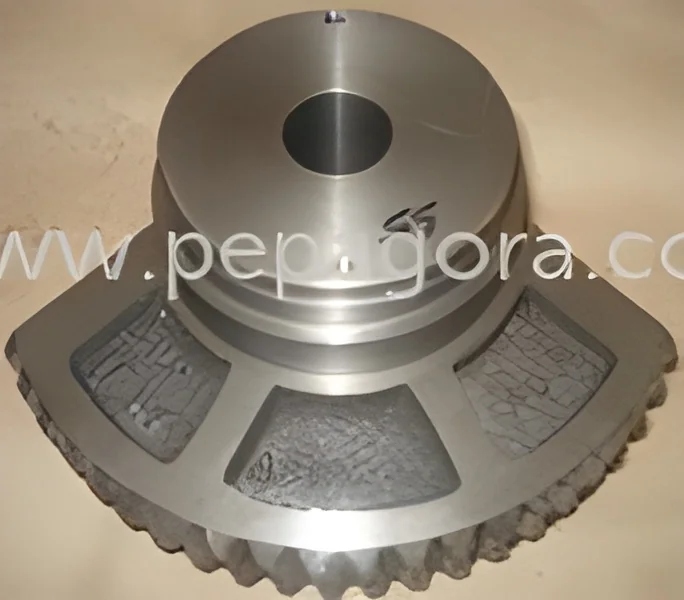
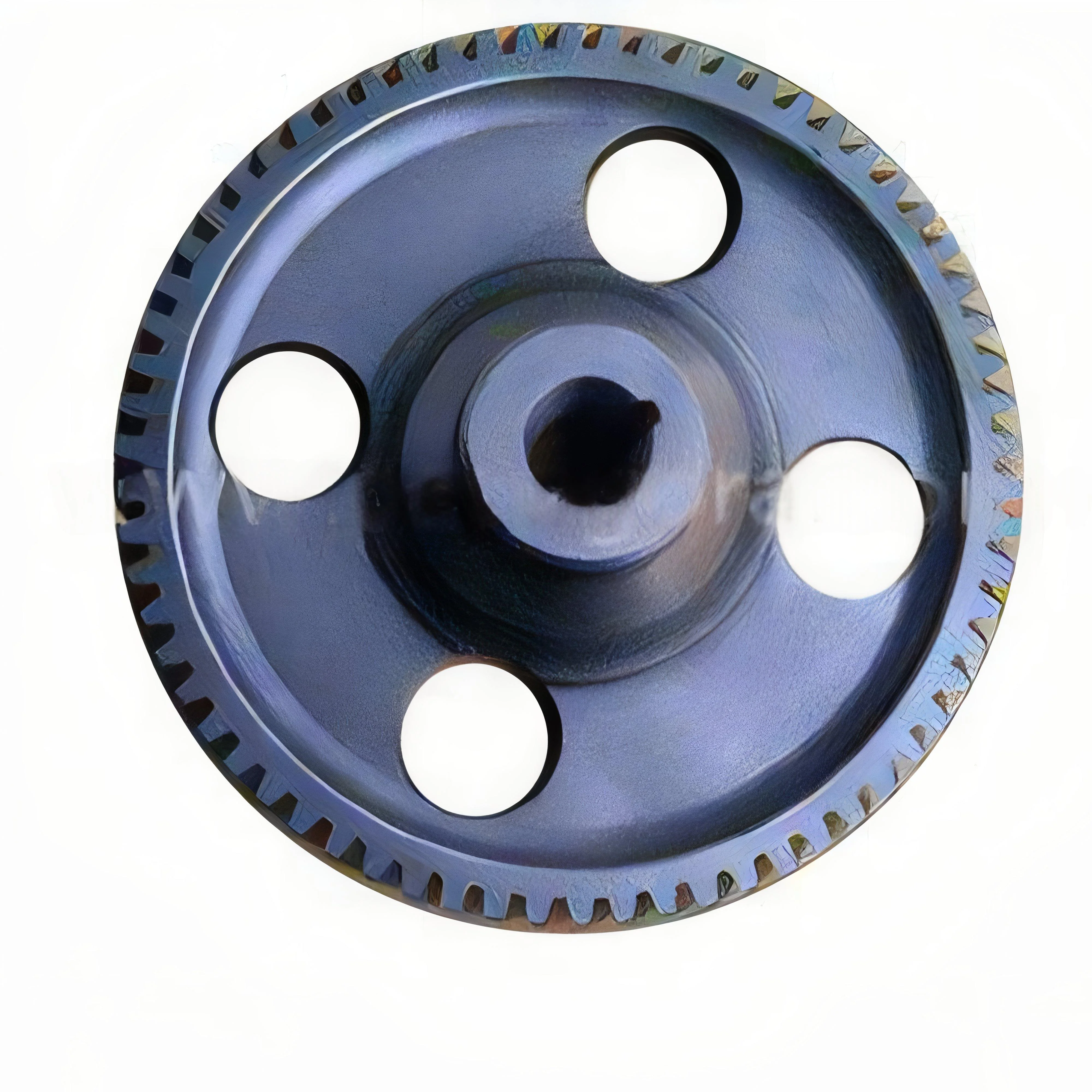
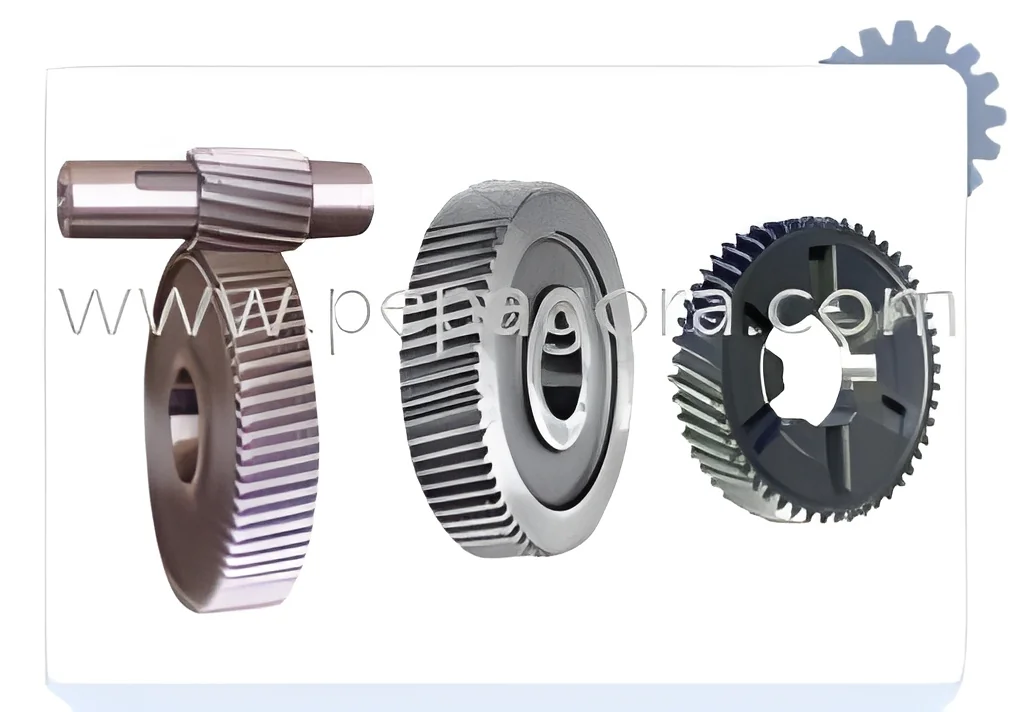
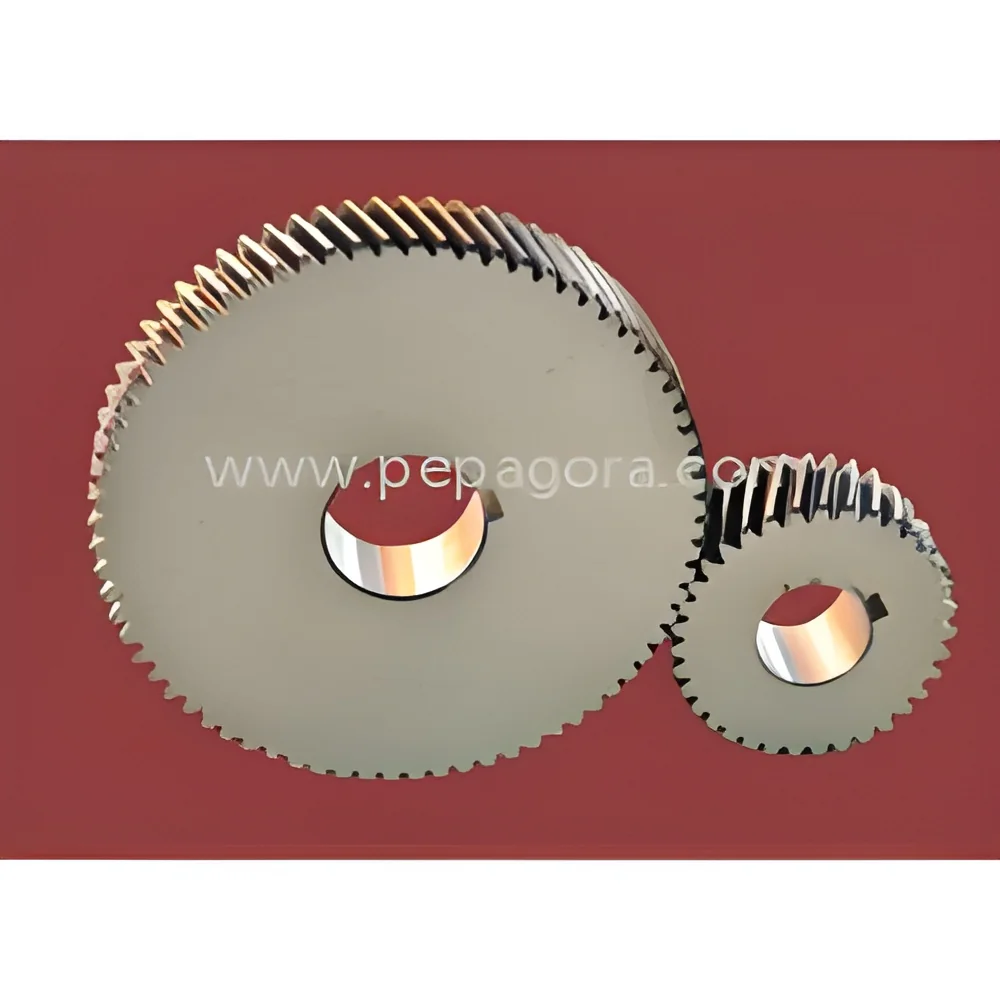
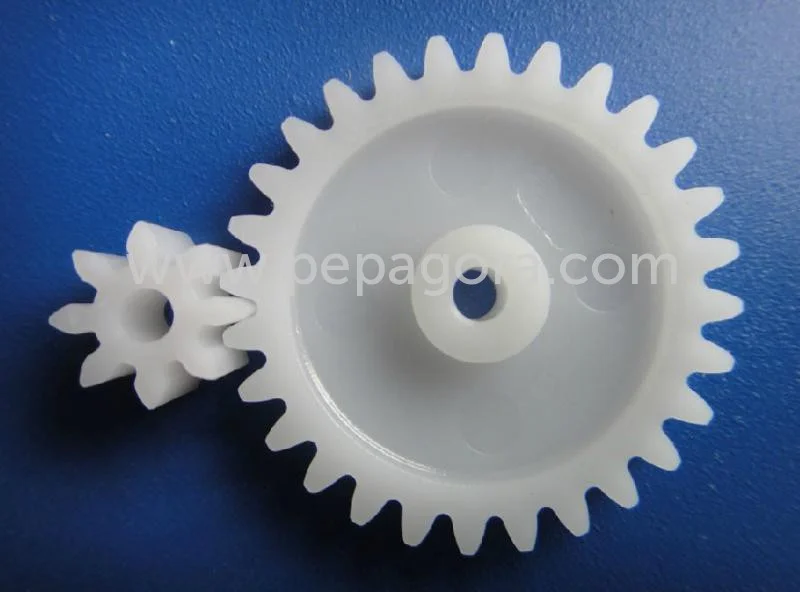
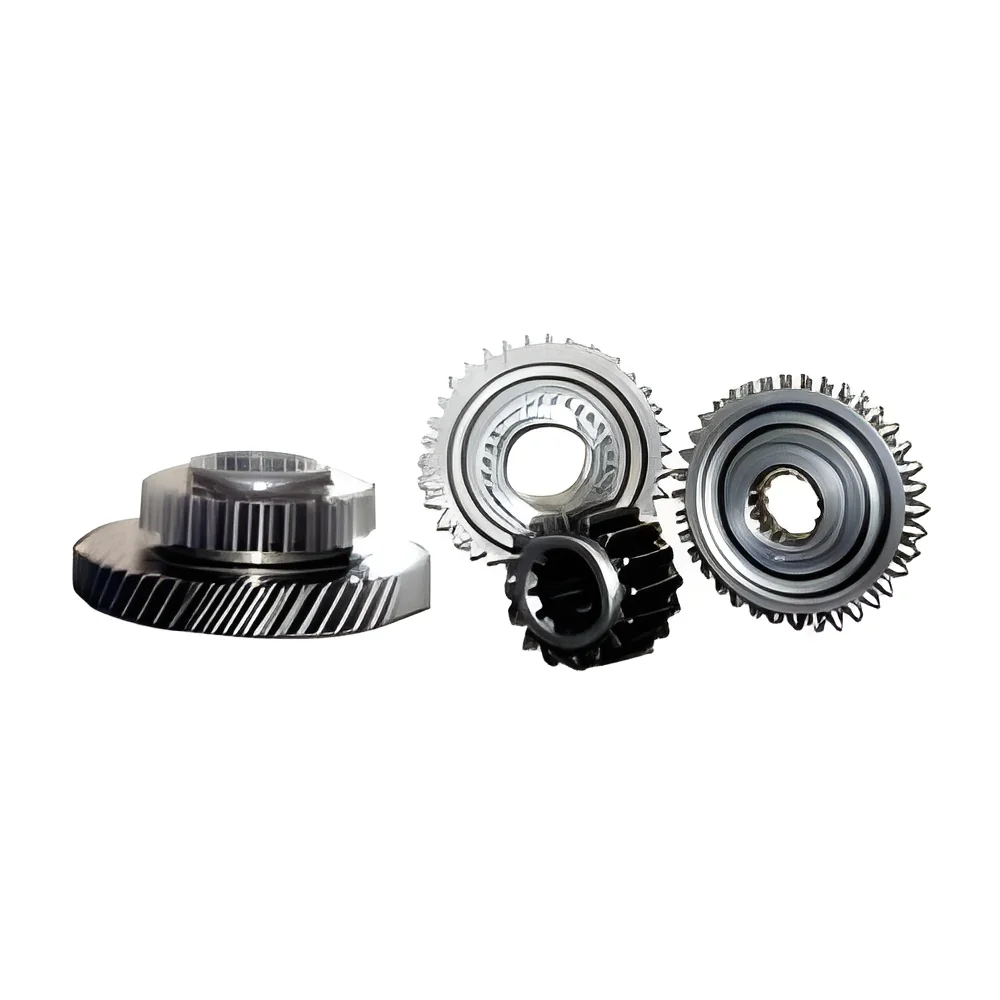
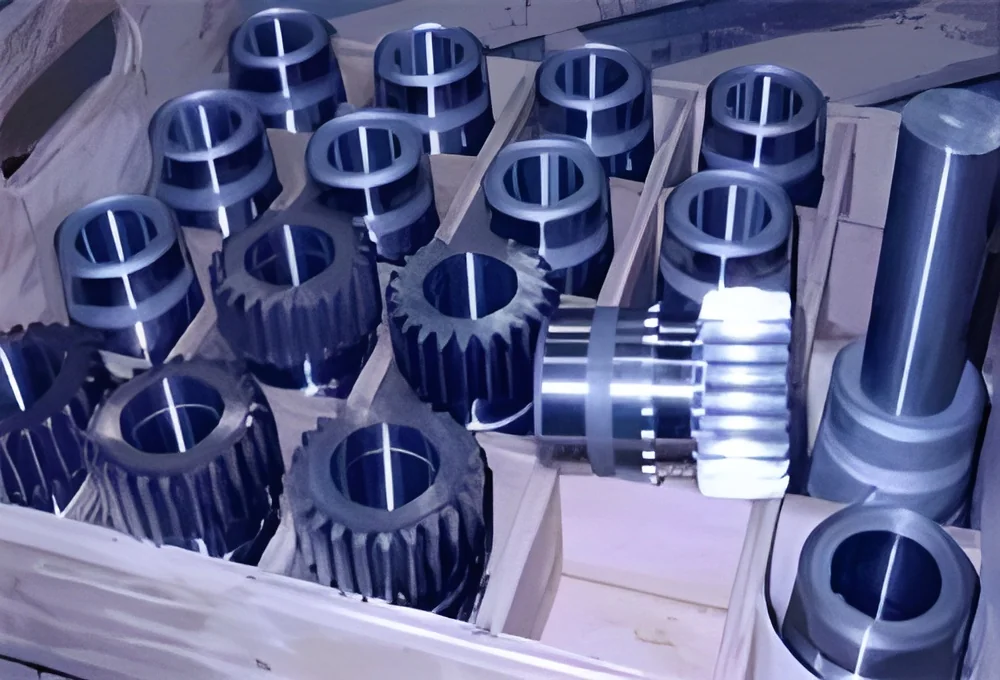
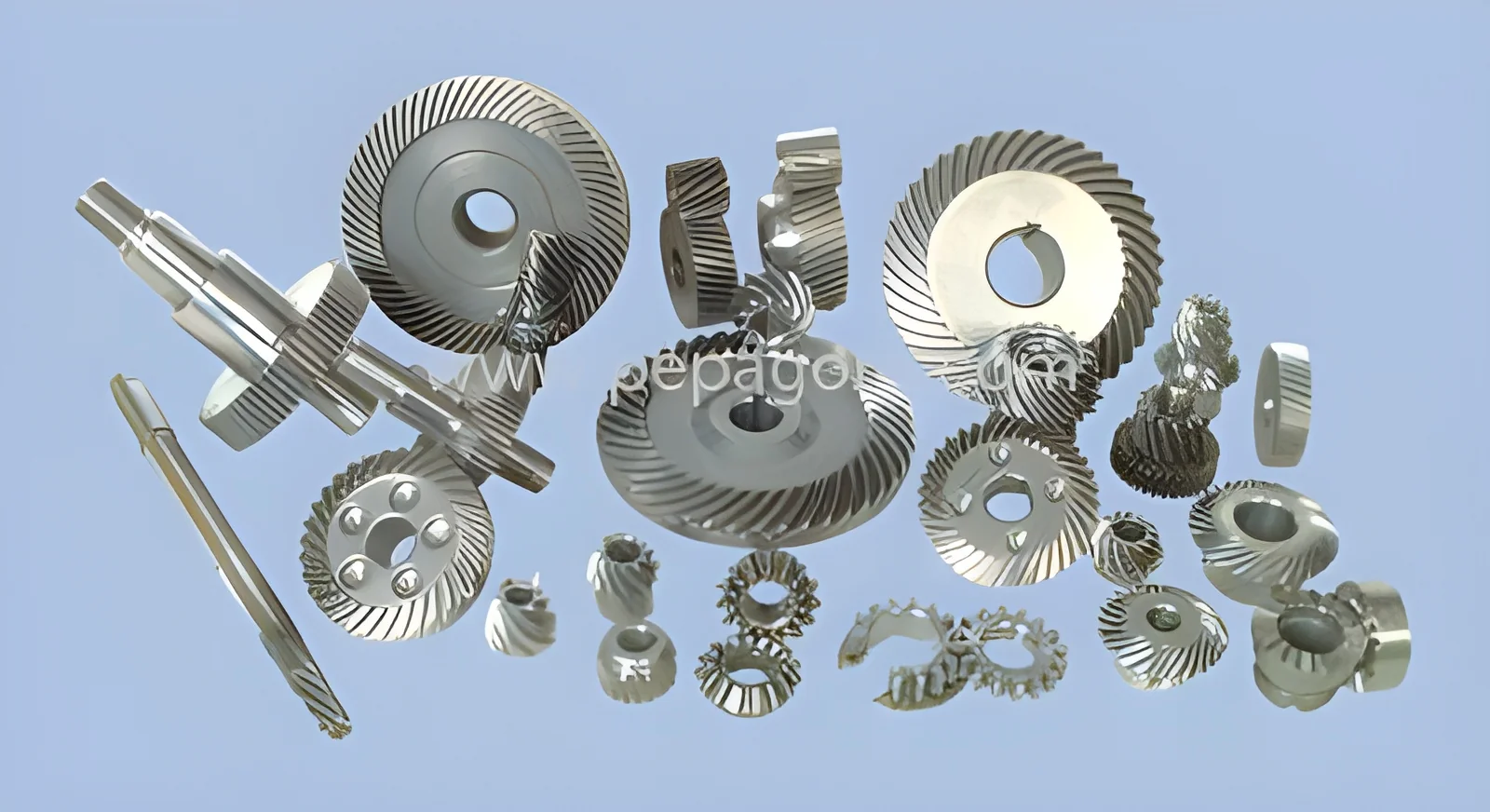
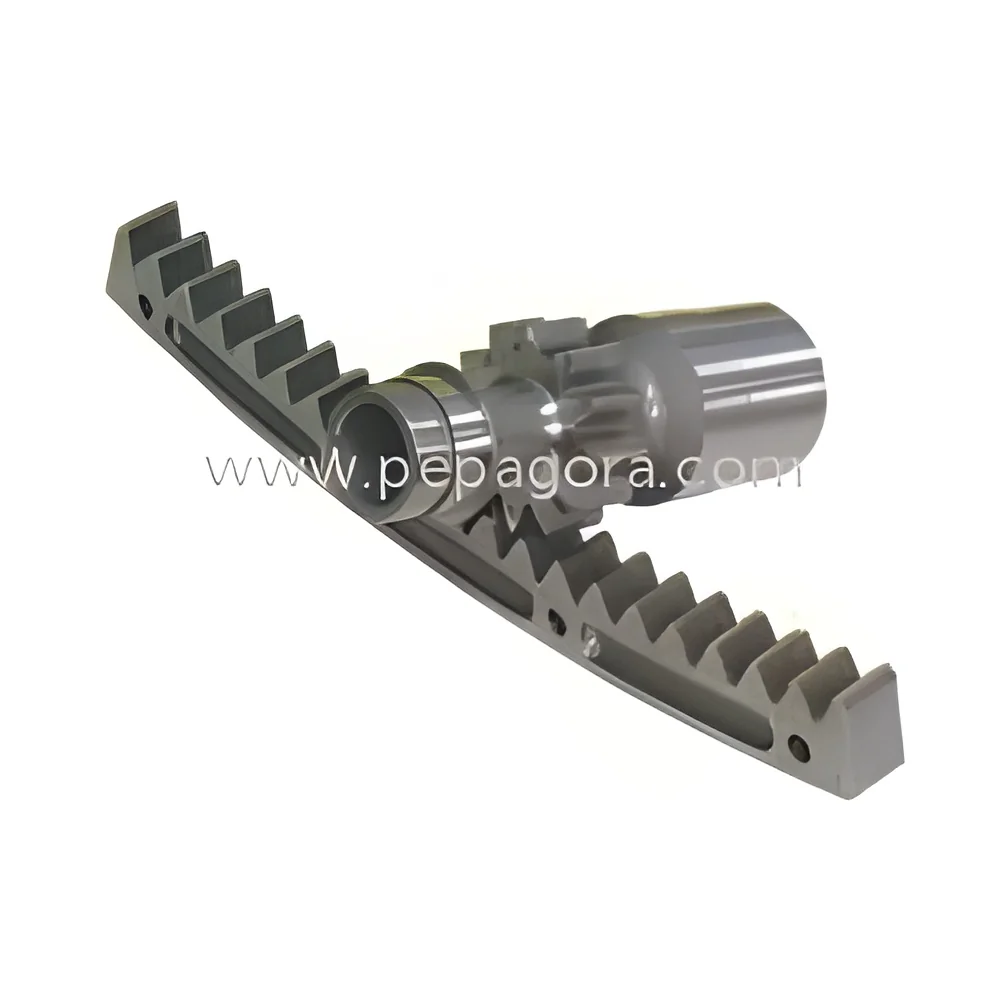
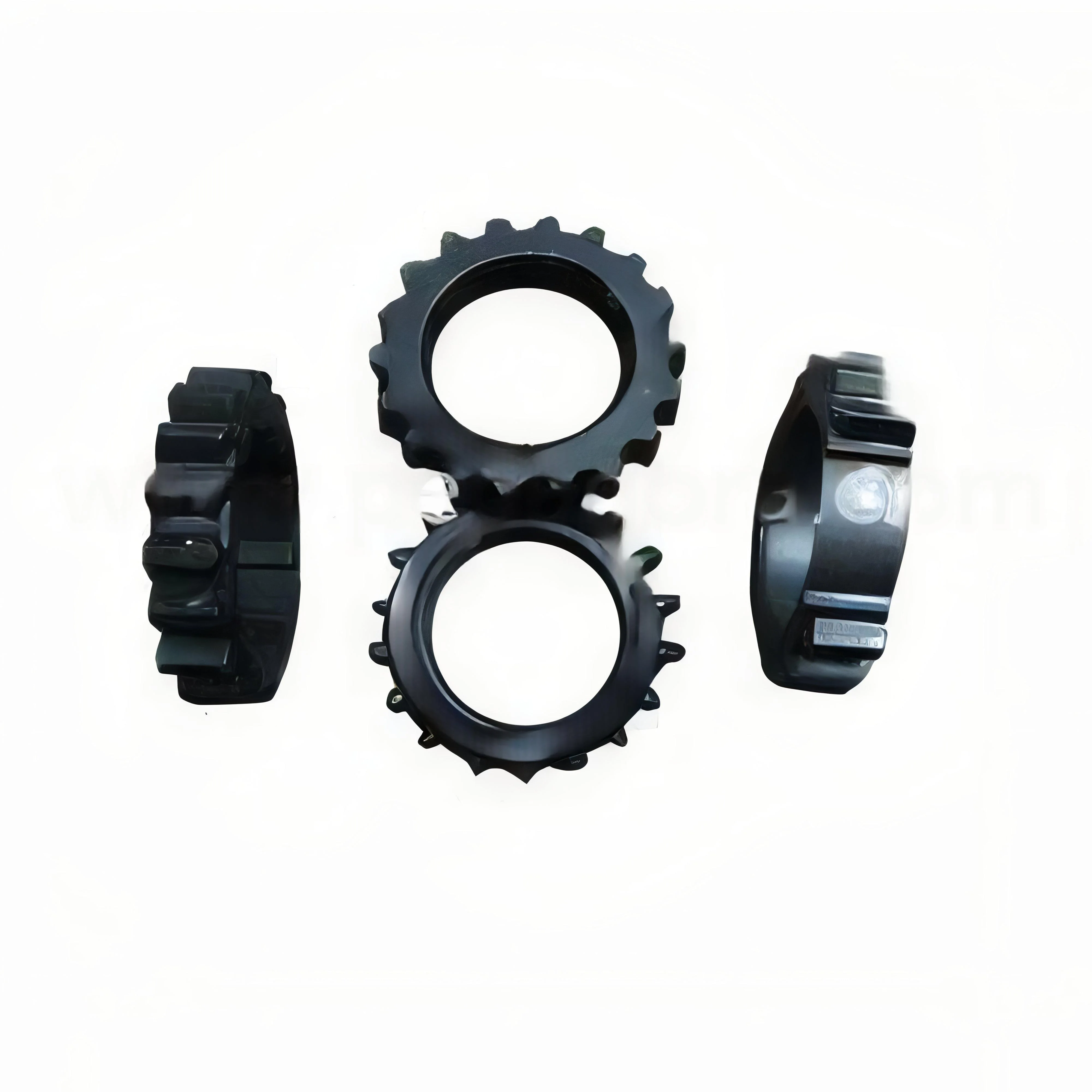
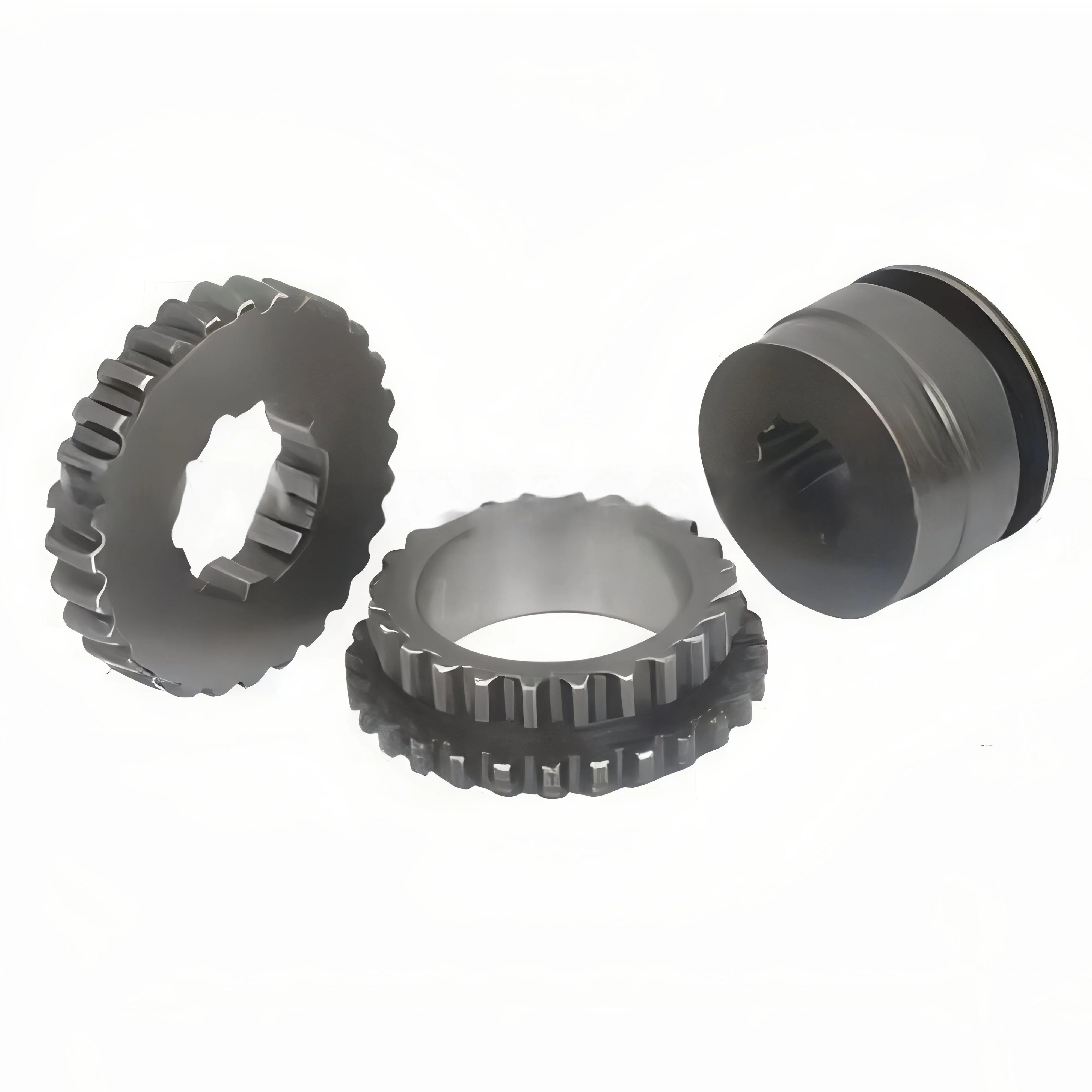
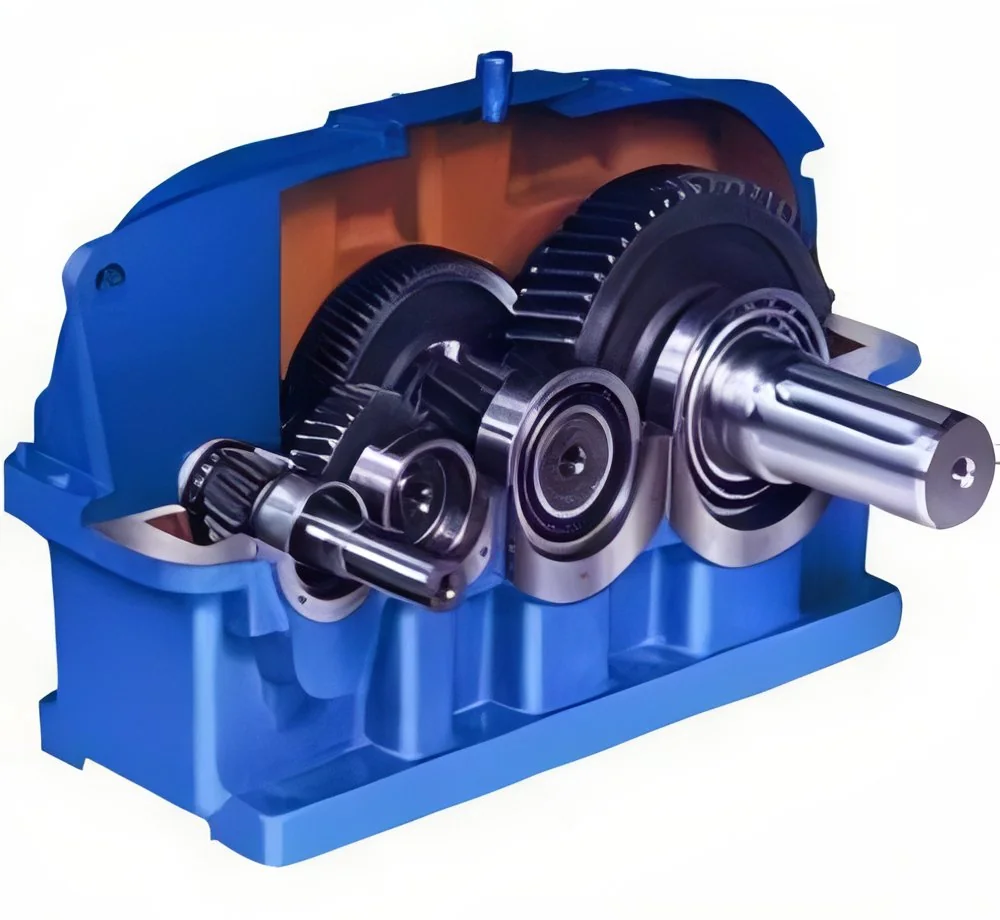
Other gears are mechanical components used in a wide range of machinery to transmit power and motion. These gears differ from standard gear types in that they encompass a variety of unique designs and functions tailored for specific applications. Their construction and configuration can vary significantly based on the requirements of the machinery they serve, which may not fall into traditional gear categories.
The primary uses of other gears can be found across diverse industries including manufacturing, automotive, and aerospace. They play a crucial role in applications where standard gears may not provide the necessary performance or adaptability. For instance, they can be used in conveyor systems, robotics, and specialized machinery where precise motion control is essential. The industry relevance of other gears continues to grow as technological advancements lead to increased demand for custom solutions to meet unique operational challenges.
Key Features and Specifications
Other gears come with a variety of features and specifications that make them suitable for different applications. These features can influence their performance, durability, and compatibility with other machinery components.
Key specifications include:
1. Material Composition
- Typically made from steel, aluminum, or plastic materials for durability.
- Variability in composition allows customization for specific environments.
2. Gear Ratio
- Defines the relationship between the input and output speeds.
- Can range from low to high ratios depending on application requirements.
3. Load Capacity
- Indicates the maximum load the gear can handle without failure.
- Varies based on size and material used.
4. Operating Temperature Range
- Specifies the temperatures the gear can function effectively.
- Data not available for specific temperature ranges.
5. Precision Level
- Refers to the accuracy of the gear's dimensions and tolerances.
- Higher precision gears are essential for applications requiring tight tolerances.
6. Endurance Rating
- Measures the gear's lifespan under specific operational conditions.
- Important for applications that require long-term reliability.
7. Design Flexibility
- Ability to customize dimensions and features based on unique requirements.
- Offers solutions for specialized applications.
8. Compliance Standards
- Must meet specific industry standards such as CE certification.
- Ensures safety and effectiveness in application.
Understanding these specifications helps buyers select the right gears for their needs, ensuring optimal performance and reliability.
Common Applications and Use Cases
Other gears are utilized across various industries, reflecting their versatility and adaptability in different settings.
1. Manufacturing: Used in assembly lines and conveyor systems to facilitate the movement of materials efficiently.
2. Automotive: Essential components in vehicle transmissions, enabling the transfer of power from the engine to the wheels.
3. Aerospace: Implemented in aircraft systems for precise control and movement of various components.
4. Robotics: Integral to robotic arms and automation systems, allowing for accurate motion and task execution.
5. Mining: Used in heavy machinery for extracting minerals, providing durability under extreme conditions.
6. Agriculture: Found in farm equipment like tractors where power transmission is crucial for operation.
7. Marine: Utilized in ship machinery for propulsion and steering, ensuring reliability in harsh environments.
Product Variants and Subcategories
The diversity of other gears allows them to be tailored for specific functions and applications. While specific subcategories are not available, several variants can be highlighted based on common features.
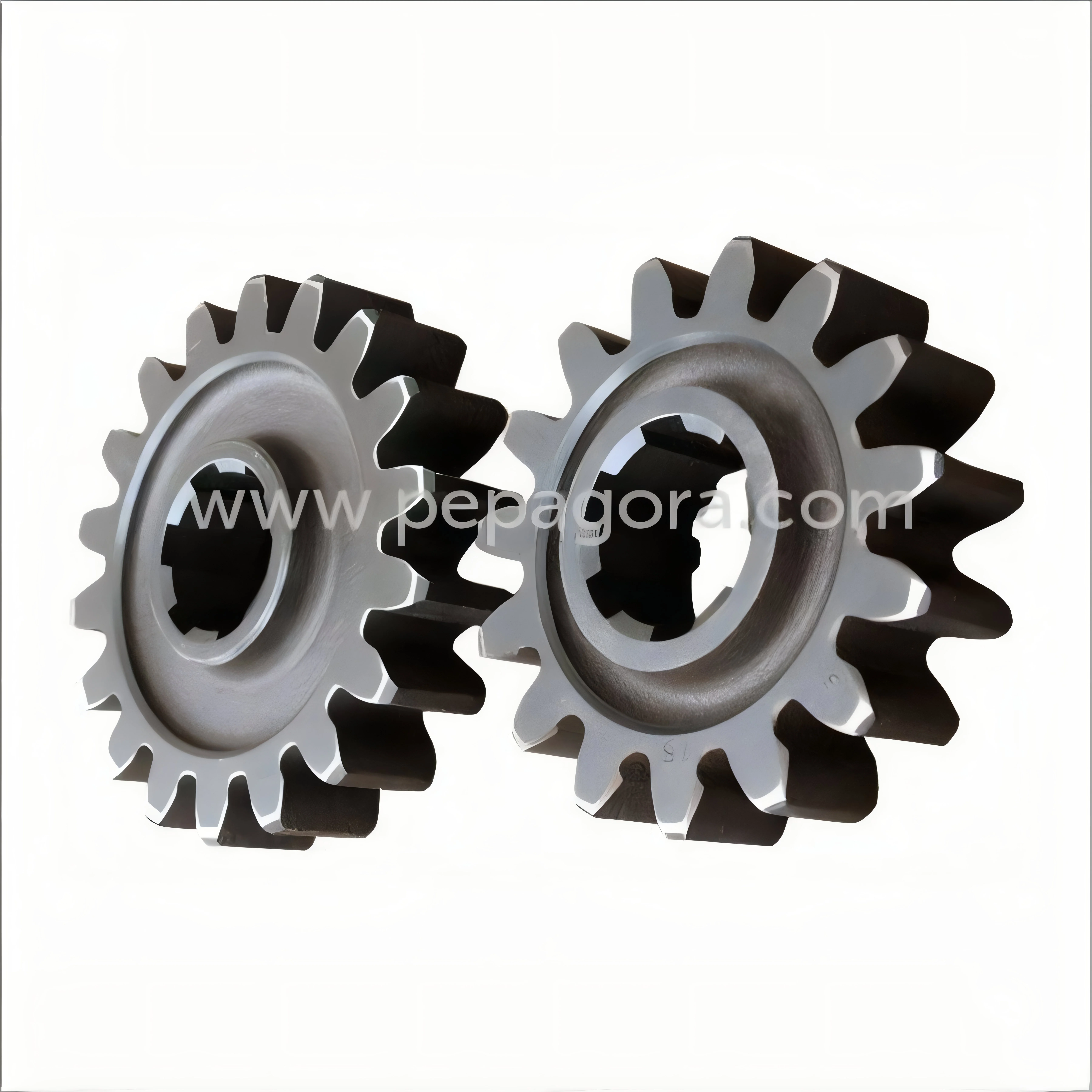
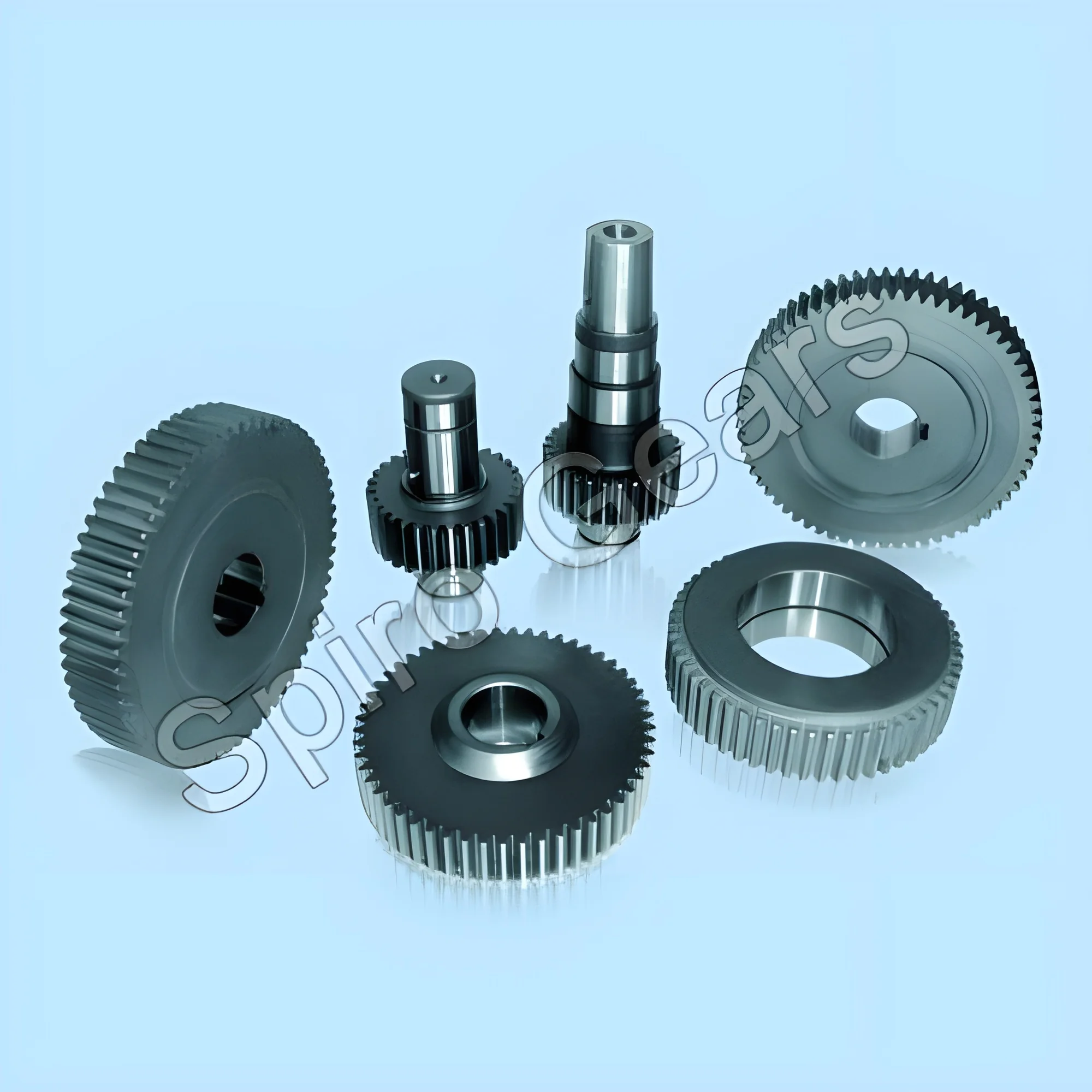
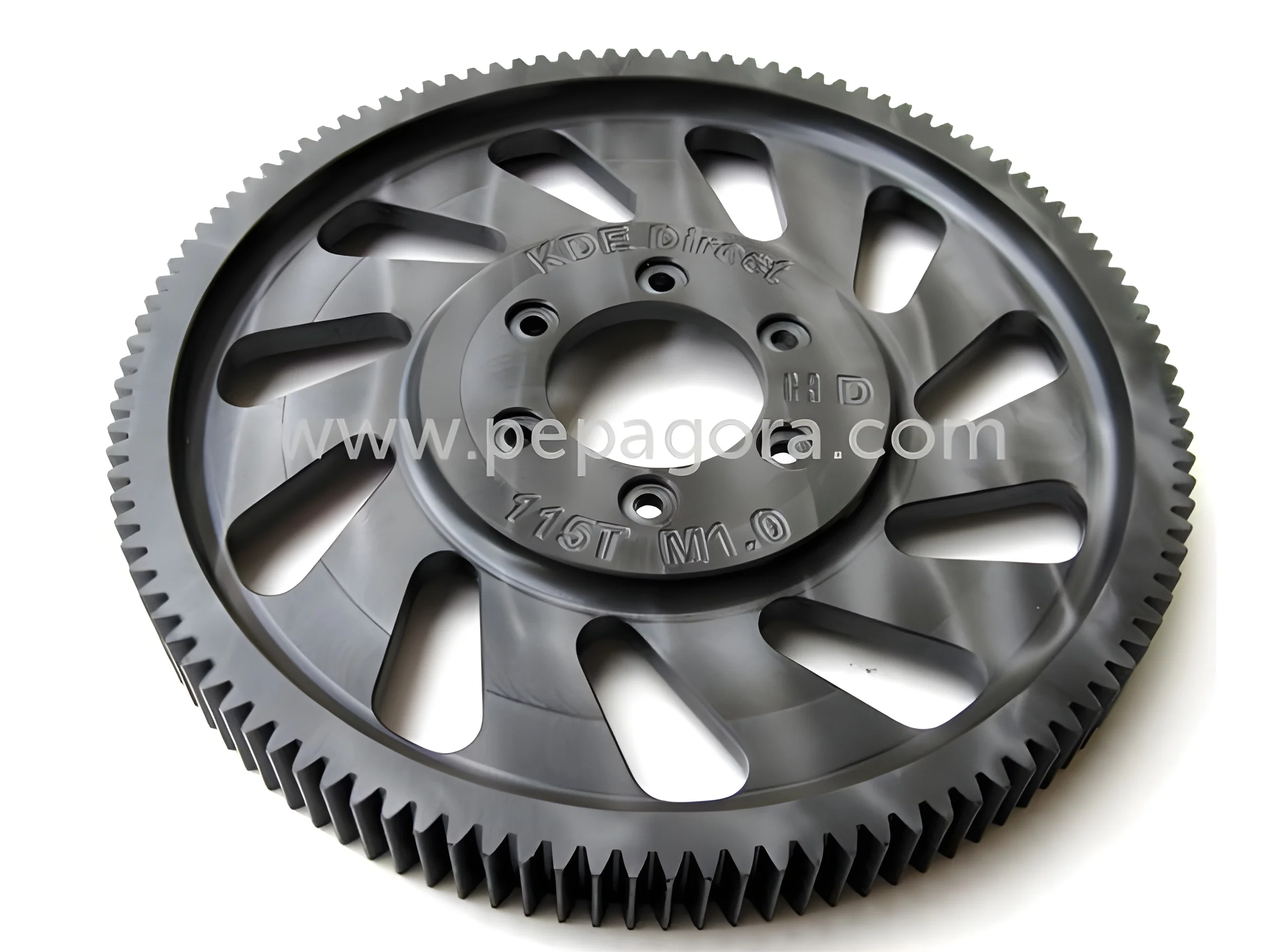
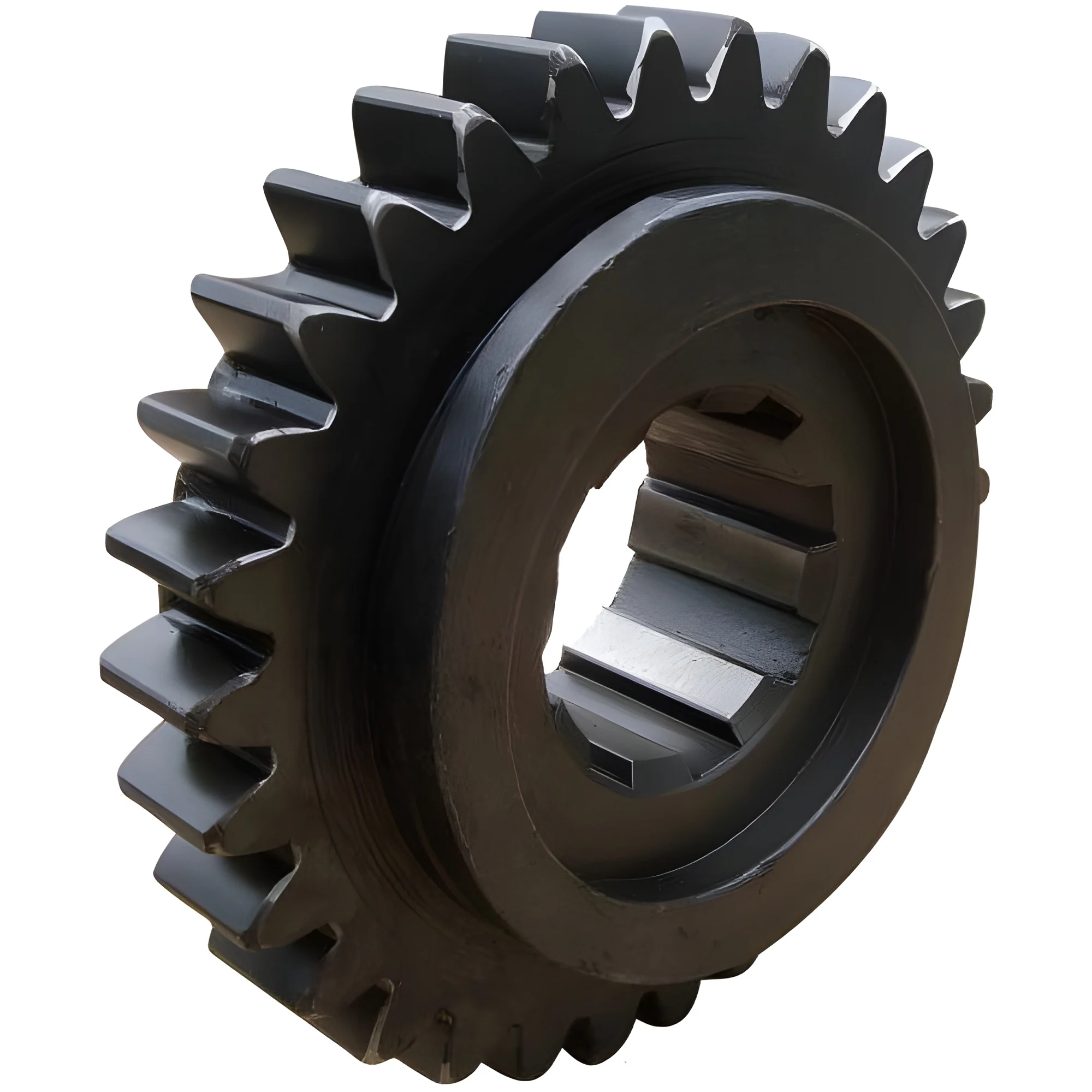
Spur Gears: These are the most common type of other gears, featuring straight teeth that are parallel to the axis of rotation. They are widely used in various machinery for efficient power transmission.
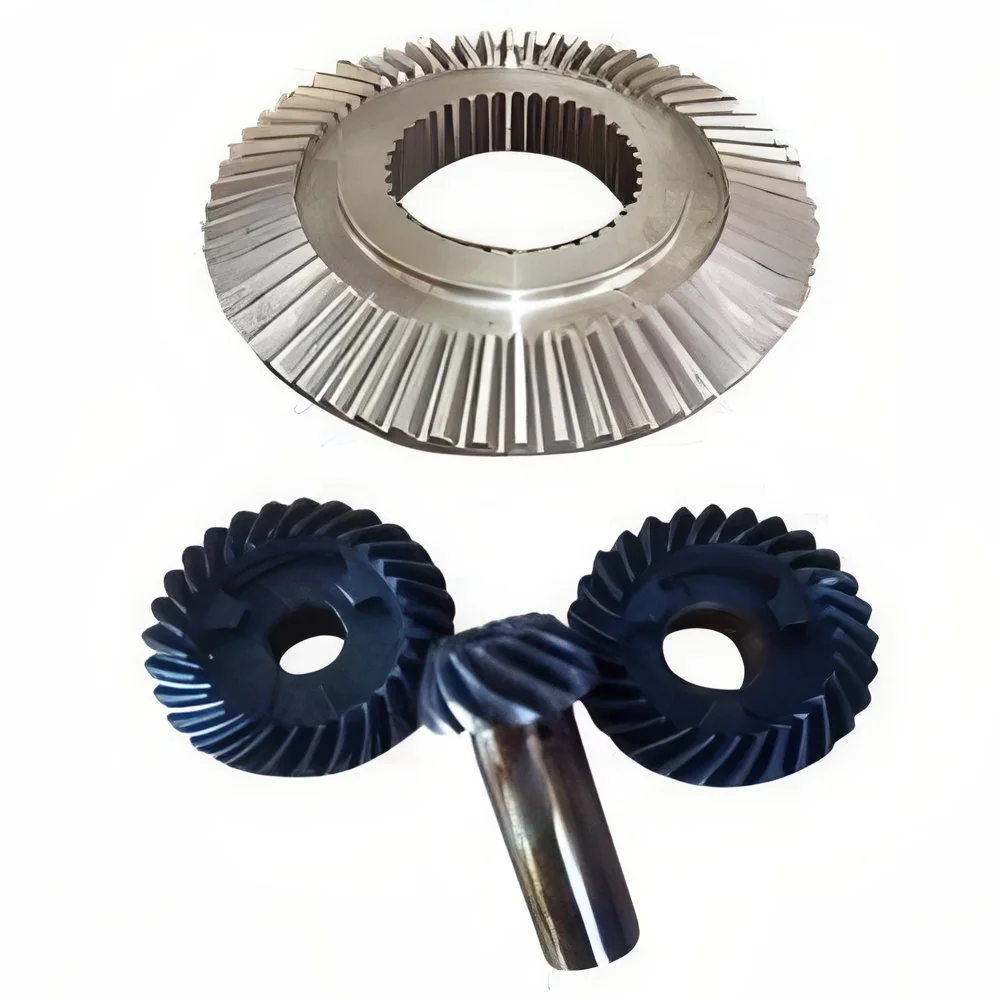
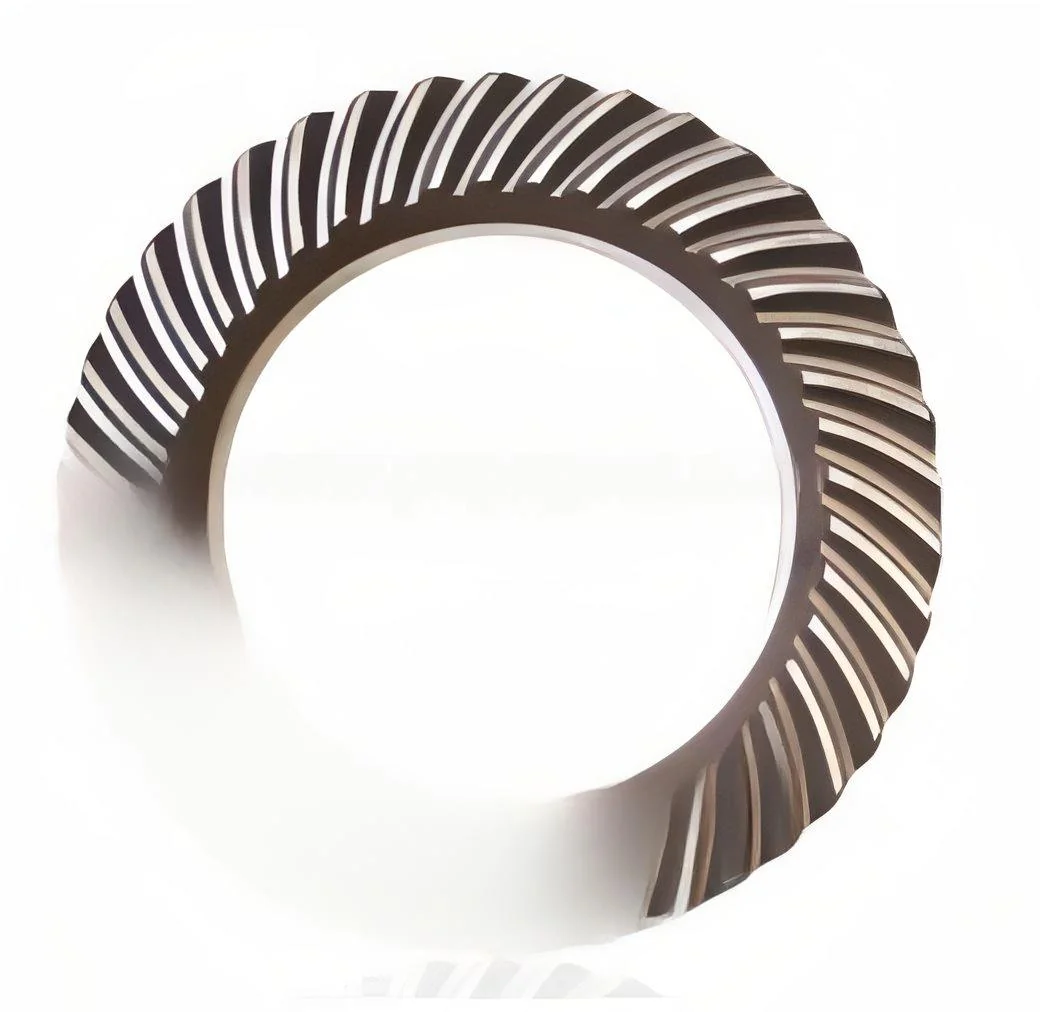
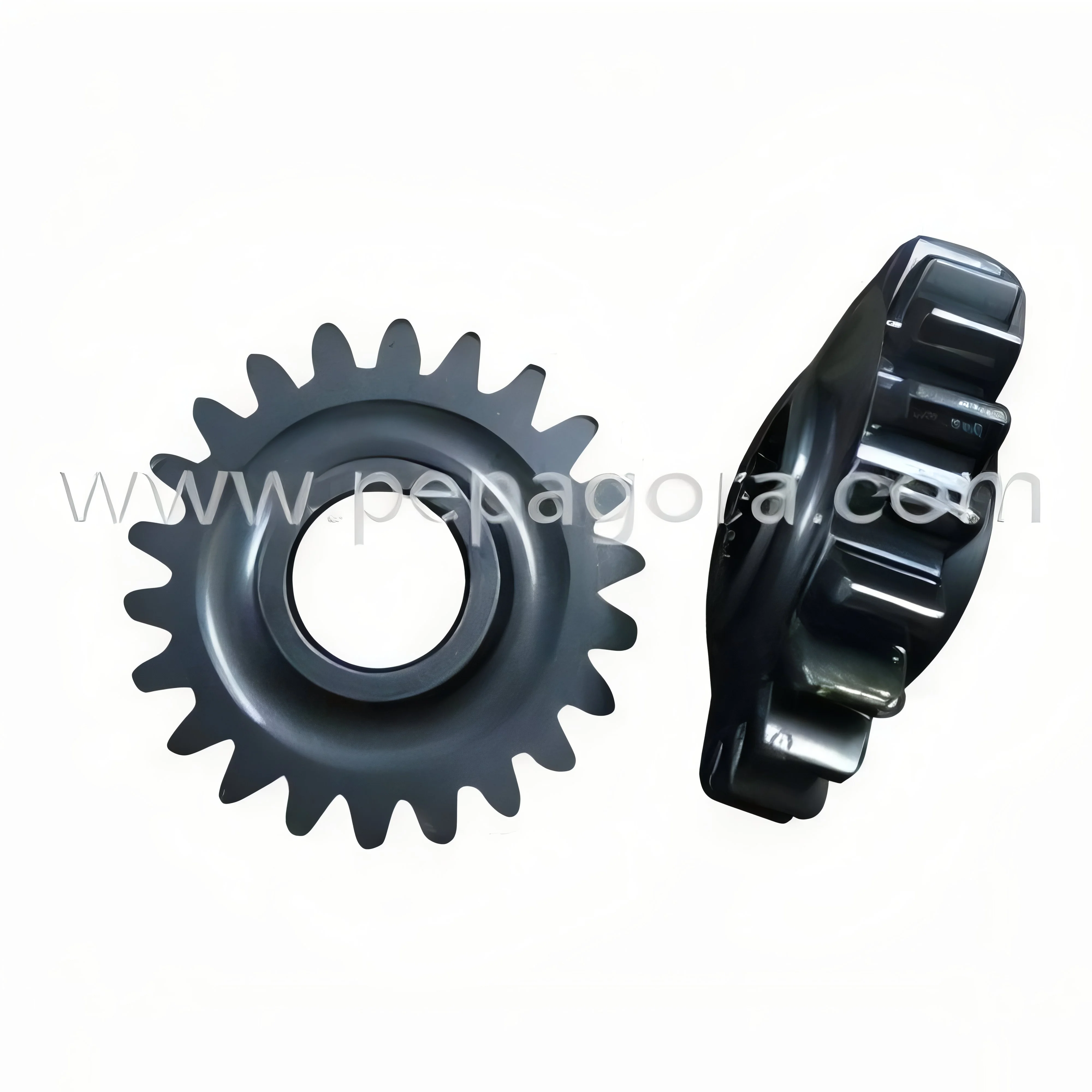
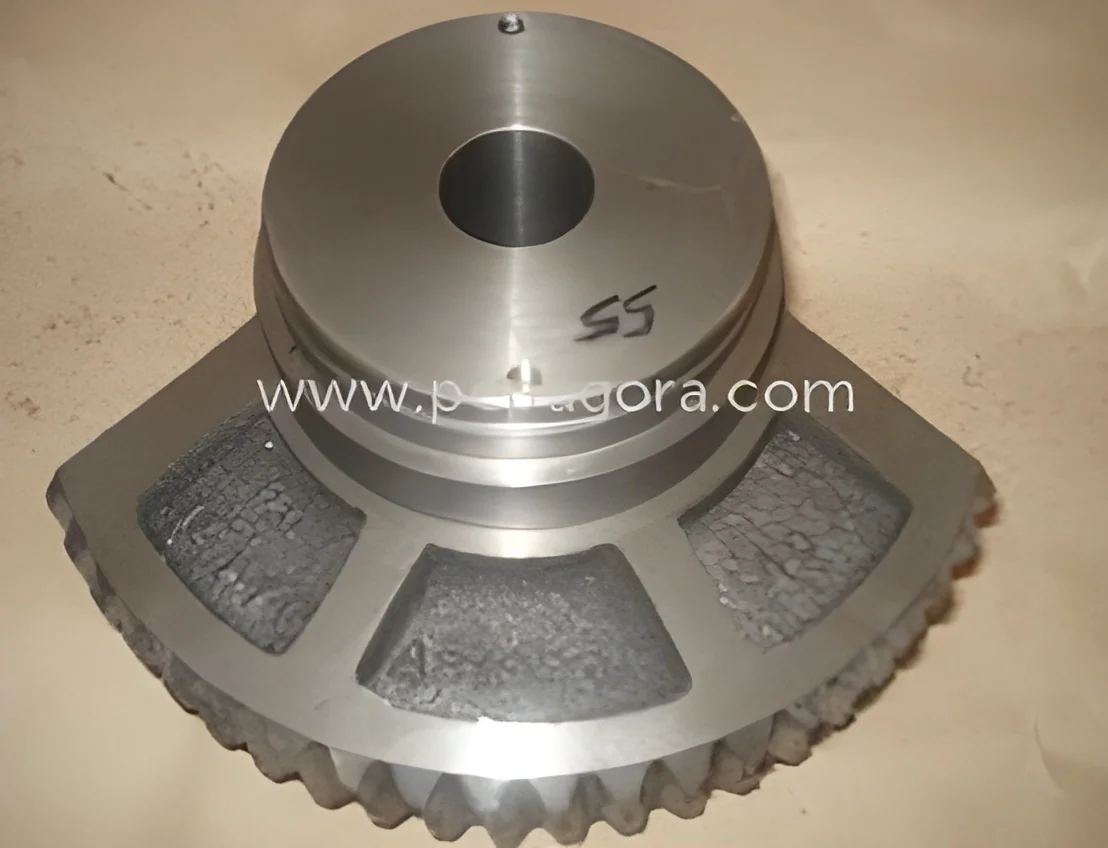
Bevel Gears: Used to transmit power between shafts that are at an angle to each other. These gears are essential in applications like automotive differentials.
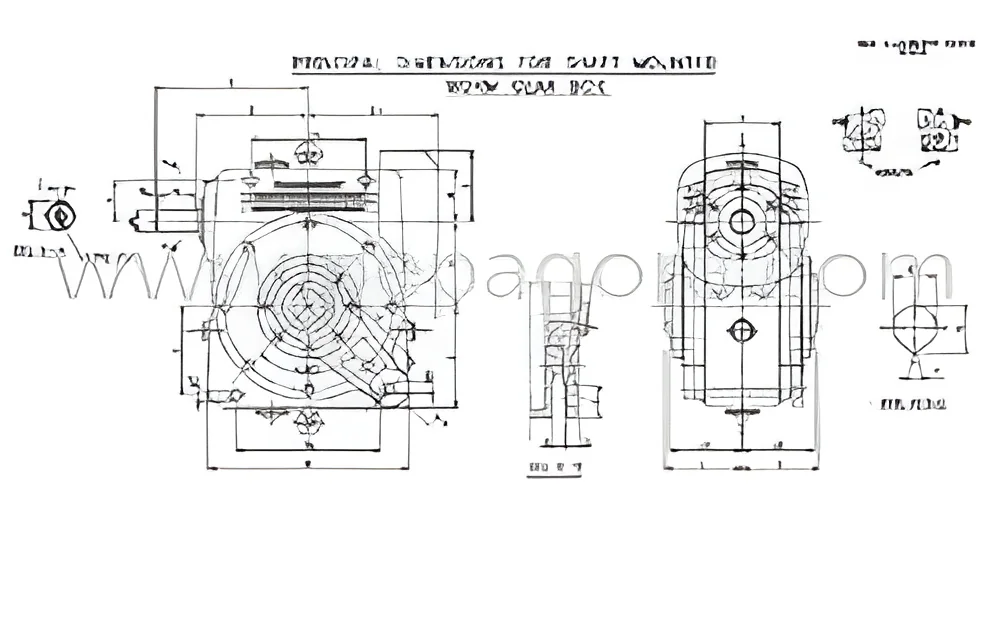
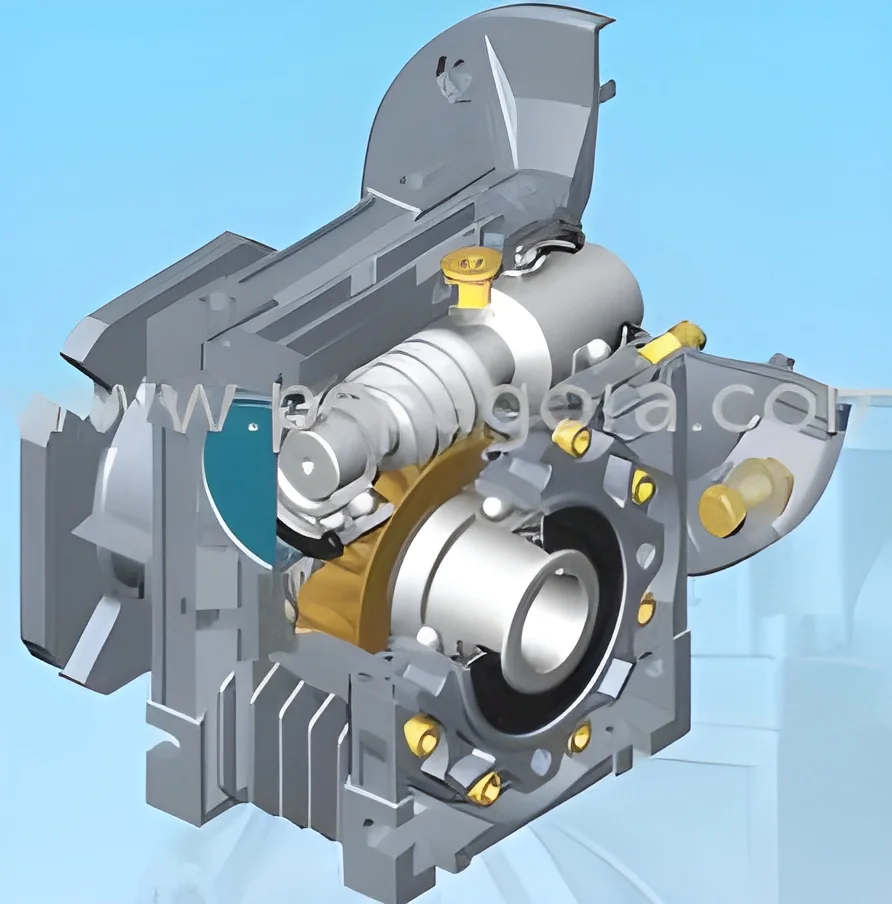
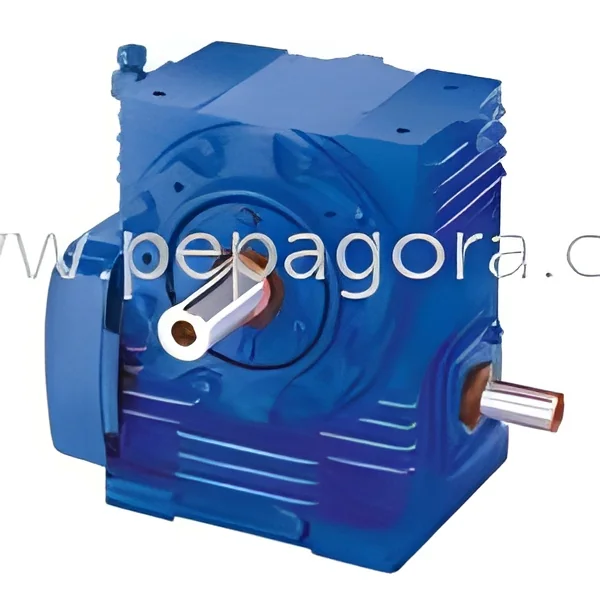
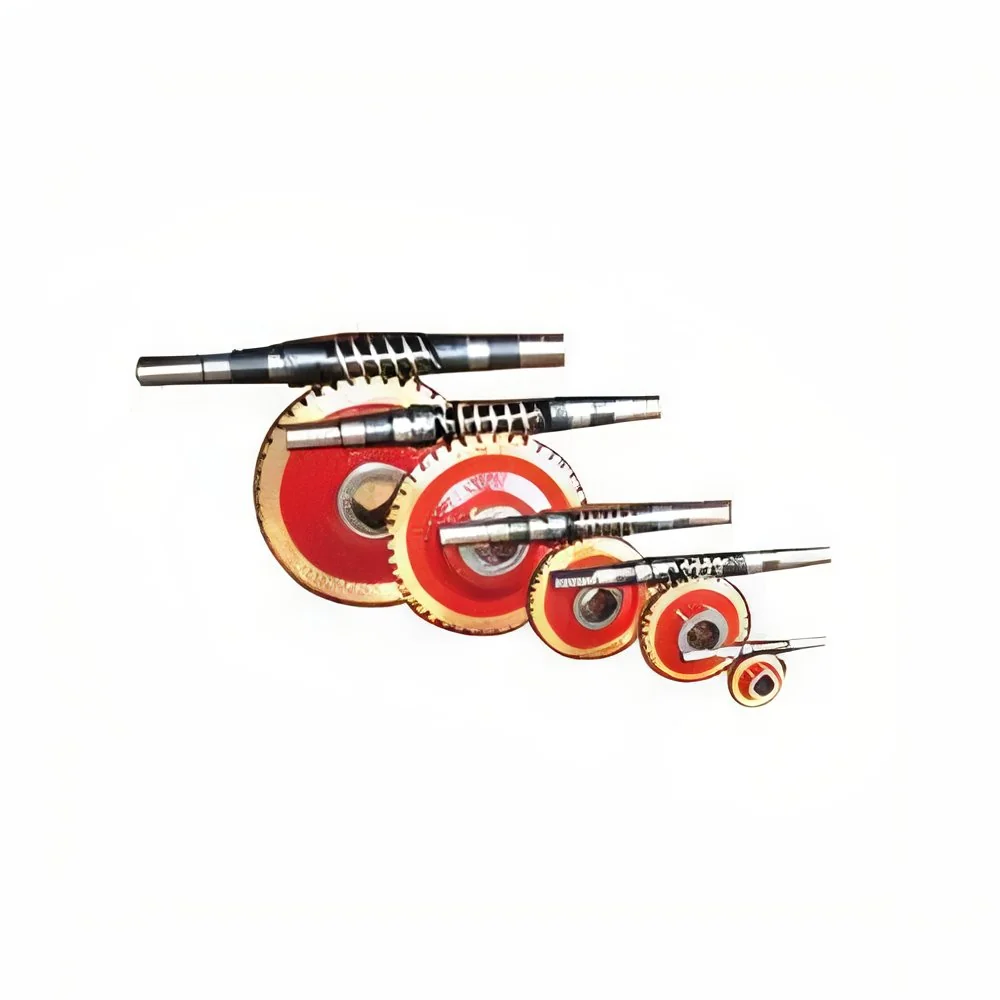
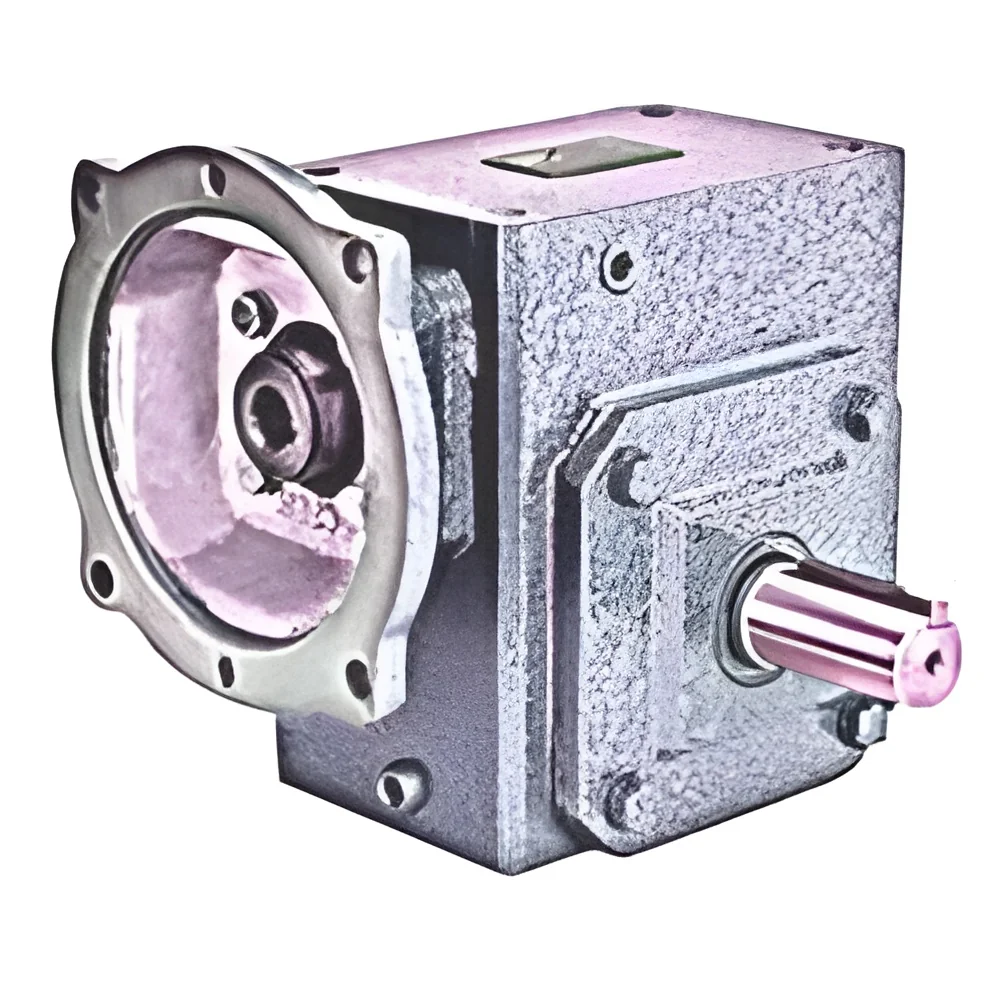
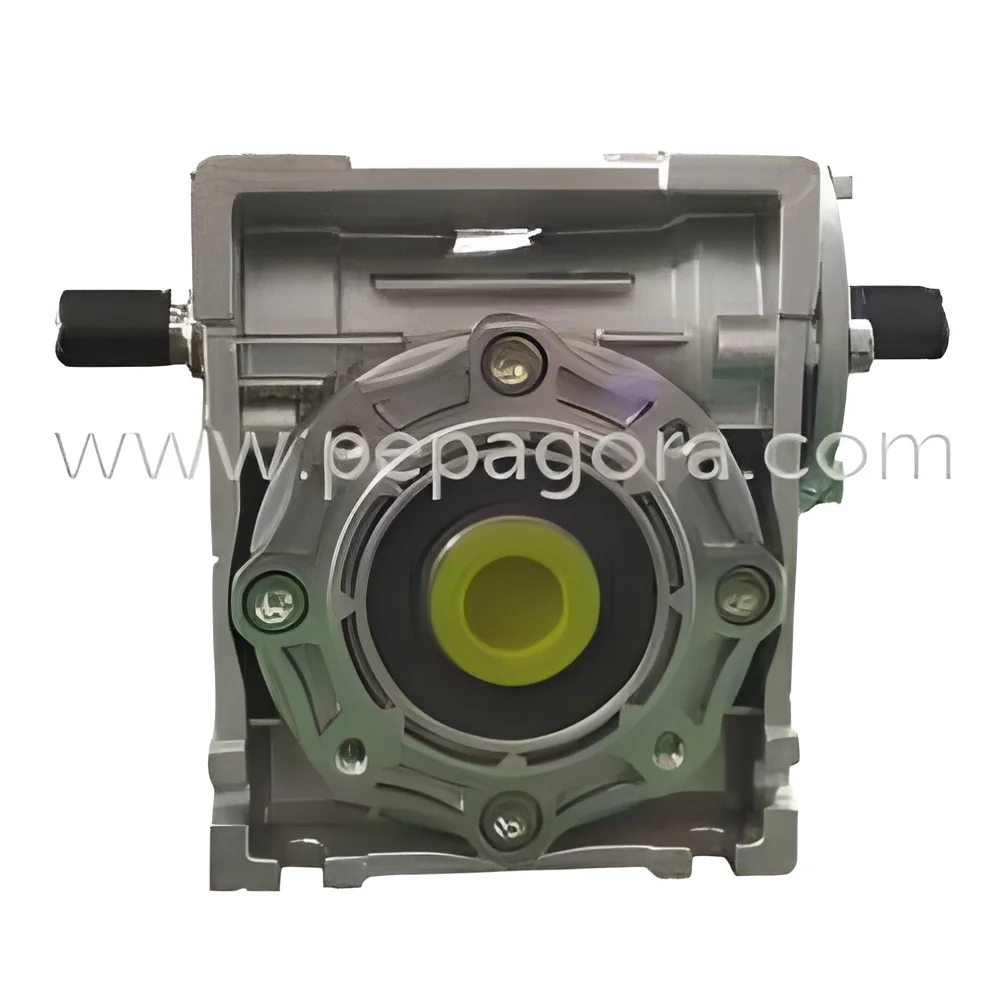
Worm Gears: Characterized by a gear set that includes a worm (screw) and worm wheel. They provide high torque and are commonly used in lifting equipment.
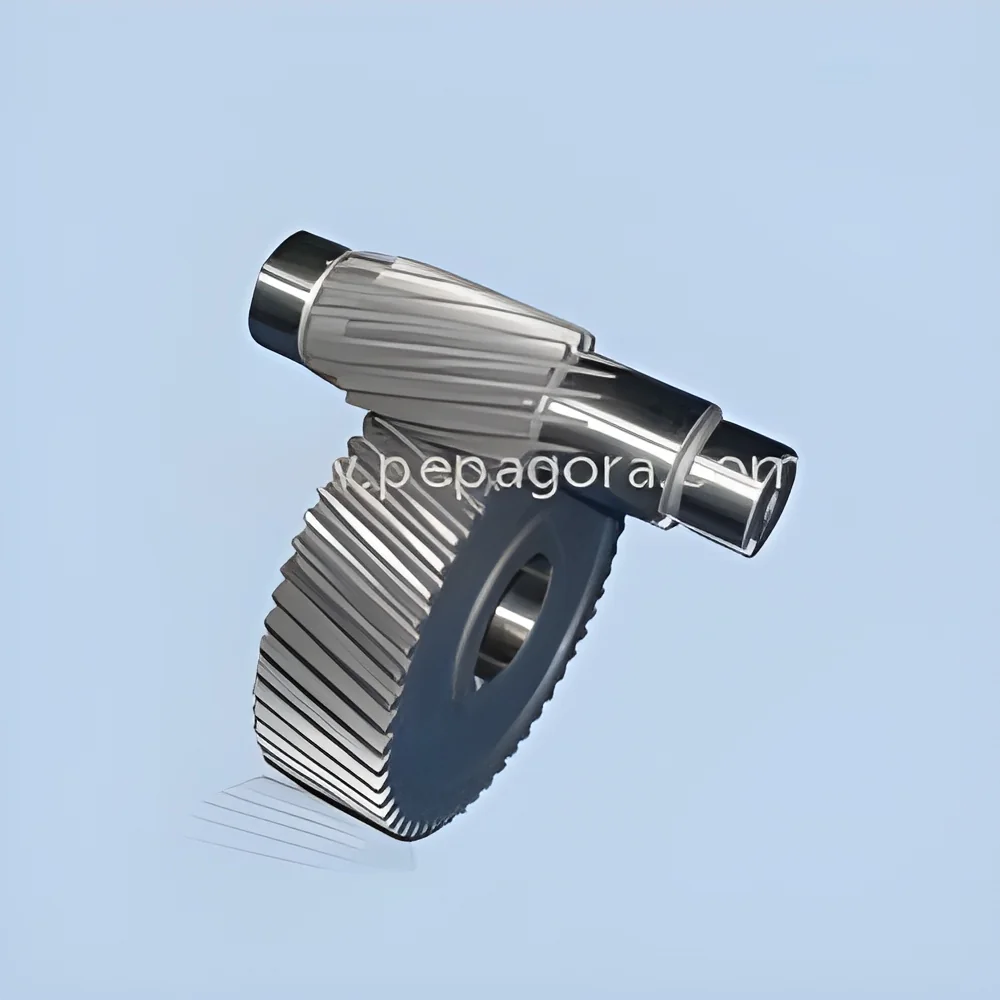
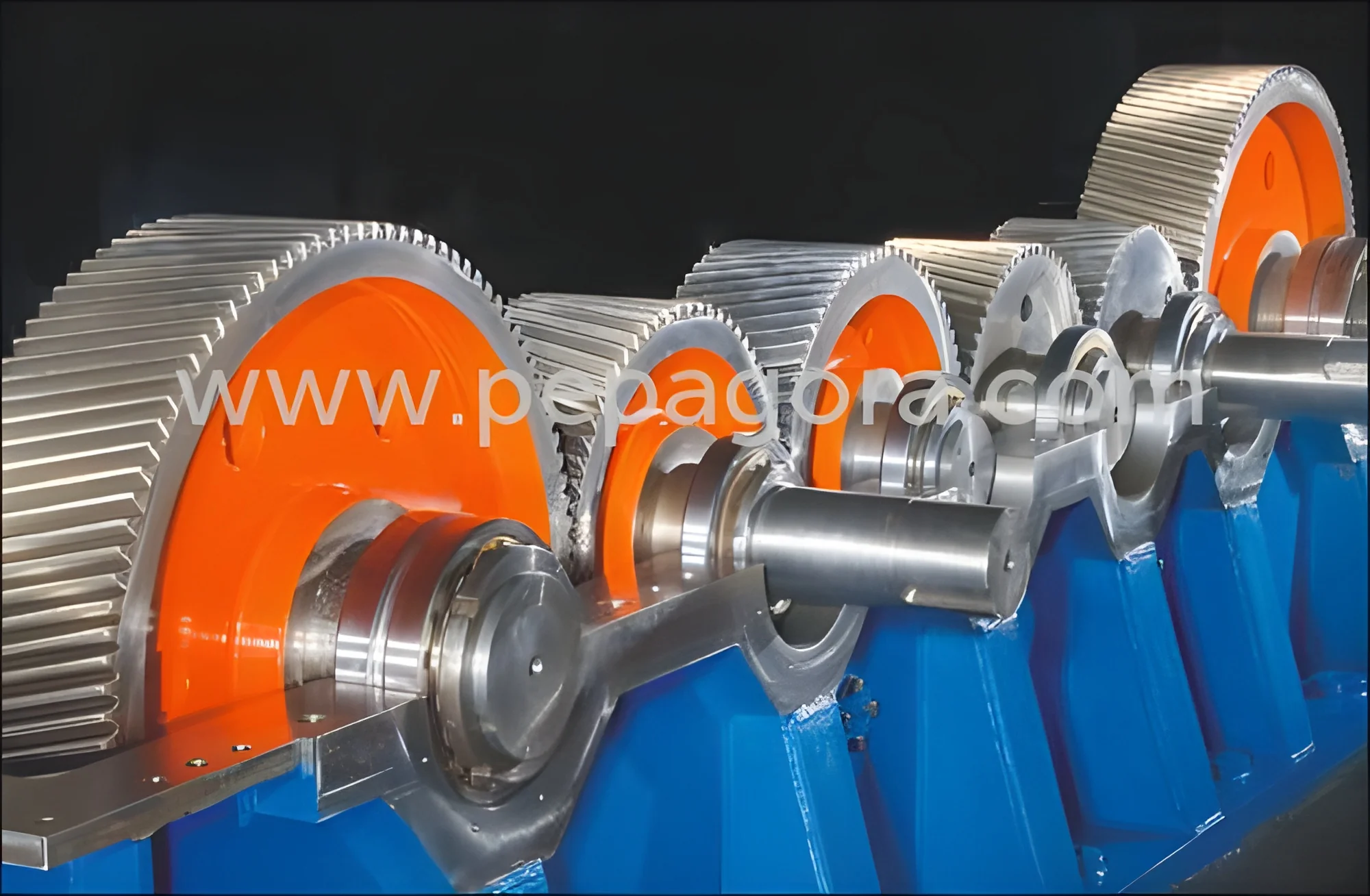
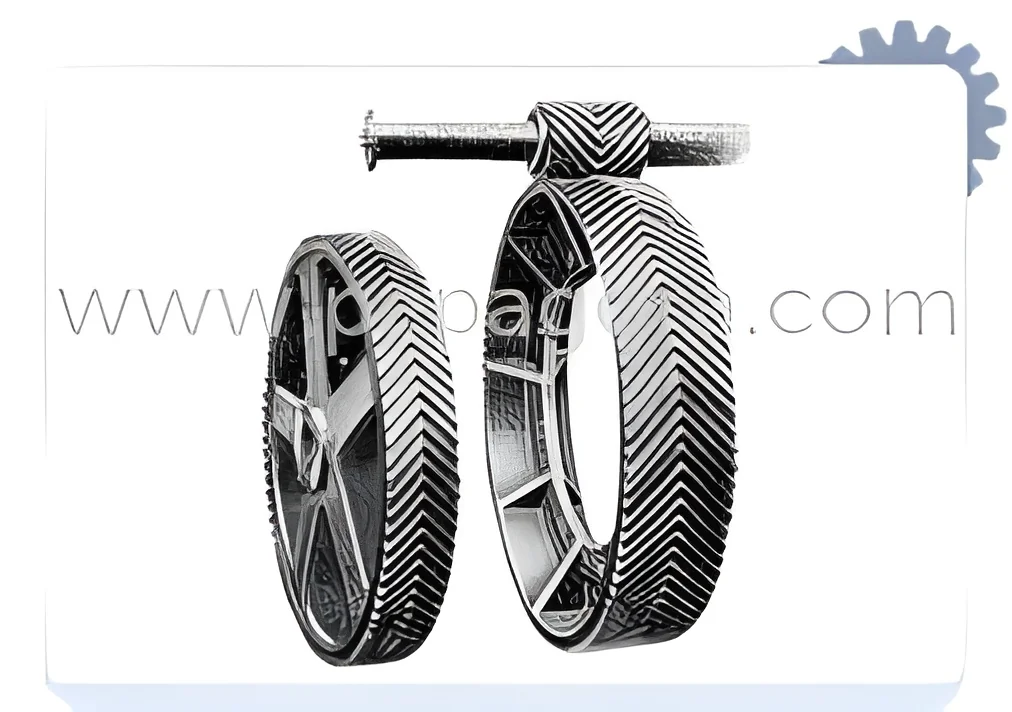
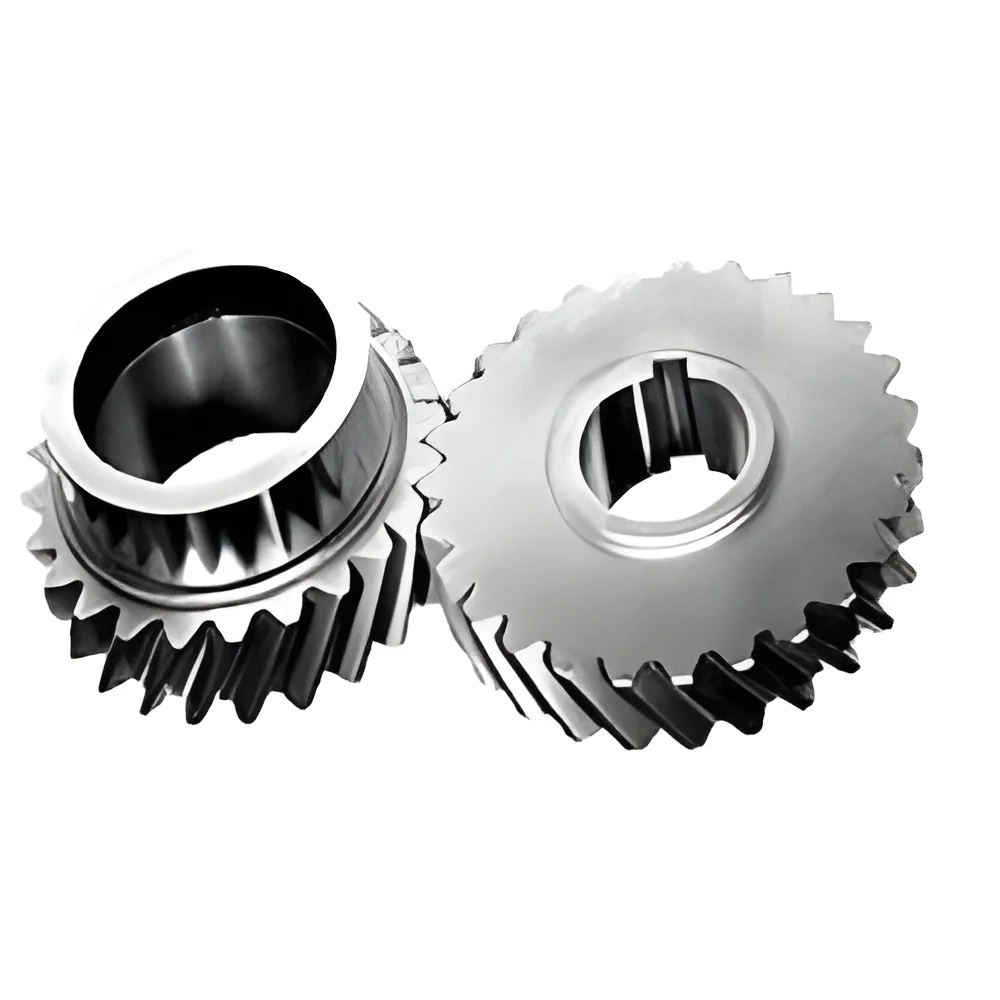
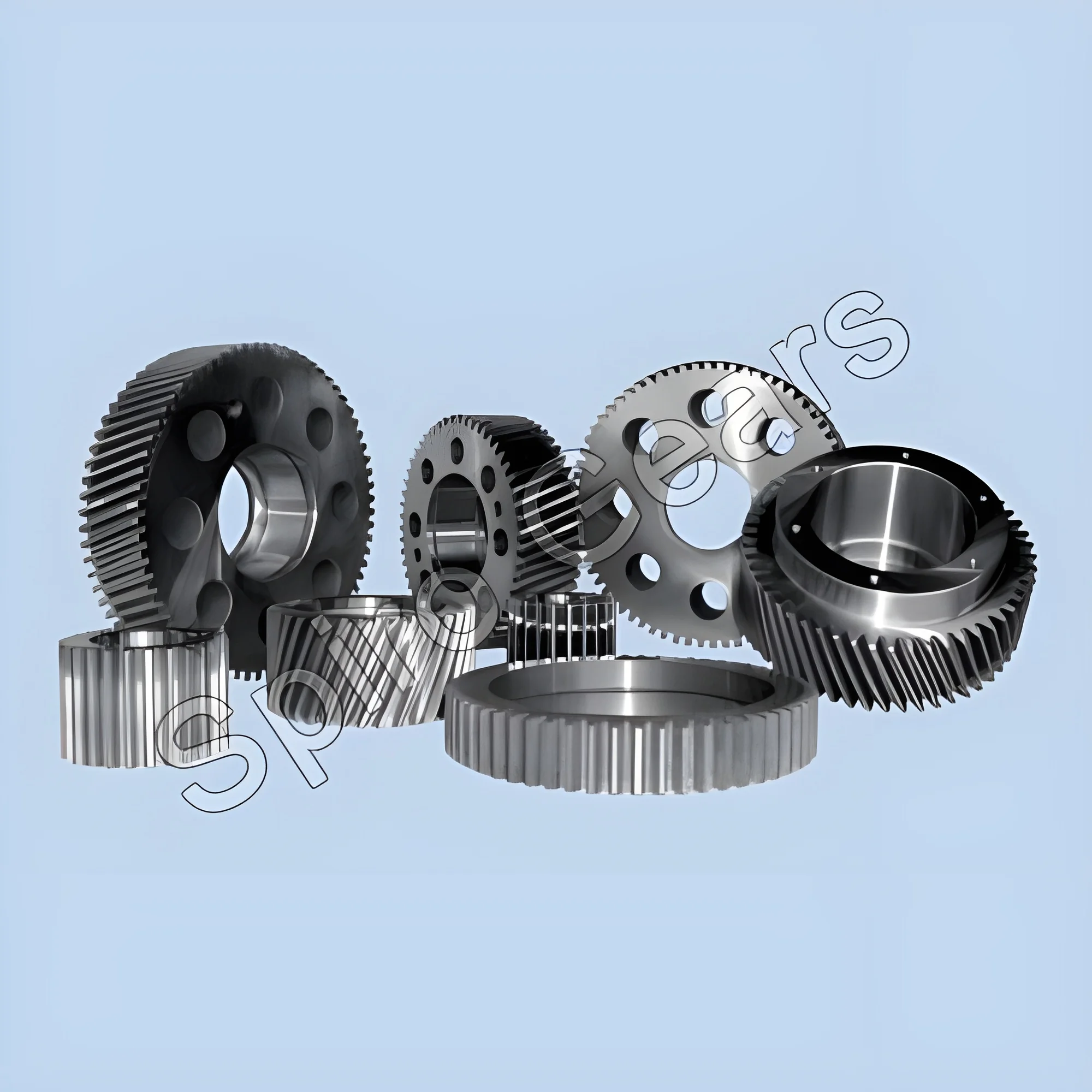
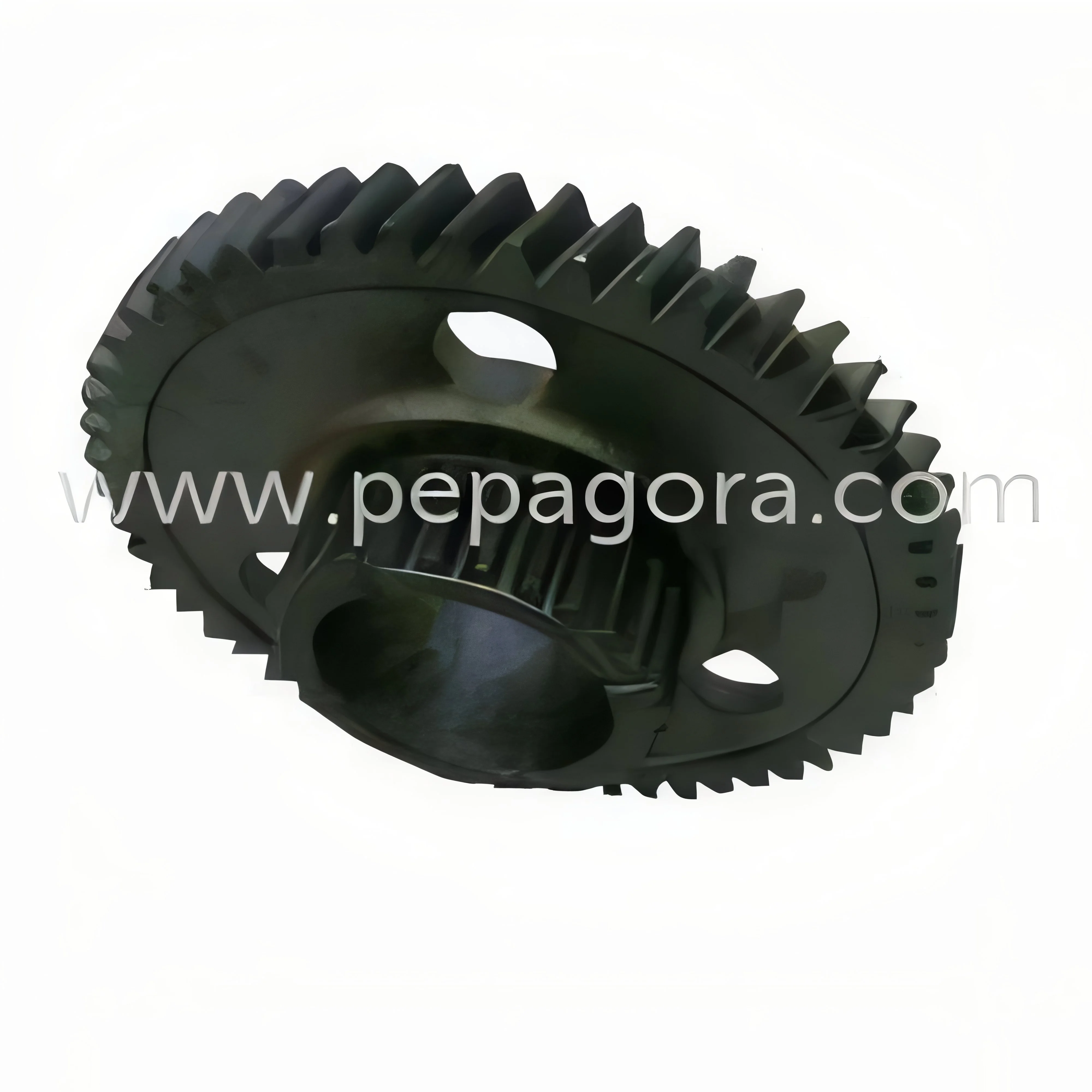
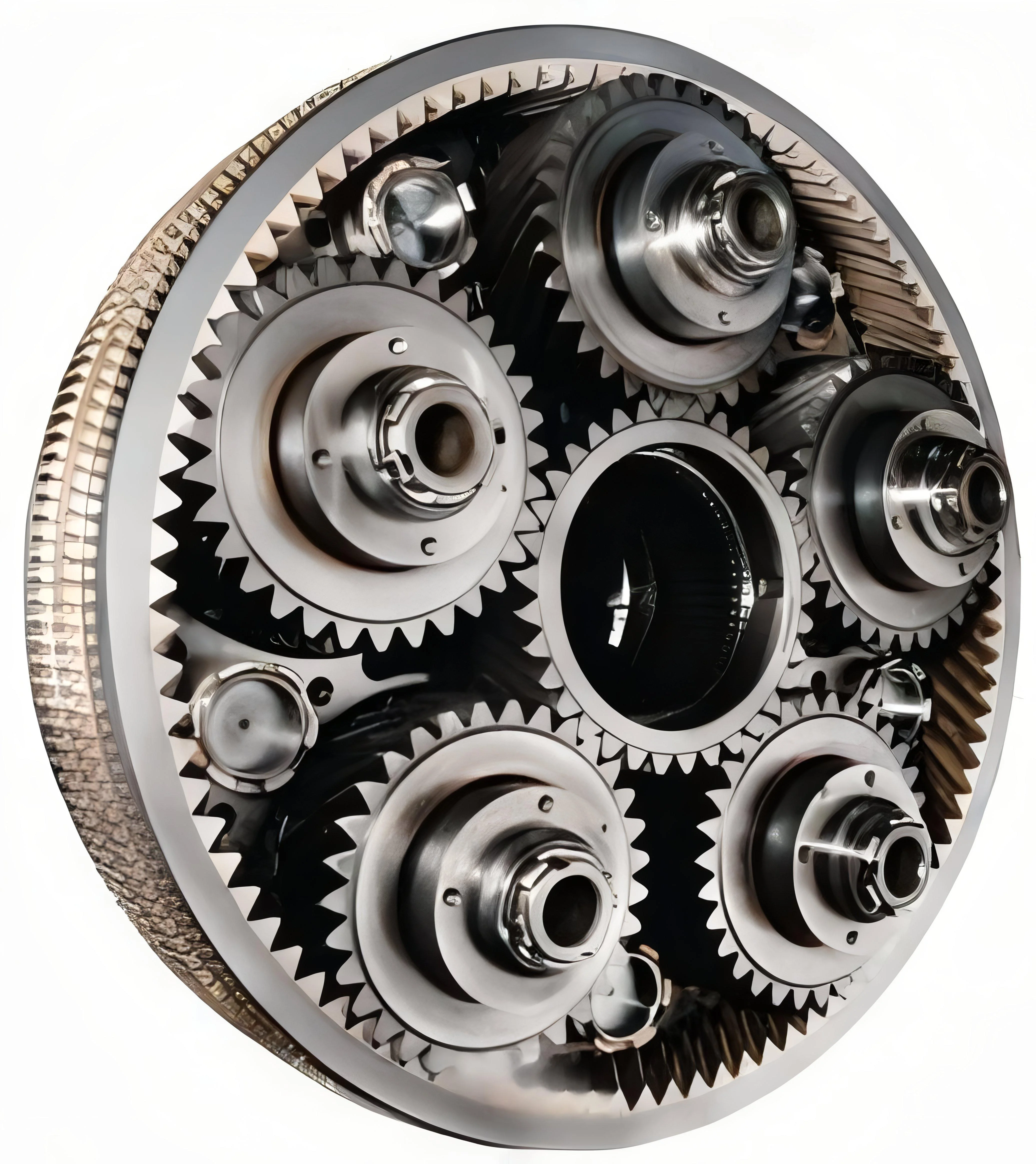
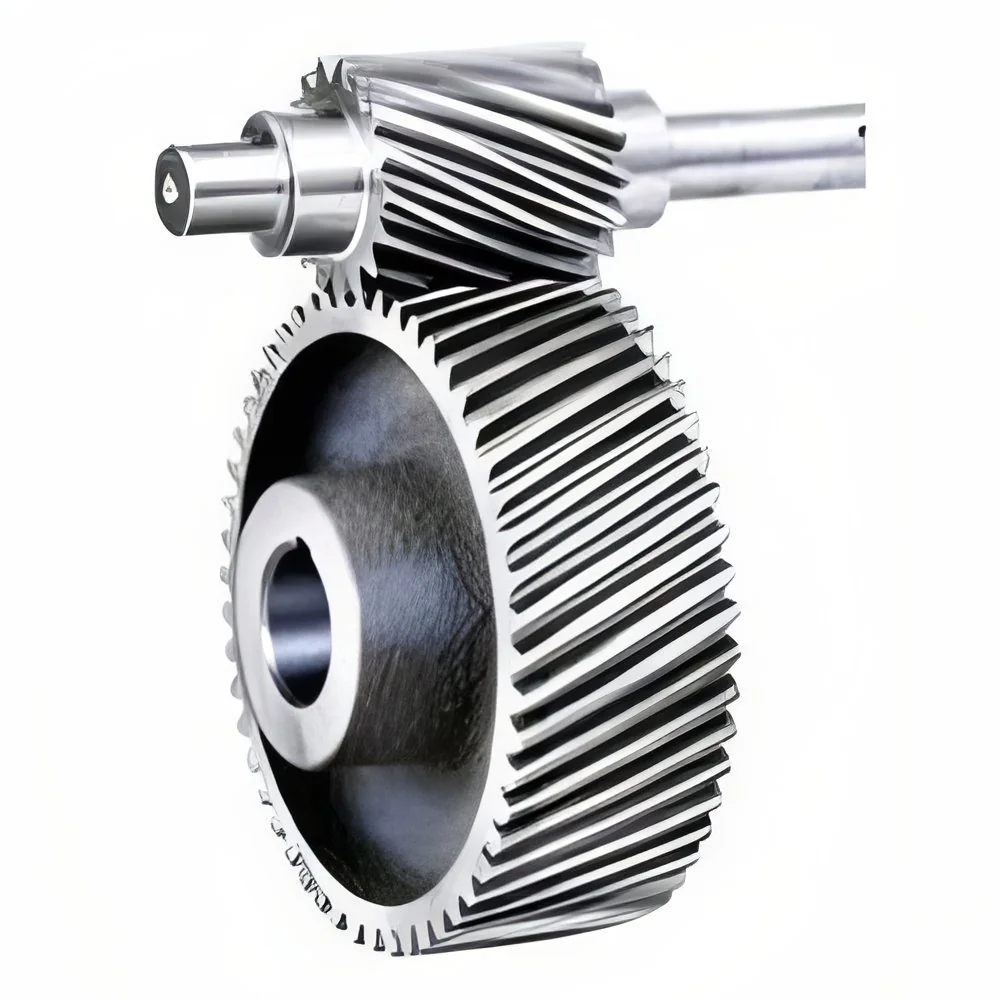
Helical Gears: These gears have teeth that are cut at an angle, allowing for smoother and quieter operation. They are used in applications requiring high speed and efficiency.
Benefits and Advantages
Sourcing other gears offers numerous advantages for businesses looking to enhance their operational efficiency.
Key benefits include:
1. Customization: Other gears can be tailored to meet specific operational needs, ensuring compatibility with existing machinery.
2. Enhanced Performance: Designed for particular applications, these gears can improve overall machinery efficiency and effectiveness.
3. Reliability: Built to withstand various operational conditions, ensuring long service life and reduced maintenance costs.
4. Precision Engineering: High-quality manufacturing processes lead to precise dimensions and tolerances, critical for high-performance applications.
5. Versatility: Suitable for a wide range of industries, allowing businesses to find the right gear solutions for diverse requirements.
6. Cost-Effectiveness: By improving machinery performance, these gears can lead to reduced operational costs over time.
Buying Guide for B2B Buyers
When sourcing other gears, several factors should be considered to ensure the best fit for your needs.
1. Quality Assessment: Evaluate gears based on their material, construction, and performance history. Look for suppliers who adhere to high manufacturing standards.
2. Supplier Verification: Conduct due diligence on potential suppliers. Check their reputation, past performance, and certifications to ensure reliability.
3. Pricing and MOQ: Understand the pricing structure and minimum order quantities. This helps in budgeting and planning your procurement strategy.
4. Delivery and Lead Times: Inquire about lead times and delivery logistics. Timely delivery is crucial for maintaining production schedules.
5. Compliance Requirements: Ensure that the gears meet relevant industry standards and regulations, such as CE certification, to avoid compliance issues.
Compliance and Certifications
Compliance with quality standards and certifications is crucial when sourcing other gears. Many industries require adherence to specific standards to ensure safety and performance.
ISO 9001 is a widely recognized standard that outlines quality management principles. It ensures that manufacturers consistently produce high-quality products.
HACCP and GDP standards may apply in certain industries where product safety is essential, particularly in food and pharmaceutical applications.
CE certification is also necessary for products sold within the European market. This certification indicates that the product meets EU safety, health, and environmental protection requirements.
Regional compliance considerations may vary based on local regulations. It is essential to ensure that the sourced gears comply with the standards applicable to your operational region.
Why Source Other Gears from Pepagora?
Pepagora provides a trusted platform for sourcing other gears, ensuring that businesses can find high-quality products tailored to their needs.
Verified Supplier Network: Pepagora maintains a network of verified suppliers, ensuring that buyers have access to reputable manufacturers who meet strict quality standards.
Streamlined RFQ Process: The platform allows businesses to submit requests for quotations easily, facilitating quick comparisons and informed purchasing decisions.
Trade Assurance and Support: Buyers are protected through trade assurance programs, which provide safeguards for transactions, ensuring peace of mind during the procurement process.
Regional Coverage: Pepagora offers extensive regional coverage, including India, GCC, and Southeast Asia. This broad reach helps businesses access suppliers across various markets, enhancing sourcing options.

 IN
IN