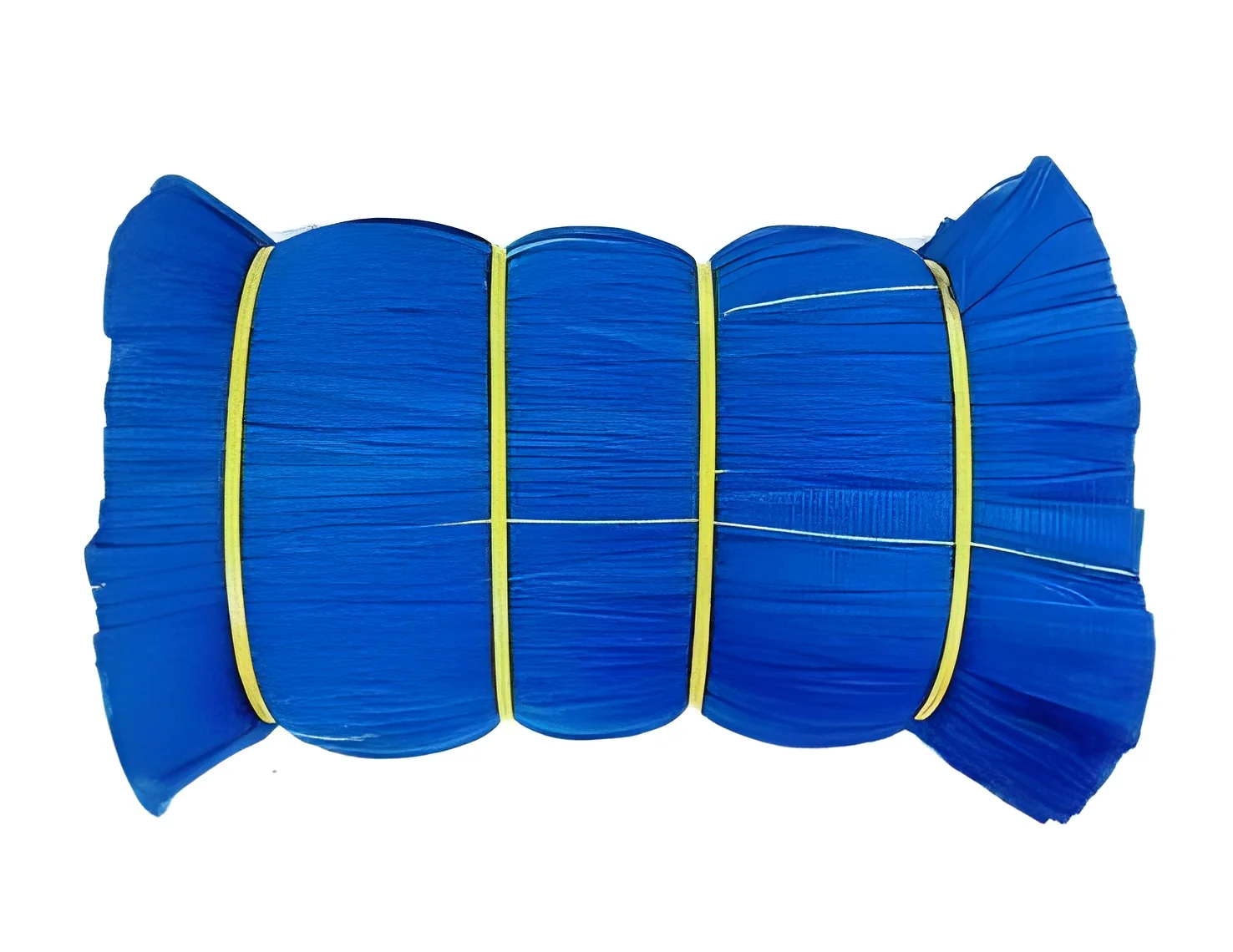
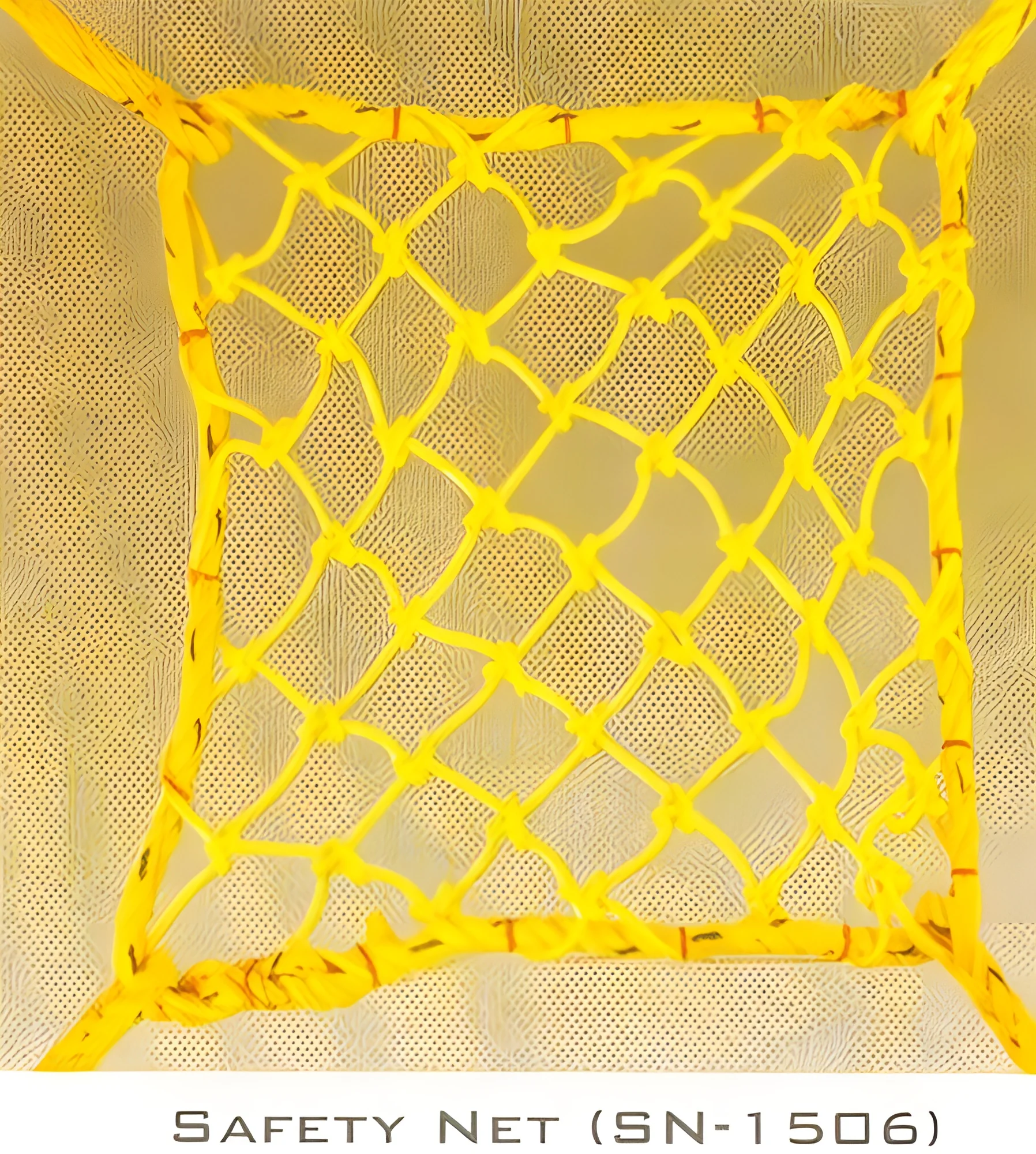
What are Safety Nets & Ropes?
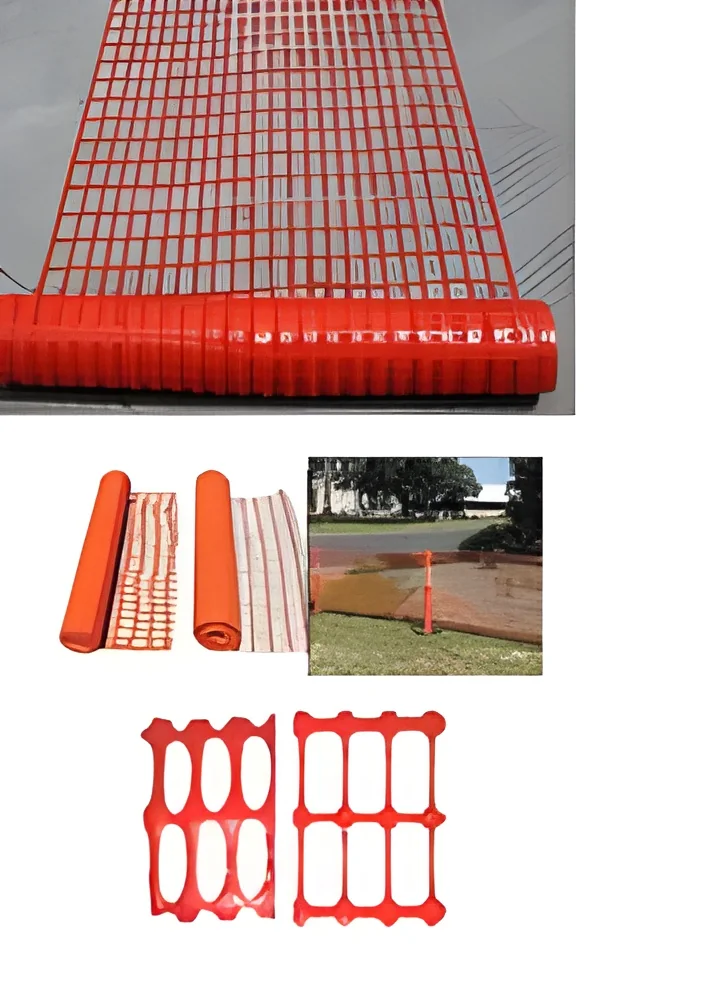
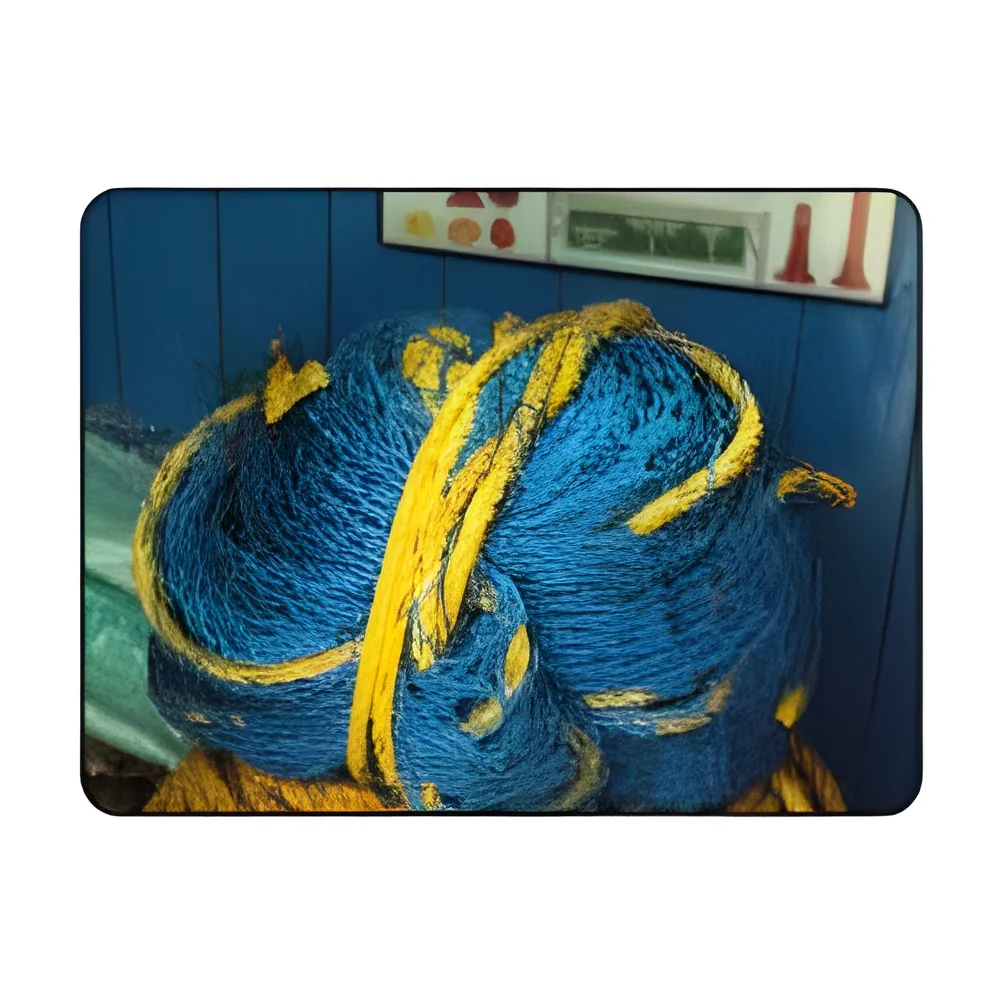
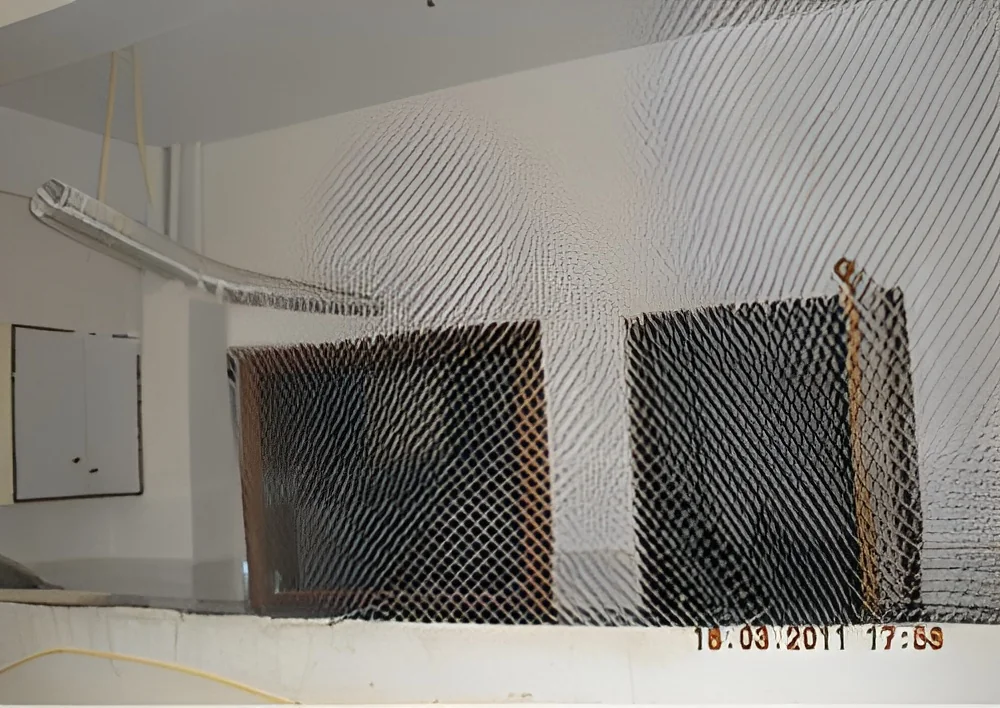
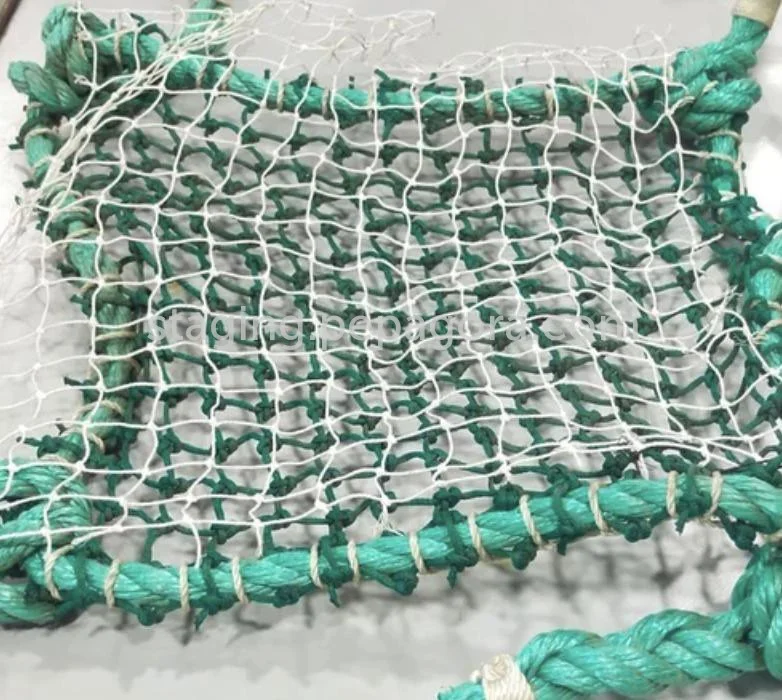
Safety nets and ropes are specialized products designed to provide fall protection and secure environments in various industrial and construction settings. Safety nets are typically made of durable materials that can absorb impact, preventing falls from heights, while ropes serve as both safety lines and tethering equipment. Together, they are crucial for maintaining safety standards in environments where workers are exposed to potential hazards from working at elevated levels.
These products are widely used across multiple industries, including construction, manufacturing, and logistics. In construction, safety nets are often employed to safeguard workers during high-rise building projects. Ropes are utilized for various applications such as climbing, rigging, and securing loads. The relevance of safety nets and ropes in today’s market cannot be understated, as safety regulations continue to evolve, emphasizing the need for reliable protective equipment in workplaces.
Key Features and Specifications
When considering safety nets and ropes, it is essential to understand their key features and specifications that determine their effectiveness and reliability. These specifications often include material strength, load capacity, and compliance with safety standards.
Key specifications include:
1. Material Composition
- Safety nets are typically made from high-strength synthetic fibers.
- Common materials include nylon and polypropylene for durability and flexibility.
2. Load Capacity
- Safety nets can support varying loads depending on their design.
- Typical load capacities range from 100 kg to 600 kg.
3. Knot Type
- Ropes can feature different knot types for enhanced grip and security.
- Common knot types include double fisherman's knots and bowline knots.
4. Net Size
- Safety nets come in various sizes to accommodate different applications.
- Standard sizes can range from 3m x 3m to 5m x 5m.
5. UV Resistance
- Many safety nets and ropes are treated for UV resistance.
- This feature prolongs their lifespan when exposed to sunlight.
6. Compliance Standards
- Safety nets and ropes must meet certain industry compliance standards.
- Common certifications include CE marking and compliance with ISO 9001.
In summary, understanding these specifications helps businesses select the appropriate safety nets and ropes for their specific needs, ensuring safety and compliance in their operations.
Common Applications and Use Cases
Safety nets and ropes are versatile products that find applications across various industries.
1. Construction: Safety nets are used to catch falling debris and protect workers on scaffolding. Ropes are utilized for climbing and hoisting materials.
2. Manufacturing: In manufacturing environments, safety nets are employed to prevent accidental falls from elevated platforms, while ropes secure processes and equipment.
3. Logistics: Safety nets help secure loads during transport, preventing items from falling during transit. Ropes are used for tethering equipment in warehouses.
4. Sports: Safety nets are used in sports facilities, such as climbing gyms and outdoor adventure parks, to protect participants from falls.
5. Marine: In the marine industry, safety nets are used on boats and ships to protect crew members from falling overboard.
6. Entertainment: Safety nets are essential in theaters and entertainment venues for aerial performances and stunts.
7. Agriculture: Farmers use safety nets in orchards and vineyards to protect crops from falling debris and animals.
Product Variants and Subcategories
Safety nets and ropes come in various types to meet distinct needs across different sectors.
Heavy-Duty Safety Nets
These nets are designed for rigorous use, offering high tensile strength and durability. They are suitable for construction sites and industrial applications, providing robust fall protection.
Climbing Ropes
Specialized ropes designed for climbing activities feature enhanced grip and safety. They are used by outdoor enthusiasts and professionals in rock climbing and mountaineering.
Cargo Nets
Used primarily in logistics, these nets help secure cargo on vehicles. They prevent shifting during transport, ensuring safe delivery of goods.
Debris Nets
These nets are used to catch debris during construction projects, protecting both workers and the surrounding environment from falling materials.
Benefits and Advantages
Investing in safety nets and ropes provides several benefits that enhance workplace safety and operational efficiency.
1. Enhanced Safety: Safety nets and ropes significantly reduce the risk of falls, protecting workers and minimizing injury rates.
2. Increased Productivity: By ensuring a safer working environment, these products enable workers to focus on their tasks without the distraction of safety concerns.
3. Compliance with Regulations: Utilizing safety nets and ropes helps businesses comply with industry safety standards and regulations, reducing liability risks.
4. Versatility: These products can be adapted for various applications across different industries, making them valuable assets.
5. Cost-Effectiveness: Investing in quality safety nets and ropes can result in lower insurance premiums and fewer worker compensation claims.
6. Easy Installation: Many safety nets and ropes are designed for straightforward setup and removal, facilitating ease of use in dynamic environments.
Buying Guide for B2B Buyers
When sourcing safety nets and ropes, B2B buyers should consider several critical factors to ensure they select the right products for their needs.
1. Quality Assessment: It is essential to assess the quality of materials used in safety nets and ropes. Look for products made from high-strength fibers that meet industry standards.
2. Supplier Verification: Vetting suppliers is crucial to ensure products are sourced from reputable manufacturers. Check for certifications and customer reviews.
3. Pricing and MOQ: Understand the price range for safety nets and ropes and inquire about minimum order quantities. This helps in budgeting and planning.
4. Delivery and Lead Times: Consider logistics and delivery timelines when placing orders. Ensure that suppliers can meet your project deadlines.
5. Compliance Requirements: Ensure that the safety nets and ropes meet necessary regulatory requirements. This includes certifications that guarantee product safety and reliability.
Compliance and Certifications
Safety nets and ropes must adhere to various compliance and certification standards to ensure their reliability and safety in industrial applications. Relevant quality standards include ISO 9001, which focuses on maintaining effective quality management systems. Additionally, certifications such as CE indicate that products meet European safety, health, and environmental protection standards.
Testing requirements for safety nets and ropes often include assessments for load capacity, durability, and resistance to environmental factors such as UV exposure. Furthermore, regional compliance considerations may vary, making it important for buyers to understand local regulations that apply to their industry.
Why Source Safety Nets & Ropes from Pepagora?
Pepagora provides a trusted platform for sourcing safety nets and ropes with several key advantages.
Verified Supplier Network: Pepagora offers access to a network of verified suppliers, ensuring that buyers can source high-quality products with confidence. Each supplier undergoes a rigorous verification process to maintain quality standards.
Streamlined RFQ Process: The platform features a streamlined request for quotation (RFQ) process. This allows buyers to easily compare quotes from multiple suppliers, facilitating informed purchasing decisions.
Trade Assurance and Support: Pepagora prioritizes buyer protection through trade assurance programs. This provides peace of mind that transactions are secure and that support is available throughout the purchasing process.
Regional Coverage: Pepagora has a broad geographic reach, serving markets in India, the GCC, and Southeast Asia. This extensive network ensures that buyers can access safety nets and ropes tailored to local needs and regulations.

 IN
IN