IN
IN₹
Description
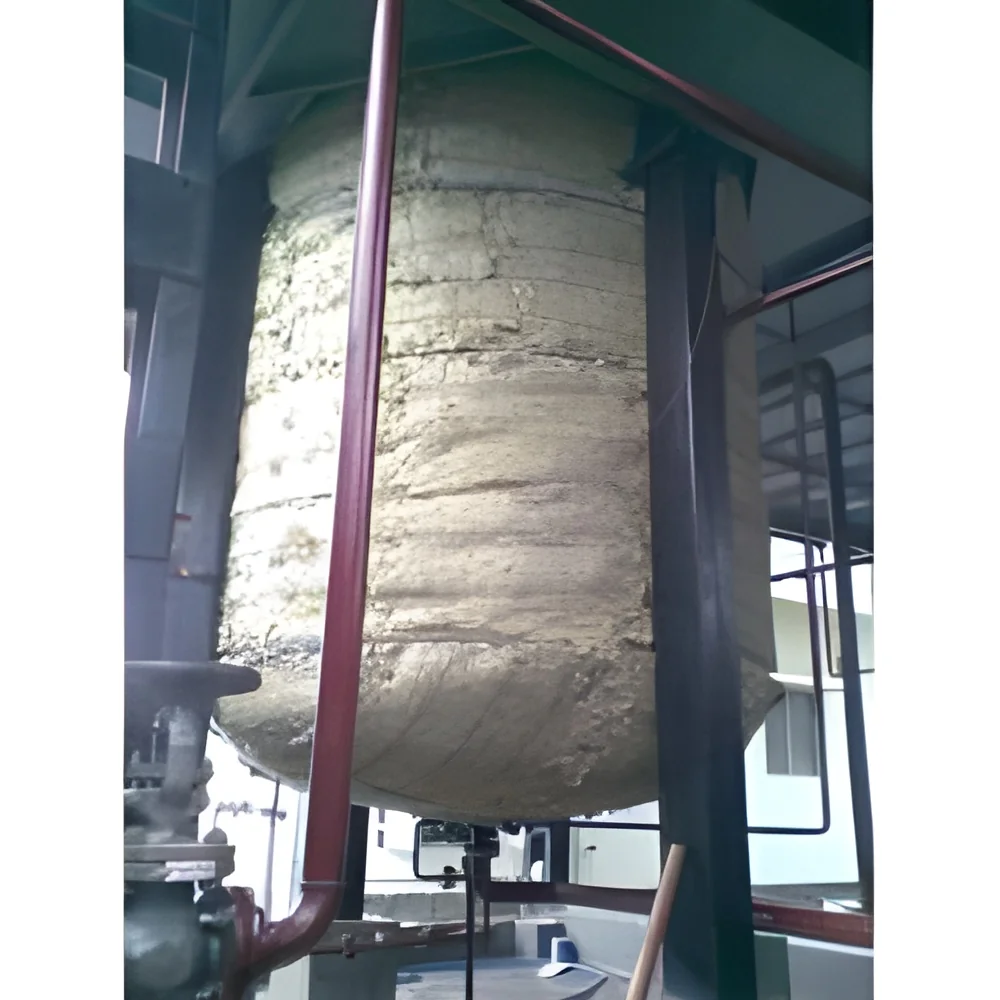
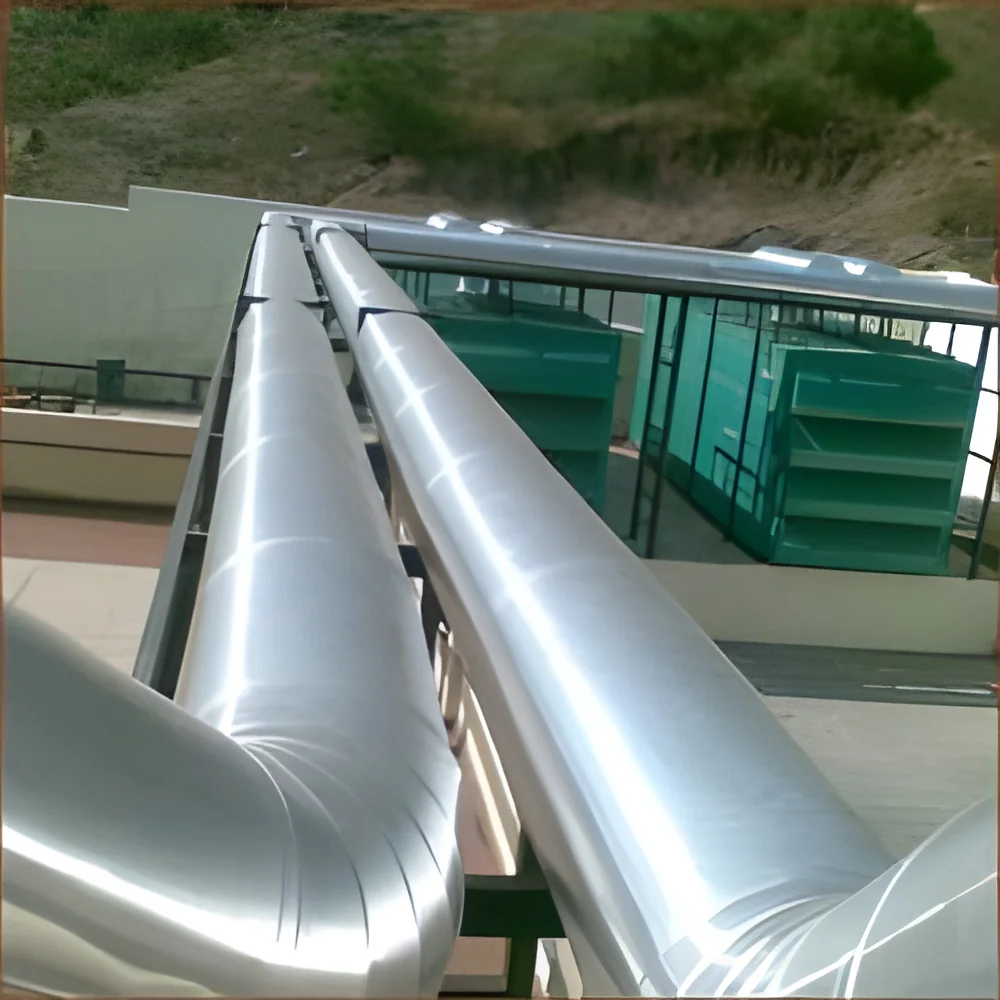
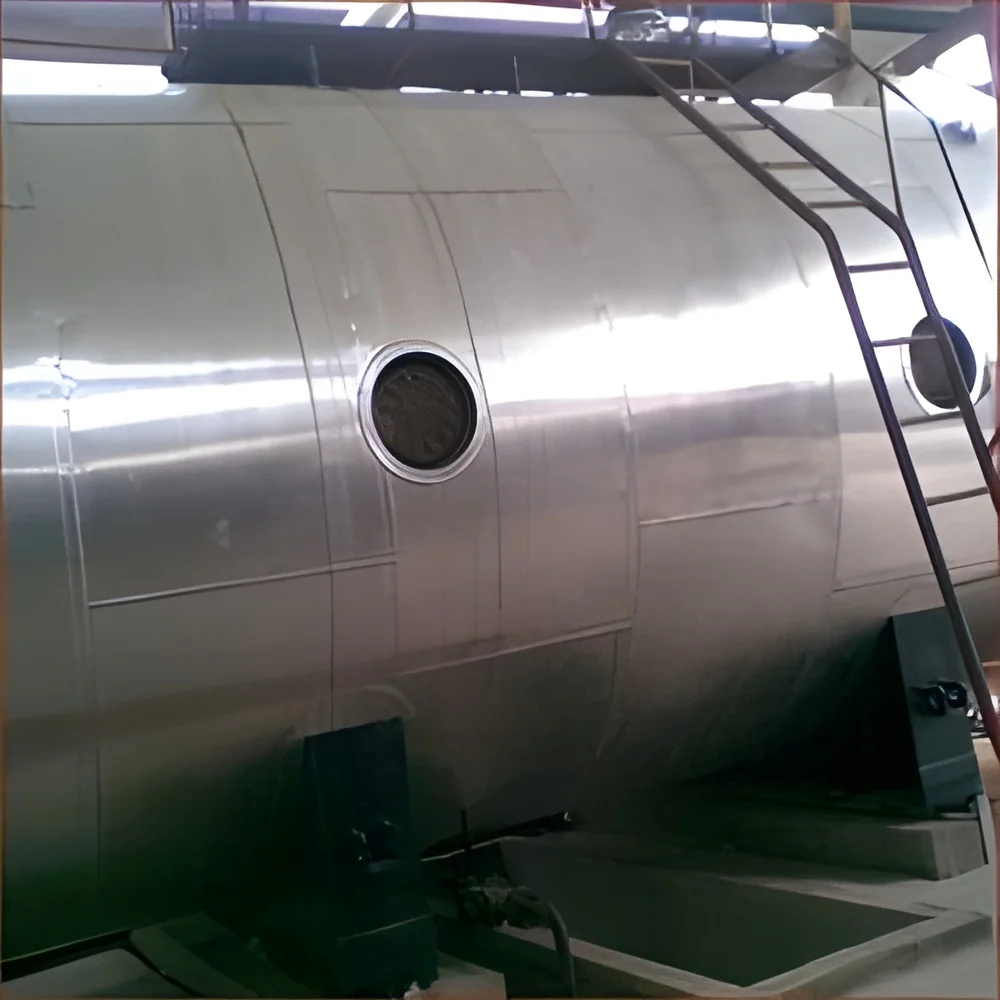
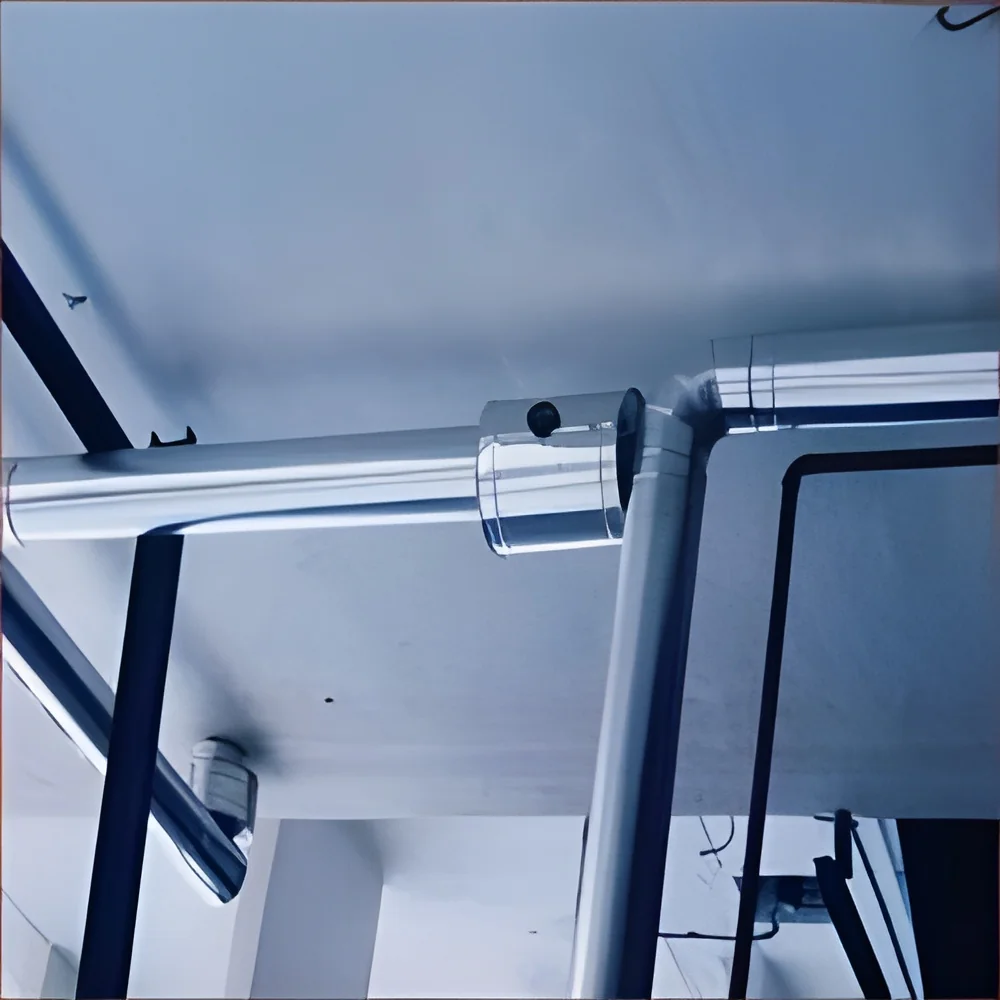
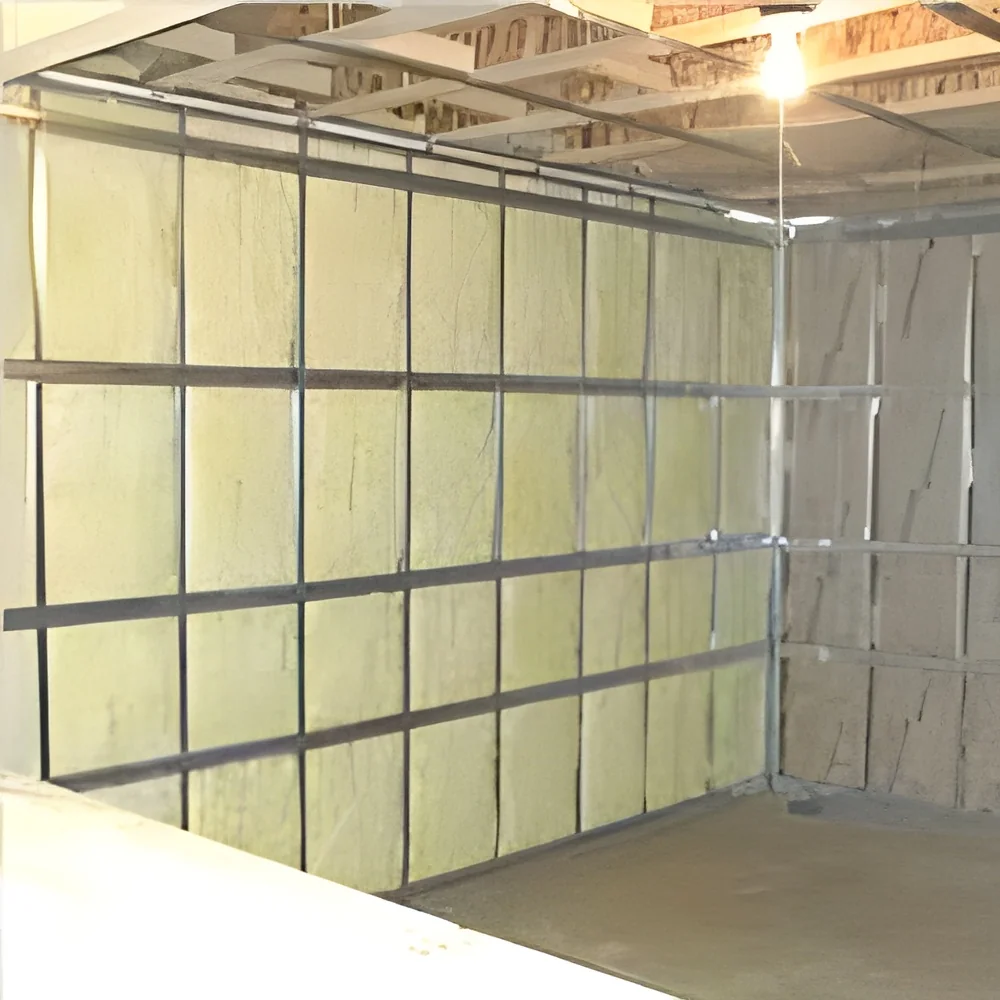
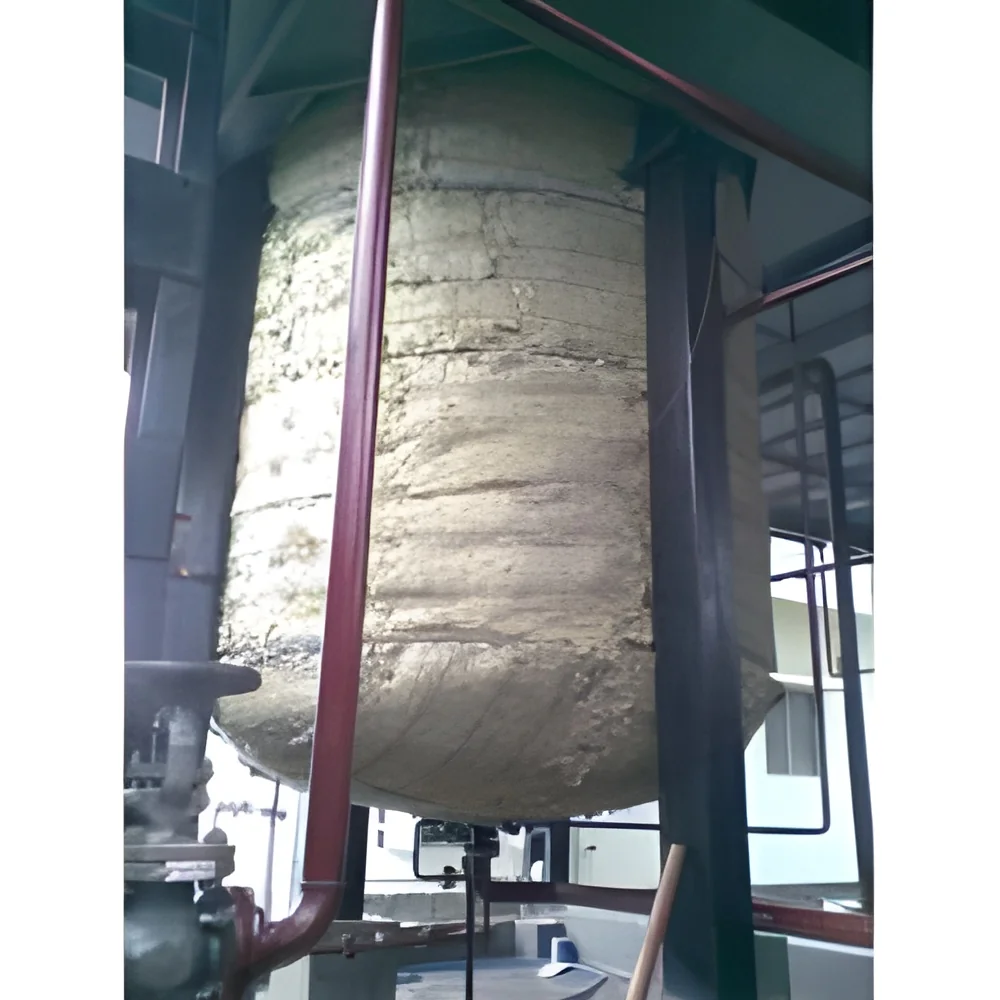
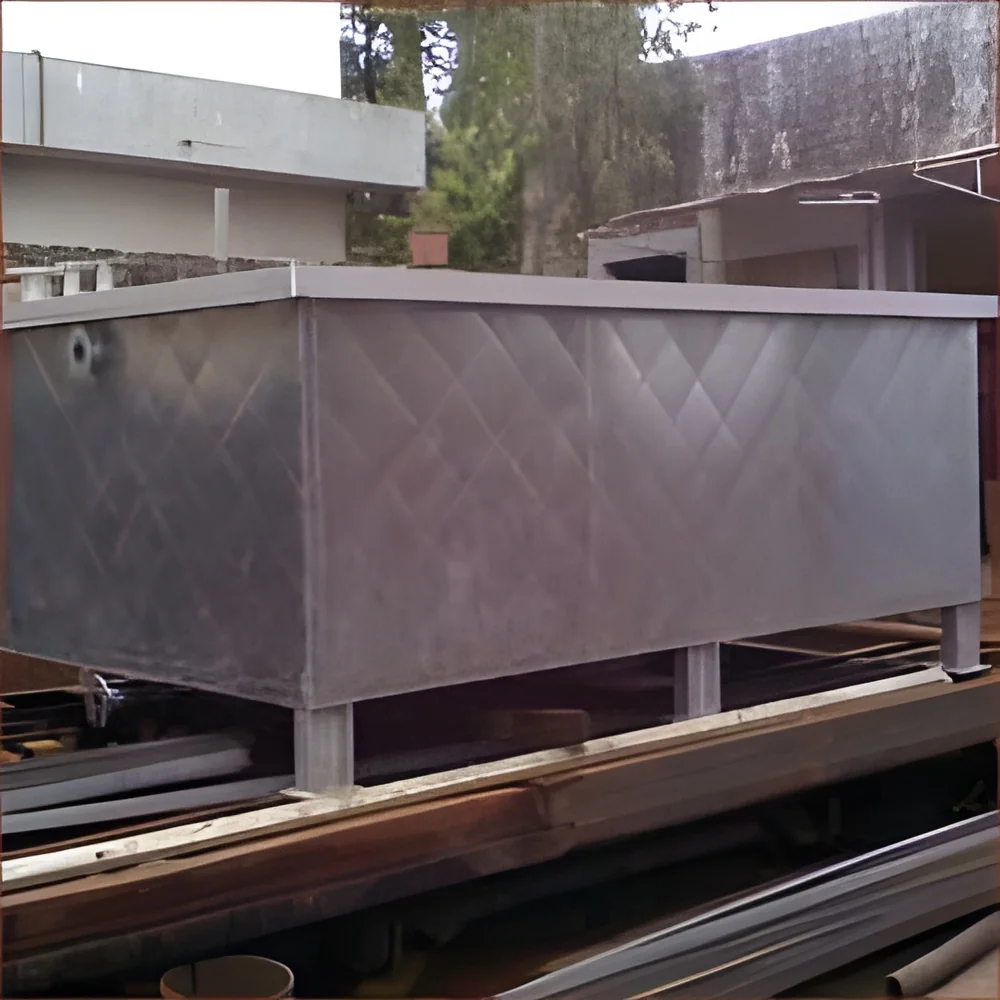
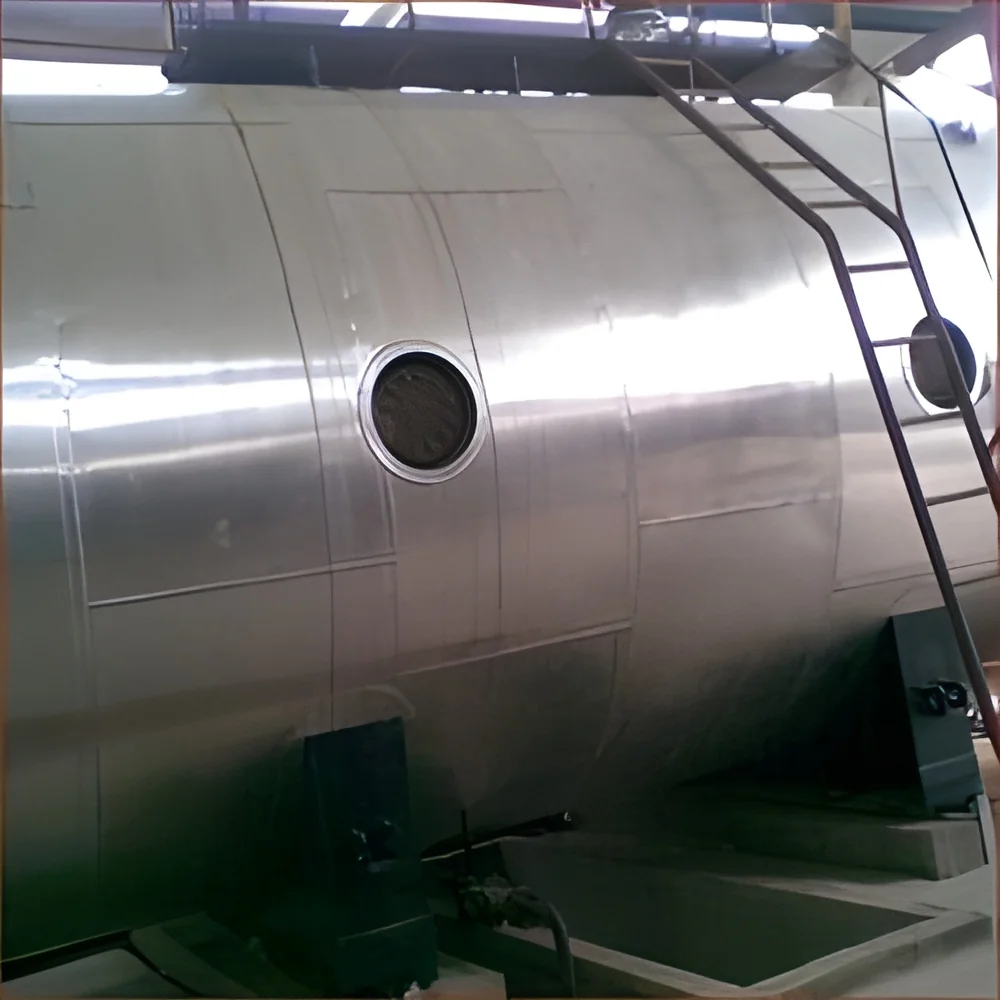
Industrial hot insulation is a critical engineering service designed to manage heat flow in high-temperature equipment, directly impacting operational efficiency, safety, and cost. Our professional service involves the strategic application of advanced insulation materials to surfaces like turbines, boilers, extensive piping networks, and heat exchangers. The primary objective is to create a reliable thermal barrier that minimizes unwanted heat loss to the surroundings. This containment of energy not only conserves fuel and reduces utility bills but also ensures equipment operates within its designed temperature parameters. By preventing excessive heat dissipation, we help stabilize process conditions, reduce the thermal load on surrounding areas, and significantly enhance the overall durability and lifespan of your capital assets. Our methodology is rooted in precision engineering and a deep understanding of heat transfer principles, delivering solutions that are both effective and en...
Industrial hot insulation is a critical engineering service designed to manage heat flow in high-temperature equipment, directly impacting operational efficiency, safety, and cost. Our professional service involves the strategic application of advanced insulation materials to surfaces like turbines, boilers, extensive piping networks, and heat exchangers. The primary objective is to create a reliable thermal barrier that minimizes unwanted heat loss to the surroundings. This containment of energy not only conserves fuel and reduces utility bills but also ensures equipment operates within its designed temperature parameters. By preventing excessive heat dissipation, we help stabilize process conditions, reduce the thermal load on surrounding areas, and significantly enhance the overall durability and lifespan of your capital assets. Our methodology is rooted in precision engineering and a deep understanding of heat transfer principles, delivering solutions that are both effective and enduring.

These specialized insulation services are indispensable across heavy industries where high-temperature processes are core to operations. In the power generation sector, insulation is applied to steam lines, turbines, and boilers to maximize the conversion of heat into electricity. Oil and gas refineries rely on it for furnaces, crude units, and catalytic crackers to maintain reaction efficiencies and ensure safe surface temperatures. Chemical processing plants utilize insulation on reactors, distillation columns, and associated piping to control exothermic or endothermic reactions precisely. Furthermore, industries like metals, cement, glass manufacturing, and even large-scale commercial heating systems depend on robust hot insulation to reduce energy costs, protect equipment from thermal cycling fatigue, and create safer work environments for personnel. The service adapts to the unique contours and demands of each piece of equipment, proving its versatility and necessity.

Choosing our hot insulation service delivers tangible business value through measurable operational improvements and risk mitigation. The direct benefit is a substantial reduction in energy consumption, leading to lower ongoing fuel costs and a stronger bottom line. By protecting equipment from extreme thermal gradients and corrosion under insulation (CUI), we extend maintenance intervals and asset life, deferring major capital expenditures. Our reliable, expertly applied systems also enhance workplace safety by lowering surface temperatures to safe-touch levels, reducing the risk of burns and helping you meet stringent occupational health standards. We provide solutions built to last in harsh environments, minimizing unplanned downtime and supporting continuous production. Ultimately, our service is an investment in operational excellence, offering a strong return through improved efficiency, enhanced safety compliance, and greater equipment reliability.

Key Features:
- Custom-engineered solutions specifically designed for turbines, boilers, piping, and heat exchangers.
- Application of high-performance insulation materials capable of withstanding extreme temperatures and harsh industrial conditions.
- Expert installation by trained technicians ensuring precise fit, seamless coverage, and optimal thermal performance.
- Adherence to international engineering, safety, and energy efficiency standards for quality assurance.
- Comprehensive service covering assessment, material selection, installation, and inspection for complete project execution.

Benefits:
- Significant reduction in heat loss leading to lower energy consumption and decreased operational costs.
- Enhanced equipment durability and extended service life by protecting against thermal stress and degradation.
- Improved operational safety through reduced surface temperatures, minimizing burn risks for personnel.
- Consistent maintenance of optimal process temperatures, ensuring product quality and production efficiency.
- Reliable performance in demanding environments, contributing to reduced downtime and sustained productivity.
Specifications
| Additional Information | |
|---|---|
| Country of Origin | India |
Application
Our industrial hot insulation services are engineered to optimize thermal performance across critical high-temperature systems. By applying specialized materials to equipment surfaces, we effectively contain heat, minimize energy loss, and protect assets from thermal stress. This precise application is fundamental for maintaining consistent process temperatures, reducing fuel consumption, and safeguarding personnel from burn hazards in demanding operational environments.
These tailored insulation solutions are vital for industries where temperature control directly impacts productivity and safety. We design and install systems for a wide array of equipment, ensuring compatibility and maximum efficiency. From complex piping networks to large-scale boilers and turbines, our approach addresses the unique thermal challenges of each application, providing a robust barrier against heat transfer and environmental factors.
- Insulating steam pipelines and turbines in thermal power plants to boost energy efficiency and reduce generation costs.
- Applying thermal protection to refinery furnaces, reactors, and fractionating columns to maintain precise process temperatures.
- Insulating boilers, ovens, and kilns in manufacturing and cement plants to lower operational expenses and improve heat retention.
- Protecting heat exchangers and condensers in chemical and petrochemical facilities to ensure optimal heat transfer and process stability.
- Insulating exhaust ducts, air preheaters, and flue gas systems to enhance safety and comply with environmental regulations.
Trade Details
| Available Stock | In Stock |
| Sample Availability | No |
Payment Terms
| Payment Terms |
|
Company Profile

A. C. J. Insulation, Maharashtra
 Maharashtra, India
Maharashtra, IndiaServices & Support•Importer / Exporter
Factory Details
Factory SizeBelow 1000 sqm
Annual Production Capacity0
Industrial Hot Insulation Services For Equipment Efficiency And Safety
Professional industrial hot insulation services for turbines, boilers, piping, and heat exchangers. Enhance equipment efficiency, durability, and operational safety with reliable thermal management solutions.
Min. Order Quantity: 1 unit
Shipping
Shipping fee and delivery date to be negotiated. Contact supplier now for more details.
A. C. J. Insulation
 Maharashtra, India
Maharashtra, IndiaServices & SupportImporter / Exporter