𝗪𝗵𝗮𝘁 𝗮𝗿𝗲 𝗣𝗿𝗼𝘁𝗲𝗰𝘁𝗶𝘃𝗲 𝗦𝗹𝗲𝗲𝘃𝗲𝘀 & 𝗔𝗿𝗺 𝗚𝘂𝗮𝗿𝗱𝘀?
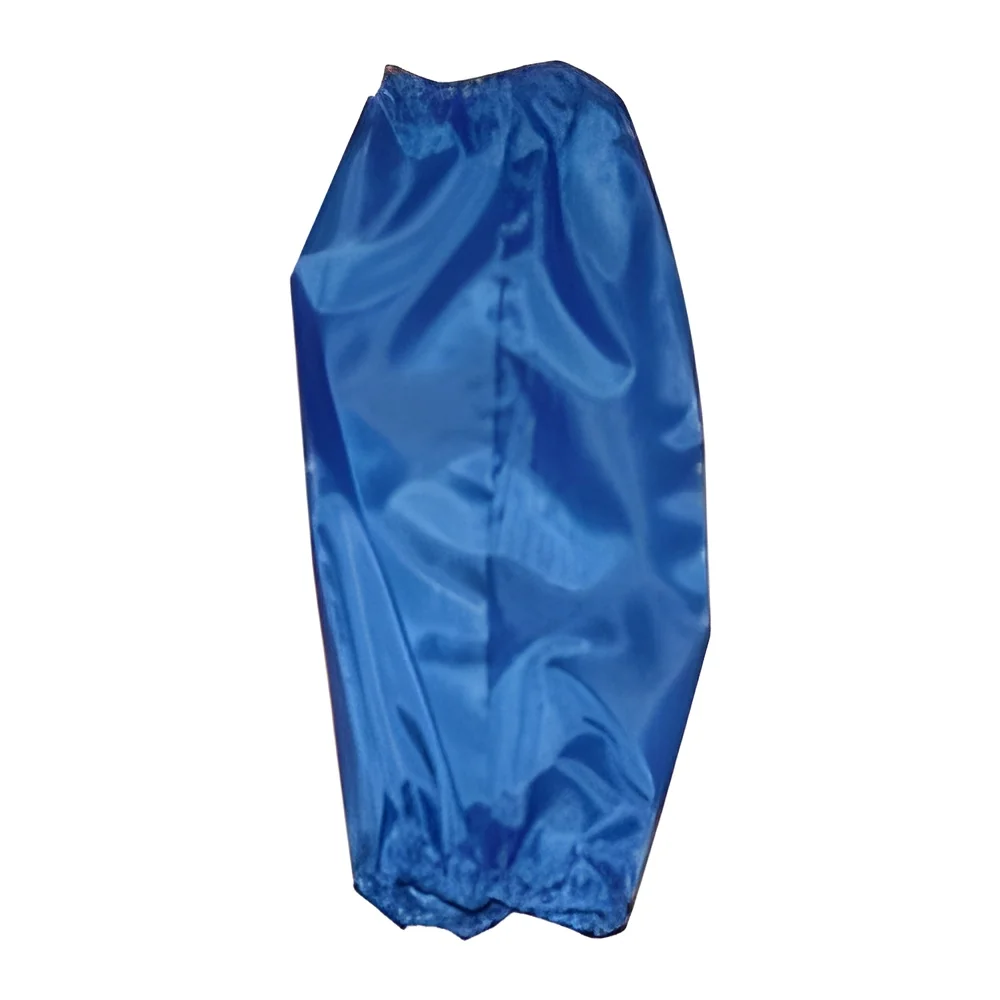
Protective sleeves and arm guards are specialized personal protective equipment designed to safeguard the arms and hands from various workplace hazards. These products are made from durable materials that resist cuts, abrasions, and other forms of injury, making them essential in numerous industrial settings. Their design typically allows for flexibility and comfort, enabling wearers to perform tasks effectively while remaining protected.
These protective items are primarily used in industries such as manufacturing, construction, and food processing. They protect workers from potential injuries caused by sharp objects, heat, or chemicals. In the food industry, for instance, arm guards prevent cuts from knives while preparing food. In manufacturing, they provide a barrier against sharp tools and machinery. The demand for protective sleeves and arm guards is increasing as industries prioritize worker safety and comply with stringent safety regulations.
𝗞𝗲𝘆 𝗙𝗲𝗮𝘁𝘂𝗿𝗲𝘀 𝗮𝗻𝗱 𝗦𝗽𝗲𝗰𝗶𝗳𝗶𝗰𝗮𝘁𝗶𝗼𝗻𝘀
Protective sleeves and arm guards come with various features that enhance their protective capabilities and usability. These specifications ensure that the products meet the requirements of different industries and applications.
Key specifications include:
1. Material Composition
- Typically made from high-performance fabrics or synthetic materials.
- Options may include Kevlar, polyethylene, or other specialized fibers.
2. Cut Resistance Level
- Rated according to industry standards, such as the ANSI/ISEA cut resistance levels.
- Levels can range from A1 (minimal protection) to A6 (high protection).
3. Length and Coverage
- Available in different lengths to provide varying degrees of arm coverage.
- Standard lengths may range from elbow-length to wrist-length.
4. Heat Resistance
- Some models are designed to withstand high temperatures.
- Temperature ratings can vary based on material and design.
5. Chemical Resistance
- Certain sleeves are formulated to protect against specific chemicals and substances.
- Important for industries handling hazardous materials.
6. Comfort Features
- May include breathable fabrics and ergonomic designs for ease of movement.
- Adjustable closures or elastic bands for a secure fit.
7. Weight
- Lightweight options are available for prolonged use without fatigue.
- Heavier models may offer additional protection but can be less comfortable.
8. Compliance Standards
- Many products conform to safety standards such as CE certification.
- Ensures that the sleeves and guards meet necessary safety regulations.
These specifications enable businesses to select the appropriate protective gear that meets their specific needs and safety requirements.
𝗖𝗼𝗺𝗺𝗼𝗻 𝗔𝗽𝗽𝗹𝗶𝗰𝗮𝘁𝗶𝗼𝗻𝘀 𝗮𝗻𝗱 𝗨𝘀𝗲 𝗖𝗮𝘀𝗲𝘀
Protective sleeves and arm guards serve a variety of industries and applications, ensuring worker safety across different environments.
1. Manufacturing: In this sector, protective sleeves are essential for workers handling sharp tools and machinery, preventing cuts and abrasions.
2. Food Processing: Arm guards are critical in kitchens and food production facilities, protecting employees from potential injuries while using knives and other sharp instruments.
3. Construction: Workers on construction sites often wear protective sleeves to shield their arms from rough surfaces and potential hazards from tools.
4. Metalworking: In metal fabrication, protective gear helps prevent injuries from sharp edges and hot materials, ensuring safety during production.
5. Healthcare: Healthcare workers may use protective sleeves when handling hazardous materials or during procedures that pose a risk of cuts or exposure.
6. Automotive: Workers in the automotive industry utilize arm guards to protect against sharp metal parts and tools during assembly and repair processes.
7. Landscaping: Gardeners and landscapers benefit from protective sleeves that safeguard against scratches from plants and tools.
𝗣𝗿𝗼𝗱𝘂𝗰𝘁 𝗩𝗮𝗿𝗶𝗮𝗻𝘁𝘀 𝗮𝗻𝗱 𝗦𝘂𝗯𝗰𝗮𝘁𝗲𝗴𝗼𝗿𝗶𝗲𝘀
Protective sleeves and arm guards come in various forms to cater to specific needs and preferences.
Cut-Resistant Sleeves
These sleeves are designed specifically to provide maximum cut protection. They are commonly used in manufacturing and food processing industries where sharp objects are prevalent.
Heat-Resistant Arm Guards
Ideal for environments with high-temperature exposure, these arm guards protect against burns and heat-related injuries. They are typically used in welding and metal fabrication.
Chemical-Resistant Sleeves
These sleeves offer protection against various chemicals and are essential in laboratories and industrial settings dealing with hazardous substances.
Elastic and Adjustable Models
These variants feature adjustable straps or elastic materials for a snug fit, providing comfort and security during prolonged wear.
𝗕𝗲𝗻𝗲𝗳𝗶𝘁𝘀 𝗮𝗻𝗱 𝗔𝗱𝘃𝗮𝗻𝘁𝗮𝗴𝗲𝘀
Investing in protective sleeves and arm guards can enhance workplace safety significantly.
Key benefits include:
1. Enhanced Safety: They provide essential protection against cuts, abrasions, and exposure to hazardous materials, reducing the risk of workplace injuries.
2. Increased Comfort: Many designs focus on comfort, allowing workers to perform tasks without restriction while remaining protected.
3. Improved Compliance: Using certified protective gear helps businesses comply with safety regulations and standards, minimizing liability.
4. Versatile Applications: These products are suitable for various industries, making them a flexible solution for diverse workplace environments.
5. Cost Efficiency: By preventing injuries, these protective items can lead to lower healthcare and insurance costs, ultimately saving businesses money.
6. Customization Options: Many suppliers offer customizable features, allowing businesses to tailor products to their specific needs.
𝗕𝘂𝘆𝗶𝗻𝗴 𝗚𝘂𝗶𝗱𝗲 𝗳𝗼𝗿 𝗕𝟮𝗕 𝗕𝘂𝘆𝗲𝗿𝘀
When sourcing protective sleeves and arm guards, it is crucial to consider several factors to ensure the right choice for your business needs.
1. Quality Assessment: Evaluate the materials and construction of the sleeves and guards to ensure they meet safety requirements and industry standards.
2. Supplier Verification: Research and vet suppliers thoroughly to ensure they provide high-quality products and reliable service.
3. Pricing and MOQ: Understand the pricing structure and minimum order quantities, which can vary significantly among suppliers.
4. Delivery and Lead Times: Consider logistics and lead times for delivery, especially if your business relies on timely access to protective gear.
5. Compliance Requirements: Ensure that the products meet any necessary regulatory compliance standards relevant to your industry and location.
𝗖𝗼𝗺𝗽𝗹𝗶𝗮𝗻𝗰𝗲 𝗮𝗻𝗱 𝗖𝗲𝗿𝘁𝗶𝗳𝗶𝗰𝗮𝘁𝗶𝗼𝗻𝘀
Protective sleeves and arm guards must adhere to various compliance standards and certifications to ensure safety and quality.
ISO 9001 is a widely recognized standard that outlines quality management system requirements. Compliance with this standard indicates that a manufacturer follows consistent quality practices.
CE certification is crucial for products sold in Europe, ensuring they meet safety, health, and environmental protection standards. This certification provides assurance to businesses that the gear is safe for use.
Safety and testing requirements are essential for evaluating the effectiveness of protective gear. Products should undergo rigorous testing to confirm their performance in real-world scenarios.
Regional compliance considerations may vary based on local regulations. It is vital for businesses to be aware of these regulations to ensure their protective equipment meets all necessary legal requirements.
𝗪𝗵𝘆 𝗦𝗼𝘂𝗿𝗰𝗲 𝗣𝗿𝗼𝘁𝗲𝗰𝘁𝗶𝘃𝗲 𝗦𝗹𝗲𝗲𝘃𝗲𝘀 & 𝗔𝗿𝗺 𝗚𝘂𝗮𝗿𝗱𝘀 𝗳𝗿𝗼𝗺 𝗣𝗲𝗽𝗮𝗴𝗼𝗿𝗮?
Pepagora offers a trusted platform for sourcing protective sleeves and arm guards, providing several key advantages for B2B buyers.
Verified Supplier Network: Pepagora ensures that all suppliers are thoroughly vetted, providing buyers with confidence in the quality and reliability of the products they purchase.
Streamlined RFQ Process: The request for quotation process is designed to be efficient and user-friendly, allowing buyers to receive multiple quotes quickly and compare options easily.
Trade Assurance and Support: Pepagora offers buyer protection through trade assurance, ensuring that customers are supported throughout the purchasing process and that their transactions are secure.
Regional Coverage: With a strong presence in India, the GCC, and Southeast Asia, Pepagora provides extensive geographic reach, making it easier for businesses in these regions to access high-quality protective gear.

 IN
IN