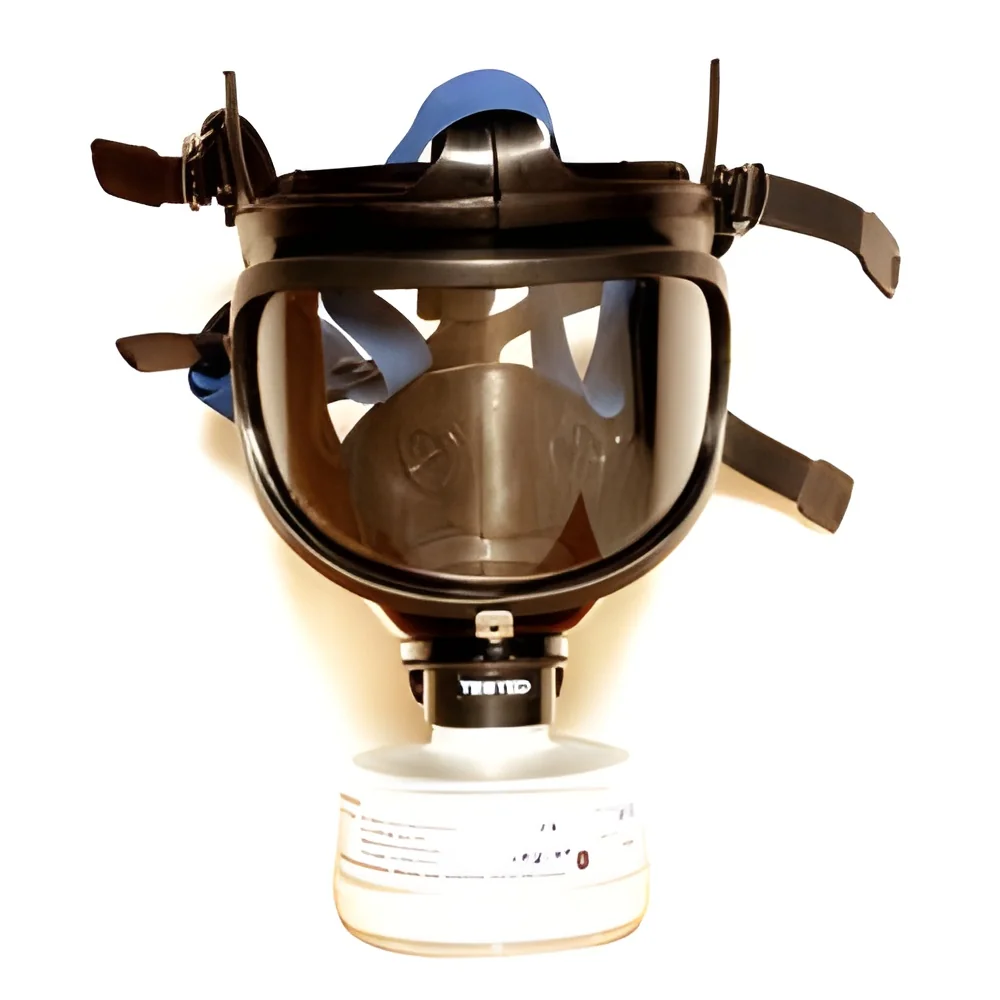
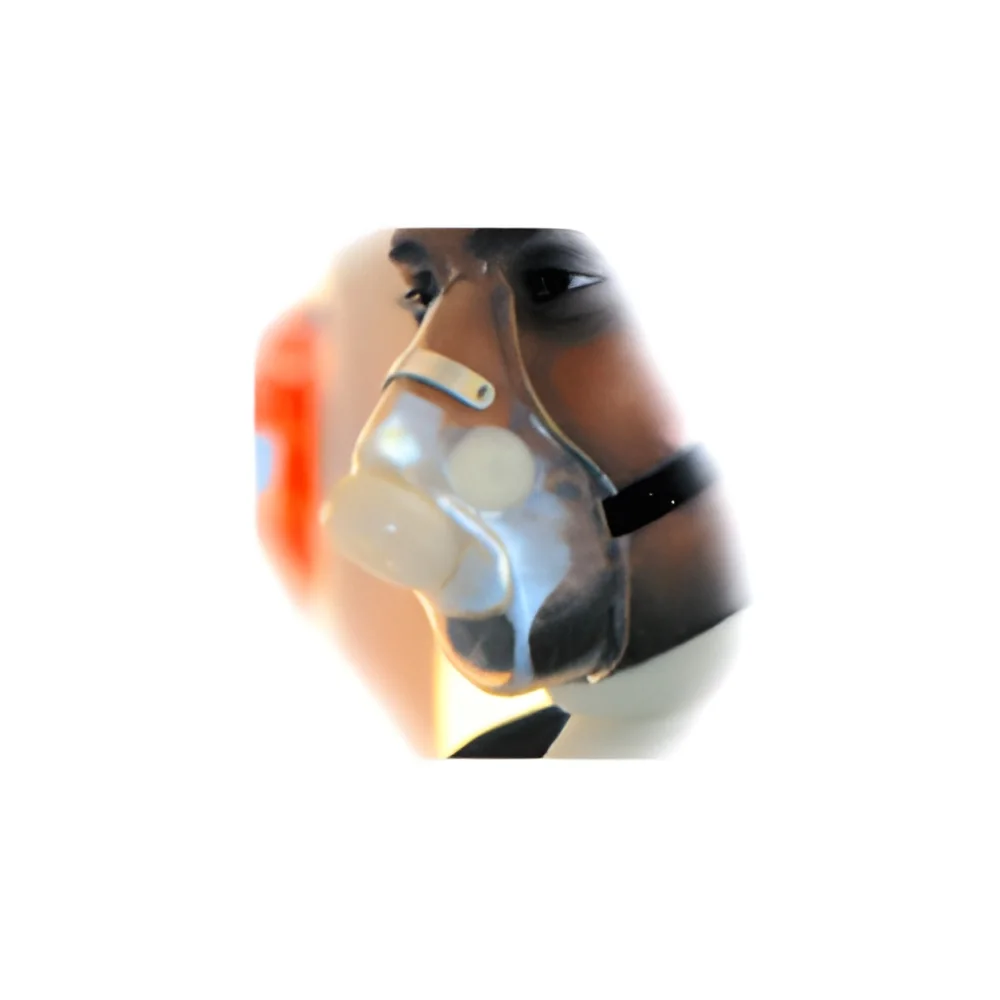
What are Gas Masks & Filters?
Gas masks and filters are protective devices designed to cover the face and filter out harmful airborne contaminants. They are essential safety equipment used to prevent inhalation of toxic substances, including gases, vapors, and particulate matter. The masks typically consist of a facepiece, a filter or canister, and a head strap to ensure a secure fit. Filters are critical components that capture harmful agents before they enter the respiratory system.
These products are widely used across various sectors, including manufacturing, healthcare, emergency response, and military applications. In industrial settings, they protect workers from exposure to hazardous materials, especially during chemical spills or in environments with poor air quality. In healthcare, they are vital for protecting staff and patients from airborne diseases. The market for gas masks and filters is expanding due to increased awareness of workplace safety and environmental health concerns.
Key Features and Specifications
Gas masks and filters come with a range of features and specifications that cater to specific needs across industries. Understanding these specifications is crucial for selecting the right product for various applications.
Key specifications include:
1. Filter Type
- Different filters are designed for specific contaminants, such as particulate filters, gas filters, or combination filters.
- Technical parameters include the types of gases or particles the filter can capture.
2. Facepiece Material
- Common materials include rubber, silicone, or thermoplastic, ensuring flexibility and durability.
- Technical parameters may include temperature resistance and comfort level.
3. Protection Level
- Masks may offer different levels of protection, such as P100 or N95 ratings.
- Technical parameters define the percentage of airborne particles filtered out.
4. Fit Testing
- Ensures a proper seal against the skin, minimizing leaks.
- Parameters may include quantitative or qualitative fit testing methods.
5. Weight
- Consideration for comfort during extended use.
- Typical weight ranges from 0.5 to 2.5 pounds depending on construction and features.
6. Lifespan
- Filters have a limited lifespan and must be replaced regularly.
- Parameters may include shelf life and operational duration.
7. Certification
- Compliance with safety standards such as CE marking.
- Importance of certifications indicates product reliability.
8. Compatibility
- Compatibility with other safety equipment like helmets or goggles.
- Parameters may indicate specific model compatibilities.
A thorough understanding of these specifications helps businesses make informed choices when sourcing gas masks and filters.
Common Applications and Use Cases
Gas masks and filters serve a multitude of industries and applications, ensuring safety and compliance with health regulations.
1. Manufacturing: In factories, workers may encounter chemical spills or airborne particles, making gas masks essential for protection against hazardous materials.
2. Healthcare: Medical professionals use gas masks during surgeries or in infectious disease outbreaks to protect against airborne pathogens.
3. Military: Armed forces rely on gas masks for protection against chemical warfare and biological threats, ensuring readiness in various combat scenarios.
4. Firefighting: Firefighters wear gas masks to filter out toxic smoke and gases during rescue operations in hazardous environments.
5. Environmental Cleanup: Workers involved in cleaning up contaminated sites use gas masks to shield themselves from harmful substances.
6. Laboratories: Research facilities require gas masks for personnel handling volatile chemicals or conducting experiments that release harmful vapors.
7. Agriculture: Farmers use gas masks when applying pesticides or fertilizers to avoid inhalation of toxic chemicals.
Product Variants and Subcategories
Gas masks and filters are available in various forms, each designed for specific applications and environments.
Full-Face Gas Masks: These masks provide complete coverage of the face and eyes, offering enhanced protection against airborne contaminants. They are suitable for industrial use and emergency response situations.
Half-Face Gas Masks: Designed to cover only the mouth and nose, these masks are lighter and often used in environments with lower risk exposure. They are ideal for tasks like spray painting or working with solvents.
Disposable Respirators: These are single-use masks that protect against particulates and are commonly used in construction and healthcare settings. They are convenient and cost-effective for short-term use.
Powered Air-Purifying Respirators (PAPRs): These systems use a battery-powered blower to provide a continuous flow of filtered air to the wearer. They are ideal for environments with high levels of contaminants.
Benefits and Advantages
Gas masks and filters offer several key benefits that enhance workplace safety and employee health.
1. Enhanced Safety: They significantly reduce the risk of inhaling hazardous materials, protecting workers from acute and chronic health issues.
2. Compliance with Regulations: Using gas masks helps businesses adhere to occupational health and safety regulations, mitigating legal risks.
3. Versatility: Available in various types and sizes, they cater to different industries and applications, ensuring broad applicability.
4. Improved Productivity: By ensuring a safe working environment, gas masks help reduce absenteeism due to health issues, contributing to overall productivity.
5. Cost-Effective Protection: Investing in gas masks and filters can be more economical than dealing with health-related incidents and potential lawsuits.
6. Comfort and Fit: Modern designs prioritize comfort, encouraging consistent usage and providing better protection.
Buying Guide for B2B Buyers
When sourcing gas masks and filters for your organization, several factors should be taken into account to ensure you make the right choice.
1. Quality Assessment: Evaluate products based on durability, material specifications, and performance ratings. Ensuring high quality will lead to better protection and longevity.
2. Supplier Verification: Vet suppliers carefully to ensure they provide certified and reliable products. Check for reviews, industry reputation, and compliance with safety standards.
3. Pricing and MOQ: Analyze pricing structures and minimum order quantities to determine the financial viability of your purchase. Consider long-term needs to get the best value.
4. Delivery and Lead Times: Understand the logistics involved in procurement. Confirm lead times to ensure timely delivery of products to meet operational needs.
5. Compliance Requirements: Ensure that the products meet relevant regulatory standards and certifications. This is crucial for maintaining workplace safety and legal compliance.
Compliance and Certifications
Gas masks and filters must adhere to stringent quality standards to ensure safety and effectiveness. Key standards include ISO 9001 for quality management systems, ensuring consistent quality in manufacturing processes.
Industry certifications like CE marking indicate compliance with European health, safety, and environmental protection standards. This certification assures buyers of the product's reliability and safety.
Safety and testing requirements involve rigorous assessments to confirm that masks effectively filter out harmful substances. This includes testing for various contaminants, ensuring that products meet or exceed performance benchmarks.
Regional compliance may vary, with different countries having specific regulations regarding personal protective equipment. It's essential for buyers to understand these requirements to avoid potential penalties and ensure worker safety.
Why Source Gas Masks & Filters from Pepagora?
Pepagora offers a trusted platform for sourcing gas masks and filters, providing several key advantages to B2B buyers.
Verified Supplier Network: We maintain a network of verified suppliers who meet stringent quality standards. This ensures that buyers receive reliable products that meet industry requirements.
Streamlined RFQ Process: Our Request for Quotation system simplifies the procurement process, allowing buyers to easily compare prices and specifications from multiple suppliers. This efficiency saves time and enhances decision-making.
Trade Assurance and Support: Pepagora offers trade assurance, providing buyers with protection against payment risks. Our dedicated support team is available to assist with inquiries and ensure smooth transactions.
Regional Coverage: We have a broad geographic reach across India, the GCC, and Southeast Asia. This allows us to cater to diverse market needs and facilitate timely deliveries, enhancing our clients' operational capabilities.

 IN
IN