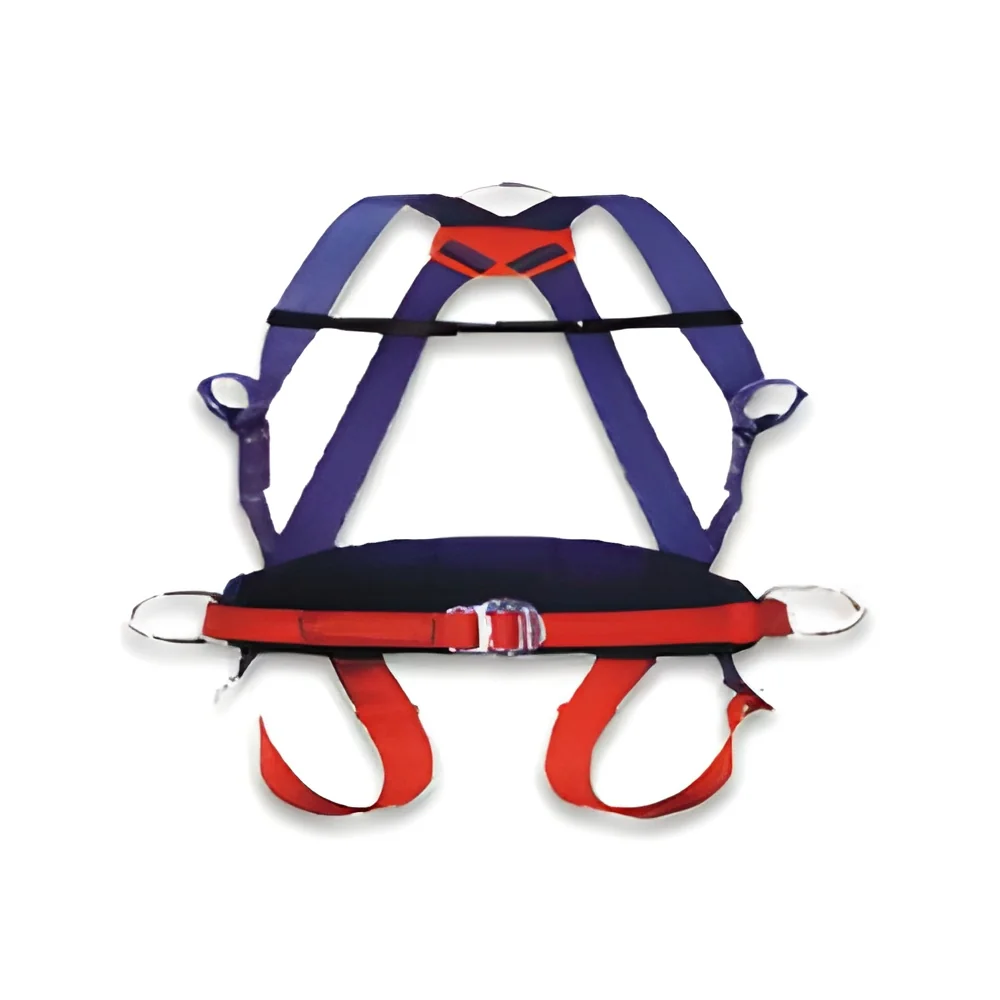
What are Fall Protection Equipment (Harnesses, Lanyards)?
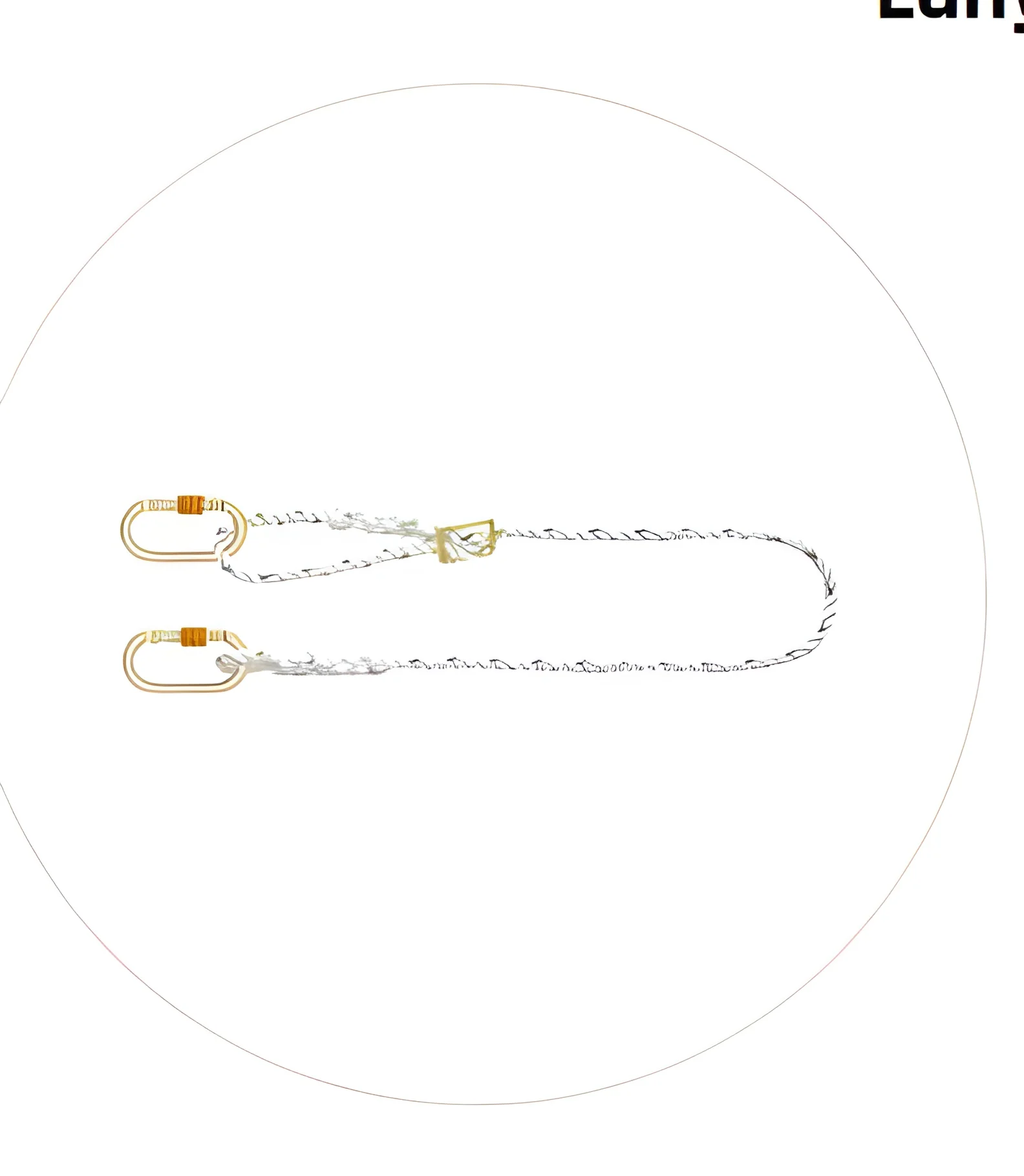
Fall protection equipment, including harnesses and lanyards, is essential for ensuring safety in work environments where workers are at risk of falling. Harnesses are worn around the body and are designed to distribute the force of a fall over a larger area, minimizing injury. Lanyards connect the harness to an anchor point and are designed to absorb the energy of a fall to reduce impact forces.
These products are primarily used in industries such as construction, manufacturing, and maintenance, where work is performed at heights or on elevated surfaces. They are critical for compliance with safety regulations and are integral to workplace safety programs. Proper use of fall protection equipment not only protects workers but also reduces liability for employers.
In the current market context, the demand for fall protection equipment continues to grow as safety regulations become more stringent. Businesses are increasingly prioritizing worker safety, which drives innovation and improvements in equipment design and functionality.
𝗞𝗲𝘆 𝗙𝗲𝗮𝘁𝘂𝗿𝗲𝘀 𝗮𝗻𝗱 𝗦𝗽𝗲𝗰𝗶𝗳𝗶𝗰𝗮𝘁𝗶𝗼𝗻𝘀
Fall protection equipment must meet stringent specifications to ensure safety and reliability. Understanding these key features is essential for selecting the right products.
Key specifications include:
1. Material Quality
- Typically constructed from durable, high-strength materials such as polyester or nylon.
- Must withstand significant wear and tear.
2. Load Capacity
- Harnesses and lanyards have specified weight limits, generally ranging from 130 to 310 pounds.
- Must be selected based on the worker's weight and the nature of the job.
3. Adjustment Features
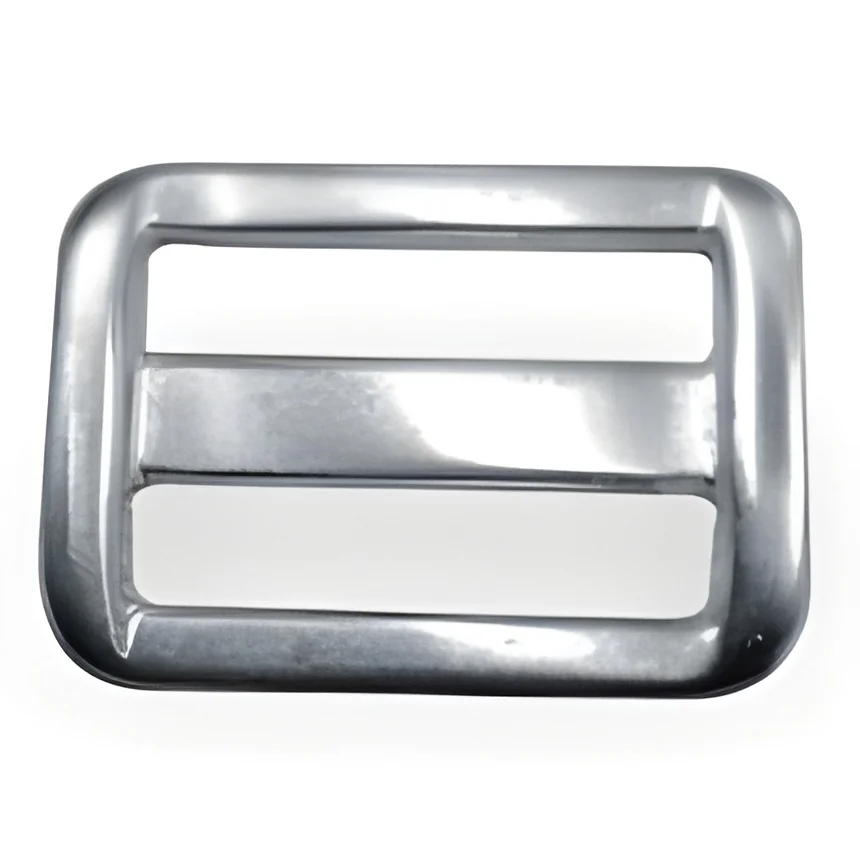
- Many harnesses include adjustable straps to ensure a secure fit.
- Multiple adjustment points enhance comfort and safety.
4. Connection Points
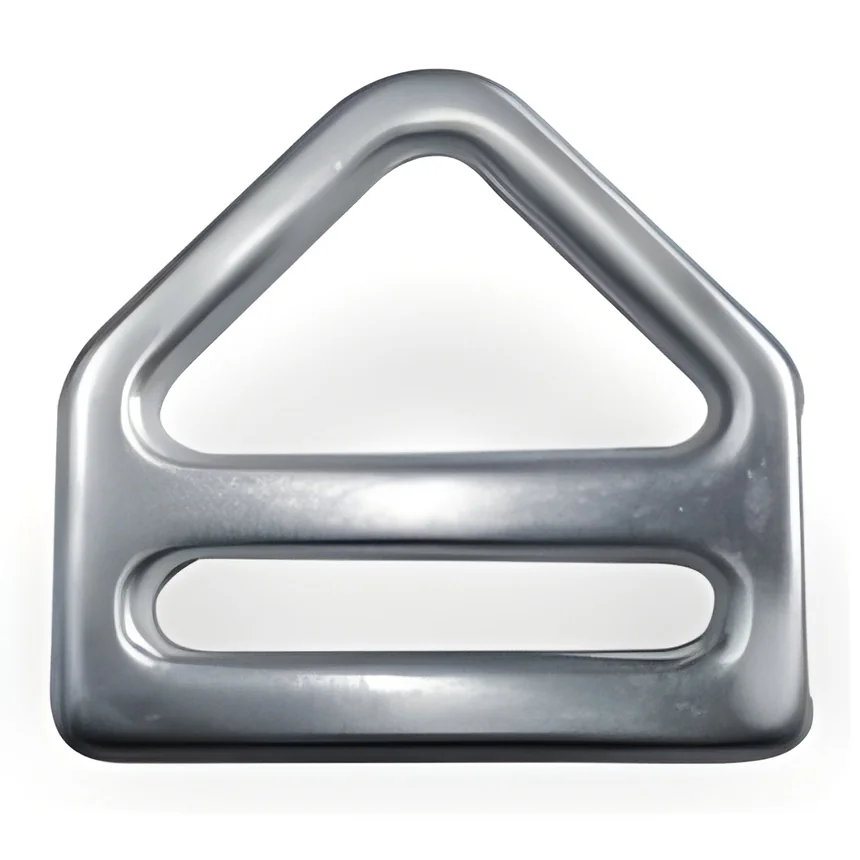
- Harnesses feature multiple D-ring connection points for versatile anchoring options.
- Ensures adaptability for various work situations.
5. Energy Absorption
- Lanyards often include built-in energy absorbers to reduce fall forces.
- Essential for minimizing injury during a fall.
6. Compliance Standards
- Must meet industry standards such as ANSI Z359 and OSHA regulations.
- Ensures products are tested for safety and reliability.
7. Comfort and Breathability
- Many harnesses feature padded straps and breathable materials for extended wear.
- Comfort is crucial for workers on job sites for long periods.
8. Lifespan and Maintenance
- Regular inspection is necessary to ensure functionality and safety.
- Lifespan may vary, but many products are designed for several years of use under proper care.
In summary, understanding these specifications helps businesses select the most appropriate fall protection equipment for their operations.
𝗖𝗼𝗺𝗺𝗼𝗻 𝗔𝗽𝗽𝗹𝗶𝗰𝗮𝘁𝗶𝗼𝗻𝘀 𝗮𝗻𝗱 𝗨𝘀𝗲 𝗖𝗮𝘀𝗲𝘀
Fall protection equipment is utilized in numerous industries where safety at heights is paramount.
1. Construction: Workers use harnesses and lanyards when working on scaffolding, roofs, and elevated platforms to prevent falls.
2. Manufacturing: In manufacturing facilities, maintenance personnel often work on elevated machinery, necessitating reliable fall protection systems.
3. Oil and Gas: Workers in oil rigs or offshore platforms rely on harnesses for safety while conducting inspections and repairs at height.
4. Telecommunications: Technicians working on cell towers utilize fall protection equipment to ensure safety during installation and maintenance tasks.
5. Window Cleaning: Professionals cleaning high-rise buildings depend on harnesses and lanyards to perform their jobs safely.
6. Warehousing: Employees working on loading docks and elevated storage areas use fall protection gear to prevent accidents while handling goods at height.
7. Forestry: Workers in forestry operations use fall protection when climbing trees or working on steep slopes.
𝗣𝗿𝗼𝗱𝘂𝗰𝘁 𝗩𝗮𝗿𝗶𝗮𝗻𝘁𝘀 𝗮𝗻𝗱 𝗦𝘂𝗯𝗰𝗮𝘁𝗲𝗴𝗼𝗿𝗶𝗲𝘀
Fall protection equipment offers various options to meet specific needs and applications.
Standard Harnesses: These harnesses are designed for general use and provide essential safety features for various tasks. They often include multiple adjustment points for comfort and fit.
Positioning Harnesses: Specifically designed for work positioning, these harnesses allow users to work hands-free while securely attached to an anchor point. They are often used in construction and maintenance applications.
Rescue Harnesses: These harnesses are equipped with additional features for emergency situations, allowing for safe retrieval of workers who have fallen or are incapacitated.
Cross-Back Harnesses: Designed for improved weight distribution, these harnesses provide enhanced comfort and support for workers who need to wear them for extended periods.
𝗕𝗲𝗻𝗲𝗳𝗶𝘁𝘀 𝗮𝗻𝗱 𝗔𝗱𝘃𝗮𝗻𝘁𝗮𝗴𝗲𝘀
Investing in high-quality fall protection equipment offers numerous advantages for businesses and workers alike.
1. Enhanced Safety: Reliable fall protection equipment significantly reduces the risk of injury in hazardous work environments.
2. Compliance Assurance: Using certified equipment ensures that businesses meet safety regulations and industry standards.
3. Increased Worker Confidence: When workers know they are protected, they can perform their tasks more effectively and with less anxiety.
4. Lower Liability: Proper safety measures minimize the risk of accidents and associated legal and financial liabilities for employers.
5. Versatility: Many harnesses and lanyards are designed for various applications, making them suitable for multiple job functions.
6. Long-term Cost Savings: Investing in durable equipment can reduce replacement costs and improve overall safety records, leading to lower insurance premiums.
𝗕𝘂𝘆𝗶𝗻𝗴 𝗚𝘂𝗶𝗱𝗲 𝗳𝗼𝗿 𝗕𝟮𝗕 𝗕𝘂𝘆𝗲𝗿𝘀
When sourcing fall protection equipment, businesses should consider several important factors.
1. Quality Assessment: Evaluate the materials and construction quality to ensure durability and reliability. High-quality equipment is essential for safety.
2. Supplier Verification: Research potential suppliers to confirm their credibility and reputation in the market. Look for reviews and certifications that demonstrate reliability.
3. Pricing and MOQ: Understand the pricing structure and minimum order quantities to make informed purchasing decisions. Compare prices across suppliers for the best value.
4. Delivery and Lead Times: Assess logistics and delivery times to ensure timely availability of equipment. Reliable suppliers can provide accurate lead time estimates.
5. Compliance Requirements: Ensure that the equipment meets all relevant safety regulations and industry standards. This is critical for maintaining a safe work environment.
𝗖𝗼𝗺𝗽𝗹𝗶𝗮𝗻𝗰𝗲 𝗮𝗻𝗱 𝗖𝗲𝗿𝘁𝗶𝗳𝗶𝗰𝗮𝘁𝗶𝗼𝗻𝘀
Compliance with safety standards is crucial for fall protection equipment, ensuring the highest levels of safety and reliability.
Relevant quality standards include ISO 9001, which emphasizes quality management systems, and CE certification, a mark that indicates conformity with European health, safety, and environmental protection standards. These certifications are vital for businesses operating in or exporting to European markets.
In addition to these standards, fall protection equipment must undergo rigorous safety and testing requirements to ensure that it meets established performance criteria. Regular inspections are necessary to maintain compliance and ensure equipment remains effective.
Regional compliance considerations vary by country, and businesses should be aware of local regulations governing fall protection equipment. Adhering to these standards is not just a legal requirement but also a commitment to worker safety.
Why Source Fall Protection Equipment (Harnesses, Lanyards) from Pepagora?
Pepagora provides a trusted platform for sourcing fall protection equipment, offering several key advantages to B2B buyers.
Verified Supplier Network: Pepagora has established a robust network of verified suppliers, ensuring that buyers can access high-quality products from reputable manufacturers. This verification process helps eliminate risks associated with sourcing.
Streamlined RFQ Process: The platform features a user-friendly request for quotation (RFQ) system that simplifies the purchasing process. Buyers can easily compare offerings and receive timely responses from suppliers.
Trade Assurance and Support: Pepagora offers trade assurance, protecting buyers' investments and providing support throughout the sourcing process. This assurance fosters trust and confidence in transactions.
Regional Coverage: With a strong presence in India, the GCC, and Southeast Asia, Pepagora facilitates access to fall protection equipment across diverse markets. This regional focus allows businesses to efficiently source products tailored to their specific needs.

 IN
IN