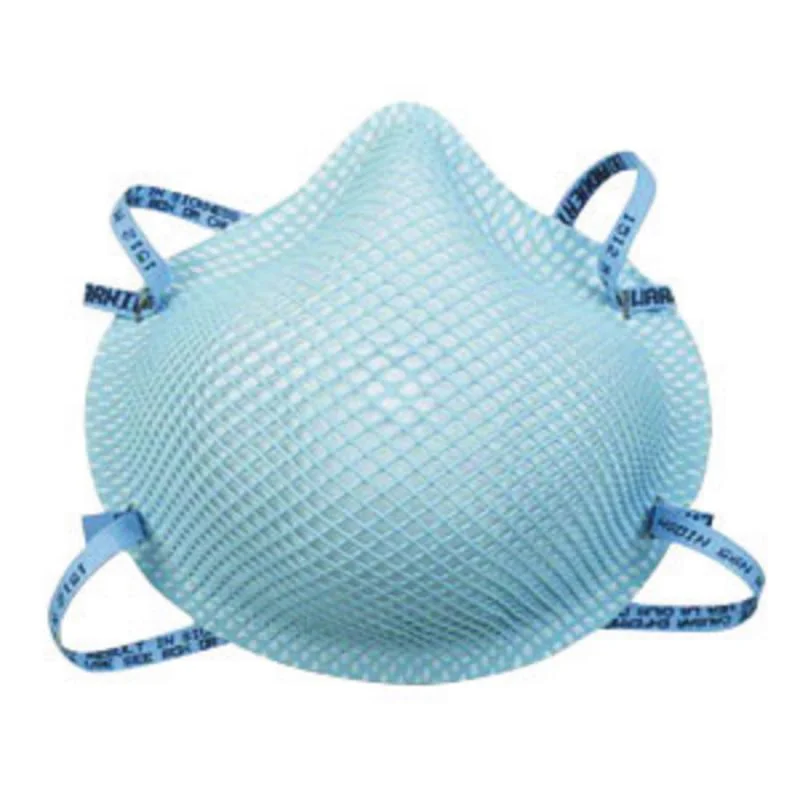
𝗪𝗵𝗮𝘁 𝗮𝗿𝗲 𝗥𝗲𝘀𝗽𝗶𝗿𝗮𝘁𝗼𝗿𝘀 & 𝗙𝗮𝗰𝗲 𝗠𝗮𝘀𝗸𝘀?
Respirators and face masks are essential protective equipment designed to cover the mouth and nose, providing a barrier against airborne contaminants. Respirators are typically more advanced, designed to filter out harmful particles, gases, and vapors, while face masks primarily prevent droplet transmission. Both types of equipment play a critical role in safeguarding health, especially in environments where exposure to hazardous materials is prevalent.
These products are widely used across various industries, including healthcare, construction, manufacturing, and agriculture. In healthcare, respirators protect against infectious diseases, while in construction, they guard against dust and chemical exposure. The demand for these products has surged due to increased awareness of health and safety standards, particularly following global health crises that highlighted the importance of respiratory protection.
The relevance of respirators and face masks in today's market cannot be overstated. With ongoing regulatory changes and a growing emphasis on workplace safety, industries are increasingly adopting these protective measures. The market for respiratory protection equipment continues to expand, driven by technological advancements and heightened awareness of health risks.
𝗞𝗲𝘆 𝗙𝗲𝗮𝘁𝘂𝗿𝗲𝘀 𝗮𝗻𝗱 𝗦𝗽𝗲𝗰𝗶𝗳𝗶𝗰𝗮𝘁𝗶𝗼𝗻𝘀
Respirators and face masks come with various features and specifications that determine their effectiveness and suitability for different applications. Understanding these specifications is crucial for businesses looking to procure the right equipment.
Key specifications include:
1. Filtration Efficiency
- The ability of the respirator or mask to filter out particles and contaminants
- Measured in percentages, with higher values indicating better protection
2. Fit Testing
- Ensures that the respirator forms a proper seal around the face
- Critical for maximizing protection and comfort during use
3. Breathability
- The ease of breathing through the mask or respirator
- Assessed through pressure drop measurements
4. Material Composition
- The type of materials used in the construction of the mask or respirator
- Impacts durability, comfort, and filtration properties
5. Certification Standards
- Compliance with regulatory standards such as CE marking
- Indicates that the product has been tested for safety and efficacy
6. Usage Duration
- Recommended time frame for safe usage before replacement
- Varies by product type and environmental conditions
7. Maintenance Requirements
- Guidelines for cleaning, storage, and replacement
- Important for ensuring ongoing effectiveness
8. Compatibility with Other PPE
- Ability to be worn with other personal protective equipment without compromising safety
- Essential in environments requiring multiple layers of protection
These specifications collectively inform the selection process, ensuring that businesses choose the right respiratory protection for their needs.
𝗖𝗼𝗺𝗺𝗼𝗻 𝗔𝗽𝗽𝗹𝗶𝗰𝗮𝘁𝗶𝗼𝗻𝘀 𝗮𝗻𝗱 𝗨𝘀𝗲 𝗖𝗮𝘀𝗲𝘀
Respirators and face masks find applications across numerous industries, each with unique requirements.
1. Healthcare: In hospitals and clinics, respirators are crucial for protecting medical staff from airborne pathogens, particularly during surgical procedures and infectious disease outbreaks.
2. Construction: Workers in construction sites use respirators to shield themselves from dust, asbestos, and other hazardous materials, ensuring their respiratory health while working in potentially harmful environments.
3. Manufacturing: In manufacturing facilities, respirators protect workers from exposure to chemical fumes, dust, and particulate matter, which can lead to long-term health issues.
4. Agriculture: Farmworkers utilize masks and respirators to mitigate the risks associated with pesticide exposure and airborne allergens, promoting safer working conditions.
5. Mining: In mining operations, respirators are essential for protecting miners from inhaling harmful dust and gases, which are prevalent in underground environments.
6. Food Processing: Employees in food processing plants may use masks to prevent contamination and maintain hygiene standards, especially in environments where airborne particles can affect product safety.
7. Emergency Services: First responders wear respirators to protect themselves from hazardous materials and airborne pathogens during emergency situations.
𝗣𝗿𝗼𝗱𝘂𝗰𝘁 𝗩𝗮𝗿𝗶𝗮𝗻𝘁𝘀 𝗮𝗻𝗱 𝗦𝘂𝗯𝗰𝗮𝘁𝗲𝗴𝗼𝗿𝗶𝗲𝘀
Respirators and face masks come in various types, each designed for specific applications and safety levels.
N95 Respirators: These respirators are designed to filter out at least 95% of airborne particles, making them suitable for healthcare and industrial use. They provide a secure fit and are commonly used in settings where exposure to infectious agents is a concern.
Surgical Masks: Often used in healthcare settings, surgical masks provide a barrier to prevent droplet transmission. They are typically loose-fitting and do not offer the same level of filtration as respirators but are essential for protecting both patients and healthcare providers.
Half-Face Respirators: These provide respiratory protection by covering the mouth and nose while allowing for the use of interchangeable filters. They are suitable for various applications, including painting, chemical handling, and other industrial processes.
Full-Face Respirators: Offering complete coverage of the face, these respirators protect against both inhaled and splashed contaminants. They are commonly used in environments with high levels of exposure to hazardous substances.
𝗕𝗲𝗻𝗲𝗳𝗶𝘁𝘀 𝗮𝗻𝗱 𝗔𝗱𝘃𝗮𝗻𝘁𝗮𝗴𝗲𝘀
Respirators and face masks offer numerous benefits that are crucial for workplace safety and health.
1. Enhanced Protection: These devices significantly reduce the risk of inhaling harmful particles and pathogens, safeguarding the health of workers in various industries.
2. Compliance with Regulations: Using appropriate respiratory protection helps businesses comply with health and safety regulations, avoiding potential fines and legal issues.
3. Improved Worker Confidence: Providing quality respiratory protection can boost employee confidence and morale, knowing they are protected while on the job.
4. Versatility: With various types and styles available, respirators and face masks can be tailored to meet the specific needs of different industries and applications.
5. Cost-Effectiveness: Investing in quality respiratory protection can reduce long-term health costs associated with occupational illnesses and injuries.
6. Ease of Use: Many respirators and face masks are designed for comfort and ease of use, enabling workers to wear them for extended periods without significant discomfort.
𝗕𝘂𝘆𝗶𝗻𝗴 𝗚𝘂𝗶𝗱𝗲 𝗳𝗼𝗿 𝗕𝟮𝗕 𝗕𝘂𝘆𝗲𝗿𝘀
When sourcing respirators and face masks, B2B buyers should consider several critical factors to ensure they select the best products for their needs.
1. Quality Assessment: Evaluate the quality of the respirators and masks by checking for certifications and compliance with industry standards. Look for products that meet or exceed recommended safety guidelines.
2. Supplier Verification: Vet potential suppliers by reviewing their reputation, customer feedback, and compliance with regulatory requirements. Ensuring that you partner with reliable suppliers is crucial for maintaining product quality.
3. Pricing and MOQ: Consider the total cost of ownership, including unit price, shipping costs, and any minimum order quantities. Balance cost with quality to ensure you receive the best value.
4. Delivery and Lead Times: Understand the delivery schedules and lead times associated with your orders. Ensure that suppliers can meet your timeline to avoid disruptions in your operations.
5. Compliance Requirements: Familiarize yourself with the relevant regulations and compliance standards in your industry. Ensure that the products you are sourcing meet these requirements to avoid legal complications.
𝗖𝗼𝗺𝗽𝗹𝗶𝗮𝗻𝗰𝗲 𝗮𝗻𝗱 𝗖𝗲𝗿𝘁𝗶𝗳𝗶𝗰𝗮𝘁𝗶𝗼𝗻𝘀
Compliance with quality standards is paramount in the manufacturing and distribution of respirators and face masks. Key standards include ISO 9001, which emphasizes quality management systems, and HACCP, focusing on food safety. Compliance with Good Distribution Practices (GDP) ensures that products are handled and distributed safely.
Industry certifications, such as CE marking, signify that respirators and face masks meet European safety, health, and environmental protection standards. These certifications are essential for products used in healthcare, construction, and other high-risk sectors.
Safety and testing requirements vary by region and industry. Buyers must consider local regulations and ensure that products comply with any specific safety standards that apply to their operations. This attention to detail helps maintain workplace safety and enhances the credibility of the business.
𝗪𝗵𝘆 𝗦𝗼𝘂𝗿𝗰𝗲 𝗥𝗲𝘀𝗽𝗶𝗿𝗮𝘁𝗼𝗿𝘀 & 𝗙𝗮𝗰𝗲 𝗠𝗮𝘀𝗸𝘀 𝗳𝗿𝗼𝗺 𝗣𝗲𝗽𝗮𝗴𝗼𝗿𝗮?
Pepagora provides a trusted platform for sourcing respirators and face masks, offering several key advantages that benefit B2B buyers.
Verified Supplier Network: Pepagora connects buyers with a network of verified suppliers committed to quality and compliance. This network ensures that buyers can find reliable products that meet their specific needs.
Streamlined RFQ Process: The request for quotation (RFQ) process is designed to be efficient, allowing buyers to quickly obtain quotes from multiple suppliers. This streamlined approach saves time and helps buyers make informed purchasing decisions.
Trade Assurance and Support: Pepagora offers trade assurance, providing buyers with protection throughout the purchasing process. This assurance includes support for dispute resolution, ensuring a smoother transaction experience.
Regional Coverage: With a strong presence in India, the GCC, and Southeast Asia, Pepagora provides extensive geographic reach. This regional coverage enables buyers to access a diverse range of products and suppliers tailored to their local markets.

 IN
IN