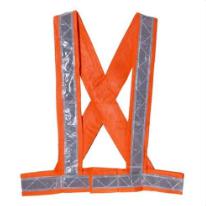
What are Safety Belts?
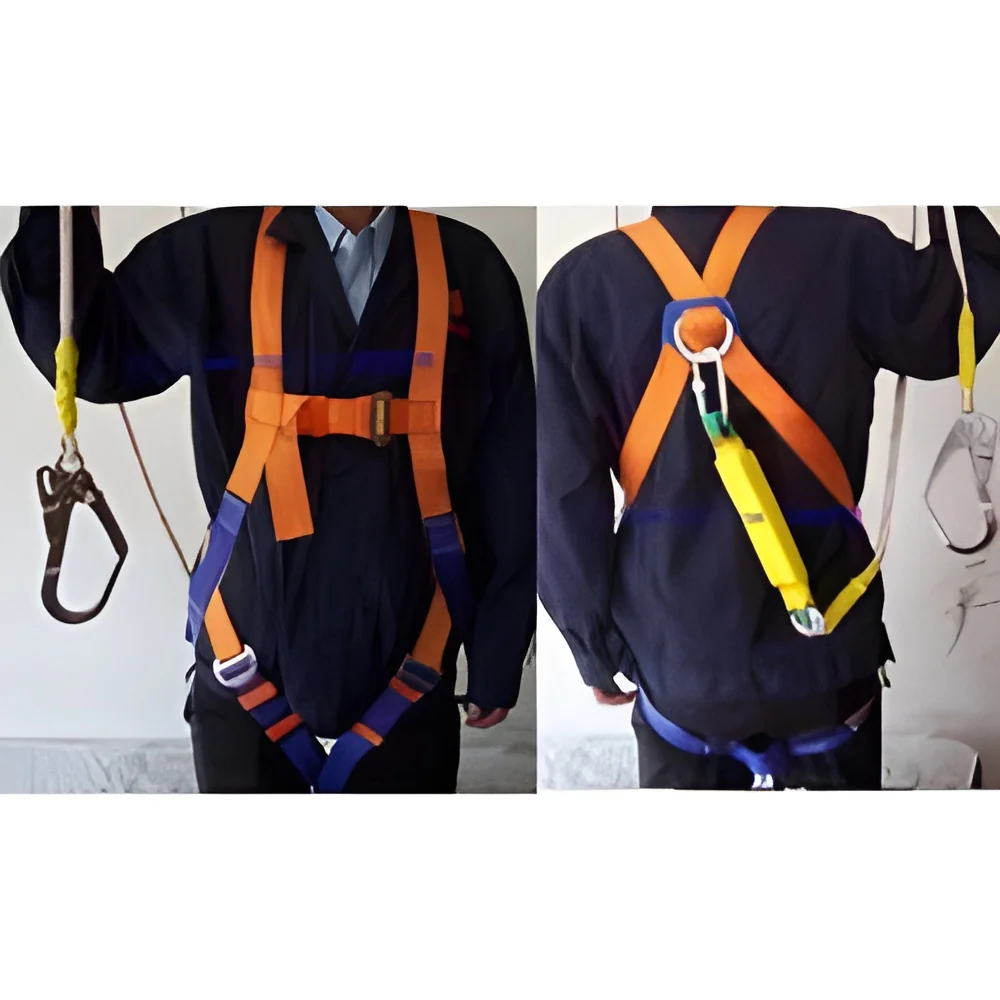
Safety belts are essential safety devices designed to secure individuals in place during various activities, particularly in industrial and commercial settings. They are typically made from strong, durable materials that can withstand significant tension and impact. Safety belts function by distributing the force of a sudden stop or fall across the body, thereby reducing the risk of injury. Their design often incorporates elements such as buckles, straps, and harnesses to ensure a secure fit.
The primary uses of safety belts extend to a variety of applications, including construction, manufacturing, and transportation. In construction sites, for instance, workers use safety belts to prevent falls from heights. In vehicles, safety belts are a critical component of passenger safety, designed to protect occupants in the event of an accident. The relevance of safety belts in industry has grown in response to increasing safety regulations and a heightened awareness of workplace safety, driving demand across multiple sectors.
Key Features and Specifications
Safety belts come with a range of features designed to enhance safety, usability, and comfort. Understanding these specifications is crucial for businesses looking to procure quality safety belts.
Key specifications include:
1. Material Quality
- Made from high-strength polyester or nylon
- Designed to withstand wear and tear
2. Load Capacity
- Typically rated for weight ranges from 100 kg to 200 kg
- Critical for ensuring safety under varying load conditions
3. Adjustment Mechanism
- Equipped with adjustable straps for a custom fit
- Facilitates ease of use and comfort during prolonged wear
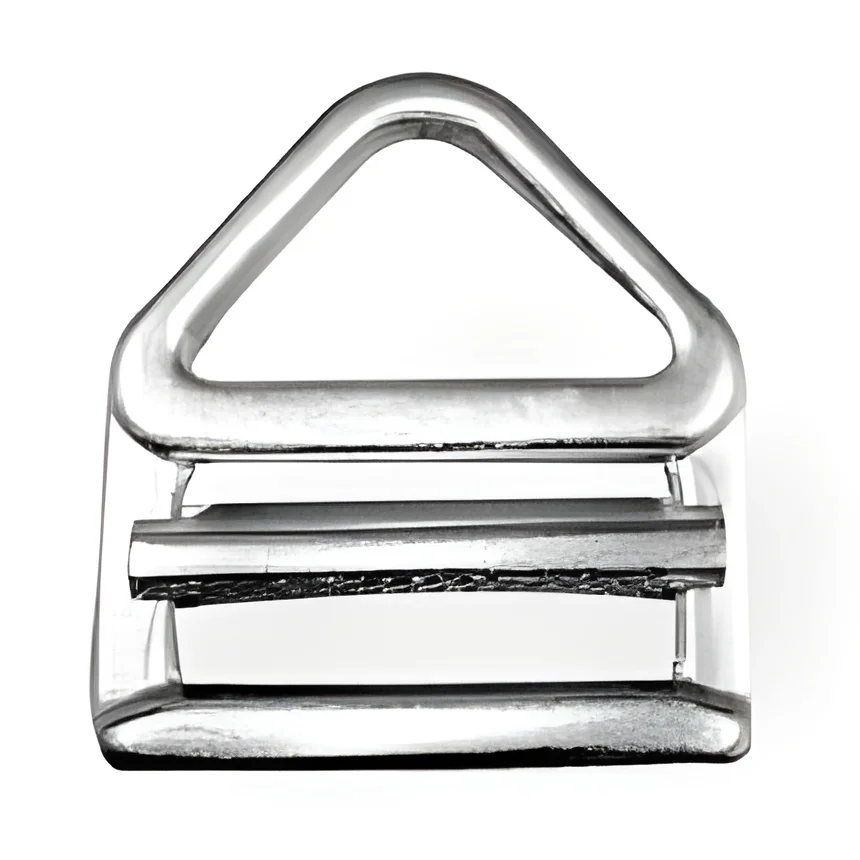
4. Buckle Type
- Available with quick-release or locking buckles
- Essential for swift and secure fastening
5. Certification Compliance
- Must meet CE standards for safety
- Ensures that products adhere to industry regulations
6. Design Variations
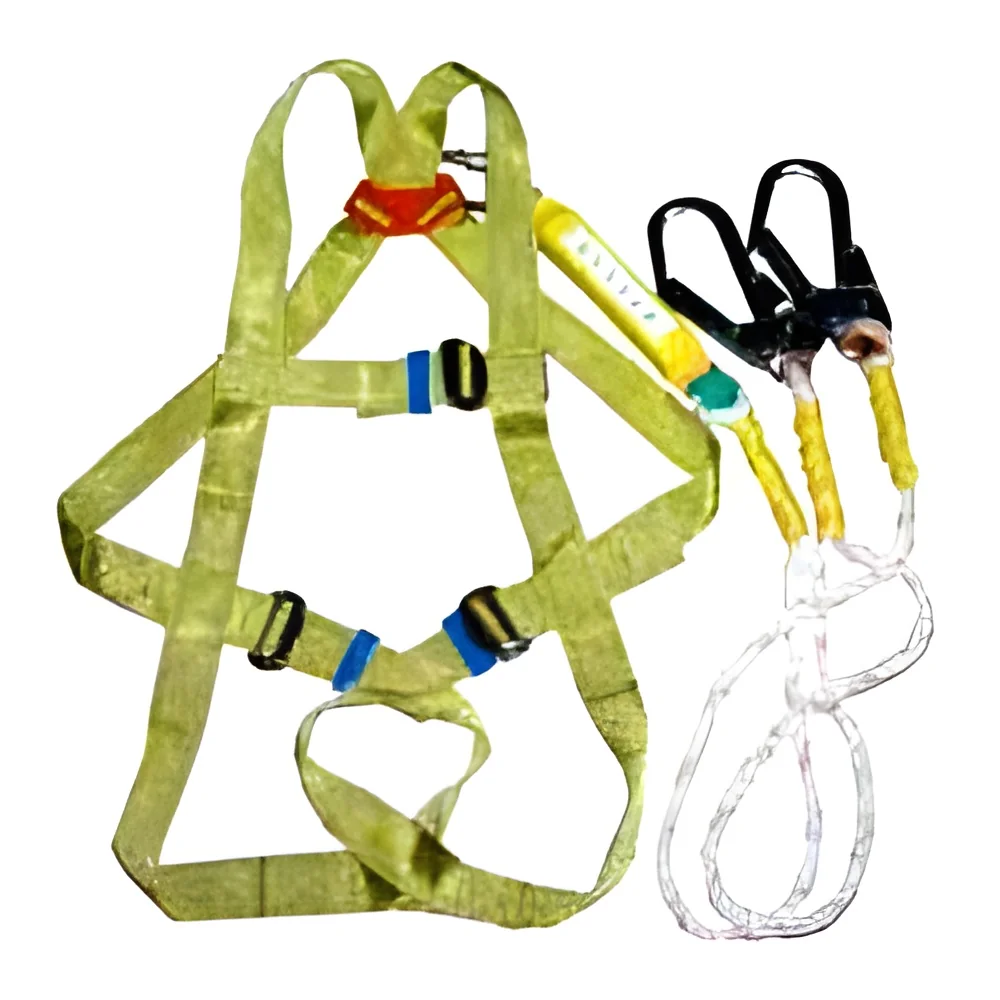
- Available in different styles, including full-body and waist belts
- Tailored for specific applications or industries
7. Color Options
- Offered in various colors for visibility and identification
- Important for safety in busy work environments
8. Maintenance Guidelines
- Recommendations for cleaning and inspection
- Essential for prolonging the life of safety belts
In summary, when selecting safety belts, it is imperative to consider these specifications to ensure compliance with safety standards and to provide maximum protection for users.
Common Applications and Use Cases
Safety belts are utilized across diverse industries, each with specific applications that highlight their importance.
1. Construction: Safety belts are critical for workers on scaffolding or elevated platforms, providing fall protection and preventing injuries.
2. Manufacturing: In factories, safety belts are used by employees operating machinery, ensuring their safety during tasks that involve lifting or moving heavy items.
3. Transportation: Safety belts are fundamental in vehicles, protecting passengers and drivers during transit and reducing the risk of injury in accidents.
4. Oil and Gas: Workers in this industry use safety belts while working at heights or near hazardous areas, ensuring their safety in challenging environments.
5. Warehousing: Safety belts help warehouse staff when handling goods at height, providing necessary support and reducing fall risks.
6. Telecommunications: Technicians use safety belts while installing or repairing equipment on tall structures, ensuring their safety during elevated work.
7. Emergency Services: In rescue operations, safety belts secure personnel during high-risk situations, safeguarding them against falls.
Product Variants and Subcategories
Safety belts come in a variety of designs tailored to specific needs and applications. While detailed subcategories are not available, various variants can serve distinct purposes.
Full-Body Safety Belt
This variant provides comprehensive support, distributing weight evenly across the body. It is ideal for workers exposed to high elevations and ensures maximum protection against falls.
Waist Safety Belt
Designed primarily for individuals who require mobility, this belt supports the lower body. It is commonly used in warehouse operations where workers need to move freely while being secured.
Adjustable Safety Harness
This harness features adjustable straps for a customizable fit. It is perfect for users engaged in tasks requiring both flexibility and safety.
Benefits and Advantages
Investing in quality safety belts offers numerous advantages for businesses and their employees.
1. Enhanced Safety: Safety belts significantly reduce the risk of falls and injuries in hazardous work environments, providing peace of mind for employers and employees alike.
2. Compliance with Regulations: Using certified safety belts ensures adherence to safety laws and regulations, mitigating the risk of fines and penalties.
3. Increased Productivity: When workers feel secure, they can focus better on their tasks, leading to improved productivity and efficiency in operations.
4. Cost-Effective Solution: Investing in safety belts can prevent costly accidents and injuries, saving businesses significant expenses related to medical care and workers' compensation.
5. Versatile Applications: Safety belts can be adapted for use in various industries and situations, making them a flexible solution for diverse workplace challenges.
6. Easy Maintenance: Most safety belts require minimal upkeep, which allows businesses to maintain safety standards without excessive time or resources.
Buying Guide for B2B Buyers
When sourcing safety belts, several critical factors must be considered to ensure a successful purchase.
1. Quality Assessment: Evaluate the quality of materials and construction. Look for belts that meet recognized safety standards to ensure durability and effectiveness.
2. Supplier Verification: Vet suppliers for reliability and reputation. Check for certifications and reviews to ensure that they can provide quality products consistently.
3. Pricing and MOQ: Understand the pricing structure and minimum order quantities. Compare options from different suppliers to find the best value for your investment.
4. Delivery and Lead Times: Confirm logistics and expected delivery times. Reliable suppliers should provide clear timelines for order fulfillment to avoid disruptions in operations.
5. Compliance Requirements: Ensure that the safety belts meet all relevant regulatory and compliance standards within your industry. This is crucial for maintaining workplace safety and legal adherence.
Compliance and Certifications
Safety belts must comply with various quality standards and certifications to ensure their effectiveness and reliability. Relevant standards often include ISO 9001, which focuses on quality management systems, and CE certification, which signifies that products meet European safety and health requirements.
Testing requirements are also critical, as safety belts undergo rigorous assessments to ensure they can withstand specified loads and conditions. This testing verifies that the belts perform effectively under real-world usage scenarios.
Additionally, businesses should be aware of regional compliance considerations, as safety regulations may vary from one location to another. Understanding these nuances is essential for companies operating in multiple regions to ensure that their safety belts meet local standards.
Why Source Safety Belts from Pepagora?
Pepagora provides a trusted platform for sourcing safety belts, offering several key advantages that set it apart from competitors.
Verified Supplier Network: Pepagora connects buyers with a network of verified suppliers, ensuring that all listed products meet high-quality standards. This verification process helps businesses find reliable partners in their sourcing efforts.
Streamlined RFQ Process: The platform features a user-friendly request for quotation system, allowing businesses to easily compare offers from different suppliers. This streamlined process saves time and enhances decision-making efficiency.
Trade Assurance and Support: Pepagora emphasizes buyer protection through its trade assurance policies. This support gives buyers confidence in their purchases, knowing they are safeguarded against potential issues.
Regional Coverage: With a strong presence in India, the GCC, and Southeast Asia, Pepagora offers extensive geographic reach. This ensures that businesses across these regions can access quality safety belts tailored to their specific needs.

 IN
IN