What are Protective Eyewear & Safety Glasses?
Protective eyewear and safety glasses are specialized eye protection devices designed to shield the eyes from potential hazards in various environments. These products are engineered to prevent injuries caused by flying debris, chemicals, harmful radiation, and other risks present in industrial, construction, and laboratory settings. Protective eyewear is typically made from durable materials that meet specific safety standards, ensuring a high level of protection for the wearer.
The primary uses of protective eyewear include safeguarding workers in industries such as construction, manufacturing, and healthcare. In construction, safety glasses protect against dust and debris. In manufacturing, they shield eyes from harmful chemicals and machinery-related hazards. In healthcare, protective eyewear is crucial for safeguarding against biological and chemical exposures. The growing awareness of workplace safety regulations has further boosted the demand for these products across various sectors, reinforcing their critical role in ensuring employee safety and compliance with industry standards.
Key Features and Specifications
Protective eyewear and safety glasses come with an array of features designed to enhance safety and comfort. When selecting these products, it is essential to consider various specifications that impact performance and usability.
Key specifications include:
1. Lens Material
- Common materials include polycarbonate and Trivex, known for their strength and impact resistance.
- Optical clarity is crucial, with many lenses offering UV protection.
2. Frame Design
- Frames can vary in style, including wrap-around and goggle styles, providing different levels of coverage.
- Lightweight designs enhance comfort during extended wear.
3. Anti-Fog Coating
- Many safety glasses feature anti-fog coatings to maintain clear vision in humid environments.
- This feature is particularly important in high-temperature settings.
4. Scratch Resistance
- Scratch-resistant coatings help extend the life of the lenses by minimizing damage from debris.
- This feature is essential for maintaining visibility and safety.
5. Adjustable Features
- Some models offer adjustable temples and nose pads for a customized fit.
- A secure fit enhances protection and comfort.
6. Compliance Standards
- Protective eyewear must meet recognized safety standards, such as ANSI Z87.1 in the United States.
- Compliance with these standards ensures the eyewear provides adequate protection.
7. Light Transmission
- The amount of light that passes through the lenses can vary, affecting visibility.
- Different tints are available for specific applications, such as welding or outdoor work.
8. Side Shields
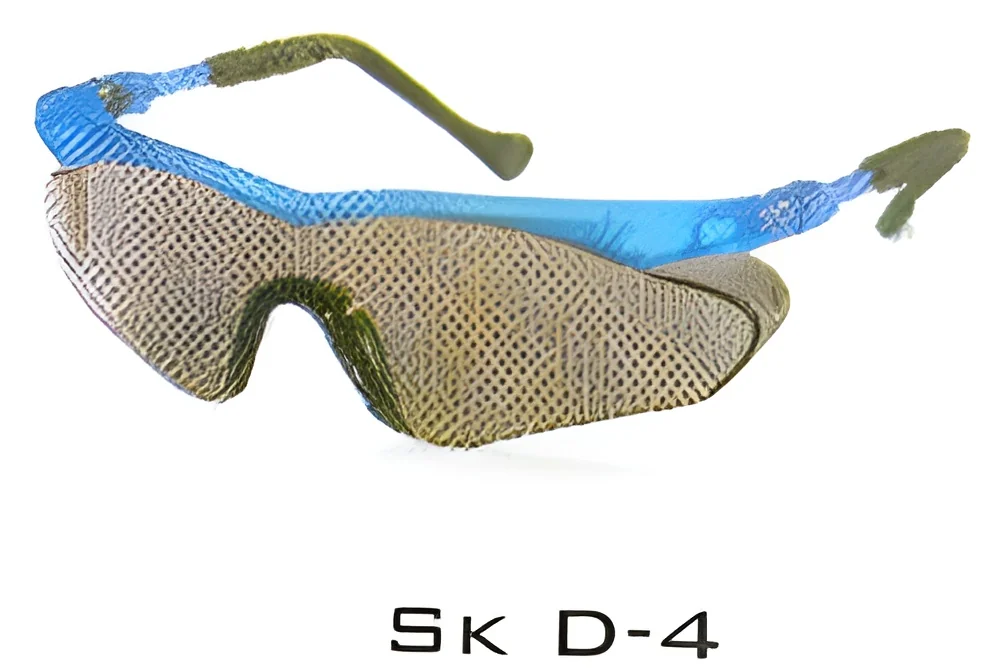
- Integrated or removable side shields provide additional protection from peripheral hazards.
- This feature is beneficial in environments where exposure risks are high.
In summary, understanding these features and specifications will help businesses choose the right protective eyewear to meet their specific safety requirements.
Common Applications and Use Cases
Protective eyewear and safety glasses serve a vital role across numerous industries, ensuring worker safety and compliance with regulations.
1. Construction: In construction sites, workers are exposed to flying debris and hazardous materials. Safety glasses protect against eye injuries from tools and construction activities.
2. Manufacturing: In manufacturing settings, employees may encounter hazardous chemicals and machinery. Protective eyewear is essential for preventing chemical splashes and debris injuries.
3. Healthcare: In healthcare environments, protective eyewear is used to shield workers from bodily fluids and chemical exposures during procedures.
4. Laboratories: Laboratory personnel require safety glasses to protect against chemical spills and potentially harmful substances during experiments.
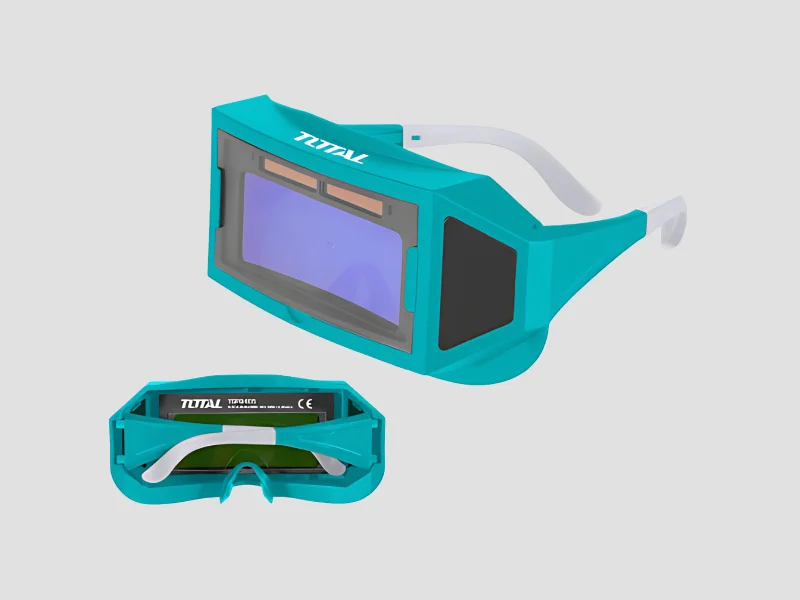
5. Welding: Welders need specialized eyewear with tinted lenses to protect their eyes from intense light and harmful UV rays.
6. Automotive: In automotive repair shops, safety glasses help shield mechanics from flying particles and chemical splashes.
7. Agriculture: Farmers and agricultural workers use protective eyewear to guard against dust, pesticides, and other airborne particles.
Product Variants and Subcategories
Protective eyewear and safety glasses come in various designs to meet specific needs and preferences.
Safety Goggles: Safety goggles provide a snug fit around the eyes, offering maximum protection against dust and liquid splashes. They are ideal for laboratory work and hazardous environments.
Safety Glasses: These are lightweight and comfortable, designed for general use in construction and manufacturing. They typically feature impact-resistant lenses and adjustable frames.
Sunglasses for Safety: These glasses combine UV protection with safety features, making them suitable for outdoor work. They protect against glare and harmful solar radiation.
Anti-Fog Safety Glasses: Designed for environments with temperature fluctuations, these glasses feature coatings that prevent fogging, ensuring clear visibility during work.
Benefits and Advantages
Investing in protective eyewear and safety glasses offers several key benefits to businesses and employees.
1. Enhanced Safety: These products significantly reduce the risk of eye injuries in hazardous environments, protecting employees from potential harm.
2. Regulatory Compliance: Using certified protective eyewear helps organizations meet safety regulations, avoiding potential fines and legal issues.
3. Improved Productivity: Clear vision and comfort contribute to better focus and efficiency, allowing workers to perform tasks more effectively.
4. Long-Term Cost Savings: Investing in quality eyewear can decrease medical costs associated with eye injuries, ultimately saving businesses money.
5. Customization Options: Many suppliers offer customized eyewear solutions, allowing businesses to meet specific safety requirements and branding needs.
6. Employee Morale: Providing protective eyewear demonstrates a commitment to worker safety, which can boost employee morale and job satisfaction.
Buying Guide for B2B Buyers
When sourcing protective eyewear and safety glasses, it is essential for B2B buyers to consider several factors to ensure they make informed purchasing decisions.
1. Quality Assessment: Buyers should evaluate the quality of materials and construction of the eyewear. Look for certifications that indicate compliance with industry standards.
2. Supplier Verification: It is crucial to verify suppliers for reliability and reputation. Check for reviews and request samples to assess product quality.
3. Pricing and MOQ: Understand pricing structures and minimum order quantities to align with budgetary constraints while ensuring adequate supply.
4. Delivery and Lead Times: Assess the logistics of delivery, including lead times, to ensure timely availability of products when needed.
5. Compliance Requirements: Familiarize yourself with relevant regulatory requirements to ensure the eyewear meets necessary safety standards for your industry.
Compliance and Certifications
Compliance with industry standards is critical for protective eyewear and safety glasses. Products should adhere to recognized quality standards such as ISO 9001, ensuring consistent quality management processes. Certifications like CE are essential in the European market, indicating that the eyewear meets safety and health requirements.
Safety testing is also a crucial component, with eyewear undergoing rigorous testing for impact resistance, optical clarity, and chemical resistance. Regional compliance considerations may vary, so it is vital to stay informed about local regulations to ensure that the eyewear meets specific safety requirements in different markets.
Why Source Protective Eyewear & Safety Glasses from Pepagora?
Pepagora provides a trusted platform for sourcing protective eyewear and safety glasses, offering several key advantages to B2B buyers.
Verified Supplier Network: Pepagora connects buyers with a network of verified suppliers, ensuring that all products meet industry standards for safety and quality. This reduces the risk of sourcing from unreliable vendors.
Streamlined RFQ Process: The request for quotation process is designed for ease, allowing buyers to quickly obtain competitive pricing and product options from multiple suppliers in one place.
Trade Assurance and Support: Pepagora offers trade assurance, protecting buyers against potential risks in transactions. This support helps build trust and confidence in sourcing activities.
Regional Coverage: With a strong presence in India, the GCC, and Southeast Asia, Pepagora provides buyers with access to a diverse range of products and suppliers, ensuring regional needs are met efficiently.
Sourcing protective eyewear and safety glasses through Pepagora enhances procurement efficiency while ensuring high standards of quality and safety are maintained.

 IN
IN