
 IN
Sweeteners (Aspartame, Stevia, Sucralose)
7 products available
Key Features and Specifications
Sweeteners such as Aspartame, Stevia, and Sucralose come with several distinctive features and specifications that cater to various applications.
Key specifications include:
1. Sweetness Intensity
- Aspartame is approximately 200 times sweeter than sugar.
- Stevia can be up to 300 times sweeter than sugar.
- Sucralose is about 600 times sweeter than sugar.
2. Caloric Content
- Aspartame contains 4 calories per gram but is used in such small amounts that it is considered calorie-free.
- Stevia has zero calories.
- Sucralose is also calorie-free.
3. Solubility
- Aspartame is soluble in water and suitable for a range of applications.
- Stevia has good solubility in water but may have a slightly different solubility profile depending on its form.
- Sucralose is highly soluble in water and stable in high temperatures.
4. Stability
- Aspartame is stable at room temperature but can degrade at high temperatures.
- Stevia is heat-stable, making it suitable for cooking and baking.
- Sucralose remains stable under heat and has a long shelf life.
5. Regulatory Status
- Aspartame is approved by various health authorities, including the FDA and EFSA.
- Stevia has been recognized as safe for consumption in many countries.
- Sucralose is also widely approved and used globally.
6. Taste Profile
- Aspartame has a taste profile similar to sugar.
- Stevia can have a slight aftertaste depending on the concentration.
- Sucralose has a clean sweetness without any aftertaste.
7. Usage Levels
- Aspartame is typically used in very small amounts due to its high sweetness level.
- Stevia usage varies depending on the formulation but is generally used at lower levels compared to sugar.
- Sucralose can be used in a variety of products, from beverages to baked goods, with specific usage guidelines.
In summary, these sweeteners offer diverse features that cater to different industry needs, making them valuable components in product formulation.
Common Applications and Use Cases
Sweeteners like Aspartame, Stevia, and Sucralose have a wide range of applications across various industries.
1. Food and Beverage Industry: These sweeteners are commonly used in diet sodas, sugar-free snacks, and low-calorie desserts, allowing manufacturers to create products that appeal to health-conscious consumers.
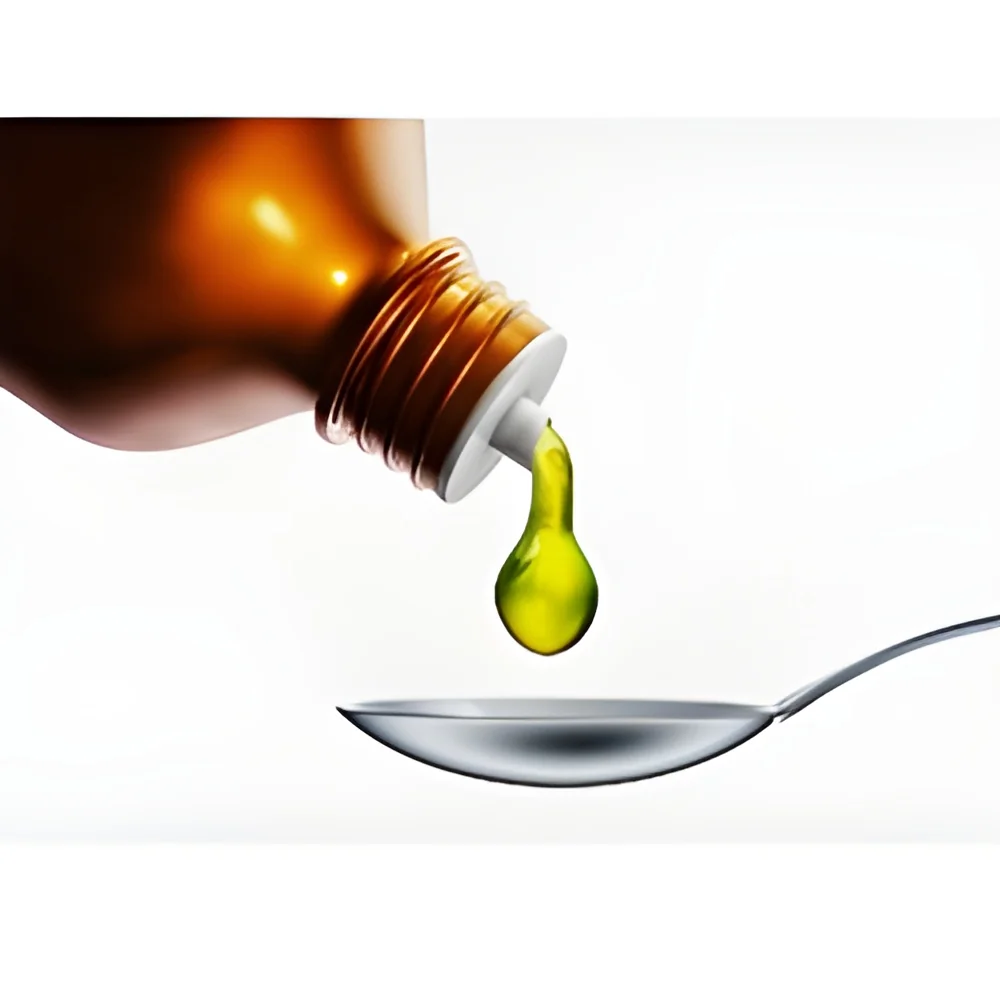
2. Pharmaceuticals: Sweeteners are often incorporated into liquid medications and chewable tablets to improve palatability, making them easier for patients to consume.
3. Health and Nutrition Products: Many nutritional supplements and meal replacement products use these sweeteners to enhance flavor without adding calories.
4. Confectionery: Sugar-free candies and chocolates utilize sweeteners to provide a satisfying taste without the sugar content.
5. Dairy Products: Reduced-calorie yogurts and flavored milk often contain these sweeteners to maintain sweetness while lowering calorie counts.
6. Baking and Cooking: Some sweeteners are suitable for baking due to their heat stability, making them ideal for low-calorie baked goods.
7. Sauces and Condiments: Many dressings and sauces use sweeteners to enhance flavor without adding sugar, appealing to consumers looking for healthier options.
Product Variants and Subcategories
Sweeteners come in various forms and formulations, providing options for different applications and preferences.
Aspartame Powder
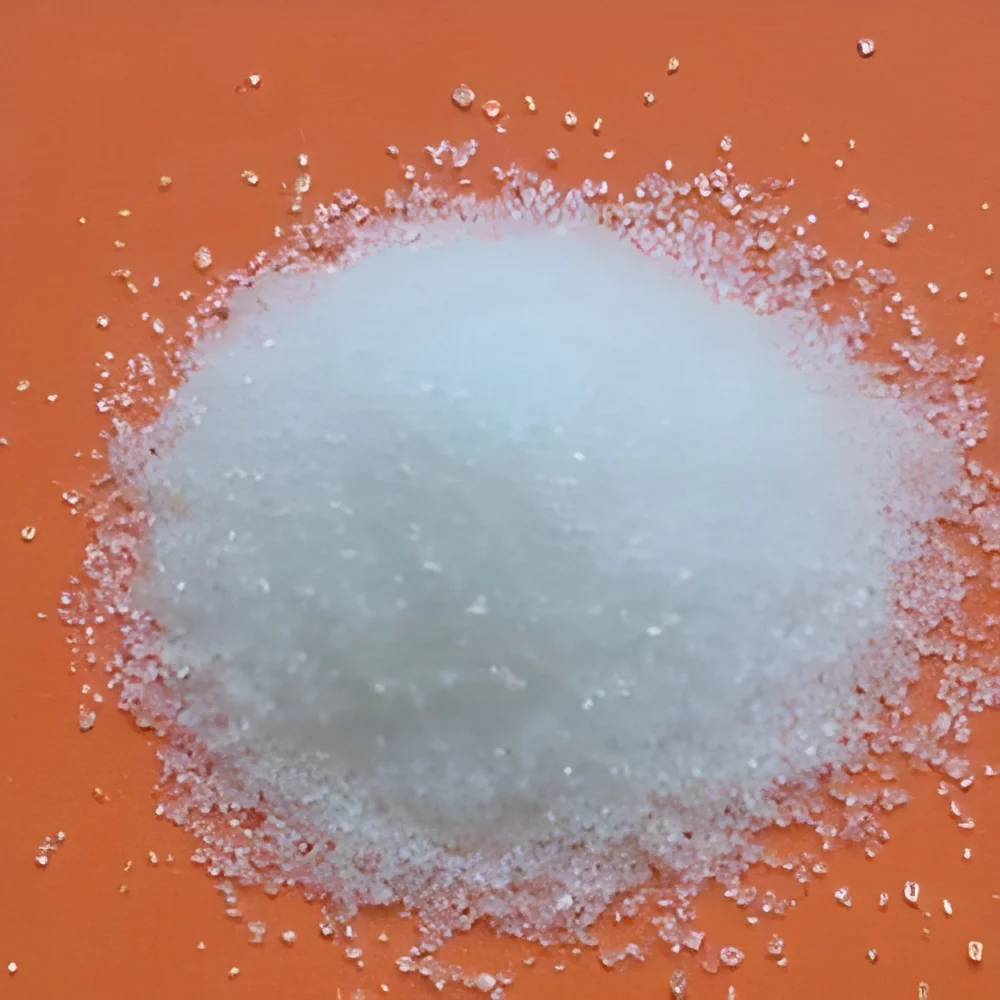
This variant is a fine, white powder that is easily soluble in liquids. It is ideal for beverages and can be used in baking, although caution is advised due to heat sensitivity.
Stevia Extract
This comes in various forms, including liquid and powdered extracts. It is used in a wide range of products, from beverages to baking, and is preferred for those seeking natural sweeteners.
Sucralose Granules
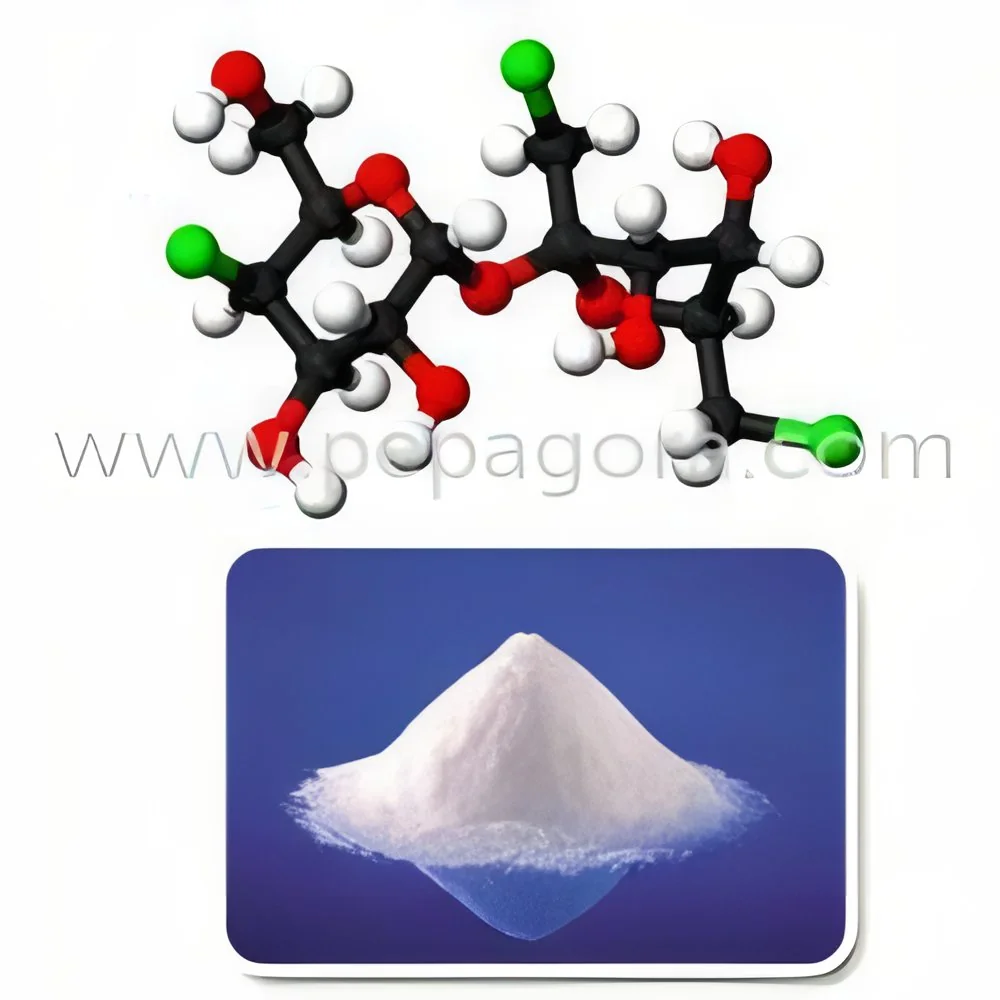
This variant is designed for easy use in cooking and baking. Sucralose granules are heat-stable and can be used in a variety of recipes without losing sweetness.
Benefits and Advantages
Utilizing sweeteners like Aspartame, Stevia, and Sucralose provides numerous advantages for manufacturers and consumers alike.
Key benefits include:
1. Low Calorie Count: These sweeteners allow for reduced calorie formulations, catering to health-conscious consumers looking to manage their weight.
2. Versatile Applications: Their wide range of uses across multiple industries makes them suitable for diverse product offerings.
3. Sugar Alternatives: They provide a viable alternative to sugar, helping to reduce sugar intake and address health concerns associated with high sugar consumption.
4. Enhanced Flavor: Sweeteners can improve the taste of products without the added calories, making them appealing to consumers.
5. Stable Shelf Life: Many sweeteners offer a long shelf life, reducing waste and extending the usability of products.
6. Regulatory Approval: Approved by various health authorities, these sweeteners provide reassurance to both manufacturers and consumers about their safety.
Buying Guide for B2B Buyers
When sourcing sweeteners like Aspartame, Stevia, and Sucralose, businesses should consider several key factors.
1. Quality Assessment: Ensure that the sweeteners meet industry standards for purity and quality. Look for certifications and testing results to verify compliance.
2. Supplier Verification: Vet suppliers to ensure they have a reliable track record and adhere to safety and quality standards. This can include checking references and reviewing their production processes.
3. Pricing and MOQ: Understand the pricing structures and minimum order quantities (MOQ) to ensure they align with your budget and operational needs.
4. Delivery and Lead Times: Discuss logistics with suppliers to ensure that delivery times meet your production schedules and demand forecasts.
5. Compliance Requirements: Be aware of regulatory requirements specific to your region and industry to ensure all products sourced are compliant with local laws.
Compliance and Certifications
Sweeteners such as Aspartame, Stevia, and Sucralose must comply with various industry standards and certifications to ensure safety and quality.
Relevant quality standards include ISO 9001, which focuses on quality management systems, and HACCP, which emphasizes food safety. These standards help assure that the manufacturing processes are controlled and that the end products are safe for consumption.
Additionally, sweeteners may carry certifications such as CE, which indicates compliance with European health, safety, and environmental protection standards.
Manufacturers must also adhere to safety and testing requirements, which include rigorous testing for contaminants and verification of ingredient integrity.
Regional compliance considerations can vary, so it is essential to stay informed about the specific regulations that apply in your target market. Understanding these compliance requirements can help businesses mitigate risks and ensure that their products meet consumer safety expectations.
Why Source Sweeteners (Aspartame, Stevia, Sucralose) from Pepagora?
Pepagora offers a reliable platform for sourcing sweeteners like Aspartame, Stevia, and Sucralose, providing numerous advantages for buyers.
Verified Supplier Network: Pepagora connects buyers with a network of verified suppliers. Each supplier undergoes a thorough vetting process to ensure they meet quality and safety standards.
Streamlined RFQ Process: The platform simplifies the request for quotation (RFQ) process, allowing buyers to easily compare prices and negotiate terms with multiple suppliers, saving time and effort.
Trade Assurance and Support: Pepagora provides trade assurance, protecting buyers throughout the transaction process. This includes support for resolving any disputes or issues that may arise.
Regional Coverage: With a strong presence in regions such as India, the GCC, and Southeast Asia, Pepagora offers extensive geographic coverage, making it easier for businesses to source sweeteners that meet their local market demands.


 India
 India
 India

Frequently Asked Questions
What are Sweeteners (Aspartame, Stevia, Sucralose)?
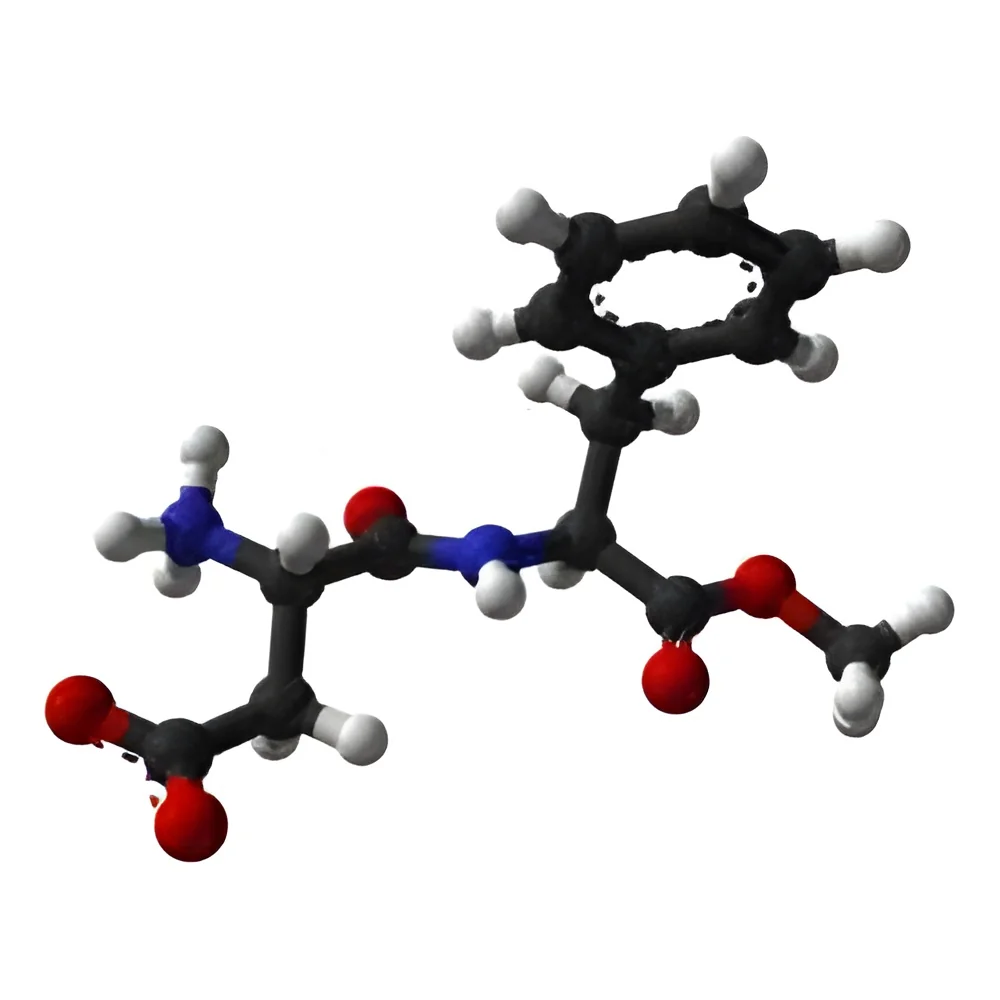
Sweeteners such as Aspartame, Stevia, and Sucralose are substances used to enhance the sweetness of food and beverages without adding significant calories. Aspartame is an artificial sweetener made from amino acids, while Stevia is a natural sweetener derived from the leaves of the Stevia rebaudiana plant. Sucralose is another artificial sweetener, known for being much sweeter than sugar and having no calories.
What are the different types of Sweeteners (Aspartame, Stevia, Sucralose)?
The main types of sweeteners include non-nutritive sweeteners like Aspartame, Sucralose, and natural sweeteners like Stevia. Aspartame and Sucralose are synthetic, designed to mimic the sweetness of sugar, while Stevia is derived from a plant source. Each type varies in sweetness level, caloric content, and potential applications in food production.
How do I choose the right Sweeteners (Aspartame, Stevia, Sucralose)?
Choosing the right sweetener depends on several factors including sweetness level, caloric content, and intended use. Consider whether you need a natural or artificial option, as well as any dietary restrictions or preferences. Additionally, testing different sweeteners in your recipes can help determine the best fit for your needs.
What are the standard specifications for Sweeteners (Aspartame, Stevia, Sucralose)?
Standard specifications for sweeteners typically include purity levels, moisture content, and specific gravity. For Aspartame, a purity of at least 98% is common, while Stevia extracts should meet defined levels of stevioside content. Sucralose specifications often focus on its sweetness intensity and stability under various conditions.
What is the price range for Sweeteners (Aspartame, Stevia, Sucralose)?
The price range for sweeteners can vary widely based on type, quality, and supplier. Typically, Aspartame and Sucralose may range from INR 300 to INR 800 per kilogram, while Stevia prices can vary significantly depending on the extraction process and purity, often ranging from INR 500 to INR 1500 per kilogram.
What quality standards apply to Sweeteners (Aspartame, Stevia, Sucralose)?
Quality standards for sweeteners are set by regulatory bodies such as the FSSAI in India and the FDA in the United States. These standards ensure that sweeteners are safe for consumption and meet specific purity and labeling requirements. Additionally, manufacturers may adhere to ISO quality management standards to ensure product consistency.
Where can I find Sweeteners (Aspartame, Stevia, Sucralose) suppliers in India?
Suppliers of sweeteners can be found through various channels, including B2B marketplaces like Pepagora, trade shows, and industry directories. It is advisable to compare multiple suppliers based on product quality, pricing, and customer reviews to find reputable manufacturers. Networking in industry-specific forums may also provide leads on reliable suppliers.
Can Sweeteners (Aspartame, Stevia, Sucralose) be customized?
Yes, many suppliers offer customization options for sweeteners to meet specific formulation needs. This may include adjusting sweetness levels, blending different types of sweeteners, or altering flavors. It is essential to discuss your requirements with the supplier to ensure they can accommodate your needs.
What is the typical minimum order quantity for Sweeteners (Aspartame, Stevia, Sucralose)?
The typical minimum order quantity (MOQ) for sweeteners can vary by supplier and product type, but it generally ranges from 25 kilograms to 1 ton. Smaller orders may be available through some suppliers, but bulk purchasing is often more cost-effective. Always confirm the MOQ with the supplier before placing an order.
What is the typical lead time for Sweeteners (Aspartame, Stevia, Sucralose)?
The typical lead time for sweeteners can vary depending on the supplier and product availability, but it usually ranges from 1 to 4 weeks. Factors such as order size, customization requests, and shipping logistics can influence lead times. It's advisable to communicate with the supplier for accurate delivery expectations.
Why Businesses Trust Pepagora
Thousands of companies trust Pepagora to source smarter and sell faster
Expand Your Sales Globally

Source Smarter,Grow Faster
