What are Humectants (Glycerol, Sorbitol)?
Humectants are substances that attract and retain moisture, making them essential in various industrial applications. Glycerol and sorbitol are two widely used humectants known for their ability to maintain moisture levels in products, which enhances texture and shelf life. Glycerol, a colorless and odorless liquid, is derived from fats and oils, while sorbitol is a sugar alcohol obtained from glucose. Both compounds play a crucial role in preventing dehydration in products, thereby preserving their quality.
These humectants find primary uses in the food, cosmetic, and pharmaceutical industries. In food production, they improve texture and moisture retention in baked goods, confections, and dairy products. In cosmetics, they are commonly used in lotions and creams to maintain skin hydration. The pharmaceutical industry utilizes glycerol and sorbitol as excipients in various formulations. As industries increasingly prioritize product quality and longevity, the demand for effective humectants continues to grow, making glycerol and sorbitol vital components in product development.
๐๐ฒ๐ ๐๐ฒ๐ฎ๐๐๐ฟ๐ฒ๐ ๐ฎ๐ป๐ฑ ๐ฆ๐ฝ๐ฒ๐ฐ๐ถ๐ณ๐ถ๐ฐ๐ฎ๐๐ถ๐ผ๐ป๐
When evaluating humectants like glycerol and sorbitol, understanding their key features and specifications is essential for making informed purchasing decisions. These specifications help ensure that the selected products meet the specific needs of various applications.
Key specifications include:
1. Purity Levels
- Glycerol typically has a purity level of 99% or higher.
- Sorbitol purity is often around 70% to 99%.
2. Appearance
- Glycerol is a clear, colorless liquid.
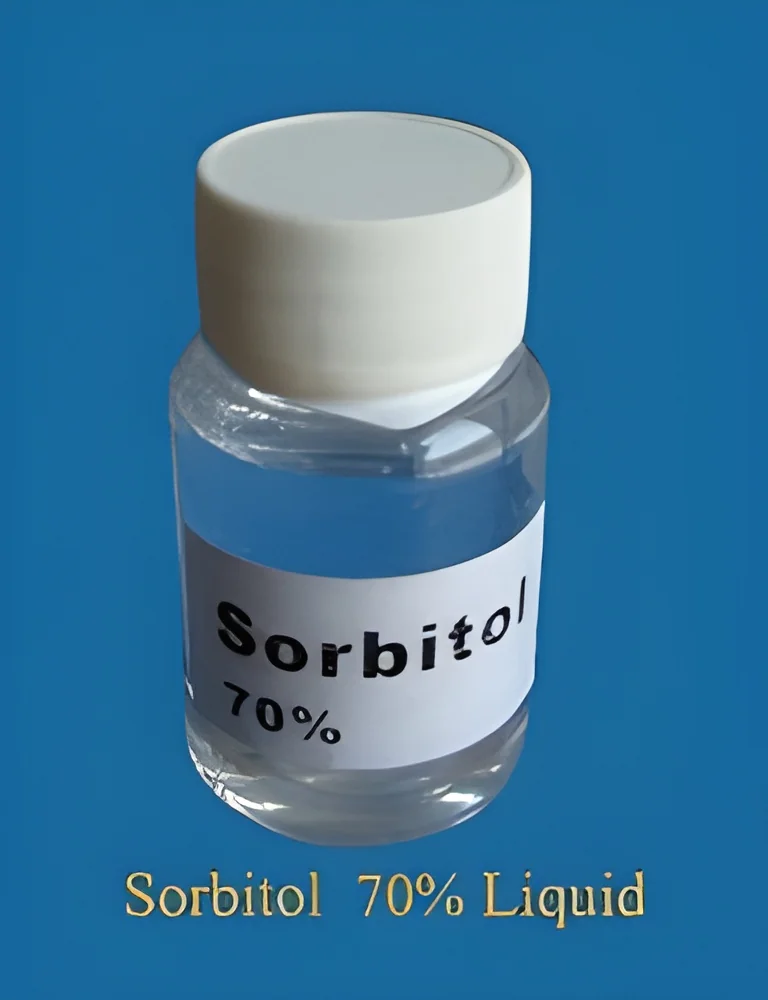
- Sorbitol is usually a white crystalline powder or clear liquid.
3. Solubility
- Glycerol is highly soluble in water and alcohol.
- Sorbitol is also soluble in water, making it suitable for various formulations.
4. Viscosity
- Glycerol has a high viscosity, impacting its flow properties.
- Sorbitol has a lower viscosity, which can influence blending in formulations.
5. Boiling Point
- Glycerol has a boiling point of approximately 290ยฐC.
- Sorbitol can decompose before it boils, making its boiling point less relevant.
6. Shelf Life
- Both glycerol and sorbitol have long shelf lives when stored properly.
- Recommendations for storage usually include a cool, dry environment.
7. Safety Profile
- Both substances are generally recognized as safe (GRAS) for use in food and pharmaceutical applications.
These specifications highlight the critical characteristics of glycerol and sorbitol that influence their selection for various applications.
๐๐ผ๐บ๐บ๐ผ๐ป ๐๐ฝ๐ฝ๐น๐ถ๐ฐ๐ฎ๐๐ถ๐ผ๐ป๐ ๐ฎ๐ป๐ฑ ๐จ๐๐ฒ ๐๐ฎ๐๐ฒ๐
Humectants like glycerol and sorbitol serve a wide range of industries, showcasing their versatility and importance.
1. Food Industry: These humectants are widely used in baked goods to retain moisture, enhancing texture and preventing staleness. They are also common in confectionery products to maintain softness.
2. Cosmetics Industry: Glycerol and sorbitol are key ingredients in lotions and creams, providing hydration and improving skin texture. Their moisture-retaining properties help enhance the efficacy of personal care products.
3. Pharmaceutical Industry: In pharmaceuticals, glycerol acts as a solvent and preservative in liquid formulations. Sorbitol is frequently used as a sweetener and stabilizing agent in syrups and suspensions.
4. Tobacco Industry: Glycerol is utilized in tobacco products to maintain moisture levels, enhancing the smoking experience.
5. Chemical Industry: Both humectants are used as raw materials in the production of various chemicals, contributing to numerous formulations.
6. Agriculture: Glycerol has applications in agriculture as a humectant in fertilizers and pesticides, enhancing their effectiveness.
7. Animal Feed: Sorbitol is used as a feed additive in the livestock industry to improve feed quality and moisture retention.
๐ฃ๐ฟ๐ผ๐ฑ๐๐ฐ๐ ๐ฉ๐ฎ๐ฟ๐ถ๐ฎ๐ป๐๐ ๐ฎ๐ป๐ฑ ๐ฆ๐๐ฏ๐ฐ๐ฎ๐๐ฒ๐ด๐ผ๐ฟ๐ถ๐ฒ๐
While the primary variants of glycerol and sorbitol focus on purity and form, there is diversity within these categories based on application and formulation.
Glycerol USP
This variant meets the standards set by the United States Pharmacopeia. It is suitable for pharmaceutical and food applications, ensuring high purity and quality.
Sorbitol Powder
This variant is available in a granular form, making it easy to incorporate into dry formulations. It is often used in the food industry for its sweetness and moisture-retaining properties.
Sorbitol Liquid
This form is commonly used in liquid formulations, such as syrups and lotions. Its soluble nature makes it ideal for maintaining moisture in various applications.
๐๐ฒ๐ป๐ฒ๐ณ๐ถ๐๐ ๐ฎ๐ป๐ฑ ๐๐ฑ๐๐ฎ๐ป๐๐ฎ๐ด๐ฒ๐
Choosing humectants like glycerol and sorbitol brings several advantages to manufacturers and formulators.
1. Moisture Retention: Humectants effectively attract and hold moisture, enhancing product shelf life and quality.
2. Improved Texture: They contribute to a desirable texture in food and cosmetic products, improving customer satisfaction.
3. Versatility: Glycerol and sorbitol can be used across various industries, making them highly versatile ingredients.
4. Safety: Both compounds are generally recognized as safe, ensuring compliance with health regulations.
5. Cost-Effectiveness: Using humectants can reduce product waste by enhancing shelf life, ultimately leading to cost savings.
6. Functional Benefits: They provide additional functional benefits, such as sweetening and stabilization in formulations.
๐๐๐๐ถ๐ป๐ด ๐๐๐ถ๐ฑ๐ฒ ๐ณ๐ผ๐ฟ ๐๐ฎ๐ ๐๐๐๐ฒ๐ฟ๐
When sourcing humectants like glycerol and sorbitol, B2B buyers should consider several critical factors to ensure they make informed decisions.
1. Quality Assessment: Evaluate the purity and quality of the humectants. Look for certifications indicating compliance with industry standards.
2. Supplier Verification: Vet suppliers by checking their reputations and reliability in the market. Ensure they have a proven track record of delivering quality products.
3. Pricing and MOQ: Analyze pricing structures and minimum order quantities to find the best fit for your budget and requirements.
4. Delivery and Lead Times: Consider logistical aspects, including delivery schedules and lead times, to maintain efficient supply chain management.
5. Compliance Requirements: Ensure that the humectants meet all regulatory and safety standards relevant to your industry, including any necessary certifications.
๐๐ผ๐บ๐ฝ๐น๐ถ๐ฎ๐ป๐ฐ๐ฒ ๐ฎ๐ป๐ฑ ๐๐ฒ๐ฟ๐๐ถ๐ณ๐ถ๐ฐ๐ฎ๐๐ถ๐ผ๐ป๐
Humectants like glycerol and sorbitol are subject to various quality standards and certifications that ensure their safety and effectiveness. ISO 9001 is a common standard for quality management systems, ensuring manufacturers maintain high-quality production processes.
Additionally, the Hazard Analysis and Critical Control Points (HACCP) certification is essential in food-related applications, focusing on food safety. Good Distribution Practices (GDP) compliance is also crucial for maintaining product integrity throughout the supply chain.
In terms of industry certifications, CE marking reflects compliance with European health, safety, and environmental protection standards. It is vital for products marketed in Europe. Safety and testing requirements vary by application, necessitating thorough assessments to confirm the suitability of humectants for specific uses. Regional compliance considerations should also be taken into account, especially when sourcing from different countries.
Why Source Humectants (Glycerol, Sorbitol) from Pepagora?
Pepagora offers a reliable platform for sourcing humectants like glycerol and sorbitol, providing several key advantages for B2B buyers.
Verified Supplier Network: Pepagora connects buyers with a network of verified suppliers, ensuring quality and reliability in sourcing. Each supplier undergoes a rigorous vetting process to maintain standards.
Streamlined RFQ Process: The request for quotation (RFQ) process is designed to be efficient, allowing buyers to easily request and compare quotes from multiple suppliers. This transparency facilitates better decision-making.
Trade Assurance and Support: With trade assurance, Pepagora offers buyer protection, ensuring that transactions are secure. Support services are available to assist buyers throughout the sourcing process.
Regional Coverage: Pepagora has a broad geographic reach, serving markets in India, the GCC, and Southeast Asia. This regional presence enables buyers to access local suppliers and products tailored to their specific needs.