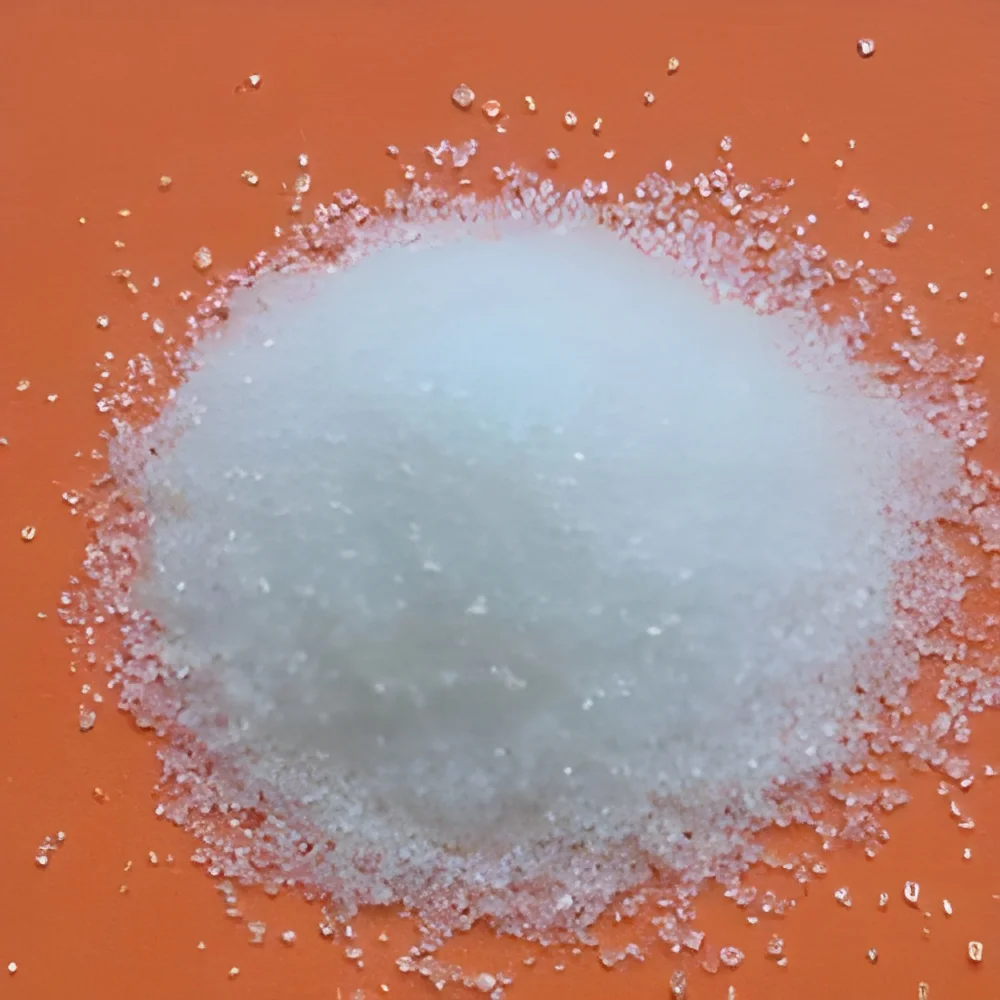
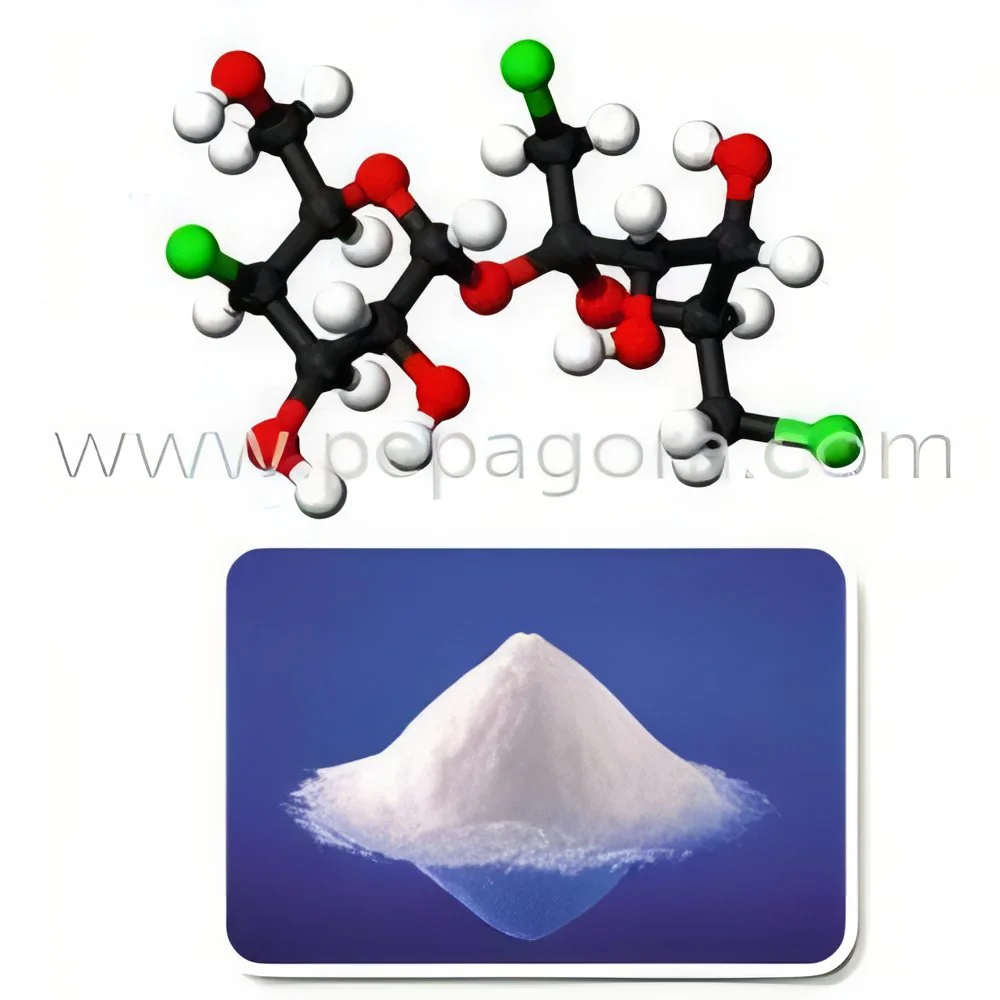
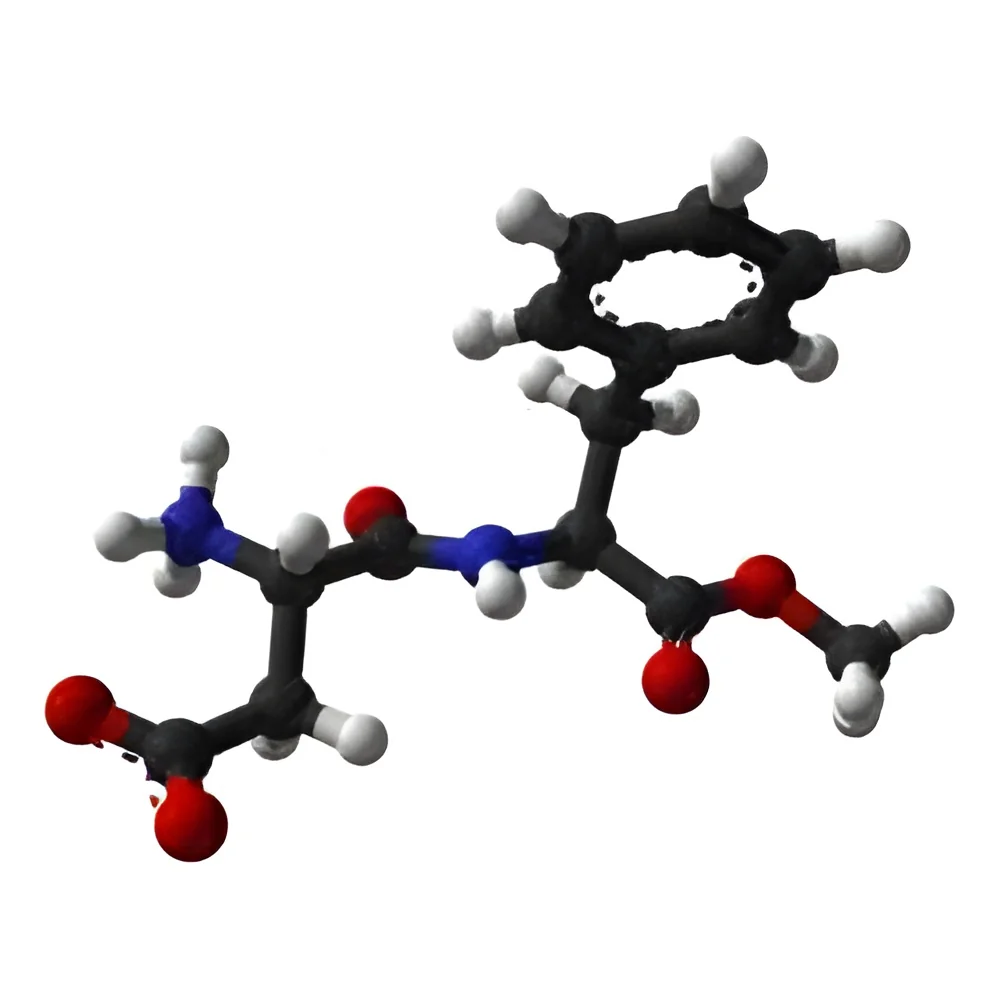
What are Sweeteners (Aspartame, Stevia, Sucralose)?
Sweeteners such as Aspartame, Stevia, and Sucralose are artificial or natural substances used to provide sweetness without the calories associated with sugar. Aspartame is a low-calorie synthetic sweetener, Stevia is derived from the leaves of the Stevia plant and is known for its natural origin, while Sucralose is a chlorinated derivative of sugar that is non-caloric. These sweeteners are significantly sweeter than sugar, allowing for minimal quantities to achieve the desired sweetness.
These sweeteners find extensive use in various industries, particularly in food and beverage manufacturing, pharmaceuticals, and health products. They are often employed in diet foods, sugar-free drinks, and low-calorie snacks, helping companies cater to health-conscious consumers. The growing demand for low-calorie and sugar-free products has propelled the popularity of these sweeteners, making them relevant in todayโs market.
The sweetener industry continues to evolve, with an increasing focus on health and wellness trends. As consumers become more aware of the health implications of sugar consumption, the market for alternative sweeteners is expanding. This shift is impacting product development across various sectors, driving innovation and creating opportunities for businesses to offer healthier options.
๐๐ฒ๐ ๐๐ฒ๐ฎ๐๐๐ฟ๐ฒ๐ ๐ฎ๐ป๐ฑ ๐ฆ๐ฝ๐ฒ๐ฐ๐ถ๐ณ๐ถ๐ฐ๐ฎ๐๐ถ๐ผ๐ป๐
Sweeteners such as Aspartame, Stevia, and Sucralose come with several distinctive features and specifications that cater to various applications.
Key specifications include:
1. Sweetness Intensity
- Aspartame is approximately 200 times sweeter than sugar.
- Stevia can be up to 300 times sweeter than sugar.
- Sucralose is about 600 times sweeter than sugar.
2. Caloric Content
- Aspartame contains 4 calories per gram but is used in such small amounts that it is considered calorie-free.
- Stevia has zero calories.
- Sucralose is also calorie-free.
3. Solubility
- Aspartame is soluble in water and suitable for a range of applications.
- Stevia has good solubility in water but may have a slightly different solubility profile depending on its form.
- Sucralose is highly soluble in water and stable in high temperatures.
4. Stability
- Aspartame is stable at room temperature but can degrade at high temperatures.
- Stevia is heat-stable, making it suitable for cooking and baking.
- Sucralose remains stable under heat and has a long shelf life.
5. Regulatory Status
- Aspartame is approved by various health authorities, including the FDA and EFSA.
- Stevia has been recognized as safe for consumption in many countries.
- Sucralose is also widely approved and used globally.
6. Taste Profile
- Aspartame has a taste profile similar to sugar.
- Stevia can have a slight aftertaste depending on the concentration.
- Sucralose has a clean sweetness without any aftertaste.
7. Usage Levels
- Aspartame is typically used in very small amounts due to its high sweetness level.
- Stevia usage varies depending on the formulation but is generally used at lower levels compared to sugar.
- Sucralose can be used in a variety of products, from beverages to baked goods, with specific usage guidelines.
In summary, these sweeteners offer diverse features that cater to different industry needs, making them valuable components in product formulation.
๐๐ผ๐บ๐บ๐ผ๐ป ๐๐ฝ๐ฝ๐น๐ถ๐ฐ๐ฎ๐๐ถ๐ผ๐ป๐ ๐ฎ๐ป๐ฑ ๐จ๐๐ฒ ๐๐ฎ๐๐ฒ๐
Sweeteners like Aspartame, Stevia, and Sucralose have a wide range of applications across various industries.
1. Food and Beverage Industry: These sweeteners are commonly used in diet sodas, sugar-free snacks, and low-calorie desserts, allowing manufacturers to create products that appeal to health-conscious consumers.
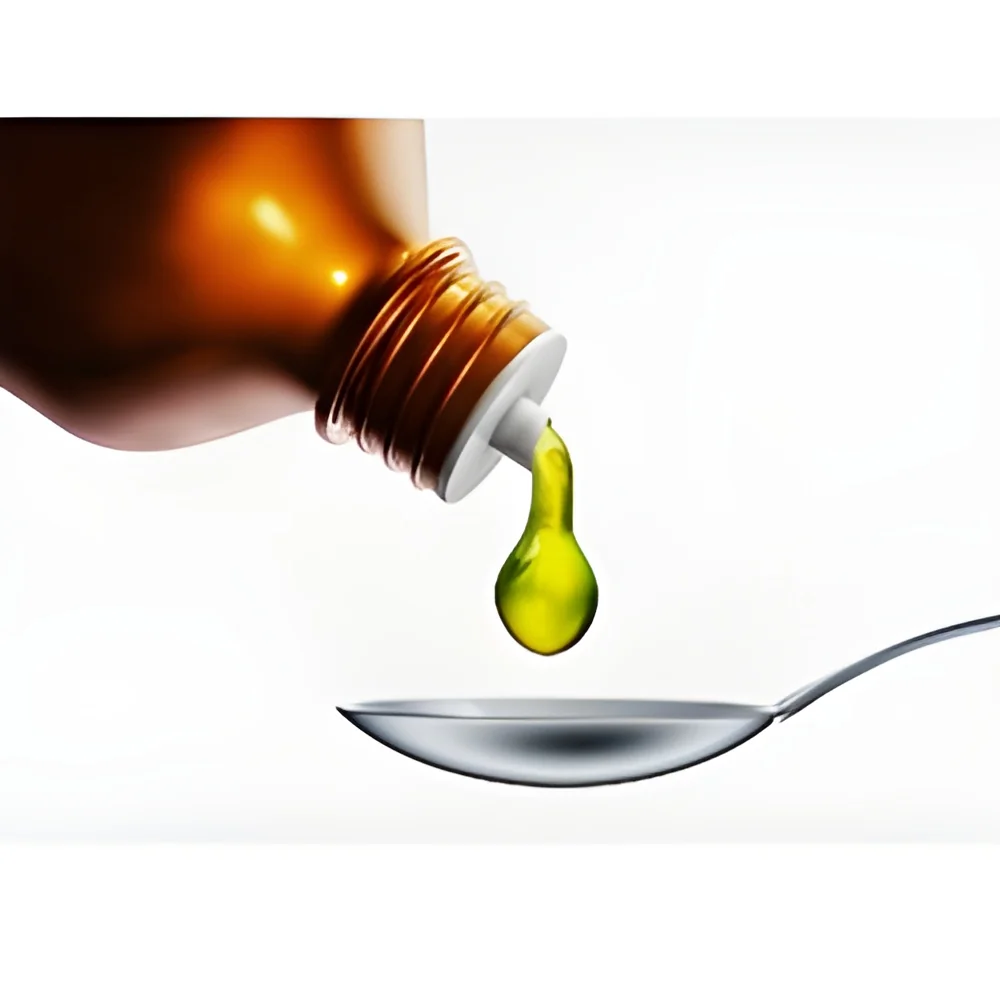
2. Pharmaceuticals: Sweeteners are often incorporated into liquid medications and chewable tablets to improve palatability, making them easier for patients to consume.
3. Health and Nutrition Products: Many nutritional supplements and meal replacement products use these sweeteners to enhance flavor without adding calories.
4. Confectionery: Sugar-free candies and chocolates utilize sweeteners to provide a satisfying taste without the sugar content.
5. Dairy Products: Reduced-calorie yogurts and flavored milk often contain these sweeteners to maintain sweetness while lowering calorie counts.
6. Baking and Cooking: Some sweeteners are suitable for baking due to their heat stability, making them ideal for low-calorie baked goods.
7. Sauces and Condiments: Many dressings and sauces use sweeteners to enhance flavor without adding sugar, appealing to consumers looking for healthier options.
๐ฃ๐ฟ๐ผ๐ฑ๐๐ฐ๐ ๐ฉ๐ฎ๐ฟ๐ถ๐ฎ๐ป๐๐ ๐ฎ๐ป๐ฑ ๐ฆ๐๐ฏ๐ฐ๐ฎ๐๐ฒ๐ด๐ผ๐ฟ๐ถ๐ฒ๐
Sweeteners come in various forms and formulations, providing options for different applications and preferences.
Aspartame Powder
This variant is a fine, white powder that is easily soluble in liquids. It is ideal for beverages and can be used in baking, although caution is advised due to heat sensitivity.
Stevia Extract
This comes in various forms, including liquid and powdered extracts. It is used in a wide range of products, from beverages to baking, and is preferred for those seeking natural sweeteners.
Sucralose Granules
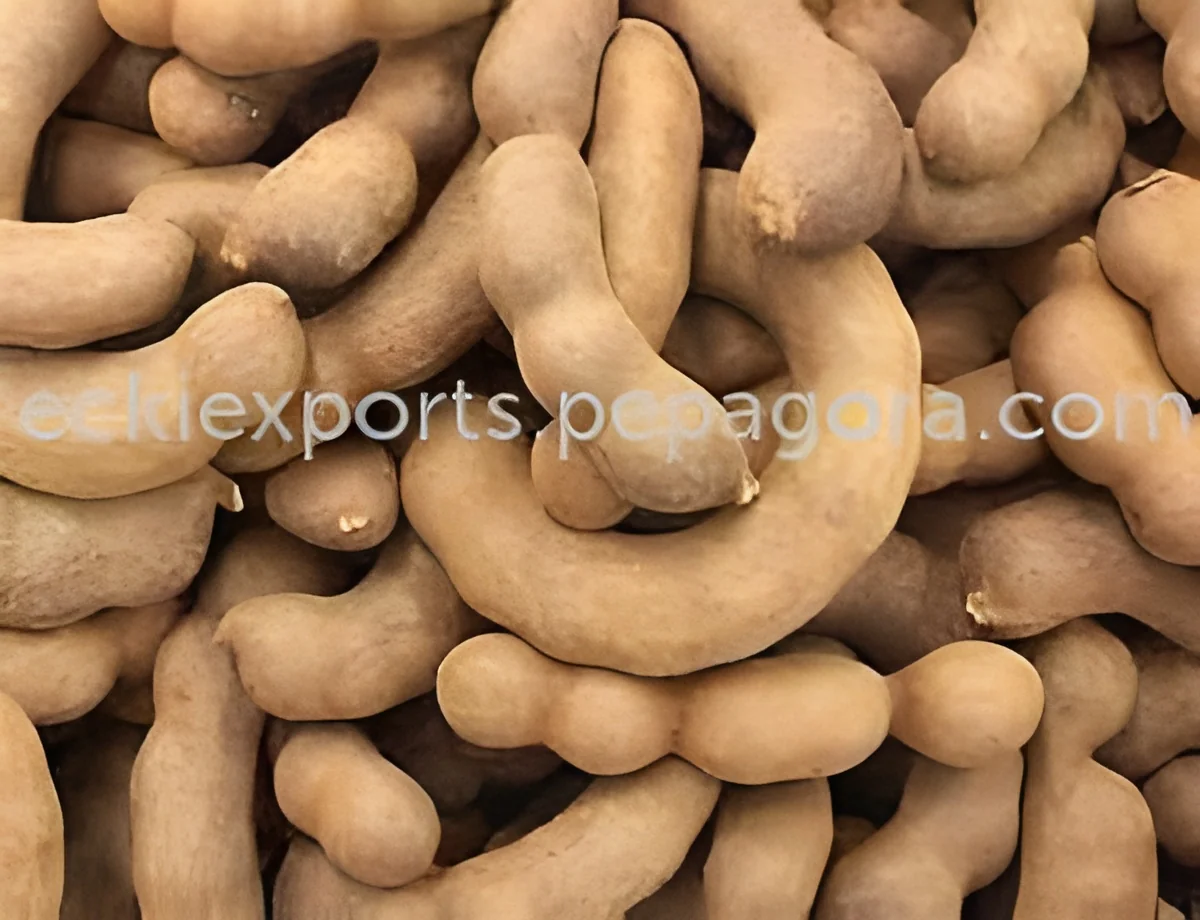
This variant is designed for easy use in cooking and baking. Sucralose granules are heat-stable and can be used in a variety of recipes without losing sweetness.
๐๐ฒ๐ป๐ฒ๐ณ๐ถ๐๐ ๐ฎ๐ป๐ฑ ๐๐ฑ๐๐ฎ๐ป๐๐ฎ๐ด๐ฒ๐
Utilizing sweeteners like Aspartame, Stevia, and Sucralose provides numerous advantages for manufacturers and consumers alike.
Key benefits include:
1. Low Calorie Count: These sweeteners allow for reduced calorie formulations, catering to health-conscious consumers looking to manage their weight.
2. Versatile Applications: Their wide range of uses across multiple industries makes them suitable for diverse product offerings.
3. Sugar Alternatives: They provide a viable alternative to sugar, helping to reduce sugar intake and address health concerns associated with high sugar consumption.
4. Enhanced Flavor: Sweeteners can improve the taste of products without the added calories, making them appealing to consumers.
5. Stable Shelf Life: Many sweeteners offer a long shelf life, reducing waste and extending the usability of products.
6. Regulatory Approval: Approved by various health authorities, these sweeteners provide reassurance to both manufacturers and consumers about their safety.
๐๐๐๐ถ๐ป๐ด ๐๐๐ถ๐ฑ๐ฒ ๐ณ๐ผ๐ฟ ๐๐ฎ๐ ๐๐๐๐ฒ๐ฟ๐
When sourcing sweeteners like Aspartame, Stevia, and Sucralose, businesses should consider several key factors.
1. Quality Assessment: Ensure that the sweeteners meet industry standards for purity and quality. Look for certifications and testing results to verify compliance.
2. Supplier Verification: Vet suppliers to ensure they have a reliable track record and adhere to safety and quality standards. This can include checking references and reviewing their production processes.
3. Pricing and MOQ: Understand the pricing structures and minimum order quantities (MOQ) to ensure they align with your budget and operational needs.
4. Delivery and Lead Times: Discuss logistics with suppliers to ensure that delivery times meet your production schedules and demand forecasts.
5. Compliance Requirements: Be aware of regulatory requirements specific to your region and industry to ensure all products sourced are compliant with local laws.
๐๐ผ๐บ๐ฝ๐น๐ถ๐ฎ๐ป๐ฐ๐ฒ ๐ฎ๐ป๐ฑ ๐๐ฒ๐ฟ๐๐ถ๐ณ๐ถ๐ฐ๐ฎ๐๐ถ๐ผ๐ป๐
Sweeteners such as Aspartame, Stevia, and Sucralose must comply with various industry standards and certifications to ensure safety and quality.
Relevant quality standards include ISO 9001, which focuses on quality management systems, and HACCP, which emphasizes food safety. These standards help assure that the manufacturing processes are controlled and that the end products are safe for consumption.
Additionally, sweeteners may carry certifications such as CE, which indicates compliance with European health, safety, and environmental protection standards.
Manufacturers must also adhere to safety and testing requirements, which include rigorous testing for contaminants and verification of ingredient integrity.
Regional compliance considerations can vary, so it is essential to stay informed about the specific regulations that apply in your target market. Understanding these compliance requirements can help businesses mitigate risks and ensure that their products meet consumer safety expectations.
Why Source Sweeteners (Aspartame, Stevia, Sucralose) from Pepagora?
Pepagora offers a reliable platform for sourcing sweeteners like Aspartame, Stevia, and Sucralose, providing numerous advantages for buyers.
Verified Supplier Network: Pepagora connects buyers with a network of verified suppliers. Each supplier undergoes a thorough vetting process to ensure they meet quality and safety standards.
Streamlined RFQ Process: The platform simplifies the request for quotation (RFQ) process, allowing buyers to easily compare prices and negotiate terms with multiple suppliers, saving time and effort.
Trade Assurance and Support: Pepagora provides trade assurance, protecting buyers throughout the transaction process. This includes support for resolving any disputes or issues that may arise.
Regional Coverage: With a strong presence in regions such as India, the GCC, and Southeast Asia, Pepagora offers extensive geographic coverage, making it easier for businesses to source sweeteners that meet their local market demands.