𝗪𝗵𝗮𝘁 𝗮𝗿𝗲 𝗙𝗼𝗼𝗱 𝗔𝗱𝗱𝗶𝘁𝗶𝘃𝗲𝘀 & 𝗣𝗿𝗲𝘀𝗲𝗿𝘃𝗮𝘁𝗶𝘃𝗲𝘀?
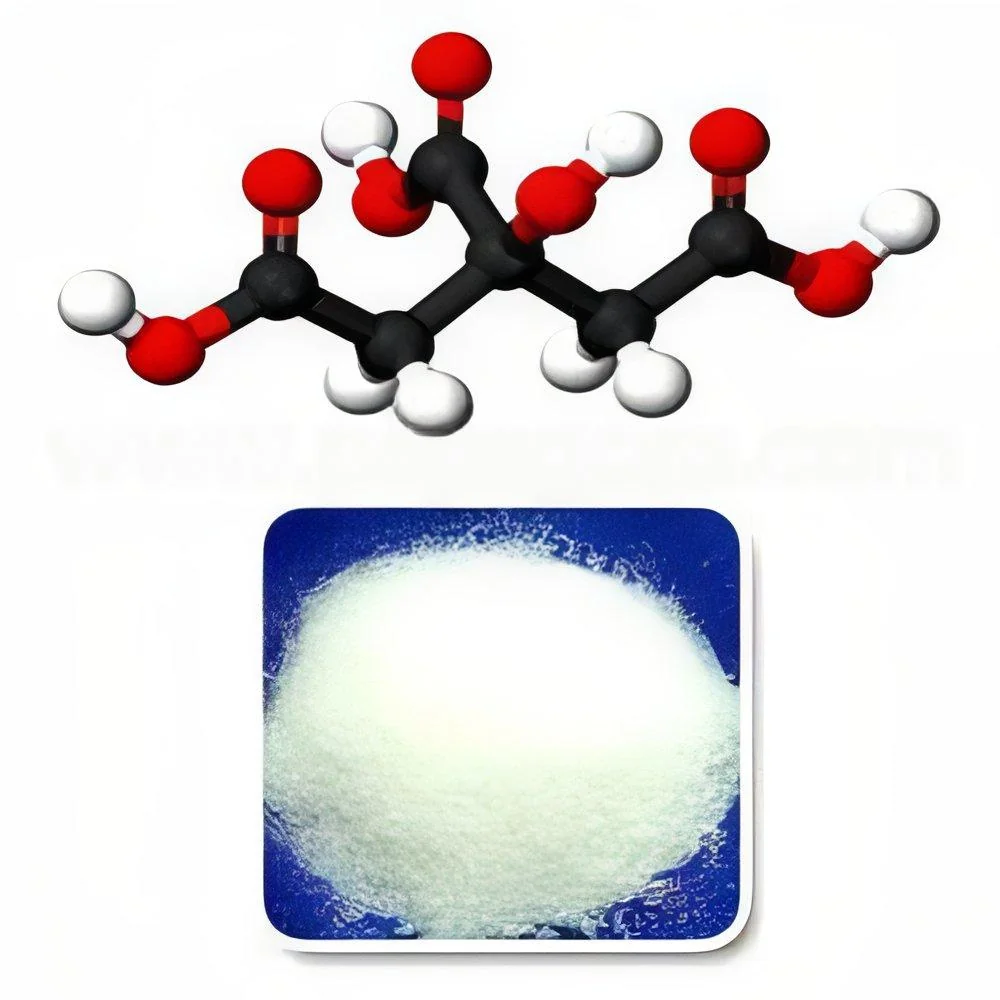
Food additives and preservatives are substances added to food products to enhance flavor, appearance, and shelf life. These ingredients can be natural or synthetic and are used to maintain the quality and safety of food. Food additives include flavorings, colorings, emulsifiers, and texturizers, while preservatives are specifically used to prevent spoilage caused by microorganisms or chemical reactions.
The primary applications of food additives and preservatives span a wide range of industries, including food processing, pharmaceuticals, and cosmetics. In food processing, these substances ensure the longevity of products, allowing manufacturers to meet consumer demand without compromising quality. The increasing global population and demand for processed food highlight the importance of these additives in maintaining food safety and quality.
The food additives and preservatives market is experiencing growth due to the rising consumer awareness regarding food safety and the demand for convenience foods. As regulations around food safety tighten, companies are focusing on compliant and effective additives to meet both consumer expectations and legal standards.
𝗞𝗲𝘆 𝗙𝗲𝗮𝘁𝘂𝗿𝗲𝘀 𝗮𝗻𝗱 𝗦𝗽𝗲𝗰𝗶𝗳𝗶𝗰𝗮𝘁𝗶𝗼𝗻𝘀
Food additives and preservatives are characterized by several critical specifications that define their effectiveness and safety. These specifications ensure that products meet industry standards and regulatory requirements.
Key specifications include:
1. Chemical Composition
- Defines the specific ingredients and concentrations used.
- Must comply with food safety regulations.
2. Functionality
- Refers to the intended purpose, such as flavor enhancement or preservation.
- Varies depending on the type of food product being processed.
3. Shelf Life Extension
- Indicates the duration the product can maintain its quality.
- Typically measured in months or years, depending on the type of preservation used.
4. Sensory Properties
- Includes taste, aroma, color, and texture.
- Impact on consumer perception and acceptance of the final product.
5. Safety Standards
- Compliance with regulations such as FDA or EFSA guidelines.
- Includes testing for potential allergens and toxic substances.
6. Storage Conditions
- Specifications for temperature and humidity control to maintain product integrity.
- Guidelines for transportation and handling.
7. Packaging Requirements
- Information on suitable materials that prevent contamination.
- Specifications for labeling and traceability.
In summary, understanding these specifications can help businesses select the appropriate food additives and preservatives to meet their product needs and regulatory compliance.
𝗖𝗼𝗺𝗺𝗼𝗻 𝗔𝗽𝗽𝗹𝗶𝗰𝗮𝘁𝗶𝗼𝗻𝘀 𝗮𝗻𝗱 𝗨𝘀𝗲 𝗖𝗮𝘀𝗲𝘀
Food additives and preservatives are essential in various industries, providing diverse applications that serve specific needs.
1. Food and Beverage Industry: These additives enhance flavor and appearance while extending shelf life in products such as sauces, snacks, and beverages.
2. Bakery Products: Additives like emulsifiers and preservatives improve texture, freshness, and shelf stability in bread and pastries.
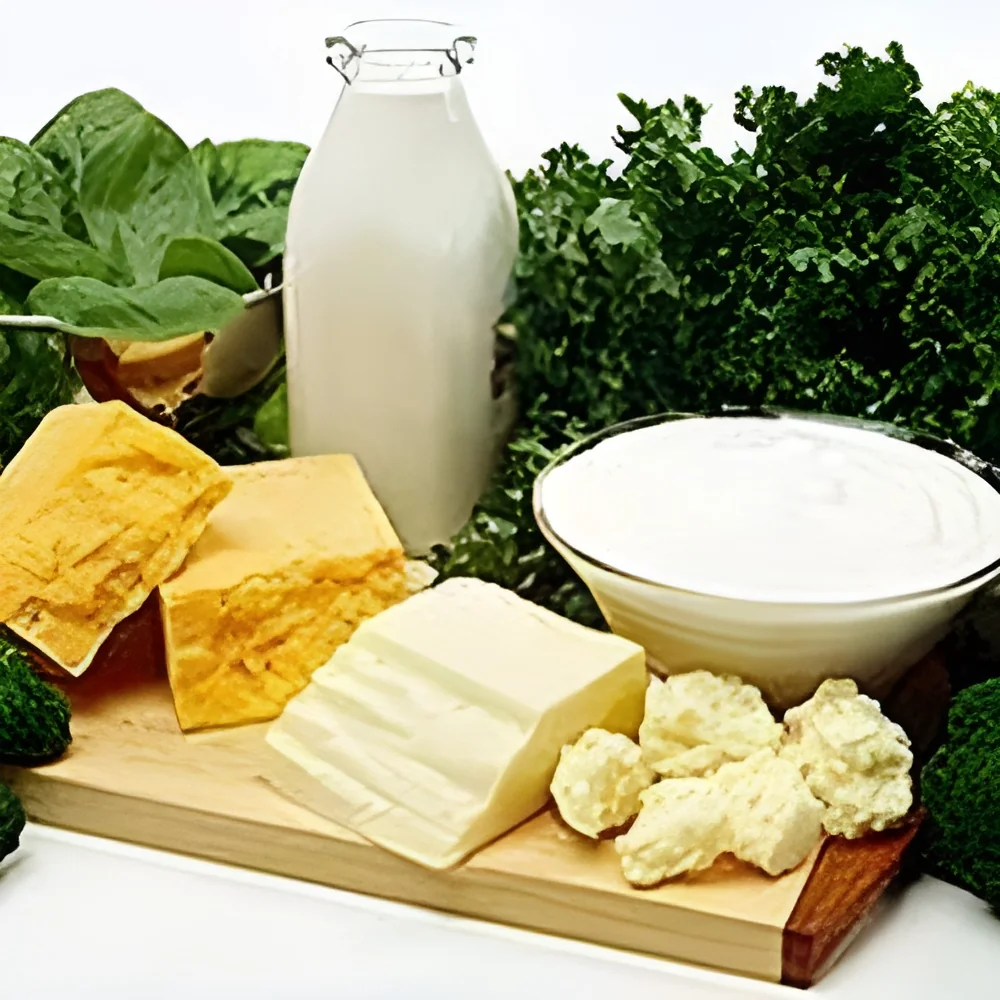
3. Dairy Products: Preservatives help in maintaining the quality of dairy items, preventing spoilage and extending their usability.
4. Meat Processing: Additives are crucial in meat products for flavor enhancement and prevention of microbial growth.
5. Pharmaceutical Industry: Food additives are used in the formulation of medicines to improve taste and appearance.
6. Cosmetic Industry: Certain additives serve as preservatives in cosmetic products, ensuring they remain safe and effective over time.
7. Nutraceuticals: Food additives play a role in dietary supplements, enhancing bioavailability and stability.
𝗣𝗿𝗼𝗱𝘂𝗰𝘁 𝗩𝗮𝗿𝗶𝗮𝗻𝘁𝘀 𝗮𝗻𝗱 𝗦𝘂𝗯𝗰𝗮𝘁𝗲𝗴𝗼𝗿𝗶𝗲𝘀
Food additives and preservatives come in various forms, catering to different applications and preferences.
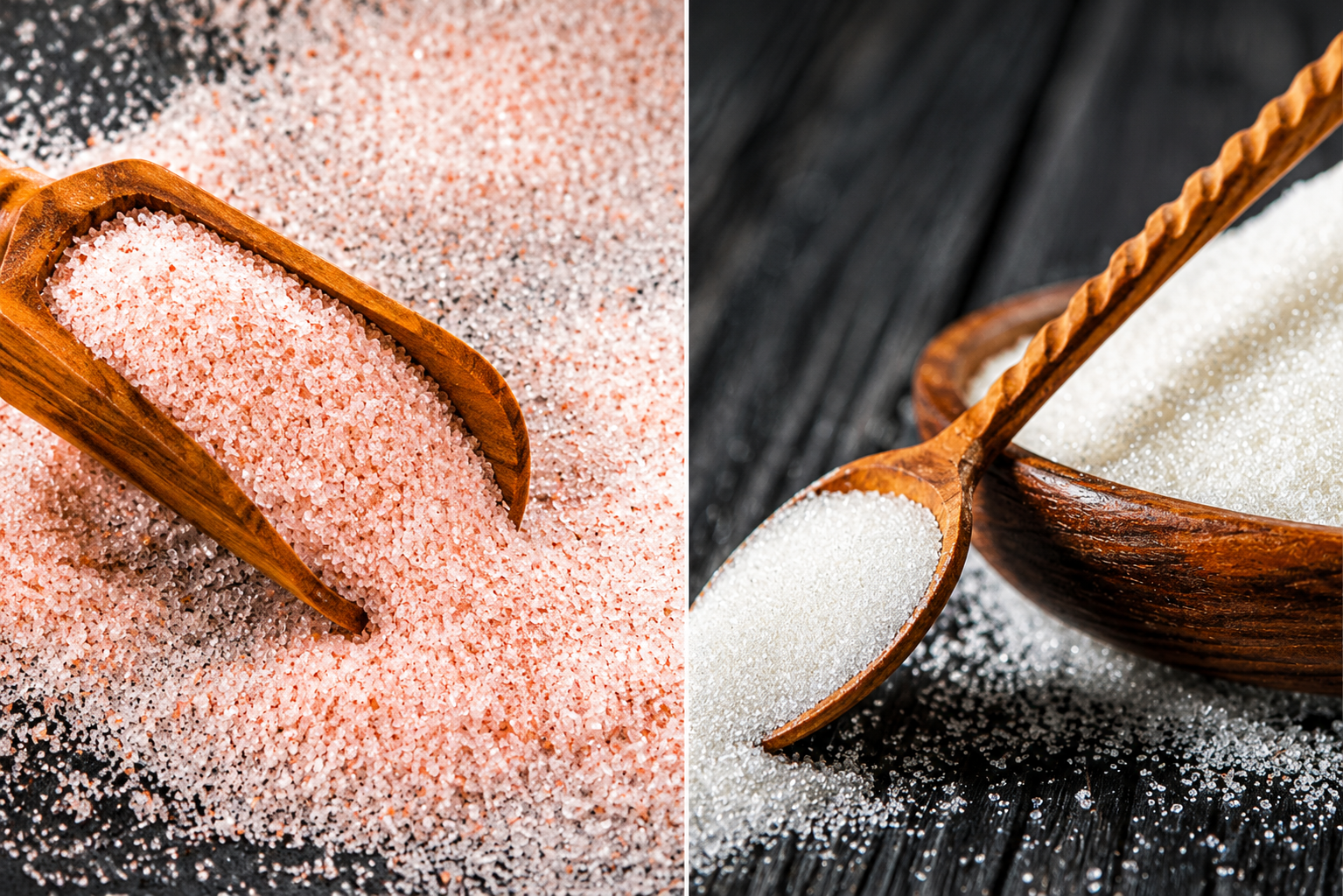
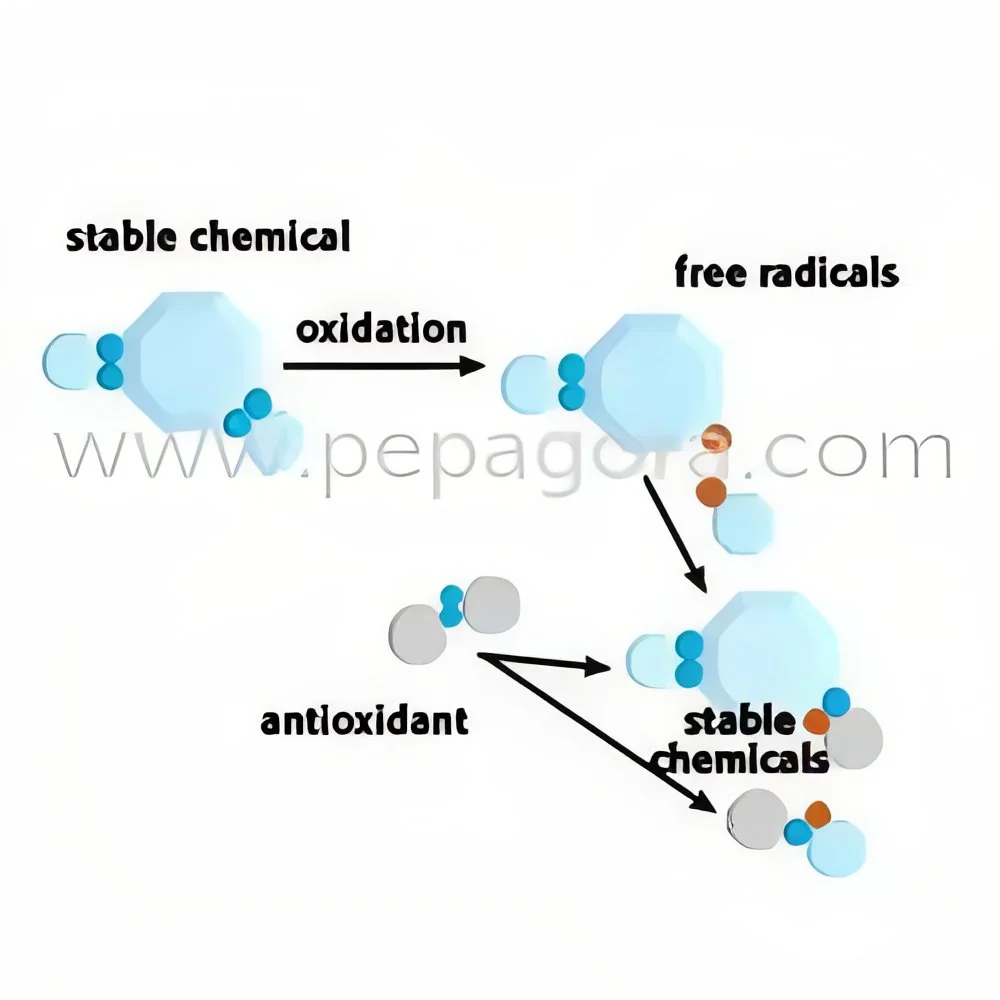
Natural Preservatives: These are derived from natural sources and are preferred by consumers seeking cleaner labels. They include substances like vinegar, salt, and essential oils.
Synthetic Preservatives: Often more effective at preventing spoilage, these are chemically formulated to provide longer shelf life and include options like sodium benzoate and potassium sorbate.
Flavor Enhancers: These additives, such as monosodium glutamate (MSG), are used to boost the taste profile of food products.
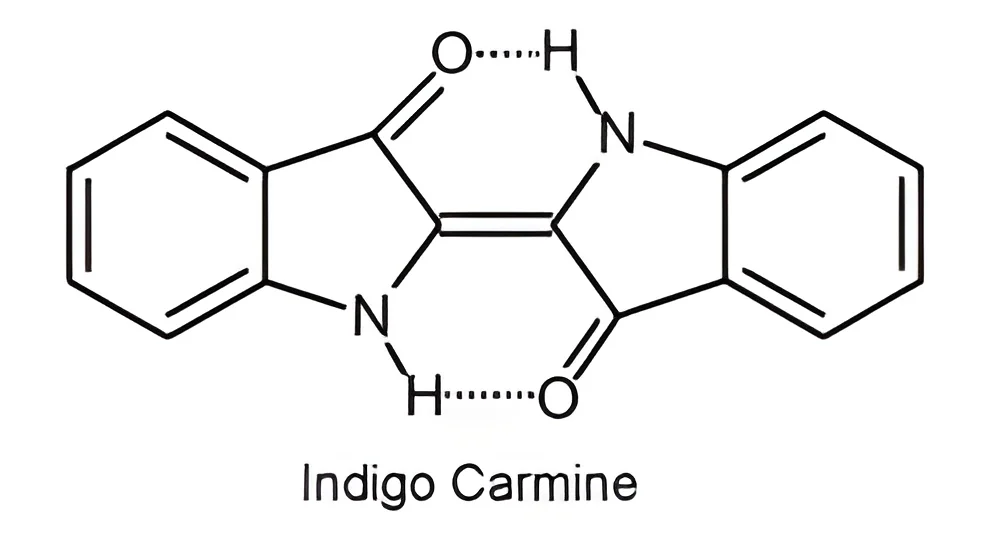
Coloring Agents: These additives improve the visual appeal of food and beverages, with variants including both natural colors from plants and synthetic dyes.
𝗕𝗲𝗻𝗲𝗳𝗶𝘁𝘀 𝗮𝗻𝗱 𝗔𝗱𝘃𝗮𝗻𝘁𝗮𝗴𝗲𝘀
Food additives and preservatives offer numerous benefits that can enhance product quality and marketability.
1. Extended Shelf Life: These substances help in keeping food products fresh for longer periods, reducing waste and increasing profitability.
2. Improved Safety: By preventing microbial growth and spoilage, these additives enhance food safety for consumers.
3. Enhanced Flavor: Additives can significantly improve the taste and overall sensory experience of food products.
4. Consistency: They ensure uniformity in taste, texture, and appearance across production batches.
5. Cost-Effectiveness: Utilizing additives can lower production costs by reducing spoilage and waste during transport and storage.
6. Regulatory Compliance: Proper use of approved additives helps manufacturers meet food safety standards and avoid legal issues.
𝗕𝘂𝘆𝗶𝗻𝗴 𝗚𝘂𝗶𝗱𝗲 𝗳𝗼𝗿 𝗕𝟮𝗕 𝗕𝘂𝘆𝗲𝗿𝘀
When sourcing food additives and preservatives, businesses should consider several key factors to ensure optimal quality and compliance.
1. Quality Assessment: Evaluate the quality of additives by reviewing supplier certifications and product testing results. Ensure they adhere to relevant safety standards.
2. Supplier Verification: Vet suppliers through background checks, references, and industry reputation. A reliable supplier is crucial for consistent product quality.
3. Pricing and MOQ: Understand the pricing structures and minimum order quantities (MOQ). Negotiate terms that suit your business needs while ensuring quality.
4. Delivery and Lead Times: Confirm logistics arrangements, including shipping methods and timelines, to avoid disruptions in production schedules.
5. Compliance Requirements: Stay informed about regulatory standards applicable in your region, ensuring that sourced additives meet local and international guidelines.
𝗖𝗼𝗺𝗽𝗹𝗶𝗮𝗻𝗰𝗲 𝗮𝗻𝗱 𝗖𝗲𝗿𝘁𝗶𝗳𝗶𝗰𝗮𝘁𝗶𝗼𝗻𝘀
Food additives and preservatives must adhere to various compliance and certification requirements to ensure safety and effectiveness. Key quality standards include ISO 9001, which outlines quality management systems, and HACCP, which focuses on food safety management throughout the food supply chain. Compliance with Good Distribution Practices (GDP) is also essential to maintain product integrity during transport.
In addition, industry certifications such as CE signify that products meet European safety standards. Manufacturers must also consider safety and testing requirements, which include rigorous assessments to identify potential allergens and toxic substances in additives. Regional compliance considerations vary, with specific regulations governing the use of certain additives in different markets.
𝗪𝗵𝘆 𝗦𝗼𝘂𝗿𝗰𝗲 𝗙𝗼𝗼𝗱 𝗔𝗱𝗱𝗶𝘁𝗶𝘃𝗲𝘀 & 𝗣𝗿𝗲𝘀𝗲𝗿𝘃𝗮𝘁𝗶𝘃𝗲𝘀 𝗳𝗿𝗼𝗺 𝗣𝗲𝗽𝗮𝗴𝗼𝗿𝗮?
Pepagora provides a trusted platform for sourcing food additives and preservatives, offering several key advantages that benefit B2B buyers.
Verified Supplier Network: Pepagora ensures a robust network of verified suppliers, giving buyers confidence in the quality and reliability of products offered.
Streamlined RFQ Process: The platform simplifies the request for quotation (RFQ) process, allowing businesses to obtain competitive pricing and negotiate terms efficiently.
Trade Assurance and Support: Pepagora offers trade assurance, protecting buyers through secure transactions and dedicated support throughout the sourcing process.
Regional Coverage: With a strong presence in India, the GCC, and Southeast Asia, Pepagora connects buyers with suppliers across diverse markets, facilitating access to a wide range of food additives and preservatives.

 IN
IN