
 IN
INAcidulants (Citric Acid, Malic Acid, Tartaric Acid)
3 products available
Key Features and Specifications
Common Applications and Use Cases
Product Variants and Subcategories
Benefits and Advantages
Buying Guide for B2B Buyers
Compliance and Certifications

Frequently Asked Questions
What are Acidulants (Citric Acid, Malic Acid, Tartaric Acid)?
Acidulants are food additives that impart a sour taste and lower the pH of food products. Common examples include Citric Acid, Malic Acid, and Tartaric Acid, each serving specific functions in food preservation, flavor enhancement, and acidity adjustment.
What are the different types of Acidulants (Citric Acid, Malic Acid, Tartaric Acid)?
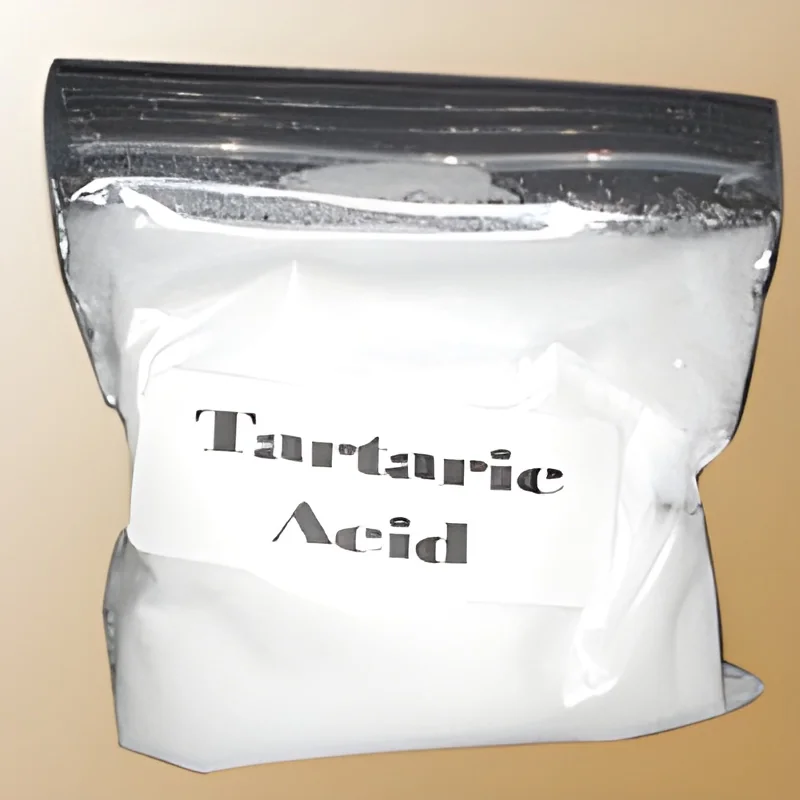
The main types of acidulants include Citric Acid, which is widely used in beverages and candies; Malic Acid, often found in fruits and used for its tart flavor; and Tartaric Acid, primarily used in baking and winemaking. Each type has unique properties that cater to various applications in the food industry.
How do I choose the right Acidulants (Citric Acid, Malic Acid, Tartaric Acid)?
Selecting the right acidulant depends on the specific application, desired flavor profile, and regulatory considerations. Factors such as solubility, stability, and interaction with other ingredients should also be taken into account to ensure optimal performance in the final product.
What are the standard specifications for Acidulants (Citric Acid, Malic Acid, Tartaric Acid)?
Standard specifications for acidulants typically include purity levels, moisture content, and pH values. For instance, Citric Acid should have a minimum purity of 99.5%, while Malic Acid and Tartaric Acid specifications may vary depending on the intended use and regulatory standards.
What is the price range for Acidulants (Citric Acid, Malic Acid, Tartaric Acid)?
The price range for acidulants can vary based on factors such as quality, supplier, and purchase volume. Generally, bulk purchases may range from INR 100 to INR 400 per kilogram, but it's advisable to check current market prices for the most accurate figures.
What quality standards apply to Acidulants (Citric Acid, Malic Acid, Tartaric Acid)?
Quality standards for acidulants often align with food safety regulations, including ISO, FSSAI, and FDA guidelines. These standards ensure that the acidulants are safe for consumption and meet the required purity and quality benchmarks.
Where can I find Acidulants (Citric Acid, Malic Acid, Tartaric Acid) suppliers in India?
You can find suppliers of acidulants in India through B2B marketplaces like Pepagora.com, trade shows, and industry directories. It's important to verify supplier credentials and product quality before making a purchase.
Can Acidulants (Citric Acid, Malic Acid, Tartaric Acid) be customized?
Yes, some manufacturers offer customization options for acidulants, allowing buyers to specify particular formulations or blends. Customization may include varying concentrations, packaging, and additional functional ingredients to meet specific application needs.
What is the typical minimum order quantity for Acidulants (Citric Acid, Malic Acid, Tartaric Acid)?
The typical minimum order quantity (MOQ) for acidulants can vary by supplier but often ranges from 25 kg to 1000 kg. It's advisable to check with suppliers for their specific MOQs based on your purchasing needs.
What is the typical lead time for Acidulants (Citric Acid, Malic Acid, Tartaric Acid)?
The typical lead time for ordering acidulants can range from 1 to 4 weeks, depending on the supplier's inventory and production capabilities. Factors such as location, order size, and shipping methods may also influence delivery timelines.
Why Businesses Trust Pepagora
Thousands of companies trust Pepagora to source smarter and sell faster
Expand Your Sales Globally

Source Smarter,Grow Faster
