What are Shelf-life Extenders?
Shelf-life extenders are specialized products designed to prolong the usability and freshness of various goods, particularly in the food and pharmaceutical industries. These products work by inhibiting spoilage mechanisms such as oxidation, microbial growth, and moisture loss, thereby extending the shelf life of perishable items. They can come in various forms, including powders, liquids, and films, tailored to suit specific applications and environments.
The primary uses of shelf-life extenders include enhancing the longevity of packaged foods, optimizing storage conditions, and maintaining product quality during transportation. Businesses often incorporate these solutions to reduce waste and improve inventory management. By ensuring that products remain viable for longer periods, companies can enhance customer satisfaction and reduce costs associated with spoilage.
In today's market, where consumers are increasingly conscious about product freshness and sustainability, shelf-life extenders play a vital role. The demand for these products is growing, driven by the need for efficient supply chains and the desire to minimize food waste. Industries such as food processing, pharmaceuticals, and cosmetics are particularly relevant, as they seek effective solutions to meet regulatory standards and consumer expectations.
Key Features and Specifications
Shelf-life extenders are characterized by several key features that make them suitable for various applications. Understanding these specifications is crucial for businesses seeking to implement effective shelf-life management solutions.
Key specifications include:
1. Composition
- Typically consists of natural or synthetic preservatives
- May include anti-oxidants, antimicrobials, or moisture absorbers
2. Application Method
- Can be applied directly to products or integrated into packaging
- Varies based on the specific type and intended use
3. Efficacy Range
- Effective under specific temperature and humidity conditions
- Tailored formulations for different types of products
4. Packaging Compatibility
- Must be compatible with different packaging materials
- Ensures that the extender does not interact negatively with the product
5. Shelf-life Extension Capability
- The range of extension varies depending on the product and environment
- Some extenders can prolong shelf life by weeks or months
6. Regulatory Compliance
- Must meet food safety and health regulations
- Compliance with necessary certifications like CE is essential
7. Environmental Impact
- Focus on sustainability and eco-friendly options
- Some extenders are biodegradable or derived from renewable resources
In summary, key features and specifications of shelf-life extenders are crucial for businesses to consider when selecting the right products to enhance their offerings.
Common Applications and Use Cases
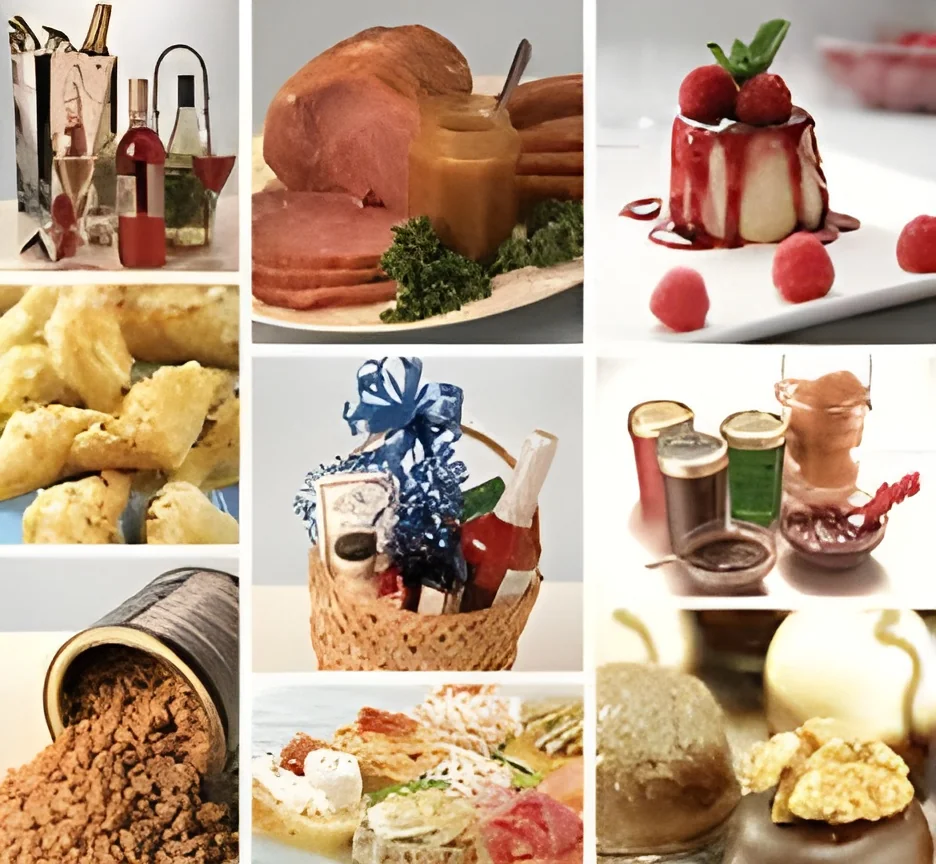
Shelf-life extenders find applications across various industries, each with unique requirements and challenges.
1. Food Industry: In this sector, shelf-life extenders are used to maintain the freshness of perishable items like fruits, vegetables, and dairy products. They help prevent spoilage and extend the usability of these goods, reducing waste.
2. Pharmaceutical Industry: Shelf-life extenders are essential for medications and vaccines that require stable storage conditions. They help maintain efficacy and safety over extended periods.
3. Cosmetics Industry: These products are used in cosmetic formulations to prevent degradation and maintain product integrity, offering longer-lasting shelf life for beauty products.
4. Bakery Products: Extenders are often used in bread and pastry production to keep items soft and fresh, improving customer satisfaction.
5. Meat Processing: In the meat industry, shelf-life extenders help inhibit bacterial growth and maintain quality, ensuring that products remain safe for consumption.
6. Packaged Snacks: Snack manufacturers use these extenders to keep products crispy and flavorful over time, enhancing consumer enjoyment.
7. Dairy Alternatives: For non-dairy products, shelf-life extenders are crucial in maintaining taste and texture, appealing to a broader consumer base.
Product Variants and Subcategories
Shelf-life extenders come in various forms to suit different applications and industries. This diversity ensures that businesses can find the right solution for their specific needs.
Liquid Shelf-life Extenders: These are often used in marinades or coatings for meats and produce. They can be applied directly to food items, providing moisture control and antimicrobial properties.
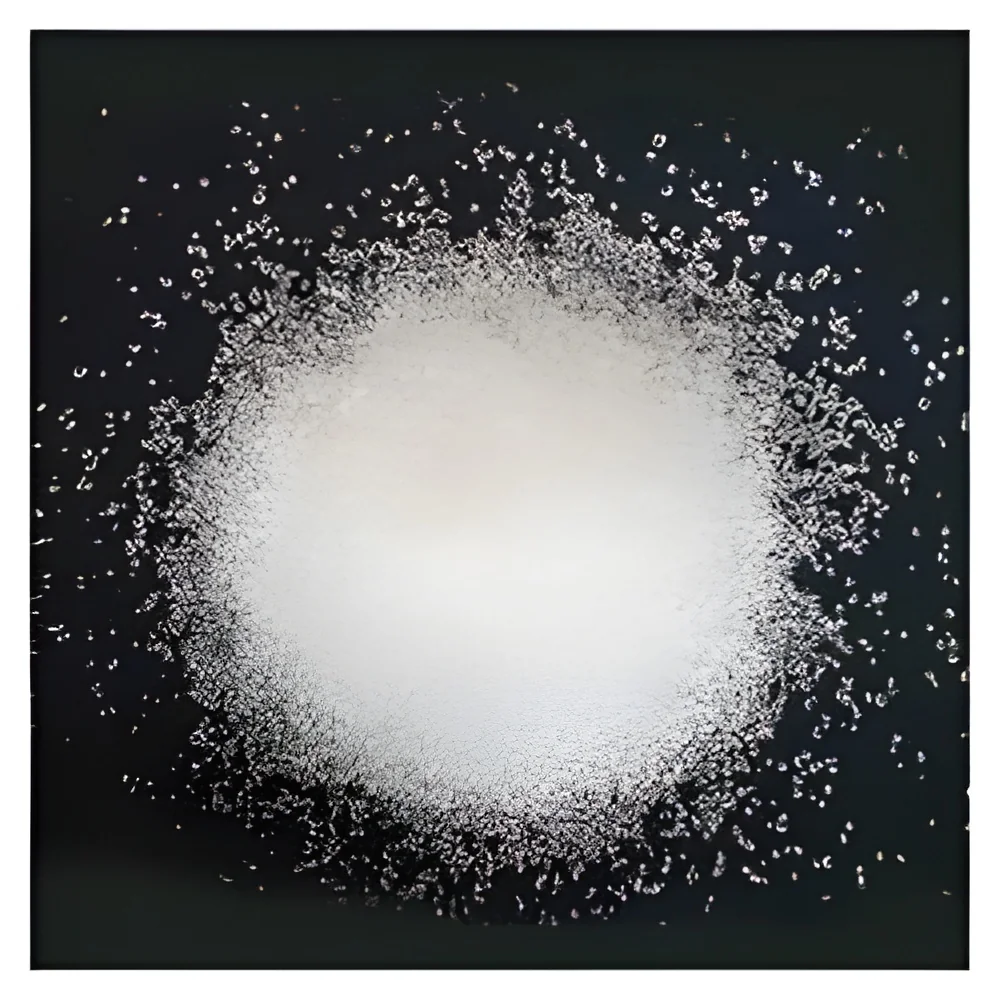
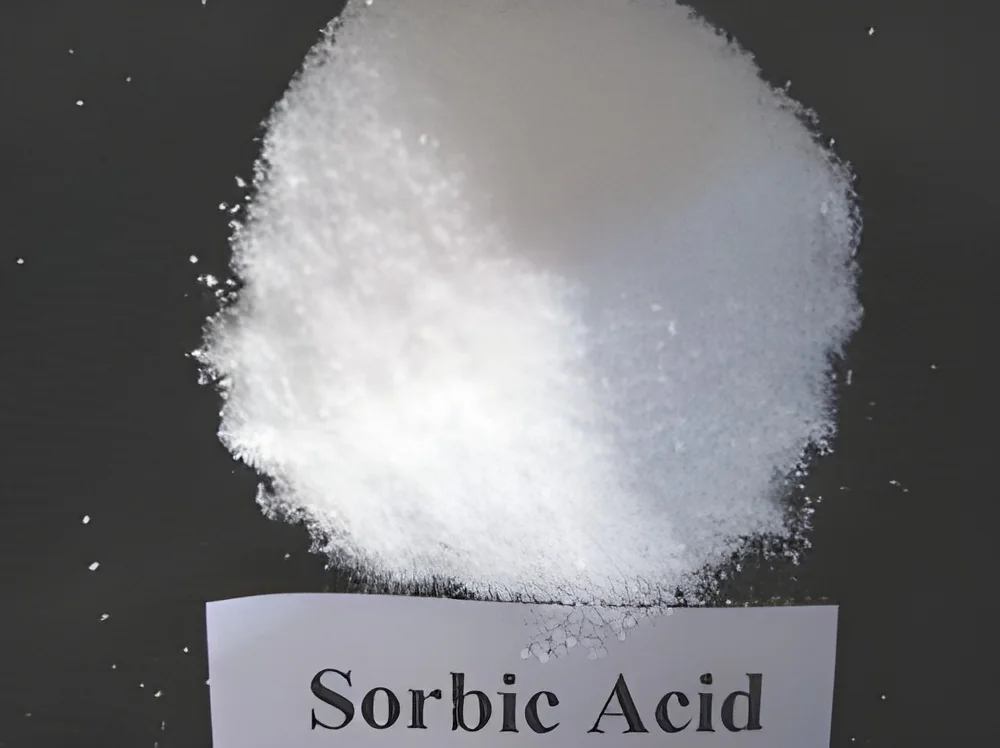
Powdered Shelf-life Extenders: Commonly used in dry food products, these extenders help absorb moisture and prevent clumping. They are easy to incorporate into existing formulations.
Film-based Shelf-life Extenders: These are integrated into packaging materials, creating a barrier to moisture and oxygen. They are ideal for products that require longer shelf life without direct contact.
Gaseous Shelf-life Extenders: Used in modified atmosphere packaging, these extenders help control the gaseous environment around perishable goods, slowing down spoilage.
Benefits and Advantages
Implementing shelf-life extenders offers numerous benefits to businesses looking to improve product longevity and reduce waste.
1. Reduced Waste: By extending the shelf life of products, businesses can significantly minimize spoilage and waste, leading to cost savings.
2. Enhanced Quality: These extenders help maintain the freshness and quality of goods, ensuring that customers receive high-quality products.
3. Increased Market Reach: With longer shelf life, businesses can expand their distribution areas, reaching customers farther from production facilities.
4. Improved Compliance: Shelf-life extenders assist businesses in meeting regulatory requirements for food safety and quality, avoiding potential fines or recalls.
5. Cost Efficiency: By reducing waste and spoilage, companies can improve their overall profitability and operational efficiency.
6. Competitive Advantage: Offering products with extended shelf life can differentiate a business in the market, appealing to customer preferences for freshness and quality.
Buying Guide for B2B Buyers
When sourcing shelf-life extenders, businesses should consider several critical factors to ensure they select the right products for their needs.
1. Quality Assessment: It is essential to evaluate the quality of shelf-life extenders based on their ingredients and effectiveness. Look for products that have been tested for efficacy in extending shelf life.
2. Supplier Verification: Vetting suppliers is crucial to ensure they adhere to industry standards and can provide reliable products. Check for certifications and customer reviews to assess their credibility.
3. Pricing and MOQ: Understand the pricing structure and minimum order quantity (MOQ) to ensure it aligns with your budget and procurement strategy. Compare prices across multiple suppliers for the best value.
4. Delivery and Lead Times: Consider the logistics of sourcing shelf-life extenders, including delivery timelines. Reliable suppliers should provide clear estimates of lead times to avoid disruptions in production.
5. Compliance Requirements: Ensure that the shelf-life extenders comply with relevant regulations and standards. This includes food safety certifications and any regional compliance requirements.
Compliance and Certifications
Shelf-life extenders must meet various compliance and certification standards to ensure safety and efficacy in their applications. Quality standards such as ISO 9001 and HACCP are often relevant, as they provide guidelines for maintaining consistent quality and safety in products.
Industry certifications, such as CE, signify that the products meet European safety standards, which is crucial for businesses operating in or exporting to Europe. Safety and testing requirements are also paramount, as they ensure that shelf-life extenders do not negatively impact the products they are applied to.
Regional compliance considerations should be factored in, as different countries may have specific regulations governing the use of preservatives and shelf-life extenders. Businesses must stay informed about these requirements to remain compliant and avoid potential legal issues.
Why Source Shelf-life Extenders from Pepagora?
Pepagora provides a trusted platform for sourcing shelf-life extenders with numerous key advantages that benefit B2B buyers.
Verified Supplier Network: Pepagora offers access to a network of verified suppliers who meet stringent quality and safety standards. This verification process ensures that buyers can trust the products they source.
Streamlined RFQ Process: The request for quotation (RFQ) process on Pepagora is designed for efficiency, allowing buyers to quickly obtain competitive quotes from multiple suppliers. This streamlined approach saves time and simplifies procurement.
Trade Assurance and Support: Buyers on Pepagora enjoy trade assurance, which provides protection throughout the purchasing process. This support helps ensure that transactions are secure and satisfactory.
Regional Coverage: With a focus on regions including India, the GCC, and Southeast Asia, Pepagora has a broad geographic reach. This enables businesses to find suitable suppliers that meet their local and regional needs effectively.

 IN
IN