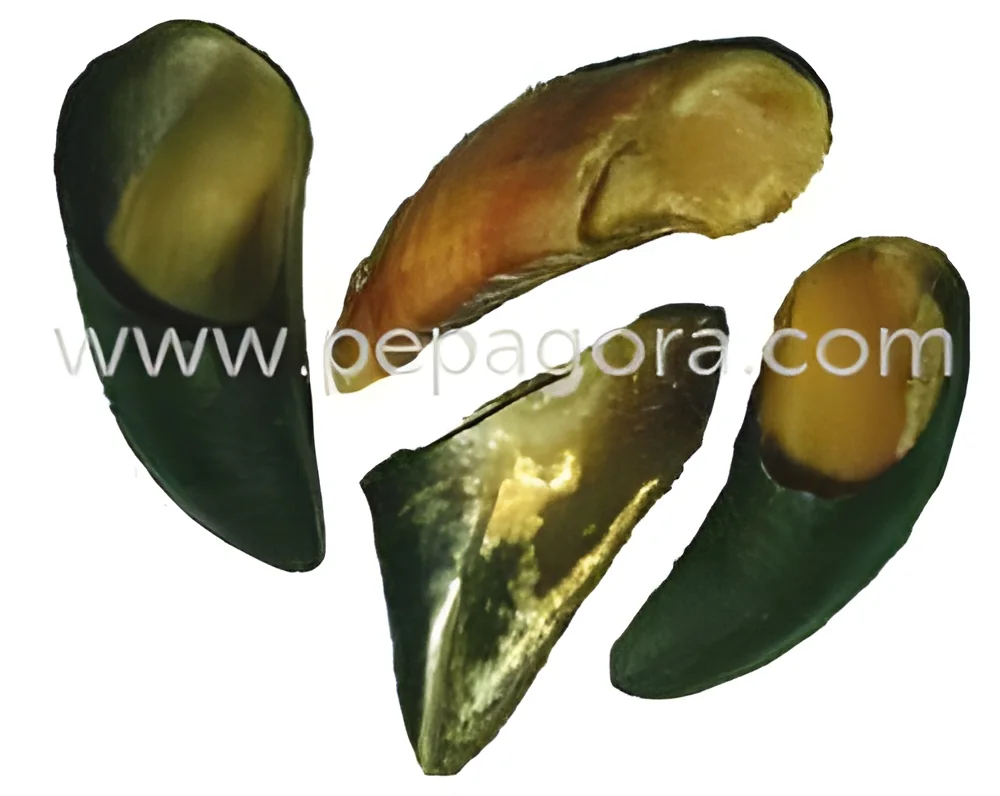
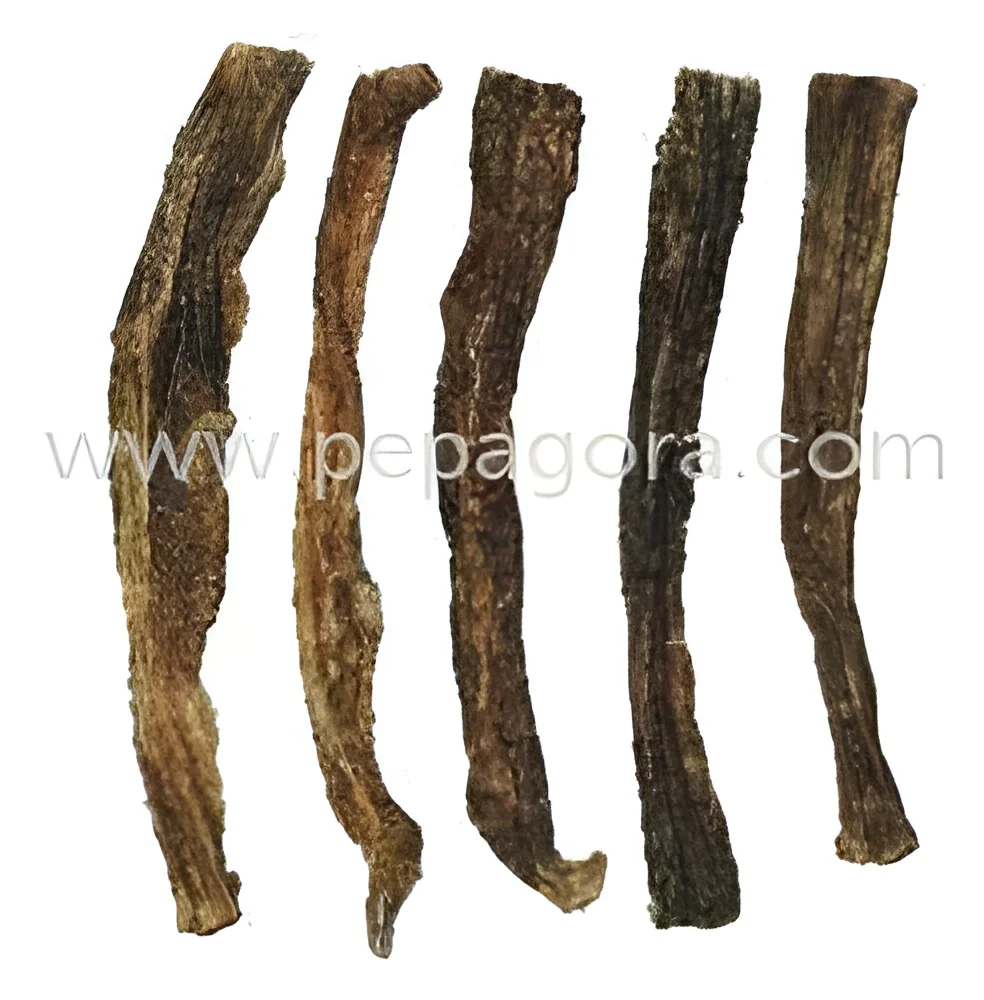
What are Animal Extract?
Animal extracts are concentrated substances derived from various animal sources, commonly used in industrial applications for their unique biochemical properties. These extracts can include proteins, enzymes, and other bioactive compounds that are extracted through specific processes to enhance their efficacy. The extraction process often involves methods such as solvent extraction, enzymatic hydrolysis, or cold processing to ensure that the beneficial properties of the animal source are preserved.
The primary uses of animal extracts span multiple industries, including pharmaceuticals, cosmetics, and food production. In pharmaceuticals, these extracts are utilized for their therapeutic properties, offering benefits such as anti-inflammatory and antimicrobial effects. In the cosmetics industry, animal extracts are valued for their moisturizing and anti-aging properties. Additionally, in the food sector, they can be used as flavor enhancers or nutritional supplements. With the growing demand for natural and organic products, the market for animal extracts is expanding, prompting businesses to seek high-quality sources that meet their specific needs.
Key Features and Specifications
Animal extracts are characterized by several key features that make them suitable for various applications. Understanding these specifications is essential for businesses looking to incorporate them into their products.
Key specifications include:
1. Purity Level
- High purity levels are crucial for ensuring the effectiveness of the extract.
- Typically measured as a percentage, with higher values indicating less contamination.
2. Source Type
- Animal extracts can come from various sources including fish, bovine, and porcine.
- The source type can influence the biochemical properties of the extract.
3. Concentration
- The concentration of active compounds varies among extracts.
- Measured in milligrams per unit, higher concentrations often provide more potent effects.
4. Solubility
- Solubility in water or oil can affect application suitability.
- Specific extracts may be designed for either aqueous or lipophilic formulations.
5. Odor and Flavor Profile
- The sensory characteristics of the extract are significant in food and cosmetic applications.
- Profiles may range from neutral to strong depending on the extraction process.
6. Shelf Life
- Stability and shelf life are important for storage and usability.
- Often determined by environmental factors such as temperature and humidity.
7. Regulatory Compliance
- Compliance with industry standards is essential for marketability.
- Includes certifications such as CE and adherence to safety regulations.
In summary, understanding these specifications helps businesses select the right animal extract for their needs, ensuring quality and efficacy in their final products.
Common Applications and Use Cases
Animal extracts find diverse applications across several industries due to their unique properties and benefits.
1. Pharmaceuticals: Animal extracts are used in drug formulations for their medicinal properties, such as anti-inflammatory and immune-boosting effects.
2. Cosmetics: In the beauty industry, animal extracts serve as key ingredients in skincare products for their moisturizing and anti-aging benefits.
3. Food Industry: These extracts are incorporated into food products to enhance flavor, nutritional value, and even as natural preservatives.
4. Nutraceuticals: They are popular in dietary supplements, providing essential nutrients and health benefits derived from animal sources.
5. Veterinary Medicine: Animal extracts are utilized in veterinary products for their therapeutic effects on animal health.
6. Biotechnology: In research and development, animal extracts are used as biological reagents in various experimental applications.
7. Agriculture: Animal extracts can be applied as natural fertilizers or growth enhancers, promoting plant health and yield.
Product Variants and Subcategories
Animal extracts come in a variety of forms, catering to different industrial needs.
Fish Extract
Fish extracts are rich in omega-3 fatty acids and proteins, making them ideal for nutraceuticals and dietary supplements. They are known for their health benefits, including cardiovascular support.
Bovine Extract
Bovine extracts are commonly used in the food industry for their flavor and nutritional benefits. They are often included in broths, stocks, and supplements due to their high protein content.
Porcine Extract
Porcine extracts are utilized primarily in the pharmaceutical and cosmetic industries. They are valued for their unique properties that enhance product efficacy and stability.
Chicken Extract
Chicken extracts are popular in the food sector, providing rich flavors to soups and sauces. They are also used in health supplements for their nutritional benefits.
Benefits and Advantages
Animal extracts offer several advantages that make them valuable in various applications.
1. High Bioavailability: The nutrients in animal extracts are often more easily absorbed by the body compared to plant-based sources, ensuring better efficacy.
2. Unique Nutritional Profile: Each type of animal extract provides distinct nutritional benefits, allowing for targeted applications in health and wellness.
3. Versatility: Animal extracts can be used in a wide range of products, from dietary supplements to cosmetics, enhancing product formulation options.
4. Natural Ingredients: With increasing consumer demand for natural products, animal extracts provide a viable solution that aligns with this trend.
5. Proven Efficacy: Many animal extracts have a long history of use in traditional medicine, providing a foundation of trust and effectiveness.
6. Regulatory Acceptance: Animal extracts often meet industry standards and regulations, making them easier to incorporate into products for market distribution.
Buying Guide for B2B Buyers
When sourcing animal extracts, it is essential for B2B buyers to consider several key factors to ensure they are making informed decisions.
1. Quality Assessment: Look for suppliers that provide detailed information on the purity and composition of their animal extracts. Certifications and lab test results should be available to verify quality claims.
2. Supplier Verification: Vet potential suppliers by checking their reputation in the industry, customer reviews, and compliance with international standards. A reliable supplier should have a proven track record.
3. Pricing and MOQ: Understand the pricing structure and minimum order quantities (MOQ) required by suppliers. Negotiating terms that align with your business needs can lead to better cost management.
4. Delivery and Lead Times: Inquire about logistics, including delivery times and shipping methods. Reliable suppliers should provide transparent timelines to ensure timely availability of products.
5. Compliance Requirements: Ensure that the extracts meet all relevant regulatory requirements in your region, including safety standards and testing protocols.
Compliance and Certifications
Animal extracts must adhere to various compliance standards and certifications to ensure safety and efficacy in their applications.
Relevant quality standards such as ISO 9001 provide guidelines for quality management systems, ensuring that products meet consistent quality benchmarks. HACCP (Hazard Analysis Critical Control Point) is critical in food safety, allowing producers to identify potential hazards in the production process.
Industry certifications like CE signify that the product meets European health, safety, and environmental protection standards. These certifications are essential for market acceptance and consumer trust.
Safety and testing requirements are also vital and often involve rigorous assessments to ensure that the extracts are free from contaminants and safe for use.
Regional compliance considerations vary, so it is crucial for businesses to understand local regulations regarding sourcing and usage of animal extracts to avoid potential legal issues.
Why Source Animal Extract from Pepagora?
Pepagora offers a trustworthy platform for sourcing animal extracts, supported by several key advantages that benefit B2B buyers.
Verified Supplier Network: Our platform connects buyers with a network of verified suppliers, ensuring that you source high-quality animal extracts. We conduct thorough vetting processes to guarantee supplier reliability.
Streamlined RFQ Process: Pepagora simplifies the request for quotation process, allowing buyers to easily compare quotes from multiple suppliers. This transparency facilitates better decision-making.
Trade Assurance and Support: We provide trade assurance mechanisms to protect buyers throughout the sourcing process. Our support team is available to assist with any queries or issues that may arise.
Regional Coverage: With a strong presence in markets such as India, the GCC, and Southeast Asia, Pepagora ensures that buyers can access a wide range of animal extracts tailored to their regional needs. Our geographic reach helps you find the right supplier for your business.

 IN
IN